
The Power of Community: Ancient Andean Social Structures in Modern Life

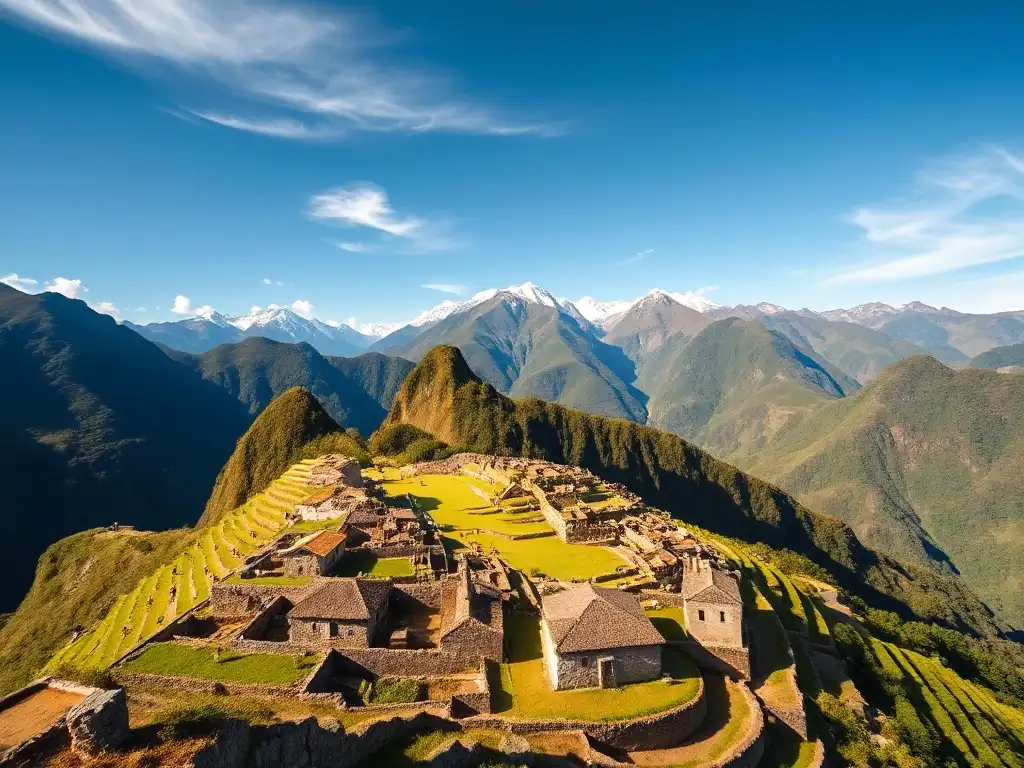
Step into a world lost to time, yet echoing in our present. Uncover the secrets of the Andes, a land where ingenuity flourished and civilizations thrived. Ancient Andean social structures weren't just foundations of stone and adobe; they were intricate webs of power, community, and innovation. How did these remarkable societies shape their world – and ours? Delve into the fascinating legacy of the Incas, Moche, Nazca, and Tiahuanaco to discover the answers.
The enduring legacy of the Ancient Andean civilizations extends far beyond their impressive architectural feats and intricate artwork. A deep understanding of their social structures reveals a sophisticated system built on community, cooperation, and reciprocity – principles that continue to resonate in modern Andean life.
This article delves into the remarkable social organization of ancient Andean societies, examining their foundational principles and exploring their lasting impact on contemporary Andean communities. We will uncover how the intricate web of relationships, responsibilities, and shared resources shaped these civilizations and how echoes of these systems can still be observed today, influencing everything from agricultural practices to conflict resolution.
By exploring the concepts of ayllu and other key social structures, we aim to illuminate the profound connection between the past and present in the Andes, highlighting the enduring power of community in shaping Andean identity and culture. Understanding these ancient social structures provides invaluable insight into the resilience and adaptability of Andean cultures, both historically and in the face of modern challenges.
Ancient Andean societies, while diverse across different cultures (Inca, Moche, Nazca, Tiahuanaco, etc. ), shared a common thread: a strong emphasis on collective well-being. Individual success was inextricably linked to the prosperity of the community.
This wasn't simply a matter of social pressure; it was deeply embedded in their belief systems and reflected in their intricate social structures. Unlike many hierarchical societies in other parts of the world, Andean social organization often prioritized cooperation and mutual support. This emphasis on community fostered a sense of shared responsibility and fostered resilience in the face of environmental challenges like harsh weather patterns and limited arable land.
The success of their agricultural practices, for instance, depended heavily on coordinated labor and resource management, highlighting the importance of collective action. This social structure wasn't static; it adapted and evolved across different civilizations and time periods, showcasing its flexibility and capacity to address changing circumstances. The system often involved a complex interplay of kinship ties, religious beliefs, and political authority, creating a dynamic social landscape.
The Ayllu: Foundation of Andean Society
The ayllu 1 represents a cornerstone of Andean social organization. This kinship-based community structure functioned as a fundamental unit of social, economic, and political life. Members of an ayllu shared a common ancestor, land, and resources, fostering strong bonds of solidarity and mutual obligation. The ayllu wasn't merely a social group; it was a crucial mechanism for resource management, labor organization, and conflict resolution. Land was collectively owned and distributed amongst ayllu members, ensuring equitable access to resources necessary for survival. This communal approach to land ownership contrasts sharply with individualistic land ownership models prevalent in many modern societies. Furthermore, the ayllu played a vital role in organizing labor for agricultural projects, construction initiatives, and other communal tasks. This collective effort ensured the completion of large-scale projects that benefited the entire community. The system also included mechanisms for resolving internal disputes and maintaining social harmony, often relying on community-based arbitration rather than formal legal systems. The enduring influence of the ayllu can be seen in many contemporary Andean communities where cooperative farming practices and collective decision-making processes continue to thrive. This showcases the remarkable adaptability and enduring relevance of this ancient social structure.
1 Often translated as "clan" or "lineage," the *ayllu* encompassed a much broader range of social and economic functions than these terms typically imply.
Ayllu Principles: Reciprocity and Collective Work
The foundation of many ancient Andean societies, particularly amongst the Inca, was the ayllu, a complex socio-economic system built on principles of reciprocity and collective work. This wasn't merely a geographical unit; it represented a deeply interwoven web of kinship, mutual obligation, and shared resources. Membership was hereditary, often tracing lineage back many generations, creating a strong sense of belonging and shared identity. This strong sense of community fostered cooperation and ensured the survival and prosperity of the entire group.
The ayllu system transcended simple neighborly relations; it was a meticulously organized system that dictated resource allocation, labor distribution, and social responsibilities. The success of the ayllu depended heavily on the consistent application of its core principles: reciprocity and collective work. These weren't abstract ideals; they were the practical mechanisms that ensured the well-being of its members.
Failure to participate actively in the system could lead to social ostracism and economic hardship. The system fostered a strong sense of social responsibility, where individual needs were subordinated to the collective good. This emphasis on communal well-being is a key element that continues to resonate in modern Andean communities.
Reciprocity in Andean Culture: Example of Agricultural Exchange
Reciprocity was the cornerstone of the ayllu. It operated on the principle of mutual exchange of goods, services, and labor. This wasn't necessarily a formalized system with strict accounting; rather, it was a deeply ingrained cultural value. A prime example is the exchange of agricultural products.
Families with surplus crops, perhaps due to more fertile land or favorable weather conditions, would share their abundance with those less fortunate. This wasn't charity; it was a reciprocal arrangement, understood to be repaid in kind at a later date, perhaps with different goods or services. For instance, a family with a surplus of potatoes might exchange them for textiles woven by another family, or for assistance with building or repairing their home.
This constant exchange of goods and services created a robust and resilient economic system, ensuring that resources were distributed fairly and efficiently, even in times of scarcity. The system fostered strong social bonds and minimized economic inequality. This reciprocal exchange, deeply embedded in Andean culture, persists even today, albeit in modified forms.
The Minka: Collective Labor for Infrastructure Projects
The minka was a crucial institution within the ayllu system, representing the practical application of collective work. It involved the mobilization of the entire community to undertake large-scale projects, such as irrigation systems, road construction, and temple building. Participation in the minka was obligatory, reflecting the strong communal ethos of Andean societies. The minka wasn't simply about completing a project; it was a significant social event, often accompanied by feasts and celebrations. This collective effort fostered a strong sense of unity and shared purpose, strengthening social bonds and reinforcing the importance of communal participation. The scale of some minka projects is staggering, testament to the organizational capabilities and collective power of ancient Andean communities. The minka system required sophisticated planning and coordination, showcasing the advanced organizational skills of these societies. The legacy of the minka continues to influence community-based initiatives in modern Andes, highlighting the enduring power of collective action.
The enduring influence of ancient Andean social systems, particularly the principles of reciprocity and collective work embodied in the ayllu and minka, is undeniable in modern Andean communities. While the formal structures of the ayllu may have diminished, the underlying values of mutual support and communal responsibility remain deeply ingrained. Many rural communities continue to rely on forms of reciprocal exchange, sharing resources and labor to overcome challenges. Community-based projects, reminiscent of the minka, are still undertaken, demonstrating the enduring power of collective action.
This is especially evident in agricultural practices, where cooperative farming and resource management are common. The strong sense of community and social solidarity, fostered by these ancient systems, continues to shape social relations and economic activities in many Andean regions. However, the modernization process has also presented challenges, and the integration of ancient traditions with modern economic and social structures is an ongoing process.
Understanding the historical context of these ancient social systems is crucial for appreciating the complexities of modern Andean society and its resilience in the face of change. The legacy of the ayllu and the minka is not just a historical curiosity; it is a living testament to the enduring power of community and collective action. The principles of reciprocity and mutual support continue to shape social relations and economic practices, highlighting the remarkable continuity between the past and the present in the Andean region.
The Minga: Modern Manifestation of Collaborative Work
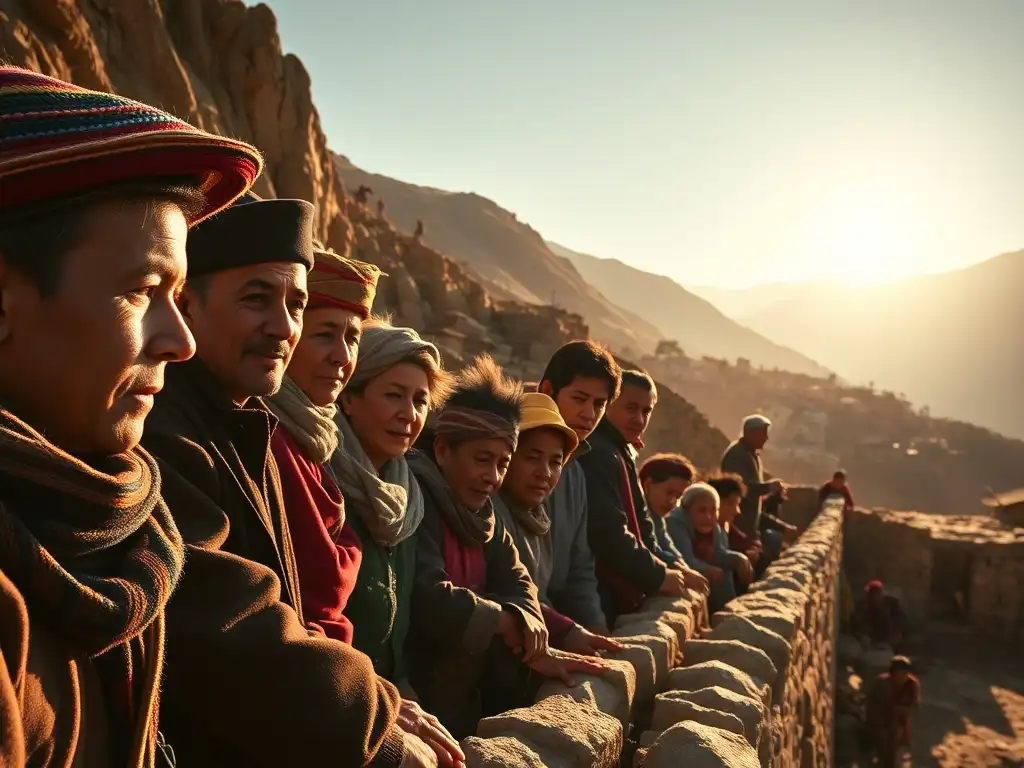
The minga, a traditional Andean system of collective labor, continues to thrive in modern communities. This practice, rooted in the Inca Empire and even earlier civilizations, embodies the spirit of communal cooperation. It's a powerful demonstration of how shared effort can overcome significant challenges and underscores the enduring value placed on community well-being.
The minga isn't merely about completing a task; it's a social event, a celebration of unity, and a reinforcement of social bonds. Participants contribute their time and skills without expecting monetary compensation, driven by a sense of shared responsibility and mutual benefit. This reciprocal system fosters a strong sense of belonging and collective identity, vital for the sustainability of Andean communities.
The spirit of the minga transcends mere practicality; it's a cornerstone of Andean social fabric. The success of a minga relies heavily on the trust and mutual respect among participants, highlighting the deeply ingrained social values that underpin this practice.
Minga Examples: Community Irrigation Projects
One compelling example of the minga's enduring relevance is its application in maintaining and improving crucial infrastructure, particularly irrigation systems. In many Andean communities, the intricate networks of canals and ditches that provide water for agriculture are collaboratively managed through mingas. Farmers collectively participate in cleaning, repairing, and expanding these systems, ensuring the continued productivity of their lands. These projects often involve substantial labor and coordination, demonstrating the scale and effectiveness of collaborative work.
For instance, in the highlands of [Specific Andean region pending], communities regularly organize mingas to clear debris from irrigation canals, a task impossible for any individual farmer to undertake alone. This collective effort guarantees the equitable distribution of water resources, a critical factor for agricultural success in these challenging environments. The success of these projects is a testament to the enduring power of the minga in addressing practical challenges and fostering community resilience. 🤝
The Benefits of Community Work: Enhanced Social Cohesion
The minga system offers numerous benefits beyond the practical completion of tasks. The shared experience fosters strong social bonds, strengthens community cohesion, and promotes a sense of collective efficacy. Regular participation in mingas reinforces social connections, creating opportunities for interaction and building relationships among community members. This collaborative effort contributes to a stronger sense of shared identity and purpose, fostering a more resilient and supportive community.
Furthermore, the minga system promotes the transmission of traditional knowledge and skills from one generation to the next, ensuring the continuation of vital practices. The collaborative nature of the minga also encourages problem-solving and decision-making processes that involve the entire community, leading to more equitable outcomes. The social capital generated through mingas is invaluable for the long-term well-being of Andean communities.
Ayni: Reciprocal Help in Modern Andean Communities
The principle of ayni, a system of reciprocal exchange, remains a cornerstone of Andean social life. Similar to the minga, ayni emphasizes mutual assistance and cooperation, but it extends beyond collective labor to encompass a broader range of support. This system operates on the understanding that help given today will be reciprocated in the future, creating a network of mutual obligation and trust.
Ayni is not based on formal contracts or agreements; rather, it relies on the deeply ingrained cultural values of reciprocity and solidarity. It's a flexible system that adapts to the specific needs of the community, allowing for a dynamic exchange of resources and assistance. The enduring relevance of ayni highlights the importance of social support networks in maintaining stability and resilience within Andean communities.
Ayni in Action: Examples of House Building Assistance
A common example of ayni in action is the construction of houses. When a family needs to build or repair their home, neighbors and relatives contribute their time and skills to assist, often without expecting direct payment. This collaborative effort not only significantly reduces the burden on the family but also strengthens community bonds. Similarly, ayni is often employed during harvests, with community members helping each other gather crops.
This mutual assistance ensures that everyone has access to sufficient resources, even during times of scarcity. Such practices showcase the practical application of ayni, demonstrating how this system of reciprocal help contributes to the economic and social well-being of Andean communities. This is more than just a practical arrangement; it's a deeply embedded cultural norm.
Strengthening Social Bonds Through Ayni: Mutual Support Networks
The practice of ayni strengthens social bonds by creating a network of mutual support and obligation. This system fosters a sense of community responsibility and interdependence, promoting solidarity and reducing social inequalities. By relying on each other for assistance, community members build trust and strengthen their relationships, contributing to a more cohesive and resilient society.
Ayni extends beyond material assistance; it also includes emotional and social support, creating strong and lasting connections among community members. The ongoing practice of ayni demonstrates the enduring power of reciprocal exchange in fostering social cohesion and reinforcing the importance of community in Andean life. This system of mutual support remains a vital element of Andean social structures, demonstrating the long-lasting legacy of ancient traditions.
The Role of Community Leaders: Facilitating Collective Action
Ancient Andean societies, particularly the Inca Empire, relied heavily on a hierarchical system of leadership to organize and mobilize their vast populations for monumental projects like road construction, agriculture, and warfare. These leaders, ranging from local curacas to the emperor himself, weren't simply rulers; they were crucial facilitators of collective action. Their authority stemmed not solely from inherited power, but also from their ability to inspire cooperation and ensure equitable distribution of resources. Effective leadership fostered a strong sense of community identity and mutual obligation, crucial for the survival and prosperity of these complex societies.
The ayllu, a kinship-based community group, served as the fundamental unit of social organization, and its internal structure was directly influenced by the leadership provided by its designated head. Successful leaders understood the intricate social dynamics within the ayllu, skillfully navigating potential conflicts and ensuring the smooth functioning of communal tasks. This required a deep understanding of customary law, religious practices, and the needs of the community members.
Their role extended beyond simple command; they were often mediators, advisors, and spiritual guides, ensuring social harmony and collective well-being. The legacy of this type of leadership, emphasizing community engagement and collective responsibility, continues to resonate in modern Andean communities, albeit adapted to the changing circumstances of contemporary life. For example, community leaders in rural Andean areas often play a critical role in coordinating resource management and resolving disputes, reflecting the enduring influence of ancient Andean social structures.
The continuity of Ancient Andean social structures isn't just a matter of institutional persistence; it's deeply intertwined with the effective transmission of cultural values across generations. Oral traditions, ceremonies, and festivals played a vital role in perpetuating the social norms and beliefs that underpinned community life. These traditions weren't simply entertaining narratives; they served as powerful tools for socialization, teaching young people about their responsibilities within the community and reinforcing the importance of cooperation and reciprocity.
The intricate weaving patterns, for example, often incorporated symbolic representations of Andean cosmology and social structures, effectively transmitting complex ideas through a visually engaging medium. Similarly, agricultural practices, such as the sophisticated terracing techniques developed by the Incas, were passed down through generations, embodying not just practical knowledge but also the deep-rooted respect for the land and the collective effort required for its cultivation. The continued practice of these traditions in contemporary Andean communities demonstrates their enduring significance.
While modernization has brought changes, many communities actively strive to preserve these ancient practices, recognizing their crucial role in maintaining social cohesion and cultural identity. The transmission of these values ensures that the spirit of community, so central to Ancient Andean societies, continues to inform social relations in the modern Andean world. This cultural continuity is a testament to the power of tradition in shaping social structures and fostering a sense of shared identity.
Challenges to Community Structures: Migration and Urbanization

The rapid pace of urbanization and internal migration in the Andes presents significant challenges to traditional community structures. The movement of people from rural areas to urban centers disrupts established social networks and weakens the bonds of kinship and reciprocity that characterized ancient Andean societies. The ayllu system, once the bedrock of social organization, is often undermined by the anonymity and individualistic pressures of urban life. This transition leads to a decline in communal participation and a weakening of traditional forms of social control.
While modern Andean cities offer opportunities for economic advancement, they also present new forms of social inequality and marginalization that weren't as prevalent in the more egalitarian structures of ancient Andean communities. Furthermore, the influx of external cultures and ideas can challenge the dominance of traditional Andean values, leading to cultural hybridity and sometimes the erosion of indigenous practices. However, it's important to note that Andean communities have displayed remarkable resilience in adapting to these changes.
Many urban migrants maintain strong ties to their rural communities of origin, and new forms of community organization are emerging in urban settings, albeit often adapting traditional structures to modern contexts. Understanding these challenges and the adaptive strategies employed by Andean communities is crucial for supporting the preservation of their unique cultural heritage and promoting sustainable development in the region. The ongoing tension between tradition and modernity presents both opportunities and challenges for the future of Ancient Andean social structures in the modern era.
The enduring legacy of ancient Andean social structures presents a compelling case study for contemporary societies grappling with issues of inequality, sustainability, and community cohesion. Understanding the intricate systems of reciprocity, collective responsibility, and resource management employed by civilizations like the Inca, Moche, and Nazca offers valuable insights for navigating the challenges of the 21st century. The principles of ayni (reciprocity) and mita (labor service), while adapted to modern contexts, still hold significant potential for fostering stronger, more equitable communities.
However, the direct application of ancient models requires careful consideration of the vastly different socio-political landscapes of modern Andean societies. Simply replicating past practices without adapting them to contemporary needs and realities would be unproductive and potentially harmful. A nuanced approach is crucial, one that recognizes the historical context while embracing innovative solutions.
The key lies in identifying the core principles underlying these ancient systems and applying them creatively to address modern challenges. This requires a multi-faceted strategy involving education, sustainable development, and a renewed focus on community participation.
Strategies for Strengthening Community Bonds: Educational Initiatives
A critical step towards harnessing the power of ancient Andean social structures lies in education. Introducing children and young adults to the principles of ayni and mita, not merely as historical facts but as viable models for social interaction and community building, is paramount. This can be achieved through incorporating relevant aspects of Andean history and social organization into school curricula, fostering a deeper understanding of collective responsibility and the importance of community participation.
Furthermore, community-based educational programs, workshops, and storytelling initiatives can help transmit this knowledge across generations, ensuring its continued relevance. These initiatives should focus on practical applications, demonstrating how these ancient principles can be used to solve contemporary problems, such as promoting cooperation in environmental conservation efforts or resolving local conflicts through dialogue and negotiation.
The goal is not to romanticize the past but to extract valuable lessons that can inform and inspire solutions for the present. For example, a program teaching conflict resolution techniques based on traditional Andean mediation practices could significantly impact community relations.
Integrating Ancient Wisdom: Sustainable Development Practices
Ancient Andean societies demonstrated remarkable ingenuity in managing their resources sustainably. Their agricultural techniques, such as terracing and irrigation systems, were meticulously designed to maximize yields while minimizing environmental impact. These practices offer valuable lessons for modern sustainable development initiatives.
By integrating ancient wisdom with contemporary scientific knowledge, it's possible to develop innovative approaches to resource management, waste reduction, and environmental conservation. For instance, studying the Inca's sophisticated water management systems could inform the design of more efficient and sustainable irrigation techniques for modern agriculture. Similarly, the principles of ayni could be applied to promote collaborative efforts in environmental protection, fostering a sense of shared responsibility for the well-being of the ecosystem.
Integrating ancient Andean knowledge into sustainable development strategies not only promotes environmental sustainability but also strengthens community bonds by fostering collective action towards a common goal. This approach emphasizes the interconnectedness between human societies and their environment, a perspective deeply rooted in Andean cosmovision.
The social structures of ancient Andean civilizations, characterized by principles of reciprocity, collective responsibility, and sustainable resource management, offer valuable lessons for contemporary societies. While direct replication is not feasible, the underlying principles of ayni and mita retain significant relevance in addressing modern challenges.
Through educational initiatives that integrate ancient wisdom into contemporary curricula and sustainable development practices informed by ancient Andean ingenuity, we can strengthen community bonds and build more equitable and sustainable societies. The legacy of ancient Andean social structures is not merely a historical artifact; it is a living testament to the enduring power of community and a valuable resource for shaping a better future.
By understanding and applying these principles thoughtfully, we can create a more just and prosperous world, inspired by the wisdom of our ancestors. The future success of Andean communities, and indeed many others globally, hinges on a renewed appreciation for the enduring power of collective action and sustainable living—values deeply embedded within the ancient Andean worldview.
- Understanding Ancient Andean Social Organization
- The Ayllu: Foundation of Andean Society
- Ayllu Principles: Reciprocity and Collective Work
- Impact of Ancient Andean Social Systems on Modern Communities
- The Minga: Modern Manifestation of Collaborative Work
- Ayni: Reciprocal Help in Modern Andean Communities
- The Role of Community Leaders: Facilitating Collective Action
- Preserving Ancient Andean Social Values: Cultural Transmission
- Challenges to Community Structures: Migration and Urbanization
- The Future of Ancient Andean Social Structures: A Path Forward
- Conclusion: The Enduring Relevance of Ancient Andean Social Models
- What were the basic social structures of ancient Andean civilizations?
- How did the Inca Empire organize its vast population?
- What role did religion play in Andean social structures?
- How did the social structures of different Andean cultures compare?
- What impact do ancient Andean social structures have on modern life?
Frequently Asked Questions
Andean societies were largely hierarchical, with an elite class at the top, followed by priests, artisans, farmers, and finally, laborers. The ayllu, a kinship-based community, formed the foundation of many societies, providing social support and labor organization.
How did the Inca Empire organize its vast population?
The Inca Empire employed a highly centralized system with a complex bureaucracy. They divided their territory into provinces, each governed by appointed officials, ensuring efficient resource management and tax collection. The mita system provided labor for public works.
Religion permeated all aspects of Andean life. Priests and shamans held significant power, influencing social norms and practices. Religious beliefs and rituals reinforced social hierarchies and maintained order.
While all Andean cultures exhibited some form of hierarchy, the specifics varied. The Inca Empire was exceptionally centralized, whereas the Nazca and Moche societies possessed less rigid structures with a greater emphasis on regional variations.
Many Andean communities still maintain aspects of the ayllu system, emphasizing community cooperation and mutual support. Understanding these ancient structures offers valuable insights into contemporary social dynamics and community organization in the region.
Final Reflection: Echoes of the Andes: Building Community in the Modern World
The intricate social structures of the ancient Andes, built on principles of reciprocity, cooperation, and shared responsibility, offer a powerful counterpoint to the often-individualistic ethos of modern society. Their enduring legacy challenges us to reconsider our own approaches to community building and collective action in the face of global challenges.
The impact of Andean social organization continues to resonate, shaping our understanding of sustainable living and collaborative problem-solving. Their emphasis on ayni – reciprocal exchange – provides a compelling model for addressing contemporary issues like inequality and environmental degradation. The strength of a community lies not in the number of people, but in the strength of their connections.
This simple truth, though timeless, holds profound implications for how we structure our societies and interact with one another. The Andean example reminds us that true progress is not solely measured in material wealth, but also in the strength and resilience of our collective bonds.
Consider the lessons of the ancient Andes. Think about how you can actively contribute to the well-being of your community, fostering relationships based on mutual respect and support. Embrace the spirit of ayni in your daily life – offer your skills, share your resources, and participate actively in building a more just and sustainable future. The echoes of the Andes call to us, urging us to create communities that are not only strong, but also deeply connected and profoundly human.
Unleash the Strength of Your Community!
Thank you for exploring the fascinating connections between ancient Andean social structures and modern life! You've discovered the enduring power of community. Now, let's put that inspiration into action!
Here are some ways to strengthen your community connections:
- Join or start a local group focused on shared interests or traditions to build meaningful relationships. Examples include a book club, a neighborhood watch, or a gardening group.
- Connect with others online through forums or social media groups dedicated to topics you're passionate about. This could be anything from local history to sustainable living.
- Volunteer your time and skills to local projects. This is a wonderful way to foster collaboration and build solidarity within your community.
How will you strengthen your community bonds today? Let's start a conversation!