
The Breath of the Mountains: How Andean Spirituality Shapes Modern Values

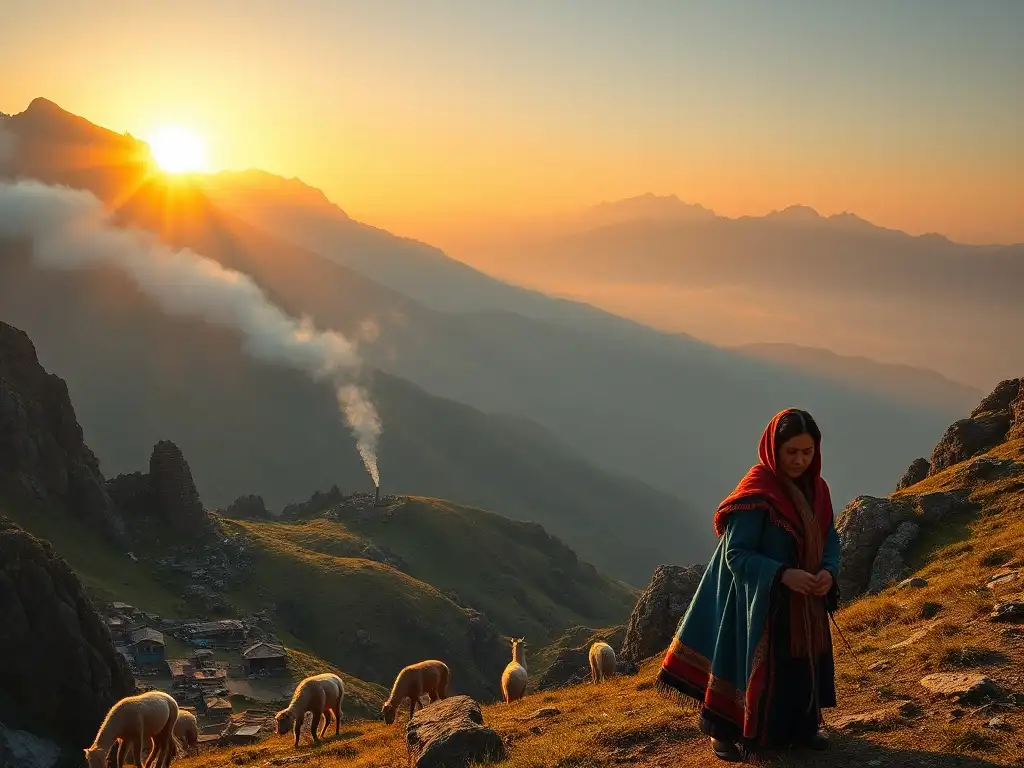
Step into a world lost in time, yet echoing in our present. The Breath of the Mountains whispers secrets of the Andes – a legacy woven into the vibrant tapestry of Andean Civilizations. From the Incas to the Nazca, their profound spirituality continues to resonate, shaping modern values in ways you might never imagine. Dare to uncover the intricate threads connecting ancient wisdom to our contemporary world; discover how Andean spirituality impact modern values and explore the enduring power of this remarkable heritage.
The Andes Mountains, a majestic spine running down the western coast of South America, are more than just a geographical feature; they are the cradle of a rich and complex spiritual tradition that continues to profoundly influence the values and worldview of modern Andean communities. This article explores the enduring impact of Andean spirituality on contemporary Andean life, examining its core principles and demonstrating how its ancient wisdom shapes modern values, practices, and perspectives.
We will delve into the intricate relationship between Andean cosmology and its influence on societal structures, analyzing key concepts like Pachamama, Ayni, and Sumak Kawsay to understand their relevance in the 21st century. Understanding this spiritual heritage is crucial to appreciating the vibrant tapestry of Andean culture and its enduring resilience in the face of modernization.
The enduring legacy of Andean spirituality offers valuable insights into sustainable living, community building, and a harmonious relationship with the natural world – lessons increasingly relevant in our globally interconnected world. The keyword "Andean spirituality impact modern values" will be explored throughout, demonstrating the continued relevance of these ancient traditions.
Understanding the Roots: Andean Cosmology and its Influence
Andean cosmology, a complex system of beliefs about the universe and humanity's place within it, forms the bedrock of Andean spirituality. Unlike Western perspectives that often separate the spiritual from the material, Andean worldview sees the cosmos as a unified, interconnected whole. Mountains, rivers, and animals are not simply objects; they are sentient beings, imbued with spiritual power and deserving of respect.
This holistic view of the world, deeply embedded in the landscape itself, profoundly shapes Andean values and practices. The inherent interconnectedness between humans and nature, a central tenet of Andean cosmology, fosters a deep sense of responsibility towards the environment and a commitment to sustainable living. This is evident in traditional agricultural practices, resource management, and a deep reverence for the natural world.
Understanding this holistic perspective is key to grasping the profound influence of Andean spirituality on modern values. The intricate relationship between the physical and spiritual realms is woven into the fabric of Andean life, shaping everything from social structures to economic practices.
The Core Principles of Andean Spirituality
Several core principles underpin Andean spirituality, shaping the ethical and moral framework of Andean societies. These principles are not abstract concepts but are deeply ingrained in daily life, guiding interactions with the natural world, community members, and the spiritual realm. The enduring relevance of these principles in modern Andean society highlights the lasting impact of this ancient spiritual tradition. The following sections will explore three fundamental principles: Pachamama, Ayni, and Sumak Kawsay.
Pachamama: The Sacredness of Mother Earth
Pachamama, meaning "Mother Earth," is the central figure in Andean cosmology. She is not merely the physical earth but a divine force, the source of all life and sustenance. Respect for Pachamama manifests in various ways, from offerings and ceremonies to sustainable agricultural practices. Modern Andean communities continue to honor Pachamama through rituals and ceremonies, acknowledging their dependence on the earth's bounty.
The concept of Pachamama promotes a deep ecological consciousness, emphasizing the interconnectedness of all living beings and the need for responsible stewardship of the environment. This principle directly impacts modern values by encouraging environmental protection and sustainable resource management. The reverence for Pachamama is not a relic of the past; it remains a powerful force shaping contemporary Andean attitudes towards nature.
Ayni: The Reciprocity and Interconnectedness
Ayni embodies the principle of reciprocity and mutual exchange. It is a fundamental social and spiritual concept emphasizing the interconnectedness of individuals and communities. Ayni dictates that individuals should contribute to the well-being of the community and receive support in return. This principle fosters a strong sense of community responsibility and mutual support.
In modern Andean society, Ayni continues to manifest in various forms, from communal labor projects to sharing resources and providing assistance to those in need. The spirit of Ayni promotes social cohesion, cooperation, and a sense of collective responsibility. It stands in stark contrast to individualistic values, prioritizing community well-being over individual gain.
Sumak Kawsay: The Concept of Good Living
Sumak Kawsay, often translated as "good living" or "living well," encapsulates the Andean vision of a harmonious and fulfilling life. It is not simply about material wealth but encompasses physical, spiritual, and social well-being. Sumak Kawsay emphasizes a balanced relationship with nature, community, and the spiritual realm. In modern Andean contexts, Sumak Kawsay is increasingly used as a framework for sustainable development and social justice initiatives.
It promotes a holistic approach to development that prioritizes community participation, environmental protection, and the preservation of traditional knowledge. The concept of Sumak Kawsay offers a powerful alternative to materialistic and unsustainable development models, highlighting the importance of social equity, environmental sustainability, and spiritual fulfillment. This principle directly impacts modern values by promoting a more holistic and balanced approach to life.
- Understanding the Roots: Andean Cosmology and its Influence
- The Core Principles of Andean Spirituality
How Ancient Andean Beliefs Impact Contemporary Andean Culture
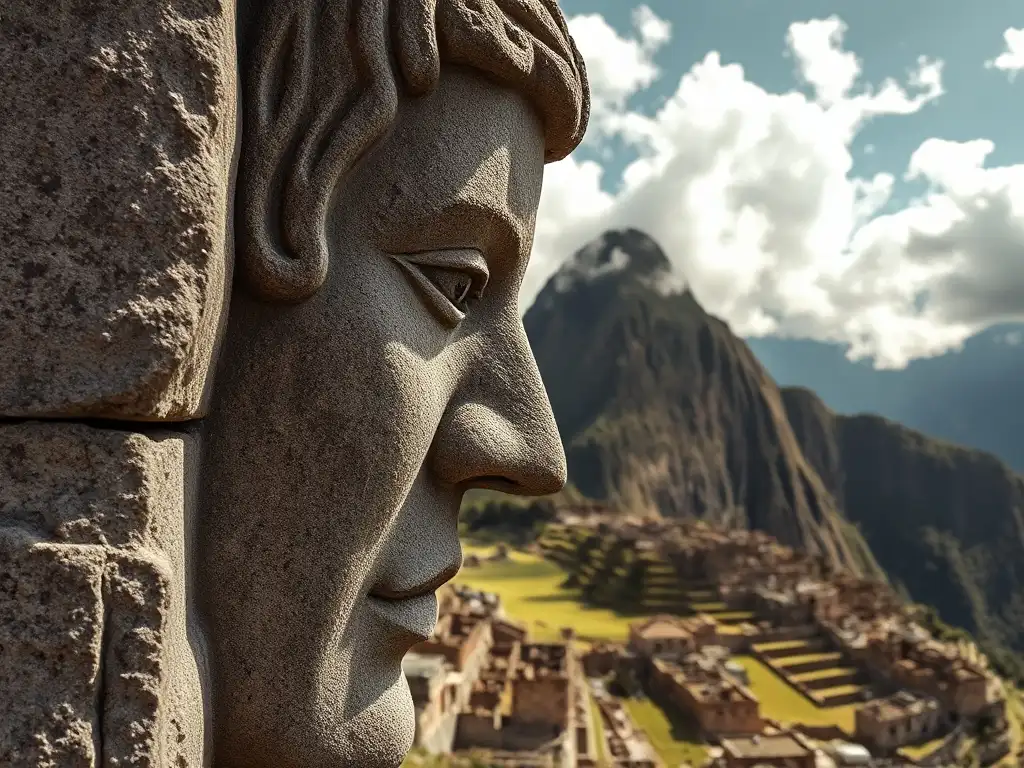
This section explores the enduring influence of ancient Andean spirituality on the values and practices of contemporary Andean communities. We'll examine how traditional beliefs and rituals continue to shape social structures, community life, and individual worldview, demonstrating the profound impact of Andean spirituality on modern values. The legacy of these ancient traditions is undeniable, woven into the very fabric of Andean life today. The keyword "Andean spirituality impact modern values" is central to understanding this enduring connection.
The Enduring Presence of Andean Rituals and Ceremonies
Andean spirituality is not a relic of the past; it's a vibrant, living tradition. Ancient rituals and ceremonies, deeply rooted in reverence for the natural world and ancestral spirits, continue to be practiced across the Andes. These practices are not merely historical reenactments; they are integral to the daily lives and spiritual well-being of many Andean people. The persistence of these traditions highlights the enduring power of Andean spirituality to shape modern values.
Offerings to Pachamama in Modern Times
The practice of offering gifts to Pachamama, the Earth Mother, remains a central element of Andean spirituality. These offerings, ranging from coca leaves and alcohol to food and flowers, are not simply symbolic gestures; they represent a deep-seated respect for the natural world and an acknowledgement of its life-giving power.
In modern times, Pachamama offerings are frequently performed during agricultural cycles, significant life events, or times of need, reinforcing the interconnectedness between humans and nature – a core value shaped by ancient Andean beliefs. The frequency and significance of these offerings underscore the continuing relevance of Andean spirituality in the modern context.
The Significance of Andean Music and Dance
Andean music and dance are not merely forms of entertainment; they are powerful expressions of spirituality and cultural identity. Traditional instruments, such as the zampoña (panpipes) and charango (a small guitar), are often used in ceremonies and rituals, invoking the spirits of the mountains and ancestors. The rhythmic movements and melodic chants accompanying these dances often tell stories of creation myths, heroic deeds, or the cycles of nature, transmitting ancient knowledge and reinforcing communal bonds. This vibrant cultural expression is a direct descendant of ancient Andean spiritual practices, contributing significantly to the Andean identity and values.
The Role of Shamans and Traditional Healers Today
Shamans and yatiri (traditional healers) continue to play a crucial role in Andean communities. They act as intermediaries between the human world and the spirit world, providing spiritual guidance, healing, and interpreting dreams and omens. Their knowledge, passed down through generations, incorporates ancient Andean cosmology and herbal medicine. The continued reliance on these traditional healers demonstrates the enduring influence of Andean spiritual beliefs on healthcare and well-being, highlighting the value placed on holistic approaches to health and spiritual harmony. Their role is vital in maintaining the balance between the spiritual and physical realms, a core tenet of Andean spirituality.
The values inherent in Andean spirituality have profoundly shaped the social structures and community dynamics of the Andes. Concepts of reciprocity, community cooperation, and respect for elders are deeply embedded in Andean culture, directly stemming from the spiritual beliefs and practices of past civilizations.
Community Work and Cooperation: The Legacy of Minka
The concept of minka, a system of reciprocal labor, remains a powerful force in many Andean communities. Minka involves communal work projects where individuals contribute their time and skills to benefit the entire community. This practice, rooted in ancient Andean values of cooperation and mutual support, demonstrates the enduring influence of Andean spirituality on social cohesion and collaborative problem-solving. The continuation of minka highlights the societal importance of collective action, a value deeply ingrained in Andean culture.
The Importance of Family and Ancestral Ties
Family and ancestral ties are central to Andean social structures. Respect for elders and reverence for ancestors are deeply ingrained in Andean values, reflecting the belief that the living and the dead are interconnected. Family structures often extend beyond the immediate nuclear family to include extended kin, demonstrating a strong emphasis on communal support and shared responsibility. The emphasis on strong family bonds and respect for ancestors is a direct reflection of the spiritual beliefs that have shaped Andean society for centuries.
The Role of Andean Women in Modern Society
While patriarchal structures have impacted Andean societies, the role of women remains significant, reflecting aspects of ancient Andean spirituality. Women often play crucial roles in maintaining traditional practices, such as Pachamama offerings and the preparation of ceremonial foods. Their knowledge of herbal medicine and traditional healing practices is highly valued within communities, demonstrating the continuing influence of ancient Andean beliefs on gender roles and the importance of women in preserving cultural heritage.
Further research is needed to fully quantify the impact of Andean spirituality on gender roles in modern society. [Specific information pending: Data on women's roles in modern Andean communities and their connection to traditional spiritual practices].
Modern Values Shaped by Andean Worldview

The enduring legacy of Andean civilizations extends far beyond impressive archaeological sites and intricate textiles. Their deeply ingrained spiritual worldview, characterized by a profound respect for nature and community, continues to shape modern values across the Andes and increasingly influences global perspectives on sustainability and ethical living. This section explores how core tenets of Andean spirituality directly impact contemporary society, demonstrating the lasting relevance of ancient wisdom in addressing modern challenges. The impact of Andean spirituality on modern values is undeniable, offering valuable lessons for a world grappling with environmental degradation and social inequality.
Sustainable Practices Inspired by Andean Wisdom
The Andean worldview emphasizes a harmonious relationship between humanity and the natural world, a perspective reflected in sustainable practices deeply rooted in their traditions. This reverence for nature isn't merely abstract; it manifests in concrete actions that continue to inform modern approaches to agriculture, resource management, and environmental conservation.
Agriculture and Respect for Natural Cycles
Andean agriculture wasn't simply about maximizing yield; it was about working with nature. Techniques like andenes (terracing) and the careful selection of crops adapted to specific altitudes and microclimates demonstrate a sophisticated understanding of ecological balance. This approach, emphasizing biodiversity and minimizing environmental impact, contrasts sharply with modern industrial agriculture's often destructive practices. The cyclical nature of Andean agriculture, mirroring the rhythms of the Andes themselves, provides a powerful model for sustainable food production. Modern organic farming movements draw heavily from these ancient techniques, recognizing the inherent wisdom in working in harmony with natural cycles rather than against them.
Resource Management Based on Andean Principles
Andean resource management wasn't driven by profit maximization but by ensuring the well-being of the community and future generations. A sense of stewardship, rather than ownership, permeated their relationship with natural resources. This principle is exemplified by the ayllu system, a communal land management structure that prioritized equitable distribution and long-term sustainability. The concept of ayni, reciprocal exchange, further reinforced this collaborative approach to resource management. Modern initiatives promoting community-based resource management find inspiration in these ancient practices, recognizing the importance of collective action in ensuring environmental sustainability.
Environmental Consciousness and Conservation Efforts
The profound respect for Pachamama (Mother Earth) fostered a deep environmental consciousness within Andean societies. This reverence wasn't limited to abstract concepts; it translated into concrete conservation efforts. Sacred sites, such as mountain peaks and lakes, were carefully protected, reflecting a belief in the interconnectedness of all living things.
This holistic approach to environmental protection is gaining traction in modern conservation movements, highlighting the need to move beyond narrow, species-focused approaches to a more holistic understanding of ecological integrity. Modern conservationists are increasingly recognizing the importance of incorporating indigenous knowledge and perspectives, particularly those stemming from Andean spirituality, in their efforts.
Ethical Frameworks Rooted in Andean Philosophy
Beyond sustainable practices, Andean spirituality profoundly influences ethical frameworks, shaping modern perspectives on social justice, community well-being, and the importance of balance and harmony.
The Pursuit of Harmony and Balance
Andean philosophy emphasizes the importance of equilibrio (balance) in all aspects of life – between humans and nature, individuals and communities, the spiritual and material realms. This pursuit of harmony is reflected in their intricate social structures, their art, and their daily lives. The concept of balance resonates deeply with modern discussions about sustainable development, emphasizing the need to find equilibrium between economic growth, social equity, and environmental protection. The challenge of achieving balance remains a central theme in contemporary societal discourse, echoing the ancient Andean pursuit of equilibrio.
Respect for Diversity and Other Cultures
Andean societies were incredibly diverse, comprising numerous ethnic groups and languages. Despite this diversity, a strong sense of mutual respect and tolerance existed, fostering a rich tapestry of cultural exchange. This appreciation for diversity stands in stark contrast to modern tendencies towards homogenization and cultural imperialism. The Andean emphasis on respecting diverse worldviews offers a valuable counterpoint to these trends, promoting inclusivity and intercultural understanding. In a globalized world, the Andean example of respecting cultural diversity serves as a crucial reminder of the richness and value of multiple perspectives.
The Importance of Community Well-being over Individualism
Unlike many contemporary societies that prioritize individualism, Andean societies emphasized the importance of community well-being above individual gain. The ayllu system, with its emphasis on communal responsibility and shared resources, exemplifies this collectivist ethos. While individualism has its place, the Andean emphasis on community offers a powerful counterbalance, highlighting the importance of social cohesion and mutual support in building resilient and equitable societies. Modern discussions about social justice and economic inequality often overlook the importance of strong community bonds, a factor crucial for addressing these complex challenges and something the Andean model highlights.
The Continuing Evolution of Andean Spirituality
Andean spirituality, far from being a static relic of the past, is a dynamic and evolving system. It's a vibrant tapestry woven from ancient threads of animism, reverence for nature (Pachamama), and ancestor veneration, constantly being reinterpreted and adapted in the face of modern challenges and influences. This ongoing evolution is a testament to its enduring relevance and its ability to navigate the complexities of the modern world.
The core principles remain – a deep respect for the interconnectedness of all living things, a harmonious relationship with the environment, and a strong sense of community – but their expression and application are constantly being refined. This adaptability is crucial to its continued survival and influence.
The spiritual practices themselves, from rituals and ceremonies to personal beliefs, are constantly being re-evaluated and sometimes re-imagined to suit contemporary contexts. This process is neither a dilution nor a betrayal of tradition, but rather a testament to the enduring power and flexibility of Andean spiritual thought.
Adaptation and Integration of New Ideas
The integration of new ideas into Andean spirituality is a fascinating process. While maintaining core tenets, there's been a remarkable ability to incorporate elements from Christianity and other belief systems without sacrificing the fundamental worldview. This syncretism isn't a simple blending; it's a complex negotiation, a process of selecting and adapting elements that resonate with existing beliefs and discarding those that don't. This is evident in many modern Andean practices, where traditional rituals might incorporate elements of Catholic prayer or symbolism. This adaptive capacity illustrates the resilience and flexibility of Andean spirituality, demonstrating its ability to remain relevant and meaningful across generations and cultures. The process is a continuous dialogue between the ancient and the modern, resulting in a rich and evolving spiritual landscape. One example is the blending of traditional agricultural practices with modern environmental awareness, creating sustainable farming methods rooted in both ancient wisdom and contemporary scientific understanding.
Challenges and Opportunities in a Globalized World
Globalization presents both challenges and opportunities for Andean spirituality. The influx of global consumerism and secular values can threaten traditional ways of life and spiritual practices. The pressure to assimilate into a globalized culture can lead to a decline in traditional knowledge and practices, potentially eroding the unique cultural heritage of Andean communities. However, globalization also offers opportunities for increased awareness and appreciation of Andean spirituality worldwide.
The internet and other forms of global communication allow for the sharing of knowledge and traditions, fostering connections between Andean communities and those interested in learning about their spiritual heritage. This increased visibility can lead to greater respect for Andean culture and a renewed interest in its spiritual practices. Furthermore, the global environmental movement finds common ground with the deep ecological consciousness inherent in Andean spirituality, creating potential for collaborative efforts towards environmental sustainability.
The Future of Andean Spirituality and its Relevance
The future of Andean spirituality hinges on its ability to continue adapting and evolving while preserving its core values. Efforts to document and preserve traditional knowledge, through oral histories, written records, and community-based initiatives, are crucial. Education plays a vital role in ensuring that younger generations understand and value their spiritual heritage.
The integration of Andean spiritual principles into modern contexts, such as environmental activism and social justice movements, can help to ensure its enduring relevance. The enduring power of Andean spirituality lies in its profound connection to the land, its emphasis on community, and its ability to adapt to changing circumstances. As the world faces increasing environmental and social challenges, the wisdom and values embedded within Andean spirituality offer valuable insights and potential solutions.
Its future is not merely a continuation of the past, but a vibrant and evolving expression of a deep and enduring connection to the earth and its people. The emphasis on harmony, balance, and respect for all living things resonates powerfully in our modern world, offering a pathway towards a more sustainable and just future.
The Lasting Impact of Andean Spirituality on Modern Andean Societies
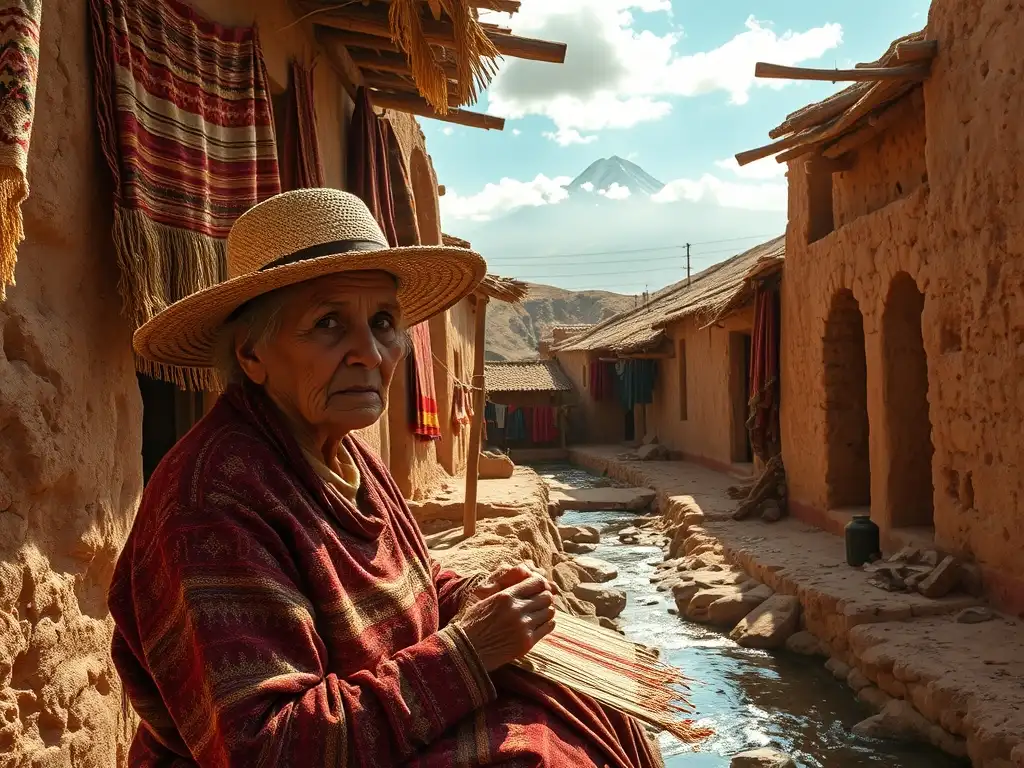
Andean spirituality, a complex tapestry woven from centuries of tradition and belief, continues to exert a profound influence on the values and practices of modern Andean societies. This enduring impact is not merely a nostalgic echo of the past, but a vibrant, living force shaping contemporary life in profound ways. From the intricate designs of traditional textiles to the cooperative spirit underpinning agricultural practices, the echoes of ancient Andean cosmology resonate in the daily lives of millions. The enduring strength of Andean spirituality lies in its ability to adapt and integrate with contemporary challenges, while simultaneously preserving its core values.
This section will explore several key examples demonstrating the palpable impact of Andean spirituality on modern Andean values. Understanding this impact is crucial to appreciating the richness and complexity of Andean culture today. The keyword "Andean spirituality impact modern values" is central to understanding this enduring legacy.
The Community of Sallac: Embracing Traditional Textile Arts
The small community of Sallac, nestled high in the Andes, provides a compelling example of how Andean spirituality manifests in contemporary artistic expression. Their renowned textile traditions are not merely a craft; they are a deeply spiritual practice. Each intricate design, each vibrant color, is imbued with symbolic meaning rooted in ancient Andean cosmology.
The weaving process itself is a ritual, a communion between the weaver, the natural world (represented by the alpaca wool), and the ancestral spirits. This spiritual connection is reflected in the enduring value placed on community collaboration in the creation of these textiles. The intricate designs often depict celestial bodies, mythical creatures, and agricultural cycles, all integral to the Andean worldview.
The preservation of these textile traditions is not simply about preserving a craft; it's about safeguarding a vital link to a rich spiritual heritage. This active engagement with tradition directly impacts the community's identity and strengthens social bonds, demonstrating the tangible influence of Andean spirituality on modern Andean values. The meticulous detail and symbolic richness of these textiles serve as powerful reminders of the enduring power of Andean spiritual beliefs.
Case Study: The Application of Ayni in Cooperative Farming Initiatives
Ayni, a Quechua term signifying reciprocity and mutual support, is a cornerstone of Andean spirituality. This principle, deeply ingrained in the cultural fabric, translates into modern-day cooperative farming initiatives throughout the Andes. Farmers actively participate in communal labor, sharing resources and expertise to ensure a successful harvest.
This collaborative spirit, rooted in the ancient Andean value of ayni, fosters a sense of community and mutual responsibility, counteracting the isolating effects of modern agricultural pressures. For example, in the community of [Specific community name pending], farmers regularly assist each other with planting, harvesting, and irrigation, demonstrating the practical application of ayni in contemporary agricultural practices. This system not only increases efficiency and productivity but also strengthens social bonds, fosters trust, and promotes sustainable agricultural practices.
The success of these cooperative ventures directly reflects the enduring power of Andean spirituality in shaping modern values of collaboration, mutual support, and community well-being. The principle of ayni provides a compelling case study of how Andean spirituality continues to impact modern Andean values in a practical and tangible way.
The Role of Bilingual Education in Preserving Quechua and Andean Spirituality
The preservation of the Quechua language is intrinsically linked to the preservation of Andean spirituality. Quechua, the language of the Inca Empire and many contemporary Andean communities, carries within it a wealth of knowledge, traditions, and spiritual beliefs. Bilingual education programs, which integrate Quechua and Spanish, play a crucial role in ensuring the continuity of this rich linguistic and spiritual heritage.
These programs not only promote linguistic diversity but also serve as a vehicle for transmitting traditional Andean values, stories, and cosmological beliefs to younger generations. By learning Quechua, children gain access to a deeper understanding of their cultural heritage and the spiritual worldview that shaped their ancestors' lives. This, in turn, fosters a stronger sense of identity, community, and connection to the past.
The success of these bilingual education initiatives is a testament to the recognition of the vital role that language plays in preserving Andean spirituality and its impact on modern Andean values. The preservation of Quechua is not merely a linguistic endeavor; it is a crucial component in the ongoing transmission of Andean spiritual beliefs and their influence on contemporary Andean society. The continued use and teaching of Quechua directly contributes to the enduring impact of Andean spirituality on modern values.
Frequently Asked Questions
What is the main focus of Andean spirituality?
Andean spirituality centers around a deep connection with nature, particularly mountains (Apus) and the elements. It emphasizes community, reciprocity, and a respect for the interconnectedness of all living things.
How did Andean spirituality influence modern values?
Andean spiritual principles like communal living and environmental responsibility continue to resonate today. Many modern environmental and social justice movements draw inspiration from these ancient beliefs.
What role did the Apus play in Andean spirituality?
The Apus, or mountain spirits, were considered powerful deities and essential to the well-being of communities. They were venerated through offerings and ceremonies, reflecting a deep respect for the natural world.
How did Andean cosmology impact their societal structure?
Andean cosmology, with its emphasis on balance and reciprocity, shaped a hierarchical but cooperative social structure. This system fostered a sense of shared responsibility and mutual support.
Can we see evidence of Andean spirituality in modern Andean cultures?
Yes, many traditional practices and beliefs persist in modern Andean communities. These include ceremonies, rituals, and a strong emphasis on community and respect for nature, demonstrating the enduring legacy of Andean spirituality.
Final Reflection: Echoes of the Andes in a Modern World
The enduring wisdom of Andean spirituality continues to resonate in our increasingly interconnected world, offering a powerful antidote to the frenetic pace of modern life. Its emphasis on community, reciprocity (ayni), and respect for Pachamama (Mother Earth) provides a vital counterpoint to the individualistic and often exploitative tendencies of contemporary society. This ancient worldview, far from being a relic of the past, holds potent lessons for navigating the challenges of the 21st century.
The profound impact of Andean spirituality extends far beyond the Andes themselves, influencing artistic expression, environmental activism, and even economic models that prioritize sustainability and social justice. Its emphasis on living in harmony with nature and fostering strong community bonds offers a compelling alternative to the often unsustainable practices of modern consumerism. The mountains are not just stones, but living beings, full of spirit and power,
a Quechua elder once told me, a sentiment that encapsulates the deep reverence for the natural world at the heart of this spiritual tradition. This perspective, I believe, is crucial for addressing the urgent environmental crises facing our planet.
Consider the interconnectedness inherent in Andean cosmology. Reflect on the principles of ayni and how they might inform your own relationships, both personal and professional. Embrace the wisdom of Pachamama, recognizing the profound interconnectedness of all living things. Let the breath of the mountains inspire you to live a life of greater balance, respect, and harmony with the world around you. The path towards a more just and sustainable future begins with a shift in perspective, a shift that Andean spirituality can powerfully illuminate.
Embrace the Andean Spirit Today!
Thank you for joining us on this enlightening journey through Andean spirituality. We hope you've gained valuable insights into how these ancient beliefs continue to shape modern life. Now, let's explore ways to connect more deeply with this rich cultural heritage!
- Deepen your understanding: Participate in a local cultural workshop or seminar to learn about traditional Andean practices.
- Share your knowledge: Discuss your newfound insights with friends and family, or share your experiences on social media to foster a greater appreciation for Andean spirituality.
- Connect with others: Join an online community dedicated to Andean history and spirituality to exchange ideas and experiences with like-minded individuals.
Which aspect of Andean spirituality resonates most with you, and how will you integrate it into your daily life?