The Legacy of Andean Civilizations

Discover the latest archaeological discoveries and ongoing research illuminating the legacy of Andean civilizations 🏺⛰️. Explore new excavations, ancient artifacts, scientific studies, and groundbreaking technologies that reveal how the Incas, Moche, Nazca, and Tiahuanaco lived, innovated, and shaped the Andes. Stay informed about fresh evidence, evolving interpretations, and the researchers preserving South America’s remarkable cultural heritage. 🔎✨
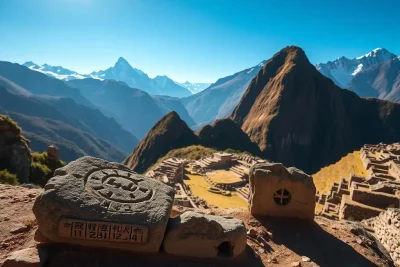
Explore the latest archaeological discoveries and ongoing research revealing the history, culture, technology, and legacy of the ancient Andean civilizations. This subcategory examines new excavations, archaeological surveys, laboratory studies, and scientific investigations connected to the Inca, Moche, Nazca, Tiahuanaco, Wari, Chavín, and other societies that shaped the Andes. Discover how researchers use archaeology, anthropology, remote sensing, radiocarbon dating, DNA analysis, and digital mapping to reinterpret ancient sites, artifacts, landscapes, and cultural traditions across Peru, Bolivia, Ecuador, Chile, and Argentina.
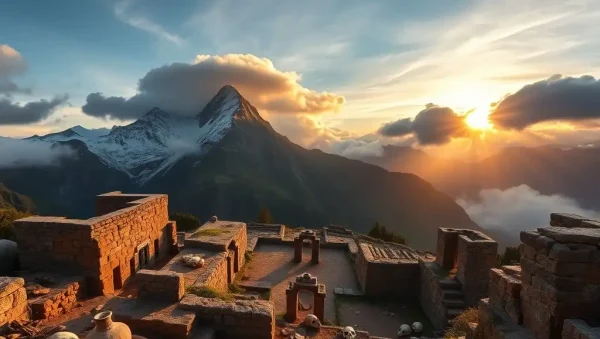
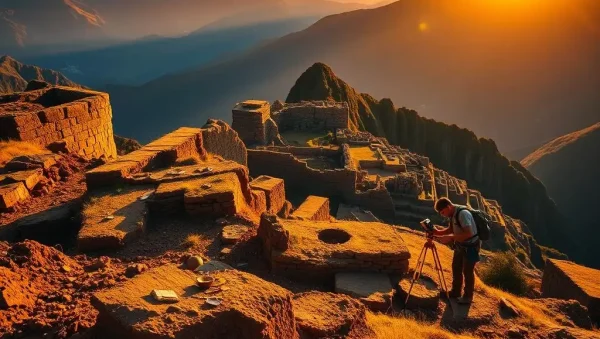
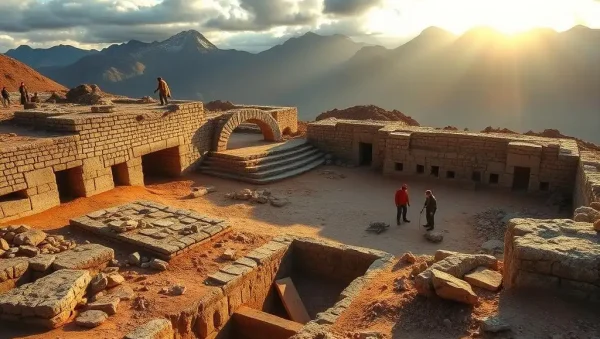
Follow reports from excavations at monumental cities, ceremonial centers, temples, tombs, terraces, roads, and settlements associated with Andean civilizations. Readers can learn how archaeologists document architectural remains, stratigraphic layers, pottery, tools, textiles, human burials, and other evidence that helps reconstruct daily life and political organization.
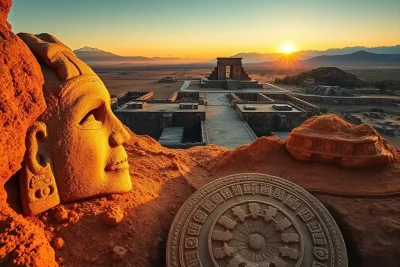
Our coverage highlights the significance of new archaeological sites in the Andes, explaining how each discovery contributes to knowledge of the Inca Empire, Moche society, Nazca culture, Tiahuanaco civilization, and earlier Andean traditions. Expect accessible summaries of fieldwork, historical context, excavation methods, and the questions researchers are trying to answer.
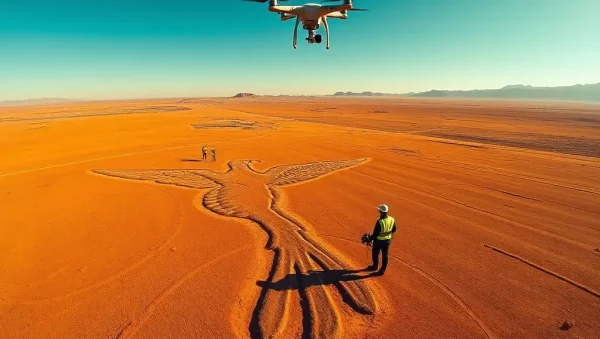
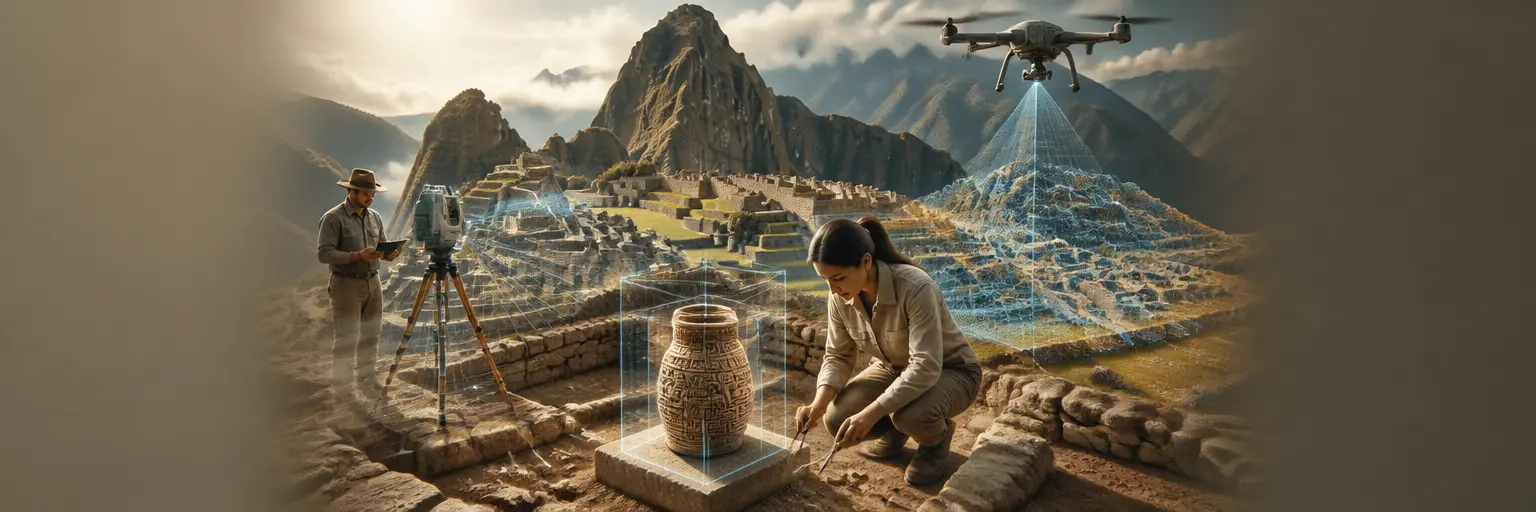
Modern Andean archaeology increasingly combines traditional excavation with advanced technology. Discover how ground-penetrating radar, LiDAR, satellite imagery, photogrammetry, 3D modeling, geographic information systems, and aerial surveys reveal hidden structures, ancient roads, irrigation networks, and settlements beneath vegetation or difficult terrain.
Learn how scientists apply radiocarbon dating, ceramic analysis, isotope research, archaeobotany, zooarchaeology, and bioarchaeology to study the age, diet, migration, environment, and health of ancient populations. These methods provide reliable evidence while helping researchers preserve fragile archaeological remains and investigate sites with minimal disturbance.
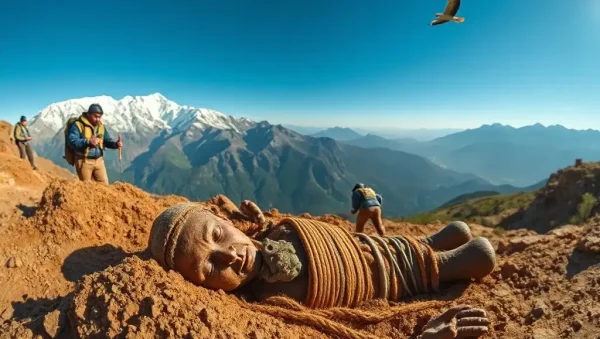
Research on human remains offers valuable insights into the people who built and sustained Andean civilizations. Explore discoveries involving mummies, burial practices, skeletal analysis, ancient DNA, disease patterns, nutrition, mobility, and family relationships among communities from the coast, highlands, valleys, and Amazonian fringes.
Readers can expect careful explanations of how researchers reconstruct ancient Andean identities and lifeways without reducing complex societies to a single narrative. Studies of human remains also illuminate warfare, trade, migration, social inequality, ritual practices, and the connections between regional cultures over thousands of years.
The survival and expansion of Andean civilizations depended on creative responses to challenging environments. Discover ongoing research into agricultural terraces, raised fields, irrigation canals, storage facilities, camelid herding, crop domestication, and the cultivation of potatoes, maize, quinoa, and other important Andean plants.
Archaeologists and environmental scientists also investigate how droughts, floods, volcanic activity, El Niño events, and long-term climate change affected ancient communities. This research reveals the relationship between Andean technology, environmental adaptation, food security, and sustainable resource management.
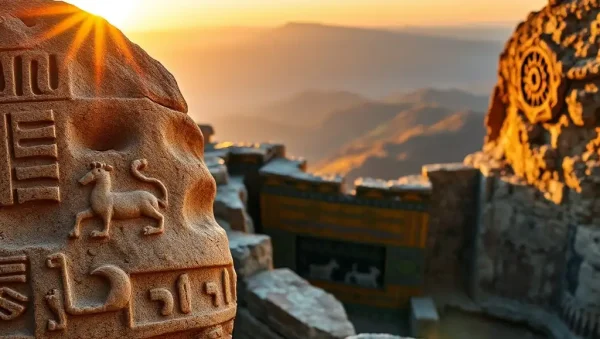
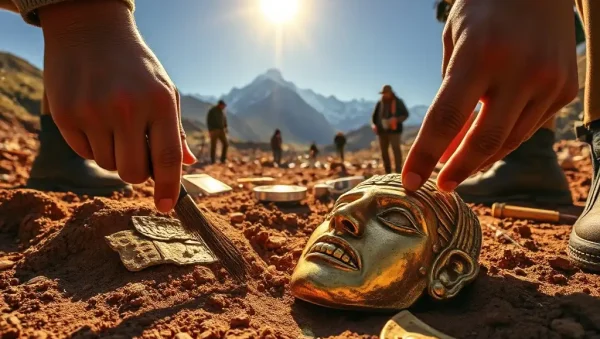
Examine the discovery and interpretation of ceramics, goldwork, textiles, stone sculpture, tools, weapons, ornaments, and ritual objects from across the Andes. Each artifact can provide evidence about craftsmanship, symbolism, commerce, religious beliefs, social status, and connections between distant communities.
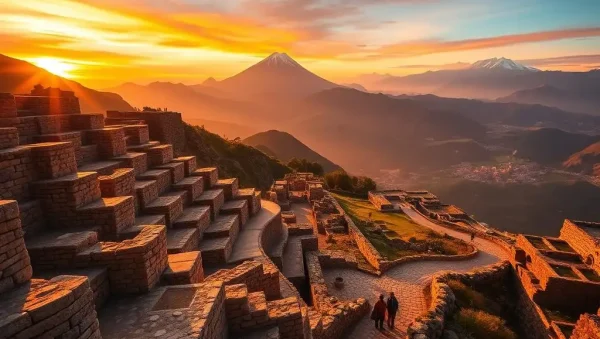
Research into monumental architecture—from Inca stonework and Moche pyramids to Nazca ceremonial spaces and Tiahuanaco temples—helps explain how ancient societies organized labor and expressed power. This section also considers archaeological conservation, museum collections, heritage protection, and the ethical study of sacred objects.
Archaeological knowledge is constantly evolving as new evidence challenges older interpretations. Follow debates about Andean chronology, imperial expansion, religious practices, gender roles, trade networks, cultural interaction, and the relationship between local communities and powerful states such as the Inca and Tiahuanaco.
We also explore how universities, museums, heritage organizations, Indigenous communities, and international research teams collaborate to protect archaeological sites. Expect balanced coverage of responsible archaeology, cultural heritage preservation, looting prevention, repatriation, and community-centered research.
Important discoveries include monumental cities, ceremonial centers, royal tombs, mummies, ancient roads, irrigation systems, agricultural terraces, quipus, textiles, ceramics, and settlement networks. Research at sites connected to the Inca, Moche, Nazca, Tiahuanaco, Wari, and Chavín civilizations continues to expand our understanding of Andean history.
Researchers combine excavation, architectural analysis, artifact classification, radiocarbon dating, satellite imagery, LiDAR, DNA analysis, isotope studies, environmental science, and historical sources. Using several methods together helps create a more accurate picture of ancient Andean societies and reduces reliance on assumptions.
Ongoing research can reveal previously unknown settlements, correct incomplete historical interpretations, and explain how ancient communities adapted to climate, geography, and political change. It also supports the preservation of archaeological heritage and helps connect modern communities with their cultural past.
Artifacts may reveal information about technology, trade, religion, social hierarchy, diet, artistic traditions, warfare, and everyday life. Pottery styles, textiles, tools, ornaments, and architectural materials can also show contact between different Andean regions and cultures.
Heritage protection involves site documentation, conservation, museum care, legal safeguards, controlled excavation, public education, and cooperation with Indigenous and local communities. Preventing looting and supporting ethical research are essential for preserving archaeological evidence for future generations.