The Legacy of Andean Civilizations

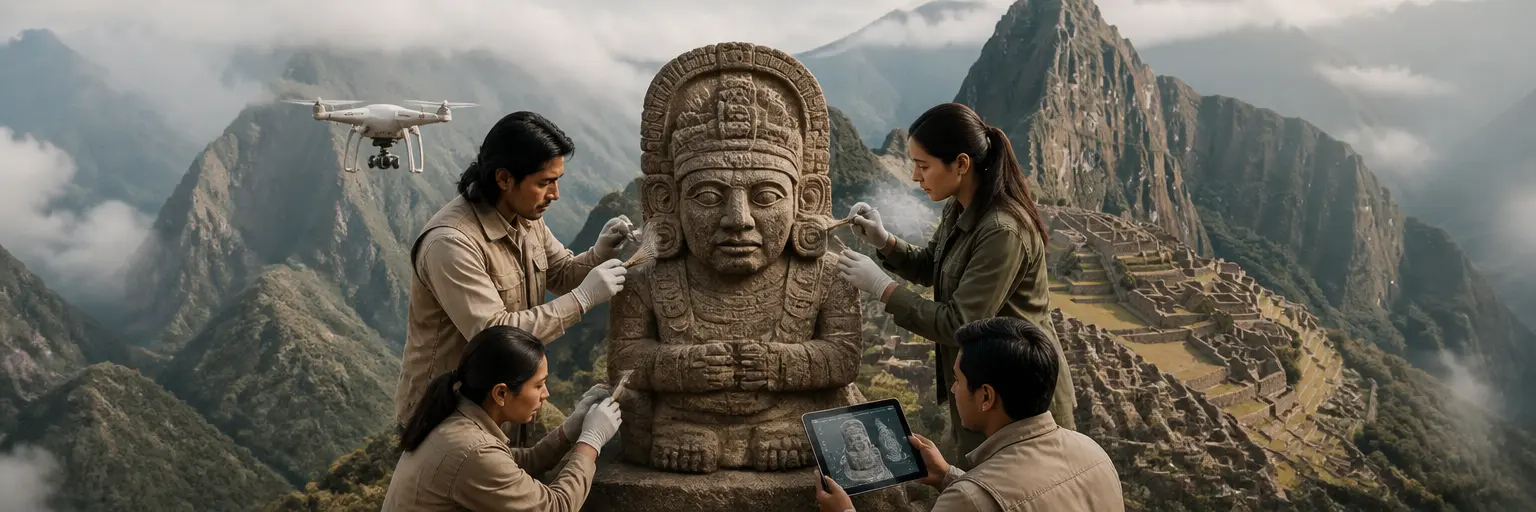
Protecting the Legacy of Andean Civilizations 🏛️ Discover how archaeologists, local communities, museums, and heritage organizations safeguard the remarkable ruins, artifacts, traditions, and sacred landscapes of the Incas, Moche, Nazca, and Tiahuanaco. Explore modern preservation and conservation efforts that combat climate change, looting, erosion, and tourism pressures while supporting sustainable heritage management. 🌎 Learn why protecting Andean cultural heritage is essential for honoring the past and inspiring future generations.
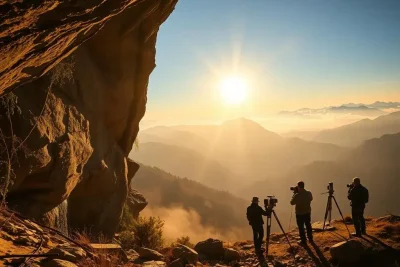
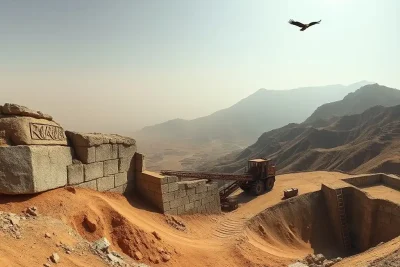
Explore how archaeologists, historians, Indigenous communities, museums, and heritage organizations work together to protect the remarkable legacy of Andean civilizations. This subcategory examines archaeological conservation, cultural heritage preservation, historic sites, traditional knowledge, ancient artifacts, and sustainable tourism connected to the Inca, Moche, Nazca, Tiahuanaco, and other cultures of the Andes. Discover the challenges and solutions involved in safeguarding temples, textiles, ceramics, mummies, agricultural terraces, geoglyphs, sacred landscapes, and living cultural traditions for future generations.
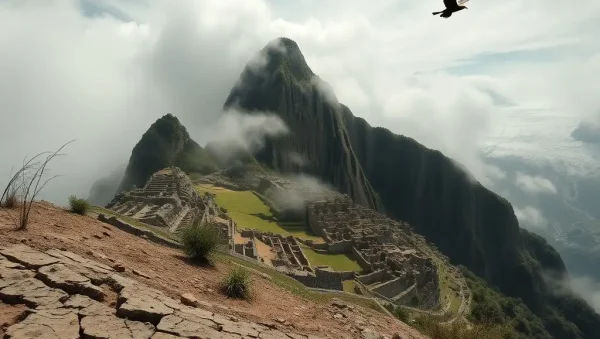
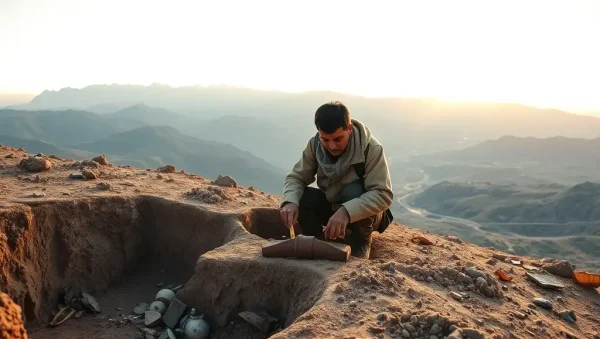
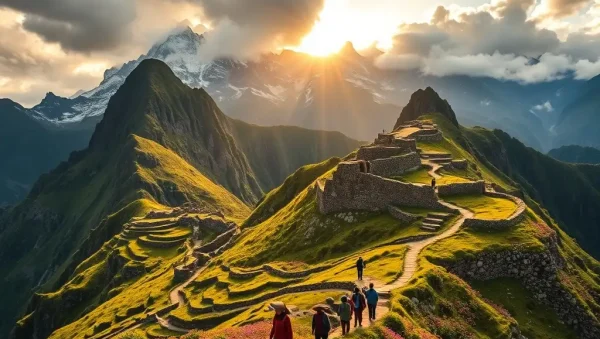
Learn how specialists preserve important Andean archaeological sites, including Inca citadels, Moche ceremonial centers, Nazca settlements, Tiahuanaco monuments, stone temples, adobe pyramids, and ancient agricultural terraces. Articles explore site stabilization, structural restoration, erosion control, climate protection, archaeological documentation, and responsible excavation.
Readers can also discover why conservation decisions must balance scientific research with respect for sacred places and local communities. From Machu Picchu and Chan Chan to Tiwanaku and the Nazca Lines, this section explains how professional conservation helps protect architectural remains while allowing visitors to understand their historical and cultural significance.
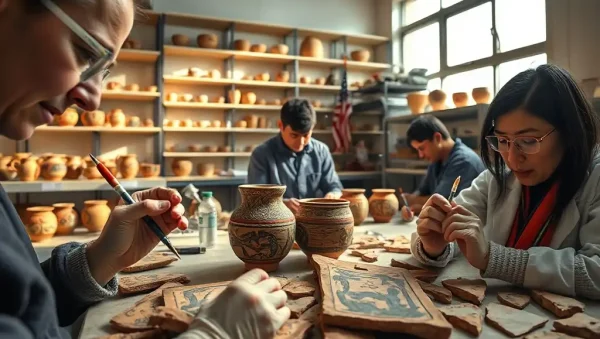
Andean civilizations created extraordinary objects from ceramic, stone, metal, wood, feathers, bone, fiber, and textiles. Explore the methods used to conserve these fragile materials, including museum preservation, preventive conservation, environmental monitoring, restoration techniques, digital cataloging, and artifact storage.
Discover how humidity, temperature, sunlight, pollution, pests, handling, and illegal trafficking can damage archaeological collections. This section highlights the importance of scientific analysis and careful treatment in preserving Moche ceramics, Inca metalwork, Nazca pottery, Tiahuanaco sculpture, quipus, woven fabrics, and other material evidence of Andean history.
Many Andean heritage sites are inseparable from the landscapes in which they were created. Learn about efforts to conserve sacred mountains, ceremonial valleys, highland lakes, agricultural terraces, pilgrimage routes, and desert geoglyphs while protecting them from urban expansion, mining, pollution, climate change, and uncontrolled tourism.
This section examines how researchers and heritage authorities monitor fragile environments and manage visitor access. The Nazca Lines, Inca roads, sacred valleys, and high-altitude ceremonial centers require carefully designed conservation plans that protect both visible monuments and the cultural meanings attached to the surrounding landscape.
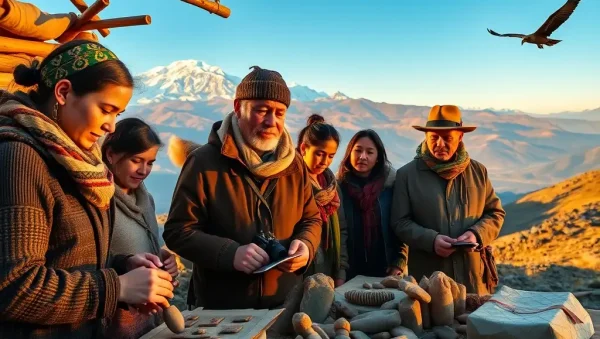
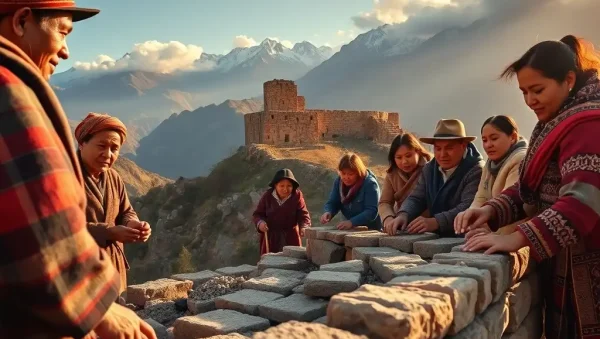
Preserving Andean heritage involves more than protecting ruins and museum objects. Explore the essential role of Indigenous communities in maintaining languages, rituals, music, weaving, farming systems, oral histories, traditional medicine, and ancestral knowledge passed down through generations.
Readers will learn why community participation is central to ethical heritage management. Quechua, Aymara, and other Andean communities are often guardians of living traditions that connect the present with ancient civilizations. Collaborative conservation projects can strengthen cultural identity, support local education, and ensure that preservation respects Indigenous rights and perspectives.
Discover how museums, libraries, archives, universities, and cultural institutions preserve and interpret evidence from Andean civilizations. Topics include archival research, museum collections, archaeological databases, 3D scanning, digital mapping, virtual exhibitions, and online access to heritage resources.
Digital preservation can record monuments and artifacts in detail before they are affected by earthquakes, weathering, conflict, or environmental change. Photogrammetry, satellite imagery, 3D modeling, and digital archives help researchers study Andean heritage while offering students and the public new ways to explore ancient sites responsibly.
Effective conservation depends on public awareness, strong heritage laws, professional training, and responsible tourism. Explore how educational programs, visitor guidelines, protected-area management, and international cooperation help safeguard Andean archaeological heritage and cultural landscapes.
Sustainable tourism can provide funding and employment while encouraging respect for historic sites and local communities. This section explains how travelers can contribute by following marked paths, avoiding contact with fragile surfaces, supporting community-led initiatives, purchasing authentic local crafts, and choosing knowledgeable guides.
Preservation involves protecting archaeological sites, artifacts, architecture, landscapes, traditional practices, languages, and historical knowledge from deterioration, destruction, theft, and cultural loss. It may include documentation, restoration, legal protection, museum care, environmental monitoring, and community-led projects.
Many sites face extreme weather, earthquakes, erosion, flooding, looting, pollution, tourism pressure, and climate change. Remote mountain locations and fragile materials such as adobe, textiles, and painted ceramics can make conservation especially complex and expensive.
Indigenous communities preserve living traditions, sacred landscapes, agricultural knowledge, languages, ceremonies, and oral histories. Their participation helps ensure that conservation projects are culturally respectful, locally relevant, and aligned with community priorities and Indigenous rights.
Visitors can stay on designated paths, avoid touching or climbing monuments, follow photography rules, never remove artifacts, reduce waste, and respect sacred areas. Supporting local guides, community museums, and ethical tourism businesses also helps create economic incentives for long-term conservation.
Technology supports preservation through 3D scanning, satellite imagery, geographic information systems, digital photography, environmental sensors, online databases, and virtual reconstruction. These tools document vulnerable sites and artifacts, assist researchers, and make Andean history more accessible without increasing physical pressure on fragile locations.