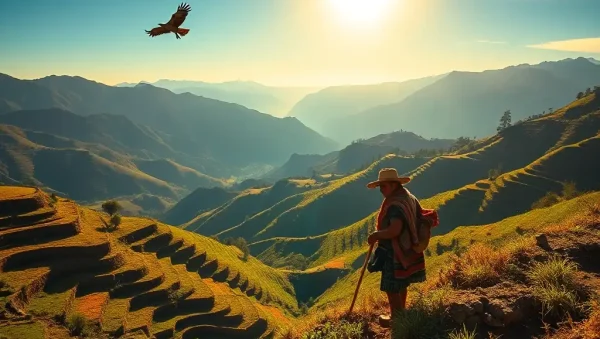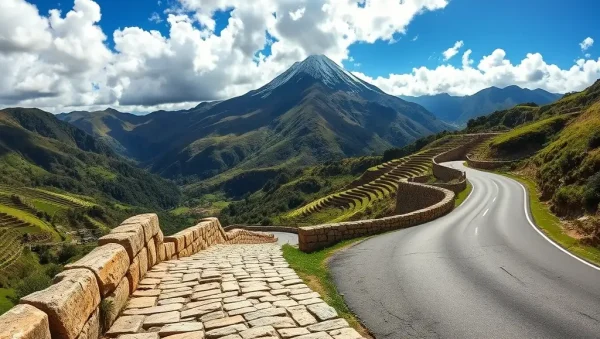
The Legacy of Andean Civilizations

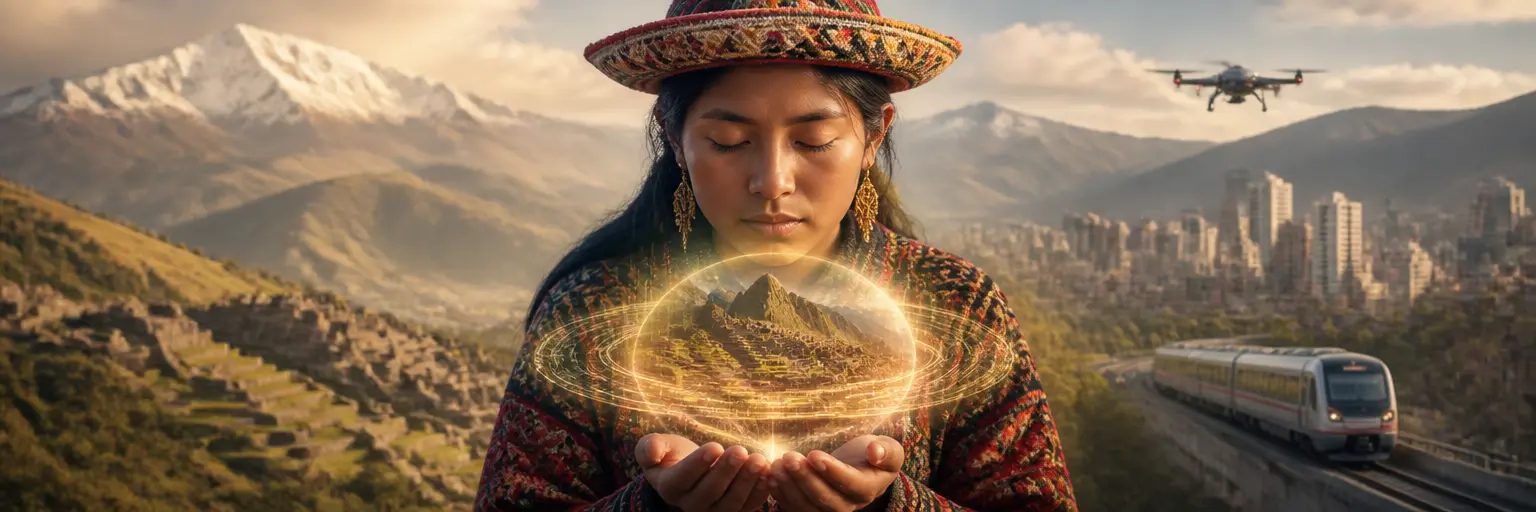
Discover how ancient Andean civilizations continue to shape modern life across the region 🌄. Explore the enduring influence of Inca, Moche, Nazca, and Tiahuanaco traditions through language, festivals, music, textiles, art, architecture, agriculture, and community values. Learn how Indigenous heritage inspires contemporary identity, preserves ancestral knowledge, and enriches the cultural landscape of the Andes. Uncover the living legacy of Andean civilization and its powerful role in modern culture, history, and heritage.
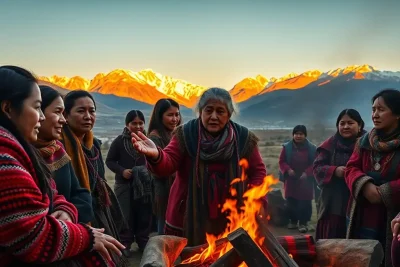
Discover how the legacy of Andean civilizations continues to shape daily life, identity, art, language, spirituality, food, music, and community traditions across the Andes. This subcategory explores the enduring influence of the Inca, Moche, Nazca, and Tiahuanaco civilizations on modern Andean culture, connecting ancient achievements with contemporary Peru, Bolivia, Ecuador, Chile, Colombia, and Argentina. Readers will find accessible historical context, cultural analysis, and meaningful examples of how ancestral knowledge remains relevant today.
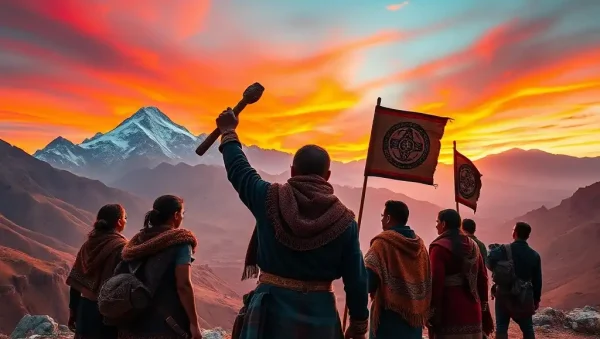
Modern Andean identity is deeply connected to the achievements, beliefs, and social structures of pre-Columbian societies. Learn how memories of the Inca Empire, the ceremonial traditions of Tiahuanaco, and the artistic accomplishments of the Moche and Nazca continue to influence regional pride, cultural belonging, and Indigenous identity. Andean heritage remains a living tradition rather than a story limited to the past.
This section examines how archaeological discoveries, oral histories, family traditions, and national celebrations help communities preserve their connection to ancient civilizations. You can expect explanations of cultural continuity, historical memory, Indigenous resilience, and the ways modern Andean societies interpret their pre-Hispanic past.
Explore the continuing importance of Quechua, Aymara, and other Indigenous languages in contemporary Andean communities. These languages preserve ancient knowledge about agriculture, landscapes, kinship, spirituality, and community responsibilities. Language is one of the strongest vehicles for transmitting Andean cultural heritage from one generation to the next.
Readers will learn how Indigenous languages appear in education, literature, music, public life, and cultural activism. This section also considers language revitalization, bilingual education, place names, and the relationship between linguistic diversity and modern Andean identity.
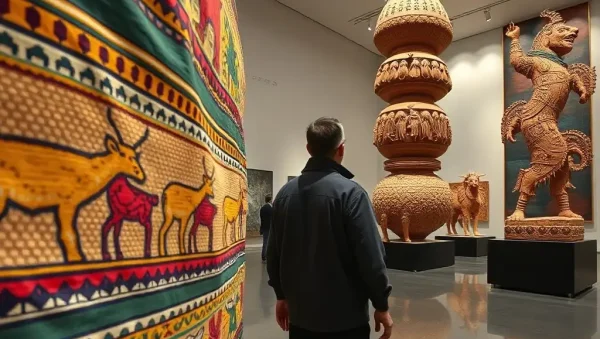
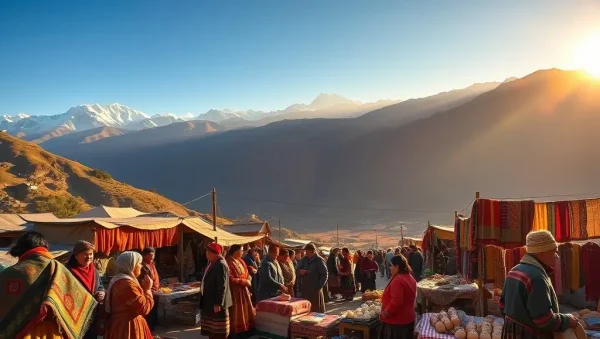
Ancient Andean artistic traditions continue to inspire contemporary weaving, pottery, jewelry, painting, sculpture, and design. Discover how geometric patterns, symbolic colors, animal imagery, and traditional techniques associated with the Inca, Moche, Nazca, and Tiahuanaco cultures are adapted by modern artists and artisans. Andean textiles remain both practical artworks and powerful cultural expressions.
This section highlights the importance of weaving communities, traditional clothing, museum collections, contemporary Indigenous artists, and ethical cultural tourism. It explains how modern creators honor ancestral designs while developing new forms of expression for local and international audiences.
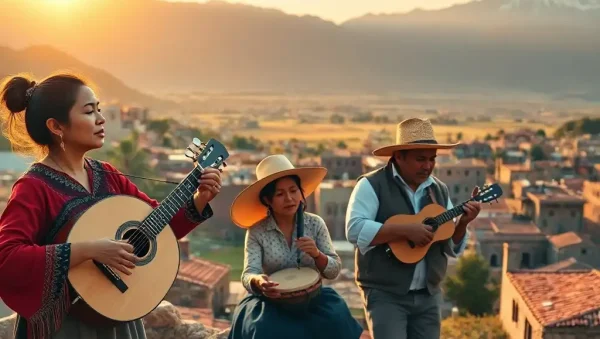
Learn how ancient ceremonial practices and community celebrations influence modern Andean music and dance. Instruments such as panpipes, flutes, drums, and charangos contribute to distinctive soundscapes, while festivals combine Indigenous traditions, Catholic influences, regional history, and contemporary performance. Andean music provides a vibrant connection between past and present.
Readers can explore the cultural meaning of dances, processions, harvest celebrations, carnival traditions, and religious festivals across the Andes. The discussion also considers how music supports community solidarity, expresses resistance, and introduces Andean cultural identity to audiences around the world.
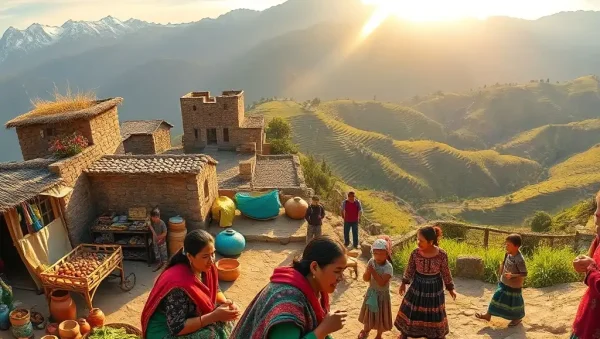
Ancient Andean civilizations developed sophisticated agricultural systems that continue to influence modern diets and farming practices. Discover the cultural importance of potatoes, quinoa, maize, amaranth, coca, peppers, and other native crops. Traditional Andean food reflects centuries of environmental adaptation, biodiversity, and agricultural innovation.
This section explores terrace farming, irrigation, seed preservation, food festivals, and the contemporary revival of Indigenous ingredients. It also explains how ancestral ecological knowledge helps communities respond to challenging mountain environments, climate change, food insecurity, and the need for sustainable agriculture.
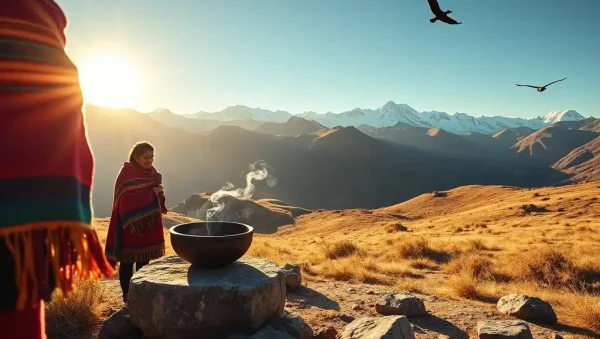
Andean worldviews continue to emphasize reciprocity, balance, respect for nature, and the relationship between human communities and the natural world. Learn about concepts such as Pachamama, sacred mountains, water guardianship, ritual offerings, and the continuing cultural significance of landscapes connected with ancient Andean spirituality.
Readers will discover how Indigenous beliefs interact with Christianity and modern social life without losing their distinctive foundations. This section provides insight into ceremonies, pilgrimage sites, agricultural rituals, and the enduring idea that community well-being depends on harmony between people, ancestors, and the environment.
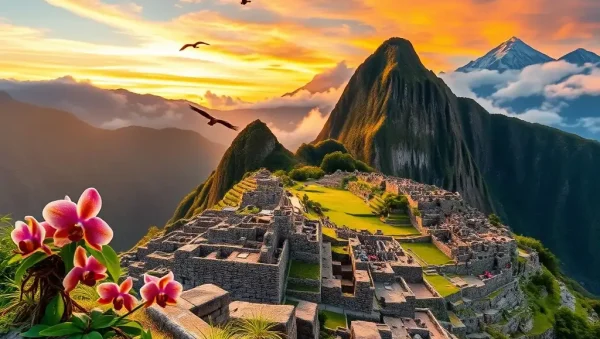
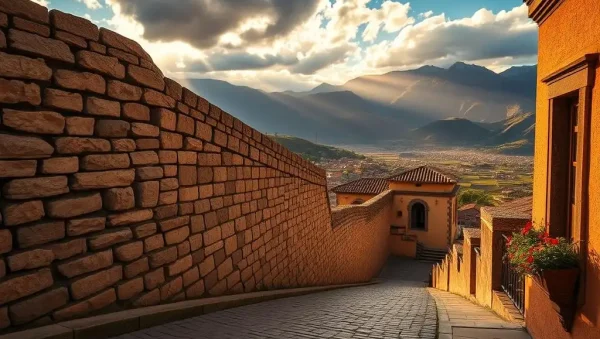
Archaeological sites such as Machu Picchu, Tiwanaku, Chan Chan, Nazca, and other sacred or ceremonial landscapes play an important role in modern Andean culture. Explore how heritage sites support education, tourism, national identity, and local economies while also raising questions about conservation, ownership, interpretation, and respectful visitation.
This section examines the work of archaeologists, museums, local communities, and cultural organizations dedicated to protecting Andean heritage. Readers can expect practical context about responsible tourism, preservation challenges, looting, repatriation, and the importance of including Indigenous perspectives in the interpretation of ancient civilizations.
Ancient Andean civilizations influence modern culture through language, agriculture, textiles, architecture, music, spirituality, social organization, food, and community traditions. The Inca, Moche, Nazca, and Tiahuanaco civilizations continue to shape regional identity and cultural practices throughout the Andes.
The Inca legacy can be seen in Quechua language and identity, agricultural terraces, road systems, weaving traditions, festivals, political symbolism, and community values. Many modern Andean communities preserve or reinterpret practices associated with reciprocity, collective labor, and respect for the land.
Languages such as Quechua and Aymara preserve ancestral knowledge, oral histories, place names, traditional songs, agricultural practices, and spiritual concepts. Supporting Indigenous languages strengthens cultural identity and helps protect the intellectual heritage of Andean communities.
Ancient innovations including terrace farming, irrigation, crop diversification, and high-altitude cultivation remain relevant today. Native foods such as potatoes, quinoa, maize, and amaranth are important to Andean cuisine, local economies, food security, and global interest in sustainable agriculture.
Visitors can support preservation by choosing community-based tourism, purchasing authentic locally made crafts, respecting sacred sites, learning about Indigenous perspectives, avoiding illegal antiquities, and following photography and access guidelines. Responsible travel helps protect living traditions as well as archaeological heritage.