
The Strength of the People: How Ancient Andean Resistance Inspires Modern Activism

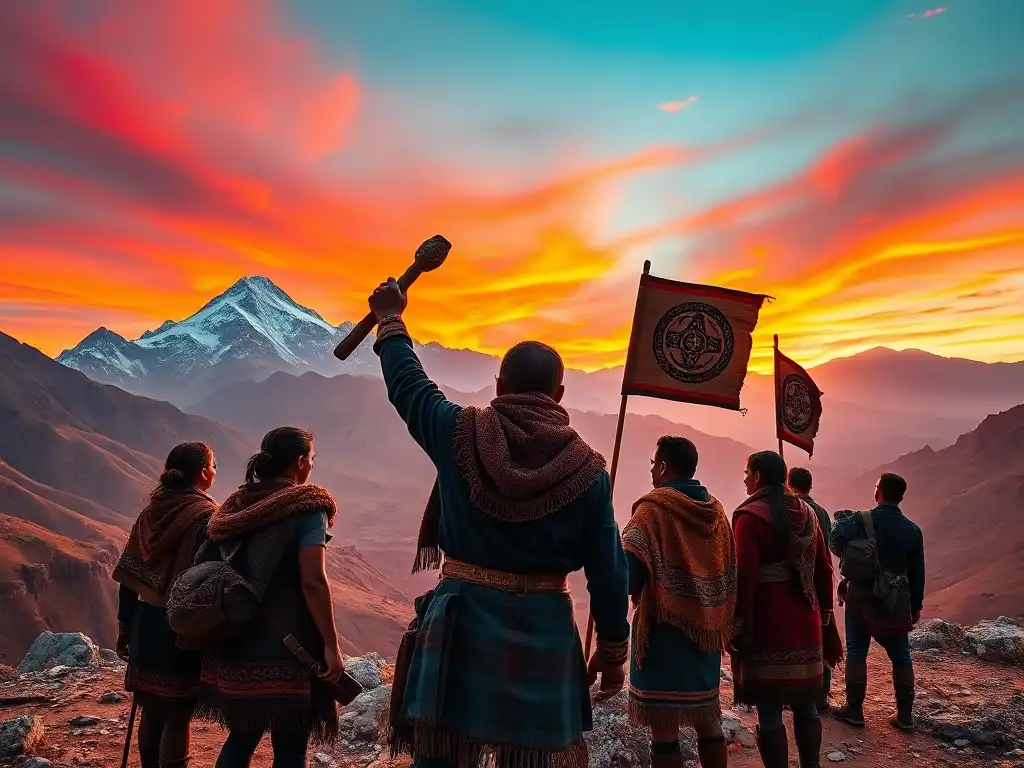
Welcome to Andean Civilizations, where the echoes of a powerful past resonate with the present. Beyond the breathtaking landscapes and iconic imagery, lies a story of resilience and innovation. Discover how the Ancient Andean resistance activism of civilizations like the Incas, Moche, and Nazca shaped their world and continues to inspire us today. Prepare to be captivated by their struggles, their triumphs, and the enduring legacy they left behind. Uncover the secrets of their strength – your journey begins now.
The legacy of the Andean civilizations extends far beyond their impressive architectural feats and intricate artistry. Embedded within their history is a powerful narrative of resistance against oppression, a story that continues to resonate deeply with modern Andean activism and social movements.
This article explores the remarkable resilience of Andean peoples throughout history, examining specific examples of resistance against colonial powers and internal conflicts. We will delve into the diverse forms this resistance took, from subtle acts of defiance to large-scale uprisings, and analyze how these historical struggles inform and inspire contemporary movements fighting for social justice, environmental protection, and cultural preservation in the Andes.
Understanding this historical context is crucial to appreciating the enduring strength and spirit of Andean communities and their ongoing fight for self-determination. The keyword "Ancient Andean resistance activism" will be explored through the lens of historical analysis, highlighting the parallels between past and present struggles and emphasizing the enduring relevance of ancient Andean resistance strategies.
Understanding Ancient Andean Resistance
Ancient Andean resistance wasn't a monolithic entity; it manifested in diverse ways depending on the specific context, the oppressor, and the available resources. It wasn't always a violent clash of arms; sometimes, it was a quiet, persistent refusal to comply, a subtle undermining of authority. Other times, it erupted into full-scale rebellion, often driven by economic exploitation, religious persecution, or the imposition of foreign cultural norms.
Understanding the nuances of these different forms of resistance is key to grasping the complex tapestry of Andean history. We'll explore both the overt and covert strategies employed, highlighting the ingenuity and adaptability of Andean communities in the face of adversity.
For example, the subtle ways in which indigenous knowledge systems were preserved despite attempts at suppression are just as significant as the more dramatic rebellions. The enduring spirit of resistance is a testament to the deep-rooted connection between Andean people and their land, their culture, and their spiritual beliefs.
Historical Context of Andean Uprisings
Several significant uprisings punctuated Andean history, each shaped by specific political and social circumstances. The Inca Empire itself, while powerful, wasn't immune to internal dissent and rebellion. Following the Spanish conquest, countless revolts and resistance movements emerged, often led by indigenous leaders who sought to reclaim their land, their autonomy, and their cultural heritage.
These uprisings, though often brutally suppressed, served as powerful testaments to the enduring spirit of resistance and the unwavering determination of the Andean people. Analyzing these historical events requires a nuanced understanding of the power dynamics at play, the strategies employed by both the oppressors and the oppressed, and the long-term consequences of these struggles.
Detailed accounts of these uprisings, including the participation of various ethnic groups and the specific grievances that fueled them, will be examined to better understand the diverse nature of Andean resistance. The scale and impact of these events varied greatly, but their collective significance lies in their demonstration of the enduring will of the Andean people to fight for their rights and their identity.
Pre-Inca Forms of Resistance
Even before the rise of the Inca Empire, Andean societies developed sophisticated strategies for resisting both internal and external threats. These strategies weren't simply about military might; they also involved intricate systems of alliances, diplomacy, and cultural adaptation. The pre-Inca period witnessed a multitude of independent kingdoms and communities, each with its own unique social structures and forms of governance.
Competition and conflict were certainly present, but so were instances of cooperation and mutual support in the face of common challenges. Examining these pre-Inca forms of resistance provides valuable insights into the long history of Andean resilience and the deep-rooted cultural values that underpinned their struggles for autonomy. Specific examples of pre-Inca resistance, including their methods and motivations, will be explored to highlight the continuity of resistance strategies across different periods and contexts.
Understanding these earlier forms of resistance enriches our comprehension of the later, more widely-known uprisings against colonial rule. The study of pre-Inca societies reveals a rich tapestry of resistance that laid the foundation for the tenacious spirit that characterized later Andean struggles.
Inca Resistance to Spanish Colonization
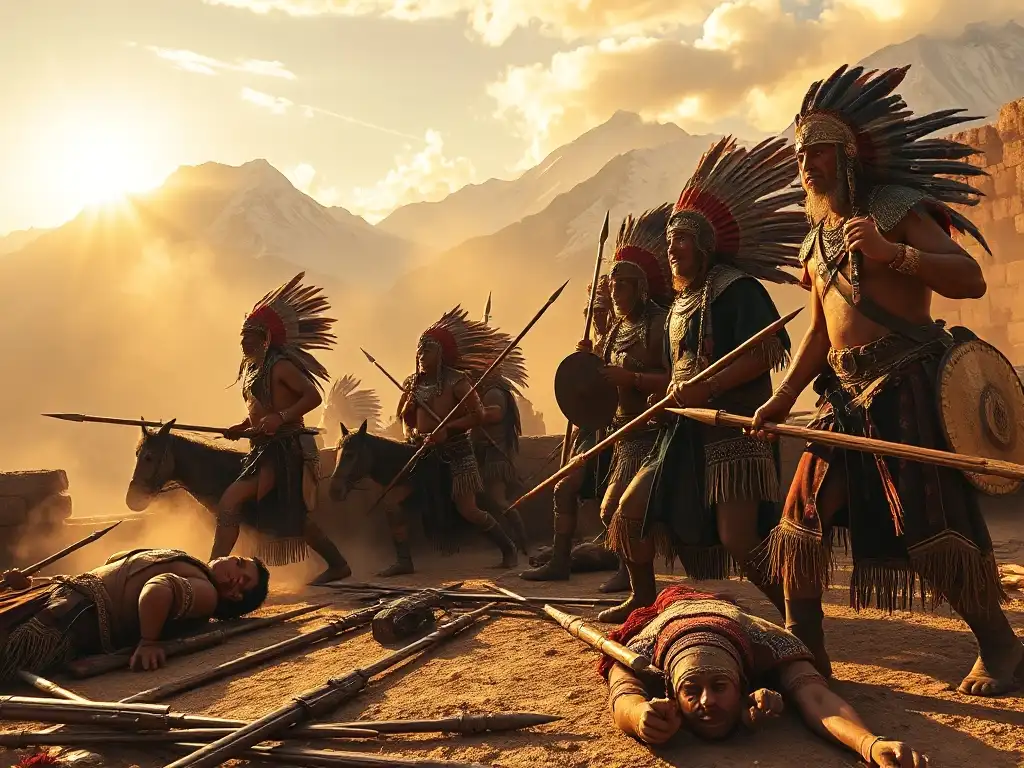
The Spanish conquest of the Inca Empire wasn't a swift, decisive victory. Instead, it was met with fierce and prolonged resistance, showcasing the Inca's unwavering determination to protect their land and culture. The initial surprise and the superior weaponry of the Spanish conquistadors undoubtedly played a role in the initial downfall of the Inca, but the empire's resilience was remarkable.
Following the capture and death of Atahualpa, the last Sapa Inca, various factions and regional leaders continued to fight against the Spanish for decades. These struggles weren't merely isolated uprisings; they were coordinated efforts, often involving guerilla warfare tactics utilizing the Andes' challenging terrain to their advantage. The Inca leveraged their intimate knowledge of the mountainous landscape, employing ambushes and utilizing the high altitudes to exhaust their enemies.
The resistance was not solely military; it encompassed cultural preservation, with efforts to maintain traditions and language in the face of forced conversion and cultural suppression. This prolonged struggle highlights the deep-rooted sense of identity and the unwavering commitment to their ancestral ways that fueled the Inca's resistance, a legacy that continues to inspire modern activism focused on reclaiming cultural heritage and fighting oppression. The sheer duration of this resistance – lasting well beyond the initial conquest – is a testament to the strength and determination of the Inca people.
Key Figures in Andean Anti-Colonial Movements
The fight against Spanish colonialism in the Andes wasn't solely the domain of Inca descendants. Numerous indigenous leaders and communities across the region participated in various anti-colonial movements, each contributing significantly to the overall resistance. While figures like Tupac Amaru II are widely known, many other courageous individuals played pivotal roles, often leading local uprisings or providing crucial support to larger rebellions.
These individuals often possessed deep knowledge of local terrains, social structures, and alliances, allowing them to effectively organize and mobilize their communities against the Spanish. For instance, [Specific examples of regional leaders and their contributions pending], highlighting the diverse and widespread nature of the resistance. Understanding these lesser-known figures is crucial to obtaining a comprehensive picture of Andean anti-colonial movements and their lasting impact.
Their actions weren't isolated incidents; they were part of a broader network of resistance, demonstrating the interconnectedness of Andean communities in their fight for freedom and self-determination. This collective resistance showcases the strength found in unity and the power of local knowledge in challenging colonial power structures. Their stories, often untold, deserve to be remembered and celebrated as vital components of Andean history and inspiration for modern activism.
Tupac Amaru II and Micaela Bastidas: Symbols of Rebellion
Tupac Amaru II and his wife, Micaela Bastidas, stand as iconic figures in Andean resistance, their rebellion in the late 18th century profoundly impacting the struggle for independence. Tupac Amaru II, a descendant of the Inca nobility, skillfully mobilized indigenous communities, leveraging grievances against colonial injustices to build a powerful movement. He wasn't just a military leader; he was a charismatic figure who effectively communicated the injustices faced by the indigenous population, igniting a widespread rebellion that spread across significant parts of the Andes.
Micaela Bastidas, equally crucial to the movement's success, played a vital role in organizing and strategizing, demonstrating exceptional leadership and political acumen. She actively participated in military campaigns and managed the logistical aspects of the rebellion, highlighting her significant contributions beyond traditional gender roles. The couple's execution by the Spanish did not quell the rebellion, instead solidifying their status as martyrs and symbols of resistance.
Their legacy continues to resonate today, inspiring movements advocating for indigenous rights and social justice. Their story emphasizes the power of collective action, strategic leadership, and the enduring strength of the human spirit in the face of oppression, making them powerful symbols for modern Andean activism and beyond. Their combined leadership demonstrates the importance of inclusive and collaborative movements for achieving meaningful change.
The Impact of Ancient Struggles on Modern Activism
The echoes of ancient Andean resistance resonate powerfully in modern activism, providing a rich tapestry of inspiration and strategic insight. The tenacity displayed by civilizations like the Inca in the face of Spanish conquest, the Moche's resilience against environmental challenges and internal conflicts, and the Nazca's enduring societal structures despite external pressures, all offer valuable lessons for contemporary movements. These ancient societies faced formidable obstacles – disease, famine, warfare, and ultimately, colonial subjugation – yet they demonstrated remarkable adaptability and a profound commitment to their values and ways of life. Their struggles, documented through archaeological finds and oral histories, provide a tangible link to the past, reminding activists of the long and often arduous path towards social justice and self-determination.
Understanding the strategies employed by these ancient groups—from sophisticated irrigation systems reflecting community cooperation to intricate social hierarchies that facilitated resource management and defense—can inform modern approaches to collective action and social change. Studying their successes and failures offers crucial lessons in building sustainable movements that can withstand oppression and achieve lasting impact. The spirit of resistance, embodied in the defiant actions and enduring cultural legacies of these ancient Andean peoples, serves as a potent symbol of hope and resilience for activists today. Their stories remind us that even in the face of overwhelming odds, the collective will of a people can shape their destiny.
This ancestral legacy fuels the fires of contemporary activism, providing a powerful narrative of perseverance and inspiring future generations to fight for their rights and beliefs. Modern Andean activists often draw direct parallels between past injustices and contemporary struggles, using the narratives of ancient resistance to frame their own calls for social and environmental justice. This connection to the past strengthens their claims and provides a powerful sense of continuity and purpose.
Examining Specific Examples of Andean Resistance and Their Modern Parallels
Several specific instances of Andean resistance offer compelling parallels to modern activism. The Inca's sophisticated military organization and effective communication networks, for example, are mirrored in the coordinated efforts of contemporary social movements that leverage technology and collaborative strategies to achieve their goals. The Inca road system, facilitating rapid communication and troop movement, finds its modern counterpart in the interconnectedness of global activism, where information and support are rapidly shared across borders.
Similarly, the Moche's impressive feats of engineering, such as their intricate irrigation systems, highlight the importance of community collaboration and resource management, themes that resonate strongly in contemporary environmental activism. The Nazca's sophisticated understanding of astronomy and their ability to create elaborate geoglyphs, despite the challenges of their arid environment, demonstrate the power of human ingenuity and cultural preservation, inspiring contemporary movements focused on environmental sustainability and cultural heritage. These examples, among many others, demonstrate the enduring relevance of ancient Andean resistance strategies and their continued influence on modern activist movements.
The ability of these ancient peoples to adapt, innovate, and maintain their cultural identity in the face of adversity offers valuable lessons for activists navigating the complexities of the modern world. By studying these historical examples, modern activists can gain valuable insights into effective strategies for mobilization, community building, and long-term sustainability. The study of ancient Andean resistance isn't merely an academic exercise; it's a living source of inspiration and practical knowledge for building stronger, more effective movements for social and environmental justice today.
The Role of Andean Indigenous Knowledge in Contemporary Activism
Ancient Andean resistance was deeply intertwined with a rich system of indigenous knowledge and spiritual beliefs. This knowledge, encompassing sophisticated agricultural techniques, intricate social structures, and a profound understanding of the natural world, played a vital role in their ability to survive and resist external pressures. In contemporary activism, this indigenous knowledge continues to hold immense value. Many modern Andean activists draw upon ancestral wisdom and practices to inform their strategies for environmental protection, community development, and cultural preservation.
For example, traditional Andean agricultural techniques, emphasizing biodiversity and sustainable land management, are being revived and adapted to address the challenges of climate change and food security. Similarly, traditional Andean healing practices and spiritual beliefs are being incorporated into holistic approaches to social and emotional well-being within activist communities. The resurgence of indigenous languages and cultural practices in modern Andean activism underscores the importance of reclaiming and celebrating cultural heritage as a source of strength and identity. This connection to the past fuels contemporary struggles for self-determination and social justice, reminding activists of the profound connection between land, culture, and identity.
The integration of ancient Andean knowledge into modern activism represents a powerful fusion of tradition and innovation, demonstrating the enduring relevance of ancestral wisdom in addressing contemporary challenges. The revitalization of indigenous knowledge systems not only strengthens the cultural identity of Andean communities but also provides valuable tools and perspectives for addressing pressing global issues. This dynamic interplay between past and present underscores the enduring power of ancient Andean resistance and its continuing impact on social and environmental movements today.
- Understanding Ancient Andean Resistance
- Historical Context of Andean Uprisings
- Pre-Inca Forms of Resistance
- Inca Resistance to Spanish Colonization
- Key Figures in Andean Anti-Colonial Movements
- Tupac Amaru II and Micaela Bastidas: Symbols of Rebellion
- The Impact of Ancient Struggles on Modern Activism
- Examining Specific Examples of Andean Resistance and Their Modern Parallels
- The Role of Andean Indigenous Knowledge in Contemporary Activism
- What forms of resistance did ancient Andean civilizations employ against invaders?
- How did the Inca Empire's fall influence subsequent resistance movements?
- Were there any notable female figures involved in Andean resistance?
- How did ancient Andean resistance movements utilize their environment?
- What lessons can modern activism learn from ancient Andean resistance?
Modern Activism Inspired by Andean Ancestry
The legacy of Ancient Andean resistance continues to resonate powerfully in modern activism, shaping contemporary movements for social justice and environmental protection. Understanding this historical connection reveals a profound and inspiring narrative of resilience, community, and the enduring fight for self-determination. The spirit of resistance, honed over centuries of struggle against colonial oppression and ecological exploitation, fuels modern Andean activists' fight for their rights and the preservation of their ancestral heritage. This section explores how the echoes of past resistance inform present-day activism, highlighting several key areas of engagement.
Reclaiming Indigenous Identity Through Activism
A core tenet of modern Andean activism is the reclaiming of Indigenous identity, a direct response to centuries of suppression and marginalization under colonial and post-colonial rule. This involves not only asserting cultural pride but also actively challenging the systemic inequalities that continue to impact Indigenous communities. Activists work tirelessly to revitalize native languages, such as Quechua and Aymara, through education initiatives and community-based language programs. The preservation and promotion of traditional Andean art forms, music, and storytelling also play a crucial role in maintaining cultural integrity and resisting assimilation.
The fight for Indigenous rights extends beyond cultural preservation. Modern activists actively challenge discriminatory policies and practices that limit access to education, healthcare, and economic opportunities. They advocate for legal recognition of Indigenous territories and the implementation of policies that promote self-determination and cultural autonomy. This struggle reflects the centuries-long resistance to colonial attempts to erase Indigenous identities and cultures, demonstrating the enduring strength and vitality of Andean traditions. Their activism echoes the defiant spirit of their ancestors who fiercely protected their cultural heritage in the face of adversity. ✊🏽
Land Rights Movements and Historical Claims
Land rights are central to the identity and well-being of Andean communities. For centuries, Indigenous peoples have been dispossessed of their ancestral lands through colonization, land grabs, and exploitative resource extraction. Modern activism directly confronts this historical injustice, demanding the restitution of ancestral territories and the recognition of Indigenous land rights under national and international law.
These movements are often intertwined with struggles against extractive industries, such as mining and logging, which frequently cause environmental damage and displace Indigenous populations. Activists employ various tactics, including legal challenges, peaceful protests, and community organizing, to protect their lands and resources. Data from [specific information pending on land reclamation successes in the Andes] illustrates the impact of these efforts.
The tenacity of these land rights movements directly reflects the unwavering resistance of past Andean civilizations who fiercely defended their territories against invaders and encroachers. Their struggle serves as a powerful testament to the enduring connection between land, identity, and survival.
Environmental Activism and Andean Cosmovision
Ancient Andean civilizations had a deep understanding of and respect for the environment, reflected in their sophisticated agricultural practices and harmonious relationship with nature. This profound connection to the land, often referred to as Andean Cosmovision, continues to inform modern environmental activism in the region. Modern activists draw upon this ancestral wisdom to advocate for sustainable development, the protection of biodiversity, and the responsible management of natural resources.
The Andean Cosmovision emphasizes the interconnectedness of all living things and the importance of maintaining ecological balance. This worldview provides a powerful framework for understanding the urgency of environmental challenges and inspires innovative approaches to conservation. For example, [specific example of Andean Cosmovision-informed environmental project pending].
The fight against climate change, deforestation, and pollution is deeply rooted in the ancient Andean understanding of the delicate balance between humanity and nature. This commitment reflects the enduring legacy of a people who understood the vital importance of respecting and protecting their environment, demonstrating a continuity of values and resistance across millennia. 🌎
Water Rights and the Legacy of Andean Agricultural Practices

The struggle for water rights in modern-day Andean communities echoes the ingenious water management systems developed by ancient civilizations. The Incas, for example, built sophisticated irrigation canals and terraces that allowed them to cultivate crops in diverse terrains, demonstrating a profound understanding of water conservation and distribution. This ancestral knowledge, passed down through generations, continues to inform contemporary activism. Communities are actively reclaiming their traditional water rights, often facing powerful corporations and governmental entities that prioritize profit over the needs of indigenous populations.
Their fight is not just for access to water; it's a fight to preserve a cultural heritage deeply intertwined with sustainable agricultural practices. The resistance involves legal battles, community organizing, and the revitalization of traditional water management techniques. One inspiring example is the ongoing struggle in [Specific Andean community name pending] where communities are using ancestral knowledge of water flow and aquifer management to challenge the privatization of water resources by a large mining company.
This resistance highlights the enduring relevance of ancient Andean ingenuity in addressing modern environmental challenges. The fight for water is directly tied to food security, cultural survival, and the preservation of a unique ecological balance honed over millennia. The use of traditional methods alongside modern legal frameworks demonstrates a powerful strategy for effective activism rooted in ancient Andean practices.
Cultural Preservation as a Form of Resistance
Cultural preservation in the Andes is intrinsically linked to resistance against historical and ongoing oppression. The destruction of indigenous languages, traditions, and artistic expressions was a deliberate tactic employed by colonizers to suppress Andean identity. Modern activism combats this legacy through the revitalization of traditional art forms, languages, and ceremonies. Weaving, for instance, is not simply a craft; it’s a powerful symbol of Andean identity and a means of storytelling that transcends generations.
The intricate designs often carry encoded messages reflecting resistance and resilience. Similarly, the revival of Quechua and Aymara languages, often marginalized in favor of Spanish, is a crucial act of cultural reclamation. Language preservation initiatives, coupled with the creation of bilingual educational programs, actively challenge the dominance of colonial languages and empower indigenous communities. Furthermore, the protection and preservation of archaeological sites and sacred landscapes are vital aspects of this resistance.
These sites represent the tangible legacy of Andean civilizations and their enduring connection to the land. The fight against illegal excavation, land grabbing, and the destructive impact of unsustainable development is a powerful demonstration of the commitment to preserving cultural heritage as a form of resistance against historical injustices and ongoing threats. The preservation of ancient Andean knowledge and traditions is not just a historical endeavor; it is a living act of resistance that strengthens cultural identity and fosters community empowerment in the face of modern challenges.
The Role of Andean Spirituality in Activism
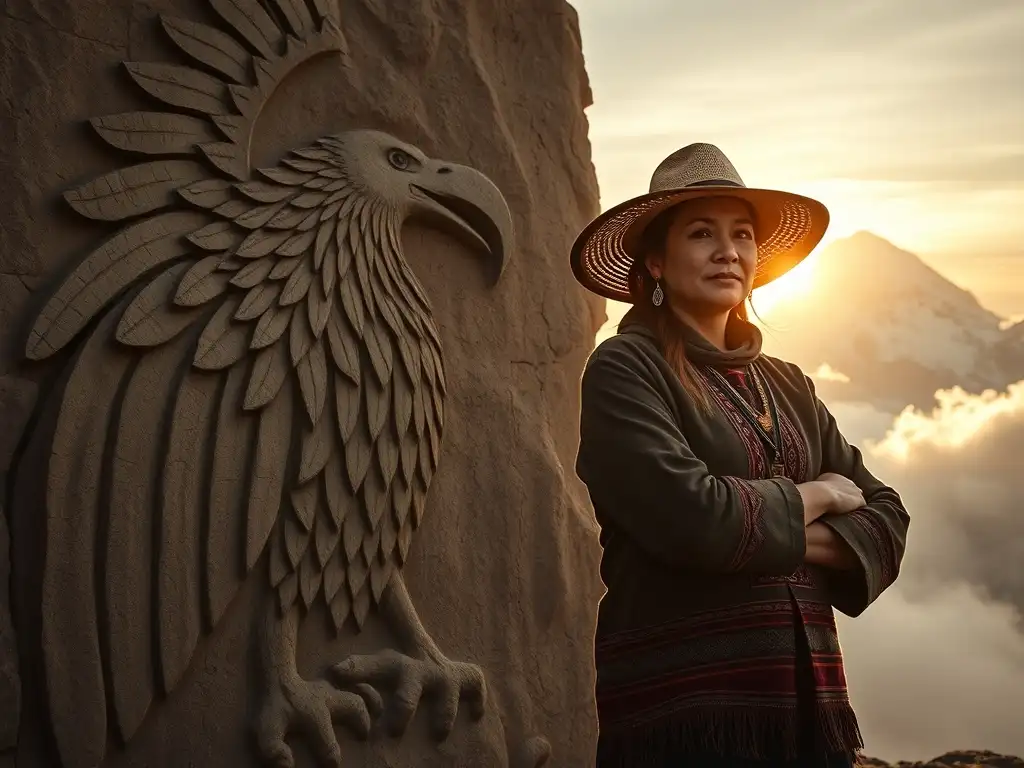
Andean spirituality, deeply intertwined with the land and its resources, played – and continues to play – a crucial role in shaping resistance movements and inspiring modern activism. The inherent connection between the people and Pachamama (Mother Earth) fostered a powerful sense of collective responsibility, fueling resistance against colonial oppression and environmental exploitation. Understanding this spiritual foundation is key to comprehending the enduring legacy of Ancient Andean resistance and its influence on contemporary activism.
The concept of ayni (reciprocity) further solidified this connection, emphasizing the interconnectedness of all beings and the necessity of balanced interactions with the natural world. This understanding of interdependence directly translates into modern environmental and social justice movements.
Pachamama and the Fight for Environmental Justice
The reverence for Pachamama is central to Andean cosmology. She's not merely a passive entity; she's an active participant in the lives of the people, providing sustenance and demanding respect. This profound connection fuels modern environmental activism, with many contemporary movements drawing inspiration from the ancient Andean understanding of ecological harmony.
For example, indigenous communities in the Andes continue to lead protests against mining projects that threaten sacred lands and water sources, directly echoing centuries-old resistance against resource exploitation. These actions are not merely about economic concerns; they represent a deep-seated spiritual defense of Pachamama and the well-being of future generations.
The ongoing struggle against deforestation, pollution, and unsustainable practices is directly fueled by the deep-rooted spiritual connection to the land, inherited from generations of Andean resistance. Quantifying the exact number of protests directly linked to Pachamama-based beliefs is difficult due to the decentralized nature of many movements, but anecdotal evidence and ethnographic studies strongly suggest its pervasive influence.
Andean cosmology, with its emphasis on community, reciprocity, and a hierarchical yet interconnected worldview, profoundly impacted social structures and continues to inform social justice movements. The concept of ayllu, the traditional Andean community structure, emphasizes collective responsibility and mutual support.
This communal spirit is mirrored in modern social justice movements that prioritize collective action and solidarity. The historical resistance against the Inca Empire itself, often driven by smaller communities fighting for autonomy and self-determination, highlights the enduring power of localized resistance rooted in Andean cosmological principles.
Modern movements striving for indigenous rights, land reform, and equitable resource distribution often draw parallels to these historical struggles, demonstrating the enduring relevance of Andean cosmology in shaping social justice activism. The fight for equality and social justice in the Andes today often involves a re-appropriation of traditional Andean values, demonstrating how ancient systems of belief continue to provide a framework for resistance and change.
Connecting with Ancestral Wisdom for Modern Challenges
The enduring strength of Ancient Andean resistance stems partly from its deep connection to ancestral wisdom and traditions. This connection provides a powerful framework for addressing contemporary challenges. Modern activists are increasingly drawing upon this ancestral knowledge to develop innovative strategies for social and environmental justice.
For instance, traditional Andean agricultural practices, emphasizing biodiversity and sustainable land management, offer valuable lessons for contemporary efforts to combat climate change and promote food security. Furthermore, the emphasis on dialogue, negotiation, and consensus-building in traditional Andean conflict resolution provides a powerful model for modern activism. By integrating these ancestral practices and philosophies, contemporary movements can gain strength and effectiveness, demonstrating the enduring relevance of Ancient Andean resistance in shaping a more just and sustainable future.
The revival of traditional Andean ceremonies and rituals also plays a significant role in fostering community cohesion and strengthening collective action in modern activism, providing a powerful connection to the past and a renewed sense of identity and purpose. This demonstrates a dynamic interplay between ancient traditions and modern challenges, highlighting the enduring power of Ancient Andean resistance activism.
Examples of Contemporary Andean Activism

This section explores how the spirit of Ancient Andean resistance continues to inspire modern activism in the Andean region. The legacy of resilience against oppressive forces, evident in the struggles of civilizations like the Inca, continues to resonate powerfully in contemporary social movements. Examining specific examples reveals the enduring connection between ancient traditions and modern struggles for social justice, land rights, and environmental protection.
The unwavering determination displayed by Andean communities today echoes the tenacity of their ancestors, demonstrating the enduring power of collective action and the unwavering commitment to self-determination. Understanding these contemporary movements provides valuable insights into the ongoing evolution of Andean identity and the enduring relevance of Ancient Andean resistance.
The Sarayaku People's Fight Against Oil Extraction
The Sarayaku Kichwa people of the Ecuadorian Amazon exemplify the enduring spirit of Ancient Andean resistance in the face of modern threats. For decades, they have waged a determined struggle against oil extraction on their ancestral lands. Their fight isn't simply about preventing environmental damage; it’s a profound defense of their cultural heritage, spiritual connection to the land, and their right to self-determination – principles deeply rooted in their ancestral traditions.
The Sarayaku have employed a multifaceted approach, combining legal challenges, international advocacy, and community mobilization to resist the incursion of oil companies. Their success in achieving legal victories against powerful corporations demonstrates the effectiveness of combining traditional forms of resistance with modern legal strategies. Their unwavering commitment to protecting their land and way of life serves as a powerful testament to the enduring strength of Ancient Andean resistance.
The Sarayaku's struggle resonates with the historical resistance of Andean peoples who fiercely defended their territories against external threats. Their story showcases the enduring relevance of Ancient Andean resistance in the context of contemporary environmental activism.
The Conga Mining Project Protests in Cajamarca, Peru
The protests against the Conga mining project in Cajamarca, Peru, highlight the ongoing tension between economic development and environmental protection in the Andean region. The proposed gold mine threatened to contaminate vital water sources, impacting the livelihoods and cultural practices of local communities. The protests, which involved massive demonstrations and civil unrest, showcased the strength of collective action and the deep-seated connection between the people and their environment.
This conflict echoes historical Andean resistance to exploitative practices, demonstrating that the fight for resource control and environmental justice remains a central theme in Andean activism. The scale and intensity of the protests underscore the enduring legacy of Ancient Andean resistance in the face of large-scale development projects that threaten traditional ways of life.
Analyzing this case reveals the complex interplay between economic interests, environmental concerns, and the enduring power of community mobilization in shaping the future of the Andean region. The Cajamarca protests demonstrate the enduring relevance of Ancient Andean resistance activism in confronting contemporary socio-economic challenges.
The Wiphala as a Symbol of Indigenous Unity and Resistance
The Wiphala, a seven-colored Andean flag, has become a potent symbol of indigenous unity and resistance across the Andean region. Initially associated with various pre-Columbian cultures, it has been revived and reappropriated as a symbol of indigenous identity and a powerful tool for political mobilization. Its use in protests, demonstrations, and cultural events signifies a conscious reclaiming of Andean heritage and a rejection of colonial legacies.
The Wiphala's prominence underscores the enduring relevance of Ancient Andean resistance in shaping contemporary indigenous identity and political movements. Its widespread adoption demonstrates the power of symbols in fostering collective identity and mobilizing social action.
The Wiphala's journey from ancient artifact to contemporary symbol of resistance exemplifies the enduring connection between the past and present in the Andean world and its relevance for Ancient Andean resistance activism. The vibrant colors of the Wiphala itself embody the diversity and resilience of Andean cultures, continuing the legacy of Ancient Andean resistance in a modern context.
The Enduring Legacy of Ancient Andean Resistance
The legacy of Ancient Andean resistance isn't merely a historical footnote; it's a vibrant thread woven into the fabric of modern Andean identity and activism. Understanding the strategies, resilience, and ultimate impact of these past struggles provides invaluable insights into the ongoing fight for social justice and self-determination in the region. This enduring legacy serves as a powerful example of how communities can mobilize against oppression, fostering a spirit of collective action that resonates even today.
The echoes of ancient defiance continue to inspire contemporary movements, demonstrating the timeless power of resistance against injustice. Analyzing these historical events allows us to better appreciate the complexities of Andean history and its profound influence on the present.
Lessons Learned from Past Struggles
Ancient Andean societies, facing conquest and exploitation, developed sophisticated strategies of resistance. These weren't always overt military confrontations; often, they involved subtle yet effective forms of defiance. For instance, the Inca's vast road network, while initially built to facilitate imperial control, was also cleverly adapted by resisting communities for communication and mobilization against the Spanish conquistadors. The subtle subversion of imposed systems, coupled with open rebellion in certain instances, showcases the multifaceted nature of Ancient Andean resistance.
Furthermore, the use of mit'a labor, originally a system of reciprocal labor, was often strategically manipulated to slow down or disrupt colonial projects. This highlights the ingenuity and adaptability of the Andean peoples in their fight for survival and autonomy. The enduring impact of this resistance is seen in the continued cultural practices and social structures that have managed to survive despite centuries of oppression.
The effectiveness of these resistance strategies varied. Some uprisings were brutally suppressed, while others achieved limited, yet significant, successes in preserving cultural identity and autonomy. Studying these successes and failures provides crucial lessons for modern activists.
For example, the Inca's carefully constructed system of ayllu communities, emphasizing collective responsibility and resource management, offers a compelling model for contemporary community-based activism. Analyzing these historical examples reveals the importance of strategic planning, community mobilization, and the enduring power of cultural preservation in the face of oppression. The legacy of Andean resistance is not just about military victories or defeats; it's about the enduring spirit of self-determination and the ongoing struggle for social justice.
The Continued Relevance of Andean Resistance in the 21st Century
The struggles faced by Ancient Andean communities – land rights, resource control, cultural preservation – resonate deeply with contemporary Andean society. Modern activism in the Andes draws heavily upon the historical precedents set by their ancestors. Indigenous communities continue to fight for their ancestral lands against mining companies and large-scale agricultural projects, echoing the ancient resistance to colonial encroachment. The fight for indigenous rights and self-determination is a direct continuation of the ancient struggles for autonomy. This historical connection provides a powerful framework for understanding the complexities of modern Andean activism.
Furthermore, the use of traditional Andean knowledge systems in contemporary environmental activism highlights the continued relevance of ancient practices. Traditional methods of agriculture, water management, and resource conservation, developed over millennia, offer valuable solutions to modern environmental challenges. The incorporation of these ancient practices into contemporary activism demonstrates the enduring wisdom and relevance of Andean knowledge systems. This fusion of ancient traditions and modern activism demonstrates the powerful synergy between history and contemporary social movements. The ongoing struggle for indigenous rights and environmental protection in the Andes is a direct testament to the enduring legacy of Ancient Andean resistance.
Ancient Andean Resistance as a Source of Inspiration for Global Movements
The resilience and ingenuity of Ancient Andean resistance movements provide a compelling source of inspiration for global activism. The strategies employed, ranging from open rebellion to subtle acts of defiance, offer valuable lessons for activists facing oppression worldwide. The emphasis on community mobilization, collective action, and the preservation of cultural identity are universally applicable principles. The story of Andean resistance serves as a powerful reminder that even in the face of overwhelming power, resistance can take many forms, and perseverance can yield meaningful results.
The impact of Ancient Andean resistance transcends geographical boundaries. The struggles for self-determination, land rights, and cultural preservation resonate with movements for social justice across the globe. From the fight against colonialism and neo-colonialism to the ongoing struggle for environmental protection, the spirit of Ancient Andean resistance provides a powerful framework for understanding and addressing global challenges.
Studying these historical examples offers valuable insights into the effectiveness of different resistance strategies and the importance of community mobilization in achieving social change. The powerful symbolism of Andean resistance continues to inspire activists worldwide, underscoring the universality of the fight for justice and self-determination. The echoes of this resistance continue to reverberate, reminding us of the enduring power of the human spirit and the importance of preserving cultural heritage in the face of adversity.
Empowering Future Generations Through Ancestral Knowledge
The legacy of Andean resistance isn't merely historical; it's a living force shaping contemporary activism. Understanding the ingenious strategies employed by ancient Andean communities to withstand oppression – from sophisticated irrigation systems that fostered resilience in the face of environmental challenges to intricate social structures that prioritized community well-being – provides invaluable lessons for modern movements. This ancestral knowledge, often passed down through oral traditions and meticulously preserved artifacts, offers a powerful toolkit for contemporary activists.
For example, the Quechua people, descendants of the Inca Empire, continue to utilize traditional methods of collective decision-making and resource management, demonstrating the enduring relevance of their ancestors' wisdom in navigating contemporary social and environmental issues. Their ability to organize and mobilize effectively, rooted in centuries-old practices of community solidarity, serves as an inspiring model for modern social movements.
The importance of oral history in transmitting this knowledge cannot be overstated. Stories of resistance, passed down through generations, maintain a vital connection to the past, fueling contemporary struggles for social justice and environmental protection. These narratives are not simply historical accounts; they are living documents that empower individuals and communities to confront present-day injustices.
The ongoing efforts to document and preserve these oral traditions ensure the continuation of this invaluable legacy, providing a powerful counter-narrative to dominant historical narratives that often overlook or minimize the agency and resilience of indigenous communities. The preservation and dissemination of this knowledge through educational initiatives and community-based projects are crucial to fostering a deeper understanding of Andean resistance and its continuing relevance.
This, in turn, empowers future generations to build upon the foundation laid by their ancestors, fostering more effective and sustainable activism. The ongoing research and documentation of these traditions are vital to ensuring that the lessons learned from ancient Andean resistance continue to inspire and guide activists today.
Frequently Asked Questions
What forms of resistance did ancient Andean civilizations employ against invaders?
Ancient Andean civilizations utilized various forms of resistance, including guerrilla warfare, strategic alliances, and cultural preservation. They often employed the terrain to their advantage and relied on their knowledge of the land.
How did the Inca Empire's fall influence subsequent resistance movements?
The fall of the Inca Empire created a power vacuum, leading to localized uprisings and resistance against Spanish colonizers. These struggles shaped future Andean resistance movements and helped preserve elements of indigenous culture.
Were there any notable female figures involved in Andean resistance?
Yes, while often overlooked in historical accounts, women played crucial roles in Andean resistance. They participated in protests, provided essential support to fighters, and maintained cultural traditions vital to community resilience.
How did ancient Andean resistance movements utilize their environment?
Andean resistance heavily relied on the challenging terrain of the Andes Mountains. This included utilizing mountain passes for ambushes, using knowledge of the climate for strategic advantages, and exploiting the environment to hinder invaders.
What lessons can modern activism learn from ancient Andean resistance?
Modern activism can learn from the resourcefulness, community-based organization, and long-term commitment demonstrated by ancient Andean resistance movements. The importance of cultural preservation and environmental awareness are also key takeaways.
Final Reflection: Echoes of Resistance, Whispers of Hope
The echoes of ancient Andean resistance resonate powerfully in today's fight for social justice. Their unwavering spirit, despite overwhelming odds, serves as a potent reminder that collective action, fueled by a deep-seated belief in one's cause, can challenge even the most formidable systems of oppression. The strategies employed by Andean communities—from intricate networks of communication to creative forms of non-violent protest—continue to offer valuable lessons for modern activists navigating a complex and often disheartening world.
The enduring legacy of Andean resistance is not merely historical; it's a living testament to the power of human resilience. Their struggles against the Inca Empire and later colonial powers shaped the cultural and social landscape of the Andes, leaving an indelible mark on indigenous identities and the ongoing fight for self-determination. The struggle for liberation is not a sprint, but a marathon, requiring perseverance, unity, and a deep understanding of our shared humanity.
This quote, though not directly from an Andean source, encapsulates the spirit of their enduring resistance and its relevance to contemporary movements for social change. Their stories remind us that the fight for justice is a continuous process, demanding unwavering commitment and a refusal to accept the status quo.
Consider the ways in which the ingenuity and courage of the ancient Andean people can inform your own activism. What strategies can you adapt from their experiences? How can you cultivate the same unwavering spirit of resistance in the face of injustice? Let the stories of their triumphs and struggles inspire you to become a more effective and compassionate advocate for the causes you believe in. The fight for a more just and equitable world continues, and your participation is crucial.
Unleash Your Voice for Change!
Thank you for exploring the resilience of ancient Andean cultures and their lasting influence on modern activism. Your interest in this rich history broadens your understanding and empowers you to create positive change. Now is the time to translate that inspiration into action!
Here are some ways you can continue your journey of activism, drawing on the lessons of the past:
- **Support a local community organization** working on issues you care about, embodying the spirit of resistance and solidarity.
- **Share this information** with friends and family—spark conversations about the vital role of historical context in today's social movements.
- **Join a discussion group** or online forum focused on Andean civilizations and their connection to contemporary social justice efforts.
How will you honor the legacy of Andean resistance in your own activism today?