
The Enduring Echoes of Andean Music in Modern Rhythms

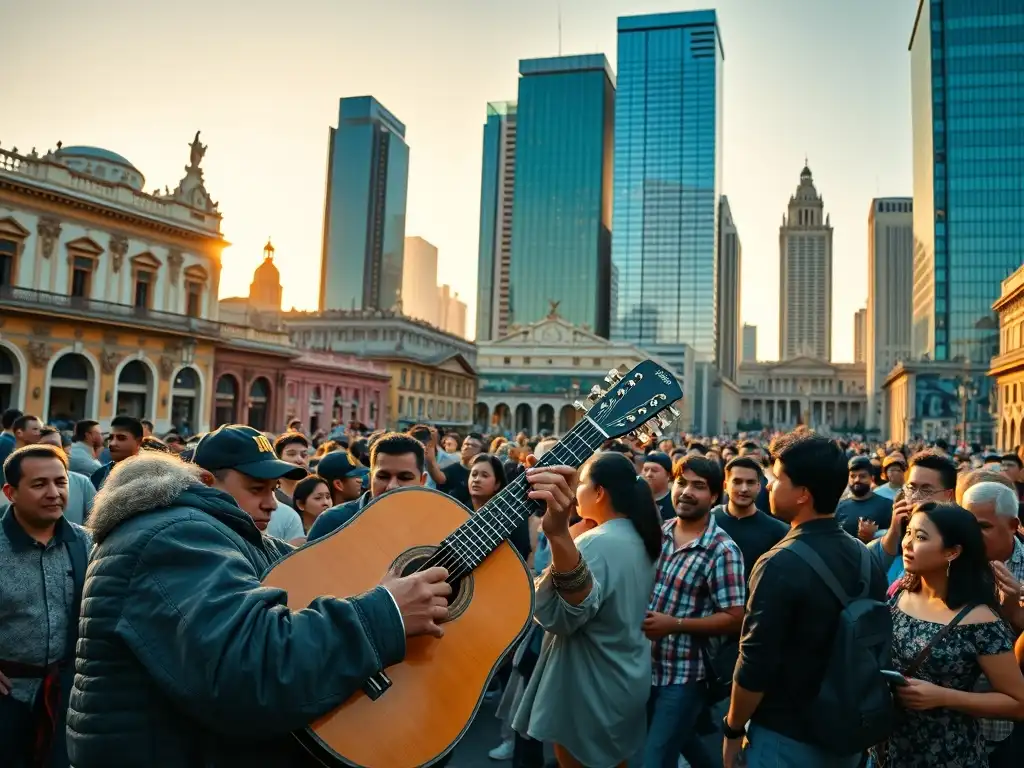
Step into a world lost to time, yet echoing in the rhythms of today. Discover the captivating legacy of the Andes, where empires rose and fell, leaving behind a breathtaking tapestry of culture and innovation. But the story doesn't end there... the vibrant pulse of Andean music history influence continues to resonate in modern soundscapes. Prepare to be amazed as we unravel the mysteries and influences of this ancient civilization's enduring musical heritage. Are you ready to explore?
The vibrant tapestry of modern Andean music is deeply interwoven with the threads of its ancient past. This article explores the profound and enduring influence of pre-Columbian musical traditions on the soundscapes of contemporary Andean communities.
From the haunting melodies of panpipes echoing across the altiplano to the rhythmic pulse of drums resonating in modern festivals, the legacy of Andean music remains powerfully present. We will delve into the historical significance of Andean music, examining its ancient roots and tracing its evolution through time, revealing how its unique instruments, styles, and social functions continue to shape musical expressions today.
Understanding this historical context is crucial to appreciating the richness and complexity of Andean music and its enduring impact on the cultural identity of the region. This exploration will illuminate the ways in which the "Andean music history influence" is not merely a historical footnote, but a living, breathing force shaping musical creativity across generations.
Introduction to the Historical Significance of Andean Music
Andean music boasts a rich and complex history, stretching back millennia. Long before the arrival of Europeans, sophisticated musical traditions flourished across the Andes Mountains, reflecting the diverse cultures and societies that inhabited this challenging yet fertile landscape. These traditions weren't merely entertainment; music played a vital role in religious ceremonies, agricultural cycles, social gatherings, and storytelling.
The sounds of ancient Andean music, though largely undocumented in written form, have left their indelible mark on the region's cultural identity, influencing everything from contemporary musical styles to the very fabric of Andean society. The enduring power of these ancient musical expressions is a testament to their cultural significance and their ability to transcend time. Understanding this historical context is crucial for appreciating the depth and complexity of Andean music's influence on modern rhythms.
Ancient Roots of Andean Musical Traditions
The musical traditions of the Andes didn't emerge overnight. They evolved over centuries, shaped by the unique environment and the diverse cultures that inhabited the region. The pre-Inca civilizations, such as the Moche, Nazca, and Tiahuanaco, each contributed to the rich musical tapestry that would later be inherited and adapted by the Inca Empire.
Archaeological discoveries continue to unveil clues about their musical practices, revealing a sophisticated understanding of musical instruments and their social significance. The soundscapes of the ancient Andes were likely far more diverse than we can currently reconstruct, but careful study of surviving artifacts and ethnomusicological research allows us to glimpse the richness of these early traditions.
Pre-Incan Musical Instruments and Practices
Pre-Inca cultures utilized a variety of instruments, many made from readily available materials such as wood, reeds, and animal hides. Archaeological evidence suggests the use of flutes, panpipes ( antara), drums ( tinku), and possibly even stringed instruments, though their exact form remains a subject of ongoing research. These instruments were likely used in a range of contexts, from religious rituals and agricultural ceremonies to celebrations and everyday life.
The sounds produced by these instruments would have been integral to the social and spiritual fabric of these early Andean societies. Unfortunately, precise details about the musical styles and techniques employed remain largely unknown, but ongoing research provides valuable insights into the ancient roots of Andean music. Further research is needed to fully understand the nuances of pre-Inca musical practices.
The Role of Music in Inca Society
The Inca Empire (1438-1533 CE) inherited and further developed the pre-existing musical traditions of the Andes. Music played a crucial role in Inca society, serving religious, political, and social functions. Music was integral to Inca religious ceremonies, often accompanying offerings and rituals dedicated to the gods and ancestors.
Specialized musicians, known as amautas, held important positions within the Inca court, composing and performing music for the Inca ruler and the elite. The Inca also utilized music in various aspects of daily life, including agricultural festivals, celebrations, and even military contexts. The Inca's sophisticated understanding of music and its social power is evident in the organization of musical ensembles and the integration of music into their complex social structure.
While much of the Inca repertoire is lost to time, the influence of their musical practices is undeniable in the music of the Andes today. The legacy of Inca music continues to resonate in contemporary Andean musical traditions.
- Introduction to the Historical Significance of Andean Music
- Ancient Roots of Andean Musical Traditions
The Transformation of Andean Music Through Time
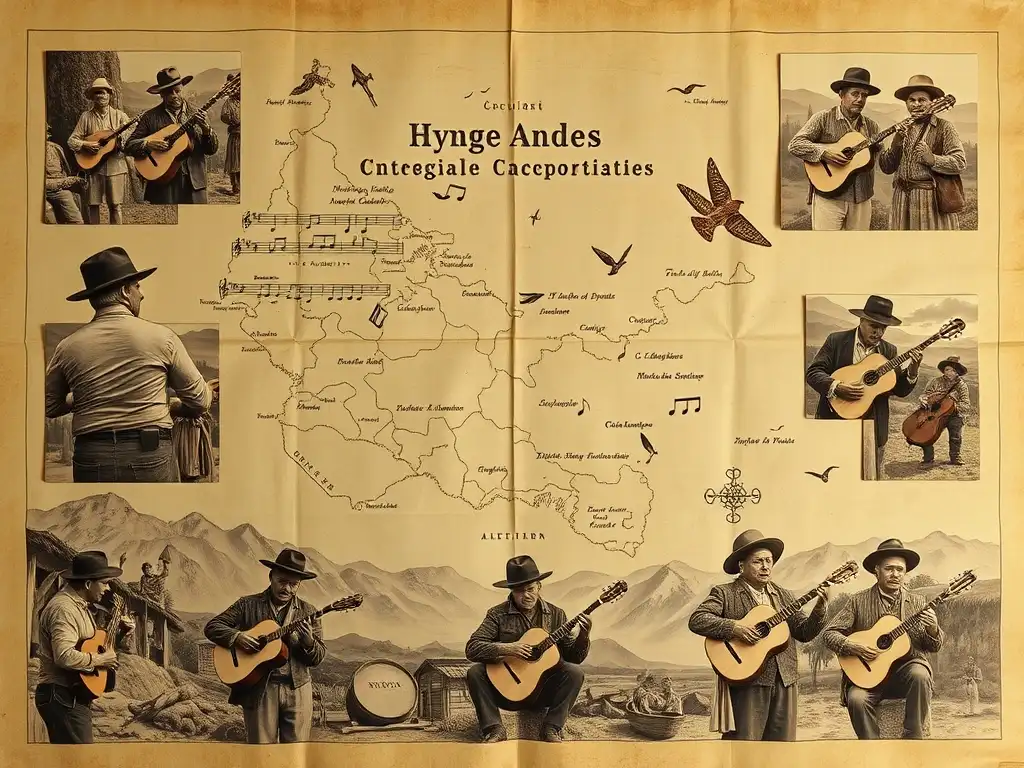
This section explores the fascinating evolution of Andean music, tracing its journey from ancient rituals to contemporary expressions. We will examine how historical events, cultural exchange, and technological advancements have shaped the soundscape of the Andes, leaving an indelible mark on modern Andean rhythms. Understanding this historical influence is crucial to appreciating the richness and complexity of Andean music today. The keyword "Andean music history influence" is central to this exploration, highlighting the enduring legacy of ancient traditions on modern musical landscapes.
The Impact of Colonialism on Andean Musical Expression
The arrival of the Spanish in the 16th century dramatically altered the course of Andean musical history. The imposition of European musical structures and instruments initially led to a suppression of indigenous musical traditions. However, rather than complete eradication, a fascinating process of cultural fusion began. Indigenous musicians, often forced to play in colonial churches and settings, subtly incorporated indigenous melodies and rhythms into European forms.
This resulted in a unique syncretism, a blending of the old and the new, where the echoes of ancient Andean melodies persisted, albeit transformed. The impact wasn't simply additive; it was a complex interplay, with indigenous instruments sometimes adapting to European musical scales and vice versa. This period laid the groundwork for the unique Andean musical expressions we see today, a testament to the resilience and adaptability of Andean culture.
Fusion of Indigenous and European Musical Elements
The fusion wasn't simply a matter of adding European instruments to existing Andean ensembles. It involved a deeper integration, with indigenous musical scales and rhythms being subtly incorporated into European forms like the villancicos (Christmas carols) and misas (masses). For example, many villancicos from the colonial period retain underlying Andean melodic structures, masked by the overlay of European harmonies and instrumentation.
This demonstrates the ingenuity of Andean musicians in preserving their cultural heritage within the confines of colonial rule. The process was not always harmonious, however; many indigenous instruments were banned or marginalized, forcing musicians to adapt and improvise. This forced adaptation, though restrictive, ultimately led to innovative musical forms that blended the best of both worlds.
The Emergence of New Rhythms and Styles
The colonial period witnessed the emergence of new rhythms and styles that reflect this fascinating fusion. The yaraví, a genre characterized by its melancholic melodies and introspective lyrics, is a prime example. Often associated with themes of longing and loss, the yaraví seamlessly blends indigenous musical elements with Spanish harmonic structures, creating a distinctly Andean sound.
Similarly, the huayno, a vibrant and energetic dance music, exemplifies the syncretic nature of Andean musical evolution. While its origins are rooted in pre-Columbian traditions, the huayno incorporates European instrumentation and rhythmic patterns, resulting in a genre that is both familiar and unique. These examples demonstrate the enduring legacy of Andean music, its ability to adapt and evolve while retaining its core identity.
Evolution of Andean Instruments and Their Modern Use
The instruments of the Andes have undergone significant transformations throughout history, reflecting the cultural exchange and technological advancements that have shaped the region. From ancient instruments made from natural materials to modern variations incorporating new materials and techniques, these instruments continue to play a vital role in shaping modern Andean music. The enduring appeal of these instruments is a testament to their cultural significance and their ability to adapt to changing times.
The Charango: A Timeless Andean Instrument
The charango, a small lute-like instrument, is perhaps the most iconic symbol of Andean music. Its origins are debated, with some suggesting a link to pre-Columbian instruments, while others emphasize its development during the colonial period. Regardless of its precise origins, the charango has become synonymous with Andean music, its distinctive sound shaping countless songs and melodies.
Modern charangos are often made with materials not traditionally used in the past, reflecting advancements in instrument-making technology. However, the core design and playing techniques have largely remained unchanged, preserving its traditional character. The charango's enduring popularity is a testament to its versatility and expressive capabilities.
The Zampoña and its Variations Across Andean Regions
The zampoña, a panpipe instrument, is another vital component of Andean musical tradition. Variations of the zampoña exist across different Andean regions, reflecting the diverse musical styles and traditions of the area. The number of pipes, the materials used, and even the tuning can vary significantly, highlighting the regional diversity of Andean musical expression. Some regions utilize zampoñas primarily in ceremonial contexts, while others integrate them into more secular musical forms. This diversity underscores the richness and complexity of Andean musical heritage, demonstrating how a single instrument can take on different forms and meanings across various communities.
The Quena and its Melancholic Tones
The quena, a simple flute made of wood or cane, is known for its melancholic and haunting tones. Often associated with themes of nature and spirituality, the quena plays a crucial role in many Andean musical genres. Its relatively simple construction, coupled with its expressive capabilities, has ensured its continued use throughout history. Modern quenas may utilize different materials or construction techniques, but they retain the essential characteristics of their ancient predecessors. The quena's enduring presence in Andean music speaks to its power to evoke emotion and connect listeners to the cultural heritage of the Andes.
Andean Music History Influence on Contemporary Genres

The enduring legacy of Andean music is profoundly felt in the vibrant tapestry of contemporary musical styles across the globe. Its unique instrumentation, complex rhythmic structures, and emotionally resonant melodies have woven themselves into the fabric of various genres, enriching their sonic landscape and demonstrating the powerful influence of Andean cultural heritage. Understanding this influence requires exploring how specific Andean rhythms and melodies have been adopted, adapted, and reinterpreted by modern musicians, resulting in a fascinating blend of ancient traditions and modern innovation.
The impact of Andean music history is not merely a historical footnote; it's a living, breathing force shaping musical expression today. This section will delve into specific examples of this enduring influence, focusing on its presence in Latin American folk music and its broader impact on world music.
Andean Rhythms in Latin American Folk Music
The impact of Andean musical traditions on Latin American folk music is undeniable. Andean rhythms, characterized by their intricate polyrhythms and use of indigenous instruments like the charango and zampoña, have found their way into numerous folk styles across the continent. This cross-pollination reflects centuries of cultural exchange and migration, where musical styles have blended and evolved, resulting in a rich and diverse soundscape. The influence is subtle yet significant, often manifesting in specific rhythmic patterns or melodic motifs that resonate with the listener on an almost subconscious level.
The Influence of Andean Melodies on Cueca
The cueca, a lively and passionate dance traditionally associated with Chile, provides a striking example of Andean influence. While the cueca has its own unique characteristics, analyzing its melodies reveals subtle yet distinct echoes of Andean musical scales and phrasing. The use of pentatonic scales, common in Andean music, is frequently found within cueca melodies, lending a certain wistful and melancholic quality.
Furthermore, the rhythmic complexity of the cueca, with its syncopated beats and shifting accents, bears a resemblance to the rhythmic intricacy found in traditional Andean music. The precise degree of influence is a subject of ongoing musicological research, but the similarities are undeniable and contribute to the rich texture of the cueca.
Andean Musical Elements in Saya
The saya, a vibrant and energetic Afro-Bolivian dance and musical genre, offers another compelling case study. While rooted in African traditions, the saya has absorbed significant Andean musical elements over time. This fusion is evident in the incorporation of Andean instruments, such as the sikus (panpipes) and tarka (a type of flute), into the saya ensemble.
Beyond instrumentation, the rhythmic structures of the saya often incorporate Andean patterns, creating a complex and captivating interplay between African and Andean musical traditions. The blending of these seemingly disparate styles showcases the remarkable adaptability and enduring power of Andean musical forms. Further research is needed to quantify the exact proportion of Andean influence in specific saya compositions, but its presence is clearly audible.
Modern Interpretations of Andean Music
The influence of Andean music extends beyond traditional folk genres into the realm of modern musical experimentation. Contemporary artists are actively engaging with Andean musical traditions, reinterpreting them through innovative lenses and creating unique fusions that reflect a dynamic cultural exchange. This modern approach often involves blending traditional Andean instruments with contemporary sounds, resulting in a captivating blend of ancient and modern aesthetics.
The Fusion of Andean Music with Electronic Sounds
One particularly striking trend is the fusion of Andean music with electronic sounds. Artists are incorporating traditional Andean melodies and rhythms into electronic music productions, creating soundscapes that are both familiar and strikingly new. This fusion often involves using samples of traditional Andean instruments, layering them with synthesized sounds and electronic beats to create a distinctive sonic identity.
The result is a reimagining of Andean music that appeals to both traditionalists and contemporary audiences, demonstrating the versatility and enduring appeal of Andean musical heritage. The specific techniques employed vary widely, but the core concept remains consistent: a dynamic interplay between tradition and innovation.
Andean Music's Presence in World Music
Andean music is not confined to the Andes region; its influence extends far beyond geographical boundaries. Its unique sonic characteristics, including its distinctive instrumentation and melodic contours, have captured the attention of musicians worldwide. Andean musical elements are increasingly incorporated into world music projects, creating a rich and diverse tapestry of sound.
This global embrace of Andean musical traditions underscores its universal appeal and its capacity to transcend cultural barriers. The specific ways in which Andean music is integrated into world music productions are varied, reflecting the diverse musical backgrounds of the artists involved, but the fundamental contribution of Andean musical elements remains a significant factor in the genre's unique character. Further research is needed to thoroughly document the extent of this global influence and to analyze specific examples of its manifestation in various world music projects.
Key Figures in the Preservation and Evolution of Andean Music
The vibrant tapestry of modern Andean music owes a significant debt to individuals who dedicated their lives to preserving and evolving traditional musical forms. These pioneers not only performed and composed but also actively championed the recognition and appreciation of Andean musical heritage on a global scale. Their efforts ensured that the rich soundscapes of the Andes weren't lost to time but instead thrived and influenced contemporary genres.
Their impact resonates deeply within the current musical landscape, shaping the sounds and styles we hear today. Without these key figures, the Andean music history influence on contemporary genres would be drastically diminished. Many artists contributed to this preservation effort, but some stand out for their exceptional contributions and lasting impact.
Violeta Parra and their Contributions
Violeta Parra (1917-1967) stands as a colossal figure in Chilean and, by extension, Andean music. More than just a performer, she was a tireless researcher and collector of traditional folk music from across Chile, meticulously documenting and preserving songs, instruments, and musical practices that were at risk of disappearing. Parra's profound understanding of the social and political contexts surrounding these musical traditions allowed her to create powerful and evocative songs that resonated deeply with her audiences.
Her work went beyond simple preservation; she infused traditional Andean melodies with new life, blending them with elements of other genres to create a unique and enduring musical style. This innovative approach, characterized by her distinctive voice and poignant lyrics, profoundly impacted subsequent generations of Chilean and Andean musicians, influencing countless artists who continue to build upon her legacy.
Her influence on the Andean music history is undeniable. The use of traditional instruments like the charango and cuatro in her compositions, coupled with her socially conscious lyrics, cemented her place as a pivotal figure in the evolution of modern Andean music.
Yma Sumac and their Legacy
Yma Sumac (1922-2008), a Peruvian vocalist with an unparalleled vocal range, captivated audiences worldwide with her extraordinary talent. Her unique vocal style, characterized by its extraordinary range and ability to seamlessly blend traditional Andean melodies with elements of jazz and classical music, made her a global sensation. While her career was largely shaped by the commercial demands of the mid-20th century music industry, her recordings played a crucial role in bringing Andean music to international attention.
Yma Sumac's music, while perhaps not always strictly adhering to traditional Andean forms, nevertheless served as a powerful introduction to the region's musical heritage for audiences unfamiliar with its rich traditions. Her influence on the Andean music history is significant, not only for her unique vocal stylings but also for her role in popularizing Andean sounds on a global stage.
She opened doors for future generations of Andean musicians to reach wider audiences and continue to build upon the foundations she laid. Her legacy demonstrates the enduring power of Andean music to transcend cultural boundaries.
The Cultural Significance of Andean Music Today
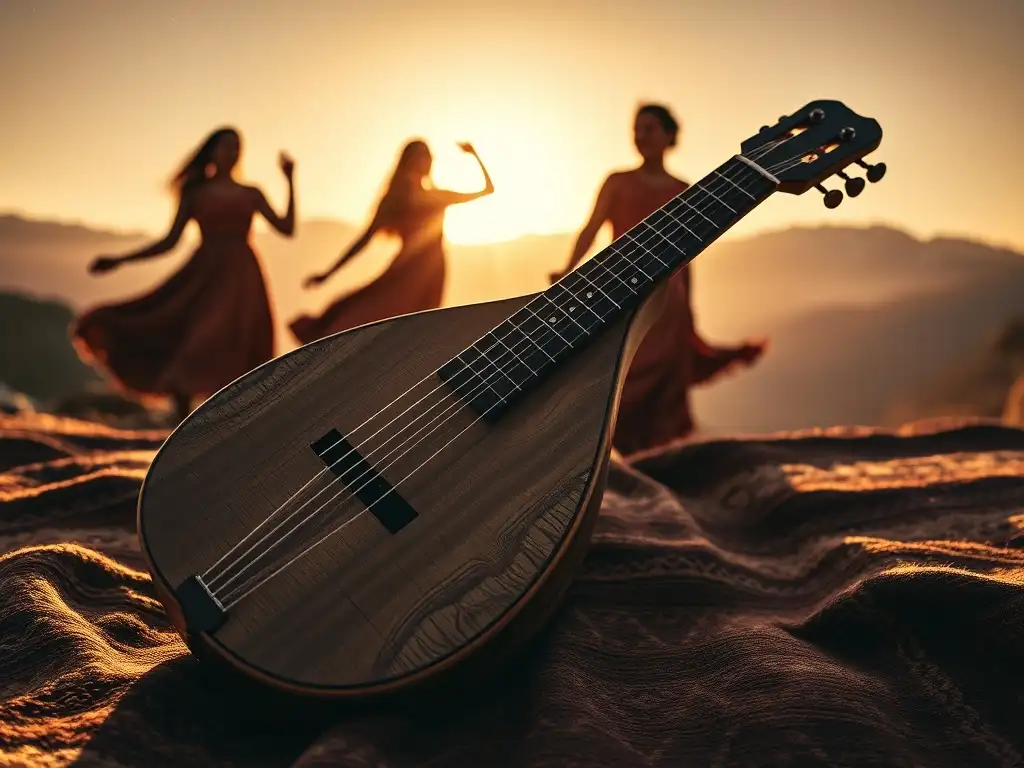
Andean music, with its intricate melodies and rhythmic complexity, remains a cornerstone of cultural identity across the Andes Mountains. Its enduring power stems from its deep connection to the region's rich history and the diverse communities that call it home. Understanding its significance requires examining its role in both traditional and modern contexts, revealing its powerful capacity to unite and inspire. The influence of Andean music history is clearly visible in its continued relevance today, shaping not only the cultural landscape of the Andes but also influencing musical styles globally.
Andean Music as a Vehicle for Cultural Identity
The Role of Music in Andean Celebrations and Rituals
Andean music isn't simply entertainment; it's integral to the fabric of life. From vibrant festas celebrating harvests to solemn ceremonies honoring ancestral spirits, music provides a powerful emotional connection to the past and present. Traditional instruments like the charango, zampoña, and quena are not merely tools; they are sacred objects imbued with spiritual meaning, passed down through generations.
The melodies themselves often tell stories, preserving ancient myths, legends, and historical events, ensuring that cultural memory is not lost. For example, the yaraví, a genre characterized by its melancholic beauty, often reflects themes of longing, loss, and the harsh realities of Andean life, acting as a powerful form of social commentary. The intricate weaving of musical patterns mirrors the complex social structures and beliefs of Andean communities.
Preserving Andean Musical Traditions for Future Generations
The preservation of Andean musical traditions is a critical undertaking, facing challenges from globalization and the encroachment of popular music. However, dedicated musicians, educators, and community organizations are actively working to counteract this. Efforts include establishing music schools dedicated to teaching traditional instruments and techniques, creating archives of recordings and musical scores, and organizing festivals that celebrate and showcase the diversity of Andean musical styles.
These initiatives aim to ensure that the unique sounds and stories embedded within Andean music are passed on to future generations, maintaining a vital link to their cultural heritage. The ongoing struggle to protect and promote Andean music highlights its enduring importance as a symbol of cultural identity and resilience. This preservation is vital for the continued influence of Andean music history on future generations.
The Global Reach of Andean Music
Andean Music's Impact on International Audiences
Andean music has transcended its geographical origins, captivating audiences worldwide. Its unique sounds, characterized by its distinctive instrumentation, haunting melodies, and intricate rhythms, have resonated with listeners far beyond the Andes. The fusion of Andean musical elements with other genres, such as folk, jazz, and world music, has created innovative and exciting soundscapes, attracting a diverse range of fans.
The global popularity of Andean music has contributed to increased awareness and appreciation of Andean culture, fostering intercultural understanding and dialogue. This global reach is a testament to the universal appeal of Andean music and its ability to transcend cultural boundaries.
The Continued Relevance of Andean Music in the Modern World
Despite the pressures of modernization, Andean music remains remarkably relevant in the 21st century. Contemporary Andean musicians are creatively blending traditional styles with modern influences, resulting in innovative and engaging music that appeals to both traditionalists and younger audiences. This demonstrates the adaptability and enduring power of Andean musical traditions.
The continued creation and performance of Andean music underscores its vital role in shaping contemporary Andean culture and its growing influence on the global music scene. The enduring appeal and creative evolution of Andean music showcase its lasting impact and significant contribution to the world's musical landscape. The impact of Andean music history continues to shape musical trends and cultural expressions globally.
Frequently Asked Questions
What is the main focus of Andean music?
Andean music is incredibly diverse, but often features panpipes, wind instruments, and percussion reflecting the unique landscapes and cultures of the Andes. It's deeply connected to spiritual beliefs and daily life.
How did the Incas influence Andean music?
The Inca Empire's vast reach led to a standardization of musical instruments and styles across different regions. Their influence is still felt in modern Andean music, although it's hard to separate from other pre-Inca traditions.
What are some examples of the influence of Andean music on modern rhythms?
Andean musical elements, like particular scales and rhythms, have found their way into various genres of Latin American and even world music. Think of the influence on flamenco and certain forms of folk music.
How did the geography of the Andes impact musical development?
The varied terrains of the Andes Mountains influenced the development of distinct musical styles, with different instruments and melodies emerging from the diverse regions. Isolation in certain valleys also contributed to unique musical traditions.
Where can I learn more about the history of Andean music?
You can explore museums dedicated to Andean culture, ethnomusicology resources, and academic journals specializing in Andean studies. Many online resources also offer valuable information and recordings of Andean music.
Final Reflection: The Unfading Song of the Andes
The vibrant rhythms and haunting melodies of Andean music continue to resonate deeply within the global soundscape, proving its enduring power and influence far beyond its geographical origins. Its impact is not merely historical; it's a living, breathing force shaping contemporary musical landscapes and offering a powerful testament to cultural resilience. The echoes of ancient traditions reverberate in the music we hear today, a testament to the enduring spirit of the Andean people.
The exploration of Andean music's journey through time has been a deeply enriching experience, revealing the intricate tapestry woven from indigenous instruments, vocal styles, and spiritual beliefs. It's a story of adaptation and survival, a testament to the human spirit's ability to preserve its heritage amidst immense social and political change. As the renowned ethnomusicologist, Robert Stevenson, once noted, Music is not simply sound; it is the voice of a culture, its history, and its soul.
This rings profoundly true when considering the enduring legacy of Andean music, a legacy that continues to inspire and transform musical expression worldwide.
Consider the profound impact of this rich musical heritage on your own listening habits. Do you hear the echoes of the panpipes in your favorite contemporary artist's work? Do you feel the emotional depth of the Andean vocal styles in the music you connect with? I invite you to actively listen, to seek out the subtle and overt influences of Andean music in the world around you, and to appreciate the profound cultural legacy it represents. Let the enduring song of the Andes inspire your own journey of musical discovery and cultural understanding.
Unleash the Rhythms of the Andes Today!
Thank you for exploring the captivating world of Andean music! You've discovered how these timeless melodies continue to influence modern music. Now, let's celebrate and engage with this vibrant culture!
- Experience the Sound: Listen to a playlist featuring contemporary artists who creatively blend traditional Andean instruments and vocals with modern genres. Immerse yourself in the rich heritage!
- Share the Beat: Spread the joy by sharing your favorite Andean songs on social media using #AndeanEchoes. Let's connect with others who appreciate this beautiful musical tradition!
- Join the Community: Participate in local cultural events or online forums dedicated to Andean music. Share your insights and inspire others with your passion!
What new musical adventure will you embrace today?