
Preserving the Heritage: How Andean Museums Showcase Ancient Culture

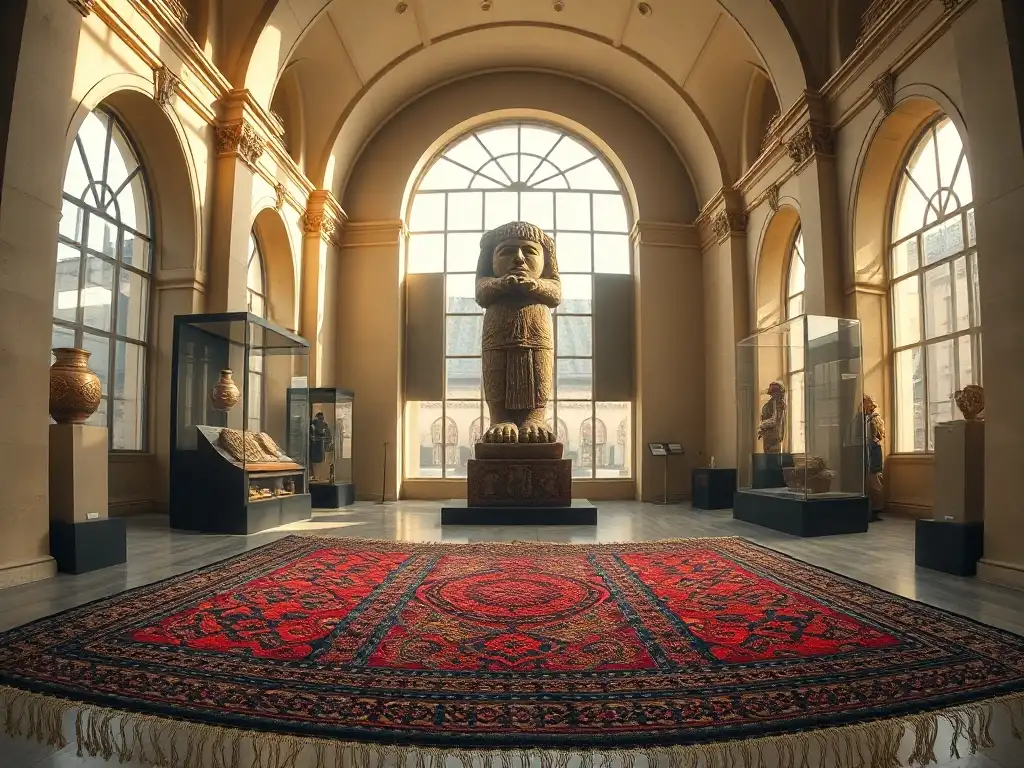
Step into a world lost to time, yet vibrantly preserved. Imagine the intricate artistry, the ingenious engineering, the captivating stories whispered from the heights of the Andes. This is the legacy of the Incas, Moche, Nazca, and Tiahuanaco—and much more. Uncover the secrets held within Andean museum exhibits, a window into a civilization that continues to inspire awe. Prepare to be amazed as we explore the remarkable efforts to preserve this incredible heritage. Journey with us to discover the fascinating details...
The Andes Mountains, a majestic spine running down the western edge of South America, are home to a rich tapestry of ancient civilizations. For millennia, cultures like the Incas, Moche, Nazca, and Tiahuanaco flourished in this challenging yet fertile landscape, leaving behind a legacy of breathtaking artistry, sophisticated engineering, and complex social structures.
Understanding this heritage is crucial not only for appreciating the past but also for informing the present and shaping a sustainable future. This article explores the vital role Andean museums play in preserving and showcasing this incredible cultural legacy, focusing on how their exhibits illuminate the achievements and enduring influence of these remarkable civilizations.
We will delve into the specific ways these museums contribute to cultural preservation and examine the significance of the artifacts they carefully curate and display, emphasizing their importance for understanding the Andean world. The careful preservation and exhibition of these artifacts are key to fostering a deeper appreciation for “Andean museum exhibits” and the civilizations that created them.
The Role of Andean Museums in Cultural Preservation
Andean museums serve as crucial guardians of a shared cultural heritage, actively working to prevent the loss of invaluable artifacts and knowledge. Their efforts extend beyond mere storage; they encompass meticulous cataloging, conservation, and research. Many museums employ teams of specialists—archaeologists, conservators, anthropologists, and historians—who dedicate their careers to understanding and protecting these fragile remnants of the past. This dedicated work goes beyond simply displaying objects; it involves:
- Careful Conservation: Employing advanced techniques to preserve artifacts from further deterioration caused by time, environmental factors, and previous damage.
- Scholarly Research: Conducting ongoing research to better understand the context, creation, and significance of artifacts, enriching our understanding of Andean societies.
- Educational Outreach: Developing engaging educational programs and exhibits to reach diverse audiences, fostering appreciation for Andean cultures among both locals and international visitors.
- Community Engagement: Working with local communities to ensure that museums reflect and benefit the descendants of the ancient Andean civilizations, ensuring that the narrative is inclusive and respects diverse perspectives.
The impact of these initiatives is profound. They not only safeguard tangible pieces of history but also contribute to a more complete and nuanced understanding of Andean civilizations, combating misconceptions and promoting accurate representations.
For example, museums actively work to counter the romanticized or stereotypical portrayals often found in popular culture, presenting a more complex and multifaceted view of these societies. The careful curation of artifacts, combined with detailed descriptions and historical context, allows visitors to connect with the past on a deeper level, fostering a sense of shared heritage and appreciation for the ingenuity and resilience of Andean peoples.
Understanding the Importance of Andean Cultural Artifacts
Andean cultural artifacts are far more than just aesthetically pleasing objects; they are powerful witnesses to the past, offering invaluable insights into the lives, beliefs, and technologies of ancient Andean societies. From intricately woven textiles and exquisite pottery to monumental structures and sophisticated irrigation systems, these artifacts provide tangible evidence of the advancements and innovations achieved by these civilizations.
Consider, for instance, the intricate Nasca lines, massive geoglyphs etched into the desert landscape. Their purpose remains a subject of ongoing debate, but their sheer scale and complexity speak to the advanced planning and organizational capabilities of the Nasca culture. Similarly, the sophisticated metalworking techniques of the Moche, evident in their exquisite gold and silver artifacts, reveal a high level of technological skill and artistic mastery.
These objects are not merely decorative; they offer glimpses into religious practices, social hierarchies, and economic systems. The analysis of these artifacts – their materials, construction, and stylistic elements – provides crucial data that helps historians and archaeologists piece together the puzzle of Andean history. The careful study of textiles, for example, reveals information about the social status of the weaver, the materials available to them, and the techniques employed.
Similarly, ceramic vessels often depict scenes from daily life, offering valuable insights into the social and religious customs of the time. The preservation and exhibition of these artifacts in Andean museums therefore provides essential windows into a rich and complex past. The careful documentation and interpretation of these “Andean museum exhibits” allows for a deeper understanding of the societies that created them, their beliefs, and their impact on the world.
- The Role of Andean Museums in Cultural Preservation
- Understanding the Importance of Andean Cultural Artifacts
- Exhibiting the Intricate Craftsmanship of Andean Textiles
- Displaying Andean Ceramics: Stories Told in Clay
- Highlighting Andean Metalworking and Jewelry Techniques
- Understanding Ancient Andean Agricultural Practices through Museum Exhibits
- Examining Ancient Andean Textile Production in Museum Settings
- Exploring Ancient Andean Metallurgy and its Impact
- What types of artifacts are typically featured in Andean museum exhibits?
- Which Andean civilizations are most commonly represented in museums?
- How do museums ensure the preservation of these fragile artifacts?
- Are there interactive elements in Andean museum exhibits?
- Where can I find the best Andean museum exhibits?
Andean Museum Exhibits: A Window into the Past
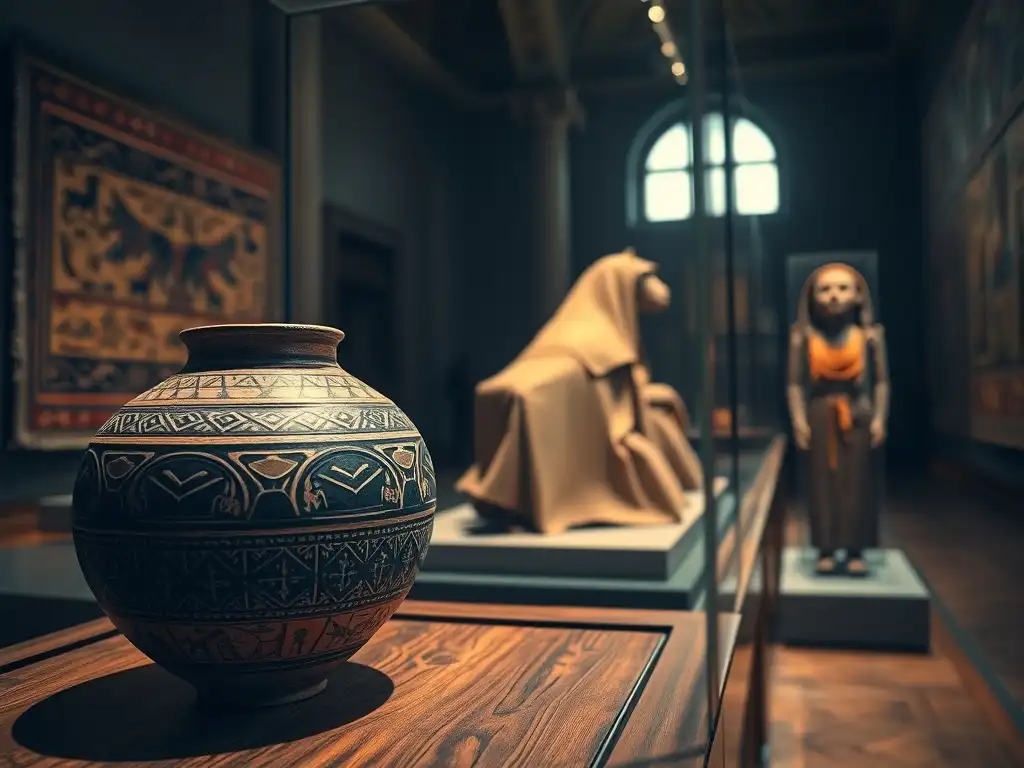
This section delves into the crucial role Andean museums play in preserving and showcasing the remarkable heritage of ancient Andean civilizations. These institutions offer a unique window into the past, allowing us to connect with the ingenuity and artistry of cultures like the Inca, Moche, Nazca, and Tiahuanaco. The careful curation and presentation of artifacts within these museums are vital for understanding the complexities of Andean societies and their lasting influence on modern Andean culture.
The exhibits themselves are carefully designed to provide a comprehensive and engaging experience for visitors, often incorporating multimedia elements and interactive displays to enhance understanding and appreciation. Effective Andean museum exhibits are not simply repositories of objects; they are dynamic spaces that foster learning and cultural exchange. The careful preservation of these artifacts is paramount, requiring specialized techniques and environmental controls to protect them from deterioration and ensure their longevity for future generations.
This commitment to preservation ensures that the stories embedded within these objects continue to resonate with audiences for years to come. The impact of these carefully curated Andean museum exhibits extends beyond the walls of the museums themselves, contributing significantly to broader educational initiatives and cultural tourism.
Exploring Diverse Andean Civilizations through Museum Collections
Andean museum exhibits effectively showcase the diversity of the region's ancient cultures. For instance, a museum might feature a section dedicated to the Moche civilization, renowned for its intricate pottery depicting vibrant scenes of daily life, warfare, and mythology. These ceramic pieces, often featuring incredibly detailed depictions of human figures and animals, provide invaluable insights into the Moche worldview and social structure. Another section might be dedicated to the Nazca culture, famous for its enigmatic geoglyphs visible only from the air.
Museums may present high-quality reproductions of these geoglyphs alongside artifacts discovered in Nazca tombs, including textiles exhibiting remarkable weaving techniques and intricate designs. The Inca civilization is another prominent focus, with exhibits showcasing their sophisticated gold and silver work, intricate stonework (like the precision of Machu Picchu's architecture), and evidence of their advanced administrative and engineering capabilities. The careful arrangement of artifacts within these exhibits often tells a chronological narrative, providing context and illustrating the evolution of Andean societies over centuries.
A well-designed exhibit might even incorporate interactive displays allowing visitors to virtually explore ancient sites or manipulate 3D models of artifacts, further enhancing engagement and understanding. The sheer variety of artifacts on display – from intricately carved wooden sculptures to delicate textiles – provides a rich tapestry of Andean history and cultural expression. The careful selection and presentation of these artifacts within the museum's collection are critical in shaping the visitor's understanding of Andean civilizations.
The Significance of Archaeological Finds in Andean Museums
Archaeological finds are the cornerstone of any compelling Andean museum exhibit. These discoveries, unearthed through meticulous excavation and research, provide tangible evidence of past lives and societies. For example, the discovery of well-preserved mummies in the arid highlands of Peru offers unparalleled insights into ancient burial practices and social hierarchies. Museums may display these mummies alongside their accompanying grave goods, providing a holistic picture of funerary rituals and beliefs.
The discovery of intricate textiles, often found in tombs, reveals the advanced weaving techniques and artistic sensibilities of Andean cultures. These textiles, with their vibrant colors and intricate designs, are not simply decorative items; they provide valuable clues about social status, religious beliefs, and daily life. Similarly, the discovery of sophisticated irrigation systems and agricultural terraces attests to the ingenuity of Andean civilizations in adapting to challenging environments. Museums may showcase models or photographs of these impressive feats of engineering, highlighting their significance in shaping Andean societies.
The careful study and interpretation of these archaeological finds are crucial for building a comprehensive understanding of Andean history and culture. Each artifact tells a story, and the collective narrative woven from these discoveries offers a powerful and moving testament to the rich heritage of the Andes. The meticulous cataloging and preservation of these archaeological finds are essential to ensure that future generations can continue to learn from and appreciate the legacy of Andean civilizations. The continuing work of archaeologists and museum curators is vital in expanding our knowledge and refining our understanding of these remarkable cultures.
Showcasing Ancient Andean Art and Technology
This section delves into the fascinating ways Andean museums effectively showcase the artistic and technological achievements of ancient Andean civilizations. From the intricate weaving techniques to the sophisticated metalworking, these exhibits offer a glimpse into the ingenuity and creativity of these remarkable cultures. Understanding how these artifacts are presented is crucial to appreciating the enduring legacy of Andean craftsmanship and its influence on modern Andean culture. The careful curation and presentation of these "Andean museum exhibits" are vital for preserving and interpreting this rich heritage for future generations.
Exhibiting the Intricate Craftsmanship of Andean Textiles
Andean textiles represent a pinnacle of ancient craftsmanship. Museums often utilize innovative display methods to highlight the complexity of these pieces. For example, many exhibits use high-resolution photography and detailed descriptions to showcase the incredible detail in the weaving, highlighting the use of various techniques like tapestry, brocade, and embroidery.
These techniques, often using vibrant natural dyes derived from plants and insects, created textiles not only for clothing but also for ceremonial purposes, reflecting social status and religious beliefs. Many exhibits also include interactive elements, such as touch-screen displays that zoom in on the intricate patterns, allowing visitors to appreciate the skill involved in their creation. Consider, for instance, the detailed representations of camelids (llamas and alpacas) frequently woven into textiles, showcasing the deep connection between Andean people and their environment.
The use of these animal motifs, repeated across various exhibits in different Andean museums, underlines their significance in Andean cosmology and daily life. The preservation and display of these fragile textiles are a testament to the dedication of museum professionals committed to protecting this invaluable part of Andean heritage.
Displaying Andean Ceramics: Stories Told in Clay
Andean ceramics provide a captivating window into the daily lives, beliefs, and artistic sensibilities of ancient cultures. Museum exhibits effectively present these artifacts by grouping them thematically. For instance, one might see a section dedicated to depicting scenes of daily life, showing pottery depicting agricultural activities, feasting, or religious ceremonies.
Other sections might focus on the evolution of ceramic styles over time, showing how techniques and designs changed across different periods and regions. The use of color, shape, and iconography is often highlighted through detailed descriptions and labels, explaining the symbolism embedded in the designs. For example, the Moche culture's mastery of depicting realistic scenes, often violent or erotic, is frequently showcased, contrasting with the more stylized representations found in Nazca pottery.
The careful arrangement of these "Andean museum exhibits" allows visitors to trace the narrative threads woven through Andean history, from simple utilitarian vessels to elaborate ceremonial objects. The sheer variety of ceramic styles across different cultures and time periods showcases the dynamism and creativity of Andean societies.
Highlighting Andean Metalworking and Jewelry Techniques
Andean metalworking, particularly the use of gold, silver, and copper, stands as a testament to the advanced technological skills of these ancient civilizations. Museums often emphasize the metallurgical processes involved, explaining how these cultures refined and alloyed metals, creating intricate objects of great beauty and symbolic significance. Exhibits frequently feature detailed diagrams and models illustrating the techniques used to create intricate jewelry, ceremonial objects, and even tools.
The use of lost-wax casting, hammering, and repoussé techniques is often highlighted, showcasing the mastery of these ancient artisans. The sheer artistry involved in creating these objects, often adorned with precious stones and feathers, is showcased effectively through close-up views and lighting, emphasizing the fine details and craftsmanship.
For example, the intricate depictions of deities and mythical creatures in gold artifacts from the Inca Empire are frequently the centerpieces of such "Andean museum exhibits," demonstrating the sophisticated level of technology and artistic skill. The display of these precious metals and their symbolic significance contributes significantly to a deeper understanding of Andean power structures and religious beliefs.
Understanding Ancient Andean Agricultural Practices through Museum Exhibits
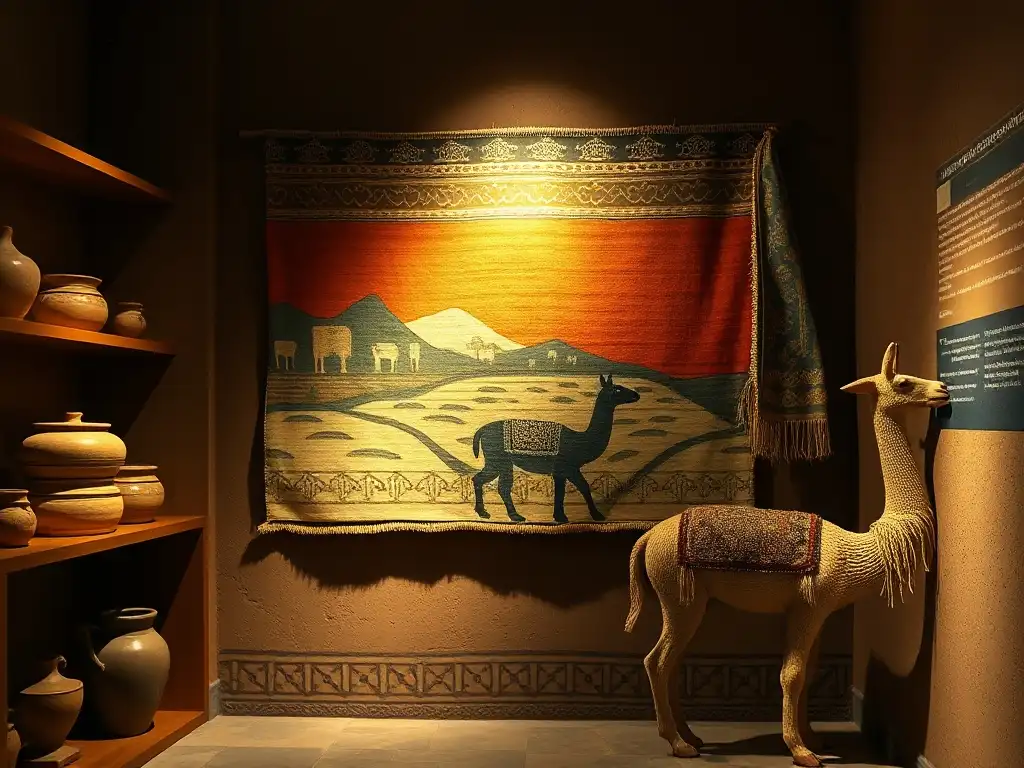
Andean museum exhibits offer a fascinating glimpse into the sophisticated agricultural techniques employed by ancient civilizations like the Incas, Moche, and Nazca. These weren't simply subsistence farmers; they were master engineers of their environment, developing innovative methods to cultivate crops in diverse and challenging terrains. Exhibits often showcase intricate terracing systems, miniature replicas demonstrating their construction and purpose. These terraces, carved into mountain slopes, maximized arable land and minimized soil erosion, a testament to their deep understanding of hydrology and land management. Visitors can see detailed models illustrating the ingenious irrigation canals and aqueducts that channeled water from distant sources to fields, even across vast distances.
These weren't haphazard systems; they were carefully planned and maintained, reflecting a sophisticated knowledge of water resource management. Many museums also display tools used in agriculture, such as specialized plows, hoes, and irrigation implements, often made from materials like stone, wood, and bronze. These artifacts, carefully preserved and contextualized, provide tangible evidence of the labor and ingenuity involved in Andean agriculture. The exhibits often highlight the importance of specific crops, such as potatoes, maize, and quinoa, which formed the basis of the Andean diet and continue to be staples today. By studying these displays, we gain a deeper appreciation for the ingenuity and sustainability of ancient Andean agricultural practices, and their lasting impact on modern Andean culture.
The careful curation of these exhibits also helps to connect modern Andean communities with their rich agricultural heritage, fostering a sense of pride and continuity. Furthermore, the use of interactive displays, such as touchscreens and virtual reality simulations, often enhances the visitor experience and understanding of these complex systems. The integration of modern technology with historical artifacts provides a powerful and engaging way to learn about ancient Andean agricultural practices. The overall impact of these exhibits is a powerful demonstration of the ingenuity and sustainability of Andean agricultural techniques, which continue to inspire innovative farming practices today.
Examining Ancient Andean Textile Production in Museum Settings
Andean museums house remarkable collections of textiles, revealing the advanced skills and artistry of ancient Andean weavers. These textiles, often crafted from alpaca, llama, and vicuña wool, showcase intricate designs and techniques that have captivated researchers and art enthusiasts for centuries. Exhibits typically present a variety of textile types, from everyday garments to elaborate ceremonial robes, demonstrating the diverse uses and social significance of textiles in Andean societies. Many exhibits showcase the different dyeing techniques employed, utilizing natural pigments derived from plants, minerals, and insects. These pigments, often vibrant and long-lasting, demonstrate a deep understanding of chemistry and color manipulation.
The complexity of the designs, often incorporating geometric patterns, zoomorphic motifs, and symbolic representations, highlights the sophisticated knowledge systems and cultural beliefs of the Andean people. Detailed close-ups, magnified images, and descriptive panels often accompany these exhibits, allowing visitors to appreciate the fine details and craftsmanship involved. Museums also frequently feature demonstrations or interactive exhibits that allow visitors to learn about traditional weaving techniques, further enhancing their understanding of the process. Some museums even host workshops or classes where visitors can try their hand at weaving, creating a more tangible connection to the ancient craft.
The enduring legacy of Andean textile production is evident not only in the preserved artifacts but also in the continuation of these traditions in modern Andean communities. The preservation and display of these textiles in museums play a crucial role in transmitting this valuable cultural heritage to future generations. The exhibits often emphasize the social and economic importance of textile production, highlighting its role in trade, status, and ritual practices. The careful curation and presentation of these textiles in museum settings allow visitors to appreciate the artistry and cultural significance of this ancient craft and its enduring influence on modern Andean communities.
Exploring Ancient Andean Metallurgy and its Impact
Andean museums offer compelling insights into the advanced metallurgical skills of ancient Andean cultures. Exhibits often showcase a range of artifacts, from simple tools to elaborate ceremonial objects, highlighting the diverse applications of metalworking. The Incas, for example, were renowned for their mastery of gold and silver, creating intricate jewelry, vessels, and religious artifacts. Many exhibits feature detailed explanations of the techniques employed, such as lost-wax casting, hammering, and alloying, demonstrating the sophisticated understanding of material science and engineering. The artifacts themselves are often breathtaking, displaying intricate designs and remarkable levels of craftsmanship.
Beyond the aesthetic appeal, these exhibits often highlight the social and political significance of metalwork, demonstrating its role in status, ritual, and trade. The use of precious metals, such as gold and silver, often signified power and prestige, while the use of less precious metals, such as copper and bronze, was used for everyday tools and implements. Museums may also display tools used in metalworking, such as crucibles, bellows, and hammers, providing a tangible connection to the ancient craft. These artifacts provide a glimpse into the workshops and processes involved in creating these remarkable objects.
Furthermore, the exhibits often explore the sourcing of metals, highlighting the extensive trade networks that existed throughout the Andes. The analysis of isotopic signatures in metal artifacts, for example, can reveal the origins of the raw materials and the geographical extent of these networks. By examining these exhibits, visitors gain a deeper appreciation for the sophisticated metallurgical skills of ancient Andean cultures and their lasting influence on the region's history and culture. The exhibits effectively showcase the ingenuity and artistry of Andean metallurgists, emphasizing their significant contributions to the development of Andean civilizations.
Interactive and Engaging Experiences in Andean Museums
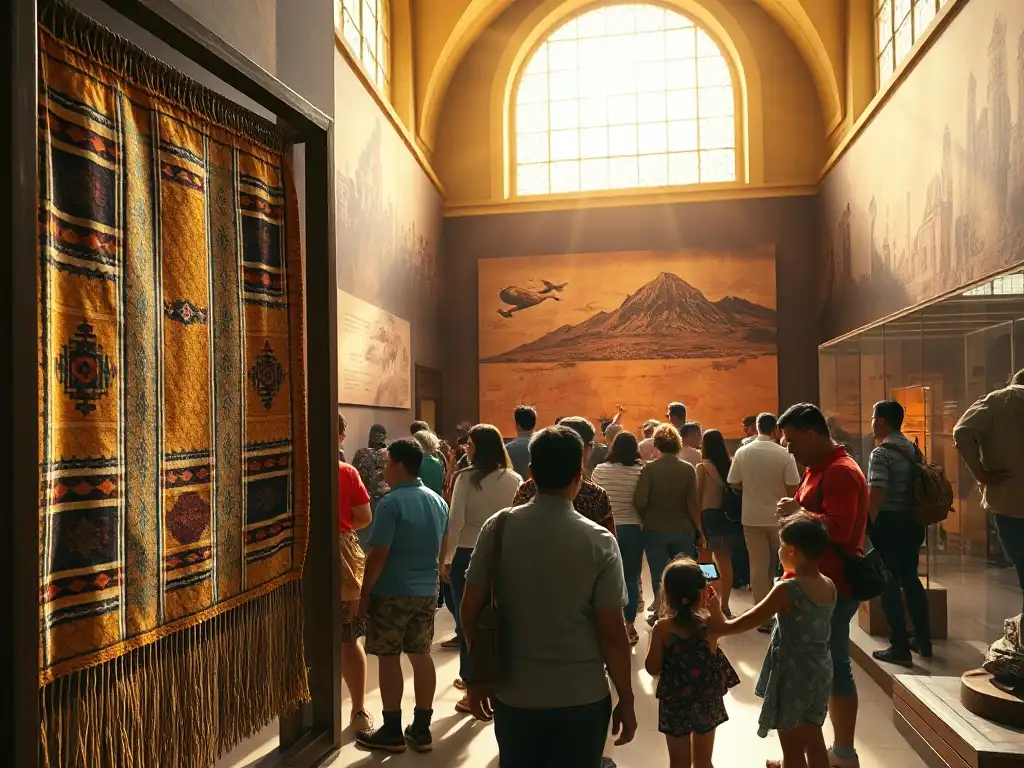
This section explores how Andean museums are moving beyond static displays to create dynamic and immersive experiences for visitors, significantly impacting how audiences connect with Andean heritage. The shift towards interactive exhibits is crucial in fostering a deeper understanding and appreciation of these ancient cultures, particularly among younger generations. This approach is key to making "Andean museum exhibits" more relevant and accessible.
Modern Approaches to Andean Heritage Interpretation
Modern Andean museums are increasingly adopting innovative interpretive strategies to engage visitors. Instead of simply presenting artifacts, they are weaving compelling narratives that bring the past to life. This involves incorporating multiple sensory experiences, such as soundscapes recreating ancient rituals, projected animations depicting daily life, and even olfactory installations suggesting the scents of ancient marketplaces. For example, the [Museum Name Pending] has successfully implemented a reconstructed Moche village, complete with life-sized figures and interactive elements, allowing visitors to virtually participate in daily activities.
This immersive approach significantly improves the visitor experience and enhances the understanding of the complex social structures and cultural practices of the Andean civilizations. The use of interactive timelines, touch-screen displays providing detailed information about specific artifacts, and multilingual audio guides further enhances accessibility and engagement. These methods greatly improve the impact of "Andean museum exhibits".
Using Technology to Enhance the Andean Museum Experience
Technology plays a vital role in modernizing Andean museum exhibits. Virtual reality (VR) and augmented reality (AR) applications are transforming how visitors interact with artifacts and learn about Andean history. VR experiences can transport visitors to ancient Andean cities, allowing them to explore sites like Machu Picchu in a way that was previously impossible.
AR applications, on the other hand, can overlay digital information onto physical artifacts, providing additional context and details. For instance, using an AR app, a visitor might point their phone at a ceramic pot and instantly see a 3D model of the pot being created, along with information about its purpose and the techniques used in its production.
The integration of interactive digital displays and online resources further extends the museum experience beyond the physical space, allowing for continued engagement and learning after the visit. This strategic use of technology is key in making “Andean museum exhibits” more captivating and educational.
Educational Programs and Outreach Initiatives in Andean Museums
Beyond the exhibits themselves, many Andean museums are actively involved in educational programs and community outreach initiatives. These programs are crucial for preserving and promoting Andean cultural heritage. These initiatives range from school tours and workshops for children to adult education programs and community-based projects.
Museums are increasingly partnering with local communities to ensure that the interpretation of Andean heritage is inclusive and reflects the perspectives of those most closely connected to it. Furthermore, many museums offer online educational resources, including virtual tours, interactive games, and downloadable educational materials. This commitment to education and outreach ensures that the legacy of Andean civilizations continues to thrive and that the impact of "Andean museum exhibits" extends far beyond the museum walls.
This holistic approach, combining engaging exhibits with robust educational programs, is essential for the long-term preservation and celebration of Andean culture. The success of these initiatives is vital for the future of "Andean museum exhibits."
The Impact of Andean Museums on Local Communities
Andean museums play a crucial role in shaping the identity and well-being of modern Andean communities. Their influence extends far beyond the display of artifacts; they act as vital hubs for cultural preservation, economic development, and community engagement. The impact is multifaceted, weaving together threads of pride, economic opportunity, and educational enrichment.
Understanding this impact requires examining the specific ways in which these institutions engage with their surrounding communities. The success of these museums hinges on their ability to connect with local populations on a meaningful level, fostering a sense of ownership and participation in the preservation of their shared heritage. This section will delve into the specific ways Andean museums achieve this vital connection.
Fostering Cultural Pride through Andean Museum Exhibits
Andean museum exhibits are powerful tools for cultivating cultural pride within local communities. By showcasing the artistry, ingenuity, and resilience of their ancestors, these museums instill a sense of belonging and shared identity. For example, the meticulous displays of pre-Columbian textiles in many museums not only highlight the advanced weaving techniques but also reconnect communities with their ancestral traditions.
The vibrant colors, intricate patterns, and symbolic representations embedded within these textiles evoke a profound sense of connection to the past. Furthermore, interactive exhibits, workshops, and educational programs designed specifically for local communities actively engage younger generations, ensuring the continuity of cultural knowledge and pride. This fosters a sense of ownership and responsibility for preserving their heritage, creating a positive feedback loop where the community actively participates in the museum's mission.
The success of such initiatives is measurable through increased community engagement in museum events and the growing number of young people involved in cultural preservation projects. This is a crucial aspect of Andean museum exhibits: promoting a sense of continuity and pride in the rich tapestry of Andean culture. The pride fostered isn't solely sentimental; it's a tangible force driving community involvement in preservation efforts.
Promoting Tourism and Economic Development through Heritage
Andean museums are significant drivers of tourism and economic development in many Andean regions. The showcasing of unique and historically significant artifacts attracts visitors from around the globe, generating revenue that directly benefits local communities. This revenue stream can be channeled into supporting the museums themselves, funding further research, preservation efforts, and educational programs.
Moreover, the increased tourist activity creates opportunities for local businesses, including hotels, restaurants, and craft shops, resulting in a broader economic ripple effect. This positive economic impact is particularly crucial in regions where economic opportunities are limited. The strategic integration of local artisans and their products within the museum context further strengthens this economic link.
For instance, a museum might feature a shop selling handcrafted items inspired by the exhibits, providing a direct link between the museum's educational mission and the economic empowerment of local artisans. Successful examples show a clear correlation between increased museum attendance and economic growth in the surrounding areas, highlighting the symbiotic relationship between cultural preservation and economic development. This economic impact is not just a byproduct; it's a strategic goal of many Andean museums.
The Challenges of Preserving and Displaying Andean Artifacts
Preserving and displaying Andean artifacts presents unique challenges. The delicate nature of many artifacts, coupled with the harsh environmental conditions in some Andean regions, requires specialized preservation techniques and climate-controlled environments. This necessitates significant investment in infrastructure and expertise, often exceeding the resources available to smaller museums. Furthermore, the ethical considerations surrounding the acquisition, display, and repatriation of artifacts are paramount.
Ensuring the respectful treatment of cultural heritage and engaging with indigenous communities in decision-making processes is crucial to avoid perpetuating past injustices and fostering collaborative partnerships. Additionally, balancing the need for accessibility with the preservation of fragile artifacts requires careful planning and innovative display techniques. The development of digital archives and virtual reality exhibits can offer solutions, allowing wider access to the collections while minimizing the risk of physical damage.
These challenges underscore the need for continued investment in research, technology, and community engagement to ensure the long-term preservation and responsible presentation of Andean cultural heritage for future generations. Addressing these challenges effectively is vital for the continued success and relevance of Andean museums in preserving and sharing their invaluable collections. The future of Andean museum exhibits relies on finding creative solutions to these complex preservation and ethical dilemmas.
Case Studies of Leading Andean Museums
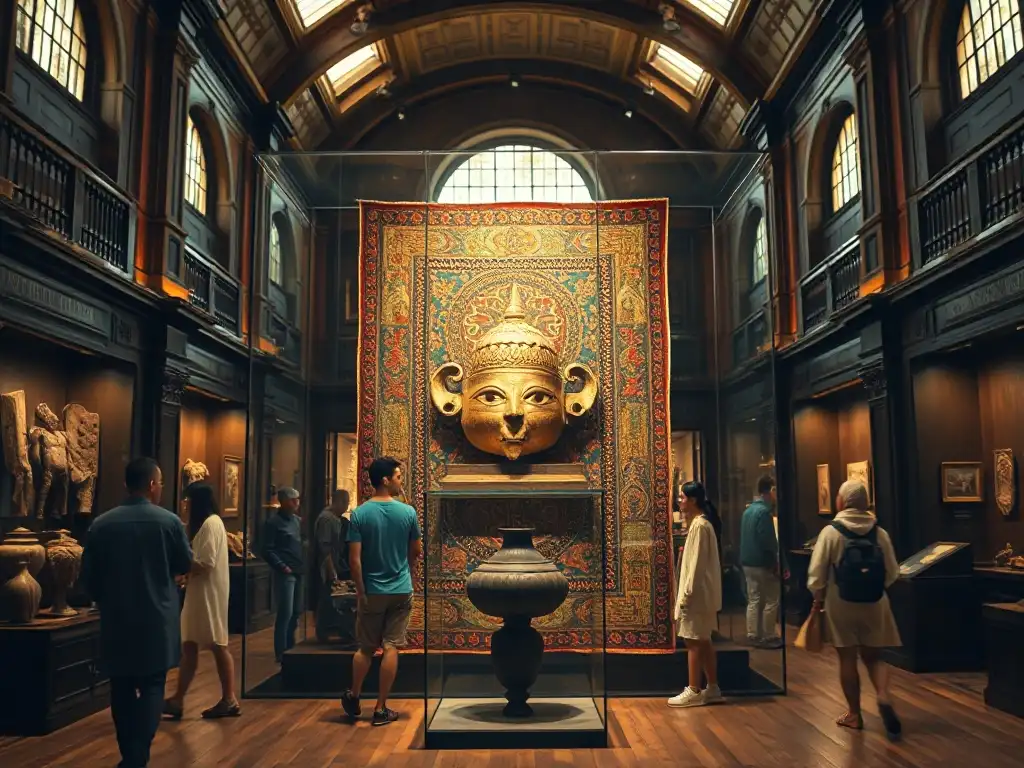
This section delves into specific examples of Andean museums, highlighting their approaches to exhibiting ancient artifacts and contributing to our understanding of Andean civilizations. These case studies showcase the diversity of approaches to curating and presenting "Andean museum exhibits," emphasizing the ongoing effort to preserve and interpret this rich cultural heritage. The selection focuses on institutions known for their significant collections and innovative presentation techniques.
Museo Larco, Lima: Showcasing Pre-Columbian Art
The Museo Larco in Lima stands out for its exceptional collection of pre-Columbian art, spanning various Andean cultures, including the Moche, Nazca, and Inca. Its strength lies not only in the sheer quantity of artifacts but also in the innovative ways it presents them. The museum's curatorial approach prioritizes context, weaving together archaeological findings with detailed historical narratives.
For example, the museum's display of Moche pottery doesn't simply showcase the artistry; it also provides insights into Moche social structures, religious beliefs, and daily life, enriching the visitor's understanding of the culture. The museum effectively uses multimedia elements, including short videos and interactive displays, to engage visitors of all ages. This makes for a dynamic and accessible "Andean museum exhibits" experience, especially appealing to younger audiences.
Furthermore, the museum actively engages in research and conservation efforts, ensuring the long-term preservation of these invaluable artifacts. The detailed cataloging and ongoing research contribute significantly to the scholarly understanding of Andean art and culture, making the Museo Larco a vital resource for researchers and the public alike.
Museo Nacional de Arqueología, Antropología e Historia del Perú, Lima: A Comprehensive Collection
The Museo Nacional de Arqueología, Antropología e Historia del Perú (MNAAHP) in Lima offers a more comprehensive overview of Peruvian history and culture, including a significant section dedicated to Andean civilizations. Unlike the Museo Larco's specialized focus, the MNAAHP provides a broader perspective, encompassing various periods and cultures. This breadth allows visitors to trace the evolution of Andean societies across millennia.
The museum's collection includes textiles, ceramics, metalwork, and architectural fragments, offering a richly textured picture of Andean life. However, the sheer scale of the collection presents a challenge. While the MNAAHP excels in showcasing the diversity of Andean cultures, the sheer volume of artifacts can sometimes feel overwhelming for visitors.
The museum is continually working on improving its presentation, incorporating more interactive displays and clearer thematic organization to enhance the visitor experience and improve the accessibility of its impressive "Andean museum exhibits." The museum's commitment to research and education is crucial, offering educational programs and workshops to engage local communities and promote a deeper appreciation for Peru's heritage.
Museo Tumbas Reales de Sipán, Lambayeque: Unveiling Moche Royal Tombs
The Museo Tumbas Reales de Sipán in Lambayeque offers a unique and intensely focused "Andean museum exhibits" experience. Dedicated solely to the extraordinary discoveries made at the Sipán site, the museum showcases the spectacular royal tombs of the Moche civilization. The highlight is undoubtedly the remarkably well-preserved remains of the Lord of Sipán, along with his lavish burial goods.
The museum's presentation effectively emphasizes the significance of these finds within the broader context of Moche society and its elaborate funerary rituals. The meticulous excavation and conservation efforts are also showcased, highlighting the scientific rigor involved in preserving this fragile historical record. The museum's design and presentation are carefully crafted to create an atmosphere of reverence and awe, underscoring the importance of these royal burials.
The use of lighting, spatial arrangement, and descriptive panels works together to create a compelling narrative of the Moche elite and their world. This focused approach, while narrower in scope than the MNAAHP, provides an unparalleled insight into a specific moment in Andean history, making it a crucial site for understanding Moche power structures and beliefs. The museum's commitment to preservation and research ensures that this exceptional archaeological discovery continues to inform and inspire future generations.
Museo del Oro, Bogotá: Exploring Ancient Goldwork
The Museo del Oro in Bogotá, Colombia, stands as a testament to the unparalleled artistry and metallurgical skills of pre-Columbian Andean cultures. Its extensive collection of gold artifacts, numbering in the thousands, offers a captivating glimpse into the religious beliefs, social structures, and technological advancements of civilizations like the Muisca, Quimbaya, and Calima. The museum doesn't simply display these treasures; it meticulously contextualizes them, weaving a narrative that brings the past to life. Visitors are not just observing gold; they are engaging with the stories encoded within each piece.
One particularly striking aspect of the Museo del Oro's presentation is its focus on the symbolic significance of gold within Andean societies. Far from being merely a precious metal, gold represented the sun, power, and divinity. Many exhibits highlight the intricate craftsmanship involved in creating these objects, demonstrating the sophisticated techniques employed by ancient goldsmiths.
For instance, the museum showcases examples of tumbaga, a gold alloy used to create objects with varying colors and textures. This technique speaks volumes about the advanced understanding of metallurgy possessed by these ancient societies. The museum expertly explains these techniques, using detailed diagrams and informative panels, making the complex processes accessible to visitors of all backgrounds.
Beyond the technical aspects, the museum successfully connects the artifacts to the broader cultural context. Exhibits delve into the religious ceremonies and rituals where gold objects played a pivotal role. The careful arrangement of artifacts, often grouped thematically, allows visitors to understand the interconnectedness of different aspects of Andean life.
The museum's commitment to showcasing the diversity of Andean cultures is also commendable. While the Muisca are prominently featured, due to their proximity to Bogotá, the museum also includes artifacts from other regions, showcasing the rich diversity of goldworking traditions across the Andes. This approach avoids a narrow focus and instead provides a more holistic understanding of Andean goldwork.
Furthermore, the museum actively incorporates modern technology, employing interactive displays and digital resources to further enhance the visitor experience and make the information more readily accessible. This commitment to technological integration ensures that the museum remains a dynamic and engaging space for learning about Andean culture. The use of multilingual audio guides and informative brochures further contributes to this accessibility.
The Museo del Oro's success lies not only in its impressive collection but also in its ability to effectively communicate the significance of these artifacts within a broader historical and cultural context. It is a masterful example of how a museum can serve as a powerful tool for preserving and sharing the legacy of ancient Andean civilizations.
The museum's dedication to scholarship, clear presentation, and accessibility makes it a must-visit for anyone interested in Andean history and culture, offering an unforgettable experience that goes far beyond simply admiring beautiful gold objects. It truly embodies the best practices in Andean museum exhibits.
The Future of Andean Museums and Cultural Heritage
The preservation of Andean cultural heritage is not a static endeavor; it's a constantly evolving process that requires adaptation and innovation. The future of Andean museums hinges on their ability to embrace new technologies, engage with diverse audiences, and actively participate in the ongoing conversation surrounding repatriation and ethical collecting practices. Successfully navigating these challenges will ensure that these vital institutions remain relevant and impactful for generations to come. The very concept of what constitutes an "Andean museum exhibit" is expanding, incorporating digital experiences and interactive displays alongside traditional artifacts.
Adapting to Global Trends in Museum Practices
Modern museum practices are increasingly emphasizing immersive and interactive experiences. Andean museums must adapt to these trends to remain competitive and engaging. This means incorporating digital technologies such as augmented reality (AR) and virtual reality (VR) to enhance visitor understanding and appreciation of the artifacts.
For example, an AR app could overlay digital reconstructions of Inca cities onto physical models, bringing the past to life in a tangible way. Furthermore, the use of interactive touchscreens, 3D models, and multimedia presentations can significantly improve the visitor experience, especially for younger audiences. The incorporation of these modern techniques is crucial for attracting new visitors and broadening the appeal of Andean museum exhibits.
Data analysis of visitor interactions with digital exhibits can also inform future curation strategies, leading to more effective and engaging displays. Failing to adapt to these global trends risks leaving Andean museums behind, hindering their ability to effectively share their invaluable collections with the world.
The Importance of Community Involvement in Heritage Preservation
The preservation of Andean cultural heritage is not solely the responsibility of museums; it's a shared responsibility between institutions and the communities whose heritage is being showcased. Meaningful community involvement is paramount for ensuring the authenticity and relevance of Andean museum exhibits. This involves actively collaborating with local communities in the curation process, incorporating their perspectives and knowledge into the narratives presented.
For instance, museums can work with indigenous communities to co-create exhibits, ensuring accurate representation and avoiding potential misinterpretations of cultural practices. This collaborative approach fosters a sense of ownership and pride within the community, strengthening the bond between the museum and its surrounding population. Furthermore, community involvement can contribute to the identification and preservation of previously undocumented artifacts and traditions, enriching the overall understanding of Andean history and culture.
Ignoring community voices risks perpetuating inaccurate or incomplete narratives, diminishing the value and impact of Andean museum exhibits. A successful approach prioritizes respectful partnerships with indigenous communities and their representatives.
Ensuring Accessibility and Inclusivity in Andean Museums
Accessibility and inclusivity are critical aspects of responsible museum practice. Andean museums must strive to create welcoming and accessible environments for visitors of all abilities and backgrounds. This requires implementing physical accessibility measures such as ramps, elevators, and audio descriptions for visually impaired visitors.
Beyond physical accessibility, museums should also focus on linguistic accessibility, offering multilingual signage and educational materials. Furthermore, the development of exhibits that cater to diverse learning styles and cultural perspectives is essential for ensuring inclusivity. This includes creating interactive displays that engage different learning preferences and developing narratives that resonate with a broad range of audiences.
The goal is to create an environment where everyone feels welcomed, respected, and empowered to engage with Andean cultural heritage. Data on visitor demographics and feedback mechanisms can inform efforts to improve accessibility and inclusivity, ensuring that Andean museum exhibits are truly representative and inclusive. Prioritizing accessibility ensures that everyone, regardless of their background or abilities, can appreciate the richness and complexity of Andean civilizations.
The Value of Andean Museum Exhibits for Cultural Understanding
Andean museum exhibits play a crucial role in bridging the gap between past and present, offering invaluable opportunities for understanding the complex tapestry of Andean civilizations. These exhibits aren't simply displays of artifacts; they are carefully curated narratives that illuminate the beliefs, practices, and achievements of societies that thrived for millennia in the challenging Andean landscape. By showcasing a wide range of artifacts – from intricate textiles and exquisite pottery to monumental architecture models and sophisticated agricultural tools – museums provide tangible connections to a rich and often misunderstood history.
The impact of these exhibits extends beyond simple appreciation; they actively contribute to the preservation and promotion of Andean cultural heritage in the modern world. Careful analysis of the arrangement and interpretation of these exhibits reveals a concerted effort to foster a deeper understanding of Andean cultural values and their enduring influence.
Gaining Insights into Ancient Andean Worldviews
Andean worldviews, deeply intertwined with nature and spirituality, are vividly portrayed through museum exhibits. Many exhibits carefully contextualize artifacts within their original socio-religious frameworks. For instance, the display of elaborate gold and silver objects often includes information on their ritualistic use and their connection to Andean cosmology.
Detailed descriptions often explain the significance of specific motifs, such as the recurring imagery of condors, jaguars, and snakes, which symbolize power, fertility, and the underworld respectively. Furthermore, the careful arrangement of artifacts in some exhibits mimics the spatial organization of ancient Andean sites, allowing visitors to grasp the holistic nature of their religious and social practices. The effective use of explanatory panels, interactive displays, and even virtual reality experiences enhances visitor comprehension and appreciation of these intricate worldviews.
For example, an exhibit might utilize 3D models to reconstruct ancient ceremonial centers, allowing visitors to virtually explore these sacred spaces and better understand their significance. This immersive approach transforms a passive viewing experience into an active engagement with Andean cosmology. Understanding these worldviews is key to appreciating the complexities of Andean societies and their enduring legacy.
Connecting with the Rich Legacy of Andean Civilizations
Museums act as vital links connecting contemporary Andean communities with their ancestral heritage. Exhibits often incorporate the perspectives and knowledge of indigenous communities, ensuring that the narratives presented are not only accurate but also respectful of living traditions. This collaborative approach is crucial for fostering a sense of cultural pride and continuity.
The inclusion of oral histories, traditional crafts demonstrations, and contemporary art inspired by ancient Andean motifs strengthens this connection. For example, an exhibit might feature a section dedicated to the ongoing practice of weaving, showcasing both ancient textiles and contemporary works, highlighting the unbroken thread between past and present.
This emphasis on continuity challenges the often-perceived dichotomy between "ancient" and "modern" Andean cultures, demonstrating the vibrant and evolving nature of Andean identity. By presenting a comprehensive and nuanced picture of Andean history, these exhibits foster a deeper sense of belonging and cultural pride among Andean communities and provide crucial context for understanding the complexities of modern Andean identities.
Encouraging Respect for Cultural Diversity through Museum Visits
Andean museum exhibits actively promote cross-cultural understanding and respect for cultural diversity. By presenting the achievements and complexities of these ancient societies, they challenge Eurocentric narratives and highlight the rich diversity of human experience. The careful curation of exhibits, emphasizing the unique artistic styles, technological innovations, and social structures of various Andean cultures, fosters appreciation for the ingenuity and resilience of these societies.
The inclusion of information on the challenges faced by Andean communities throughout history, including colonialism and its lasting impacts, promotes empathy and encourages critical reflection on the complexities of cultural interaction. Moreover, many exhibits actively engage visitors through interactive elements, workshops, and educational programs, fostering dialogue and creating a space for meaningful cultural exchange. By facilitating these interactions, museums contribute significantly to building a more inclusive and respectful global society, where the contributions and perspectives of all cultures are valued and understood.
The thoughtful presentation of Andean cultural heritage in museum settings underscores the importance of cultural preservation and the ongoing need to celebrate the diversity of human experience. The careful contextualization of artifacts within their historical and social context is crucial for achieving this goal.
Frequently Asked Questions
What types of artifacts are typically featured in Andean museum exhibits?
Andean museum exhibits often showcase a wide range of artifacts, including textiles, ceramics, gold and silver objects, stone sculptures, and mummies. These items offer insights into various aspects of Andean life.
Which Andean civilizations are most commonly represented in museums?
Museums frequently highlight the Inca, Moche, Nazca, and Tiahuanaco civilizations due to their significant contributions and the abundance of surviving artifacts. However, exhibits may also include items from lesser-known cultures.
How do museums ensure the preservation of these fragile artifacts?
Museums employ strict environmental controls (temperature, humidity), conservation techniques, and specialized storage to protect the artifacts from deterioration. Regular monitoring and restoration are also crucial.
Are there interactive elements in Andean museum exhibits?
Many modern Andean museums incorporate interactive displays, multimedia presentations, and hands-on activities to enhance visitor engagement and understanding of the cultures. This makes learning more accessible and fun.
Where can I find the best Andean museum exhibits?
Major cities in South America, such as Lima (Peru), Quito (Ecuador), and La Paz (Bolivia), house prominent museums with extensive Andean collections. Check online for specific museums and their current exhibits.
Final Reflection: Echoes of the Andes: A Legacy Worth Preserving
The vibrant tapestry of Andean culture, meticulously woven through generations, continues to resonate in the modern world. These ancient threads, often overlooked in the global narrative, are powerfully showcased in Andean museums, reminding us of the enduring strength and ingenuity of past civilizations. Their preservation is not merely an academic exercise; it's a vital act of honoring a legacy that continues to shape our understanding of humanity.
The impact of these museums extends far beyond their walls, influencing how we perceive history, art, and the very definition of cultural heritage. They challenge Eurocentric narratives, offering a counterpoint to dominant historical accounts and fostering a deeper appreciation for the diversity of human experience. As the renowned anthropologist, Claude Lévi-Strauss, once observed: Myth is the highest form of knowledge, because it is the only one that can explain the world in its entirety.
Andean museums, in their own way, offer a glimpse into these powerful myths, allowing us to connect with a past that speaks volumes about the present.
Consider the stories whispered by the textiles, the echoes of ancient rituals in the ceramics, the silent wisdom held within the meticulously crafted gold artifacts. You, the reader, are now part of this ongoing conversation. Take a moment to reflect on the power of cultural preservation, and consider how you can contribute to the ongoing effort to safeguard and celebrate the rich heritage of the Andes.
Visit a museum, support organizations dedicated to cultural preservation, or simply share the stories you've learned with others. Let the echoes of the Andes inspire you to protect and celebrate the diverse tapestry of human history.
**Unveil Your Connection to Andean Heritage! **
Thank you for exploring the rich tapestry of Andean culture in our article on how museums preserve this ancient heritage. Your interest is vital to celebrating the past and inspiring future generations. Now, let's put that knowledge into action!
Here are some inspiring ways to engage further:
- **Visit a local Andean museum** or plan a trip to one of the iconic sites we discussed. Experience their stories firsthand!
- Share your newfound knowledge with friends and family, sparking a conversation about the importance of preserving cultural heritage.
- Explore online resources and virtual museum tours to delve deeper into these ancient civilizations, all from the comfort of your home.
As you continue this journey of discovery and connection, consider this: **What aspects of Andean culture captivate you most, and how might they shape our future? **