
The Heart of Tradition: How Andean Cultural Values Inspire Modern Communities

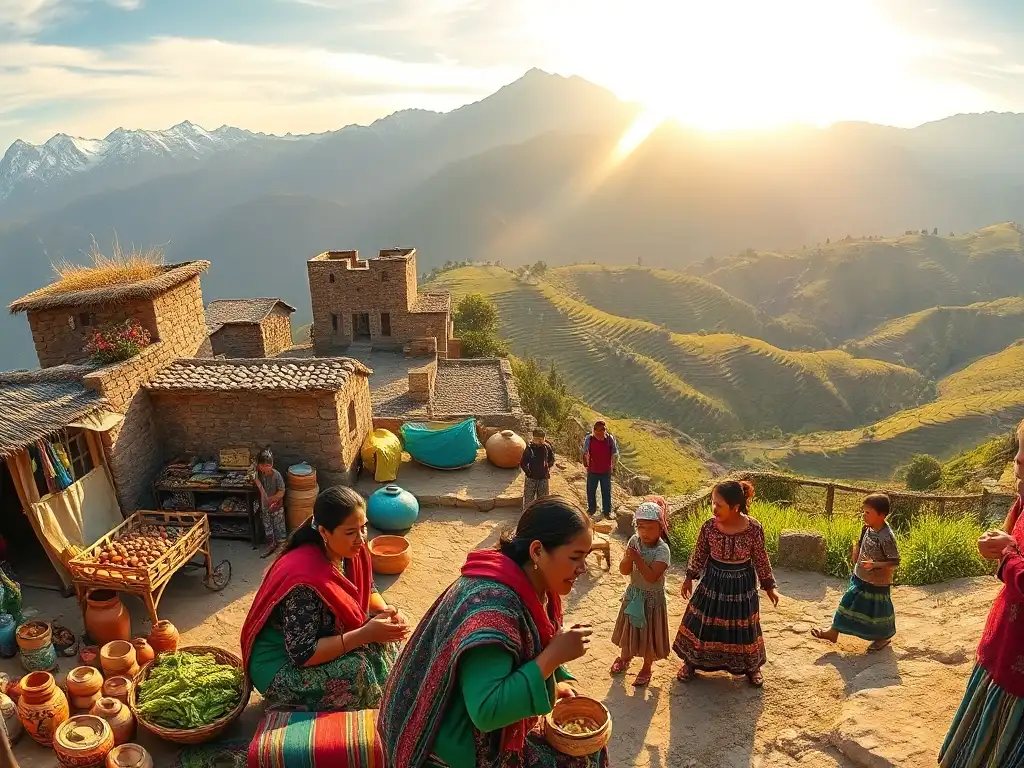
Step into a world lost to time, yet echoing powerfully in the present. Uncover the secrets of the Andean civilizations, from the majestic Incas to the enigmatic Nazca. We delve into the fascinating legacy of these ancient societies, exploring how their remarkable Andean cultural values continue to shape and inspire modern communities. Are you ready to discover the threads that connect past and present? Let's unravel the mysteries together, starting with our exploration of " Andean cultural values modern communities".
The breathtaking landscapes of the Andes Mountains cradle a legacy far richer than their stunning peaks and valleys. For millennia, vibrant civilizations—the Incas, Moche, Nazca, and Tiahuanaco among them—have flourished in this challenging yet fertile terrain, leaving behind an indelible mark on the world. This article delves into the enduring influence of Andean cultural values on modern Andean communities, exploring how ancient principles continue to shape contemporary life, social structures, and environmental consciousness. We will examine the core tenets of Andean culture and demonstrate their surprising relevance in the 21st century, showcasing how these traditions not only survived but thrived, adapting to the changing times while retaining their fundamental essence. Understanding this enduring legacy is crucial to appreciating the complexity and resilience of Andean societies, both past and present. The keyword "Andean cultural values modern communities" will be explored through a detailed examination of specific examples and their contemporary applications.
Understanding the Enduring Relevance of Andean Values
The Andes are not just a geographical location; they are a cradle of unique philosophical and social structures. Unlike many other ancient civilizations whose traditions faded with time, Andean values have demonstrated remarkable resilience. This persistence is not merely a matter of historical inertia; rather, these values offer practical and spiritual frameworks that continue to resonate with modern communities. Factors contributing to this enduring relevance include: the close-knit nature of Andean communities, a strong emphasis on oral traditions, and the ongoing integration of ancient practices within contemporary life.
The deep-rooted connection to the land, often personified as Pachamama, the Earth Mother, plays a crucial role in sustaining these traditions. This inherent connection to nature, combined with a strong sense of community and reciprocity, creates a powerful foundation for cultural continuity. The following sections will explore specific examples of how these values manifest in modern Andean life.
The Core Principles of Andean Culture Shaping Contemporary Life
Several core principles underpin Andean culture, providing a framework for social interaction, environmental stewardship, and spiritual understanding. These principles are not static; they are dynamic and adaptable, evolving organically while maintaining their core essence. However, their fundamental meaning remains consistent throughout the generations, demonstrating their enduring power. The enduring influence of these principles on modern Andean communities is undeniable and warrants a closer examination. We will focus on three key principles: Ayni, the principle of reciprocity; Minka, the practice of collaborative work; and Pachamama, the reverence for Mother Earth.
Ayni: The Andean Principle of Reciprocity and its Modern Applications
Ayni, often translated as reciprocity or mutual exchange, is a cornerstone of Andean social life. It emphasizes the interconnectedness of individuals and the importance of balanced giving and receiving. This principle extends beyond simple bartering; it encompasses a broader sense of social responsibility and mutual support. In modern Andean communities, Ayni manifests in various ways, from informal exchanges of goods and services to community-based projects.
For instance, neighbors might help each other with farming tasks, sharing labor and resources equitably. This practice fosters strong social bonds and ensures the well-being of the entire community. The spirit of Ayni is a powerful force promoting social cohesion and economic stability, demonstrating its continued relevance in contemporary Andean societies.
Minka: Collaborative Work in Modern Andean Communities
Minka is a traditional Andean practice of communal labor, where individuals contribute their time and skills to a shared project. This collaborative approach to work is not merely about efficiency; it is a fundamental aspect of Andean social organization, strengthening community ties and fostering a sense of collective responsibility. In modern Andean communities, Minka continues to be a vital component of daily life.
It is used for various tasks, from building houses and maintaining irrigation systems to organizing community festivals. The spirit of Minka exemplifies the importance of collective action and shared responsibility, underscoring its lasting influence on contemporary Andean social structures. The success of Minka hinges on the voluntary participation of community members, showcasing the strength of social bonds within these communities.
Pachamama: Respect for Nature in Contemporary Andean Practices
Pachamama, meaning "Earth Mother," is not merely a geographical entity but a sacred being, the source of life and sustenance. Respect for Pachamama is central to Andean spirituality and worldview, influencing how communities interact with their environment. This reverence for nature manifests in various ways, from traditional agricultural practices that minimize environmental impact to ceremonies and rituals honoring the Earth.
In modern Andean communities, the concept of Pachamama continues to play a significant role in shaping environmental consciousness and sustainable practices. The deep connection to the land fosters a strong sense of responsibility for its preservation, demonstrating the enduring relevance of this ancient principle in addressing contemporary environmental challenges. The respect for Pachamama underscores the interconnectedness between humanity and nature, a valuable lesson for the modern world.
How Traditional Andean Beliefs Influence Modern Society
Andean beliefs, deeply rooted in animism and a reverence for nature, continue to shape modern Andean societies in profound ways. The concept of Pachamama, Mother Earth, is not merely a mythological figure but a living entity demanding respect and reciprocity. This translates into contemporary practices like offering ceremonies ( pagos) to appease the earth and ensure bountiful harvests, a tradition observed even in urban settings, albeit often adapted to modern contexts.
Many communities maintain strong ties to ancestral lands and sacred sites, demonstrating the enduring power of these beliefs in shaping land use and resource management. The interconnectedness of all living things, a central tenet of Andean cosmology, fosters a sense of community responsibility and environmental stewardship, influencing modern approaches to sustainable agriculture and conservation efforts. For example, the Quechua communities in the Sacred Valley of Peru have successfully integrated traditional farming techniques with modern agricultural practices to protect biodiversity and ensure food security.
This blend of ancient wisdom and modern technology exemplifies how traditional Andean beliefs contribute to sustainable development. The continuing importance of ayni, the principle of reciprocity and mutual support, is also evident in the strong community networks that characterize many Andean societies. This system of mutual obligation ensures social cohesion and provides vital support systems for families and individuals, particularly in times of need.
Andean Spirituality and its Impact on Community Cohesion
Andean spirituality, with its emphasis on community and interconnectedness, plays a crucial role in maintaining social cohesion in modern Andean communities. The concept of ayllu, a traditional kinship-based community structure, continues to influence social organization, even in urban areas. The strong sense of collective responsibility within the ayllu fosters cooperation and mutual support, vital for navigating the challenges of modern life.
Religious practices, often blending indigenous beliefs with Catholicism, provide a shared framework for understanding the world and celebrating life's milestones. These shared rituals and beliefs strengthen community bonds and provide a sense of belonging, countering social fragmentation. For example, the annual Fiesta de la Virgen del Carmen in Paucartambo, Peru, is a vibrant example of how religious festivals reinforce social cohesion, bringing together people from different backgrounds in a shared celebration of faith and community.
Furthermore, traditional healers and spiritual leaders ( yatiri) continue to play an important role in providing spiritual and emotional support, addressing the social and psychological needs of the community. Their knowledge of medicinal plants and traditional healing practices complements modern healthcare systems, offering holistic care to community members.
The Role of Ancestral Wisdom in Contemporary Andean Life
Ancestral wisdom, passed down through generations, significantly impacts contemporary Andean life, informing decision-making processes and shaping cultural practices. Knowledge of traditional agriculture, including techniques for terracing and water management, remains crucial in adapting to climate change and ensuring food security. This knowledge, often embedded in oral traditions and practical skills, is actively being revived and integrated into modern agricultural practices.
Traditional Andean medicine, relying on medicinal plants and holistic healing approaches, continues to be widely practiced, often complementing modern healthcare systems. The preservation of ancestral languages, like Quechua and Aymara, is also a crucial aspect of maintaining cultural identity and transmitting ancestral knowledge. These languages are not merely linguistic tools but repositories of cultural memory, containing invaluable insights into Andean worldview and traditional practices.
Efforts to revitalize and teach these languages are essential to preserving this rich heritage for future generations. Furthermore, the intricate knowledge systems related to astronomy and calendar systems remain relevant, influencing agricultural practices and shaping social events. These ancestral practices demonstrate the enduring relevance of traditional Andean knowledge in navigating the complexities of modern life.
Andean Art and Traditions as a Source of Cultural Identity
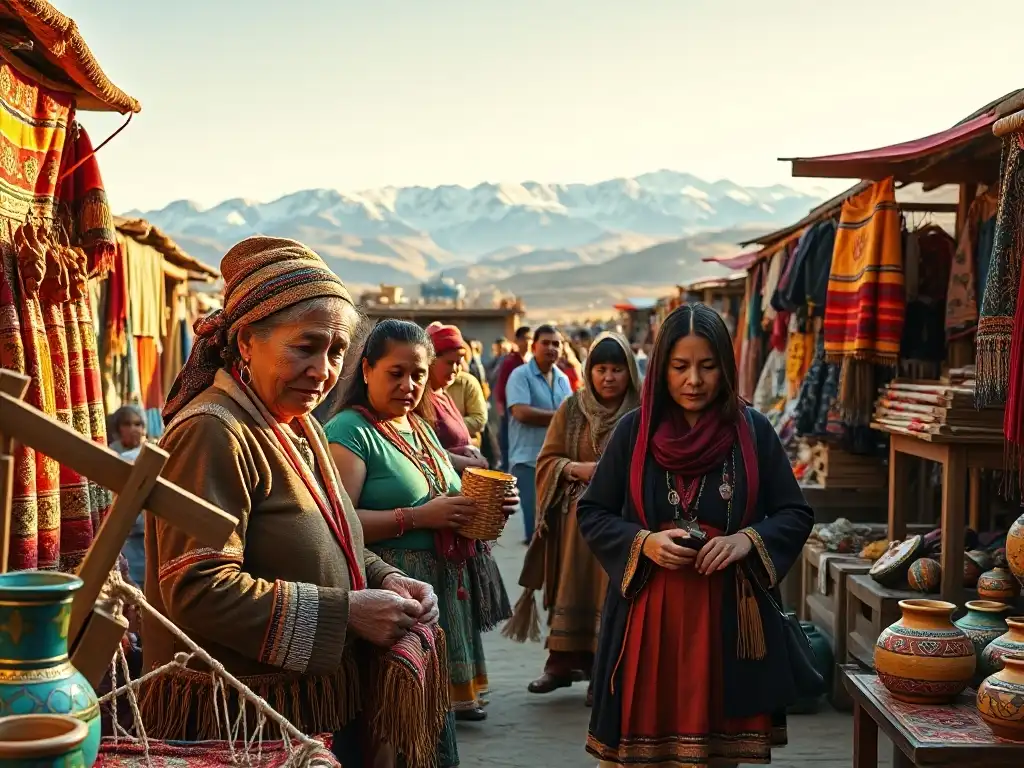
Andean art and traditions are powerful sources of cultural identity, providing a sense of belonging and continuity for modern Andean communities. The vibrant textiles, pottery, and music of the Andes are not merely aesthetic expressions but embodiments of cultural memory, transmitting stories, beliefs, and values across generations. The intricate designs woven into textiles, for example, often depict mythological figures, historical events, or symbolic representations of the Andean worldview.
The preservation of these traditional art forms is essential for maintaining cultural identity and fostering a sense of pride in Andean heritage. The use of traditional materials and techniques in contemporary art reinforces the connection to the past and ensures the continuity of cultural practices. Moreover, the revival and promotion of traditional Andean art forms contribute to economic development, providing livelihoods for artisans and supporting cultural tourism.
This economic empowerment strengthens cultural identity and promotes the preservation of traditional skills. The increasing recognition and appreciation of Andean art on a global scale further enhance the cultural identity of Andean communities, fostering a sense of pride and promoting intercultural dialogue.
The Preservation of Traditional Andean Weaving Techniques
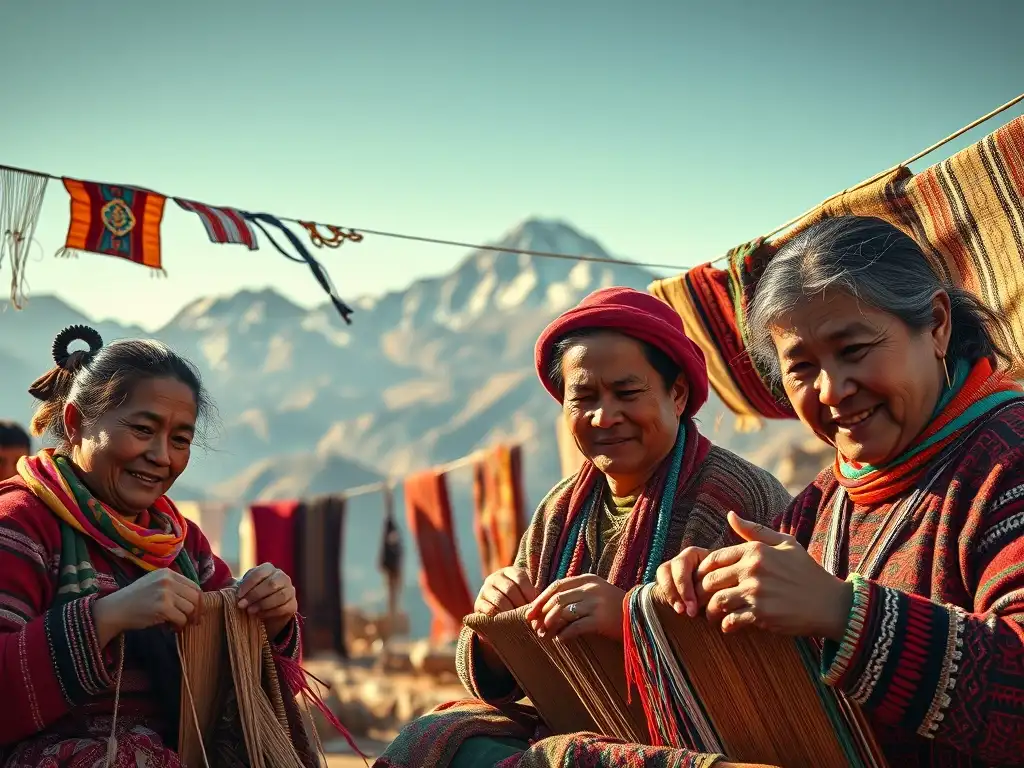
The preservation of traditional Andean weaving techniques is crucial for maintaining cultural identity and ensuring the continuity of a unique artistic heritage. These techniques, passed down through generations, are not merely craft skills but repositories of knowledge, reflecting Andean cosmology and worldview. The intricate designs and symbolic meanings embedded in Andean textiles are powerful expressions of cultural identity, connecting modern communities to their ancestral past.
Efforts to document and teach these techniques are vital for ensuring their survival in the face of globalization and the influence of mass-produced goods. Supporting Andean weavers and artisans through fair trade practices and promoting their work contributes to economic empowerment and strengthens community resilience.
Furthermore, the integration of traditional weaving techniques into contemporary design and fashion adds a unique element to global markets, highlighting the ingenuity and artistry of Andean cultures. The preservation of these techniques is not merely a matter of preserving art; it is about preserving a vibrant cultural heritage that shapes the lives of Andean communities.
Music and Dance as Expressions of Andean Cultural Heritage
Music and dance are integral aspects of Andean cultural heritage, serving as powerful expressions of identity, history, and social cohesion. Traditional Andean music, with its diverse rhythms and melodies, reflects the diverse landscapes and cultural traditions of the region. The instruments used, such as the charango, zampoña, and quena, are integral parts of this musical heritage, carrying symbolic meanings and representing the cultural identity of specific communities.
Traditional dances, often accompanied by music and storytelling, convey narratives about history, mythology, and social life. These performances play a crucial role in maintaining cultural memory and transmitting values and beliefs across generations. The continuation of these musical and dance traditions is crucial for sustaining cultural identity and fostering a sense of community.
Efforts to promote and preserve these art forms through education, festivals, and community-based initiatives are essential for ensuring their continued relevance and vitality in modern Andean societies. The growing global interest in Andean music and dance provides opportunities to showcase this rich cultural heritage, fostering intercultural understanding and promoting cultural tourism.
Challenges and Opportunities in Maintaining Andean Cultural Values
The preservation of Andean cultural values in the face of globalization presents both significant challenges and exciting opportunities. Rapid urbanization, migration to urban centers, and the pervasive influence of global media threaten to erode traditional practices and beliefs. The younger generation, often more exposed to Western influences, may find it difficult to connect with ancestral traditions, leading to a potential loss of invaluable cultural heritage.
This cultural shift can manifest in various ways, from a decline in the use of indigenous languages to a diminished understanding of traditional ceremonies and social structures. However, these challenges also present opportunities for innovation and adaptation.
By leveraging technology and engaging with younger audiences in creative ways, Andean communities can find new avenues for preserving and promoting their cultural heritage. For example, the use of social media platforms to share stories, traditions, and artistic expressions can help bridge the generational gap and foster a renewed appreciation for Andean values.
Balancing Modernization and Cultural Preservation in the Andes
Striking a balance between modernization and cultural preservation is a crucial aspect of maintaining Andean cultural values. Modern conveniences and technological advancements offer undeniable benefits, improving quality of life and access to information. However, uncontrolled modernization can lead to the displacement of traditional practices and the erosion of cultural identity. Successful strategies often involve integrating modern technologies in a way that supports rather than undermines traditional ways of life.
For instance, using technology to document and archive traditional knowledge, such as medicinal plant uses or weaving techniques, can ensure its preservation and accessibility for future generations. Similarly, incorporating traditional building techniques with modern materials can create sustainable and culturally relevant infrastructure. This delicate balance requires careful planning and community involvement, ensuring that development decisions prioritize the long-term preservation of cultural heritage alongside economic progress.
Promoting Intergenerational Transmission of Andean Traditions
The transmission of Andean traditions from one generation to the next is paramount for the survival of these rich cultural heritages. However, the changing social landscape and the allure of modern lifestyles pose challenges to this vital process. Traditional methods of knowledge transfer, such as apprenticeship and storytelling, are often less prevalent in modern contexts. To address this, innovative approaches are being adopted.
Educational programs that integrate Andean history, languages, and traditional arts into the school curriculum are proving effective in fostering cultural pride among younger generations. Furthermore, community-based initiatives that involve elders in sharing their knowledge and skills with younger members are crucial. These initiatives can range from workshops on traditional crafts to storytelling events that transmit ancestral wisdom and values. The active participation of elders ensures that the authenticity and integrity of the traditions are preserved.
The Influence of Andean Cultural Values on Sustainable Practices
Andean cultural values have profoundly influenced the development of sustainable practices in the region. Centuries of living in harmony with the Andes mountains have instilled a deep respect for nature and a profound understanding of ecological interconnectedness. This worldview is reflected in traditional agricultural techniques, resource management strategies, and community-based conservation initiatives.
The close relationship between Andean communities and their environment has fostered a holistic approach to sustainability, emphasizing the long-term well-being of both people and the ecosystem. These traditional practices offer valuable lessons for modern approaches to sustainable development, highlighting the importance of respecting ecological limits, promoting biodiversity, and fostering community involvement in environmental stewardship.
Andean Agriculture: Lessons for Modern Sustainable Farming
Andean agricultural practices offer invaluable lessons for modern sustainable farming. For centuries, Andean farmers have developed sophisticated techniques for cultivating crops in challenging mountainous environments. These techniques, often characterized by terracing, crop rotation, and the use of diverse crop varieties, demonstrate a deep understanding of soil conservation, water management, and biodiversity.
The emphasis on local seed varieties and traditional farming practices contributes to resilience against climate change and promotes food security. These traditional approaches often require less external input (fertilizers, pesticides) than modern industrial agriculture, leading to lower environmental impact. By studying and adapting these Andean techniques, modern agriculture can move towards more sustainable and environmentally responsible practices.
Community-Based Conservation Initiatives Inspired by Andean Wisdom
Andean wisdom has inspired numerous community-based conservation initiatives that effectively protect biodiversity and natural resources. The strong sense of community and shared responsibility for the environment, deeply rooted in Andean culture, facilitates collaborative conservation efforts. Traditional ecological knowledge plays a vital role in identifying and managing key ecosystems and species. Community members are actively involved in monitoring biodiversity, restoring degraded habitats, and promoting sustainable resource management.
These initiatives demonstrate the effectiveness of integrating traditional ecological knowledge with modern conservation science. This approach empowers local communities to become active stewards of their natural heritage, promoting both ecological sustainability and cultural preservation. The success of these initiatives underscores the importance of recognizing and valuing the contributions of indigenous communities in conservation efforts.
Case Studies: Modern Communities Embracing Andean Traditions
The enduring legacy of Andean civilizations is vividly demonstrated in the ways modern communities continue to embrace and adapt ancient traditions. These traditions, deeply rooted in a profound respect for nature, community, and reciprocity, provide a framework for navigating the complexities of the modern world. The resilience and ingenuity displayed by these communities serve as powerful examples of cultural preservation and adaptation in the face of globalization and modernization. Observing these communities offers valuable insights into the enduring power of Andean cultural values. We'll examine two specific cases to illustrate this point.
Case Study 1: The Uros People of Lake Titicaca and their Floating Islands
The Uros people, inhabiting the unique floating islands of Lake Titicaca, exemplify the ingenious adaptation of Andean traditions to a challenging environment. For centuries, they have constructed and maintained their homes on these islands, made entirely of totora reeds, a practice passed down through generations. This sustainable approach to living, deeply intertwined with their respect for the lake's ecosystem, is a testament to their deep-rooted Andean values.
Despite facing external pressures, the Uros community actively promotes their unique cultural heritage through tourism, demonstrating their agency in safeguarding their traditions and sustaining their livelihoods. Their commitment to their ancestral way of life, while embracing limited aspects of modern technology, showcases the power of cultural identity in the face of modernization.
The Uros' continued existence on their floating islands serves as a potent symbol of resilience and adaptation, a living embodiment of Andean cultural values in the modern world. Their success in balancing tradition with the needs of a modern world provides a valuable lesson for other communities facing similar challenges.
Case Study 2: The Quechua Community of Ollantaytambo and their Agricultural Terraces
The Quechua community of Ollantaytambo, nestled in the Sacred Valley of the Incas, provides another compelling case study. Their mastery of agricultural terraces, a sophisticated Inca innovation, continues to sustain their livelihoods and demonstrate an enduring connection to their ancestral heritage. These terraces, carved into the steep mountain slopes, are not merely agricultural structures; they represent a profound understanding of Andean environmental principles, reflecting a deep respect for the land and its resources.
The Quechua community's ongoing maintenance and use of these terraces demonstrate their commitment to sustainable agriculture and their ability to adapt ancient practices to modern needs. They are actively involved in promoting their agricultural techniques and cultural heritage, showcasing their resilience and commitment to preserving their traditions for future generations.
Their story highlights how sustainable practices, rooted in Andean cultural values, can contribute to food security and environmental sustainability in the modern world. The ingenious system of irrigation and terracing, passed down through centuries, stands as a powerful example of the enduring practicality and wisdom of Andean traditions.
The Future of Andean Cultural Values in a Globalized World
The preservation and adaptation of Andean cultural values in an increasingly globalized world present both challenges and opportunities. The rapid pace of modernization, coupled with the influence of global trends, poses a significant threat to the integrity of these traditions. However, the resilience and adaptability demonstrated by Andean communities suggest that these values can not only survive but also thrive in the 21st century. The key lies in finding a balance between preserving cultural heritage and embracing the benefits of modern development.
Empowering Andean Communities through Cultural Heritage
Empowering Andean communities to become active custodians of their own cultural heritage is paramount. This requires providing them with the resources and support necessary to preserve and promote their traditions, including access to education, economic opportunities, and the tools to document and share their cultural knowledge. Investing in community-based initiatives that promote cultural tourism, sustainable agriculture, and the revitalization of traditional arts and crafts can strengthen their cultural identity and improve their livelihoods.
This approach fosters a sense of ownership and pride, empowering communities to control the narrative of their own cultural heritage. Moreover, it fosters economic sustainability, allowing communities to benefit directly from the preservation of their traditions.
The Importance of Cultural Exchange and Education
Cultural exchange and education play a crucial role in fostering understanding and appreciation for Andean cultural values. Promoting intercultural dialogue and creating opportunities for interaction between Andean communities and the wider world can help to challenge stereotypes and build bridges of understanding. Educational programs that incorporate Andean perspectives and knowledge can broaden understanding of sustainable practices, environmental stewardship, and community-based development.
This cross-cultural exchange is not merely an academic exercise; it is essential for fostering mutual respect and creating a more inclusive and equitable world. By promoting intercultural dialogue and understanding, we can ensure that the richness and diversity of Andean cultural values continue to inspire and enrich societies worldwide. The sharing of knowledge and experience is a two-way street; both Andean and non-Andean communities can benefit from this exchange.
Conclusion: The Timeless Wisdom of Andean Cultural Values
The enduring legacy of Andean civilizations isn't merely a collection of archaeological sites and artifacts; it's a vibrant tapestry woven from deeply rooted cultural values that continue to shape modern Andean communities. From the intricate social structures of the Inca empire to the sophisticated agricultural techniques of the Nazca, these values – emphasizing community, reciprocity, and respect for the environment – resonate powerfully today.
The ayni system of reciprocal exchange, for instance, finds echoes in modern-day community projects and cooperative initiatives across the Andes. This principle of mutual support and shared responsibility underscores the importance of collective well-being, a concept central to Andean identity throughout history.
The profound respect for Pachamama, Mother Earth, also persists. While modern challenges such as climate change and deforestation threaten this delicate balance, Andean communities continue to integrate traditional practices – such as ancestral agricultural methods and rituals honoring the land – into their daily lives. This deep connection to nature reflects a holistic worldview, one where human existence is inextricably linked to the well-being of the planet. It's a wisdom that offers valuable lessons for a world increasingly grappling with environmental sustainability.
Understanding and appreciating these values provides a deeper understanding of the vibrant and resilient cultures of the Andes, and offers valuable insights for building more sustainable and equitable communities worldwide. The Andean legacy serves as a potent reminder that the wisdom of the past can indeed illuminate the path towards a better future.
- Understanding the Enduring Relevance of Andean Values
- The Core Principles of Andean Culture Shaping Contemporary Life
- How Traditional Andean Beliefs Influence Modern Society
- Andean Art and Traditions as a Source of Cultural Identity
- Challenges and Opportunities in Maintaining Andean Cultural Values
- The Influence of Andean Cultural Values on Sustainable Practices
- Case Studies: Modern Communities Embracing Andean Traditions
- The Future of Andean Cultural Values in a Globalized World
- Conclusion: The Timeless Wisdom of Andean Cultural Values
- What are some key Andean cultural values that still resonate today?
- How did Andean civilizations' worldview impact their technology?
- In what ways do modern Andean communities preserve their ancestral traditions?
- How does the concept of Ayni (reciprocity) influence modern Andean society?
- Can you provide examples of how Andean art reflects their cultural values?
Frequently Asked Questions
What are some key Andean cultural values that still resonate today?
Andean cultures emphasized community, reciprocity, and respect for nature. These values continue to influence modern communities through collaborative efforts, environmental stewardship, and social harmony.
How did Andean civilizations' worldview impact their technology?
Their worldview, deeply intertwined with spiritual beliefs and the natural world, shaped their technological advancements. For example, sophisticated agricultural techniques and intricate astronomical observations reflected their understanding of the cosmos and environment.
In what ways do modern Andean communities preserve their ancestral traditions?
Many communities maintain traditional practices like textile weaving, ceremonial rituals, and agricultural methods. These traditions are not only preserved but also adapted and integrated into contemporary life, fostering cultural identity.
How does the concept of Ayni (reciprocity) influence modern Andean society?
Ayni, a system of mutual exchange and cooperation, remains a cornerstone of many Andean communities. This principle fosters strong social bonds and supports community development through shared labor and resources.
Can you provide examples of how Andean art reflects their cultural values?
Andean art often depicts spiritual beliefs, agricultural practices, and social structures. Textiles, ceramics, and metalwork reveal a deep connection to nature and a reverence for ancestral traditions, reflecting their core values.
Final Reflection: Echoes of the Andes in a Modern World
The enduring strength of Andean cultural values continues to resonate in modern communities, offering a powerful antidote to the homogenizing forces of globalization. These values, deeply rooted in a rich history of community, respect for nature, and a profound spiritual connection to the land, provide a blueprint for building more sustainable and equitable societies. Their relevance today is undeniable, offering a pathway towards a more harmonious future.
The interconnectedness emphasized in Andean worldview, where the well-being of the community is paramount, stands in stark contrast to the often individualistic focus of modern society. This emphasis on ayni, the principle of reciprocity and mutual support, is more crucial than ever in a world grappling with inequality and social fragmentation. The mountains teach us patience, the rivers teach us perseverance, and the wind teaches us to be flexible.
This Andean proverb encapsulates the wisdom inherent in their traditions, a wisdom that can guide us towards a more resilient and compassionate future.
Consider the profound implications of these values for your own life. How can you incorporate the principles of ayni and respect for nature into your daily interactions and choices? Can you find ways to foster a stronger sense of community within your own sphere of influence?
The legacy of the Andes is not merely a historical artifact; it is a living testament to the enduring power of cultural values, a powerful source of inspiration for building a better world, one that embraces both tradition and progress. Let the echoes of the Andes inspire you to create a more just and sustainable future for all.
Embrace and Elevate Andean Traditions Today!
Thank you for exploring the rich tapestry of Andean cultural values! Your insights into how these traditions inspire modern communities are truly valuable. Now, let's put that knowledge to work and integrate these values into contemporary society.
Here are some ways you can make a difference:
- **Engage with Local Communities:** Immerse yourself in the living tradition by attending Andean cultural events or workshops in your area.
- **Share Your Insights:** Discuss your newfound appreciation for Andean values with friends and family. Use social media to inspire others and spread the word!
- **Support Artisans and Local Crafts:** Support Andean artisans by purchasing their handmade goods. This helps sustain their livelihoods and preserves cultural heritage.
How will you incorporate the wisdom of Andean traditions into your daily life and community? Share your thoughts and ideas below!