
A Tapestry of Time: Conserving Andean Featherwork and Adornments

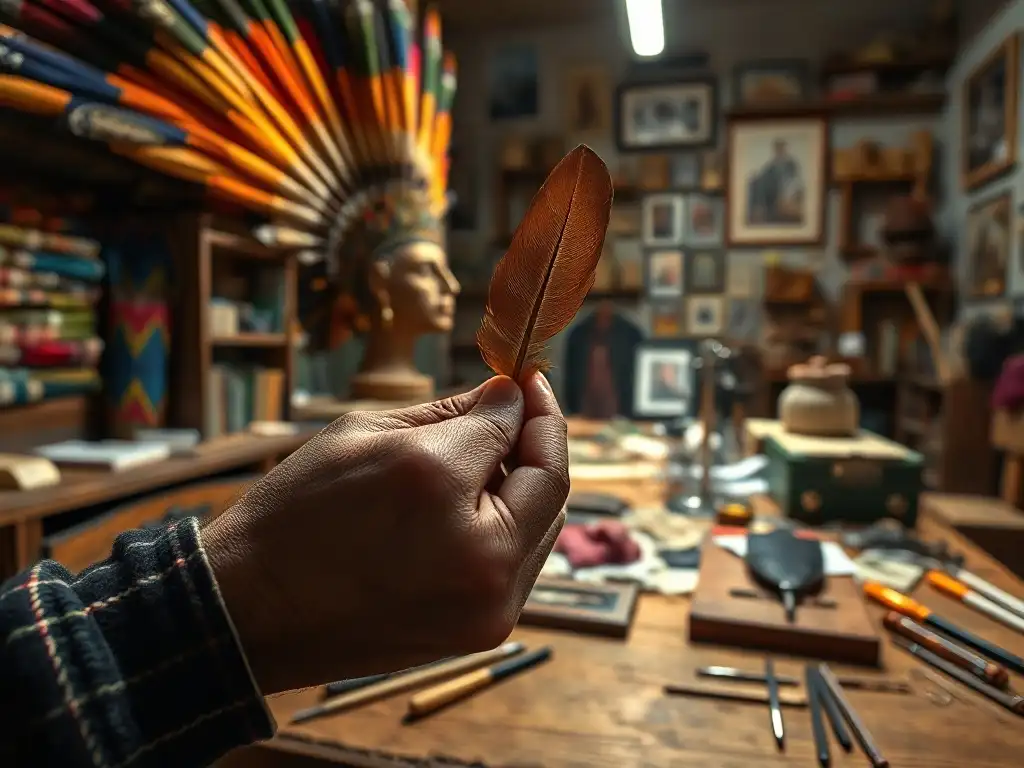
Unravel the mysteries of a lost world. Step into the vibrant tapestry of Andean civilizations, where intricate artistry and breathtaking innovation flourished for millennia. But what secrets do the delicate feathers of their exquisite adornments hold? Discover the cutting-edge Andean featherwork conservation techniques employed to safeguard this invaluable legacy and unlock the stories woven within each feather. Explore the rich history, culture, and technology of the Incas, Moche, Nazca, and Tiahuanaco—a journey through time awaits.
The Andean civilizations, renowned for their intricate artistry and mastery of diverse materials, left behind a breathtaking legacy of textiles, ceramics, and metalwork. However, perhaps one of the most delicate and visually stunning aspects of their cultural heritage is their featherwork.
From vibrant headdresses adorning elite figures to intricately woven textiles used in religious ceremonies, Andean featherwork offers a captivating glimpse into the sophisticated aesthetic sensibilities and complex social structures of these ancient societies. This article delves into the crucial field of Andean featherwork conservation, exploring the techniques used to preserve these fragile masterpieces and ensuring their survival for future generations.
We will examine the unique challenges posed by the inherent fragility of feather materials and the innovative methods employed by conservators to address these challenges, highlighting the importance of preserving this irreplaceable aspect of Andean cultural heritage for continued study and appreciation. Understanding the delicate nature of these artifacts and the meticulous processes involved in their preservation is key to appreciating the immense skill and artistry of the Andean artisans and safeguarding their legacy for years to come.
Introduction to Andean Feather Art and its Significance
Andean featherwork represents a pinnacle of artistic achievement, showcasing a profound understanding of both material properties and symbolic representation. The vibrant colors and textures of the feathers, sourced from a variety of birds, were meticulously arranged to create intricate patterns and designs. These weren't merely decorative items; feathers held deep religious and social significance.
They were often associated with deities, royalty, and power, and their use in ceremonial attire and objects underscored the wearer's status and connection to the spiritual realm. The creation of featherwork was a highly specialized skill, requiring immense patience, dexterity, and knowledge of the various feather types and their properties. The most prized feathers, often originating from exotic birds found in remote regions of the Andes, were carefully collected, prepared, and meticulously incorporated into the final artwork.
The complexity of the designs, the precision of the execution, and the cultural significance of the materials all combine to elevate Andean featherwork to a position of unparalleled importance in the study of Andean civilizations. Understanding this significance is paramount to appreciating the importance of its conservation.
The Fragility of Featherwork: Challenges in Conservation
The very qualities that make Andean featherwork so visually stunning – its delicacy and the use of natural materials – also present significant challenges for its preservation. Feathers are inherently fragile and susceptible to damage from a variety of factors. These include:
- Physical damage: Handling, pests, and even slight changes in temperature and humidity can cause feathers to break, shed, or become distorted.
- Biological damage: Insect infestations, mold, and fungal growth can rapidly deteriorate feather structures, resulting in irreversible loss of material.
- Chemical degradation: Exposure to light, pollutants, and certain chemicals can cause discoloration, fading, and weakening of the feathers.
These challenges necessitate the development and application of specialized conservation techniques. Conservators must carefully assess the condition of each artifact, identifying areas of damage and employing appropriate methods to stabilize and preserve the feathers. This might involve meticulous cleaning, the removal of harmful materials, the consolidation of fragile areas, and the implementation of environmental controls to maintain stable conditions.
The process is often painstaking and requires a deep understanding of both materials science and the cultural context of the artifacts. The successful conservation of Andean featherwork requires a multidisciplinary approach, combining the expertise of conservators, archaeologists, and cultural heritage specialists to ensure the long-term survival of this invaluable part of Andean history. The ongoing research into new and improved conservation techniques is crucial to combatting these challenges and preserving these fragile treasures for future generations.
- Introduction to Andean Feather Art and its Significance
- The Fragility of Featherwork: Challenges in Conservation
- What are the main challenges in conserving Andean featherwork?
- What materials are typically used in Andean featherwork conservation?
- How do conservators address insect damage in Andean featherwork?
- What role does the study of ancient Andean techniques play in modern conservation?
- Where can I learn more about Andean featherwork conservation techniques?
Understanding the Materials and Techniques of Andean Featherwork
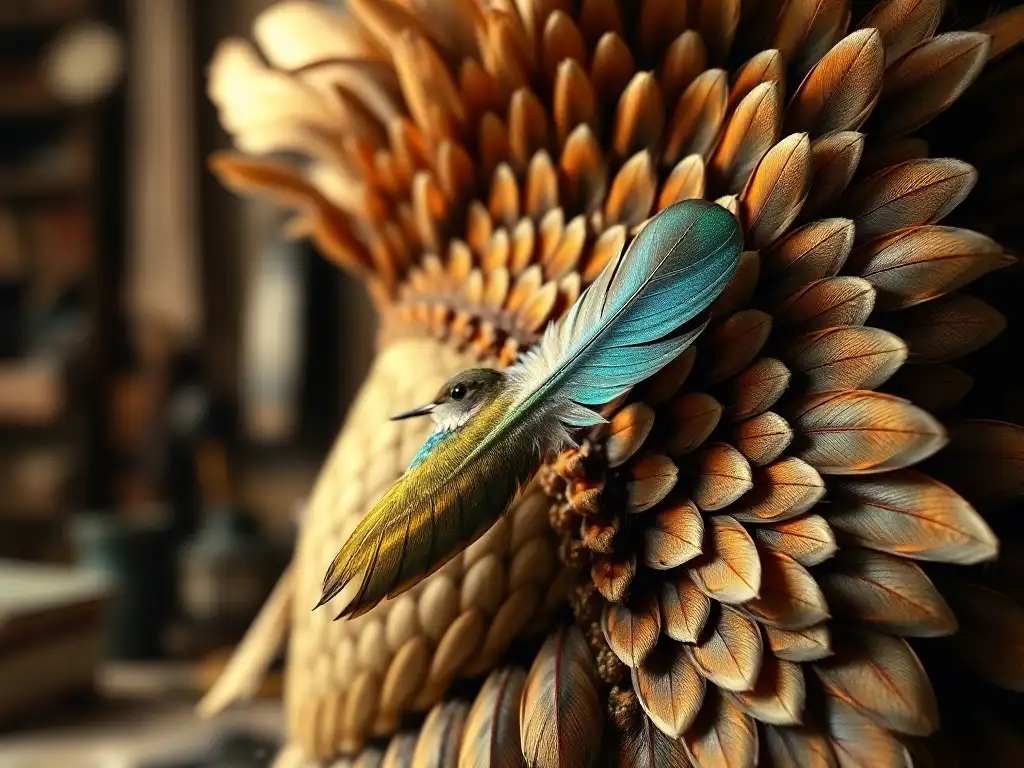
This section delves into the intricate artistry and meticulous techniques employed in the creation of Andean featherwork, a testament to the sophisticated understanding of materials and processes possessed by ancient Andean cultures. Understanding these techniques is crucial for effective Andean featherwork conservation techniques. We will explore the selection and preparation of feathers, the vibrant dyeing processes, and the diverse construction methods used to create everything from simple ornaments to complex textiles.
Feather Selection and Preparation in Ancient Andean Cultures
The selection of feathers was far from arbitrary. Ancient Andean artisans meticulously chose feathers based on their color, texture, and durability. Birds like hummingbirds, parrots, and various species of raptors provided a diverse palette of colors and textures. The quality of the feather was paramount; only the most pristine, undamaged plumes were deemed suitable for the most prestigious items.
Preparation involved a series of delicate steps. First, the feathers were carefully removed from the bird, often employing methods that minimized damage to the delicate barbs. Then, they underwent a cleaning process, likely involving gentle washing and meticulous removal of any impurities or debris. Depending on the intended use, feathers might be further processed to enhance their flexibility or durability.
For instance, some evidence suggests the use of natural resins or oils to strengthen and waterproof the feathers, improving their longevity and resistance to environmental factors. This careful preparation was a fundamental aspect of Andean featherwork conservation, even before any formal preservation techniques were developed. The artisans understood the inherent fragility of the material and took steps to protect it from the outset.
Dyeing Techniques and Color Palette of Andean Feathers
The vibrant colors found in Andean featherwork are a testament to the advanced dyeing techniques employed by ancient artisans. While pigments derived from minerals and plants were common in other aspects of Andean art, feather dyeing presented unique challenges due to the feather's delicate structure. The specific techniques remain partially elusive, but evidence suggests a complex interplay of natural dyes and possibly mordants to fix the colors and prevent fading.
The color palette was remarkably diverse, ranging from the brilliant greens and reds of parrot feathers to the iridescent blues and greens of hummingbirds. Black, achieved through the use of [specific dye source pending], was particularly prized, often reserved for elite garments and ceremonial objects. The Andean color palette wasn't just visually stunning; it also held symbolic meaning, with specific colors associated with deities, social status, and ritual practices. Careful analysis of surviving featherwork continues to reveal new insights into the dyeing practices and their cultural significance, informing modern Andean featherwork conservation techniques focused on preserving the original hues.
Construction Methods: From Simple Adornments to Complex Textiles
Andean featherwork encompasses a wide range of techniques, from simple feather attachments to intricately woven textiles. Simple ornaments often involved affixing individual feathers to a base material like cloth or leather using adhesives derived from natural resins or gums. More complex pieces, particularly those found in elite contexts, incorporated thousands of feathers meticulously arranged to create intricate patterns and designs. These designs often incorporated symbolic motifs, telling stories and conveying complex cultural messages.
The construction of large-scale textile pieces was a particularly demanding process. Artisans would carefully sew individual feathers onto a backing fabric, creating a dense, richly textured surface. This involved an astonishing level of precision and patience. Some pieces incorporated various feather types and colors to create stunning visual effects and intricate designs.
Understanding these diverse construction methods is critical for developing effective Andean featherwork conservation techniques, as different techniques require different approaches to preservation and restoration. The fragility of these artifacts necessitates careful handling and specialized conservation strategies to ensure their long-term survival. The study of these techniques is ongoing, with new discoveries constantly refining our understanding of this remarkable art form.
Challenges in Preserving Andean Featherwork
The conservation of Andean featherwork presents unique and significant challenges due to the inherent fragility of the materials and the harsh environmental conditions that these artifacts have endured over centuries. Understanding these challenges is crucial for developing effective and sustainable conservation strategies to protect this irreplaceable cultural heritage. Effective Andean featherwork conservation techniques require a multi-faceted approach, addressing issues from the microscopic to the macroscopic levels. The following sections delve into the key obstacles faced by conservators.
Environmental Factors: Light, Humidity, and Temperature
Light, humidity, and temperature fluctuations are major environmental factors contributing to the degradation of Andean featherwork. Exposure to ultraviolet (UV) radiation, even at low levels, causes fading and embrittlement of the feathers. This is particularly problematic for brightly colored feathers, which are often the most visually striking and culturally significant elements of the artifacts. For instance, the vibrant reds and yellows found in many Inca headdresses are exceptionally susceptible to UV damage. Controlled lighting conditions, using UV-filtering materials, are therefore paramount.
Furthermore, fluctuating humidity levels cause significant damage. High humidity promotes mold growth, while low humidity leads to feather brittleness and increased susceptibility to physical damage. Ideally, a stable relative humidity (RH) between 40% and 50% should be maintained. Temperature also plays a critical role; extreme temperatures can accelerate degradation processes.
Maintaining a stable, cool temperature, typically around 18-20°C, is essential for long-term preservation. Monitoring these parameters regularly and implementing appropriate climate control systems are key components of any successful Andean featherwork conservation program. Detailed environmental monitoring data, including daily temperature and humidity readings, are crucial for assessing the effectiveness of climate control strategies and detecting potential problems promptly.
Biological Deterioration: Insect Infestation and Mold Growth
Biological deterioration poses a constant threat to Andean featherwork. Insect infestation, particularly by fabric pests like carpet beetles and moths, is a major concern. These insects feed on keratin, a protein found in feathers, causing significant damage and irreversible loss of material.
Mold growth, fueled by high humidity and poor ventilation, can also lead to extensive damage, staining, and weakening of the feather structure. Regular inspections for signs of insect activity or mold growth are crucial. Preventive measures, such as using insect repellents and maintaining appropriate environmental conditions, are essential.
In cases of infestation or mold growth, carefully planned intervention by experienced conservators is necessary, employing appropriate treatments to eradicate the infestation and stabilize the artifact without causing further damage. This often involves specialized techniques and materials tailored to the specific needs of the featherwork. The development of new, less invasive biocides and improved monitoring methods is an ongoing area of research in Andean featherwork conservation.
Handling and Storage Issues of Delicate Feather Artifacts
The delicate nature of Andean featherwork necessitates careful handling and storage practices. Improper handling can lead to physical damage, such as breakage or abrasion of the feathers. The use of appropriate gloves, such as cotton or nitrile gloves, is essential to prevent contamination and transfer of oils and dirt from hands.
Storage conditions are equally critical. Artifacts should be stored individually in acid-free boxes or archival-quality envelopes, to minimize physical stress and prevent abrasion. The storage environment should be carefully controlled to maintain stable temperature, humidity, and light levels as previously discussed.
Furthermore, proper documentation of the artifact's condition, including detailed photographic records and condition reports, is crucial for monitoring its long-term stability and informing future conservation treatments. This meticulous documentation forms a crucial part of the overall Andean featherwork conservation strategy, enabling researchers and conservators to track changes over time and make informed decisions regarding future interventions. A well-documented collection also enhances the value and accessibility of the artifacts for research and educational purposes.
Andean Featherwork Conservation Techniques: A Deep Dive
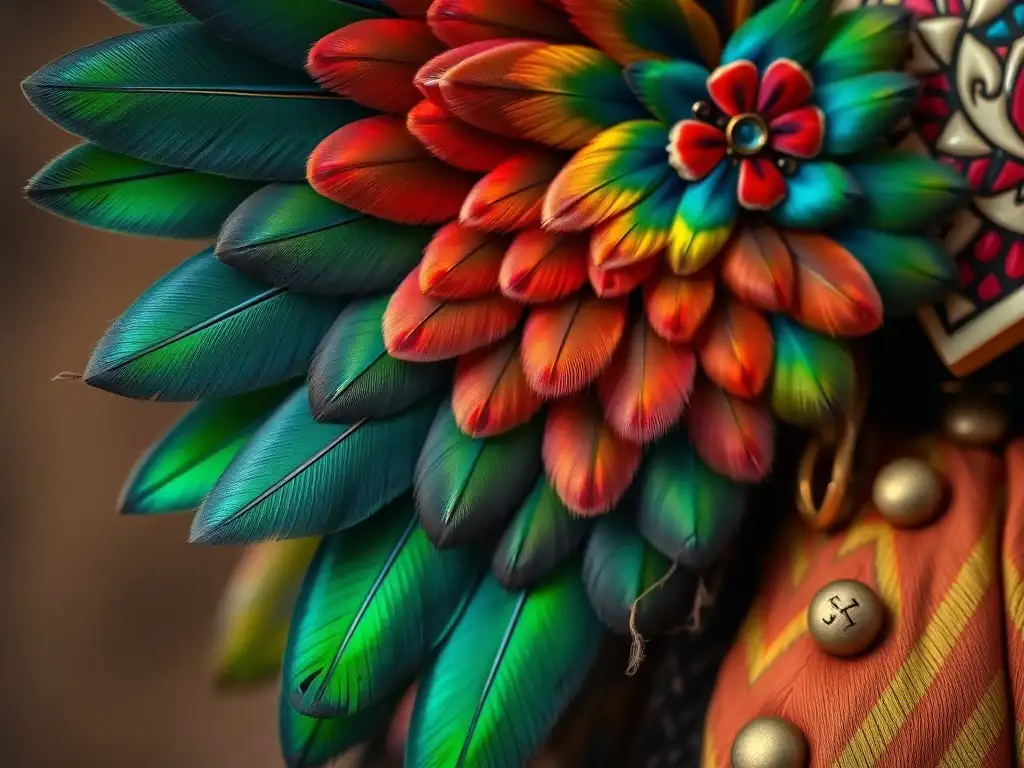
This section delves into the intricacies of preserving precious Andean featherwork, a vital aspect of understanding the artistic and cultural achievements of these ancient civilizations. The fragility of these artifacts demands specialized techniques, balancing the need for preservation with the ethical responsibility of minimal intervention. Successful conservation relies on a multi-pronged approach, encompassing careful examination, meticulous cleaning, and strategic repair.
Understanding these techniques is crucial for safeguarding this irreplaceable heritage for future generations. We'll explore the specific methods employed to ensure the longevity of these delicate treasures and discuss the ongoing research that refines these crucial preservation practices. The goal is not just preservation, but the maintenance of the cultural and historical significance embedded within each piece.
Examination and Documentation: Initial Steps in Conservation
Before any intervention, a thorough examination and meticulous documentation are paramount. This initial phase is crucial for understanding the featherwork's current condition, identifying areas of damage, and informing subsequent conservation decisions. This involves a multi-faceted approach:
- Visual Inspection: A detailed visual assessment under various lighting conditions (including UV light to detect potential damage not visible to the naked eye) helps identify areas of deterioration, such as insect infestation, fading, or structural weakness. Notes should be made on the overall condition, including the presence of any repairs or previous treatments. 🕵️♀️
- Material Analysis: Identifying the types of feathers used (e.g., hummingbird, parrot, condor) and the binding materials (e.g., thread, fibers, adhesives) informs the selection of appropriate cleaning and stabilization methods. Microscopic analysis might be necessary for a precise identification. This information is crucial for understanding the original construction techniques and the potential challenges inherent in the materials themselves.
- Photography and Digital Recording: High-resolution photography, including macro photography for detailed views, and digital 3D scanning provide comprehensive documentation of the artifact's condition before any intervention. This record serves as a baseline for monitoring future changes and evaluating the effectiveness of conservation treatments. Detailed notes accompanying the images are equally essential.
- Condition Report: A comprehensive condition report summarizes all findings from the examination, including a detailed description of the artifact, its condition, and any observed damage. This document serves as a roadmap for the subsequent conservation process and is vital for future researchers. This report should include detailed sketches and measurements where appropriate.
Cleaning Methods for Andean Featherwork: Gentle Approaches
Cleaning Andean featherwork requires extreme caution, as aggressive methods can cause irreparable damage. The overarching principle is minimal intervention. The goal is to remove loose dirt and debris without harming the delicate feathers or underlying materials. Several methods are employed, often in combination:
- Dry Cleaning: This is often the preferred initial approach, involving the gentle removal of loose surface dirt using soft brushes (e.g., sable hair brushes) and low-pressure air. This method is particularly suitable for removing dust and loose particulate matter.
- Vacuuming: Using a low-power vacuum with a fine nozzle can be effective for removing dust from crevices and hard-to-reach areas. Extreme care must be taken to prevent damage to the feathers. This method should always be tested on a small, inconspicuous area first.
- Wet Cleaning (with extreme caution): Wet cleaning is rarely employed and only as a last resort, often involving the use of deionized water and very gentle cleaning agents. This method requires specialized expertise and should only be undertaken by experienced conservators. The selection of solvents must be extremely careful to avoid damaging the feathers or dyes. The process often involves meticulously controlled humidity and temperature.
The choice of cleaning method depends heavily on the artifact's condition and the types of materials used. Each step must be carefully documented, with before-and-after photographs serving as crucial evidence of the treatment's effectiveness.
Repair and Stabilization Techniques for Damaged Feathers
Damaged feathers require careful repair to maintain the integrity of the artifact. Several techniques are employed, depending on the nature and extent of the damage:
- Feather Replacement: Missing or severely damaged feathers might require careful replacement. This process is highly complex and often involves finding feathers of similar type and color. The replacement must be seamlessly integrated into the existing structure to maintain the visual integrity of the piece.
- Adhesive Consolidation: Weak or loose feathers may be consolidated using specialized, reversible adhesives. The adhesive must be carefully chosen to ensure compatibility with the feathers and other materials, and its application requires precision to avoid affecting the overall appearance of the artifact.
- Support Structures: For severely damaged pieces, the construction of subtle support structures may be necessary to prevent further deterioration. These structures might involve the use of extremely fine threads or other materials that are minimally visible and easily reversible.
- Infill Materials: Small losses can sometimes be filled with carefully chosen materials, such as finely ground pigment matching the original color. This method requires skill and sensitivity to avoid altering the appearance of the artifact.
The conservation of Andean featherwork is a delicate balance between preservation and intervention. The techniques discussed here represent a commitment to preserving these fragile yet culturally significant artifacts for future generations to appreciate and study. Ongoing research continues to refine these methods, ensuring that the legacy of Andean artistry endures.
Support and Mounting Systems for Displaying Feathered Artifacts
The display of delicate Andean featherwork presents significant challenges. Improper handling and mounting can lead to irreversible damage, including feather loss, breakage, and color fading. Therefore, the development of sophisticated support and mounting systems is crucial for long-term preservation. These systems must minimize stress on the artifacts while ensuring safe and aesthetically pleasing presentation to the public.
One commonly employed technique involves the use of custom-made supports crafted from inert materials like acid-free foam core or archival-quality mat board. These supports are carefully shaped to cradle the artifact, distributing its weight evenly and preventing undue pressure on fragile areas. The featherwork is often secured to the support using acid-free adhesives or, in some cases, meticulously placed stitches using conservation-grade thread.
The choice of adhesive or stitching method depends heavily on the artifact’s age, condition, and the specific materials used in its construction. For instance, a heavily degraded textile might require a less aggressive adhesive than a relatively well-preserved piece.
Furthermore, the environmental conditions within the display case are paramount. Fluctuations in temperature and humidity can significantly affect the featherwork's integrity. Therefore, display cases are usually equipped with climate control systems that maintain stable conditions, minimizing the risk of degradation. These systems often incorporate UV filters to protect the vibrant colors from fading due to light exposure. Regular monitoring of temperature, humidity, and light levels is essential to ensure the effectiveness of these control systems and to prevent potential damage.
For particularly fragile pieces, the use of protective enclosures within the display case might be necessary. These enclosures, often made of clear acrylic or glass, create a microclimate within the case, offering an additional layer of protection against dust, pollutants, and accidental contact. The design of these enclosures must allow for adequate ventilation to prevent the buildup of moisture. In addition, meticulous documentation of the artifact’s condition before, during, and after display is vital for tracking changes and informing future conservation strategies.
This detailed documentation helps conservators assess the effectiveness of the chosen support and mounting systems and make necessary adjustments for improved preservation. The focus is always on minimizing potential risks and ensuring the long-term survival of these invaluable cultural treasures. Careful consideration of these factors is crucial for the successful long-term display and preservation of Andean featherwork.
Specific Case Studies in Andean Featherwork Preservation
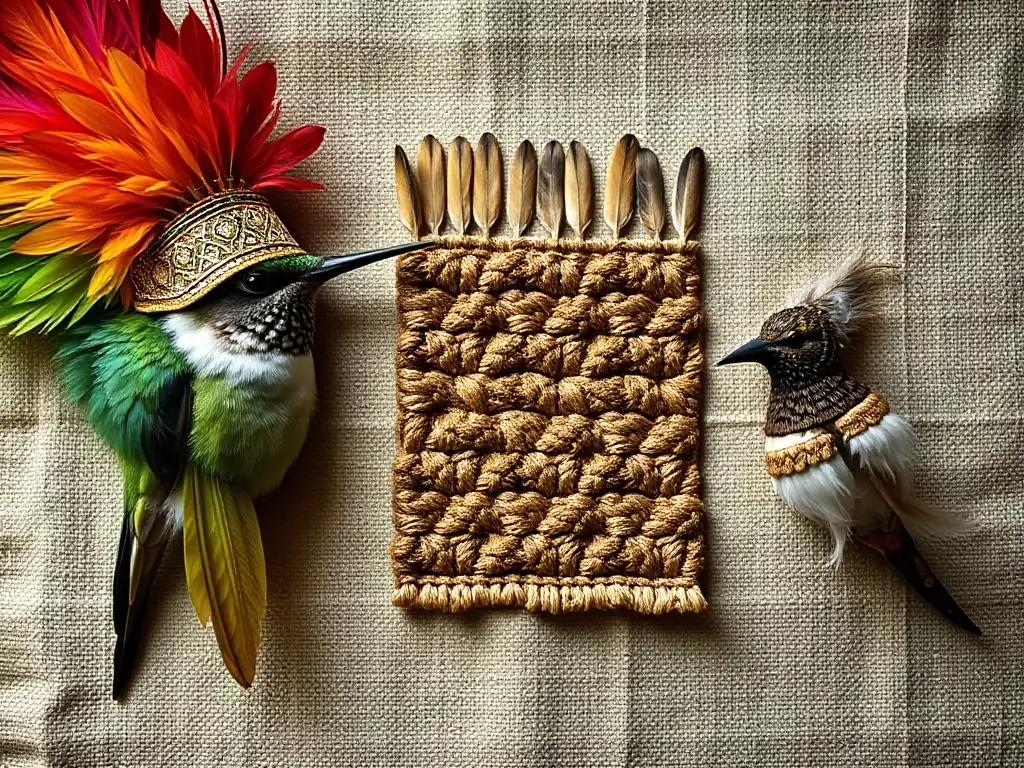
This section delves into the intricacies of Andean featherwork conservation, showcasing specific examples and highlighting the unique challenges posed by different materials and deterioration processes. Understanding these case studies provides crucial insights into the development and application of effective Andean featherwork conservation techniques. The fragility of these artifacts necessitates meticulous and specialized approaches.
Conservation of a Moche Feather Headdress from the Larco Museum
The Larco Museum houses a remarkable collection of Moche artifacts, including exquisitely crafted feather headdresses. One particular headdress, dating back to approximately 500 AD, presents a compelling case study in Andean featherwork conservation. The headdress, composed of vibrant hummingbird feathers meticulously arranged on a textile base, suffered significant degradation due to age, humidity, and insect infestation.
The conservation process involved several crucial steps. Initially, the headdress underwent a thorough assessment, documenting its condition using high-resolution photography and detailed written descriptions. This meticulous documentation is crucial for tracking the effectiveness of conservation treatments over time.
Subsequently, entomological treatment eliminated any remaining insect activity. This was followed by careful cleaning using specialized tools and methods to remove accumulated dirt and debris without damaging the delicate feathers. Finally, the headdress was stabilized using supportive materials to prevent further deterioration and distortion.
The choice of support materials was carefully considered to ensure compatibility with the original materials and to allow for future reversibility of the treatment. The entire process required specialized knowledge of materials science and conservation ethics, showcasing the complexity of Andean featherwork conservation techniques. The success of this conservation effort is measured not only by the preservation of the headdress itself, but also by the preservation of its cultural significance and historical context.
Preserving a Nazca Feather Textile from the Ica Region
The arid climate of the Ica region has, paradoxically, both aided and hindered the preservation of Nazca artifacts. While the dry conditions have slowed down some forms of degradation, they have also created other conservation challenges. A significant example is a Nazca feather textile, characterized by intricate designs woven with feathers from various bird species. The textile showed significant brittleness and fragility.
Unlike the Moche headdress, the primary challenge with this Nazca textile was not insect infestation, but rather the inherent brittleness and fragility of the fibers over time. The conservation strategy focused on strengthening the textile structure while minimizing intervention. This involved the careful application of consolidants, substances designed to bind the fibers together and improve their structural integrity.
The selection of a suitable consolidant was critical, requiring extensive testing to ensure compatibility with the textile's composition and to avoid any adverse reactions or discoloration. Additionally, the textile was carefully supported to prevent further stress and strain. The ongoing monitoring of the textile's condition is vital, as even the most successful conservation treatments can require adjustments over time.
This underscores the long-term commitment required for the successful preservation of Andean featherwork. This case highlights the need for adaptive and ongoing Andean featherwork conservation techniques tailored to specific environmental conditions and material characteristics.
Challenges in Conserving Inca Feathered Tunics from the Coricancha
The Coricancha, the Temple of the Sun in Cusco, once housed a magnificent collection of Inca textiles, many adorned with feathers. However, the passage of time and the impact of environmental factors have resulted in significant deterioration. Preserving these Inca feathered tunics presents some of the most significant challenges in Andean featherwork conservation. The combination of delicate feathers, often mixed with other materials like cotton and wool, along with the damage incurred through looting and subsequent improper storage, significantly complicates any conservation effort.
The complexity stems from several factors. Firstly, the identification and removal of any residual salts or other harmful substances is crucial. Secondly, the stabilization of the fibers and the feathers requires delicate handling and the use of appropriate consolidants, a process often requiring extensive testing and experimentation.
Finally, the reconstruction of damaged areas needs to be done with a high level of skill and sensitivity, ensuring that any additions are clearly distinguishable from the original material, preserving the integrity of the historical object. The sheer volume of work involved, coupled with the scarcity of experts specializing in Andean featherwork conservation techniques, represents a significant hurdle in ensuring the long-term preservation of this invaluable heritage.
The task demands a multidisciplinary approach, involving not only conservators but also historians, archaeologists, and materials scientists, to effectively address the multifaceted challenges in the preservation of these iconic artifacts. The development of new Andean featherwork conservation techniques, optimized for Inca textiles, is a vital area of ongoing research and development.
Modern Approaches and Technologies in Featherwork Conservation
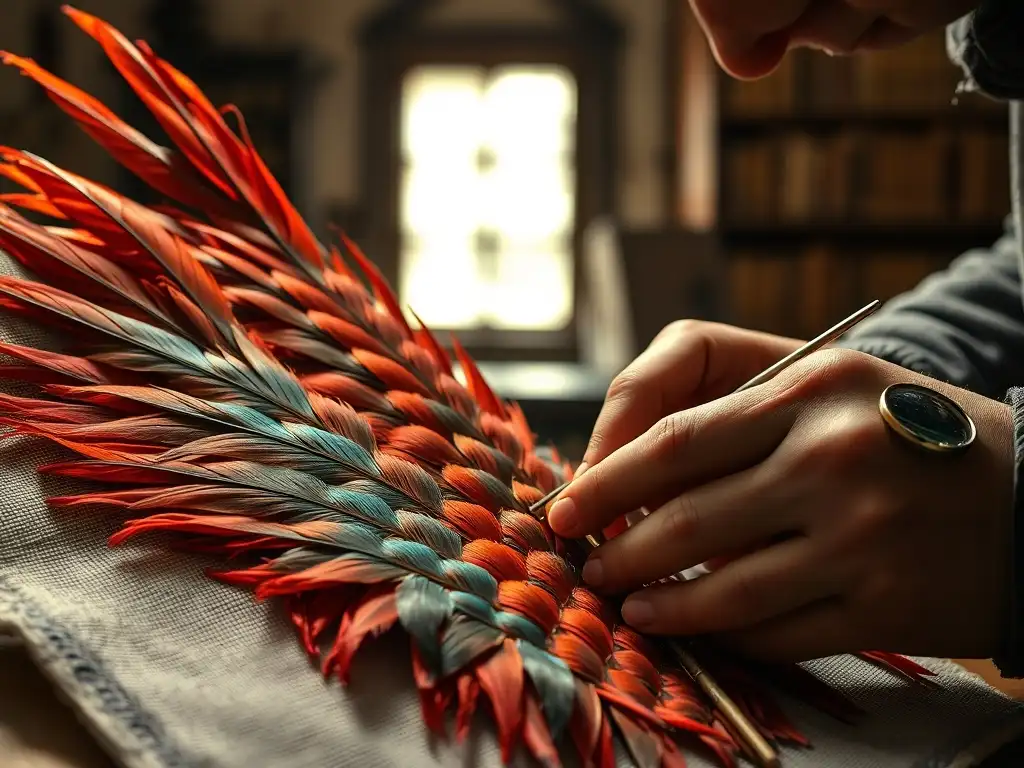
This section delves into the cutting-edge techniques employed in the preservation of delicate Andean featherwork, focusing on the innovative methods and technologies that are revolutionizing the field of Andean featherwork conservation techniques. The fragility of these artifacts necessitates a multi-faceted approach, combining traditional expertise with modern scientific advancements. Understanding these approaches is crucial for ensuring the long-term survival of this irreplaceable cultural heritage.
Advanced Imaging and Analysis Techniques
Advanced imaging techniques are paramount in assessing the condition of Andean featherwork before any intervention. Non-destructive methods provide crucial information about the artifact's structure, materials, and degradation processes without causing further damage. For instance, X-ray fluorescence (XRF) spectroscopy allows for the identification of pigments and metallic elements used in the adornments, providing insights into the production techniques and the materials' origins. This data is invaluable for understanding the artistry and technological sophistication of the ancient Andean cultures.
Furthermore, multispectral imaging, utilizing different wavelengths of light, can reveal hidden details obscured by age and deterioration. This technique can uncover underlying layers of paint or reveal the structure of the feather arrangement, information often invisible to the naked eye. The analysis of these images, coupled with detailed documentation, allows conservators to make informed decisions about the most appropriate conservation strategies. For example, multispectral imaging might reveal areas of significant degradation needing immediate attention, or it might highlight previously unknown design elements within the featherwork.
Finally, microscopic analysis, employing both optical and electron microscopy, allows for the detailed examination of individual feathers and fibers, revealing the extent of degradation at a microscopic level. This information is crucial for selecting appropriate cleaning and consolidation methods, tailoring the approach to the specific needs of each artifact. The detailed microscopic examination can reveal subtle damage that would be missed by other methods, ensuring a more targeted and effective conservation strategy.
Innovative Materials for Support and Repair
The selection of appropriate materials for support and repair is critical in Andean featherwork conservation. Traditional materials, while sometimes effective, can often cause further damage over time due to incompatibility with the original materials or their propensity to degrade themselves. Modern materials science has provided conservators with a wider range of options, offering superior stability and longevity.
For instance, the use of reversible adhesives is crucial for minimizing the risk of further damage during repair. These adhesives allow for the removal of the support material in the future, should the need arise, without compromising the integrity of the featherwork. This is a significant advance over older, irreversible adhesives that could permanently damage the artifact. The selection of the appropriate reversible adhesive is dependent on several factors including the type of feather, the nature of the damage, and the specific environment in which the artwork will be displayed.
In addition, the development of new support materials, such as Japanese tissue paper or specifically formulated conservation-grade textiles, provides superior support while minimizing the risk of interaction with the original materials. These materials are chosen for their stability, inertness, and their ability to provide support without obscuring the aesthetic qualities of the featherwork. The use of these materials requires careful handling and application techniques to ensure that the support is effective without impacting the artifact's visual integrity.
The Role of Digital Documentation in Preservation
Digital documentation is no longer merely an adjunct to conservation; it is an integral part of the process. The creation of comprehensive digital records, including high-resolution images, 3D models, and detailed condition reports, is crucial for tracking the artifact's condition over time and for informing future conservation efforts. This detailed digital record serves as a valuable resource for researchers, conservators, and future generations.
The use of 3D scanning allows for the creation of precise virtual models of the featherwork, capturing its intricate details in a non-destructive manner. These models can be used for research, educational purposes, and as a basis for creating accurate replicas. Moreover, 3D models provide a lasting record of the artifact's original condition, even if the physical object is damaged or lost.
Furthermore, the development of database systems dedicated to Andean featherwork conservation allows for the collation and sharing of information on best practices, materials, and treatment techniques. This collaborative approach ensures that the knowledge and experience gained from the conservation of these artifacts are shared widely, improving conservation efforts worldwide. The integration of detailed condition reports with digital imaging allows for a comprehensive and readily accessible record of each artifact’s history and treatment. This ensures that all relevant information is available for future study and conservation.
The Importance of Ongoing Research and Collaboration
The preservation of Andean featherwork, a testament to the artistry and ingenuity of ancient civilizations, demands a multifaceted approach. Successful conservation isn't merely about repairing damaged artifacts; it's about understanding the materials, techniques, and cultural context to ensure long-term preservation and responsible stewardship. Ongoing research is paramount to achieving this. Without consistent investigation into the degradation processes affecting these delicate objects, our conservation efforts will remain reactive rather than proactive.
This proactive approach is crucial for the longevity of these invaluable cultural treasures. The complex interplay of factors impacting feather deterioration, such as light exposure, humidity, and pest infestation, necessitates continuous study and refinement of preservation strategies. Furthermore, new scientific advancements in materials science and conservation chemistry offer the potential for improved techniques and a deeper understanding of Andean featherwork's unique vulnerabilities. Investing in research directly translates to more effective and sustainable conservation practices for future generations.
This commitment to ongoing scientific inquiry is essential for the long-term survival of this irreplaceable artistic heritage. Without it, we risk losing vital knowledge and the ability to protect these artifacts effectively. The exploration of innovative materials and methodologies will be key to addressing the challenges posed by the delicate nature of Andean featherwork.
Collaborative Conservation Projects and Knowledge Sharing
Effective Andean featherwork conservation techniques require a global collaborative effort. Sharing knowledge and resources between institutions, researchers, and artisans is crucial. Many successful projects exemplify this collaborative spirit. For example, [specific example of a collaborative project pending], which involved [details of collaboration and its impact pending], demonstrates the power of combined expertise.
This collaborative approach ensures that the best practices and most innovative solutions are shared widely, preventing the repetition of mistakes and accelerating progress in the field. The establishment of international networks dedicated to Andean featherwork conservation facilitates the exchange of information, providing a platform for researchers to share their findings and best practices. These networks are also valuable for training the next generation of conservators, ensuring the continuity of expertise. This international cooperation also extends to the sharing of resources, such as specialized equipment and materials, making advanced conservation techniques accessible to a broader range of institutions.
Furthermore, collaborative efforts often involve the integration of traditional Andean knowledge with modern scientific techniques, resulting in a more holistic and culturally sensitive approach to conservation. The sharing of traditional knowledge, often passed down through generations of artisans, can provide invaluable insights into the original construction and use of these artifacts, informing contemporary preservation efforts. This holistic approach not only ensures the physical preservation of the artifacts but also respects and upholds the cultural significance of Andean featherwork.
The Future of Andean Featherwork Conservation
Looking ahead, the future of Andean featherwork conservation hinges on several key factors. Firstly, continued investment in research and development is crucial. This includes exploring new, less invasive analytical techniques to better understand the materials and their degradation processes without causing further damage. Secondly, developing sustainable and environmentally friendly conservation materials is essential. The use of traditional, often environmentally damaging materials, needs to be replaced with ecologically responsible alternatives.
Thirdly, the training of new generations of conservators specializing in Andean featherwork is paramount. This requires a structured educational program that combines theoretical knowledge with hands-on experience, ensuring the long-term preservation of this expertise. Finally, increased public awareness and engagement are vital. Educating the public about the importance of Andean featherwork and the challenges involved in its conservation can foster a greater sense of responsibility and support for preservation efforts.
This broader public understanding will be essential for securing funding, promoting responsible practices, and ensuring the legacy of these remarkable artifacts continues for generations to come. The future of Andean featherwork conservation requires a forward-thinking approach that integrates scientific innovation, cultural sensitivity, and community engagement. Only through a concerted and collaborative effort can we ensure the preservation of this invaluable cultural heritage for future generations to appreciate and learn from. The continued development and refinement of Andean featherwork conservation techniques is not merely a matter of preserving artifacts; it is a commitment to safeguarding a rich and vital part of human history.
Frequently Asked Questions
What are the main challenges in conserving Andean featherwork?
The primary challenges include the fragility of the feathers themselves, susceptibility to insect infestation, and the degradation of organic adhesives used in construction. Environmental factors like light and humidity also play a significant role.
What materials are typically used in Andean featherwork conservation?
Conservators often employ reversible adhesives, such as wheat starch paste, and support materials like Japanese tissue paper. Specialized cleaning techniques are also crucial, using tools like soft brushes and even air abrasion.
How do conservators address insect damage in Andean featherwork?
Freezing is a common method to kill existing insects. Careful monitoring and preventive measures, such as controlled environments, are essential to prevent future infestations and further damage.
What role does the study of ancient Andean techniques play in modern conservation?
Understanding traditional Andean methods of featherwork construction provides valuable insight. This knowledge informs modern conservation strategies, allowing for more informed and effective treatment choices. It helps in understanding the original materials and their properties.
Where can I learn more about Andean featherwork conservation techniques?
You can explore resources from museums specializing in Andean artifacts and academic journals focused on conservation science. Many online databases also contain valuable information on conservation practices and case studies.
Final Reflection: Weaving a Legacy of Andean Featherwork
The delicate artistry of Andean featherwork, a testament to a rich cultural heritage, faces an ongoing battle against time and the elements. Its survival depends not only on meticulous conservation techniques but also on a profound understanding of its cultural significance and the urgent need for its preservation. The intricate details, vibrant colors, and symbolic power embedded within these artifacts demand our attention and proactive engagement.
The enduring legacy of Andean featherwork continues to resonate, shaping our understanding of pre-Columbian societies and their sophisticated artistic practices. These pieces are more than just beautiful objects; they are windows into a complex worldview, revealing intricate social structures, religious beliefs, and artistic innovations. As we learn more about these techniques, we gain a deeper appreciation for the ingenuity and dedication of the artisans who created them. The past is never dead. It's not even past.
– William Faulkner. This quote perfectly encapsulates the enduring relevance of Andean featherwork and the responsibility we bear in ensuring its survival for future generations.
Consider the intricate details, the vibrant colors, the stories whispered through the feathers themselves. You too can contribute to the preservation of this invaluable heritage. By supporting museums and organizations dedicated to conservation, advocating for responsible collecting practices, and simply raising awareness of the importance of Andean featherwork, you become a vital part of a larger effort to safeguard this extraordinary legacy. Let us weave together a future where the vibrant tapestry of Andean artistry continues to inspire and enrich our world.
Embrace the Legacy: Take Action for Andean Heritage!
Thank you for exploring the rich tradition of Andean featherwork and adornments with us! Your interest is vital in helping preserve this beautiful art form. Let's work together to ensure these cultural treasures thrive for generations to come.
- Learn from the Masters: Participate in a local workshop and learn the techniques of featherwork directly from skilled artisans. Hands-on experience is invaluable.
- Share the Beauty: Share your newfound knowledge and appreciation of Andean culture with friends, family, and your community. Host a gathering, give a presentation, or simply spark conversations about this fascinating heritage.
- Become an Advocate: Connect with organizations dedicated to preserving Andean cultural heritage and explore ways you can contribute your time, skills, or resources. Further research into the challenges and opportunities facing Andean artisans will help you make a meaningful impact.
What aspect of Andean featherwork captivates you most, and how will you help keep this vibrant tradition alive?