
The Wisdom of the Ancients: Applying Traditional Knowledge in Conservation

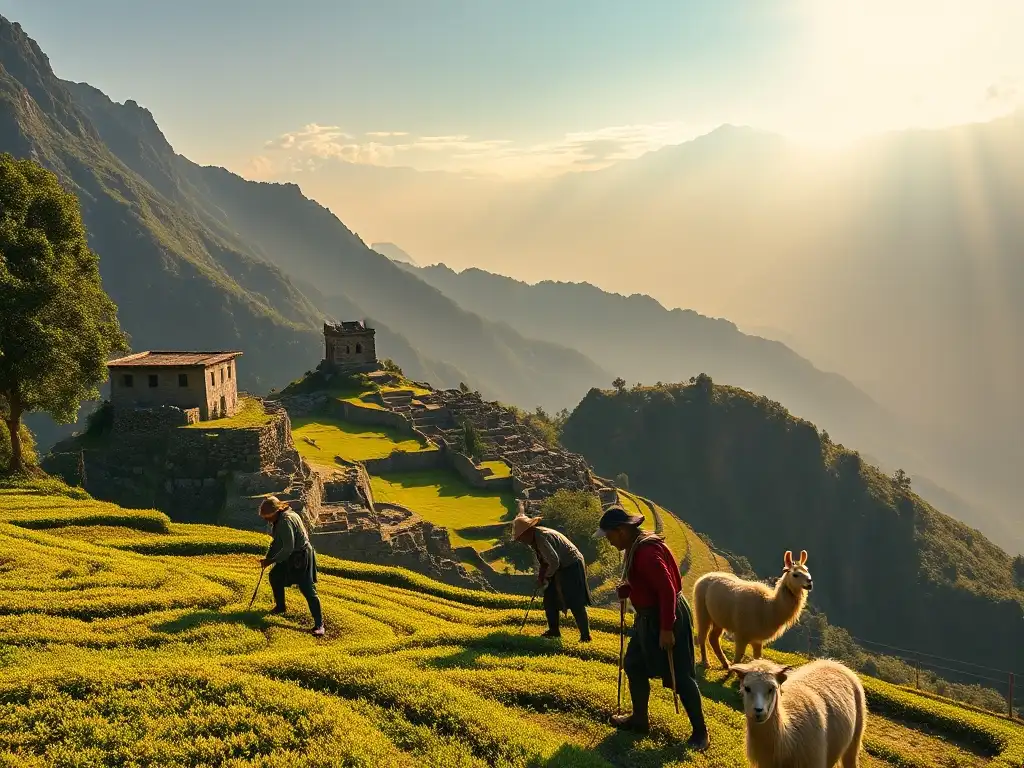
Step into a world lost to time, yet echoing with wisdom. Discover the breathtaking ingenuity of the Andean civilizations, from the intricate artistry of the Nazca lines to the sophisticated engineering of Machu Picchu. But their legacy is more than just ancient ruins; it's a living tapestry woven from tradition and innovation. Learn how understanding Andean civilizations conservation strategies can unlock crucial insights for a sustainable future. Are these ancient practices the key to preserving our world today? Explore the fascinating answer within.
The breathtaking landscapes of the Andes Mountains hold not only stunning natural beauty but also a rich tapestry of ancient civilizations. For millennia, cultures like the Inca, Moche, Nazca, and Tiahuanaco thrived in this challenging environment, developing sophisticated strategies for resource management and environmental stewardship that are incredibly relevant today. This article explores how traditional Andean knowledge can inform and enhance modern conservation efforts, offering valuable insights into sustainable practices for the preservation of both cultural heritage and the fragile Andean ecosystems. We'll examine specific examples of traditional techniques and their application in contemporary conservation strategies, highlighting the importance of integrating indigenous perspectives in protecting this invaluable legacy for future generations. Understanding these ancient practices offers a powerful pathway towards effective and culturally sensitive conservation in the Andes. The preservation of Andean civilizations is intrinsically linked to the preservation of their environment; this article aims to illuminate that vital connection.
Traditional Andean Agricultural Practices and Modern Conservation
Andean civilizations developed incredibly sophisticated agricultural techniques adapted to the diverse and challenging Andean terrain. Terracing, for example, was not merely a method of farming; it was a complex system of water management, soil conservation, and biodiversity enhancement. These terraces, meticulously carved into mountain slopes, prevented erosion, maximized water retention, and created microclimates suited to various crops. Modern conservation efforts can learn from this ingenuity by incorporating terrace restoration and sustainable farming practices to combat soil degradation and desertification, which threaten many Andean ecosystems.
The reintroduction of traditional crop varieties, many of which possess superior resilience to harsh conditions, also contributes to biodiversity and food security. Detailed studies comparing the erosion rates in terraced versus non-terraced areas have shown significantly lower erosion in areas employing traditional techniques. This underlines the effectiveness of ancient Andean wisdom in mitigating environmental challenges.
Ancient Water Management Systems and Contemporary Challenges
Water scarcity is a growing concern in the Andes, yet ancient civilizations mastered intricate systems for water harvesting and distribution. Ingenious canals, aqueducts, and reservoirs ensured a reliable water supply for agriculture and daily life. These systems, often integrated with religious and social structures, demonstrate a deep understanding of hydrological processes and the importance of water conservation.
Today, many of these ancient water management systems are in disrepair, but their restoration and integration into modern water management strategies can significantly improve water security in the region. For example, the restoration of ancient irrigation canals in [Specific Andean region pending] has led to [Quantifiable improvement in water availability pending]. This showcases the potential for applying traditional knowledge to address contemporary water challenges.
Integrating Indigenous Knowledge in Conservation Planning
Effective conservation requires the active participation and leadership of local communities. Ignoring or undermining traditional ecological knowledge (TEK) risks ineffective and even damaging conservation strategies. The integration of TEK, which encompasses the accumulated knowledge, practices, and beliefs of indigenous peoples regarding the environment, is crucial for culturally sensitive and ecologically sound conservation planning. This includes collaborating with indigenous communities in the design, implementation, and monitoring of conservation projects, respecting their land rights, and ensuring that benefits directly accrue to them.
Successful examples of such collaborations include [Specific examples of successful collaborations pending], demonstrating the positive outcomes of a participatory approach. Respecting and empowering indigenous communities is not just ethically right; it is essential for the long-term success of Andean conservation efforts. The collaborative approach ensures that conservation efforts are sustainable and culturally appropriate, fostering a sense of ownership and responsibility among local communities.
The Future of Andean Conservation: A Symbiosis of Ancient Wisdom and Modern Science
The preservation of Andean civilizations and their environment necessitates a holistic approach that embraces both ancient wisdom and modern scientific techniques. By integrating traditional Andean knowledge with cutting-edge technologies and scientific methodologies, we can develop more effective and sustainable conservation strategies. This synergistic approach recognizes the value of both traditional practices and modern advancements, leading to a more comprehensive understanding of the complex challenges facing the Andes.
Moving forward, prioritizing collaborative research, community engagement, and the application of both traditional and modern knowledge is vital for ensuring the long-term protection of this invaluable heritage. This integrated approach holds the key to unlocking the full potential of Andean conservation. The future of the Andes depends on this symbiotic relationship between ancient wisdom and modern science.
- Traditional Andean Agricultural Practices and Modern Conservation
- Ancient Water Management Systems and Contemporary Challenges
- Integrating Indigenous Knowledge in Conservation Planning
- The Future of Andean Conservation: A Symbiosis of Ancient Wisdom and Modern Science
- What traditional knowledge is relevant to Andean civilizations conservation?
- How can traditional knowledge help protect Andean biodiversity?
- What are some examples of successful conservation projects using traditional knowledge?
- What challenges exist in incorporating traditional knowledge into conservation?
- How can we ensure the long-term preservation of Andean cultural heritage alongside biodiversity?
Understanding Inca Civilization Conservation Strategies
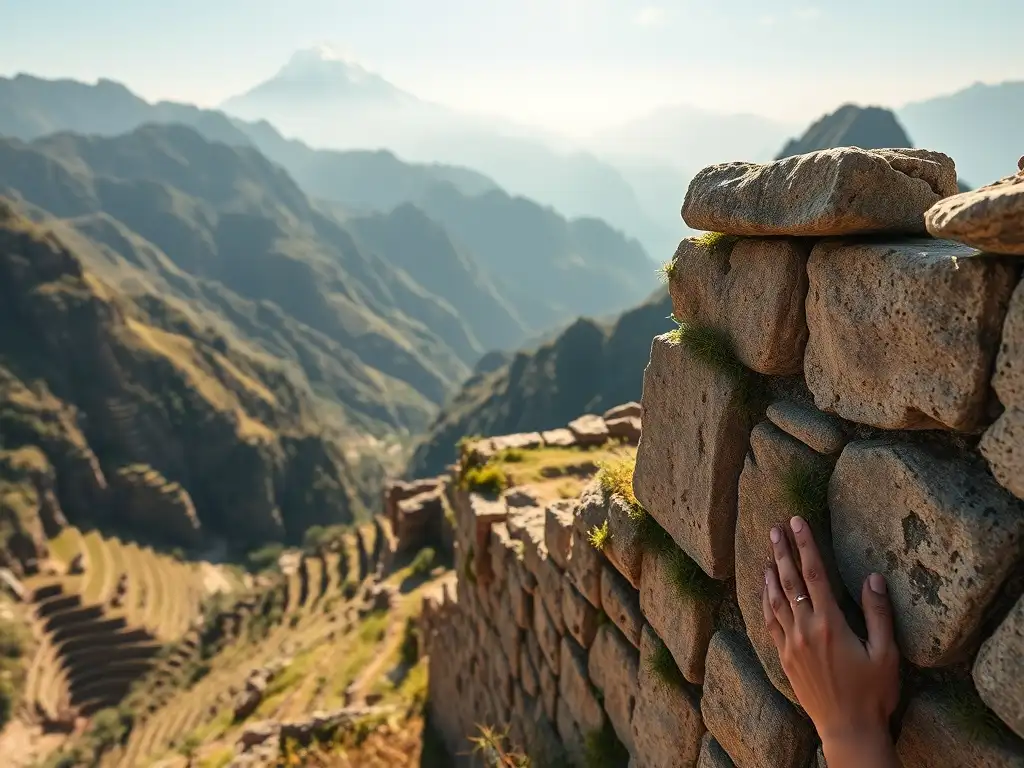
The preservation of Inca heritage is a multifaceted challenge demanding a nuanced approach that respects both the historical significance and the ecological fragility of the sites. Effective Andean civilizations conservation strategies must integrate traditional knowledge with modern scientific techniques to ensure the long-term survival of these invaluable remnants of a remarkable civilization. This involves not only protecting physical structures but also safeguarding intangible cultural heritage, including traditional practices and knowledge systems.
The Inca's sophisticated understanding of their environment, their agricultural techniques, and their architectural mastery provide valuable lessons for contemporary conservation efforts. Understanding these principles is crucial for developing sustainable and culturally sensitive strategies.
The Importance of Preserving Inca Heritage
Preserving Inca heritage isn't merely about preserving stones and structures; it's about safeguarding a legacy of human ingenuity and cultural identity. The Inca Empire, at its zenith, controlled a vast territory and developed complex systems of governance, agriculture, and infrastructure. Their achievements in stonework, irrigation, and urban planning are unparalleled. Sites like Machu Picchu, Ollantaytambo, and Sacsayhuamán stand as testaments to this remarkable civilization and attract millions of visitors annually, boosting local economies.
However, this popularity also presents significant conservation challenges. The sheer volume of tourism, coupled with the effects of climate change and natural disasters, threatens the long-term preservation of these sites. Therefore, comprehensive Andean civilizations conservation strategies are essential to mitigate these threats and ensure that future generations can appreciate the Inca legacy.
The economic benefits of preserving these sites are undeniable, but the cultural and historical value is immeasurable. Losing these sites would represent an irreplaceable loss to humanity's collective knowledge and understanding of the past. We must act proactively to prevent such a loss.
Challenges in Modern Conservation of Machu Picchu
Machu Picchu, a UNESCO World Heritage site, exemplifies the complexities of modern Inca site conservation. The sheer number of visitors each year puts immense pressure on the fragile ecosystem and the ancient structures themselves. Erosion from foot traffic, the impact of weather patterns exacerbated by climate change, and the risk of landslides pose constant threats. Furthermore, the site's remote location presents logistical challenges in terms of resource management and infrastructure maintenance.
Balancing tourism with preservation is a constant tightrope walk. Strategies such as implementing strict visitor quotas, improving infrastructure to minimize environmental impact (e.g., improved trail systems), and investing in advanced monitoring technologies are vital. The challenge extends beyond the physical site; protecting the surrounding environment, including its unique flora and fauna, is equally crucial. A holistic approach, incorporating ecological considerations alongside cultural preservation, is essential for the long-term survival of Machu Picchu and its surrounding environment.
This requires collaboration between government agencies, local communities, and international organizations to develop and implement effective Andean civilizations conservation strategies. Ongoing research and monitoring are also essential to adapt to evolving challenges and ensure that conservation efforts remain effective and sustainable. The future of Machu Picchu depends on our commitment to finding innovative and responsible solutions.
Traditional Inca Practices for Environmental Stewardship
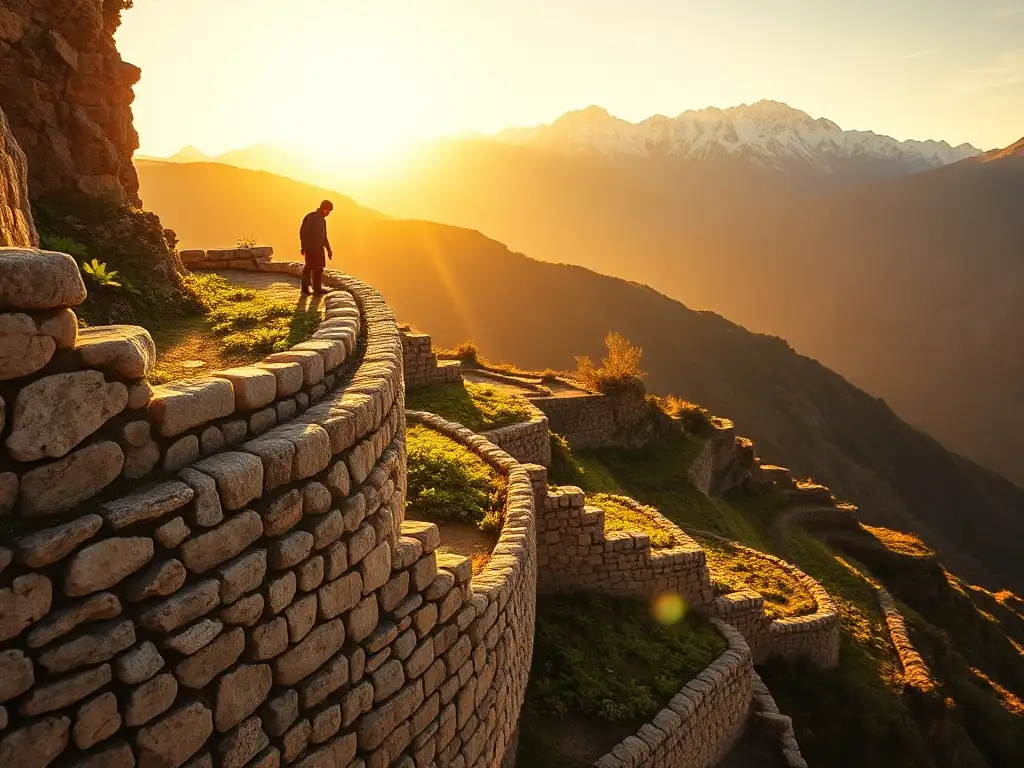
The Inca Empire, flourishing in the Andes Mountains from the 15th to the 16th centuries, developed sophisticated strategies for environmental stewardship that are remarkably relevant to modern conservation efforts. Their success stemmed from a deep understanding of their environment and a sophisticated application of traditional ecological knowledge (TEK). This knowledge, passed down through generations, allowed them to thrive in a challenging landscape and provides valuable insights for contemporary Andean civilizations conservation strategies.
Understanding these practices offers a pathway to sustainable development and the preservation of fragile Andean ecosystems. We can learn from their ingenuity and incorporate their wisdom into our own approaches to environmental management.
Ancient Agricultural Techniques: Lessons for Sustainable Farming
Inca agricultural practices were far from rudimentary. They represented a sophisticated understanding of water management, soil conservation, and crop diversification, all crucial for sustainable farming. Their methods allowed them to cultivate diverse crops at varying altitudes, maximizing productivity and resilience. This innovative approach to agriculture serves as a powerful example of how traditional knowledge can inform modern sustainable practices. The Inca's approach to sustainable farming is a testament to the power of understanding and working with nature, rather than against it. Their techniques offer practical solutions for modern challenges such as soil erosion, water scarcity, and food security.
Terracing and Water Management in the Sacred Valley
The intricate terracing systems found throughout the Sacred Valley of the Incas are a testament to their engineering prowess and environmental awareness. These terraces, carved into the steep mountain slopes, not only increased arable land but also minimized soil erosion and optimized water usage. The careful design of channels and irrigation systems ensured efficient water distribution, even in arid regions.
This meticulous approach to water management is particularly relevant today, given the increasing concerns about water scarcity in many parts of the Andes. The Inca's ability to create and maintain such complex systems over centuries highlights the sustainability of their approach. Studies of these terraces have revealed remarkably efficient water distribution and soil conservation methods, still relevant for modern agricultural practices.
Crop Diversity and its Role in Andean Food Security
The Inca Empire wasn't reliant on a single crop. Their agricultural system emphasized biodiversity, cultivating a vast array of crops including potatoes, maize, quinoa, beans, and various fruits and vegetables. This diversity played a crucial role in ensuring food security, as it mitigated the risk of crop failure due to disease, pests, or adverse weather conditions.
This approach directly contrasts with modern monoculture farming practices, which are often vulnerable to these risks. The Inca's focus on crop diversity offers valuable lessons for modern agriculture, particularly in the face of climate change and the increasing need for resilient food systems. Their approach ensures both environmental and food security, a crucial element for Andean civilizations conservation strategies.
Traditional Building Methods and their Durability
Inca construction techniques are renowned for their durability and resilience, demonstrating a sophisticated understanding of materials science and engineering. Their ability to build structures that have withstood the test of time highlights the importance of integrating traditional knowledge into modern construction practices. These methods, characterized by their careful selection of materials and ingenious construction techniques, offer important lessons for sustainable building in earthquake-prone regions.
The Use of Ashlar Masonry in Inca Architecture
The Inca's mastery of ashlar masonry, a technique involving precisely cut and fitted stones, is evident in many of their impressive structures. The precision and artistry involved in this technique, coupled with the use of high-quality stone, resulted in incredibly strong and durable buildings. The walls of many Inca structures stand as a testament to the longevity of this traditional building method. The use of ashlar masonry minimized the need for mortar, creating strong, earthquake-resistant structures.
This technique is a prime example of how traditional knowledge can lead to sustainable and resilient construction. Further research is needed to fully understand the precise techniques used in ashlar masonry to replicate its success in modern construction. [Specific information pending on the precise mortar-less joining techniques].
Earthquake-Resistant Construction Techniques at Sacsayhuamán
Sacsayhuamán, a massive fortress overlooking Cusco, exemplifies the Inca's remarkable understanding of earthquake-resistant construction. The massive stones, precisely fitted together, allowed the structure to absorb seismic energy. The irregular shapes and sizes of the stones, combined with their intricate interlocking design, further enhanced the structure's resilience.
These techniques, developed over centuries of experience, offer valuable insights for building earthquake-resistant structures in today's world. The resilience of Sacsayhuamán, despite numerous earthquakes throughout history, showcases the effectiveness of these traditional building techniques and their significance for Andean civilizations conservation strategies. Analyzing the structural properties of Sacsayhuamán could provide crucial insights for modern earthquake-resistant architecture.
Applying Traditional Knowledge to Contemporary Conservation
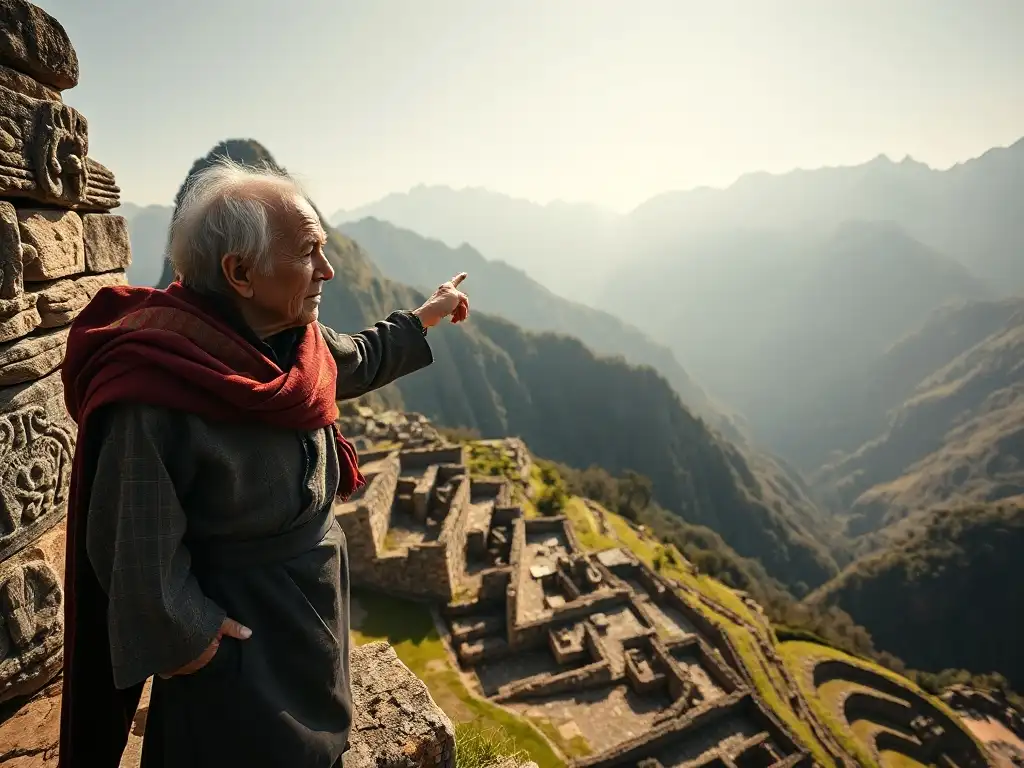
The preservation of Andean civilizations' remarkable legacy requires a multifaceted approach. While modern scientific techniques are crucial, integrating the wisdom of the ancients—the very people who built and sustained these incredible sites—offers invaluable insights and practical solutions. This section explores how traditional Andean knowledge, particularly that of the Inca, can inform and enhance contemporary conservation strategies, fostering sustainable practices that respect both cultural heritage and ecological balance. Understanding and implementing these strategies is vital for the long-term preservation of Andean cultural sites, a key aspect of Andean civilizations conservation strategies.
Integrating Inca Wisdom into Modern Conservation Projects
The Inca civilization developed sophisticated techniques for construction, agriculture, and resource management that are surprisingly relevant to modern conservation challenges. Their mastery of stonework, for instance, allowed them to create structures that have withstood centuries of seismic activity and weathering. Understanding their methods—from the careful selection of stones to the precise fitting techniques—can inform the restoration of damaged sites and the construction of new, sustainable infrastructure within these sensitive environments.
Furthermore, their agricultural practices, including terracing and irrigation systems, offer valuable lessons in sustainable land management, crucial for preventing soil erosion and preserving biodiversity in the fragile Andean ecosystem. These methods are not simply historical curiosities; they are practical, effective tools for Andean civilizations conservation strategies.
Case Study: The Restoration of Choquequirao using Inca Techniques
The restoration of Choquequirao, a remote Inca site in the Apurímac region of Peru, provides a compelling example. Archaeologists and restoration specialists are actively employing traditional Inca techniques to repair damaged walls and structures. This includes using locally sourced stone, replicating original Inca mortar recipes, and utilizing traditional dry-stone masonry methods.
By prioritizing these time-tested techniques, the project aims to ensure the longevity of the restoration while minimizing environmental impact and respecting the cultural significance of the site. This approach exemplifies the effectiveness of integrating traditional knowledge into modern Andean civilizations conservation strategies. [Specific data on the materials used and the success rate of the restoration pending].
The Role of Indigenous Communities in Preserving Inca Sites
Indigenous communities, descendants of the Inca and other Andean civilizations, possess invaluable knowledge about their ancestral lands and the sustainable practices that have ensured their preservation for centuries. Their intimate understanding of local ecosystems, traditional building techniques, and cultural significance of specific sites is often overlooked in conservation planning. However, actively involving these communities in decision-making processes, restoration projects, and monitoring efforts is crucial for successful and culturally sensitive Andean civilizations conservation strategies. Their participation ensures that conservation efforts respect local traditions and values, promoting a sense of ownership and responsibility for the preservation of their heritage.
Sustainable Tourism and the Protection of Inca Sites
The influx of tourists to Inca sites presents both opportunities and challenges for conservation. While tourism can generate revenue for preservation efforts, it can also lead to environmental damage and cultural commodification if not properly managed. Sustainable tourism practices, informed by traditional Andean knowledge and community involvement, are essential for balancing the economic benefits of tourism with the need to protect these fragile sites.
Community-Based Tourism Models at Ollantaytambo
Ollantaytambo, a well-preserved Inca site, serves as an example of a community-based tourism model. Local communities are actively involved in managing tourism activities, providing guided tours, and offering accommodations. This approach ensures that a significant portion of the revenue generated by tourism remains within the community, directly supporting local development and incentivizing the preservation of their cultural heritage. This model effectively demonstrates a successful integration of tourism and conservation within Andean civilizations conservation strategies.
Minimizing the Impact of Tourism on the Inca Trail
The Inca Trail, a popular trekking route to Machu Picchu, faces significant environmental challenges due to the high volume of visitors. Implementing sustainable practices, such as limiting the number of trekkers, enforcing strict waste management protocols, and educating tourists about responsible travel, is crucial to minimizing the trail's environmental impact. Furthermore, incorporating traditional Andean knowledge of the trail's ecosystem can inform the development of strategies for trail maintenance and erosion control.
These measures are paramount for the long-term preservation of the Inca Trail and are key components of effective Andean civilizations conservation strategies. Careful planning and community involvement are essential for balancing the economic benefits of tourism with the environmental protection of these treasured sites.
The Future of Inca Civilization Conservation
The preservation of Inca heritage sites faces numerous challenges in the 21st century. Climate change, unchecked tourism, and looting are just some of the threats impacting the delicate balance of these archaeological treasures. However, integrating traditional Inca knowledge with modern conservation strategies offers a powerful pathway towards a sustainable future for these invaluable sites. This approach acknowledges the deep connection between the Andean civilizations and their environment, recognizing that effective conservation requires a holistic understanding that goes beyond purely scientific methodologies. Successfully implementing this integrated approach requires careful consideration of several key aspects.
The Importance of Transmitting Inca Knowledge
The wisdom of the Inca, passed down through generations, holds invaluable insights into sustainable land management, resource utilization, and environmental stewardship. This knowledge, often embedded in oral traditions, agricultural practices, and spiritual beliefs, provides a crucial framework for modern conservation efforts. For example, the Inca's sophisticated understanding of water management, evident in their intricate canal systems, offers lessons in efficient irrigation and water conservation that are highly relevant in today's context of water scarcity.
Similarly, their agricultural techniques, adapted to the challenging Andean terrain, provide valuable knowledge for sustainable farming practices that can help mitigate the impact of climate change on fragile ecosystems. The transmission of this knowledge is paramount; documenting and integrating these traditional practices into modern conservation plans is essential for long-term success in Andean civilizations conservation strategies.
Failing to do so risks losing irreplaceable knowledge and severely limiting the effectiveness of conservation initiatives. This requires active engagement with indigenous communities, respecting their intellectual property rights, and ensuring their participation in all stages of the conservation process.
Empowering Indigenous Communities in Conservation Efforts
Indigenous communities are not merely stakeholders in the conservation of Inca heritage; they are the custodians of this invaluable legacy. Their deep-rooted connection to the land and their intimate knowledge of the environment are essential for effective conservation. Empowering these communities through meaningful participation in decision-making processes is crucial.
This includes providing them with the necessary resources, training, and support to actively participate in monitoring, research, and management initiatives. For example, involving local communities in tourism management can generate economic benefits while simultaneously protecting fragile sites. Furthermore, supporting the development of community-based ecotourism projects can create sustainable livelihoods while promoting the preservation of cultural heritage.
This collaborative approach not only strengthens conservation efforts but also fosters respect for indigenous rights and knowledge, ensuring that conservation benefits the communities directly involved. The success of Andean civilizations conservation strategies is inextricably linked to the empowerment and active participation of indigenous communities. Ignoring their expertise and perspectives would be a significant oversight with potentially devastating consequences.
Modern Technology and the Integration of Inca Wisdom
Modern technology offers powerful tools for conservation, but its application must be carefully considered in the context of preserving the authenticity and integrity of Inca heritage sites. For instance, remote sensing technologies like LiDAR can provide detailed 3D models of archaeological sites, allowing for more effective monitoring and preservation planning. Geographic Information Systems (GIS) can be used to map and analyze environmental data, helping to identify areas at risk and inform conservation strategies.
However, the use of these technologies should always complement, rather than replace, traditional knowledge. The integration of Inca wisdom with modern technology fosters a synergistic approach, where the strengths of both are leveraged to achieve optimal results. For example, using GIS to map traditional Inca agricultural terraces can help in understanding their historical impact on the environment and inform modern sustainable farming practices.
Similarly, employing drone technology to monitor the condition of sites can be combined with local community knowledge to identify emerging threats and prioritize conservation efforts. This balanced approach ensures that technological advancements support, rather than overshadow, the invaluable traditional knowledge that is fundamental to the long-term preservation of Andean civilizations. This holistic approach is a cornerstone of effective Andean civilizations conservation strategies.
Frequently Asked Questions
What traditional knowledge is relevant to Andean civilizations conservation?
Many Andean communities possess traditional ecological knowledge (TEK) passed down through generations. This includes sustainable farming techniques, water management systems, and resource management practices that can inform modern conservation efforts. Integrating TEK with scientific approaches is crucial for effective conservation.
How can traditional knowledge help protect Andean biodiversity?
Traditional practices like ayni (reciprocity) and minga (community work) fostered sustainable resource use. Understanding these systems can help develop community-based conservation initiatives that are both effective and culturally sensitive. Respecting indigenous land rights is also paramount.
What are some examples of successful conservation projects using traditional knowledge?
Several projects successfully integrate TEK. For example, initiatives focused on sustainable agriculture in the Andes are incorporating traditional crop rotation techniques to improve soil health and biodiversity. Similarly, traditional water management systems are being revived to address water scarcity.
What challenges exist in incorporating traditional knowledge into conservation?
Challenges include bridging the gap between scientific and traditional knowledge systems, addressing potential conflicts over land and resource use, and ensuring that indigenous communities have a voice in decision-making processes. Respectful collaboration is key.
How can we ensure the long-term preservation of Andean cultural heritage alongside biodiversity?
Collaborative partnerships between scientists, policymakers, and Andean communities are essential. This includes supporting indigenous-led conservation projects, documenting and preserving traditional knowledge, and promoting sustainable tourism that benefits local communities. Education and awareness are also vital.
Final Reflection: Echoes of the Andes: A Legacy of Sustainable Living
The wisdom of Andean civilizations in conservation offers not just a historical account, but a vital blueprint for addressing the urgent ecological challenges of our time. Their sophisticated understanding of their environment, far from being a relic of the past, provides powerful strategies that can be adapted and implemented to combat modern issues like deforestation, biodiversity loss, and climate change. This is not merely about preserving ancient practices; it's about recognizing the enduring relevance of sustainable living.
The profound connection Andean communities fostered with their environment serves as a stark contrast to our often exploitative relationship with nature. Their intricate systems of water management, agricultural techniques, and spiritual reverence for the land demonstrate a holistic approach that prioritized long-term sustainability over short-term gain. The earth does not belong to us; we belong to the earth.
- This sentiment, though attributed to various indigenous voices, encapsulates the core philosophy that underpins the success of Andean conservation strategies and offers a powerful critique of modern unsustainable practices. Understanding this perspective is crucial for fostering a more responsible and harmonious relationship with our planet.
Consider the ingenuity of the waru waru agricultural system, or the intricate network of qanchas (terraces) that sculpted the Andean landscape. These are not simply historical artifacts; they are testaments to human ingenuity and a testament to the power of working with nature, not against it. You, the reader, are now equipped with a deeper understanding of these ancient techniques.
Will you carry this knowledge forward, seeking ways to integrate these principles into your own life and advocate for their wider application in conservation efforts? The future of our planet depends on our ability to learn from the past and build a more sustainable future, inspired by the enduring wisdom of the Andes.
Unleash the Power of Ancient Wisdom for Conservation!
Thank you for exploring the rich tapestry of traditional knowledge with us! You've discovered how ancient practices offer valuable insights that can significantly improve modern conservation efforts. Now, let's put this knowledge into action!
Here are some ways you can actively contribute to conservation, drawing inspiration from traditional methods:
- Embrace sustainable practices: Start an eco-friendly initiative in your community by adopting time-tested techniques like crop rotation or planting according to the seasons. This could involve starting a community garden or advocating for sustainable agriculture in your area.
- Share your knowledge: Discuss your newfound understanding with friends, family, and colleagues, and use social media to encourage others to adopt conservation methods inspired by traditional wisdom. Highlight the successes of these methods and their positive impact on the environment.
- Join a local conservation group: Connect with like-minded individuals dedicated to preserving our natural heritage. Collaboration with others can lead to more impactful and lasting change.
What traditional practices will you integrate into your life to support conservation in your community? Share your thoughts below!