
The Ink of History: Preserving Ancient Andean Manuscripts and Records

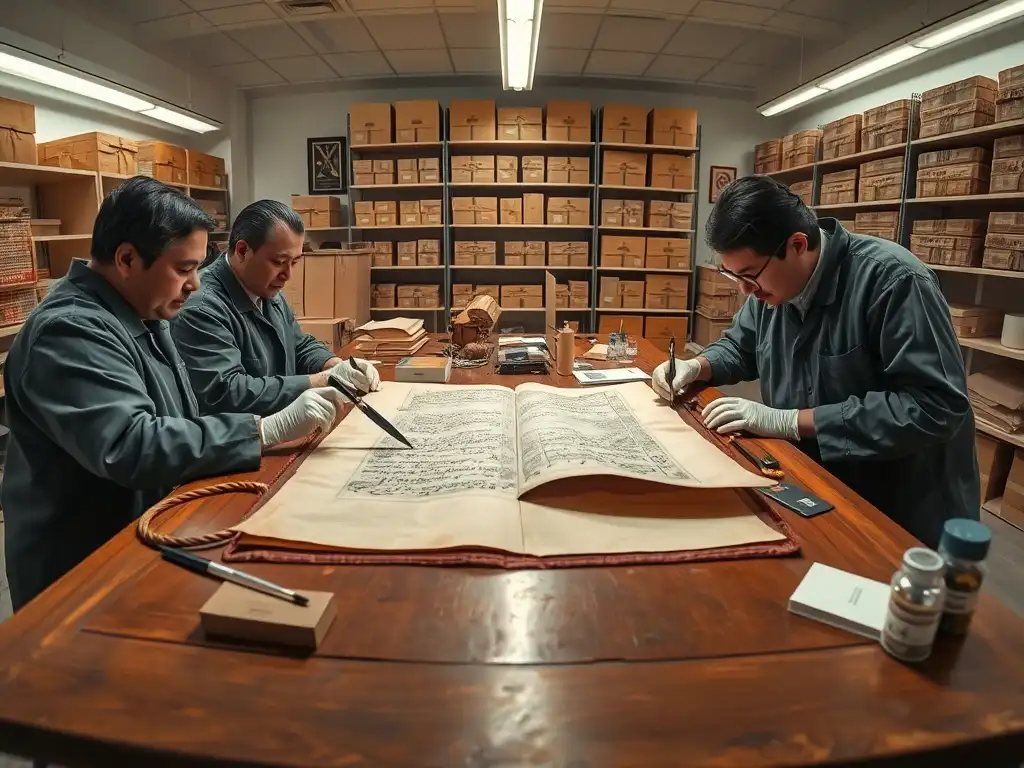
Unravel the mysteries of a lost world. For centuries, the Andean civilizations have captivated imaginations with their breathtaking artistry and advanced engineering. But what secrets do their fragile manuscripts hold? Dive into the fascinating world of Ancient Andean manuscript preservation, a crucial endeavor to safeguard the ink of history and unlock the untold stories of the Incas, Moche, Nazca, and Tiahuanaco. Are we truly ready to decipher their enigmatic legacy? Explore the answers within.
The Andes Mountains, a spine of towering peaks running down the western coast of South America, are not only a breathtaking geological marvel but also the cradle of some of the world's most fascinating ancient civilizations. From the intricate textiles of the Nazca to the sophisticated urban planning of the Inca, these cultures left behind a legacy that continues to captivate and inspire.
A crucial, yet often overlooked, aspect of this legacy is their written records – or rather, the attempts at written records. Unlike many other ancient societies that developed sophisticated writing systems, the Andean civilizations utilized a variety of methods for recording and transmitting information, many of which present unique challenges for preservation.
This article delves into the complexities of preserving these fragile remnants of Andean history, exploring the techniques used, the challenges faced, and the ongoing efforts to safeguard this invaluable cultural heritage for future generations. Understanding the preservation of Ancient Andean manuscripts is crucial to unlocking a deeper understanding of these remarkable societies.
The Fragility of Andean Records: Materials and Methods
Ancient Andean records weren't written on papyrus or parchment like many Old World documents. Instead, they utilized a diverse range of materials, each presenting its own set of preservation challenges. Many records were inscribed on quipus, complex knotted strings used for recording numerical and potentially narrative information.
The materials used for quipus varied, from cotton and llama wool to human hair, all susceptible to deterioration through time and environmental factors. Other records were etched onto ceramic vessels, carved into stone, or painted onto textiles, each demanding different conservation approaches. The lack of a standardized, widely used writing system further complicates the interpretation and preservation of these diverse forms of record-keeping.
The delicate nature of these materials, combined with the often harsh Andean climate, makes their preservation a significant undertaking. For example, fluctuations in temperature and humidity can cause significant damage to organic materials like textiles and quipus, leading to cracking, breakage, and fading of colors.
Challenges in Preservation: Environmental Factors and Human Intervention
Preserving Ancient Andean manuscripts is a constant battle against the elements. The high altitude, fluctuating temperatures, and intense UV radiation in the Andes pose significant threats to the integrity of these artifacts. Humidity, especially, can lead to the growth of mold and fungi, accelerating the decay process. Furthermore, the materials themselves are vulnerable to insect infestation and degradation from natural chemical processes.
Human intervention, though often well-intentioned, can also cause irreparable damage. Improper handling, inadequate storage conditions, and the use of inappropriate cleaning methods can accelerate deterioration. The lack of standardized preservation protocols tailored specifically to Andean materials adds another layer of complexity. Many artifacts have suffered damage from past attempts at conservation before modern techniques and understanding were developed.
Modern Preservation Techniques: A Multifaceted Approach
Modern preservation efforts employ a multifaceted approach combining scientific analysis with traditional techniques. Careful documentation, including detailed photography and digital imaging, is crucial for preserving information even as the artifacts themselves deteriorate. Environmental control, maintaining stable temperature and humidity levels, is paramount in slowing down decay. Specialized cleaning methods, using non-invasive techniques and materials, are employed to remove dirt and debris without causing further damage.
Conservation scientists also utilize advanced techniques like X-ray fluorescence spectroscopy to analyze the materials and identify appropriate preservation strategies. Moreover, ongoing research into the materials and techniques used by ancient Andean cultures informs and improves contemporary preservation methods. The goal is not only to preserve the physical artifacts but also to make them accessible for study and appreciation.
The Role of Museums and Archives: Collaboration and Education
Museums and archives play a pivotal role in the preservation and accessibility of Ancient Andean manuscripts. These institutions are responsible for providing safe storage, employing trained conservators, and conducting research. However, their role extends beyond mere storage; they also serve as centers for education and public outreach. By showcasing these artifacts and sharing knowledge about their significance and preservation, museums and archives help foster a deeper understanding and appreciation of Andean history and culture.
Collaboration between institutions, both nationally and internationally, is essential for sharing best practices, resources, and expertise. This collaborative effort ensures that the knowledge gained from preserving one artifact benefits the preservation of others, promoting a sustainable approach to safeguarding this invaluable cultural heritage for future generations. The ongoing commitment to preservation, research, and education ensures that the ink of history continues to tell its story.
- The Fragility of Andean Records: Materials and Methods
- Challenges in Preservation: Environmental Factors and Human Intervention
- Modern Preservation Techniques: A Multifaceted Approach
- The Role of Museums and Archives: Collaboration and Education
- What challenges does preserving ancient Andean manuscripts present?
- What materials were typically used to create ancient Andean manuscripts?
- How are modern preservation techniques applied to Andean manuscripts?
- Are there any ongoing projects dedicated to the preservation of Andean manuscripts?
- Where can I learn more about the preservation efforts for ancient Andean manuscripts?
Understanding the Significance of Ancient Andean Written Records
Ancient Andean manuscript preservation is crucial for understanding the rich tapestry of Andean civilizations. These documents, though often fragmentary and requiring meticulous study, offer invaluable insights into the social, political, economic, and religious structures of societies that flourished for millennia in the Andes Mountains. They represent a direct connection to the past, allowing us to hear the voices—albeit indirectly—of those who lived centuries ago.
The loss of these fragile records would represent an irreplaceable loss of knowledge, severing a vital link to our collective human heritage. The painstaking work of preservation ensures future generations can continue to learn from and appreciate the ingenuity and complexity of these ancient cultures. Accurate transcription and translation are equally important, as misinterpretations can lead to skewed understandings of the past.
The ongoing research into these manuscripts constantly reveals new layers of understanding, enriching our knowledge of Andean history and challenging previously held assumptions. The study of these documents also provides crucial context for understanding the artwork, architecture, and other material culture of these civilizations. Indeed, the survival of these texts is a testament to the enduring legacy of Andean ingenuity and resilience.
The Importance of Preserving Andean Historical Documents
The preservation of Andean historical documents is paramount for several key reasons. Firstly, these documents provide primary source material for understanding the complexities of Andean societies. Unlike relying solely on archaeological findings or secondary accounts, the manuscripts offer direct insights into the thoughts, beliefs, and daily lives of the people who created them. Secondly, the preservation efforts safeguard cultural heritage.
These documents are not merely historical artifacts; they represent the intellectual and spiritual legacy of entire civilizations. Their destruction would represent a significant loss to global cultural heritage. Thirdly, preserving these documents facilitates ongoing research and scholarship. New techniques and technologies are constantly being developed that allow for more accurate analysis and interpretation of these fragile materials.
By preserving the documents, we ensure future generations of scholars have access to this invaluable resource. Finally, the act of preservation fosters a deeper appreciation and understanding of Andean cultures, promoting cultural respect and cross-cultural dialogue. The meticulous care taken in preserving these documents highlights the enduring value placed on the knowledge and wisdom of past generations.
Diverse Forms of Andean Writing and Record Keeping
Andean civilizations employed diverse methods of recording information, extending beyond the familiar concept of written language as understood in the Western tradition. While the Inca quipus—complex systems of knotted strings—are perhaps the most well-known example, other forms of record-keeping existed.
These include: khipus (a more complex form of quipu, potentially representing a more developed writing system), carved stone inscriptions (found in various locations throughout the Andes), painted ceramics (which often feature iconographic representations of events and beliefs), and textiles (with intricate designs that may encode historical or symbolic information). The interpretation of these diverse forms remains a subject of ongoing research and debate, but their existence highlights the sophistication and adaptability of Andean record-keeping practices.
The diversity of these methods underscores the need for interdisciplinary approaches to preservation and interpretation, involving specialists in archaeology, anthropology, linguistics, and conservation science. The sheer variety of materials used—from fibers to stone to clay—poses unique challenges for preservation, requiring tailored strategies for each type of document.
Challenges in the Conservation of Andean Manuscripts
The conservation of ancient Andean manuscripts presents numerous challenges. The materials themselves are often fragile and susceptible to deterioration due to age, environmental factors (humidity, temperature fluctuations), and previous damage. Many documents are incomplete, fragmented, or severely damaged, requiring painstaking reconstruction and repair. Furthermore, the materials used in their creation—organic materials like cotton and llama wool, for example—are inherently prone to degradation and insect infestation.
The development of appropriate and effective conservation techniques is therefore an ongoing process, requiring careful study of the materials and the environmental conditions that affect them. Another significant challenge lies in the limited number of specialists with the expertise to undertake this delicate work. Training and funding are essential to ensure the long-term preservation of this irreplaceable heritage.
The ethical considerations surrounding the handling and interpretation of these culturally sensitive materials are equally crucial. Respecting cultural protocols and working in close collaboration with indigenous communities are vital aspects of any successful preservation project. The challenges are significant, but the rewards—preserving a vital part of human history—are immeasurable.
Threats to Ancient Andean Manuscript Preservation
The preservation of ancient Andean manuscripts presents unique challenges due to the fragile nature of the materials used and the harsh environmental conditions prevalent in the Andes region. Effective preservation strategies require a deep understanding of these threats, allowing for proactive and targeted conservation efforts. The successful safeguarding of these invaluable historical records depends on mitigating these risks effectively. This section delves into the key threats to the longevity of these irreplaceable artifacts.
Environmental Factors Affecting Andean Document Integrity
The Andes' variable climate significantly impacts the integrity of ancient manuscripts. Fluctuations in temperature and humidity are particularly detrimental. High temperatures accelerate the degradation of organic materials like cotton and llama fiber, common substrates for Andean textiles and codices. Similarly, high humidity fosters the growth of mold and fungi, leading to irreversible damage.
Conversely, low humidity can cause brittleness and cracking in the documents. For example, the drastic temperature swings experienced in high-altitude sites can cause significant stress on the fibers, leading to cracking and weakening over time. Furthermore, exposure to direct sunlight, even for short periods, can cause significant fading and discoloration of inks and pigments used in the manuscripts.
The impact of ultraviolet (UV) radiation is another critical environmental factor. UV radiation degrades the cellulose fibers of the writing material, weakening them and making them prone to tearing. This effect is exacerbated in regions with high solar radiation, typical of many Andean locations. Detailed studies on the specific UV exposure levels in various storage locations are needed for targeted preventative measures. [Specific UV radiation data for Andean storage locations pending]. Understanding the specific microclimates where manuscripts are stored is crucial for developing effective environmental control strategies.
The Impact of Handling on Fragile Historical Records
Improper handling poses a significant threat to the physical integrity of ancient Andean manuscripts. These documents are often incredibly delicate, having endured centuries of exposure to the elements and, in some cases, conflict or neglect. Even seemingly minor handling can cause irreparable damage. The natural deterioration of the materials, often exacerbated by environmental factors, makes these documents extremely vulnerable to physical stress.
For example, the pressure from even gentle folding or bending can cause fibers to break, leading to tears and loss of information. The act of unfolding a tightly rolled manuscript can result in significant damage. Improper support during handling can also lead to creasing and warping. The use of unsuitable gloves or tools during handling can also cause abrasion and transfer of contaminants.
Therefore, rigorous training of all personnel involved in handling these manuscripts is paramount. This training should cover techniques for safe handling, appropriate support materials, and the use of archival-quality gloves and tools. [Specific data on damage caused by improper handling pending]. The development of standardized handling protocols specific to the fragility of different types of Andean manuscripts is crucial for long-term preservation.
Risks from Biological Agents and Infestations
Biological agents, including insects, fungi, and bacteria, represent a significant threat to the preservation of ancient Andean manuscripts. The organic nature of the materials used in these documents makes them a prime target for various pests. Insects, such as silverfish and booklice, feed on the cellulose and starch in the manuscripts, causing significant damage. Fungal growth not only discolors the documents but also weakens the fibers, making them brittle and prone to disintegration. Bacterial contamination can also lead to discoloration and the breakdown of organic materials.
Controlling these biological agents requires a multi-pronged approach. Regular monitoring for infestation is essential, employing various detection methods. Preventive measures, such as maintaining appropriate environmental conditions (low humidity and temperature), are crucial to deter pest infestations. In cases of infestation, targeted treatments must be employed, carefully considering the potential impact on the manuscript's materials.
The use of appropriate insecticides and fungicides, while effective, requires careful selection to avoid causing further damage to the fragile artifacts. [Specific data on the types of biological agents commonly affecting Andean manuscripts pending]. A comprehensive understanding of the specific types of biological threats and their impact on different manuscript materials is essential for developing tailored and effective control strategies.
Techniques for Ancient Andean Manuscript Preservation
This section delves into the specific techniques employed in the crucial task of Ancient Andean manuscript preservation. The fragility of these historical artifacts necessitates a multi-faceted approach, combining traditional preservation methods with cutting-edge technologies. The goal is not merely to prevent further deterioration, but also to enhance accessibility and understanding of these invaluable records of Andean civilizations. Success relies on a nuanced understanding of the materials used, the environmental conditions, and the unique challenges presented by each manuscript type.
Specialized Methods for Conserving Andean Textiles with Writing
Andean textiles often served as important record-keeping devices, with intricate weaving patterns and dyed threads conveying complex information. Their preservation presents unique challenges due to the delicate nature of the fibers (often llama or alpaca wool) and the susceptibility of dyes to fading and degradation. Conservation efforts often begin with careful cleaning, utilizing techniques like low-intensity vacuuming to remove loose debris and surface contaminants.
This is followed by stabilization, which may involve the application of carefully chosen consolidants to strengthen weakened fibers without altering the original material. The choice of consolidant is crucial and depends on the specific textile's composition and condition; some common choices include Paraloid B-72 and Klucel G.
Furthermore, environmental control plays a vital role. Textiles are highly sensitive to fluctuations in temperature and humidity, which can cause dimensional changes and further fiber degradation. Maintaining a stable environment—ideally with controlled temperature and relative humidity—is paramount for long-term preservation. Careful handling and the avoidance of direct sunlight are also essential to prevent further damage. Finally, regular monitoring and documentation of the textile's condition are crucial for tracking its stability and informing future conservation decisions. Detailed records, including photographic documentation and condition reports, are vital for future researchers and conservators.
Archival Approaches to Preserving Andean Khipus
Khipus, the complex knotted-string records of the Inca and other Andean cultures, require specialized archival approaches. Unlike written texts, khipus store information through a system of knots, colors, and string arrangements. Their preservation focuses on minimizing physical stress and preventing further deterioration of the fragile strings. This often involves careful cleaning using soft brushes and the controlled removal of any accumulated dirt or debris. The use of inert archival materials, such as acid-free boxes and supports, is crucial to prevent chemical degradation.
Proper storage is paramount. Khipus should be stored individually in acid-free containers to protect them from light, pollutants, and physical damage. These containers should be kept in climate-controlled environments with stable temperature and humidity levels, minimizing the risk of expansion and contraction that can damage the delicate knots.
Digital recording, including high-resolution photography and 3D scanning, is increasingly used to create accurate records and facilitate further research. This digital preservation strategy ensures that the information encoded in the khipus remains accessible even if the physical artifacts degrade further. The development of standardized methods for documenting and interpreting khipu data is an ongoing area of research, crucial for unlocking the secrets contained within these unique historical records.
Advanced Imaging Techniques for Analyzing Ancient Andean Texts
The analysis of Ancient Andean texts, often written on materials such as llama hide or cotton, requires non-invasive methods to avoid further damage. Advanced imaging techniques play a critical role in both preserving and understanding these fragile documents. Multispectral imaging, for example, uses various wavelengths of light to reveal information hidden to the naked eye. This can reveal faded or obscured text, providing a more complete understanding of the original manuscript. X-ray fluorescence (XRF) spectroscopy can identify the pigments and inks used, offering insights into the materials and techniques employed by ancient Andean scribes.
Furthermore, techniques like infrared (IR) and ultraviolet (UV) imaging can detect alterations, repairs, and underlying layers of writing that may be invisible to the human eye. These non-destructive methods allow researchers to study the texts in detail without causing any further damage. The resulting images can then be digitally archived, creating a permanent record that can be shared and studied by researchers worldwide.
The development and application of these advanced imaging techniques are essential for unlocking the full potential of these invaluable historical records and furthering our understanding of Ancient Andean manuscript preservation and the cultures they represent. The combination of meticulous physical preservation and advanced digital analysis ensures that these unique artifacts will continue to inform and inspire future generations.
The Role of Technology in Andean Manuscript Conservation
The preservation of ancient Andean manuscripts presents unique challenges due to the fragility of the materials used and the harsh environmental conditions they've endured. However, technological advancements have revolutionized our ability to conserve these invaluable historical records, offering solutions for both immediate stabilization and long-term preservation strategies for Ancient Andean manuscript preservation.
These technologies allow for detailed study without causing further damage, facilitating a deeper understanding of Andean civilizations and their rich cultural heritage. The application of technology in this field isn't merely about extending the lifespan of these artifacts; it's about unlocking their secrets and making them accessible to a wider audience.
Digital Archiving for the Long-Term Preservation of Andean Records
Digital archiving is crucial for the long-term preservation of Andean records. High-resolution digital imaging, using techniques like multispectral imaging and infrared photography, captures intricate details often invisible to the naked eye. This creates a detailed digital surrogate of the original manuscript, minimizing the need to handle the fragile physical artifact. Furthermore, this digital record can be easily shared with researchers worldwide, promoting collaborative study and analysis of Ancient Andean manuscript preservation.
The process involves meticulous scanning and image processing to correct for distortions, color imbalances, and other artifacts introduced during the imaging process. Metadata, including information about the manuscript's provenance, material composition, and any known conservation treatments, are meticulously documented and linked to the digital image. This rich metadata ensures the long-term accessibility and understandability of the digital archive, even decades from now.
The use of open-source software and standardized file formats further enhances the longevity and accessibility of these digital resources. This approach ensures that future generations can access and study these invaluable documents, regardless of the physical condition of the original manuscripts.
Utilizing Non-Invasive Analysis for Studying Ancient Inks and Materials
Non-invasive analysis techniques are paramount in understanding the composition of ancient Andean inks and the materials used in manuscript creation. These methods allow researchers to study the artifacts without causing physical damage, preserving their integrity for future generations. Techniques such as X-ray fluorescence (XRF) spectroscopy and Raman spectroscopy provide detailed information about the chemical composition of the inks and pigments, revealing insights into the artistic techniques and materials used by Andean scribes.
For example, XRF can identify the metallic elements present in inks, helping to pinpoint the geographic origin of the materials and potentially trace trade routes. Raman spectroscopy, on the other hand, provides information about the molecular structure of the pigments and dyes, offering clues about the manufacturing processes and the artistic choices made by the creators.
This data is invaluable in understanding the cultural context of the manuscripts and their place within the broader history of Andean civilizations. The combination of these techniques offers a comprehensive understanding of the materials science involved in Ancient Andean manuscript preservation, allowing for more informed conservation strategies.
The Use of 3D Modeling to Reconstruct Damaged Andean Artifacts
Damaged or fragmented Andean manuscripts often benefit immensely from 3D modeling techniques. By using photogrammetry or laser scanning, researchers can create highly accurate 3D models of the artifacts, even those in severely deteriorated condition. These digital models allow for a detailed visual examination of the manuscript's structure, revealing subtle details that might be missed with traditional methods. Furthermore, 3D modeling enables the virtual reconstruction of missing fragments, offering a more complete understanding of the original manuscript.
This is particularly useful when dealing with fragmented manuscripts where pieces are scattered or lost. The 3D model acts as a digital puzzle, allowing researchers to virtually reassemble the fragments and study their relative positions and relationships. This approach, coupled with other non-invasive analysis techniques, provides a powerful tool for reconstructing and interpreting damaged manuscripts, significantly contributing to the field of Ancient Andean manuscript preservation.
The resulting 3D models can also be used for educational purposes, making these historical artifacts more accessible to a wider audience. The ability to virtually "handle" and examine these fragile objects without risking damage is a significant step forward in the preservation and understanding of Andean cultural heritage.
Case Studies in the Preservation of Ancient Andean Manuscripts
This section delves into specific examples of Ancient Andean manuscript preservation, highlighting the challenges and successes encountered in safeguarding these invaluable historical records. The fragility of these materials, coupled with the harsh environmental conditions in which many were found, necessitates highly specialized and often collaborative approaches. Understanding these case studies provides crucial insights into best practices and future strategies for the preservation of this irreplaceable cultural heritage. The keyword "Ancient Andean manuscript preservation" is intrinsically linked to the success and failures detailed below.
The Preservation of the Huarochirí Manuscript: A Collaborative Effort
The Huarochirí manuscript, a 17th-century Quechua text detailing Andean mythology and traditions, stands as a testament to successful collaborative preservation. Its discovery in a relatively stable environment initially mitigated some challenges, but the manuscript's age and the inherent fragility of the material still posed significant risks. The collaborative effort involved experts in various fields: archivists specializing in the handling of fragile documents, conservators experienced in paper restoration techniques, and linguists capable of deciphering the Quechua text.
The process involved meticulous digitalization to create high-resolution images, minimizing the need for repeated physical handling. This digital archive ensures accessibility for researchers while reducing the risk of damage to the original. Furthermore, the physical manuscript underwent a carefully planned and executed conservation treatment, focusing on stabilizing the paper and mitigating further deterioration.
This included techniques like surface cleaning, repairs of tears and losses using archival-quality materials, and the implementation of appropriate environmental controls to maintain a stable temperature and humidity level. The success of this project underscores the importance of interdisciplinary collaboration and a holistic approach to Ancient Andean manuscript preservation. The Huarochirí manuscript's survival serves as a model for future preservation efforts, showcasing how careful planning and collaboration can safeguard these precious historical artifacts.
Overcoming the Effects of Altitude and Humidity on Khipu Preservation
Khipu, complex knotted strings used by the Inca for record-keeping, present unique challenges for preservation due to their sensitivity to environmental factors. The high altitude and fluctuating humidity levels characteristic of many Andean regions significantly impact the khipu's structural integrity. The fibers themselves, often made from llama or alpaca wool, are susceptible to degradation from moisture and pests. Preservation strategies must therefore address these environmental challenges.
One key aspect is the creation of climate-controlled storage environments. These spaces must maintain stable temperature and humidity levels to minimize fluctuations that can cause fiber expansion and contraction, leading to breakage. Furthermore, effective pest control is crucial to prevent insect damage, which can quickly lead to significant losses. Regular monitoring and proactive measures are essential to ensure long-term protection.
[Specific data on ideal temperature and humidity levels for khipu preservation pending]. Ongoing research into the materials and construction techniques of khipu is also crucial for developing more effective preservation strategies. This includes studying the types of fibers used, the knotting techniques employed, and the dyes used to color the strings. This detailed understanding will inform more targeted and effective conservation efforts, contributing to the broader goal of Ancient Andean manuscript preservation.
Lessons Learned from Past Andean Manuscript Preservation Efforts
Past experiences offer invaluable lessons for current and future Ancient Andean manuscript preservation initiatives. Early attempts often lacked the sophisticated techniques and understanding of material science available today, resulting in irreversible damage. For example, the use of inappropriate adhesives or cleaning methods has led to the deterioration of numerous fragile documents. These past failures highlight the need for a cautious and informed approach.
Modern preservation efforts emphasize a preventative approach. This prioritizes creating stable storage environments, implementing proper handling procedures, and minimizing the need for invasive interventions. The development of non-invasive diagnostic techniques, such as multispectral imaging, allows for the assessment of the manuscript's condition without causing further damage.
Furthermore, the emphasis on digital archiving minimizes the risk associated with repeated handling of the original documents. The combination of advanced technology and a deeper understanding of the materials and environmental factors impacting preservation is crucial for long-term success. By learning from past mistakes and embracing innovative techniques, we can ensure the survival of these irreplaceable records of Andean civilization for future generations, furthering the critical field of Ancient Andean manuscript preservation.
The Future of Ancient Andean Manuscript Preservation
The preservation of Ancient Andean manuscripts is not merely a historical endeavor; it's a continuous process demanding innovation and collaboration. The fragility of these irreplaceable documents, often composed of materials susceptible to environmental degradation and human handling, necessitates a proactive approach that combines cutting-edge technology with traditional preservation methods. The future of Ancient Andean manuscript preservation hinges on several key factors, including sustained funding, technological advancements, and the active participation of local communities.
Successfully safeguarding these invaluable historical records requires a holistic strategy that addresses both immediate challenges and long-term sustainability. The longevity of these fragile artifacts depends on our commitment to preserving them for future generations. The ongoing effort to preserve these ancient documents is a testament to the enduring legacy of Andean civilizations and their profound impact on world history.
Collaborative Efforts in Andean Cultural Heritage Preservation
International collaboration is paramount for the effective preservation of Ancient Andean manuscripts. Institutions worldwide, including museums, universities, and research centers, possess unique expertise and resources. By pooling knowledge and sharing best practices, we can achieve significantly better outcomes.
For instance, a collaborative project might involve a South American institution providing access to local experts and original materials, while a North American institution contributes advanced imaging techniques and conservation laboratories. This synergistic approach can significantly improve the efficiency and efficacy of preservation efforts. The exchange of information and expertise is crucial, and successful collaborations often involve joint research projects, workshops, and the development of standardized preservation protocols.
This collaborative model ensures that the most effective techniques are utilized, and that the preservation of these manuscripts benefits from a global perspective. A prime example of this successful collaborative effort could be a joint project between a Peruvian archive and a US-based conservation laboratory focused on the digitalization and preservation of quipu records.
Promoting Public Awareness of the Importance of Andean Document Conservation
Raising public awareness about the significance of Ancient Andean manuscript preservation is crucial for securing long-term support. Educational initiatives targeting both local communities and the international community are essential. These initiatives could include museum exhibitions, documentaries, educational programs in schools, and engaging online resources. By highlighting the historical, cultural, and scientific value of these documents, we can foster a sense of responsibility and encourage broader participation in preservation efforts.
Moreover, engaging local communities in the preservation process can ensure cultural sensitivity and promote a sense of ownership over their heritage. Public awareness campaigns can also showcase the advanced technologies and meticulous techniques used in conservation, underscoring the complexity and importance of this work. [Specific examples of successful public awareness campaigns pending]. The more people understand the value of these manuscripts, the greater the chance of securing the necessary funding and support for their long-term preservation.
Continuing Research in Andean Material Science and Preservation Techniques
Ongoing research into the materials used in Ancient Andean manuscripts and the development of new preservation techniques are vital. The unique composition of these documents, often incorporating organic materials like cotton and llama wool, requires specialized treatment. Research focusing on material science can help us understand the degradation processes and identify the most effective methods for preventing further damage.
This includes investigating the use of new conservation materials and developing non-invasive diagnostic tools for assessing the condition of manuscripts. Furthermore, research into the historical context of manuscript creation and use can inform preservation strategies. For example, understanding the original environmental conditions in which the documents were stored can provide valuable insights for designing appropriate storage environments today.
This interdisciplinary approach, combining material science with historical research, is crucial for ensuring the long-term survival of these irreplaceable documents. [Specific examples of ongoing research projects pending]. The future of Ancient Andean manuscript preservation relies heavily on continued scientific investigation and innovation.
Frequently Asked Questions
What challenges does preserving ancient Andean manuscripts present?
Preserving these fragile documents is difficult due to environmental factors like humidity and temperature fluctuations, as well as biological threats like insects and mold. Deterioration from age and previous handling also poses significant challenges.
What materials were typically used to create ancient Andean manuscripts?
Ancient Andean manuscripts often used materials like camelid fibers (llama or alpaca wool) to create the support, and natural pigments derived from plants and minerals for the ink. These materials are inherently susceptible to degradation.
How are modern preservation techniques applied to Andean manuscripts?
Modern techniques involve controlled environmental conditions (temperature and humidity), conservation-grade storage, and digitization to create accessible digital copies. Careful handling and minimal intervention are also crucial.
Are there any ongoing projects dedicated to the preservation of Andean manuscripts?
Yes, many institutions and researchers are actively involved in conservation and research projects. These projects often focus on cataloging, analyzing, and preserving these invaluable historical records for future generations.
Where can I learn more about the preservation efforts for ancient Andean manuscripts?
You can find more information through academic journals, museum websites, and online databases specializing in Andean archaeology and history. Look for resources focusing on conservation science and Andean cultural heritage.
Final Reflection: The Enduring Legacy of Andean Voices
The preservation of Ancient Andean manuscripts is not merely an academic pursuit; it is a vital act of cultural reclamation, ensuring that the voices and wisdom of past civilizations continue to resonate in the present. The fragility of these irreplaceable documents underscores the urgency of ongoing conservation efforts, a race against time to safeguard a legacy that speaks to our shared human experience.
The impact of these manuscripts extends far beyond the realm of historical scholarship. They offer a profound insight into the sophisticated social structures, intricate belief systems, and rich artistic traditions of Andean cultures. Their survival challenges our understanding of history, forcing us to reconsider Eurocentric narratives and acknowledge the vibrant intellectual and spiritual life that thrived in the Andes long before the arrival of Europeans. The past is never dead. It's not even past.
- William Faulkner. This quote resonates deeply, reminding us that the stories held within these fragile pages continue to shape our understanding of the world and our place within it.
Consider the weight of these ancient words, the stories they tell, the knowledge they hold. You, the reader, now hold a piece of this legacy. Let the urgency of their preservation inspire you to learn more, to advocate for cultural heritage, and to actively participate in the ongoing effort to safeguard these invaluable treasures for future generations. Let the ink of history guide you, not just to understand the past, but to build a more inclusive and informed future.
Unveil the Stories of the Ancients!
Thank you for exploring the rich heritage of ancient Andean manuscripts with us! We hope you were inspired by their fascinating stories and the vital importance of preserving this invaluable history. Now, let's work together to protect our shared cultural legacy.
Here are some ways you can make a difference:
- Support local conservation efforts: Contact organizations dedicated to preserving Andean history and offer your time, skills, or resources. Consider volunteering at a museum or historical society.
- Explore Andean literature: Deepen your understanding of ancient Andean cultures by researching their writings at your local library, online archives, or university libraries. Share your discoveries with others!
- Share your knowledge: Discuss what you've learned with your community. Start a book club, host a presentation, or create a blog to highlight the importance of these historical manuscripts.
What ancient Andean manuscript captivates you most, and how can we best ensure these incredible histories are available for future generations?