
More Than Monuments: Protecting the Andean Cultural Landscape

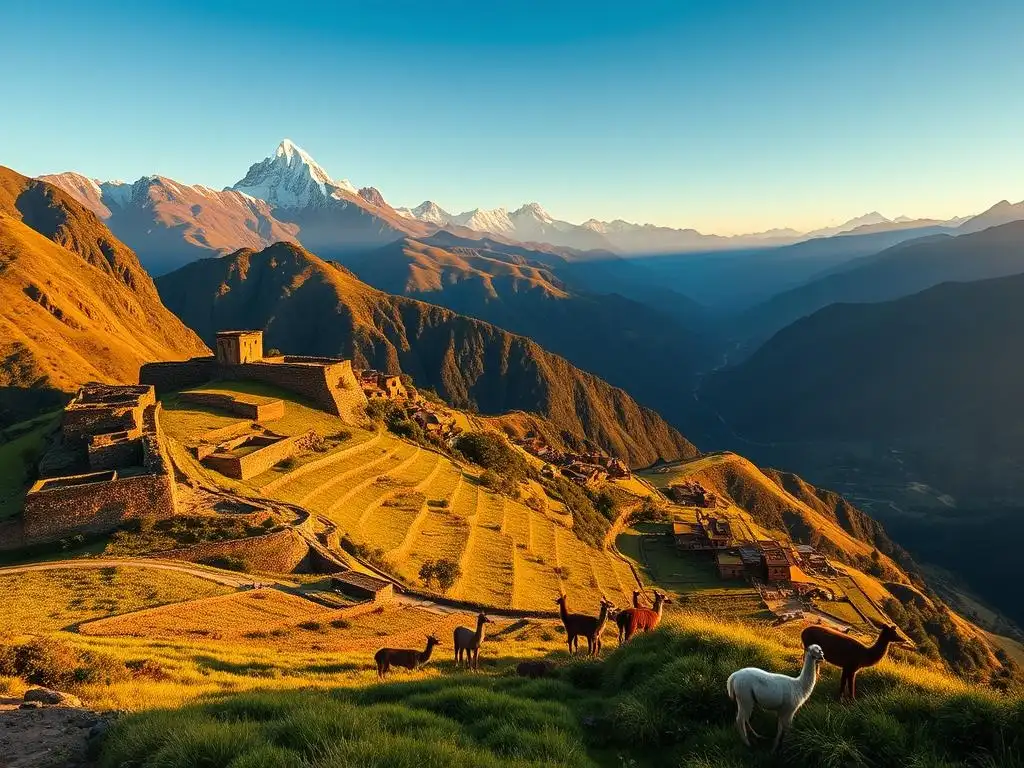
Step into a world lost to time, yet echoing with the vibrant spirit of the Andes. Imagine civilizations that sculpted mountains into masterpieces, built cities that defied gravity, and left behind a legacy so profound it still captivates us today. But the echoes are fading... Discover how the crucial work of Andean cultural heritage preservation is fighting to safeguard this irreplaceable treasure, and uncover the stories behind the monuments in our exploration of the fascinating Andean cultural landscape. Dive in and explore the wonders that await!
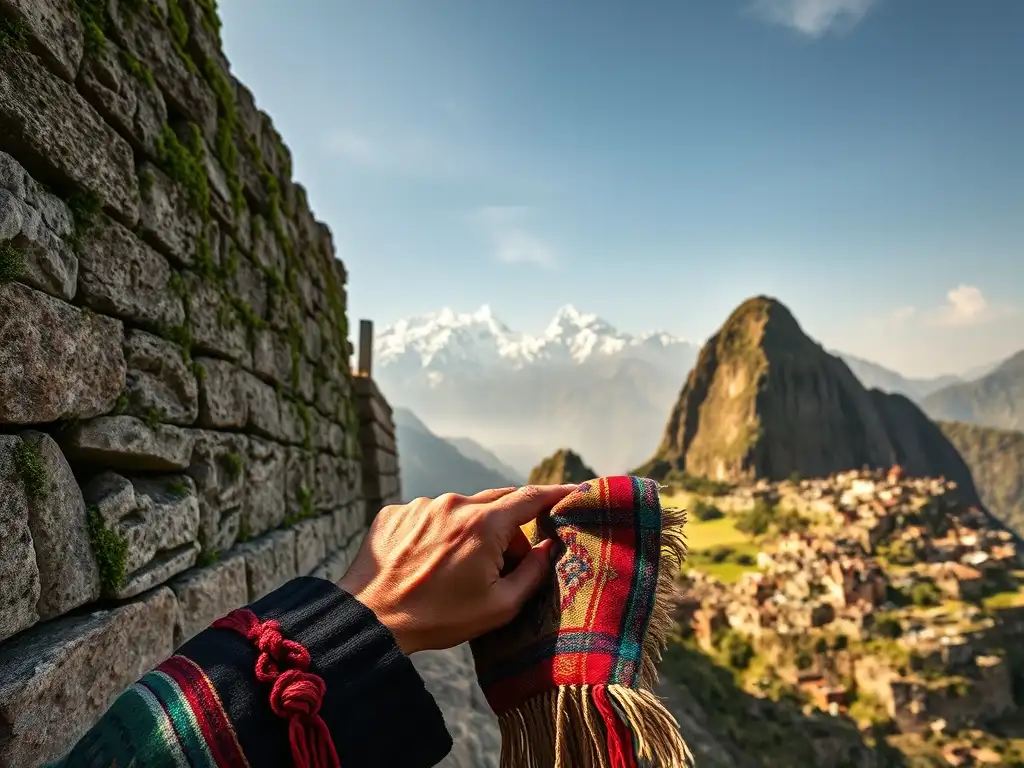
The breathtaking monuments of the Andes—Machu Picchu, the Nazca Lines, the impressive ruins of Tiahuanaco—often capture our imaginations when we think of Andean civilizations. However, the rich tapestry of Andean cultural heritage extends far beyond these iconic structures. It encompasses a vast and complex landscape interwoven with ancient agricultural terraces, intricate irrigation systems, sacred sites, and the intangible heritage of traditions, languages, and knowledge passed down through generations.
Protecting this multifaceted legacy requires a comprehensive approach that goes beyond simply preserving individual monuments and considers the entire cultural landscape. This article explores the crucial aspects of Andean cultural heritage preservation, highlighting the challenges and the ongoing efforts to safeguard this invaluable legacy for future generations.
We will delve into the scope of this heritage, emphasizing its importance and the multifaceted strategies required for its effective preservation. Understanding the interconnectedness of these elements is crucial for developing effective and sustainable preservation strategies focused on Andean cultural heritage preservation.
Understanding the Scope of Andean Cultural Heritage
Andean cultural heritage is incredibly diverse and encompasses a broad spectrum of elements. It's not just about impressive stone structures; it's about the entire environment shaped by millennia of human interaction. Consider the following key aspects:
- Material Culture: This includes the tangible remains of past civilizations, such as:
- Monumental architecture (e.g., Machu Picchu, Sacsayhuamán)
- Ceramics and textiles (reflecting intricate artistry and social structures)
- Agricultural terraces (demonstrating sophisticated engineering and sustainable practices)
- Irrigation systems (evidence of advanced hydraulic technologies)
- Metalwork (gold, silver, and bronze objects showcasing high craftsmanship)
- Intangible Cultural Heritage: This encompasses the living traditions, knowledge, and practices inherited from past generations, including:
- Traditional languages (Quechua, Aymara, and others)
- Oral traditions and storytelling (preserving myths, legends, and historical accounts)
- Traditional music and dance (expressing cultural identity and spirituality)
- Traditional crafts and techniques (passed down through families and communities)
- Traditional medicine and healing practices (based on indigenous knowledge and plant use)
The preservation of Andean cultural heritage necessitates a holistic approach that addresses both material and intangible aspects, recognizing their interconnectedness and mutual dependence. The loss of one inevitably impacts the others, threatening the integrity of the entire cultural system. For example, the erosion of traditional agricultural practices can lead to the deterioration of ancient terraces, while the disappearance of a language can result in the loss of knowledge associated with specific sites or traditions.
The Importance of Andean Cultural Heritage Preservation
Preserving Andean cultural heritage is not merely an academic pursuit; it holds profound significance for several reasons:
- Historical Understanding: The preservation of these sites and traditions allows us to gain a deeper understanding of the complex societies that thrived in the Andes, their achievements, and their interactions with their environment. This knowledge enriches our understanding of human history and cultural diversity.
- Cultural Identity: For many indigenous communities in the Andes, their cultural heritage is intrinsically linked to their identity and sense of belonging. The preservation of their traditions and languages is crucial for maintaining their cultural vitality and resisting the homogenizing forces of globalization.
- Sustainable Development: The sustainable management of Andean cultural heritage can contribute to economic development through tourism and the promotion of traditional crafts. This approach requires careful planning to avoid over-tourism and ensure that local communities benefit from the preservation efforts.
- Scientific Research: Andean sites and artifacts offer valuable opportunities for scientific research in various fields, including archaeology, anthropology, and environmental science. Protecting these sites ensures that future generations of researchers have access to this invaluable resource.
The effective preservation of Andean cultural heritage requires collaboration among governments, local communities, researchers, and international organizations. A multi-faceted strategy encompassing legal protection, sustainable tourism, community participation, and educational initiatives is vital to ensure that this invaluable legacy is safeguarded for future generations. The challenges are considerable, but the rewards of preserving this rich heritage are immeasurable.
- Understanding the Scope of Andean Cultural Heritage
- The Importance of Andean Cultural Heritage Preservation
- Sustainable Tourism and Responsible Heritage Management
- Education and Awareness for Future Generations
- The Ongoing Need for Vigilance and Vigilance and Action
- Ensuring the Long-Term Protection of Andean Cultural Heritage
- Community Engagement and Sustainable Tourism
- Technological Advancements in Preservation
- What is the significance of Andean cultural heritage preservation?
- How is the Andean cultural landscape being threatened?
- What are some examples of successful Andean cultural heritage preservation initiatives?
- How does technology aid in Andean cultural heritage preservation?
- What role can individuals play in protecting Andean cultural heritage?
Challenges to Andean Cultural Heritage Conservation
Protecting the Andean cultural heritage is a complex undertaking, facing numerous interconnected challenges. Effective preservation requires a multifaceted approach that considers the diverse threats to this invaluable legacy. Understanding these challenges is crucial for developing and implementing successful conservation strategies for the region's unique and fragile cultural landscape. The following sections delve into some of the most pressing threats to Andean cultural heritage preservation.
Threats to Andean Archaeological Sites
Andean archaeological sites, often located in remote and challenging terrains, are vulnerable to a variety of threats. Looting and illicit trafficking of artifacts represent a significant ongoing problem. The high value placed on pre-Columbian artifacts on the international market fuels this illegal activity, leading to the irreversible loss of irreplaceable cultural heritage and the destruction of archaeological contexts. Furthermore, the lack of adequate site security and monitoring in many areas exacerbates this issue. Many sites are poorly documented, making it difficult to track losses and to prioritize conservation efforts effectively.
Another major threat is the impact of uncontrolled tourism. While tourism can generate revenue for conservation, poorly managed tourism can cause significant damage to sites through erosion, vandalism, and the disturbance of fragile archaeological features. The lack of visitor management strategies, including limiting access, providing educational materials, and training local guides, often contributes to site degradation.
For example, the delicate Nazca Lines, vulnerable to even foot traffic, require stringent protective measures. Without careful management, the potential for damage is immense. The development of sustainable tourism strategies that prioritize the long-term preservation of these sites is paramount for Andean cultural heritage preservation.
Finally, natural disasters such as earthquakes, landslides, and floods pose a constant threat. Many Andean sites are located in seismically active zones and are susceptible to damage from these events. The combination of these factors necessitates ongoing monitoring and proactive mitigation strategies to protect these invaluable archaeological resources.
The Impact of Climate Change on Andean Cultural Heritage
Climate change significantly impacts Andean cultural heritage. The region is particularly vulnerable to the effects of global warming, including increased frequency and intensity of extreme weather events, glacier melt, and changes in precipitation patterns. These changes pose a direct threat to archaeological sites, many of which are located in high-altitude regions susceptible to erosion and landslides. The melting of glaciers, a crucial water source for many communities, also threatens the integrity of sites dependent on glacial meltwater for preservation.
Furthermore, climate change affects the traditional knowledge and practices associated with Andean cultural heritage. Changes in agricultural patterns and water availability impact the livelihoods of communities who maintain traditional crafts and agricultural practices linked to their cultural heritage. This loss of traditional knowledge poses a serious threat to the long-term sustainability of Andean cultural heritage. The preservation of traditional practices is intimately linked to the physical preservation of sites and artifacts. A holistic approach to Andean cultural heritage preservation must therefore address the impacts of climate change on both the physical and intangible aspects of this heritage.
Socioeconomic Pressures and Cultural Heritage Loss
Socioeconomic pressures significantly contribute to the loss of Andean cultural heritage. Poverty and lack of economic opportunities in many Andean communities often lead to unsustainable practices that damage cultural heritage. For example, the extraction of building materials from archaeological sites, the use of land for agriculture in sensitive areas, and the unsustainable harvesting of natural resources all contribute to site degradation.
Moreover, rapid urbanization and infrastructure development in the Andes often leads to the destruction or displacement of cultural heritage. The construction of roads, dams, and other infrastructure projects can directly damage or destroy archaeological sites without proper mitigation measures. The lack of adequate planning and consultation with local communities often exacerbates this problem.
Balancing economic development with the preservation of cultural heritage requires careful planning and the implementation of effective mitigation strategies. This necessitates collaboration between government agencies, local communities, and international organizations to prioritize sustainable development that respects and protects Andean cultural heritage. The integration of heritage conservation into development plans is crucial for long-term Andean cultural heritage preservation.
Strategies for Andean Cultural Heritage Preservation
This section delves into the multifaceted strategies employed to safeguard the invaluable Andean cultural heritage. Effective preservation necessitates a holistic approach, combining traditional community-based methods with cutting-edge technological advancements. The goal is not merely to protect physical structures but also to ensure the enduring legacy of Andean civilizations for future generations.
This requires a nuanced understanding of the intricate relationship between cultural heritage and the communities that are its custodians. Successful preservation hinges on collaboration, respect, and a commitment to sustainable practices that benefit both the heritage sites and the people who live alongside them. The following subsections explore key strategies in detail.
Community-Based Approaches to Heritage Management
Community involvement is paramount for successful Andean cultural heritage preservation. A top-down approach often fails to consider the nuanced perspectives and needs of local communities, resulting in unsustainable and even damaging initiatives. Instead, empowering local communities to take ownership of their heritage is crucial for long-term protection.
The Role of Local Communities in Protecting Andean Heritage
Local communities possess invaluable traditional knowledge and practices passed down through generations. This knowledge encompasses sustainable resource management techniques, traditional building methods, and a deep understanding of the cultural significance of specific sites. For example, in the Sacred Valley of the Incas, local communities actively participate in the maintenance of Inca trails, utilizing traditional methods to ensure their preservation while also generating sustainable tourism revenue. This approach ensures the long-term viability of both the heritage site and the community's livelihood, fostering a sense of ownership and responsibility.
Integrating this indigenous knowledge with modern conservation practices is key to achieving lasting results in Andean cultural heritage preservation. This participatory approach stands in stark contrast to previous, more exploitative models of heritage management. The shift towards community-led initiatives is essential for ensuring the authenticity and sustainability of preservation efforts.
Empowering Indigenous Voices in Conservation Efforts
Indigenous communities are the rightful guardians of their ancestral heritage. Their voices must be central to all preservation efforts. This requires actively engaging with indigenous leaders and communities to ensure that their perspectives are incorporated into conservation plans. Free, prior, and informed consent (FPIC) is not just a legal requirement but a moral imperative.
Furthermore, providing educational opportunities and supporting community-based tourism initiatives can empower local communities economically, while simultaneously promoting the preservation of their cultural heritage. This fosters a sense of pride and ownership, ensuring the long-term sustainability of conservation efforts. Ignoring indigenous voices risks damaging the very heritage we aim to protect and perpetuates historical injustices. The success of Andean cultural heritage preservation is inextricably linked to the empowerment of indigenous communities.
Technological Solutions for Heritage Preservation
Beyond community engagement, technology plays a crucial role in safeguarding Andean cultural heritage. Modern tools offer innovative ways to monitor, document, and protect sites, combating the effects of climate change, looting, and natural degradation.
Using Remote Sensing for Archaeological Site Monitoring
Remote sensing technologies, such as satellite imagery and aerial photography, provide a non-invasive means of monitoring large areas for changes in archaeological sites. These technologies allow for early detection of threats such as erosion, illegal excavation, and vegetation encroachment. By analyzing changes over time, archaeologists can identify areas requiring immediate attention and develop targeted interventions.
This proactive approach is essential for protecting vulnerable sites and preventing irreversible damage. For example, high-resolution satellite imagery can detect subtle changes in ground level, indicating potential looting activities or the impact of erosion. This allows for rapid response and mitigation efforts, minimizing damage to the Andean cultural heritage.
Digital Documentation and 3D Modeling of Andean Sites
Digital documentation techniques, including 3D modeling and photogrammetry, are revolutionizing the preservation of Andean heritage. These technologies allow for the creation of highly detailed virtual representations of sites, preserving valuable information even if the physical structures are damaged or destroyed. This digital archive provides researchers and future generations with access to a wealth of information about the sites, including their architecture, artifacts, and overall context.
Furthermore, 3D models can be used to create virtual tours, making these sites accessible to a wider audience while simultaneously reducing the impact of tourism on the physical sites themselves. This offers a powerful tool for both preservation and education, ensuring the continued appreciation and understanding of Andean cultural heritage.
The creation of these digital archives is a crucial step in ensuring the long-term preservation of Andean cultural heritage for future generations. The use of digital technology is not simply a supplement but a critical component of comprehensive preservation strategies.
International Collaboration in Andean Heritage Protection
International cooperation is paramount for effective Andean cultural heritage preservation. The sheer scale of the archaeological sites, the diversity of cultures involved, and the challenges posed by climate change and looting necessitate a unified global approach. Successful preservation hinges on sharing resources, expertise, and best practices across national borders.
This collaborative spirit fosters a more comprehensive understanding of the fragile ecosystems and the intricate cultural landscapes that need safeguarding. Furthermore, joint research projects and conservation initiatives can leverage the strengths of different nations and institutions, leading to more sustainable and impactful results. The collective knowledge generated through this collaboration can inform future preservation strategies and contribute to a deeper appreciation of Andean heritage on a global scale.
This collaborative approach also enhances the capacity of local communities to protect their own cultural heritage, empowering them to become active stakeholders in the preservation process. Without international collaboration, many invaluable aspects of Andean cultural heritage would likely be lost or irreparably damaged.
Partnerships with Organizations and Institutions
Effective partnerships are the backbone of international collaboration in Andean heritage protection. These partnerships often involve governmental agencies, non-governmental organizations (NGOs), academic institutions, and international organizations like UNESCO. For example, [Specific example of a partnership between a South American government and a European research institution pending]. These collaborations frequently involve funding for research, conservation projects, and community outreach programs.
The expertise of different organizations is pooled, maximizing the impact of each initiative. NGOs often bring specialized knowledge in community engagement and sustainable development, while academic institutions contribute research and training opportunities. Governmental agencies provide crucial regulatory support and access to resources.
The success of these partnerships hinges on clear communication, shared goals, and mutual respect for the diverse perspectives and priorities of each partner. Transparency and accountability are essential to ensure that resources are used effectively and that the interests of local communities are prioritized. Ultimately, these partnerships are vital for long-term sustainability in the preservation of Andean cultural heritage.
Cross-Cultural Exchange for Best Practices
Cross-cultural exchange plays a vital role in enhancing Andean cultural heritage preservation. Sharing best practices and lessons learned from diverse contexts is crucial for adapting preservation strategies to the specific challenges faced in the Andean region. This exchange can take various forms, including workshops, conferences, and collaborative research projects.
For instance, [Specific example of a cross-cultural exchange program focusing on preservation techniques pending]. These initiatives allow experts from different countries and regions to share their experiences, techniques, and technologies. This exchange helps to identify effective preservation methods, avoid costly mistakes, and adapt successful strategies to new environments.
Moreover, it fosters a sense of shared responsibility and strengthens the global commitment to protecting Andean cultural heritage. By learning from each other, experts and communities can develop more innovative and sustainable preservation strategies, ensuring that the rich legacy of Andean civilizations is protected for future generations. The exchange of knowledge is not merely a technical process; it is a crucial aspect of building trust and collaboration among diverse stakeholders.
Case Studies in Andean Cultural Heritage Preservation
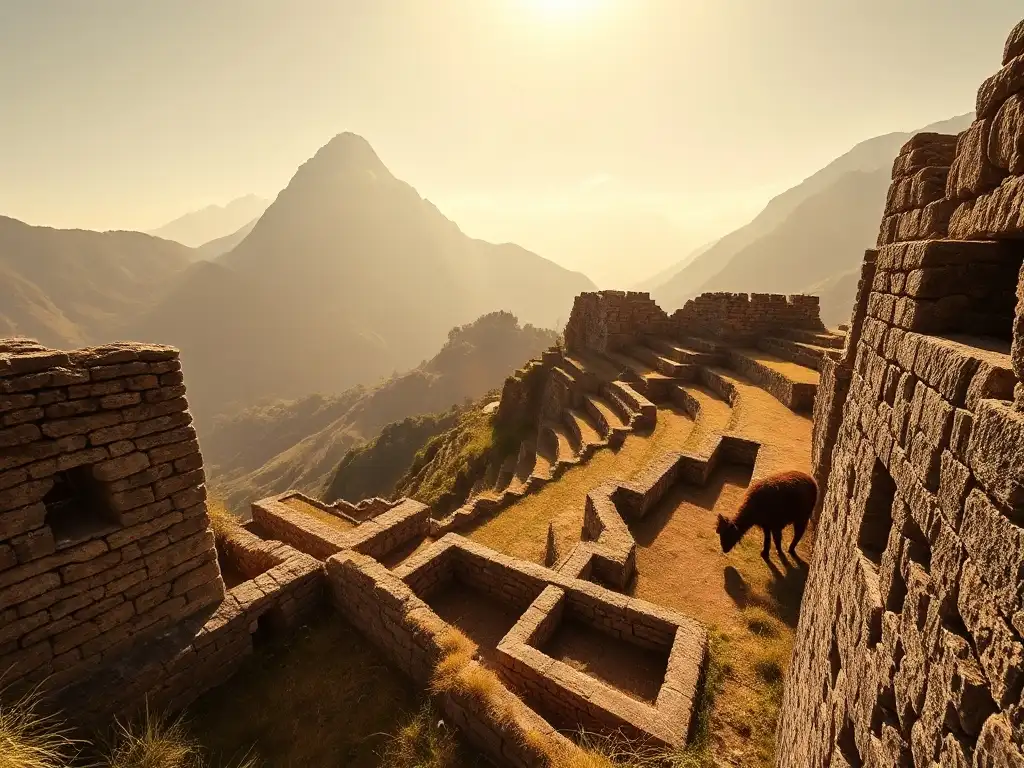
This section delves into specific examples showcasing successful strategies for Andean cultural heritage preservation. These case studies highlight the diverse approaches—from large-scale restoration projects to community-led initiatives—employed to safeguard this invaluable legacy for future generations. Understanding these diverse approaches is crucial for effective Andean cultural heritage preservation. The examples presented demonstrate the importance of integrating scientific methodologies with community participation and sustainable practices.
The Restoration of Machu Picchu's Intihuatana
The Intihuatana, a significant archaeological site within Machu Picchu, exemplifies the complexities of Andean cultural heritage preservation. This sacred stone structure, believed to have been used for astronomical observations, faced significant challenges due to environmental factors and the sheer volume of visitors.
Details of the Project and its Methodology
The restoration project involved a multidisciplinary team of archaeologists, engineers, and conservation specialists. A meticulous, phased approach was implemented. This included:
- Detailed Documentation: High-resolution 3D scanning and photographic documentation were used to create a comprehensive digital record of the Intihuatana's condition before any intervention. This allowed for precise monitoring of changes throughout the restoration process.
- Non-invasive Analysis: Scientists employed non-invasive techniques, such as ground-penetrating radar and spectral imaging, to assess the stone's internal structure and identify areas of weakness without causing further damage.
- Targeted Conservation: Only minimally invasive interventions were applied. Damaged sections were consolidated using traditional Andean techniques combined with modern, biocompatible materials. The goal was to stabilize the structure without obscuring its original features. This meticulous approach prioritized the preservation of the Intihuatana's authenticity.
- Environmental Monitoring: Ongoing monitoring of environmental factors, such as rainfall and temperature, is crucial for preventing future deterioration. This includes the implementation of measures to mitigate the impact of tourism.
Results and Impact on the Community
The restoration project successfully stabilized the Intihuatana, ensuring its long-term preservation. Furthermore, the project generated significant economic benefits for the local community through employment opportunities and increased tourism. The improved accessibility and preservation of the site have enhanced its cultural significance, fostering a stronger sense of local pride and ownership of this invaluable aspect of Andean cultural heritage.
The project also served as a valuable training ground for local professionals in the field of Andean cultural heritage preservation, ensuring the sustainability of conservation efforts in the long term. This successful endeavor serves as a model for future Andean cultural heritage preservation initiatives.
The Q'eswachaka Bridge: A Community-Led Initiative
The Q'eswachaka Bridge, a remarkable Inca-era suspension bridge in Peru, showcases the power of community-led initiatives in Andean cultural heritage preservation. Unlike many large-scale projects, the preservation of this bridge relies on the annual reconstruction by the local community, showcasing the living heritage of Andean traditions.
The Challenges Faced and Overcome
Maintaining the Q'eswachaka Bridge presents unique challenges. The bridge, constructed entirely of traditional materials (ichhu grass), requires annual reconstruction due to the wear and tear from weather and use. This process, however, is not simply a repair; it is a vibrant cultural practice that transmits knowledge and skills across generations. Challenges include:
- Maintaining Traditional Techniques: The continued use of traditional materials and construction methods is crucial for preserving the bridge's authenticity and cultural significance. This requires ongoing training and mentorship of younger generations.
- Balancing Tradition and Modern Needs: The community must balance the preservation of traditional techniques with the need to ensure the bridge's structural integrity and safety for modern use.
- Securing Funding and Resources: While the community primarily drives the reconstruction, securing funding and resources for essential materials remains a challenge. This requires collaboration with government agencies and non-governmental organizations.
Lessons Learned and Replicability
The Q'eswachaka Bridge exemplifies the importance of community participation in Andean cultural heritage preservation. The project demonstrates:
- The Value of Living Heritage: The annual reconstruction is not merely a preservation effort; it is a living tradition that reinforces cultural identity and transmits valuable skills.
- Sustainable Practices: The use of readily available, sustainable materials minimizes environmental impact and ensures the long-term viability of the project.
- Community Ownership: The community's ownership of the project ensures its continued preservation and adaptation to future challenges. This model of community-led preservation, deeply rooted in Andean traditions, offers valuable lessons for the preservation of other aspects of Andean cultural heritage. The success of this initiative highlights the importance of recognizing and supporting community-based approaches to Andean cultural heritage preservation. Its replicable features offer a promising model for sustainable preservation practices.
The Future of Andean Cultural Heritage
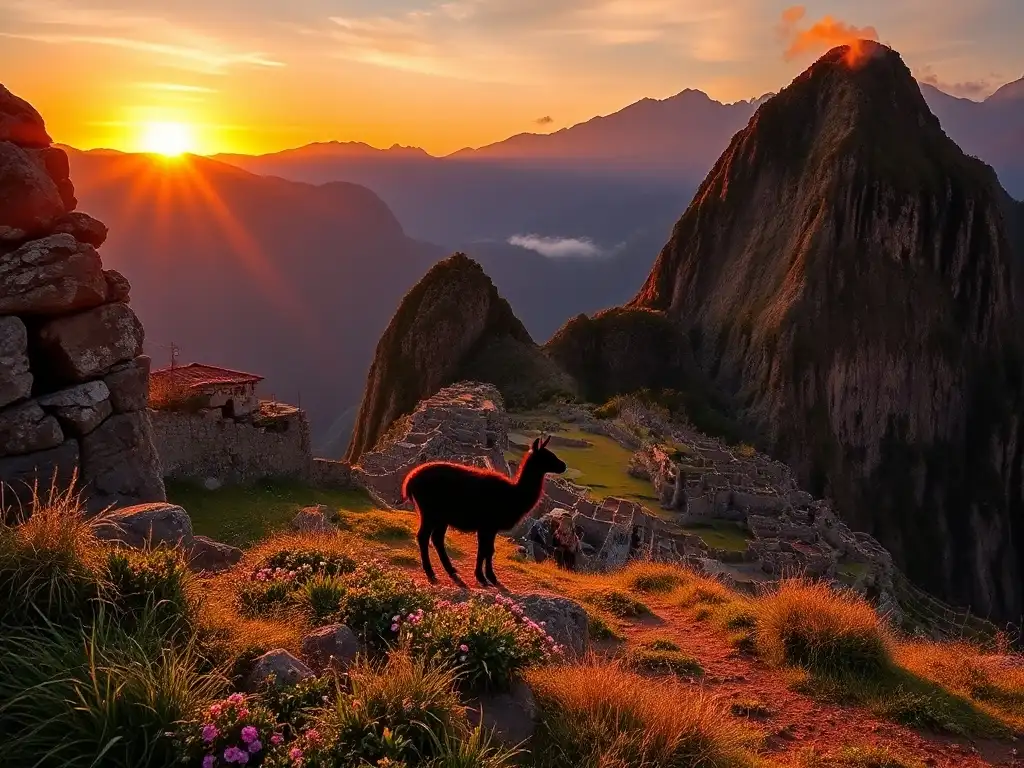
The preservation of Andean cultural heritage is not merely a historical endeavor; it's a dynamic process requiring continuous adaptation and innovation. Successfully safeguarding this invaluable legacy demands a multifaceted approach that considers both immediate challenges and long-term sustainability. The future of Andean cultural heritage hinges on our ability to integrate modern strategies with traditional knowledge, fostering a collaborative effort between local communities, governments, and international organizations.
This necessitates a shift from reactive preservation to proactive, community-driven strategies that ensure the longevity and authenticity of these irreplaceable cultural treasures. The long-term preservation of sites like Machu Picchu, the Nazca Lines, and countless other archaeological marvels depends on this holistic approach to Andean cultural heritage preservation.
Sustainable Tourism and Responsible Heritage Management
Sustainable tourism presents a double-edged sword. While it offers a crucial source of funding for preservation efforts and economic development for local communities, uncontrolled tourism can severely damage delicate archaeological sites and cultural landscapes. Responsible heritage management is paramount.
This requires implementing strict visitor regulations, limiting access to vulnerable areas, and investing in infrastructure that minimizes environmental impact. For example, carrying capacity studies could determine the maximum number of visitors allowed at a site daily, preventing overcrowding and erosion. Furthermore, investing in eco-friendly transportation options and promoting responsible visitor behavior through educational campaigns can significantly mitigate negative impacts.
The success of this model hinges on balancing the economic benefits of tourism with the imperative to protect the integrity of the Andean cultural heritage for future generations. A successful example of this would be the implementation of a reservation system for access to popular sites, ensuring a controlled flow of tourists and preventing damage from overcrowding.
Education and Awareness for Future Generations
Education plays a pivotal role in ensuring the long-term preservation of Andean cultural heritage. Instilling a sense of pride and ownership in local communities is crucial. This can be achieved through educational programs in schools, community workshops, and public awareness campaigns that highlight the significance of Andean cultural heritage and the threats it faces. These initiatives should not only focus on historical facts but also on the cultural significance of these sites within the context of contemporary Andean life.
For instance, teaching children about traditional Andean weaving techniques not only preserves a craft but also fosters a connection to their heritage. Furthermore, integrating indigenous knowledge and perspectives into these educational programs ensures a more authentic and meaningful learning experience. A comprehensive approach would include developing interactive museum exhibits and virtual reality experiences to engage younger audiences and promote a deeper understanding of the Andean cultural heritage preservation efforts.
The Ongoing Need for Vigilance and Vigilance and Action
Despite significant progress, the threats to Andean cultural heritage remain substantial. Looting, illegal trafficking of artifacts, and the impacts of climate change continue to pose serious challenges. Maintaining vigilance and taking proactive measures are essential.
This involves strengthening law enforcement efforts to combat illegal activities, investing in advanced technologies for site monitoring and protection, and developing strategies to mitigate the effects of climate change on vulnerable sites. Moreover, international collaboration is critical. Sharing best practices, resources, and expertise across borders can strengthen preservation efforts and foster a global commitment to protecting this invaluable legacy.
The effective implementation of these measures is vital to guarantee the long-term survival and appreciation of Andean cultural heritage, requiring sustained commitment and collaboration from all stakeholders. Regular assessments and adaptive management plans are needed to ensure that preservation strategies remain relevant and effective in the face of evolving challenges. This ongoing vigilance is a testament to the enduring value of Andean cultural heritage preservation.
Ensuring the Long-Term Protection of Andean Cultural Heritage
Protecting Andean cultural heritage requires a multifaceted, long-term strategy that goes beyond immediate preservation efforts. It necessitates a shift towards proactive, sustainable approaches that integrate community involvement, technological advancements, and robust legal frameworks. This isn't simply about preserving crumbling walls or faded textiles; it's about safeguarding the living legacy of Andean cultures and ensuring their continued relevance in a rapidly changing world. Success hinges on a collaborative effort between governments, local communities, researchers, and international organizations. Each stakeholder plays a crucial role in ensuring the enduring legacy of these remarkable civilizations. For example, community-based tourism initiatives can provide sustainable economic opportunities while simultaneously raising awareness and fostering respect for cultural heritage sites.
This approach empowers local communities to become active participants in the preservation process, fostering a sense of ownership and responsibility. Furthermore, the integration of modern technology, such as 3D scanning and digital archiving, allows for the creation of detailed records and virtual reconstructions of sites, mitigating the risks associated with deterioration and damage. These digital archives provide invaluable resources for research, education, and future restoration efforts. Finally, strong legal frameworks are essential to combat looting, illegal trafficking, and other threats to Andean cultural heritage. These laws must be effectively enforced, coupled with international cooperation to prevent the illicit movement of artifacts.
The long-term protection of Andean cultural heritage is a shared responsibility, demanding a commitment to collaboration, innovation, and sustainable practices for generations to come. Failing to implement such a comprehensive strategy risks the irreversible loss of invaluable knowledge and cultural identity. The preservation of this heritage is not merely an academic pursuit; it is a vital aspect of maintaining cultural diversity and understanding our shared human history. Investing in the future of Andean cultural heritage is an investment in the future of humanity itself. Careful planning and the implementation of rigorous preservation strategies will ensure that future generations have the opportunity to appreciate and learn from the incredible achievements of the Andean civilizations.
Community Engagement and Sustainable Tourism
The active participation of local communities is paramount to the success of any long-term Andean cultural heritage preservation initiative. Their intimate knowledge of the sites, traditions, and stories associated with these places is invaluable. Empowering communities through sustainable tourism initiatives not only provides economic benefits but also fosters a sense of ownership and pride in their heritage. For instance, successful models exist where communities manage and benefit directly from tourism at archaeological sites, ensuring that profits are reinvested in the preservation and maintenance of these locations.
This creates a powerful incentive for locals to actively protect their cultural heritage, combating issues like vandalism and looting. Furthermore, community engagement extends beyond tourism. Traditional knowledge holders, often elders within the community, possess invaluable insights into the significance of specific sites, artifacts, and practices. Their expertise should be incorporated into preservation strategies, ensuring that the interpretation and presentation of cultural heritage reflect the authentic perspectives and narratives of those most closely connected to it.
This approach avoids the pitfalls of imposed narratives and ensures a respectful and accurate representation of Andean history and culture. In essence, a collaborative approach, which prioritizes the voices and involvement of Andean communities, is crucial for creating truly sustainable and meaningful preservation strategies. Ignoring this vital component risks perpetuating a colonial approach to cultural heritage management, undermining the very essence of what is being preserved. A successful model must empower local communities to be the custodians of their own heritage.
Technological Advancements in Preservation
Modern technology plays an increasingly important role in Andean cultural heritage preservation. Techniques like 3D laser scanning, photogrammetry, and ground-penetrating radar allow for the creation of highly detailed digital models of sites, even those inaccessible or in a state of disrepair. These digital archives serve as invaluable resources for researchers, allowing for meticulous study without causing further damage to fragile artifacts or sites. Moreover, these digital records act as a safeguard against loss due to natural disasters, looting, or the ravages of time.
The creation of virtual museums and online exhibitions using this technology expands access to Andean cultural heritage for a global audience, promoting understanding and appreciation beyond geographical limitations. Furthermore, advanced materials science is being applied to the conservation of artifacts. Scientists are developing innovative techniques for stabilizing deteriorating materials, preventing further decay, and even repairing damaged objects. This includes the use of advanced adhesives, protective coatings, and environmentally friendly cleaning methods.
The use of drones equipped with high-resolution cameras offers a non-invasive way to survey and monitor large archaeological sites, identifying areas requiring immediate attention or revealing previously unknown features. This technology is particularly useful in remote or difficult-to-access locations. The integration of these technological advancements into preservation strategies is not only improving the efficiency and effectiveness of conservation efforts but also ensuring the long-term survival of invaluable Andean cultural heritage for future generations.
Frequently Asked Questions
What is the significance of Andean cultural heritage preservation?
Preserving Andean heritage is crucial for understanding human history and cultural diversity. It safeguards unique traditions, knowledge systems, and artistic expressions for future generations, contributing to global cultural richness.
How is the Andean cultural landscape being threatened?
Threats include climate change, unsustainable tourism, illegal looting, and urban expansion. These factors damage archaeological sites, degrade ecosystems, and erode traditional ways of life.
What are some examples of successful Andean cultural heritage preservation initiatives?
Successful initiatives include community-based tourism projects, archaeological site management plans, and the development of cultural centers. These efforts involve local communities in preservation, promoting sustainable development.
How does technology aid in Andean cultural heritage preservation?
Technology plays a vital role, from 3D modeling of sites for documentation and restoration to using GIS mapping for land management. Digital archiving also ensures the preservation of intangible cultural heritage.
What role can individuals play in protecting Andean cultural heritage?
Individuals can support sustainable tourism, respect archaeological sites, and learn about the importance of cultural diversity. Supporting organizations dedicated to preservation also makes a significant impact.
Final Reflection: Weaving a Future for the Andean Tapestry
The urgent need to protect the Andean cultural landscape is not merely an academic pursuit; it is a fight for the survival of a unique and irreplaceable heritage. The interconnectedness of its archaeological sites, traditional practices, and vibrant communities forms a living testament to human resilience and ingenuity, a legacy we risk losing if we fail to act decisively. The degradation of this landscape, through climate change, unsustainable tourism, and economic pressures, threatens to unravel the very fabric of Andean identity.
The profound impact of Andean culture extends far beyond its geographical boundaries, enriching global perspectives on art, agriculture, and societal organization. Its influence resonates in contemporary art, culinary traditions, and even our understanding of sustainable living.
>“The mountains are not just stone, but the bones of our ancestors, the veins of our history.” This sentiment, though perhaps not directly quoted, encapsulates the deep spiritual and ancestral connection that Andean communities hold with their environment, a connection we must strive to understand and respect. The ongoing struggle to balance preservation with the needs of modern communities highlights the complex challenges inherent in safeguarding this precious heritage.
Consider the threads that make up this rich tapestry: the intricate designs of pre-Columbian textiles, the ancient agricultural terraces clinging to steep slopes, the vibrant traditions of music and dance. Each thread, seemingly insignificant on its own, contributes to the overall beauty and strength of the whole. You, the reader, hold the power to strengthen these threads.
By supporting sustainable tourism initiatives, advocating for responsible development, and amplifying the voices of Andean communities, you can help ensure that this remarkable cultural landscape continues to thrive for generations to come. Let us work together to weave a future where the Andean heritage not only survives, but flourishes.
Embrace and Protect the Andean Heritage!
Thank you for exploring the vital role of the Andean cultural landscape. Your interest brings us closer to preserving the rich history and heritage of the Andes for future generations. Let's work together to ensure these treasures are celebrated and protected!
Here's how you can make a difference:
- Join a community, either online or in your local area, that advocates for Andean culture—share your passion and knowledge!
- Participate in or organize cultural events showcasing Andean traditions, music, and crafts.
- Support organizations dedicated to protecting Andean heritage through donations or volunteering.
What unique Andean experiences or traditions have inspired you? Share your thoughts with us!