
A Race Against Time: Preserving Andean Rock Art from Erosion

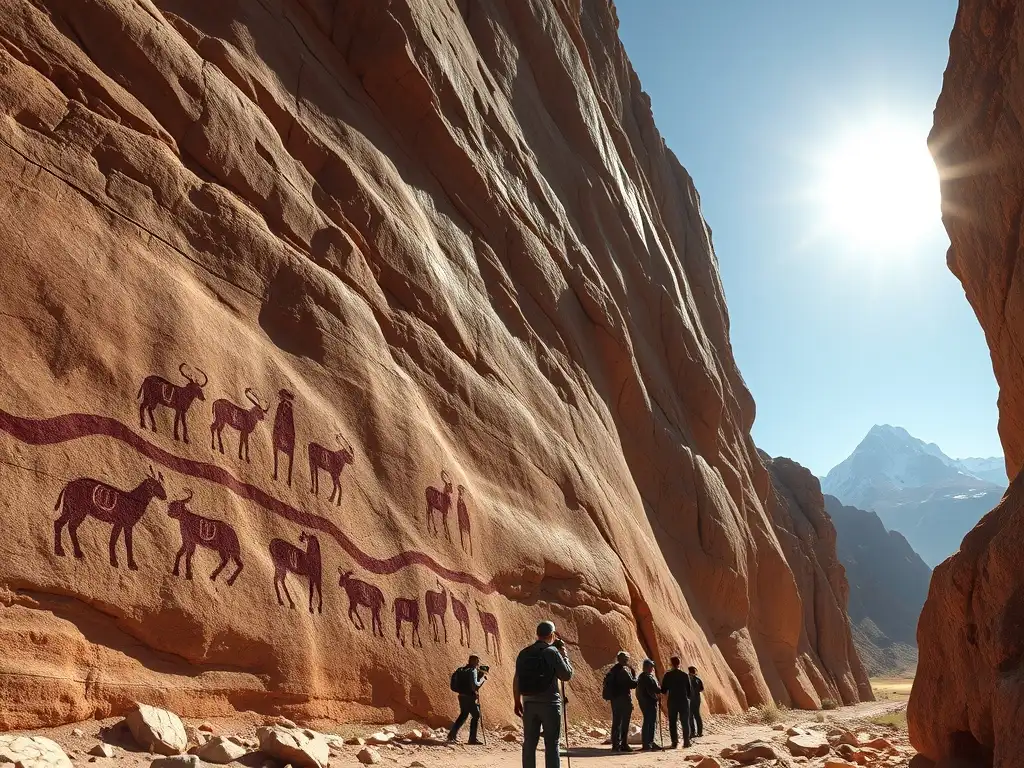
Step into a world lost to time, yet whispering secrets through the ages. Imagine vast empires carved into the Andes Mountains, their stories etched not just in stone, but in vibrant rock art. But time, and the elements, are erasing this invaluable legacy. Discover the critical mission to preserve Andean rock art before it's lost forever – a race against time that demands our attention. Learn more about the challenges and triumphs in "A Race Against Time: Preserving Andean Rock Art from Erosion," and delve into the breathtaking legacy of Andean civilizations.
The breathtaking landscapes of the Andes Mountains hold a treasure trove of human history: ancient rock art. These petroglyphs and pictographs, etched and painted onto rock surfaces across vast stretches of South America, offer invaluable insights into the lives, beliefs, and artistic expressions of Andean civilizations, including the Incas, Moche, Nazca, and Tiahuanaco. From intricate geometric patterns to vibrant depictions of animals and human figures, this ancient art provides a unique window into a rich and complex past.
However, the passage of time, coupled with environmental factors and human activity, poses a significant threat to the preservation of this irreplaceable cultural heritage. This article delves into the challenges of Andean rock art preservation, exploring the various threats and highlighting the crucial efforts underway to safeguard this fragile legacy for future generations. Understanding the urgency of these preservation efforts is paramount to ensuring that the stories etched into these ancient rocks continue to resonate for centuries to come.
The preservation of Andean rock art is not merely about saving artifacts; it's about safeguarding a vital part of human history and cultural identity, crucial for understanding the development of Andean societies and their relationship with their environment. We will explore the specific threats and the innovative solutions being implemented to protect this invaluable heritage.
The Fragile Legacy: Understanding Andean Rock Art
Andean rock art encompasses a vast array of styles and techniques, reflecting the diverse cultures and time periods across the Andean region. Petroglyphs, created by carving or pecking into rock surfaces, often feature geometric designs, stylized figures, and representations of animals significant to the respective cultures. Pictographs, on the other hand, involve the application of pigments—often natural minerals—directly onto rock surfaces, resulting in vivid and sometimes complex compositions.
The materials used, the techniques employed, and the locations chosen all contribute to the unique character of each site. For instance, the arid climate of certain regions has played a crucial role in the preservation of some pictographs, while others, located in more exposed areas, face significant challenges from weathering and erosion. The sheer diversity of styles and techniques found across different Andean sites underscores the rich artistic traditions and the enduring significance of rock art as a historical record.
Understanding this diversity is crucial for targeted conservation efforts. Many sites remain undocumented or poorly understood, highlighting the need for continued research and systematic surveys to fully appreciate the extent of this fragile heritage. The study of Andean rock art goes beyond simple aesthetics; it provides crucial contextual information for understanding societal structures, religious beliefs, and the daily life of ancient Andean communities.
Threats to Andean Petroglyphs: The Erosion Challenge
The primary threat to Andean rock art is undoubtedly erosion. Natural processes, such as wind, rain, and temperature fluctuations, gradually wear away at the rock surfaces, causing the delicate petroglyphs and pictographs to fade or disappear completely. In high-altitude regions, freeze-thaw cycles contribute significantly to this degradation. Furthermore, human activities, such as grazing, agriculture, and even tourism, can accelerate the erosion process.
The impact of these activities varies depending on the specific site and the intensity of human interaction. For example, foot traffic near frequently visited sites can lead to compaction of the soil, increasing runoff and accelerating erosion around the rock art. Additionally, the use of inappropriate cleaning methods or poorly planned conservation interventions can further damage the fragile surfaces. Quantifying the precise rate of erosion for each site is a complex task, often requiring specialized techniques and long-term monitoring programs.
However, the visible deterioration of many sites underscores the urgency of implementing effective preservation strategies. The challenge lies in finding a balance between providing access to these important cultural sites and mitigating the negative impacts of human interaction. Innovative solutions, combining scientific understanding with community involvement, are crucial for addressing this complex issue. 💔 The loss of these ancient artworks would be an irreparable loss to our collective cultural heritage.
- The Fragile Legacy: Understanding Andean Rock Art
- Threats to Andean Petroglyphs: The Erosion Challenge
Natural Factors Contributing to Andean Rock Art Degradation
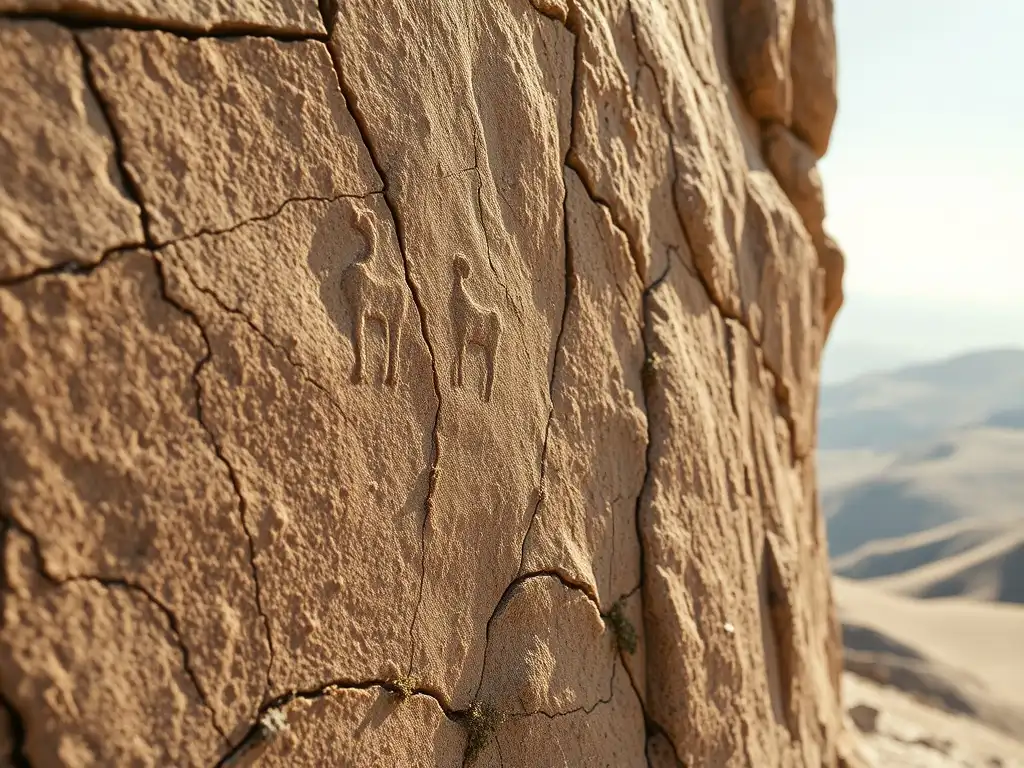
The breathtaking artistry of Andean rock art, a testament to the ingenuity and spiritual beliefs of ancient civilizations, faces a relentless battle against the forces of nature. Understanding the specific environmental challenges is crucial for developing effective preservation strategies for this invaluable cultural heritage. This section will explore the major natural factors contributing to the degradation of Andean rock art, focusing on the pervasive impacts of climate change, water erosion, and wind erosion. Effective Andean rock art preservation hinges on acknowledging and mitigating these threats.
Climate Change and its Impact on Ancient Sites
Climate change significantly exacerbates the degradation of Andean rock art. Increased frequency and intensity of extreme weather events, such as torrential rains and prolonged droughts, directly impact the rock surfaces where the art is located. The fluctuating temperatures cause thermal stress, leading to expansion and contraction of the rock, which can cause flaking and detachment of the painted surfaces. Furthermore, the increased frequency of freeze-thaw cycles in high-altitude regions further contributes to the physical deterioration of the rock itself, compromising the integrity of the artwork.
For example, in the high-altitude regions of the Andes, where many significant rock art sites are located, the melting of glaciers and permafrost due to rising temperatures is altering the hydrological patterns. This leads to increased runoff and soil erosion, which can directly damage rock art panels located near slopes or riverbeds. The changes in precipitation patterns also influence the growth of vegetation, which can contribute to both biological and chemical deterioration of the rock art through root intrusion and the release of organic acids.
The precise quantification of these effects requires further research, particularly concerning the specific types of pigments used and their susceptibility to different climatic conditions. [Specific data on pigment degradation rates pending].
Water Erosion: A Major Threat to Rock Art Panels
Water erosion, in its various forms, poses a significant threat to the long-term preservation of Andean rock art. Runoff from rainfall, melting snow, and even dew can carry sediment and dissolved minerals that gradually erode the rock surface, obscuring or completely destroying the artwork. The severity of water erosion is influenced by factors such as the rock type, the slope of the terrain, and the intensity and frequency of rainfall.
Furthermore, the presence of cracks and fissures in the rock provides pathways for water to penetrate deeper into the rock matrix, causing further damage through freeze-thaw cycles and salt weathering. In some cases, water erosion can lead to the formation of gullies and ravines, which can completely destroy sections of rock art panels. Effective water management strategies, such as the construction of drainage systems and the stabilization of slopes, are crucial for mitigating the impact of water erosion on Andean rock art.
Detailed studies on the specific hydrological processes affecting different sites are needed to tailor preservation efforts effectively. [Data on specific erosion rates for different rock types in the Andes pending].
Wind Erosion: The Silent Destroyer of Cultural Heritage
While often less visually dramatic than water erosion, wind erosion represents a significant, long-term threat to the preservation of Andean rock art. The constant abrasion of wind-borne particles, such as sand and dust, gradually wears away the rock surface, causing a gradual but persistent loss of detail in the artwork. This process is particularly damaging to areas with softer rock types or where the pigments are already weakened by other factors.
The impact of wind erosion is often amplified in arid and semi-arid regions of the Andes, where vegetation cover is sparse, leaving the rock art exposed to the full force of the wind. Moreover, the presence of strong winds can also contribute to the mechanical damage of the rock surface, causing flaking and detachment of the painted layers. The implementation of protective barriers, such as windbreaks or shelters, could significantly reduce the impact of wind erosion, but careful consideration must be given to the aesthetic impact and the potential for these structures to interfere with the natural environment.
[Detailed studies on the effectiveness of different wind erosion mitigation techniques in Andean contexts pending]. 💨
Geological Instability and Rock Art Deterioration
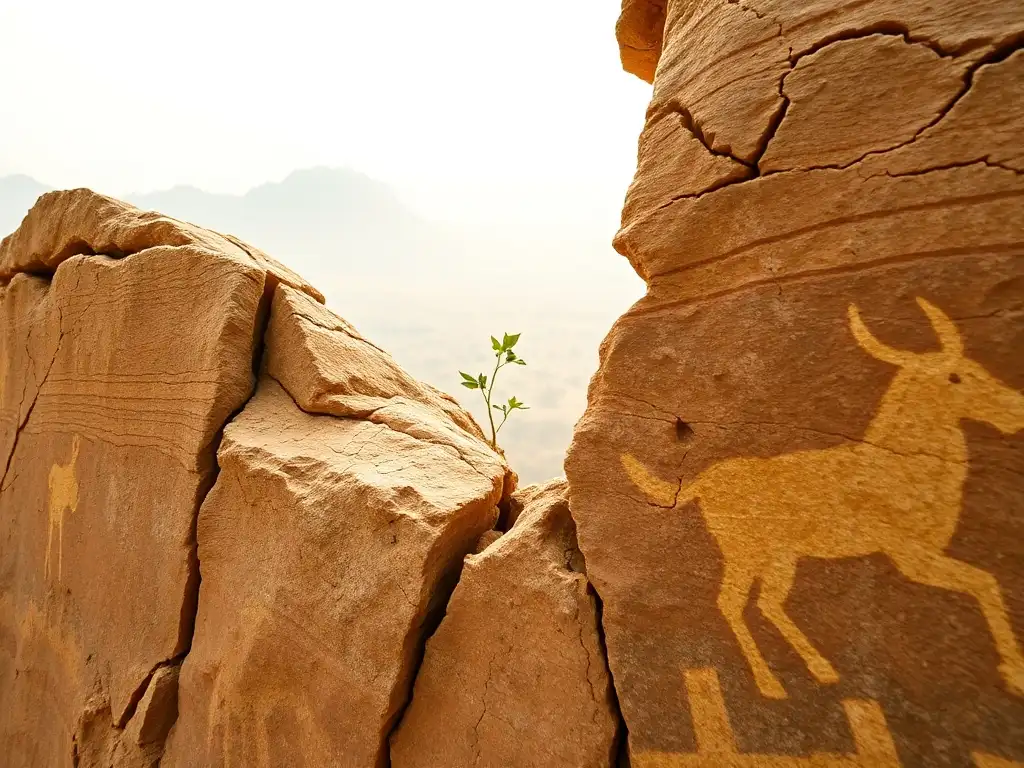
Geological instability poses a significant threat to the long-term preservation of Andean rock art. The Andes Mountains are a geologically active region, subject to earthquakes, landslides, and erosion. These events can directly damage rock art panels, causing fracturing, detachment of painted surfaces, and complete destruction of artwork. The severity of the damage depends on several factors, including the intensity of the geological event, the type of rock substrate (some are more resistant to weathering than others), and the location and orientation of the rock art panel. For instance, rock art situated on steep slopes is far more vulnerable to landslides than panels located on stable, flat surfaces.
Furthermore, the very process of weathering, accelerated by geological activity, can lead to gradual disintegration of the rock itself, compromising the integrity of the artwork. This is particularly relevant in areas with frequent freeze-thaw cycles, where water seeps into cracks, expands upon freezing, and weakens the rock structure over time. This slow, insidious erosion can be just as damaging in the long run as a sudden catastrophic event. Effective preservation strategies must therefore incorporate geological risk assessments to identify vulnerable sites and implement appropriate mitigation measures, such as stabilization of unstable slopes or the construction of protective shelters. The lack of comprehensive geological surveys in many areas hampers effective preservation planning; detailed studies are crucial for prioritizing conservation efforts and focusing resources on the most at-risk sites.
Understanding the specific geological context of each rock art site is paramount for implementing successful long-term preservation strategies. Careful monitoring of geological activity, combined with proactive conservation techniques, is essential for safeguarding this invaluable cultural heritage. The challenge lies in balancing the need for preservation with the realities of a dynamic geological environment. We need a better understanding of how different rock types respond to geological events and implement tailored preservation methods. This necessitates collaboration between archaeologists, geologists, and engineers.
Water Erosion and its Impact on Andean Rock Art
Water erosion, in its various forms, presents a constant and pervasive threat to Andean rock art. Rainfall, runoff, and even dew can gradually wear away the painted surfaces, causing pigment loss and fading. The intensity of this erosion depends on factors such as rainfall patterns, the porosity and permeability of the rock, and the type of pigments used. Areas with high rainfall and steep slopes are particularly vulnerable, as runoff can carry away significant amounts of pigment.
Furthermore, the chemical composition of rainwater can contribute to the deterioration of the pigments themselves, leading to chemical weathering and fading. This is especially true in areas with acidic rainfall. The impact of water erosion can be exacerbated by human activity, such as deforestation or improper drainage systems, which can increase runoff and accelerate the erosion process. For example, the construction of roads or trails near rock art sites can alter drainage patterns, leading to increased water flow and erosion.
The use of inappropriate cleaning methods can also damage the delicate painted surfaces, further exacerbating water erosion. Effective preservation strategies must therefore focus on minimizing water contact with the rock art, through measures such as the construction of protective shelters, the implementation of appropriate drainage systems, and the use of controlled cleaning techniques. Careful monitoring of water flow and erosion patterns is also crucial for assessing the effectiveness of these strategies. The preservation of Andean rock art requires a holistic approach that considers both natural and human-induced factors contributing to water erosion.
Human Impact on Andean Rock Art Sites
The remarkable legacy of Andean rock art, a vibrant tapestry woven across millennia, faces a relentless adversary: human impact. While natural erosion plays a role, the actions of humankind significantly accelerate the deterioration of these invaluable cultural treasures. Understanding the specific threats allows for the development of more effective Andean rock art preservation strategies. This section will explore three key areas of human-induced damage: vandalism, uncontrolled tourism, and the encroachment of industrial activities.
Vandalism and Intentional Damage to Petroglyphs
Vandalism represents a direct and often irreversible threat to Andean rock art. Intentional damage, ranging from graffiti and carving new markings over existing petroglyphs to outright destruction, significantly diminishes the historical and artistic integrity of these sites. The motivations behind such acts vary, from mindless acts of defacement to attempts at "improving" or "modernizing" ancient art.
For example, reports from the Colca Canyon region in Peru detail instances where modern graffiti has been superimposed directly onto ancient Inca petroglyphs, obscuring crucial details and context. This type of damage not only diminishes the aesthetic value but also destroys invaluable information about the cultural practices and beliefs of past Andean civilizations. Effective Andean rock art preservation requires robust security measures, including regular monitoring, improved surveillance, and public awareness campaigns emphasizing the importance of respecting these fragile heritage sites.
The scale of this problem is difficult to quantify precisely, as many instances of vandalism go unreported or unnoticed, highlighting the urgent need for comprehensive documentation and monitoring programs. Furthermore, the restoration of vandalized petroglyphs is often incredibly complex and costly, and in many cases, impossible.
Uncontrolled Tourism and Site Degradation
The growing popularity of Andean archaeological sites, while beneficial for promoting awareness and economic development, also presents significant challenges to Andean rock art preservation. Uncontrolled tourism contributes to physical deterioration through trampling vegetation, soil erosion, and the accidental or intentional damage of rock art itself. The sheer volume of visitors at popular sites can overwhelm fragile ecosystems and accelerate the natural processes of weathering and erosion.
Consider the case of the Nazca Lines: the immense popularity of these geoglyphs has led to increased pressure on surrounding areas, resulting in soil compaction and damage to the delicate surface features. Implementing sustainable tourism practices, such as regulated access, designated pathways, and informative signage, is crucial to mitigate the negative impacts. Furthermore, educating tourists about the fragility of the sites and the importance of responsible behavior is paramount for long-term preservation.
The development of eco-tourism initiatives that benefit local communities while protecting the environment is a key component of a comprehensive Andean rock art preservation strategy. Data on visitor numbers and their impact on specific sites are vital for developing effective management plans.
Mining and Construction Activities Near Rock Art Locations
Mining and construction activities pose a severe and often overlooked threat to Andean rock art preservation. These industrial processes can cause direct damage through physical destruction, vibration damage, and air and water pollution. The extraction of resources, particularly in areas containing rock art, can lead to the irreversible loss of valuable cultural heritage.
For instance, the construction of roads and infrastructure near rock art sites often results in soil erosion, increased runoff, and the destruction of surrounding vegetation that protects the rock surfaces. Air pollution from mining operations can also contribute to the chemical weathering of petroglyphs, accelerating their deterioration. Stringent environmental impact assessments are essential before any development projects are undertaken near rock art locations.
Furthermore, implementing mitigation measures, such as buffer zones and specialized construction techniques, can help minimize the negative impacts. The lack of comprehensive data on the impact of mining and construction on specific Andean rock art sites underscores the need for further research and monitoring. A proactive approach that integrates environmental protection with economic development is essential for achieving sustainable Andean rock art preservation.
Strategies for Andean Rock Art Preservation
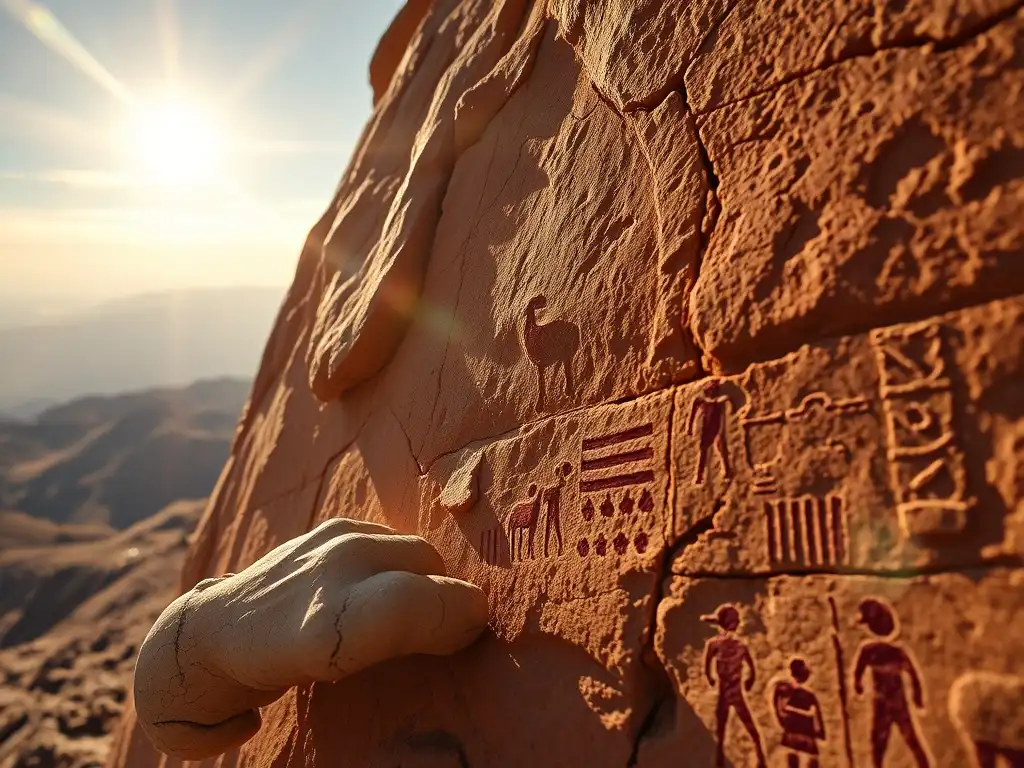
The preservation of Andean rock art, a vital component of the region's cultural heritage, faces numerous challenges, primarily from the relentless forces of erosion. Effective preservation requires a multifaceted approach, combining advanced documentation techniques with proactive conservation strategies. This section outlines key strategies crucial for safeguarding this irreplaceable legacy for future generations.
Successful Andean rock art preservation hinges on understanding the specific threats faced by each site and implementing tailored solutions. The urgency of these efforts cannot be overstated, as the ongoing degradation of these invaluable sites demands immediate and sustained attention. The long-term survival of Andean rock art depends on a collaborative effort between archaeologists, conservators, local communities, and governing bodies.
Documentation and Digital Recording of Rock Art
Thorough documentation is the cornerstone of any effective preservation strategy. Before implementing any physical intervention, a comprehensive record of the rock art's current state is essential. This detailed documentation serves as a baseline for monitoring future changes and evaluating the effectiveness of conservation treatments. High-resolution photography, using techniques like photogrammetry, allows for the creation of three-dimensional models, capturing intricate details often missed by traditional methods.
This digital archive provides a lasting record, accessible even if the physical artwork is damaged or destroyed. Furthermore, spectral imaging, such as multispectral and hyperspectral imaging, can reveal underlying pigments and details invisible to the naked eye, offering valuable insights into the artistic techniques and materials used by ancient Andean artists. This information is crucial for understanding the artwork's creation and informing future conservation decisions.
Detailed records of the location, orientation, and surrounding environment of each rock art site are also essential for contextual understanding and future research. The creation of a robust digital archive safeguards the Andean rock art for future generations, enabling researchers to study and appreciate these invaluable cultural artifacts long after their physical presence may be compromised. This meticulous approach guarantees that knowledge of the art's composition and context is retained, even in the face of environmental degradation.
Implementing Protective Measures at Rock Art Sites
Protecting Andean rock art sites from further damage requires a range of protective measures, tailored to the specific threats each site faces. These measures can range from simple, low-impact interventions to more complex and costly projects. For sites exposed to significant weathering, the construction of shelters or canopies can provide crucial protection from rain, wind, and temperature fluctuations. These structures need to be carefully designed to minimize their visual impact and avoid damaging the surrounding environment.
In areas prone to vandalism or human interference, increased surveillance and security measures, possibly including fencing or the installation of security cameras, can be vital. Careful management of visitor access, including designated pathways and interpretive signage, can minimize foot traffic damage and promote responsible tourism. Furthermore, the control of livestock grazing in the vicinity of rock art sites is critical, as animals can cause significant damage through trampling and erosion.
Careful consideration must be given to the ecological impact of any protective measures, ensuring that they do not disrupt the delicate balance of the surrounding ecosystem. A well-planned and integrated approach to site protection is crucial for the long-term preservation of Andean rock art. Balancing the need for protection with the preservation of the natural environment is paramount.
Stabilization Techniques for Fragile Rock Surfaces
Many Andean rock art sites feature fragile rock surfaces prone to deterioration. Stabilization techniques aim to strengthen these surfaces and prevent further loss of the artwork. One common approach involves the consolidation of loose or flaking rock using specialized consolidants. These are carefully selected materials that penetrate the rock surface, binding the particles together and increasing its strength without altering its appearance.
The choice of consolidant is crucial, as it must be compatible with the rock type and the pigments used in the artwork. Careful testing is needed to ensure the consolidant's effectiveness and long-term stability. In cases where rock surfaces have suffered significant damage, more invasive techniques, such as patching or infilling, may be necessary. These techniques involve carefully filling in lost or damaged areas with compatible materials, aiming to restore the artwork's integrity while remaining visually unobtrusive.
However, these interventions should be used sparingly, as they can be irreversible. The use of specialized adhesives and fillers requires skilled conservators with a deep understanding of the materials and techniques involved. Prior to any intervention, thorough documentation of the damage is essential to allow for careful monitoring of the effectiveness of the stabilization efforts and to inform future conservation strategies. The overarching goal is to ensure the long-term survival of these fragile artworks, while maintaining their aesthetic and historical integrity.
Chemical Treatments for Rock Art Conservation
Chemical treatments represent a crucial, albeit delicate, aspect of Andean rock art preservation. The application of these treatments requires meticulous planning and execution, as improper use can cause irreparable damage to the already fragile artwork. The primary goal is to stabilize the rock surface and the pigments themselves, preventing further deterioration from factors like water penetration, salt efflorescence, and biological growth. This often involves the use of consolidants, which penetrate the rock's porous structure, binding loose particles and increasing its resistance to erosion.
The selection of a consolidant is critically important and depends heavily on the specific rock type and the nature of the pigments used in the artwork. For example, a consolidant effective on sandstone might be detrimental to a limestone surface. Detailed analysis, often involving microscopic examination and chemical testing, is therefore necessary before any treatment commences.
One common challenge is dealing with biological growth, such as lichen and moss, which can physically damage the rock surface and chemically alter the pigments. Biocides, carefully chosen to minimize damage to the artwork, are often employed to eradicate this growth. However, the application of biocides needs careful monitoring to prevent unintended consequences, such as the leaching of chemicals into the surrounding environment.
Furthermore, the long-term effectiveness of biocides needs consideration, as repeated applications might be necessary. The choice of biocide must also take into account environmental regulations and the potential impact on nearby flora and fauna. Sustainable and environmentally friendly solutions are increasingly preferred in Andean rock art conservation.
Another significant concern is the removal of salt deposits, a common problem in arid and semi-arid regions where Andean rock art is prevalent. These salt crystals can exert considerable pressure on the rock surface, causing spalling and flaking. Various techniques exist for removing these salts, including the use of poultices and chemical solutions.
These methods require expertise to prevent further damage to the artwork. The process often involves careful monitoring and adjustments to ensure the effective removal of salts without damaging the underlying pigments or rock matrix. The success of these chemical treatments is closely monitored through visual inspections and potentially through more advanced techniques, like spectral analysis, to evaluate the efficacy of the treatments and their impact on the artwork's integrity.
The ultimate aim is not just to remove the salts, but to prevent their future accumulation, frequently requiring long-term preventative measures. The entire process demands a high degree of precision and a deep understanding of the chemical interactions involved. Improper application can lead to irreversible damage, highlighting the need for experienced conservators.
Community Involvement in Andean Rock Art Conservation
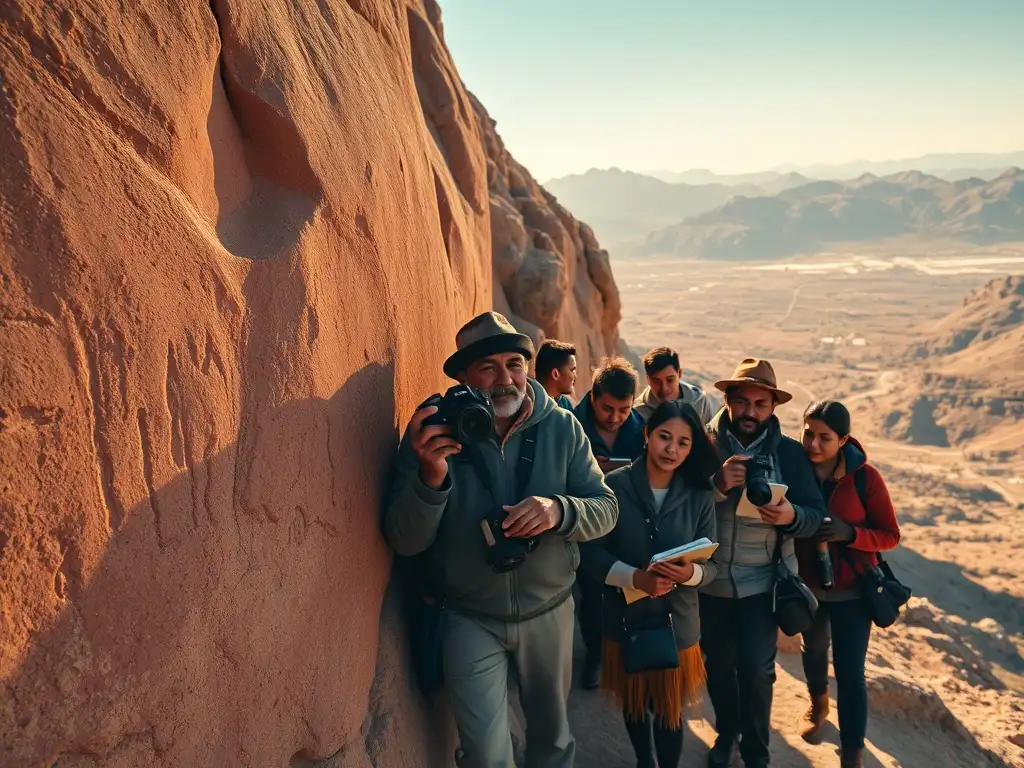
Effective Andean rock art preservation necessitates a multifaceted approach, with community engagement forming a cornerstone. Ignoring the local populations who live alongside these invaluable historical sites is not only ethically problematic but also strategically unwise. Sustainable preservation requires the active participation and ownership of the communities themselves.
Their intimate knowledge of the sites, their cultural connection to the art, and their vested interest in the long-term future of their heritage are irreplaceable assets. Without their buy-in, any conservation effort risks being unsustainable and ultimately failing to achieve its goals. The following sections detail how community involvement is crucial for the long-term safeguarding of Andean rock art.
Educating Local Communities about Cultural Heritage
Educating local communities is paramount to fostering appreciation and respect for Andean rock art. Many communities may not fully understand the historical significance of the rock art found near their homes or lands. Educational programs tailored to different age groups and literacy levels are vital. These programs should focus on:
- The historical context: Explaining the creation, purpose, and meaning of the rock art within the broader context of Andean civilizations. This includes the artistic styles, the beliefs and practices of the creators, and their connection to the landscape.
- The importance of preservation: Highlighting the fragility of the rock art and the detrimental effects of erosion, vandalism, and looting. Emphasizing the irreplaceable nature of this cultural heritage is key.
- Practical conservation techniques: Equipping community members with the knowledge and skills to identify threats to the rock art and report any damage or suspicious activity. Simple techniques for mitigating minor damage could also be taught.
For example, a successful program in [Specific location pending] used interactive workshops, storytelling, and traditional Andean music to engage the community. The program's success was measured by a [Specific metric pending]% increase in reported instances of vandalism and a [Specific metric pending]% increase in community participation in monitoring activities. This demonstrates the effectiveness of culturally sensitive educational approaches.
Empowering Communities in the Preservation Process
Beyond education, true preservation requires empowering communities to actively participate in the protection of Andean rock art. This involves:
- Training in conservation techniques: Providing hands-on training in appropriate cleaning, stabilization, and monitoring methods. This may include specialized training for specific types of rock art or environmental conditions.
- Establishing community-based monitoring programs: Engaging community members as guardians of their local rock art sites. This includes regular monitoring for signs of damage, reporting incidents, and implementing preventative measures.
- Creating economic opportunities linked to conservation: Developing sustainable tourism initiatives that generate income for the community while simultaneously protecting the rock art. This could involve creating guided tours, producing locally-made crafts inspired by the rock art, or developing educational materials for sale.
Successful examples of community empowerment include [Specific examples pending] demonstrating that when communities are invested in the preservation process, the outcomes are significantly more sustainable and effective. This active role fosters a sense of ownership and pride, leading to long-term protection.
Collaborative Projects with Local Stakeholders
Effective Andean rock art preservation necessitates collaborative projects involving various stakeholders: government agencies, academic institutions, NGOs, and, crucially, the local communities. Collaboration ensures that efforts are coordinated, resources are maximized, and the unique perspectives of all stakeholders are considered. This collaborative approach includes:
- Joint planning and decision-making: Involving all stakeholders in the planning and implementation of preservation projects, ensuring that decisions reflect the needs and priorities of the community.
- Sharing of resources and expertise: Pooling resources and expertise from different organizations to maximize the effectiveness of preservation efforts.
- Building trust and fostering long-term partnerships: Establishing strong, mutually beneficial relationships between all stakeholders based on trust, mutual respect, and shared commitment to the preservation of Andean rock art.
A successful example of a collaborative project is [Specific example pending], showcasing the power of a unified approach to Andean rock art preservation. This model highlights the importance of sustained collaboration in achieving long-term conservation goals. The collaborative spirit is key to the success of Andean rock art preservation initiatives, ensuring that these invaluable cultural treasures are protected for generations to come. The integration of local knowledge and participation is not merely beneficial, it is essential for the long-term viability of any preservation strategy.
Case Studies: Successful Andean Rock Art Preservation Projects
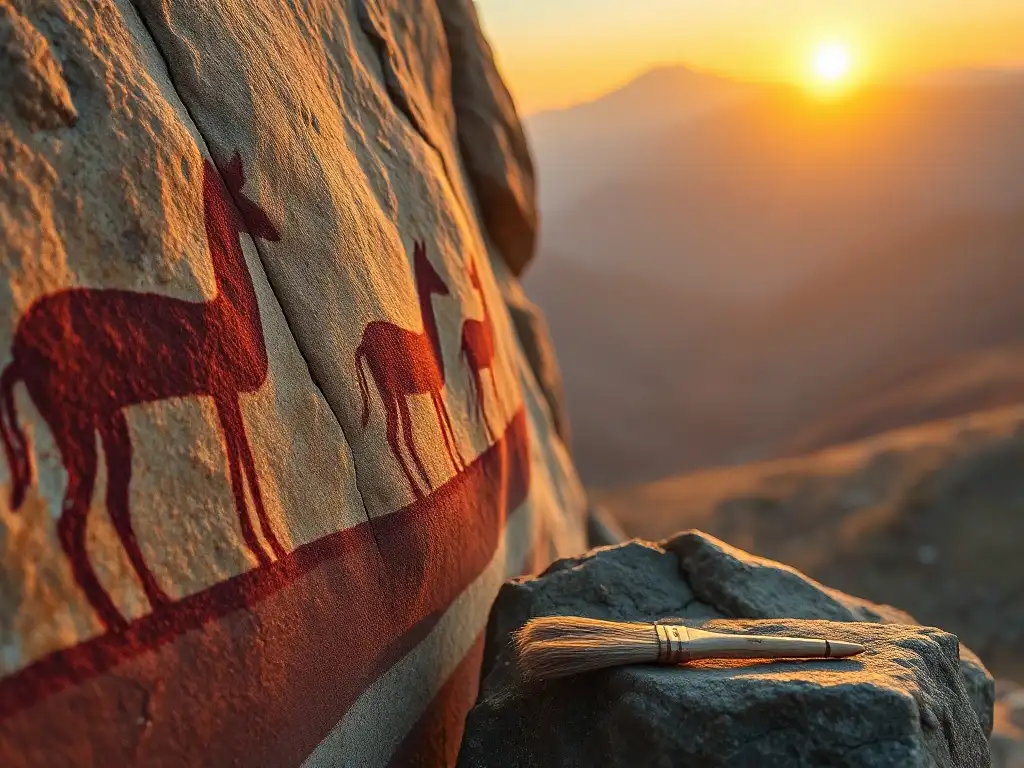
This section showcases successful initiatives demonstrating effective strategies for Andean rock art preservation. These case studies highlight diverse approaches, emphasizing the importance of integrating technological advancements with community engagement for long-term protection of this invaluable cultural heritage. Understanding these successes informs future conservation efforts and promotes the sustainable management of Andean rock art sites. The successful preservation of Andean rock art relies heavily on a multi-faceted approach, combining scientific methodologies with community involvement and robust legal frameworks.
Toro Muerto, Peru: Digital Recording and Site Protection
Toro Muerto, located in the Arequipa region of Peru, boasts an extensive collection of petroglyphs etched onto volcanic rock. Facing significant challenges from natural erosion and human activity, a multi-pronged preservation project was implemented. A key component involved the creation of a comprehensive digital archive.
High-resolution photography, 3D modeling, and photogrammetry were employed to meticulously document every petroglyph, creating a virtual record resistant to physical deterioration. This digital record serves as a crucial resource for researchers and allows for detailed analysis without causing further damage to the original artwork. This approach is vital for Andean rock art preservation, as it allows for the study and dissemination of knowledge without compromising the integrity of the fragile sites.
Furthermore, the project incorporated physical site protection measures. This included the construction of protective barriers to limit access to vulnerable areas and the implementation of controlled visitation policies to minimize human impact. Regular monitoring and maintenance of these barriers are crucial for the long-term effectiveness of this strategy.
The combination of digital archiving and physical protection showcases a holistic approach to Andean rock art preservation, ensuring both the accessibility of the art and its long-term survival. Data on visitor numbers and erosion rates before and after implementation of these measures would provide valuable insights into the effectiveness of the project [specific data pending].
Quilcapampa, Peru: Community-Based Conservation Efforts
The Quilcapampa site in the Ayacucho region demonstrates the power of community engagement in Andean rock art preservation. Unlike Toro Muerto's focus on technology, Quilcapampa's success stems from a collaborative partnership between local communities and heritage organizations. The project prioritized empowering local residents as custodians of their cultural heritage. This involved extensive community workshops on responsible tourism practices, site management, and basic conservation techniques. The initiative successfully fostered a sense of ownership and pride among the community members, leading to increased vigilance against vandalism and unauthorized access.
The project also integrated local knowledge and traditions into the conservation strategy. Traditional methods of protecting rock surfaces, passed down through generations, were combined with modern conservation techniques. This approach ensured respect for local practices while maximizing the effectiveness of preservation efforts. The success of Quilcapampa underscores the importance of integrating cultural sensitivity and community participation into Andean rock art preservation strategies.
The long-term sustainability of this project relies heavily on continued community involvement and ongoing support from heritage organizations [specific information on funding and long-term plans pending]. This model, prioritizing community empowerment, offers a replicable approach for safeguarding other vulnerable Andean rock art sites. The economic benefits derived from responsible tourism further incentivize community involvement, creating a sustainable model for Andean rock art preservation.
The Future of Andean Rock Art: Ensuring its Survival
The survival of Andean rock art hinges on a multifaceted approach that transcends simple preservation efforts. It requires a long-term commitment encompassing scientific research, community engagement, and global awareness. The delicate balance between preserving these invaluable cultural artifacts and allowing for responsible access presents a significant challenge. Ignoring this challenge risks the irreversible loss of irreplaceable historical records and cultural heritage. The future of Andean rock art is not merely about protecting what remains; it’s about proactively safeguarding it for generations to come. This necessitates a paradigm shift from reactive conservation to a proactive, preventative strategy.
The Importance of Continued Research and Monitoring
Continued research is paramount for effective Andean rock art preservation. This isn't simply about cataloging existing sites; it's about understanding the specific environmental factors contributing to deterioration. Detailed studies on rock type, climate patterns, and pollution levels are crucial.
For instance, research into the chemical composition of the pigments used in the art can inform the development of tailored conservation techniques. Furthermore, regular monitoring using non-invasive techniques like drone photography and multispectral imaging allows for early detection of damage, enabling timely intervention. This proactive approach is far more cost-effective and less damaging than reactive repairs.
We need to move beyond anecdotal evidence and embrace rigorous scientific methodologies to truly understand and address the threats facing Andean rock art. Data gathered through long-term monitoring programs will provide crucial insights into the effectiveness of preservation strategies and inform future conservation efforts, allowing for adaptive management based on real-world observations. This includes studying the effects of tourism and local community practices on the longevity of the art.
Investing in Long-Term Andean Rock Art Preservation
Long-term preservation of Andean rock art requires substantial financial investment. This isn't a one-time expense; it's an ongoing commitment. Funding needs to support various aspects, including:
- Scientific research: This includes funding for researchers, equipment (e.g., advanced imaging technology, chemical analysis tools), and the publication of research findings.
- Conservation treatments: Specialized conservation techniques require trained personnel and appropriate materials, demanding significant resources.
- Site management and protection: This includes infrastructure development (e.g., protective shelters, improved access control), community engagement programs, and the implementation of sustainable tourism practices.
- Educational programs: Raising awareness and educating future generations about the importance of Andean rock art preservation is a critical investment.
Without sustained financial support from governments, international organizations, and private donors, the long-term preservation of this invaluable heritage is jeopardized. A detailed cost-benefit analysis highlighting the economic and cultural value of Andean rock art could help secure the necessary funding. Moreover, exploring innovative funding models, such as public-private partnerships and crowdfunding initiatives, could provide additional resources. The economic benefits derived from responsible tourism at well-preserved sites could also contribute to a self-sustaining preservation model. A collaborative approach involving multiple stakeholders is necessary to secure the financial commitment needed for the successful long-term preservation of Andean rock art.
Raising Awareness Globally about Andean Cultural Heritage
Raising global awareness is essential for the successful preservation of Andean rock art. This involves showcasing the cultural significance of these sites to a wider audience through various channels:
- Educational initiatives: Developing educational materials for schools and museums, incorporating Andean rock art into curricula, and creating engaging online resources.
- Public outreach campaigns: Utilizing social media, documentaries, and exhibitions to highlight the beauty and importance of Andean rock art.
- International collaborations: Fostering collaborations between researchers, conservationists, and government agencies across the globe to share best practices and resources.
- Tourism promotion: Promoting responsible tourism that respects and supports the preservation of these sites. This includes educating tourists about appropriate visitor behavior and the importance of supporting local communities involved in preservation efforts.
By fostering a global appreciation for Andean cultural heritage, we can build a broader base of support for preservation efforts. The more people understand the significance of Andean rock art, the more likely they are to contribute to its protection. This global awareness campaign needs to emphasize the interconnectedness of cultural heritage preservation with broader issues of environmental sustainability and community development.
The ultimate goal is to cultivate a sense of shared responsibility for safeguarding this invaluable legacy for future generations. The success of Andean rock art preservation depends not only on dedicated specialists but also on the informed participation and support of a global community.
Frequently Asked Questions
What is Andean rock art?
Andean rock art encompasses the petroglyphs and pictographs created by various pre-Columbian cultures across the Andes Mountains. These images offer invaluable insights into their beliefs, rituals, and daily lives. They are a vital part of cultural heritage.
Why is Andean rock art threatened?
The art is vulnerable to natural erosion from wind, rain, and temperature fluctuations. Human activities like tourism and vandalism also pose significant threats to its preservation. Climate change exacerbates these issues.
What methods are used for Andean rock art preservation?
Preservation efforts involve documentation through photography and 3D scanning, as well as physical conservation techniques like cleaning and consolidating fragile surfaces. Protective shelters and environmental management are also crucial.
How can I help preserve Andean rock art?
Support organizations dedicated to archaeological preservation and cultural heritage. When visiting sites, follow guidelines, avoid touching the art, and report any damage or vandalism you observe. Responsible tourism is key.
What is the significance of Andean rock art preservation?
Preserving Andean rock art is crucial for understanding the region's rich cultural history and for safeguarding the legacy of these ancient civilizations. It helps preserve our shared human heritage for future generations.
Final Reflection: Echoes of the Past, Guardians of the Future
The erosion of Andean rock art is not merely a loss of ancient imagery; it's a silencing of voices across millennia. These fragile records, etched onto the very fabric of the Andes, hold invaluable clues to the lives, beliefs, and societies that thrived in this challenging landscape. Their continued deterioration represents a critical loss to our collective understanding of human history and cultural heritage.
The impact of climate change and human activity on these sites is profoundly unsettling. Witnessing the slow, inexorable fading of these ancient expressions is a sobering reminder of our responsibility as stewards of the past. The past is never dead. It's not even past.
- William Faulkner. This quote resonates deeply, as the fading of these artworks underscores the urgent need for proactive preservation efforts. We are not simply preserving rocks; we are safeguarding a living connection to our shared human story, a narrative that continues to unfold.
Consider the legacy you wish to leave. Will you be a passive observer of the erosion of history, or will you actively participate in its preservation? Take a moment to reflect on the power of these ancient images and the responsibility we share in protecting them for future generations. Learn more about the organizations dedicated to Andean rock art preservation, support their efforts, and become a voice in the ongoing conversation about safeguarding our shared cultural heritage. The echoes of the past deserve to be heard, and it is within our power to ensure they are.
Join the Fight to Preserve Andean Heritage!
Thank you for learning about the vital importance of preserving Andean rock art. You've discovered the profound connection between our history and the urgent need to protect these magnificent works for future generations. Now, let's take action!
Here's how you can make a difference:
- Support Local Conservation Efforts: Join a local organization dedicated to preserving Andean rock art. Your time, skills, and donations can help protect these irreplaceable cultural treasures.
- Spread the Word: Share this information with friends and family on social media. Increased awareness is crucial to building a collective effort for preservation.
- Experience Andean Rock Art: Plan a visit to a nearby Andean rock art site. Witness the beauty firsthand and learn from local guides about the significance of these artworks.
What will you do first to help preserve this invaluable heritage? Let us know in the comments!