
The Story in the Stones: Unveiling the Secrets of Andean Masonry

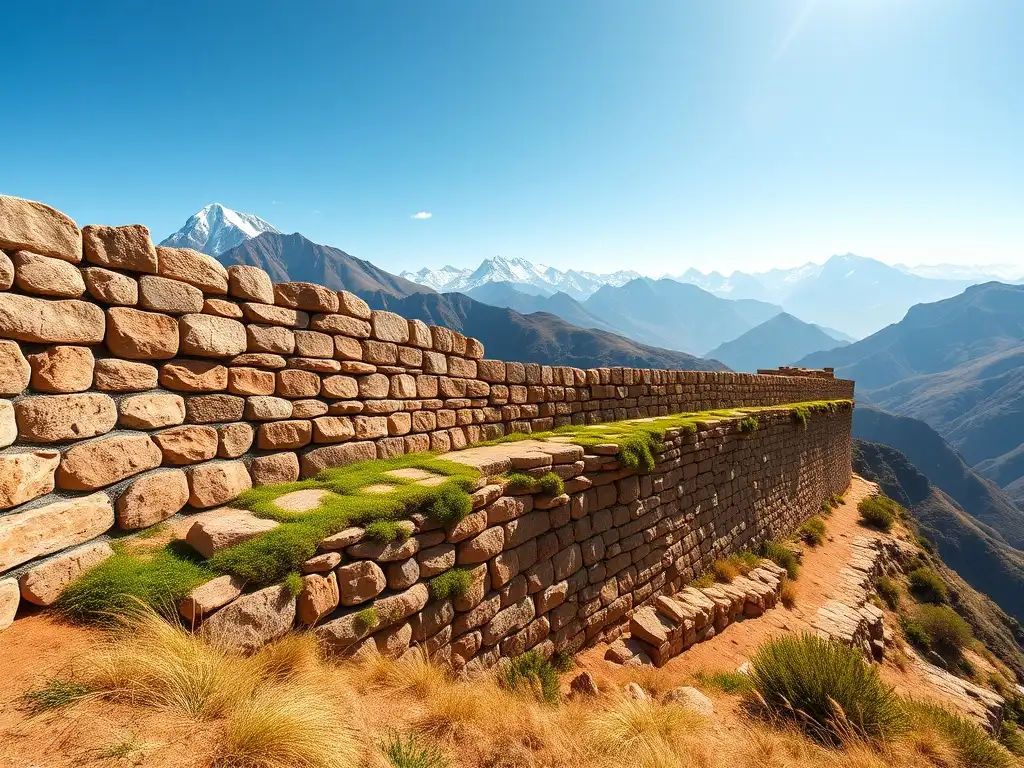
Step into a world lost to time, yet whispering its secrets through the ages. Prepare to be amazed by the ingenuity and artistry of the Andean civilizations, whose legacy lives on in breathtaking structures that defy explanation. What masterful techniques allowed them to create such perfectly fitted stonework? Discover the answers, and much more, as we delve into the fascinating world of Andean stonework techniques – a testament to the remarkable skills and profound knowledge of these ancient cultures. Uncover the stories etched in stone within "The Legacy of Andean Civilizations."
The Andes Mountains, a spine of rock and ice running down the western edge of South America, are not just a geographical feature; they are a testament to human ingenuity and resilience. For millennia, Andean civilizations have carved their stories into the very fabric of these mountains, utilizing the readily available stone to construct awe-inspiring cities, temples, and agricultural terraces. This article delves into the fascinating world of Andean stonework techniques, exploring the diverse methods employed by various pre-Inca and Inca cultures, and highlighting the enduring legacy of their mastery.
Understanding these techniques is crucial not only for appreciating the architectural marvels they created but also for informing contemporary preservation and conservation efforts aimed at protecting these invaluable historical sites. We will uncover the secrets embedded within these ancient stones, revealing the sophistication and artistry of Andean builders, and examining how their innovative approaches to construction continue to inspire architects and engineers today.
The rich tapestry of Andean stonework, from the precise fitting of stones in Machu Picchu to the intricate carvings of Tiahuanaco, offers a window into the ingenuity and cultural significance of these remarkable civilizations. This exploration of Andean stonework techniques will reveal the impressive level of skill and knowledge that went into their construction, and how this knowledge was passed down through generations.
Introduction to Andean Stonework and its Significance
Andean stonework is renowned for its precision, artistry, and impressive scale. The ability to quarry, transport, and precisely fit massive stone blocks without the aid of modern technology is a testament to the advanced engineering and organizational skills of Andean cultures. The significance of Andean stonework extends beyond its architectural achievements; it reflects a deep connection between people and their environment, a profound understanding of engineering principles, and a sophisticated social structure capable of mobilizing vast resources for monumental construction projects.
The precision and artistry displayed in Andean masonry are particularly striking, with many examples showcasing an almost impossibly tight fit between stones, a testament to the builders' skill and understanding of stone properties. The scale of some projects, such as the impressive terraces of Moray, further emphasizes the organizational capacity and engineering prowess of these ancient societies. Many sites show evidence of complex planning and coordination, suggesting a highly organized workforce and sophisticated understanding of engineering principles.
This intricate level of skill and precision is a key factor in the continued fascination with Andean stonework. Furthermore, the cultural significance of the structures themselves – from sacred sites to agricultural terraces – adds another layer of importance to the study and preservation of this remarkable legacy.
Pre-Inca Stonework Traditions: Foundations of Andean Masonry
The impressive Inca stonework, often cited as the pinnacle of Andean masonry, was built upon centuries of preceding traditions. Pre-Inca cultures developed sophisticated techniques that laid the groundwork for later achievements. Understanding these earlier traditions is essential to fully appreciating the evolution and sophistication of Andean stonework. The variations in techniques and styles across different regions and time periods showcase the rich diversity of pre-Inca cultures and their unique approaches to construction. The legacy of these pre-Inca traditions is evident in the Inca structures themselves, demonstrating a continuity of knowledge and techniques across different Andean cultures.
Early Examples of Andean Architecture
Early examples of Andean stone architecture, dating back millennia, demonstrate a gradual evolution of techniques and styles. Sites like [Specific site name and location pending] showcase early attempts at stonework, indicating a foundational understanding of basic construction principles. While less refined than later examples, these early structures provide valuable insights into the development of Andean masonry. The use of simpler techniques and less precisely fitted stones in these early constructions suggests a gradual development of skills and technology over time. Further research is needed to fully understand the evolution of techniques in these early periods.
Regional Variations in Pre-Inca Stone Construction
Pre-Inca stone construction techniques varied significantly across different regions of the Andes. The availability of different types of stone, along with variations in climate and topography, influenced the styles and methods employed. For example, [Specific example of regional variation pending] exemplifies a distinct regional style. These regional differences highlight the adaptability and ingenuity of Andean builders in responding to local conditions. The diversity of styles reflects not only differences in available resources but also distinct cultural practices and traditions. Further study is needed to fully document and analyze these regional variations.
The Role of Stone in Pre-Inca Cultures
Stone played a crucial role in pre-Inca cultures, extending beyond its use in construction. It was employed in religious rituals, artistic expression, and everyday life. [Specific examples of stone's role in pre-Inca culture pending]. This multifaceted role underscores the importance of stone as a central element in pre-Inca societies, reflecting its symbolic and practical significance. The diverse uses of stone highlight the deep cultural connection between these societies and the resources of their environment. Further research is necessary to fully understand the complex relationship between pre-Inca cultures and the stone they used.
- Introduction to Andean Stonework and its Significance
- Pre-Inca Stonework Traditions: Foundations of Andean Masonry
The Mastery of Inca Stonework Techniques
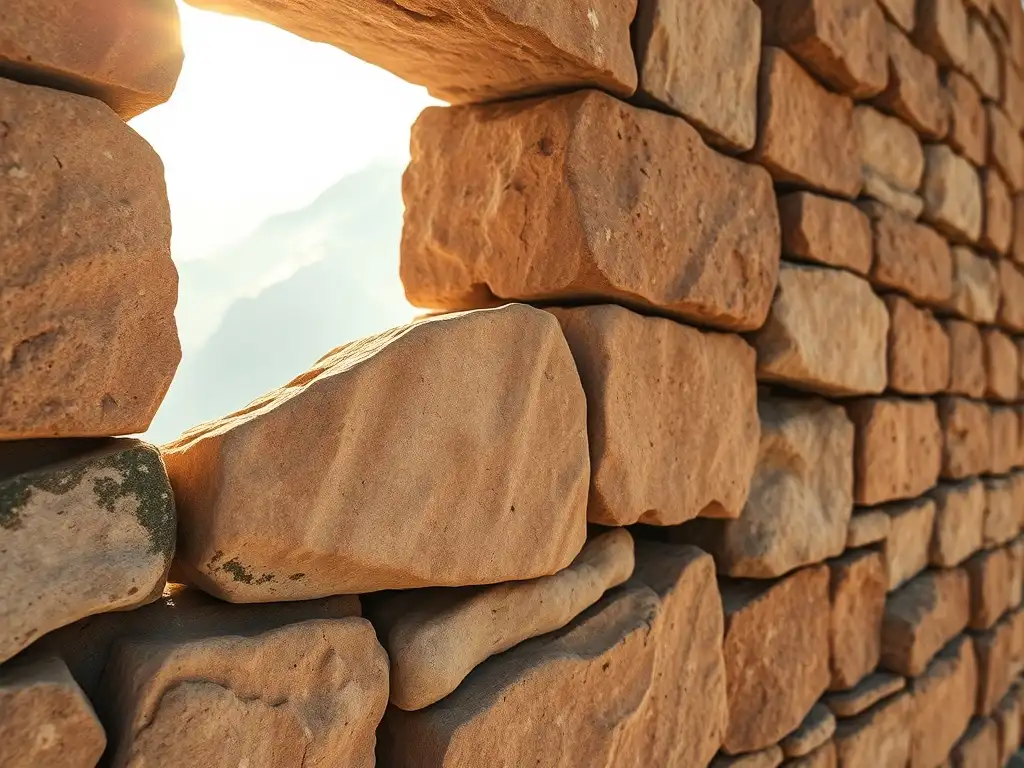
The Inca Empire, renowned for its sophisticated civilization, left behind a legacy of breathtaking stone structures that continue to astound modern engineers and archaeologists. Their mastery of Andean stonework techniques, particularly their precision and scale, represents a pinnacle of pre-Columbian engineering. The Inca's approach to stonework wasn't merely about building; it was a testament to their worldview, incorporating religious beliefs, practical needs, and a sophisticated understanding of engineering principles. This section delves into the specific techniques employed by the Inca, examining their methods and the significance of their stone structures.
Inca Engineering Marvels: Precision and Scale
The Inca's achievements in stonework are remarkable not only for their artistry but also for the sheer scale of their projects. Consider the massive walls of Sacsayhuamán, for example, constructed from colossal stones fitted together with astonishing precision. Some stones weigh over 100 tons! This level of precision wasn't achieved through brute force alone, but through a sophisticated understanding of geometry, engineering, and possibly advanced tools [specific information pending on advanced tools].
The Inca's ability to quarry, transport, and precisely place these massive stones across challenging terrain remains a subject of ongoing research and fascination. The sheer scale of projects like Machu Picchu, with its intricate stonework integrated seamlessly into the mountainside, is equally impressive. This demonstrates a level of planning, organization, and labor management far beyond what many other contemporary civilizations achieved. The Inca stonework techniques were clearly optimized for both precision and efficiency in large-scale projects.
The Art of Ashlar Masonry in Inca Architecture
Inca stonework is characterized by the prevalent use of ashlar masonry, a technique involving precisely cut and shaped stones fitted together without mortar. The stones are so finely crafted that even a knife blade cannot be inserted between them. This technique, combined with the Inca's advanced understanding of geometry, allowed them to create flawlessly fitting walls, even on curved surfaces. The level of precision is extraordinary; it's evident in the intricate details, the perfect alignment of stones, and the lack of visible seams.
This wasn't simply a matter of aesthetics; the precision also contributed to the structural integrity and longevity of their buildings. The Inca's mastery of ashlar masonry is a testament to their skill and knowledge of stonework techniques. They weren't just building structures; they were creating works of art.
Inca Quarrying and Stone Transportation Methods
The process of acquiring and transporting the massive stones used in Inca construction was a remarkable feat of engineering in itself. Inca quarries, often located considerable distances from construction sites, reveal evidence of sophisticated quarrying techniques. [Specific information pending on detailed quarrying techniques]. The transportation of these enormous stones across challenging mountain terrain remains a mystery in many instances.
While the use of ramps and rollers is often suggested, the exact methods employed remain debated among experts. The Inca's logistical prowess, their ability to organize and manage the labor force needed for such ambitious projects, is just as impressive as their technical skills. The efficiency of their logistical operations is reflected in the consistent quality and scale of their stonework projects across the vast empire.
The Use of Cyclopean Masonry in Inca Structures
While ashlar masonry was prevalent, the Inca also employed cyclopean masonry in some structures. This technique involved using irregularly shaped, massive stones, often weighing many tons. These stones, though less precisely shaped than those used in ashlar masonry, were still carefully fitted together to create sturdy and impressive walls.
The use of cyclopean masonry often appears in defensive structures, suggesting that its inherent strength was valued for its defensive capabilities. The combination of ashlar and cyclopean masonry showcases the Inca's adaptability and resourcefulness in adapting their stonework techniques to different contexts and needs. The strategic employment of both techniques demonstrates a deep understanding of engineering principles and material properties.
The Significance of Inca Stone Structures
The Inca stone structures were not merely functional buildings; they were imbued with profound religious, social, and political significance. Their construction and placement reflected the Inca worldview, incorporating cosmological beliefs, social hierarchies, and the desire to demonstrate power and authority. The precise and careful execution of Andean stonework techniques was integral to this significance.
Religious and Ceremonial Uses of Inca Stonework
Many Inca stone structures served religious and ceremonial purposes. Temples, such as those found at Machu Picchu, were carefully integrated into the landscape, often positioned to align with astronomical events. The precise placement of stones and the intricate carvings found on some structures suggest a deep connection between Inca religion and their stonework techniques.
The use of specific types of stone, their color, and their arrangement all likely held symbolic meaning. [Specific information pending on symbolic meanings in stone selection and placement]. The meticulous nature of the construction reflects the sacredness of the structures and the reverence with which they were built.
Functional Purposes of Inca Stone Buildings
Beyond their religious significance, Inca stone structures served a variety of functional purposes. Residential buildings, storage facilities, and administrative centers were all constructed using sophisticated stonework techniques. The precision and durability of their construction ensured that these structures could withstand the harsh Andean climate and last for centuries. The ingenuity of the Inca's design is evident in their ability to create functional and aesthetically pleasing structures, often integrated seamlessly into the challenging terrain. This reflects a practical application of their advanced understanding of engineering principles and the environment.
Inca Stone Walls as Symbols of Power and Authority
The impressive scale and precision of Inca stonework served as potent symbols of power and authority. The ability to mobilize vast resources, organize large labor forces, and execute complex engineering projects demonstrated the strength and capabilities of the Inca Empire. The enduring nature of these structures served as a lasting testament to the empire's might and its sophisticated civilization. The Inca stone walls, therefore, were not merely physical structures; they were powerful statements of imperial control and cultural dominance. Their very existence served to reinforce the Inca's authority and to impress upon the populace the power of their rulers.
Andean Stonework Beyond the Inca Empire
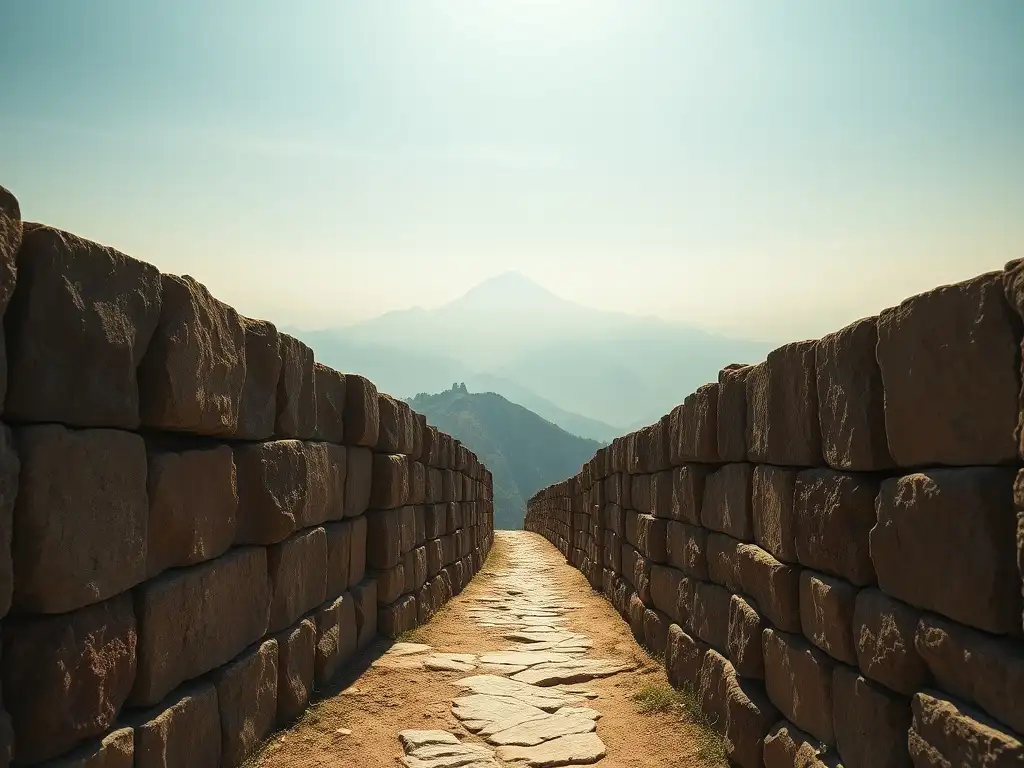
The mastery of Andean stonework techniques is often immediately associated with the Inca Empire, but the sophisticated skills in stone construction and carving predate the Inca by centuries. A rich tapestry of architectural styles and techniques flourished across various Andean cultures, each leaving behind a unique legacy in stone. Understanding this broader context is crucial for appreciating the full extent of Andean ingenuity and the challenges faced in preserving this invaluable heritage. This section will explore some notable examples beyond the Inca, highlighting the diversity and complexity of Andean stonework.
Other Notable Examples of Andean Stone Architecture
The Inca Empire, undoubtedly, perfected many aspects of Andean stonework, but their achievements were built upon a foundation laid by preceding cultures. The precision and scale of Inca constructions are remarkable, but the artistry and engineering prowess displayed by earlier civilizations are equally impressive, demonstrating a continuous evolution of techniques and styles across millennia. Examining these diverse examples reveals a deeper understanding of the ingenuity and adaptability of Andean builders.
Tiahuanaco Stone Carving and Construction
The Tiahuanaco culture, flourishing in the Bolivian Altiplano between 1500 BCE and 1000 CE, produced some of the most impressive examples of pre-Inca stonework. Their mastery of large-scale stone carving and construction is evident in the monumental structures at Puma Punku, characterized by massive, precisely-cut stones fitted together without mortar, showcasing an advanced understanding of engineering and precision. The intricate carvings found on these stones, often depicting complex mythological figures and symbols, demonstrate a high level of artistic skill. The sheer scale and precision of the Tiahuanaco stonework highlight the sophisticated technology and organizational capabilities of this pre-Inca civilization. Some stones weigh many tons, and their precise placement suggests a highly developed understanding of leverage and transportation. Further research is needed to fully understand their methods for quarrying, transporting, and precisely fitting these enormous blocks. [Specific information pending: Detailed analysis of stone types used at Puma Punku and their origin].
The Unique Stonework of the Moche Civilization
The Moche civilization (100-800 CE) of northern Peru also demonstrated remarkable skill in stonework, though their style differed significantly from that of Tiahuanaco or the Inca. Instead of massive blocks, the Moche often used smaller stones, creating intricate mosaics and reliefs. Their architectural achievements, such as the Huaca del Sol and Huaca de la Luna pyramids, showcase a sophisticated understanding of earthworks and stone facing.
The Moche's architectural style often incorporated intricate designs and patterns into the stonework, reflecting their rich artistic traditions. Their use of adobe bricks in conjunction with stone further demonstrates their adaptability and resourcefulness in construction. [Specific information pending: Detailed analysis of Moche stone tools and techniques].
Diverse Stone Techniques in the Andean Region
Across the Andean region, different cultures developed their own unique stonework techniques adapted to local materials and environmental conditions. The variations in stone types, construction methods, and artistic styles reflect the diverse cultural landscapes and the ingenuity of Andean builders in responding to the challenges of their environments. From the meticulously crafted stone circles of the Nazca to the intricate carvings found in the ruins of Chan Chan, the diversity of Andean stonework is a testament to the region's rich and complex history.
The development and evolution of these techniques over centuries is a subject of ongoing research and debate. Understanding these diverse approaches to Andean stonework is essential for a complete appreciation of the region's architectural heritage. A comparative study of stone types, construction methods, and artistic styles across different Andean cultures is needed to fully understand the evolution of Andean stonework techniques.
Preservation and Conservation of Andean Stonework
The preservation of Andean stonework presents significant challenges due to the age of the structures, environmental factors, and human activity. The fragility of these ancient monuments necessitates careful and informed intervention to ensure their longevity. This section will explore the challenges and modern approaches to preserving this invaluable heritage.
Challenges in Preserving Ancient Andean Stonework
Preserving ancient Andean stonework is a complex undertaking that involves multiple challenges. The effects of weathering, seismic activity, and human encroachment pose significant threats. Weathering, particularly in high-altitude regions, causes erosion and deterioration of the stone. Earthquakes, common in the Andes, can cause structural damage. Furthermore, tourism and illegal excavation can also contribute to the degradation of these sites. [Specific information pending: Data on the rate of deterioration of different types of Andean stonework]. The lack of resources and expertise in some regions further complicates preservation efforts.
Modern Techniques for Conserving Inca Stone Structures
Modern conservation efforts often employ advanced techniques and materials to stabilize and protect Inca stone structures. These techniques include the use of specialized mortars, consolidation materials, and structural reinforcement. Careful cleaning and removal of vegetation are also crucial steps in preserving the integrity of the stone. The use of non-invasive monitoring techniques, such as ground-penetrating radar and laser scanning, helps in assessing the condition of the structures and planning appropriate interventions. [Specific information pending: Examples of successful conservation projects using modern techniques]. This requires a delicate balance between preserving the authenticity of the sites and ensuring their long-term survival.
Community Involvement in Andean Stonework Preservation
Community involvement is crucial for the successful preservation of Andean stonework. Local communities often possess invaluable traditional knowledge and skills related to stonework and can play a key role in monitoring and maintaining these sites. Involving local communities in preservation efforts not only ensures the sustainable management of these cultural heritage assets but also promotes economic development and cultural pride.
[Specific information pending: Examples of successful community-based preservation projects]. This collaborative approach fosters a sense of ownership and responsibility, ensuring the long-term protection of these invaluable sites for future generations. The success of many preservation projects hinges on the active participation and collaboration of local communities.
Understanding the Legacy of Andean Stone Craftsmanship
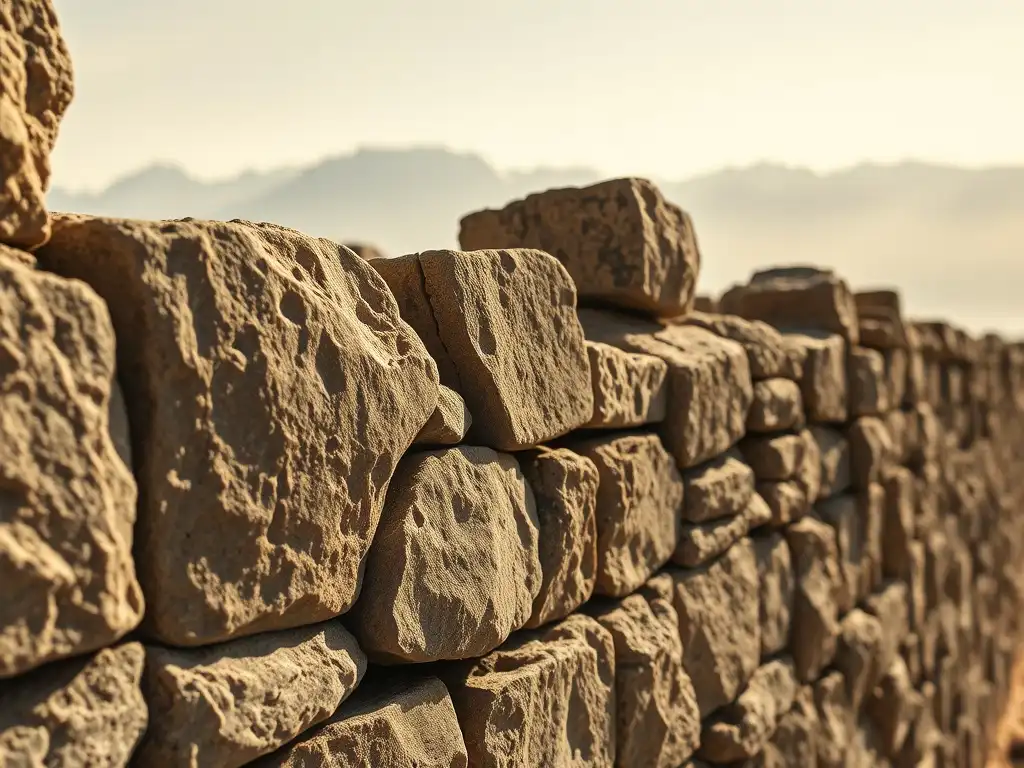
The legacy of Andean stone craftsmanship extends far beyond the impressive ruins that still stand today. It represents a sophisticated understanding of engineering, artistry, and resource management that continues to inspire awe and wonder. The precise fitting of stones, often without mortar, showcases a mastery of techniques passed down through generations.
This wasn't simply construction; it was a cultural expression, imbued with symbolic meaning and reflecting a deep connection to the Andean landscape. Understanding this legacy requires examining not only the physical achievements but also the cultural context in which these remarkable structures were created. The techniques employed weren't static; they evolved and adapted over centuries, reflecting changes in societal organization, religious beliefs, and access to resources.
For example, the Inca's mastery of ashlar masonry, with its perfectly fitted blocks, represents a culmination of centuries of experimentation and refinement of techniques developed by earlier Andean cultures. This evolution of Andean stonework techniques is a testament to the ingenuity and resilience of Andean civilizations.
The Enduring Influence of Andean Stonework Traditions
The impact of Andean stonework traditions is still felt today. Modern architects and engineers continue to study Andean techniques to gain insights into sustainable building practices and innovative construction methods. The precision and durability of Andean structures, achieved without modern tools and materials, offer valuable lessons in resource efficiency and structural integrity.
Furthermore, the aesthetic qualities of Andean masonry continue to inspire artists and designers. The intricate carvings, the harmonious integration of stone into the landscape, and the symbolic significance embedded within the structures remain sources of artistic inspiration. The legacy is not just about the structures themselves; it's about the values they represent: respect for the environment, community collaboration, and a deep understanding of natural materials.
These values resonate profoundly with contemporary concerns about sustainability and responsible development. Preservation efforts are crucial not only to protect these irreplaceable monuments but also to safeguard the knowledge and skills associated with this remarkable tradition. The study of Andean stonework techniques is therefore not merely an academic exercise but a vital contribution to our understanding of sustainable building practices and cultural heritage.
Ongoing Research and Future Directions in Andean Masonry Studies
Research into Andean masonry is a dynamic field, with ongoing investigations into various aspects of the construction techniques, materials used, and the social and cultural contexts of these monumental achievements. Current research focuses on several key areas: detailed analysis of stone types and their provenance to understand resource management strategies; advanced imaging techniques to reveal hidden construction details and assess the structural integrity of existing monuments; and ethnographic studies to connect modern building practices with traditional Andean knowledge. Future directions include the development of more sophisticated modelling techniques to simulate the construction processes and better understand the engineering principles involved.
Furthermore, interdisciplinary collaborations between archaeologists, engineers, geologists, and anthropologists are crucial to gain a more comprehensive understanding of this complex topic. The use of digital technologies, such as 3D modeling and virtual reality, holds immense potential for documenting, preserving, and interpreting these sites for both researchers and the public.
This ongoing research strives not only to uncover the secrets of the past but also to apply this knowledge to contemporary challenges in architecture, engineering, and cultural preservation. Continued investment in research related to Andean stonework techniques is vital for the long-term preservation of this invaluable heritage.
Conclusion: Appreciating the Artistry and Engineering of Andean Stonework
The artistry and engineering prowess evident in Andean stonework represent a remarkable achievement in human history. The sophisticated techniques employed, the meticulous craftsmanship, and the enduring legacy of these structures continue to inspire awe and wonder. Appreciating this legacy necessitates a multifaceted approach, combining scientific investigation with cultural understanding.
By studying the techniques, materials, and social contexts of Andean masonry, we gain valuable insights into the ingenuity, resilience, and cultural depth of these ancient civilizations. The preservation of these sites is not merely a matter of protecting physical structures but of safeguarding a rich cultural heritage that continues to offer invaluable lessons for contemporary society.
The detailed study of Andean stonework techniques is therefore essential, not only for historical understanding but also for inspiring innovative and sustainable practices in the future. The enduring legacy of Andean stonework serves as a testament to human creativity and the power of cultural transmission across generations.
Frequently Asked Questions
What makes Andean stonework so unique?
Andean stonework is renowned for its precise fitting of stones, often without the use of mortar. This exceptional craftsmanship, achieved through advanced techniques, created incredibly durable and aesthetically pleasing structures. The interlocking nature of the stones is a key feature.
What were some of the tools used in Andean stonework?
While the exact tools remain debated, archaeologists believe stone hammers, chisels, and possibly copper tools were employed. The precise shaping suggests a high level of skill and understanding of stone properties. Leverage and ingenuity were also crucial elements.
How did the Incas contribute to Andean stonework techniques?
The Incas inherited and refined existing techniques, mastering large-scale construction projects like Machu Picchu. Their mastery of precise cutting and fitting, along with their understanding of structural engineering, resulted in iconic and enduring structures. Imperial organization facilitated large-scale projects.
Did different Andean cultures have unique stonework styles?
Yes, each civilization, including the Moche, Nazca, and Tiahuanaco, developed distinct styles. While precision was common, variations in stone types, shapes, and overall architectural design reflect unique cultural expressions and available resources. Regional differences are also apparent.
Where can I learn more about Andean stonework techniques?
You can explore museums exhibiting Andean artifacts, read academic papers and books on Andean archaeology and engineering, and visit sites like Machu Picchu to see these remarkable techniques firsthand. Many online resources also provide detailed information.
Final Reflection: Echoes of the Andes: A Legacy in Stone
The precision and artistry of Andean stonework, once a marvel confined to the high altitudes of the Andes, continues to resonate today, challenging our understanding of ancient engineering and inspiring awe in modern architects and engineers. These intricate techniques, passed down through generations, represent not just a testament to human ingenuity but also a profound connection to the land and a deep understanding of its geological properties. The very stones themselves whisper tales of a civilization that thrived in harmony with its environment, leaving behind a legacy that continues to inspire.
The enduring impact of Andean masonry extends far beyond the physical structures themselves. It speaks to a cultural ethos deeply intertwined with the landscape, a respect for nature that is increasingly relevant in our own time of environmental crisis. The mountains are not simply stones, but the bones of the earth, the veins of the world.
This sentiment, though not directly from an Andean source, captures the profound spiritual connection these cultures held with their environment, a connection reflected in the meticulous care and artistry evident in their stonework. Understanding this relationship allows us to appreciate the deeper meaning embedded within these ancient structures, moving beyond mere technical analysis to a richer, more holistic understanding.
Consider the enduring power of these techniques. Imagine the skill, the patience, the collaborative spirit required to create such masterpieces. Now, consider how you can apply that same dedication, that same respect for the materials and processes around you, to your own endeavors. You too can build something lasting, something meaningful, something that echoes through time. Let the story in the stones inspire you to find your own voice, to create your own legacy, and to build a future grounded in both innovation and respect for the world around us.
Unveil the Mysteries of Andean Masonry Today!
Thank you for exploring the fascinating world of Andean masonry! We hope you've gained insights into the incredible craftsmanship and rich history of these ancient structures. Now, it's time to delve deeper and take action!
- Visit a local museum or cultural center to see examples of ancient Andean techniques firsthand. Consider researching museums with significant collections of pre-Columbian artifacts.
- Join an online forum or community dedicated to Andean civilizations to connect with fellow enthusiasts and share your discoveries. Many online communities are dedicated to specific aspects of Andean history and archaeology.
- Plan a trip to the Andes! Experience the architectural wonders firsthand by visiting sites such as Machu Picchu or Ollantaytambo. Remember to research the best time to visit and plan your itinerary carefully.
What aspects of Andean masonry intrigue you most? Share your thoughts below!