
Secrets in the Soil: Archaeological Conservation Unearthing Andean Life

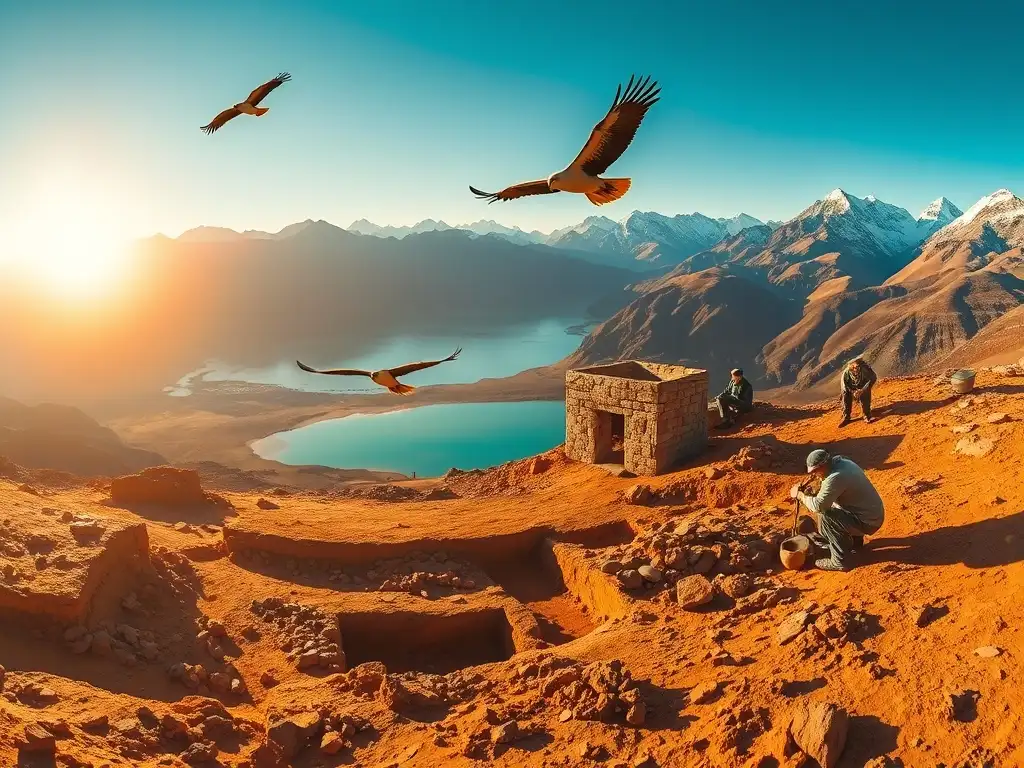
Dive into the enigmatic world of the Andes! For centuries, their secrets have slumbered beneath the soil, waiting to be revealed. This journey into the heart of Andean civilizations will uncover breathtaking artistry, intricate technologies, and the enduring legacy of cultures like the Incas, Moche, and Nazca. But how do we preserve this invaluable heritage for future generations? Explore the critical role of Andean archaeological conservation and uncover the fascinating challenges and triumphs in protecting these ancient wonders. Discover more about the fight to safeguard this irreplaceable history...
- Secrets in the Soil: Andean Archaeological Conservation Unearthing Andean Life
- The Importance of Archaeological Conservation in the Andes
- Challenges in Andean Archaeological Conservation
- Techniques in Andean Archaeological Conservation
- Case Studies in Andean Archaeological Conservation
- The Future of Andean Archaeological Conservation
-
Frequently Asked Questions
- What is the main focus of Andean archaeological conservation efforts?
- What challenges do archaeologists face in conserving Andean sites?
- How does climate change impact Andean archaeological conservation?
- What role does technology play in Andean archaeological conservation?
- What can visitors do to support Andean archaeological conservation?
- Final Reflection: Echoes of the Andes: Preserving a Legacy for Tomorrow
- Unearth Your Passion for Andean Archaeology!
Secrets in the Soil: Andean Archaeological Conservation Unearthing Andean Life
The Andes Mountains, a spine of towering peaks running down the western coast of South America, are not just a breathtaking natural wonder; they are also a treasure trove of human history. For millennia, vibrant Andean civilizations—from the Incas to the Moche, Nazca, and Tiahuanaco—flourished in this challenging landscape, leaving behind an extraordinary legacy of intricate artistry, sophisticated engineering, and complex social structures. However, the very forces that shaped these civilizations—earthquakes, erosion, and the relentless passage of time—also threaten their invaluable archaeological remains.
This article delves into the crucial field of Andean archaeological conservation, exploring the challenges, innovative techniques, and dedicated efforts to preserve this irreplaceable heritage for future generations. We will examine the delicate balance between uncovering the secrets buried within the soil and ensuring their long-term survival, highlighting the vital role of conservation in understanding and appreciating the rich tapestry of Andean life.
The preservation of these sites is not merely an academic pursuit; it is a responsibility to protect a shared human legacy and to learn from the ingenuity and resilience of past Andean societies. Understanding the intricacies of Andean archaeological conservation is key to ensuring the continued appreciation and study of these remarkable cultures.
The Fragility of Andean Archaeological Sites
Andean archaeological sites face unique challenges due to the region's harsh environmental conditions. The high altitude, extreme temperature fluctuations, and intense UV radiation contribute to the rapid deterioration of organic materials like textiles and wood. Furthermore, seismic activity, prevalent throughout the Andes, poses a constant threat to the structural integrity of ancient buildings and monuments.
Rainfall and erosion further exacerbate the problem, gradually wearing away precious artifacts and eroding delicate features. For example, the intricate Nazca Lines, etched into the desert surface, are vulnerable to both natural erosion and human impact, requiring constant monitoring and careful management. The delicate balance of the ecosystem itself is crucial to the preservation of these sites; even seemingly minor changes can have significant, long-term consequences.
Innovative Conservation Techniques in the Andes
Addressing these challenges requires a multifaceted approach employing innovative conservation techniques. Archaeologists and conservators are increasingly using advanced technologies, such as ground-penetrating radar (GPR) and 3D laser scanning, to create detailed maps of sites before excavation even begins. This allows for meticulous planning and minimizes the risk of damage during the excavation process. Following excavation, various conservation methods are employed depending on the material.
This can include everything from stabilizing crumbling stone structures with specialized mortars to carefully cleaning and preserving fragile textiles using environmentally friendly chemicals. The development and application of these techniques require close collaboration between scientists, engineers, and local communities. Moreover, the use of digital technologies, like photogrammetry and virtual reality, allows for the creation of detailed digital records of sites and artifacts, facilitating research and public access without the need for continuous physical interaction with the original materials.
Community Engagement and Sustainable Tourism
Successful Andean archaeological conservation is not solely a matter of scientific expertise; it is deeply intertwined with the involvement of local communities. Many sites hold significant cultural and spiritual importance for indigenous populations, making their participation in conservation efforts crucial. Engaging local communities fosters a sense of ownership and responsibility, ensuring the long-term sustainability of conservation projects.
Furthermore, well-managed sustainable tourism can generate revenue that directly supports conservation initiatives and improves the lives of local communities, creating a virtuous cycle of preservation and economic development. This also involves educating tourists about responsible behavior and the importance of preserving the sites for future generations. Careful planning and management of tourism are essential to avoid the negative impacts of mass tourism, which can lead to further damage and degradation of these fragile environments and historical sites.
Future Challenges and Opportunities in Andean Archaeological Conservation
Despite significant progress, numerous challenges remain in the field of Andean archaeological conservation. Limited funding, a lack of trained personnel, and the sheer scale of the task continue to hinder progress. However, there are also exciting opportunities.
Advances in technology, coupled with increased international collaboration and a growing awareness of the importance of cultural heritage, offer promising avenues for progress. Further research into the most effective conservation techniques, specifically adapted to the unique challenges of the Andean environment, is crucial. Moreover, strengthening partnerships between governments, research institutions, local communities, and international organizations is essential to ensure the long-term preservation of this invaluable legacy.
The future of Andean archaeological conservation hinges on a collaborative, sustainable, and community-driven approach. The preservation of these sites is not just about saving relics of the past; it is about securing a vital link to our shared human history and ensuring that the stories of the Andean civilizations continue to inspire and educate generations to come.
The Importance of Archaeological Conservation in the Andes
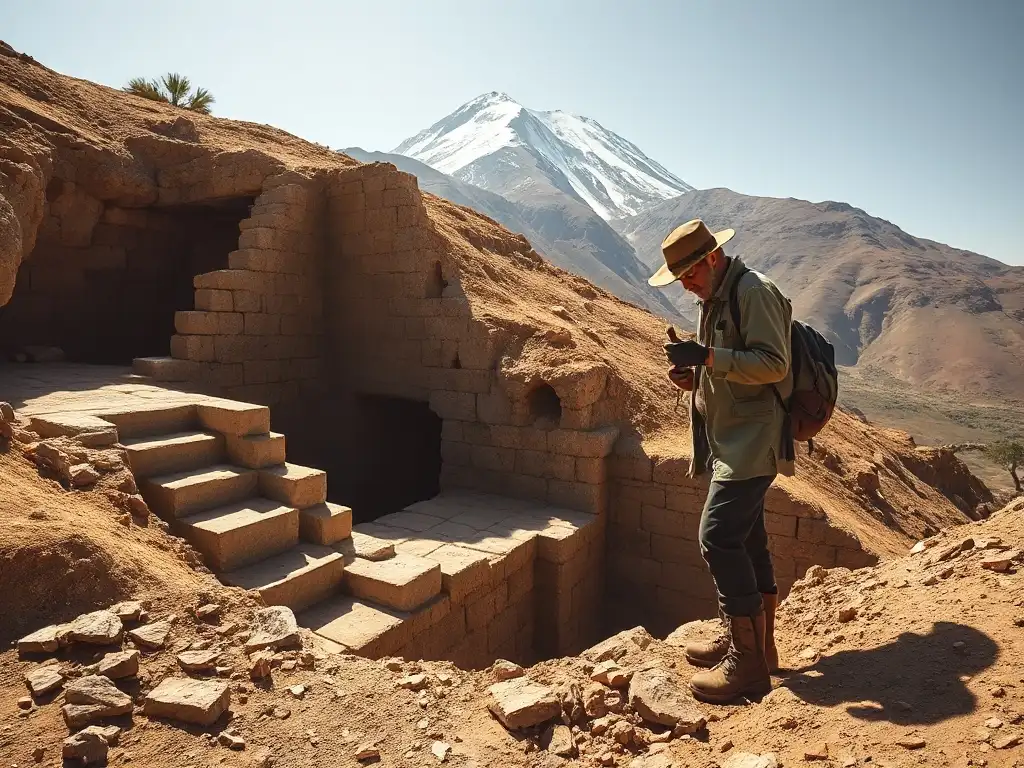
The Andes Mountains, a spine of towering peaks stretching along the western edge of South America, are not just a geographical feature; they are a cradle of civilization. For millennia, diverse Andean cultures—from the Nazca Lines creators to the sophisticated Inca Empire—have left an indelible mark on this landscape. Their legacy, however, is fragile, vulnerable to the ravages of time, natural disasters, and sadly, human intervention. This is where Andean archaeological conservation steps in, playing a crucial role in safeguarding this invaluable cultural heritage for future generations.
Effective conservation isn't just about preserving physical artifacts; it's about preserving stories, understanding, and a connection to our shared human past. Without dedicated efforts in Andean archaeological conservation, we risk losing irreplaceable insights into the ingenuity, resilience, and complex societal structures of these ancient peoples. The task is monumental, requiring a multi-faceted approach that blends scientific expertise, community engagement, and sustainable practices.
Preserving the Andean Past: A Vital Task
Preserving Andean archaeological sites is a vital task for several compelling reasons. Firstly, these sites offer unparalleled insights into the development of human societies. From intricate irrigation systems showcasing advanced engineering to monumental structures reflecting sophisticated social organization, the Andes boast a rich tapestry of human achievement. The Nazca Lines, for example, a testament to the Nazca culture's astronomical and symbolic knowledge, are a prime example of this enduring legacy.
Their preservation ensures continued research and the potential for uncovering further secrets about this fascinating civilization. Secondly, these sites hold significant cultural value for modern Andean communities. Many indigenous groups trace their ancestry to these ancient cultures, and the preservation of these sites fosters a sense of identity and continuity.
Their connection to the past is deeply rooted in their present, and protecting these sites directly contributes to their cultural well-being. Finally, Andean archaeological conservation supports sustainable tourism, creating economic opportunities for local communities while promoting the responsible appreciation of this unique heritage. This sustainable approach ensures that the benefits of preservation extend beyond the archaeological sites themselves, enriching the lives of people living in the region.
Why Andean Archaeological Sites Need Protection
Andean archaeological sites face numerous threats, necessitating proactive conservation strategies. The harsh Andean climate, characterized by extreme temperature fluctuations, intense solar radiation, and frequent rainfall, causes significant deterioration of materials. Stone structures are susceptible to erosion and cracking, while organic materials like textiles and wood rapidly decompose.
Natural disasters, including earthquakes and landslides, pose another significant threat, capable of causing irreparable damage in a short period. Furthermore, looting and illegal trafficking of artifacts represent a serious challenge, fueled by the high value placed on these objects in the international art market. This illegal activity not only deprives future generations of the opportunity to study these artifacts but also disrupts the historical context of the sites, diminishing their scientific and cultural significance.
Finally, uncontrolled tourism can lead to significant damage through physical contact, trampling of vegetation, and the introduction of pollutants. Addressing these diverse threats requires a comprehensive approach that combines preventative measures, ongoing monitoring, and robust legal frameworks.
Understanding the Fragility of Andean Cultural Heritage
The fragility of Andean cultural heritage is a complex issue demanding a nuanced understanding. Many archaeological sites are composed of materials inherently vulnerable to environmental factors. For instance, adobe bricks, commonly used in Andean construction, are particularly susceptible to water damage, leading to rapid disintegration.
Similarly, mummy bundles, containing valuable organic materials, require specialized preservation techniques to prevent decay. The challenges are further amplified by the often remote and inaccessible locations of many sites, making monitoring and maintenance difficult and costly. Furthermore, the complex interplay of natural and human-induced pressures necessitates a holistic approach to conservation.
For example, deforestation in the surrounding areas can lead to increased soil erosion, directly impacting the stability of archaeological sites. Therefore, effective Andean archaeological conservation requires a multidisciplinary approach, integrating expertise from archaeology, geology, climatology, and anthropology, as well as fostering collaboration between researchers, government agencies, and local communities. This collaborative effort is essential to ensure the long-term preservation of this invaluable heritage for the benefit of all.
Challenges in Andean Archaeological Conservation
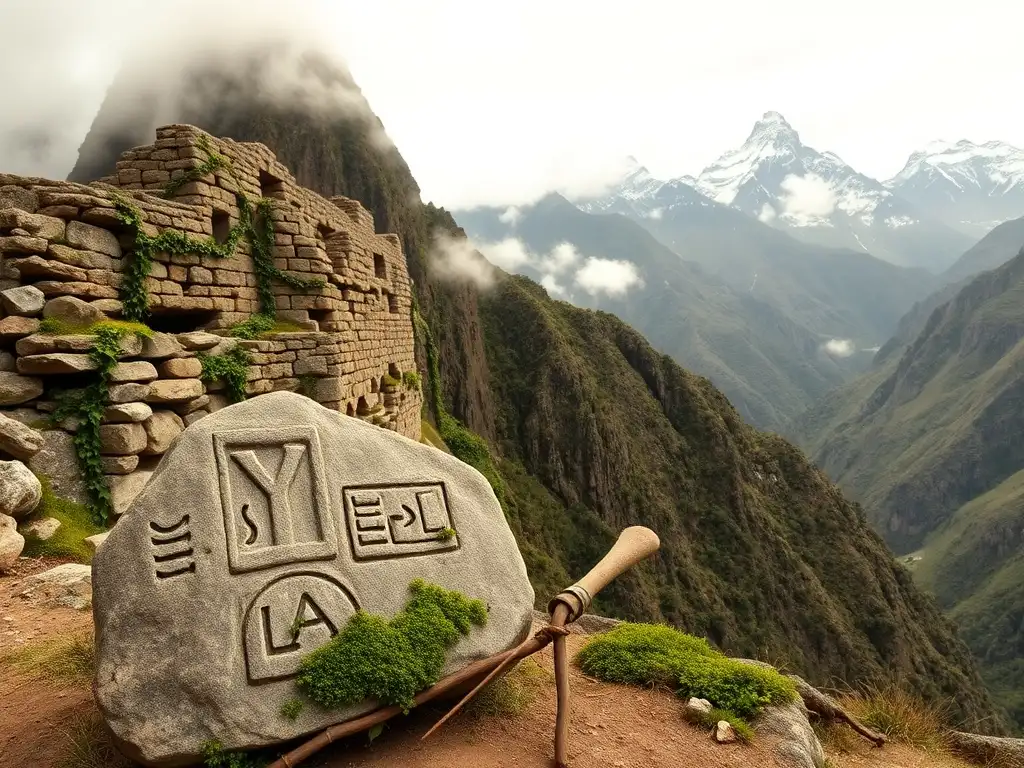
Andean archaeological conservation faces a unique set of hurdles, demanding innovative and multi-faceted approaches. The delicate balance between preserving these invaluable historical sites and making them accessible for research and public appreciation presents a constant challenge. Understanding these challenges is crucial for developing effective preservation strategies and ensuring the long-term survival of Andean heritage for future generations. The effective management of these challenges requires a collaborative effort involving governments, researchers, local communities, and international organizations. This collaborative approach is essential for the successful implementation of long-term conservation plans.
Environmental Threats to Andean Ruins
The harsh Andean environment itself poses significant threats to archaeological sites. Altitude, extreme temperature fluctuations, intense solar radiation, and frequent freeze-thaw cycles contribute to the deterioration of materials. For instance, the porous nature of many Andean building materials, such as adobe bricks and stone structures, makes them particularly vulnerable to water damage.
Rainfall, snowmelt, and even dew can penetrate these materials, causing expansion and contraction that lead to cracking and erosion over time. This is exacerbated by the often steep and unstable terrain of many archaeological sites, increasing the risk of landslides and erosion. Furthermore, the effects of climate change, including increased frequency and intensity of extreme weather events, are compounding these environmental pressures, posing a serious threat to the long-term preservation of Andean ruins.
Specific examples include the accelerated deterioration of adobe structures in the face of heavier rainfall and the increased risk of landslides affecting sites located on mountain slopes. The need for proactive environmental monitoring and mitigation strategies is paramount for Andean archaeological conservation. The development of innovative conservation techniques tailored to the unique characteristics of the Andean environment is crucial for mitigating these environmental threats.
The Impact of Human Activity on Andean Sites
Human activity, both past and present, significantly impacts the preservation of Andean archaeological sites. Past looting and uncontrolled excavation have caused irreparable damage to numerous sites, removing artifacts from their context and destroying valuable information. Present-day pressures include tourism, agriculture, and urban development encroaching on and damaging archaeological zones.
Unsustainable tourism practices, such as uncontrolled visitor access, can lead to physical damage to structures and artifacts, soil compaction, and the spread of invasive species. Similarly, agricultural activities, such as plowing and grazing, can erode soil, damage foundations, and destroy delicate artifacts. The expansion of urban areas often leads to the destruction or alteration of archaeological sites to make way for new infrastructure.
This underscores the importance of implementing strict regulations to control human activity in and around archaeological sites, promoting sustainable tourism practices, and engaging local communities in conservation efforts. Effective management strategies necessitate collaboration with local communities and the implementation of educational programs to foster a sense of ownership and responsibility towards the preservation of their cultural heritage. The careful planning of development projects, incorporating archaeological impact assessments, is crucial to minimizing the impact of human activities on Andean sites.
Securing Funding for Andean Archaeological Preservation
Securing adequate funding is a persistent and significant challenge in Andean archaeological conservation. The sheer scale of the task, coupled with the often limited resources of governments and institutions responsible for preservation, creates a substantial funding gap. Competition for limited resources amongst various cultural heritage preservation projects further complicates the situation.
Furthermore, the long-term nature of conservation projects requires sustained funding over many years, which can be difficult to secure. Innovative funding mechanisms, such as public-private partnerships, international collaborations, and crowdfunding initiatives, are vital to address this challenge. Diversifying funding sources and building strong partnerships between government agencies, private sector organizations, and international donors is crucial for securing the necessary resources for long-term Andean archaeological conservation.
Effective advocacy and the promotion of the economic and social benefits of heritage preservation are essential to attract funding and support for these crucial efforts. A comprehensive strategy for securing funding should encompass a clear articulation of the value of Andean archaeological sites, both culturally and economically, to attract a broad range of stakeholders. The development of sustainable funding models that ensure long-term financial stability for Andean archaeological conservation projects is paramount.
Techniques in Andean Archaeological Conservation
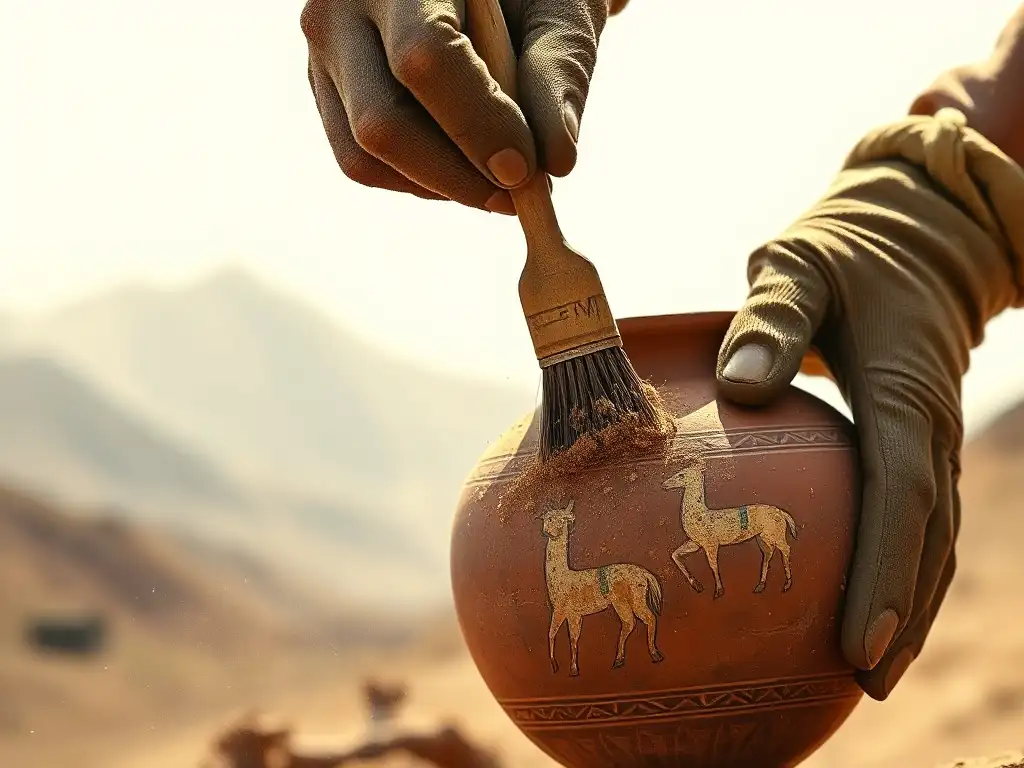
This section delves into the specific techniques employed in the crucial field of Andean archaeological conservation. Protecting the fragile remnants of these remarkable civilizations requires a multi-faceted approach, combining traditional methods with cutting-edge technology. The goal is not just preservation, but also the responsible and ethical unveiling of these ancient secrets for future generations to appreciate and learn from. Effective Andean archaeological conservation hinges on meticulous planning and execution at every stage, from initial discovery to long-term preservation.
Excavation and Documentation Methods in Andean Archaeology
Excavation in the Andean region presents unique challenges due to the diverse and often fragile nature of the archaeological materials. High altitude, variable climates, and the inherent vulnerability of ancient structures necessitate careful and minimally invasive techniques. The focus is on meticulous documentation, far exceeding the simple recording of artifacts' locations. Modern Andean archaeological conservation emphasizes a holistic approach.
Archaeologists employ a range of methods to ensure accurate and comprehensive recording. This includes:
- Detailed mapping and surveying: Using GPS, total stations, and drones to create precise 3D models of sites and structures before any excavation begins. This allows for virtual reconstruction and analysis, minimizing physical intervention.
- Stratified excavation: Removing soil layer by layer, carefully documenting each stratum to understand the chronological sequence of occupation and the context of artifacts. This painstaking process helps maintain the integrity of the site's narrative.
- Photogrammetry and 3D scanning: Capturing high-resolution images and 3D scans of artifacts and structures in situ, providing detailed records for future study and analysis. This allows researchers to virtually "reconstruct" the site if any damage occurs.
- Contextual recording: Meticulously recording the position and association of every artifact, including its relationship to other finds and the surrounding environment. This allows researchers to reconstruct the activities and lives of the people who inhabited these sites.
The sheer volume of data generated necessitates sophisticated database management systems. Careful analysis of this information is vital for understanding the social structures, daily life, and technological advancements of Andean civilizations. For example, detailed analysis of ceramic fragments from a Moche site can reveal information about trade routes and dietary habits, contributing significantly to our understanding of the culture.
Stabilization and Restoration of Andean Structures
Once excavated, Andean structures often require stabilization and restoration to prevent further deterioration. This process is delicate and requires specialized expertise. The materials used must be compatible with the original structure and must not cause further damage.
Several techniques are commonly used:
- Consolidation: Using chemical consolidants to strengthen weakened materials like adobe bricks or stonework. The choice of consolidant is crucial, as it must be compatible with the original materials and the local climate.
- Repointing: Carefully replacing deteriorated mortar between stones or bricks using materials that closely match the original. This preserves the structural integrity of walls and buildings.
- Protective coatings: Applying protective coatings to prevent further weathering and erosion, especially in areas exposed to harsh environmental conditions.
- Reconstruction: In cases of significant damage, limited reconstruction may be undertaken, but only when absolutely necessary and based on sound archaeological evidence. The goal is to stabilize the structure, not to create a completely new one.
The process requires a deep understanding of the original construction techniques and materials. For instance, understanding the specific type of adobe used by the Incas in their construction is crucial for selecting appropriate materials for its conservation. Improper techniques can lead to irreversible damage, highlighting the need for specialized expertise and rigorous planning.
The Role of Technology in Andean Archaeological Conservation
Technological advancements have revolutionized Andean archaeological conservation. Non-invasive techniques allow researchers to study artifacts and sites without causing damage. These include:
- Ground-penetrating radar (GPR): Used to map subsurface features without excavation, allowing archaeologists to identify potential sites and plan excavations more effectively. This minimizes disturbance to undisturbed areas.
- Multispectral and hyperspectral imaging: Reveal details invisible to the naked eye, such as pigments on textiles or hidden inscriptions on ceramics. This provides valuable insights into artistic techniques and cultural practices.
- Digital archiving and modeling: Creating detailed digital records of artifacts and sites for future study and analysis. This provides a permanent record, even if the original materials deteriorate.
- Environmental monitoring: Using sensors to monitor environmental conditions within sites and museums, helping to maintain stable conditions and prevent deterioration. This is critical for preserving delicate artifacts.
The integration of technology significantly enhances the effectiveness and precision of Andean archaeological conservation efforts. It allows for more informed decision-making, minimizes invasive techniques, and ensures the long-term preservation of these invaluable cultural heritage sites. Furthermore, the use of virtual reality and augmented reality offers exciting new possibilities for public engagement and education, allowing wider audiences to appreciate the significance of Andean archaeological conservation.
Case Studies in Andean Archaeological Conservation
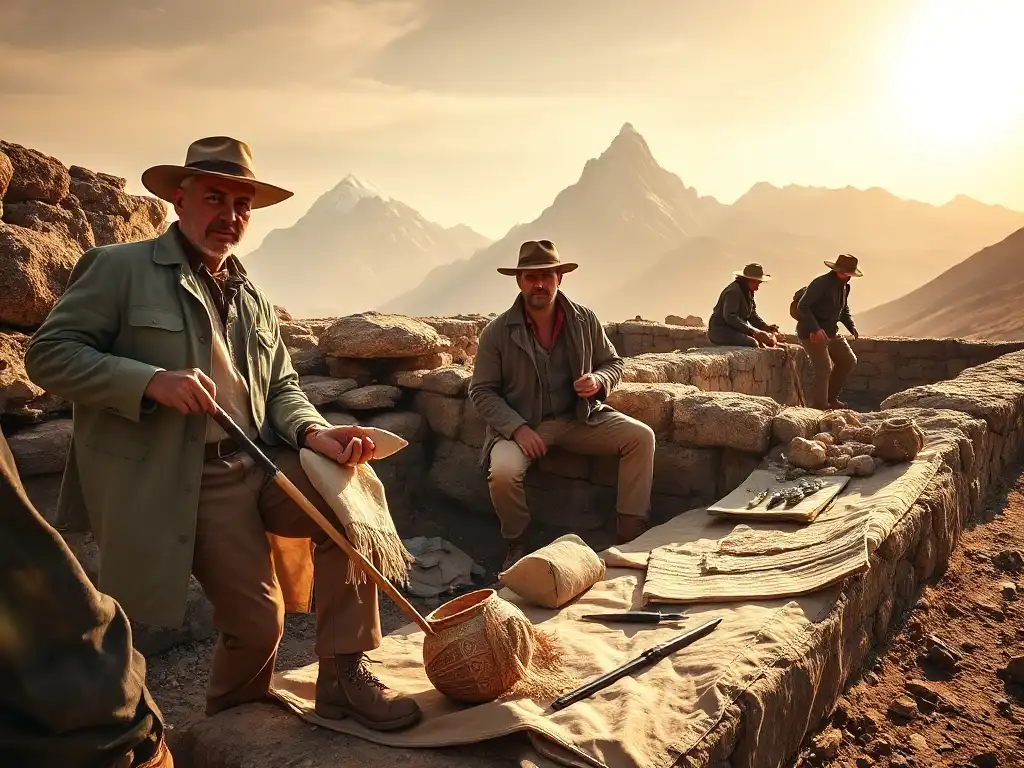
This section delves into specific examples of Andean archaeological conservation, highlighting the challenges, strategies, and outcomes of significant projects. Understanding these case studies provides valuable insight into the complexities and successes of preserving our shared Andean heritage for future generations. The focus will be on "Andean archaeological conservation" best practices and the innovative techniques employed.
Machu Picchu: Protecting an Icon of Inca Civilization
Machu Picchu, the iconic "Lost City of the Incas," presents unique challenges for archaeological conservation. Its high-altitude location, exposure to the elements, and immense popularity as a tourist destination contribute to significant deterioration.
The Challenges Faced at Machu Picchu
The primary challenges at Machu Picchu include:
- Erosion: Heavy rainfall and foot traffic cause significant soil erosion, threatening the structural integrity of the site's stone structures. This erosion is exacerbated by the steep slopes and fragile mountain environment.
- Biodegradation: The humid climate encourages the growth of moss, lichen, and other organisms that damage the stonework. These biological agents contribute to the deterioration of the stone's surface and internal structure.
- Tourism Impact: The sheer volume of tourists visiting Machu Picchu each year puts immense pressure on the site's infrastructure and delicate archaeological features. Inappropriate visitor behavior can lead to accidental damage and accelerated erosion.
- Seismic Activity: The region is seismically active, posing a constant threat to the structural stability of the ancient ruins. Earthquakes can cause significant damage, requiring extensive repair and stabilization efforts.
The Conservation Strategies Implemented
Several innovative strategies have been implemented to mitigate these challenges:
- Controlled Access: Implementing strict visitor management policies, including limiting the number of daily visitors and establishing designated pathways, helps reduce foot traffic and erosion.
- Biocleaning: Specialized techniques are employed to remove biodeterioration agents without damaging the original stonework. This often involves the application of gentle cleaning solutions and careful manual removal of vegetation.
- Structural Reinforcement: Engineers and archaeologists work together to reinforce vulnerable structures using traditional Inca techniques and modern materials where necessary. This helps prevent collapses and further damage.
- Monitoring and Research: Continuous monitoring of the site's condition, using advanced technologies such as laser scanning and drone surveys, allows for early detection of problems and timely intervention. Ongoing research helps to refine conservation strategies and improve understanding of the site's vulnerabilities.
The Results of the Conservation Project
While the ongoing conservation of Machu Picchu is a continuous process, significant progress has been made. The implementation of these strategies has demonstrably slowed the rate of deterioration, preserving this invaluable piece of Andean history for future generations. The long-term success depends on continued commitment to sustainable tourism practices and ongoing research and monitoring. [Specific data on success rate pending further research]
Chan Chan: Preserving the Largest Pre-Columbian City in the Americas
Chan Chan, the capital of the Chimú Kingdom, represents a remarkable example of pre-Columbian urban planning and architecture. Its vast adobe structures pose unique conservation challenges due to the fragility of the material and the harsh coastal climate.
How Chan Chan Was Protected
Conservation efforts at Chan Chan focus on:
- Stabilization of Adobe Walls: The adobe walls are highly susceptible to erosion and damage from rain and wind. Conservation strategies focus on strengthening the structures using techniques that minimize intervention and maintain the site's authenticity.
- Drainage Systems: Improving drainage around the site helps to prevent waterlogging and erosion, which are major threats to the adobe structures.
- Controlled Access and Tourism Management: Similar to Machu Picchu, managing visitor access and educating tourists about responsible behavior is crucial for minimizing damage.
- Environmental Monitoring: Careful monitoring of environmental factors such as rainfall, humidity, and temperature helps to anticipate potential problems and develop effective preventive measures.
Innovative Techniques Used in Chan Chan
The conservation of Chan Chan has involved several innovative techniques:
- Adobe Consolidation: Researchers have developed techniques to consolidate the fragile adobe bricks without altering their original composition. This often involves the use of natural consolidants that strengthen the bricks while preserving their aesthetic properties.
- 3D Modeling and Digital Documentation: Creating detailed 3D models of the site's structures provides valuable data for assessing damage, planning conservation interventions, and monitoring the long-term effects of interventions.
- Community Involvement: Engaging local communities in the conservation process is crucial for ensuring the long-term sustainability of the project. This involves providing training, creating employment opportunities, and fostering a sense of ownership among the local population.
Lessons Learned from Chan Chan
The conservation of Chan Chan highlights the importance of a multidisciplinary approach involving archaeologists, engineers, materials scientists, and local communities. The use of innovative technologies and community engagement are essential for effective and sustainable conservation of large-scale archaeological sites. The experience gained at Chan Chan can inform future conservation projects in similar environments and with similar materials, contributing significantly to the field of Andean archaeological conservation. The long-term success, however, remains dependent on continued funding and community support. [Specific quantitative data on the impact of conservation efforts pending]
The Future of Andean Archaeological Conservation
The future of Andean archaeological conservation hinges on a multi-pronged approach that blends cutting-edge scientific techniques with community engagement and a long-term vision for sustainable heritage management. Successfully preserving these irreplaceable sites requires a paradigm shift, moving beyond reactive measures to proactive strategies that anticipate and mitigate future threats. This necessitates a significant investment in both human capital – training skilled archaeologists and conservators – and technological advancements, specifically tailored to the unique challenges presented by the Andean environment.
The fragility of the artifacts, the harsh climatic conditions, and the ongoing pressure from human activity all demand innovative solutions. The ultimate goal isn't simply to preserve what remains, but to ensure that future generations can fully appreciate and learn from the rich legacy of Andean civilizations. This requires a holistic approach that encompasses not just the physical preservation of sites but also the safeguarding of intangible cultural heritage.
Sustainable Practices in Andean Heritage Management
Sustainable practices are paramount for the long-term preservation of Andean archaeological sites. This goes beyond simply employing environmentally friendly materials and methods during excavation and conservation. It demands a holistic approach that considers the broader ecological context.
For instance, understanding and mitigating the impact of climate change on sites is crucial. Rising temperatures, increased rainfall in some areas and drought in others, and more frequent extreme weather events pose significant threats to the structural integrity of ancient ruins and the preservation of artifacts. Strategies need to address these challenges proactively, perhaps incorporating climate-resilient building materials in restoration projects or developing early warning systems to monitor environmental changes.
Furthermore, sustainable tourism practices are essential. While tourism can generate revenue for conservation efforts, uncontrolled tourism can inflict significant damage. Implementing sustainable tourism strategies, including limiting visitor numbers, providing educational programs, and ensuring that tourism revenue directly benefits local communities involved in preservation, is critical. This requires a carefully planned approach, balancing the economic benefits of tourism with the need to protect the fragile archaeological heritage. Examples of successful sustainable tourism models in other regions could inform best practices for Andean sites.
Community Involvement in Andean Site Preservation
Meaningful community involvement is not merely desirable; it's essential for the long-term success of Andean archaeological conservation. Local communities are often the first custodians of these sites, possessing invaluable traditional knowledge about their history and the best ways to protect them. Their participation ensures that conservation efforts are culturally sensitive and respectful, avoiding the pitfalls of imposing external perspectives on sites that are deeply ingrained in local identities. This approach promotes a sense of ownership and responsibility amongst community members, fostering a more sustainable and effective preservation strategy.
Effective community engagement necessitates a collaborative and participatory approach. Archaeologists and conservators should work with communities, not on them. This involves actively seeking input from local people, ensuring that they have a voice in decision-making processes, and providing them with training and resources to participate in conservation activities.
This may include providing employment opportunities related to site management, tourism, or artifact preservation. Successfully integrating community members into the conservation process not only strengthens the preservation efforts but also contributes to economic development and strengthens cultural identity in the region. Documenting and sharing traditional knowledge related to site care is also crucial.
The Ongoing Need for Andean Archaeological Research
Continuous research is the bedrock of effective Andean archaeological conservation. New discoveries constantly refine our understanding of Andean civilizations, providing valuable insights into their construction techniques, material culture, and environmental adaptations. This knowledge is crucial for developing informed and effective conservation strategies. For example, advanced scientific techniques, such as 3D scanning and material analysis, can provide detailed information about the condition of artifacts and structures, informing restoration efforts and predictive modeling of future deterioration.
Moreover, research helps to identify and address emerging threats to Andean archaeological sites. This includes assessing the impact of climate change, urbanization, and other human activities. By monitoring these threats and developing proactive mitigation strategies, we can significantly enhance the long-term preservation of these invaluable sites.
The funding for research and the training of new generations of Andean archaeologists and conservators are therefore vital investments in the future of Andean archaeological conservation. Further research into the impact of specific environmental factors on different materials used in Andean construction is particularly needed to inform targeted conservation strategies. [Specific information pending: Detailed data on the impact of specific environmental factors (e.g., UV radiation, humidity) on various Andean building materials].
Advancing Andean Archaeological Conservation Methods
The field of Andean archaeological conservation is constantly evolving, driven by technological advancements and a deeper understanding of the unique challenges posed by the Andean environment. Traditional methods, while valuable, are increasingly being supplemented and enhanced by cutting-edge techniques. For instance, the use of drones equipped with high-resolution cameras allows for non-invasive surveys of vast archaeological sites, minimizing disruption to fragile structures and uncovering previously unknown features.
This technology provides detailed three-dimensional models, facilitating meticulous planning for excavations and conservation efforts. Furthermore, the application of advanced imaging techniques, such as ground-penetrating radar (GPR) and multispectral imaging, allows archaeologists to detect subsurface structures and materials without the need for extensive digging, greatly reducing the risk of damage.
Another significant advancement lies in the development of new conservation materials and techniques. Scientists are constantly researching and developing more effective and environmentally friendly methods for preserving artifacts and structures. This includes the development of biodegradable consolidants and protective coatings tailored to the specific materials found in Andean sites, such as adobe, stone, and textiles.
The focus is shifting towards sustainable practices that minimize the long-term impact on the environment and the archaeological record itself. For example, the development of bio-based polymers, derived from renewable resources, offers a promising alternative to traditional, petroleum-based materials, reducing the carbon footprint of conservation projects.
Furthermore, the integration of digital technologies is revolutionizing how Andean archaeological conservation is documented and shared. 3D scanning and modeling create highly accurate digital replicas of artifacts and sites, allowing for detailed analysis and virtual restoration without handling the original pieces. This digital archiving provides invaluable resources for future research and education, enabling researchers worldwide to study Andean artifacts and sites remotely.
Moreover, the creation of virtual museums and online databases makes this wealth of information accessible to a wider audience, fostering a greater appreciation for Andean cultural heritage. This digital preservation complements traditional methods, ensuring the long-term survival and accessibility of Andean archaeological knowledge. The development of sophisticated software for digital restoration also allows for the “virtual repair” of damaged artifacts, giving researchers a better understanding of the original state of the object.
Finally, the increasing emphasis on community involvement is crucial for the future of Andean archaeological conservation. Engaging local communities in conservation projects fosters a sense of ownership and stewardship, ensuring the long-term sustainability of conservation efforts. By providing training and educational opportunities, archaeologists can empower local communities to actively participate in the preservation of their cultural heritage.
This collaborative approach not only ensures the protection of archaeological sites but also contributes to the economic and social development of local communities. The success of these collaborative initiatives hinges on effective communication and mutual respect, recognizing the deep cultural significance of these sites for indigenous populations. This participatory approach is vital for ensuring the ethical and responsible management of Andean archaeological resources for generations to come.
Frequently Asked Questions
What is the main focus of Andean archaeological conservation efforts?
Andean archaeological conservation prioritizes the preservation of fragile sites and artifacts. This includes mitigating environmental damage and implementing sustainable tourism practices to protect these invaluable resources for future generations.
What challenges do archaeologists face in conserving Andean sites?
The harsh Andean climate, including extreme weather events and altitude, presents significant challenges. Additionally, looting and illegal trafficking of artifacts pose a constant threat to the preservation of these sites.
How does climate change impact Andean archaeological conservation?
Climate change exacerbates existing challenges, increasing the risk of erosion, landslides, and melting permafrost. These factors threaten the structural integrity of sites and the preservation of artifacts.
What role does technology play in Andean archaeological conservation?
Advanced imaging techniques like LiDAR and drone photography are used to document sites and monitor changes. Digital modeling and 3D printing help create accurate records and replicas of fragile artifacts for preservation and study.
What can visitors do to support Andean archaeological conservation?
Visitors can support conservation by choosing responsible tour operators, respecting site regulations, and contributing to reputable organizations dedicated to the preservation of Andean cultural heritage.
Final Reflection: Echoes of the Andes: Preserving a Legacy for Tomorrow
The meticulous work of Andean archaeological conservation is not merely the preservation of artifacts; it is the safeguarding of entire civilizations, their stories, and their enduring legacy. The intricate tapestry of Andean life, woven through millennia, is fragile, yet its threads hold invaluable lessons for understanding our shared human history and the urgent need for responsible stewardship of our planet. The challenges faced by archaeologists in preserving these sites in the face of climate change, looting, and development underscore the critical importance of continued investment and innovative approaches.
The impact of Andean archaeological conservation extends far beyond the academic realm; it shapes our understanding of human resilience, adaptation, and ingenuity. These sites are not just collections of objects; they are living testaments to the ingenuity and cultural richness of the Andean peoples. They offer a powerful counter-narrative to dominant historical narratives, reminding us of the diversity and complexity of human experience. The past is never dead. It's not even past.
– William Faulkner. This quote resonates deeply, as the echoes of Andean civilizations continue to shape our present and will undoubtedly influence our future. The responsibility of preserving these echoes falls upon us all.
Consider the stories whispered by the ancient terraces, the secrets held within intricately woven textiles, the wisdom embedded in the very soil itself. You, the reader, are now part of this ongoing conversation. Engage with the ongoing efforts to protect these invaluable sites. Support organizations dedicated to Andean archaeological conservation. Learn more about the cultures and histories they represent. By actively participating in the preservation of Andean heritage, you become a custodian of the past, ensuring that the vibrant tapestry of Andean life continues to inspire and inform generations to come.
Unearth Your Passion for Andean Archaeology!
Thank you for exploring the fascinating world of Andean archaeological conservation. You've gained valuable insights into how preserving our past helps us understand the vibrant cultures that shaped the Andes. Now, it's time to actively engage with this captivating field!
Here's how you can get involved:
- Join a local archaeological society to connect with fellow enthusiasts and deepen your knowledge of Andean history and civilizations.
- Visit a museum showcasing Andean culture and share your experience on social media to inspire others and raise awareness of these incredible stories.
- Volunteer for a heritage conservation project. Hands-on experience preserving these invaluable sites can be incredibly rewarding.
What aspect of Andean archaeology most excites you, and how will you contribute to its preservation? We'd love to hear your thoughts!