
The Spanish Conquest: The Impact of European Arrival on Inca Society

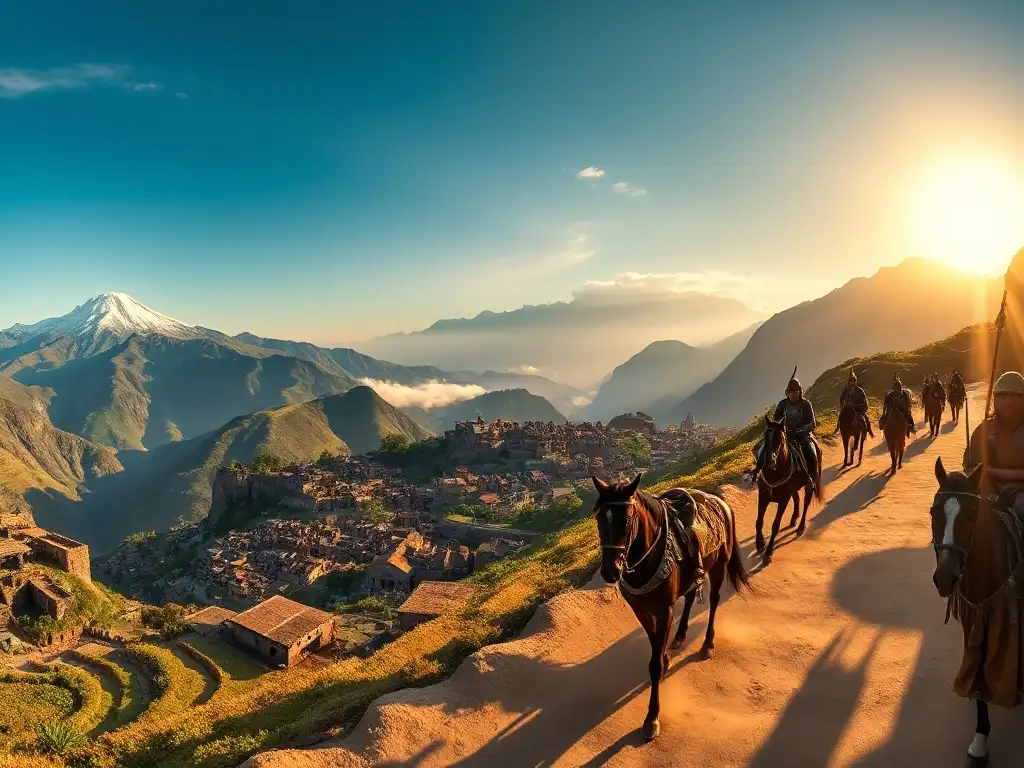
Step into a world lost to time, yet echoing with the whispers of a magnificent empire. Imagine the breathtaking heights of Machu Picchu, the intricate artistry of Inca textiles, and the sophisticated engineering of their cities... then picture the shattering impact of the Spanish conquest. This is the story of the Inca civilization, a tale of breathtaking achievement abruptly ended. Discover how the arrival of the Spanish irrevocably altered the course of Andean history – delve into the complexities of the Inca civilization Spanish conquest impact and uncover the enduring legacy of a fallen empire. Prepare to be amazed.
-
The Spanish Conquest: Impact on Inca Society
- Introduction to the Inca Civilization before the Spanish Arrival
- The Pre-Columbian Inca Empire: Society and Governance
- The Arrival of the Spanish Conquistadors
- The Inca Resistance and the Fall of the Empire
- The Immediate Effects of the Spanish Conquest on Inca Society
- Long-Term Consequences of the Spanish Conquest on Inca Culture
- The Economic Exploitation of the Inca Population
- The Legacy of the Spanish Conquest on Modern Andean Societies
- Conclusion: Reflecting on the Inca Civilization Spanish Conquest Impact
-
Frequently Asked Questions
- What was the most significant impact of the Spanish conquest on the Inca Empire?
- How did disease affect the Inca population after the Spanish arrival?
- What role did the Spanish conquistadors play in the downfall of the Inca Empire?
- How did the Spanish conquest alter the Inca's religious practices?
- What lasting impact did the Spanish conquest have on the Andean region's culture?
- Final Reflection: Echoes of Conquest, Whispers of Resilience
- Unveil the Legacy of the Inca: Take Action Today!
The Spanish Conquest: Impact on Inca Society
The arrival of the Spanish in the 16th century irrevocably altered the course of Inca civilization, bringing an end to a vast and sophisticated empire that had flourished for over a century. This article delves into the profound impact of the Spanish conquest on Inca society, examining the pre-Columbian Inca world to better understand the scale of the transformation. We will explore the intricate social structures, political organization, and economic systems that characterized the Inca Empire before the arrival of Europeans, highlighting the devastating consequences of the conquest and the enduring legacy of this pivotal historical event.
Understanding the Inca civilization's strengths and complexities before the Spanish conquest is crucial to grasping the magnitude of the societal upheaval that followed. The keyword "Inca civilization Spanish conquest impact" will be examined through a detailed analysis of the Inca's societal structures and the subsequent destruction wrought by the Spanish.
Introduction to the Inca Civilization before the Spanish Arrival
Before the Spanish arrived, the Inca Empire, also known as the Tawantinsuyu, was a remarkable achievement of human organization and ingenuity. Spanning a vast territory along the Andes Mountains, from present-day Colombia to Chile, the Inca Empire boasted a sophisticated infrastructure, advanced agricultural techniques, and a complex social hierarchy. The Inca's mastery of engineering is evident in their impressive road systems, intricate irrigation canals, and awe-inspiring stone architecture, such as Machu Picchu.
Their highly organized society, however, was vulnerable to external threats, a vulnerability tragically exploited by the Spanish conquistadors. The empire's centralized authority and advanced societal structures, while impressive, ultimately proved inadequate against the combined forces of disease, superior weaponry, and internal divisions fueled by the Spanish.
The Pre-Columbian Inca Empire: Society and Governance
The Inca Empire's success rested upon its well-defined social structure, efficient political organization, and robust economic system. Understanding these elements is crucial to comprehending the devastating effects of the Spanish conquest.
Inca Social Structure Before Conquest
Inca society was rigidly hierarchical, with the Sapa Inca, the emperor, at its apex. He was considered a divine ruler, and his authority permeated all aspects of life. Below the Sapa Inca were various levels of nobility, priests, and officials. The majority of the population consisted of ayllus, kinship-based communities that formed the backbone of Inca society.
These ayllus were responsible for agricultural production, public works, and military service. The system, though rigid, provided a degree of social security and stability, a stark contrast to the chaos that followed the Spanish conquest. The disruption of this social order led to widespread suffering and the erosion of traditional ways of life.
Inca Political Organization and Administration
The Inca Empire's political system was remarkably centralized. The Sapa Inca held absolute power, aided by a complex bureaucracy of officials who managed various aspects of the empire, from taxation and public works to religious ceremonies and military affairs. The empire was divided into four provinces, each governed by a governor appointed by the Sapa Inca.
This highly centralized system facilitated efficient administration and resource allocation across the vast empire. However, this very centralization became a point of vulnerability during the conquest. The sudden disruption of the central authority created a power vacuum, leading to widespread instability and internal conflict, which the Spanish skillfully exploited.
Inca Economic System and Resources
The Inca economy was based on a system of mit'a, a form of mandatory labor service, and a complex redistribution network. The mit'a system required all able-bodied citizens to contribute labor to public works projects, such as road construction, irrigation projects, and temple building. Agricultural production was highly organized, with surplus food being stored in state-controlled warehouses and redistributed to those in need. This system ensured a degree of economic stability and social welfare.
The Spanish conquest disrupted this intricate system, leading to widespread famine and economic collapse. The seizure of Inca resources by the Spanish further exacerbated the economic devastation, leaving a lasting impact on the Andean region. The exploitation of the mit'a system by the Spanish, transforming it into forced labor in mines and other exploitative ventures, represents a particularly brutal aspect of the conquest's economic impact.
The Arrival of the Spanish Conquistadors
The arrival of the Spanish conquistadors in the Inca Empire marked a pivotal moment in Andean history, irrevocably altering the course of Inca civilization. The initial contact, fraught with misunderstanding and cultural clashes, laid the groundwork for the subsequent conquest. The Spanish, driven by a thirst for gold and a fervent belief in their religious mission, possessed advanced weaponry and tactics that proved devastatingly effective against the Inca army.
However, the Inca Empire was not a monolithic entity; internal divisions and power struggles significantly weakened their ability to resist the Spanish onslaught. The conquistadors' arrival was not a singular event but rather a process unfolding over several years, involving complex interactions, strategic alliances, and brutal conflicts.
The impact of disease, introduced unintentionally by the Europeans, further decimated the Inca population, crippling their ability to mount effective resistance. This initial contact period laid the groundwork for the systematic dismantling of the Inca political, social, and religious structures.
The First Encounters: Initial Contact with Inca People
The first encounters between the Spanish and the Inca people were characterized by a mixture of awe, curiosity, and suspicion. The Spaniards, witnessing the grandeur of the Inca cities and the sophistication of their civilization, were initially impressed. However, their perceptions were often skewed by their own cultural biases and the desire for wealth.
The Inca, on the other hand, were likely bewildered by the arrival of these strange-looking men with unfamiliar technologies and aggressive intentions. Early interactions involved attempts at communication, often hampered by language barriers and differing cultural understandings. These initial encounters, while seemingly peaceful at times, ultimately sowed the seeds of conflict, paving the way for the brutal conquest that would follow.
The initial gift-giving and seemingly amicable exchanges quickly deteriorated as the Spanish revealed their true intentions – the acquisition of gold and land. These early encounters, though seemingly insignificant at the time, played a crucial role in shaping the dynamics of the ensuing conflict.
The Role of Francisco Pizarro in the Conquest
Francisco Pizarro stands as a central figure in the Spanish conquest of the Inca Empire. His ambition, ruthlessness, and strategic acumen were instrumental in the downfall of a powerful civilization. Pizarro's expedition, though initially small, capitalized on internal Inca conflicts and skillfully exploited existing power struggles within the empire. His audacious capture of Atahualpa, the Inca emperor, was a pivotal moment, effectively paralyzing the Inca resistance and opening the way for the Spanish to consolidate their power.
Pizarro's cunning and brutality, combined with his ability to forge alliances with indigenous groups resentful of Inca rule, allowed him to gain a significant advantage. While often remembered for his cruelty, Pizarro's strategic brilliance and understanding of the political landscape of the Inca Empire cannot be overlooked. His actions, however, ultimately led to the destruction of a sophisticated civilization and the imposition of Spanish colonial rule.
Spanish Military Advantages and Strategies
The Spanish conquest was not solely a matter of brute force; it was a carefully orchestrated campaign that exploited both military and political advantages. The Spanish possessed superior weaponry, including firearms, steel swords, and horses – all unknown to the Inca. These technological advantages, combined with the devastating impact of European diseases, gave them a decisive edge in battle. The Spanish also employed effective military strategies, often employing surprise attacks and exploiting the terrain to their advantage.
Their understanding of siege warfare and their ability to quickly adapt to Inca tactics proved crucial in overcoming the Inca's numerical superiority. Furthermore, the Spanish successfully exploited internal divisions within the Inca Empire, forging alliances with rival factions and undermining the Inca's ability to mount a unified defense. The conquest, therefore, was not simply a matter of military might, but a complex interplay of military strategy, technological superiority, and political maneuvering.
The Inca Resistance and the Fall of the Empire
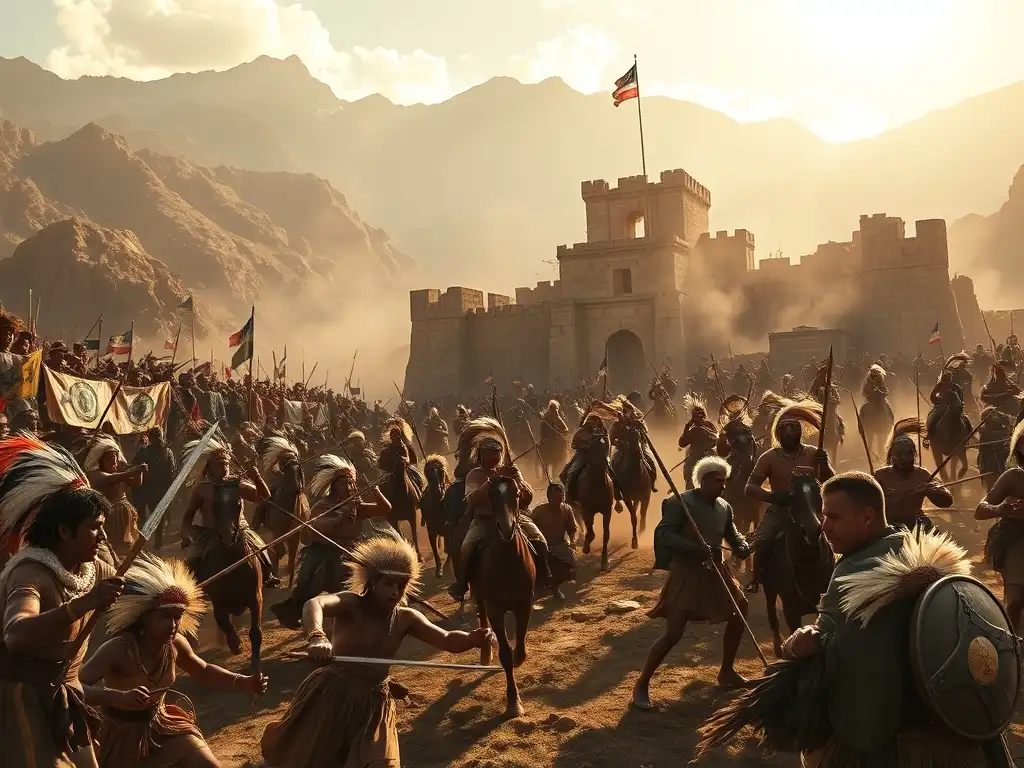
Despite the overwhelming odds, the Inca people mounted a determined resistance against the Spanish conquest. However, the combination of superior Spanish weaponry, the devastating effects of disease, and internal conflicts within the Inca Empire ultimately led to their defeat. The Inca resistance was characterized by both large-scale battles and guerilla warfare, demonstrating the Inca's resilience and determination to protect their land and culture.
The capture and execution of Atahualpa significantly weakened the Inca's ability to organize a coordinated defense, leading to the eventual collapse of the empire. The fall of the Inca Empire was a gradual process, marked by a series of battles, betrayals, and the systematic dismantling of Inca institutions. Even after the conquest, pockets of resistance persisted for years, highlighting the enduring spirit of the Inca people.
Inca Civil War and Internal Conflicts
The Inca Empire, at the time of the Spanish arrival, was already weakened by a devastating civil war between Huáscar and Atahualpa, two brothers vying for the throne. This internal conflict significantly hampered the Inca's ability to mount a unified defense against the Spanish. The war had depleted the empire's resources, weakened its army, and created deep divisions amongst the population. The Spanish cleverly exploited these divisions, forging alliances with factions opposed to the ruling Inca emperor, turning the Inca against each other.
The civil war left the empire vulnerable and fractured, providing the Spanish with a critical advantage in their conquest. The internal strife within the Inca Empire was arguably as significant a factor in the Spanish conquest as the Spanish military superiority itself. This internal conflict paved the way for the relatively swift and decisive Spanish victory.
Key Battles and Turning Points of the Conquest
Several key battles and events marked the turning points in the Spanish conquest of the Inca Empire. The Battle of Cajamarca, where Pizarro captured Atahualpa, is widely considered a pivotal moment. This audacious capture, achieved through a combination of treachery and superior weaponry, effectively paralyzed the Inca resistance. Subsequent battles, though often smaller in scale, further eroded Inca power and allowed the Spanish to gradually consolidate their control over the empire.
The fall of Cuzco, the Inca capital, marked a significant symbolic victory for the Spanish, solidifying their dominance over the region. Each battle and strategic maneuver contributed to the gradual dismantling of the Inca Empire, culminating in the complete subjugation of the Inca people and the imposition of Spanish colonial rule. These key battles and turning points underscore the strategic brilliance of the Spanish conquistadors as well as the devastating impact of their actions.
The Capture and Execution of Atahualpa
The capture and execution of Atahualpa, the Inca emperor, marked a decisive turning point in the Spanish conquest. Atahualpa's capture at Cajamarca was a stroke of audacious brilliance by Pizarro, achieved through a combination of treachery and superior weaponry. Despite the immense ransom paid by Atahualpa in gold and silver, he was ultimately executed by the Spanish, a brutal act that further destabilized the Inca Empire and demoralized the Inca resistance.
Atahualpa's death created a power vacuum, leading to further internal conflict and weakening the Inca's ability to effectively oppose the Spanish advance. The execution of Atahualpa is a stark reminder of the brutality and ruthlessness of the Spanish conquest and its devastating impact on Inca civilization. This event stands as a symbol of the conquest’s profound and lasting consequences.
The Immediate Effects of the Spanish Conquest on Inca Society
The arrival of the Spanish conquistadors in the Inca Empire marked a catastrophic turning point. The immediate effects were devastating, rippling through every aspect of Inca society. The meticulously organized Inca state, renowned for its efficient administration and intricate social structure, was thrown into chaos. The carefully balanced power dynamics, honed over centuries, were shattered almost overnight.
The initial shockwave of the conquest manifested in widespread death, displacement, and the erosion of traditional authority. The Inca's sophisticated infrastructure, once a symbol of their power and ingenuity, became targets for exploitation and destruction. The systematic dismantling of the Inca government and economy created a vacuum that would be filled by the very forces that had caused its collapse. The initial years after the conquest were a period of immense suffering and uncertainty for the Inca people, setting the stage for long-term transformations that would fundamentally reshape their culture and identity.
Disruption of Inca Social Hierarchies
The Inca social structure, a complex hierarchy with the Sapa Inca at its apex, was brutally disrupted. The Spanish conquest not only eliminated the Sapa Inca as the supreme authority but also decimated the nobility and priesthood, the pillars of the Inca system. The carefully cultivated social order, based on kinship, service, and reciprocal obligations, was replaced by a chaotic power struggle and a new system of social stratification imposed by the Spanish. Indigenous leaders who collaborated with the Spanish often gained power and privilege at the expense of those who resisted. This created internal conflicts and further weakened the social fabric of Inca society. The traditional roles and responsibilities of various social groups were drastically altered, leading to instability and a sense of loss of identity among many Incans. The disruption of the ayllu, the communal system that formed the backbone of Inca society, had profound and long-lasting repercussions.
Imposition of the Spanish Colonial System
The Spanish swiftly imposed their colonial system upon the conquered Inca territories. This involved the establishment of new administrative structures, legal frameworks, and economic policies designed to benefit the Spanish crown and its colonists. The encomienda system, which granted Spanish conquistadors control over indigenous labor and resources, was a particularly brutal form of exploitation. Indigenous populations were forced into labor in mines, on farms, and in other industries, often under horrific conditions.
The introduction of the repartimiento system, although supposedly more regulated, still subjected the Inca population to forced labor. This systematic exploitation led to widespread suffering, disease, and death, drastically reducing the indigenous population and undermining the traditional Inca economic system. The imposition of Christianity, often through forceful conversion, further destabilized the existing social and religious order.
The Introduction of New Diseases
Perhaps the most devastating immediate consequence of the Spanish conquest was the introduction of Old World diseases to which the Inca population had no immunity. Smallpox, measles, influenza, and other diseases ravaged the Inca population, causing widespread death and societal upheaval. The lack of immunity among the Inca, coupled with their densely populated urban centers, allowed these diseases to spread rapidly and lethally.
The loss of life was catastrophic, decimating the population and further weakening the Inca's ability to resist Spanish rule. The impact of these diseases extended beyond the immediate mortality rate; they disrupted social structures, destabilized communities, and contributed to the decline of Inca civilization. Historians estimate that the population decline due to disease was immense, dramatically altering the demographic landscape of the Andes.
Long-Term Consequences of the Spanish Conquest on Inca Culture
The long-term consequences of the Spanish conquest on Inca culture were profound and far-reaching, profoundly shaping the Andean region's social, economic, and religious landscape for centuries. The legacy of colonial rule continues to resonate in modern-day Peru and surrounding areas. The Inca's remarkable achievements were systematically dismantled and replaced with a new colonial order, but elements of their culture persisted, albeit transformed.
Transformation of Inca Religious Practices
The Spanish conquest led to a significant transformation of Inca religious practices. The Spanish actively suppressed Inca religion, destroying temples, idols, and sacred sites. They attempted to replace the Inca pantheon with Christianity, often through forceful conversion and the destruction of indigenous religious artifacts and practices.
While the Inca religion did not disappear entirely, it was significantly altered, blending with Christian beliefs and practices in a syncretic process that persists to this day. Many Inca traditions were incorporated into a new hybrid religious system, reflecting the resilience of Inca culture in the face of colonial oppression. However, the systematic suppression of Inca religious beliefs undoubtedly weakened an integral aspect of Inca identity.
Changes in Inca Agricultural Methods
The Spanish conquest also brought about significant changes in Inca agricultural methods. While the Inca’s sophisticated agricultural techniques, including terracing and irrigation, were initially admired by the Spanish, the colonial system gradually altered traditional practices. The introduction of new crops, livestock, and farming techniques, alongside the imposition of forced labor and the reorganization of land ownership, led to a shift away from the communal ayllu system.
This impacted the sustainability and efficiency of Inca agriculture, leading to changes in crop production and land management. The focus shifted from community-based subsistence farming to large-scale agricultural production for the benefit of the Spanish colonial economy.
Impact on Inca Language and Traditions
The Spanish conquest profoundly impacted Inca language and traditions. Quechua, the language of the Inca Empire, was gradually replaced by Spanish as the dominant language of administration, commerce, and education. While Quechua persisted in rural areas, its use diminished significantly, impacting the preservation of Inca oral traditions, storytelling, and cultural knowledge.
Many Inca traditions, including artistic expressions, music, and social customs, were either suppressed or transformed under colonial rule. While some aspects of Inca culture survived, they were often blended with Spanish influences, creating a hybrid cultural identity that reflects both Inca heritage and the impact of colonization. The struggle to preserve and revive Inca language and traditions continues to this day, highlighting the enduring legacy of the Spanish conquest.
The Economic Exploitation of the Inca Population
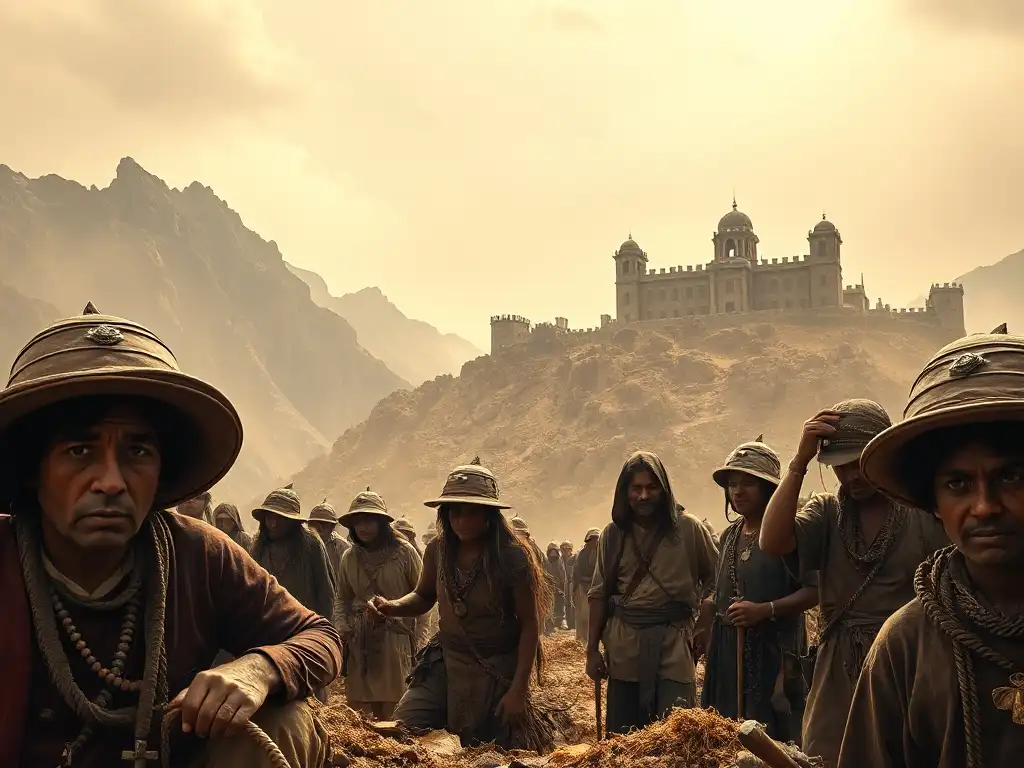
The Spanish conquest of the Inca Empire led to the systematic economic exploitation of the indigenous population. The intricate and efficient Inca economic system, based on ayllu communities and reciprocal obligations, was dismantled and replaced with a system designed to benefit the Spanish crown and its colonists. This transition resulted in widespread suffering and the decimation of the Inca economy.
The Inca's sophisticated agricultural practices, meticulously planned irrigation systems, and advanced storage techniques, which had ensured food security for millions, were disrupted, leading to widespread famine and disease in the following years. The Spanish disregard for the existing infrastructure and social structures created immense hardship for the Inca people, who were forced to adapt to a vastly different and exploitative system. The impact extended beyond mere economic hardship; it fundamentally altered the social fabric of Inca society, creating lasting inequalities that persist to this day.
The Encomienda System and Forced Labor
A cornerstone of Spanish economic exploitation was the encomienda system. This system granted Spanish conquistadors control over indigenous populations, obligating the Inca to provide labor and tribute in exchange for supposed "protection" and Christianization. In reality, this protection was often nonexistent, while the forced labor was brutal and often resulted in death. The encomienda system effectively enslaved the Inca population, forcing them to work in mines, on plantations, and in other arduous tasks for minimal or no compensation.
The sheer scale of forced labor drastically reduced the Inca population, contributing to the widespread decline in agricultural production and overall economic output. The system's cruelty and inefficiency crippled the Inca economy and left a lasting legacy of social injustice. Records show a drastic decrease in agricultural output following the implementation of the encomienda system, impacting food security across the empire.
Extraction of Gold and Silver Resources
The Spanish conquest was fueled by the insatiable desire for gold and silver. The Inca Empire possessed vast reserves of these precious metals, and the Spanish ruthlessly exploited these resources, prioritizing extraction over the well-being of the Inca population. Mines were established throughout the empire, and the Inca were forced to work in hazardous conditions, often suffering from disease, injury, and death.
The extraction of gold and silver disrupted established trade routes and economic activities, diverting resources and labor away from agriculture and other essential sectors. The massive outflow of these precious metals to Spain enriched the European crown while devastating the Inca economy and contributing to its long-term decline. Estimates suggest that millions of ounces of gold and silver were extracted from Inca territories in the decades following the conquest.
Disruption of the Inca Economic Network
The Inca Empire possessed a remarkably organized and efficient economic network. This network facilitated the distribution of goods and services throughout the vast empire, ensuring that even the most remote communities had access to essential resources. The Spanish conquest severely disrupted this intricate system. Existing trade routes were altered or destroyed, and the established systems of storage and distribution were dismantled.
The introduction of a market-based economy, driven by Spanish demands, further destabilized the Inca economic structure. The disruption of this network led to widespread shortages of essential goods, contributing to famine, disease, and social unrest. The consequences of this disruption are still felt in the Andean region today, impacting the distribution of resources and hindering economic development.
The Legacy of the Spanish Conquest on Modern Andean Societies
The Spanish conquest left an indelible mark on Andean societies, shaping their cultural, social, and economic landscapes for centuries to come. The impact extends beyond the immediate aftermath of the conquest, influencing the region's development and its relationship with the rest of the world. The legacy is a complex tapestry of both destruction and adaptation, demonstrating the resilience of the Andean people and the enduring influence of Inca traditions. Understanding this legacy is crucial to comprehending the present-day challenges and opportunities facing Andean communities.
Lasting Cultural and Social Impacts
The Spanish conquest resulted in significant cultural and social upheaval. The imposition of Catholicism led to the suppression of indigenous religions and beliefs, although many Inca traditions persisted in syncretic forms. The Spanish introduced new social structures and hierarchies, reinforcing existing inequalities and creating new ones.
The indigenous population faced systemic discrimination and marginalization, which continue to affect Andean societies today. The destruction of Inca administrative structures and the replacement with Spanish colonial institutions resulted in a fundamental shift in power dynamics and social organization. Despite the suppression, many aspects of Inca culture, including language, art, and music, survived and continue to thrive in modern Andean societies.
The Influence of the Inca Legacy
Despite the devastating impact of the Spanish conquest, elements of Inca culture and traditions have persisted throughout the centuries. The resilience of Inca heritage is evident in the continued use of Quechua and Aymara languages, the preservation of traditional agricultural practices, and the ongoing celebration of Inca festivals and customs. This enduring legacy demonstrates the strength and adaptability of Inca culture and its capacity to withstand colonial oppression.
The continued presence of Inca-inspired art forms, textiles, and architectural styles also exemplifies the enduring influence of the Inca civilization. Modern efforts to reclaim and revitalize Inca traditions further highlight the importance of this enduring legacy.
Ongoing Challenges and Issues
The legacy of the Spanish conquest continues to present challenges for modern Andean societies. Issues such as poverty, inequality, and discrimination persist, reflecting the historical injustices inflicted upon the indigenous population. The unequal distribution of resources and opportunities, rooted in colonial structures, continues to hinder economic development and social progress. The ongoing struggle for land rights, cultural recognition, and political empowerment highlights the need for continued efforts to address the lasting consequences of the Spanish conquest. Addressing these challenges requires a comprehensive understanding of the historical context and a commitment to promoting social justice and equity in Andean societies.
Conclusion: Reflecting on the Inca Civilization Spanish Conquest Impact
The Spanish conquest of the Inca Empire represents a pivotal moment in world history, irrevocably altering the course of Andean civilization. The impact extended far beyond the immediate loss of life and the overthrow of the Inca government. It resulted in a profound cultural, social, economic, and environmental transformation that continues to resonate in modern-day Peru and beyond.
The Inca civilization Spanish conquest impact was catastrophic in its immediate effects, yet the resilience of the Andean people and their cultural legacy demonstrates an enduring spirit that deserves recognition and study. Understanding this complex historical event requires a nuanced approach, acknowledging both the devastating consequences and the remarkable capacity for adaptation and survival displayed by the Inca people and their descendants. The legacy of the conquest is a tapestry woven from threads of destruction and resilience, a story that continues to unfold.
The Enduring Impact of the Conquest
The consequences of the Spanish conquest were far-reaching and long-lasting. The introduction of new diseases, such as smallpox and measles, decimated the Inca population, weakening their ability to resist Spanish rule. The traditional social structures were dismantled, leading to the disruption of established agricultural practices and economic systems.
The Inca's sophisticated road network, a marvel of engineering, fell into disrepair, impacting trade and communication. Furthermore, the Spanish imposed their own religious beliefs and practices, suppressing Inca traditions and beliefs. Even today, the effects of these changes are still visible in the social, economic, and political landscape of the Andean region.
The imposition of Spanish language and administrative systems, for example, continues to impact the way Andean communities function. The legacy of the conquest, therefore, continues to shape the identities and experiences of people in the region. The ongoing struggle for land rights and cultural preservation, for instance, are direct reflections of this enduring impact.
Understanding the Complexity of the Encounter
It's crucial to avoid a simplistic narrative of the Spanish conquest. The encounter between the Inca and the Spanish was a complex process involving a multitude of factors beyond simple military superiority. Internal conflicts within the Inca Empire, such as the civil war between Huáscar and Atahualpa, significantly weakened the empire, making it more vulnerable to Spanish invasion.
Furthermore, the Spanish skillfully exploited existing tensions and rivalries among different Inca groups to their advantage. The use of alliances and manipulation played a significant role in their conquest. The Spanish also leveraged advanced weaponry and military tactics, but their success was not solely dependent on these factors.
Disease played a devastating role, decimating the Inca population and leaving them less capable of resisting. Understanding the complexity of the encounter requires considering the diverse perspectives of those involved – the Inca, the Spanish, and other indigenous groups who interacted with both. A comprehensive understanding must account for these diverse narratives to paint a more accurate and complete picture of this pivotal historical event.
The Importance of Preserving Inca Heritage
Despite the devastating consequences of the Spanish conquest, the Inca civilization left behind a rich legacy that continues to inspire and captivate. Their advanced agricultural techniques, sophisticated engineering projects, and intricate artistic expressions are testaments to their ingenuity and cultural achievements. Preserving this heritage is not merely an academic pursuit; it is essential for understanding our shared human history and promoting cultural diversity.
The preservation of Inca sites, artifacts, and traditions helps to maintain a vital connection to the past and fosters a sense of identity and pride among the descendants of the Inca. This preservation effort requires collaborative efforts between archaeologists, historians, local communities, and governments to ensure the responsible management and protection of these invaluable resources. The ongoing efforts to document, study, and protect Inca heritage are crucial for ensuring that the legacy of this remarkable civilization continues to thrive and inspire future generations.
The careful excavation and preservation of sites like Machu Picchu are paramount, as is the continued study of Inca textiles, ceramics, and other artifacts. The preservation of the Quechua language also plays a vital role in maintaining the cultural heritage of the Inca civilization.
Frequently Asked Questions
What was the most significant impact of the Spanish conquest on the Inca Empire?
The most significant impact was the complete collapse of the Inca political and social structures. This led to widespread death, disease, and the dismantling of their intricate societal systems. The Inca Empire ceased to exist as an independent entity.
How did disease affect the Inca population after the Spanish arrival?
The introduction of Old World diseases, such as smallpox, measles, and influenza, devastated the Inca population. These diseases, to which the Incas had no immunity, caused massive epidemics leading to significant population decline. This weakened their ability to resist the Spanish.
What role did the Spanish conquistadors play in the downfall of the Inca Empire?
The Spanish conquistadors, led by figures like Francisco Pizarro, exploited existing internal conflicts within the Inca Empire. They utilized superior weaponry and tactics, along with alliances with rival groups, to conquer the vast Inca territory. Disease was also a major contributing factor.
How did the Spanish conquest alter the Inca's religious practices?
The Spanish systematically suppressed Inca religion, destroying temples and replacing their polytheistic beliefs with Catholicism. This involved the destruction of religious artifacts and the forced conversion of the population to Christianity.
What lasting impact did the Spanish conquest have on the Andean region's culture?
The Spanish conquest resulted in a syncretism of cultures, blending aspects of Inca and Spanish traditions. While much of Inca culture was destroyed, elements survived, often integrated with European influences. This created a new cultural landscape in the Andes.
Final Reflection: Echoes of Conquest, Whispers of Resilience
The brutal legacy of the Spanish conquest continues to resonate in the modern world, a stark reminder of the devastating impact of unchecked power and the enduring strength of indigenous cultures. The systematic dismantling of the Inca Empire, a civilization of unparalleled sophistication and ingenuity, serves as a cautionary tale about the fragility of even the most advanced societies in the face of overwhelming force and the long-lasting consequences of colonialism. The echoes of this historical trauma reverberate through contemporary social and political structures in South America, shaping identities and influencing power dynamics to this day.
The Inca civilization's story is not merely one of destruction, but also one of remarkable resilience and adaptation. The enduring cultural practices, artistic expressions, and spiritual beliefs that survived the conquest are a testament to the strength of the Inca spirit. Their legacy continues to inspire and inform contemporary movements for indigenous rights and cultural preservation. A people without the knowledge of their past history, origin and culture is like a tree without roots.
This quote underscores the vital importance of understanding the Inca experience, not just as a historical event, but as a living legacy that shapes the present.
Consider the profound impact of this history on your own understanding of power, colonialism, and cultural survival. What lessons can we glean from the Inca experience to prevent similar tragedies in the future? How can we actively support the preservation of indigenous cultures and ensure that their voices are heard and respected? Let the story of the Inca civilization and its encounter with the Spanish conquistadors serve as a catalyst for reflection, prompting you to engage with the complexities of history and to champion a more just and equitable future for all.
Unveil the Legacy of the Inca: Take Action Today!
Thank you for exploring the fascinating world of the Inca civilization and the profound impact of European arrival. You've gained valuable insight into a rich history that shapes our world. Now, let's translate this knowledge into action!
Here are some ways to further explore and engage with the Spanish conquest and Inca society:
- Join a local history group or online forum to discuss Andean civilizations and their lasting influence.
- Visit a museum with Inca artifacts or exhibits on European colonial history for an immersive experience.
- Share this article with friends and family to spark conversations about the cultural exchange and historical significance of the Inca Empire.
What aspect of Inca society or the European impact on it intrigues you most, and how does it inspire reflection on our modern world? Share your thoughts below!