
The Architectural Symbolism of Tiahuanaco: Deciphering the Meaning Behind the Structures

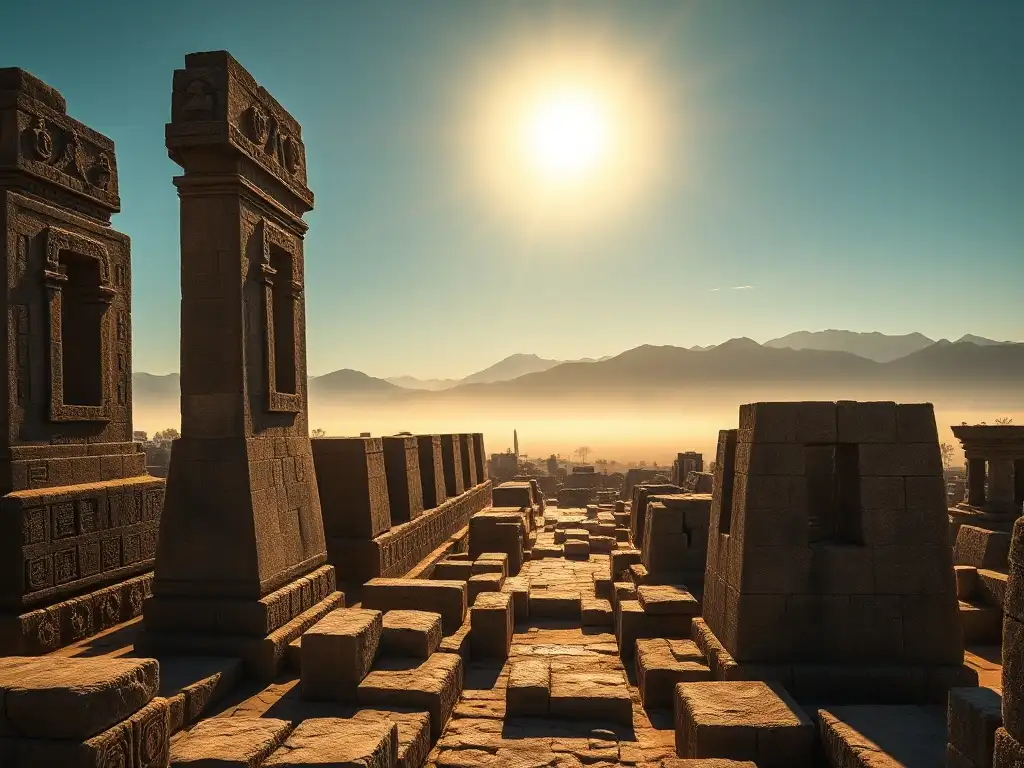
Step into a world lost to time, yet echoing with untold mysteries. Prepare to be captivated by the Andean Civilizations, a realm of breathtaking artistry, sophisticated engineering, and deeply symbolic architecture. Unravel the enigma of Tiahuanaco architecture symbolism – what secrets do these monumental structures hold? Journey with us to decipher the meaning behind their design and discover the profound legacy of one of the most fascinating cultures in history.
- Tiahuanaco Architecture Symbolism: Deciphering Meaning in Stone
- The Enigma of Tiahuanaco's Architectural Design
- Decoding the Sacred Geometry of Tiahuanaco
- Religious and Cosmic Symbolism in Tiahuanaco Architecture
- The Function and Meaning of Tiahuanaco's Key Structures
- Tiahuanaco's Architectural Legacy and Influence
- Conclusion: The Enduring Message of Tiahuanaco's Architecture
- Frequently Asked Questions
- Final Reflection: Echoes of Tiahuanaco: A Legacy in Stone
- Unveil the Mysteries of Tiahuanaco!
Tiahuanaco Architecture Symbolism: Deciphering Meaning in Stone
The ancient city of Tiahuanaco, located on the shores of Lake Titicaca in modern-day Bolivia, remains one of the most enigmatic and fascinating archaeological sites in the Andes. Its monumental architecture, characterized by precisely cut stone blocks and intricate carvings, has captivated researchers and visitors for centuries.
This article delves into the captivating world of Tiahuanaco architecture symbolism, exploring the potential meanings embedded within its structures and the sophisticated understanding of cosmology and power held by its builders. We will analyze the key elements of Tiahuanaco's architectural design, examining how these elements likely functioned within the broader socio-religious context of the civilization, and how they reflect a profound connection to the Andean landscape and its spiritual significance.
Understanding the symbolism inherent in Tiahuanaco's architecture offers a unique window into the beliefs, values, and worldview of this remarkable pre-Columbian civilization. The exploration of this rich tapestry of meaning will enhance our understanding of not only Tiahuanaco itself, but also the broader context of Andean cosmological thought.
The Kalasasaya Temple: Gateway to the Cosmos
The Kalasasaya Temple, with its towering walls and meticulously placed stones, stands as a central element of Tiahuanaco’s architectural complex. Its very layout suggests a deliberate alignment with celestial events, hinting at a sophisticated astronomical knowledge. The monumental gateway, adorned with intricate carvings of figures and symbols, likely served as a focal point for ritual activities, possibly linked to the solstices or equinoxes.
The precision of the stonework, evident in the near-perfect fit of the massive blocks, speaks to the advanced engineering skills of the Tiahuanaco builders, highlighting the significance placed on the construction itself as a ritual act. Further analysis of the gateway's iconography reveals potential representations of deities, mythical beings, and cosmological concepts, each contributing to a complex narrative woven into the very fabric of the structure.
The sheer scale of the Kalasasaya Temple, dwarfing other structures in the city, emphasizes its importance as a center of power and religious authority within Tiahuanaco society. The placement of the temple within the broader urban layout also suggests a deliberate arrangement reflecting the civilization’s understanding of sacred geography.
The Puerta del Sol: A Celestial Calendar?
The Puerta del Sol (Sun Gate), another iconic structure of Tiahuanaco, is a masterwork of stone carving. Its intricate relief depicts a complex arrangement of figures and symbols, often interpreted as a representation of a cosmic calendar or a depiction of a deity.
The central figure, often identified as a deity, is surrounded by a series of smaller figures and symbols, which may represent celestial bodies, agricultural cycles, or other important aspects of Tiahuanaco cosmology. While the exact meaning of the Puerta del Sol’s carvings remains debated, its meticulous craftsmanship and symbolic richness clearly indicate its importance as a powerful symbol within Tiahuanaco society.
The potential astronomical alignment of the gate, combined with its intricate imagery, suggests that it played a crucial role in religious rituals and the understanding of time and the cosmos. Scholars continue to debate the precise interpretations of the Puerta del Sol's iconography, highlighting the ongoing need for further research and interdisciplinary collaboration to fully decipher its meaning.
The Semi-Subterranean Structures: Ritual and Community
Beyond the monumental structures, Tiahuanaco also features a network of semi-subterranean buildings. These structures, often characterized by their partially buried nature and intricate internal layouts, likely served as important ritual spaces or community centers. Their design and construction suggest a carefully planned urban layout, reflecting a sophisticated understanding of social organization and spatial planning. The use of subterranean spaces may have held symbolic significance, possibly linking the living world with the underworld or the spiritual realm.
The discovery of artifacts and evidence of ritual activity within these structures further supports their role in the religious and social life of Tiahuanaco. Further investigation of these semi-subterranean structures is essential for a complete understanding of Tiahuanaco’s urban planning and social organization. The function and significance of these less prominent structures often get overlooked, yet they offer valuable insights into the daily lives and beliefs of the Tiahuanaco people.
The Significance of Stone: Materiality and Meaning
The use of stone in Tiahuanaco architecture is not merely a matter of practical construction; it also holds deep symbolic significance. The meticulous selection, cutting, and placement of the massive stone blocks demonstrate a profound respect for the material itself and its connection to the Andean landscape. The very act of shaping and assembling these stones likely held ritual importance, reflecting the builders’ understanding of the stone as a sacred material imbued with spiritual power.
The durability of stone also speaks to the Tiahuanaco people's desire for permanence and the lasting impact they sought to achieve through their monumental constructions. The choice of stone, its treatment, and its integration into the architecture all contribute to a complex interplay of materiality and meaning. Further research into the specific types of stone used and their sourcing could provide additional insights into the broader symbolic significance of the materials.
The Enigma of Tiahuanaco's Architectural Design
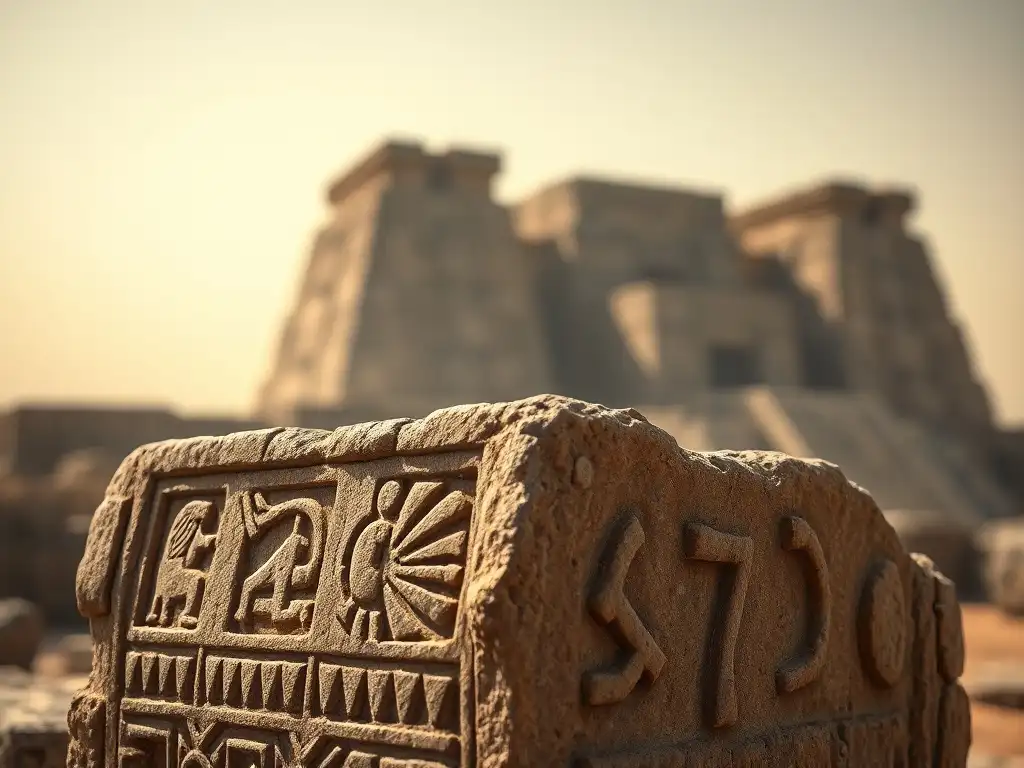
This section delves into the fascinating world of Tiahuanaco architecture, exploring the unique design choices and the symbolic meanings embedded within these monumental structures. We will examine the sophisticated engineering and the profound cultural significance reflected in the city's layout and individual buildings. Understanding Tiahuanaco's architecture provides invaluable insight into the worldview and beliefs of this advanced Andean civilization.
The sheer scale and precision of the constructions continue to challenge modern understanding, making the study of Tiahuanaco architecture a compelling and ongoing endeavor. The keyword "Tiahuanaco architecture symbolism" will be explored throughout, revealing the layers of meaning woven into this remarkable legacy.
Introduction to Tiahuanaco's Monumental Structures
Tiahuanaco, located near Lake Titicaca in modern-day Bolivia, boasts an impressive collection of monumental structures. These are not simply buildings; they are carefully planned and executed statements of power, religious belief, and sophisticated engineering prowess. The most iconic structures include the Akapana pyramid, a massive platform mound with intricate internal chambers and water channels; the Kalasasaya temple, a large open-air plaza with intricately carved stone blocks; and the Gate of the Sun, a monolithic gateway adorned with complex relief carvings depicting a central deity and other significant figures.
These structures, built with precision and using massive blocks of stone, showcase an advanced understanding of construction techniques for the time. The sheer scale of the undertaking points to a highly organized society with significant resources and manpower.
The arrangement of these structures within the city itself also suggests a deliberate and symbolic layout, reflecting a complex cosmology and social hierarchy. Further research is needed to fully understand the precise astronomical alignments of some structures, but preliminary findings suggest a deep connection to celestial events and cycles.
Understanding the Significance of Tiahuanaco's Architectural Style
The architectural style of Tiahuanaco is unique and instantly recognizable. Its defining characteristics include the use of massive, precisely cut stone blocks, often without mortar, showcasing an advanced understanding of stonework and engineering. The intricate carvings adorning many structures, particularly the Gate of the Sun, depict complex mythological narratives and symbols, hinting at a rich religious and cosmological system. The repeated use of specific motifs, such as the stylized figures and geometric patterns, suggests a standardized artistic language that reinforced cultural identity and beliefs.
This consistent style, seen across various structures, points to a centralized authority that oversaw the construction and artistic expression throughout the city. For example, the recurring depiction of the central deity on the Gate of the Sun and other artifacts suggests a significant role for this figure in Tiahuanaco's religious practices and worldview. The use of sophisticated water management systems, evident in the Akapana pyramid's internal channels, further emphasizes the importance of water in their culture and possibly its symbolic connection to life, fertility, and the cosmos.
The precise alignment of some structures with astronomical events also suggests a deep understanding of celestial cycles and their importance in the Tiahuanaco calendar and religious practices, adding another layer to the architectural symbolism. The combination of these elements – monumental scale, precise stonework, intricate carvings, and astronomical alignments – creates a powerful and enduring statement of Tiahuanaco's cultural and technological achievements. The study of Tiahuanaco architecture continues to yield new insights into this enigmatic civilization, enriching our understanding of its history, beliefs, and remarkable engineering capabilities.
Decoding the Sacred Geometry of Tiahuanaco
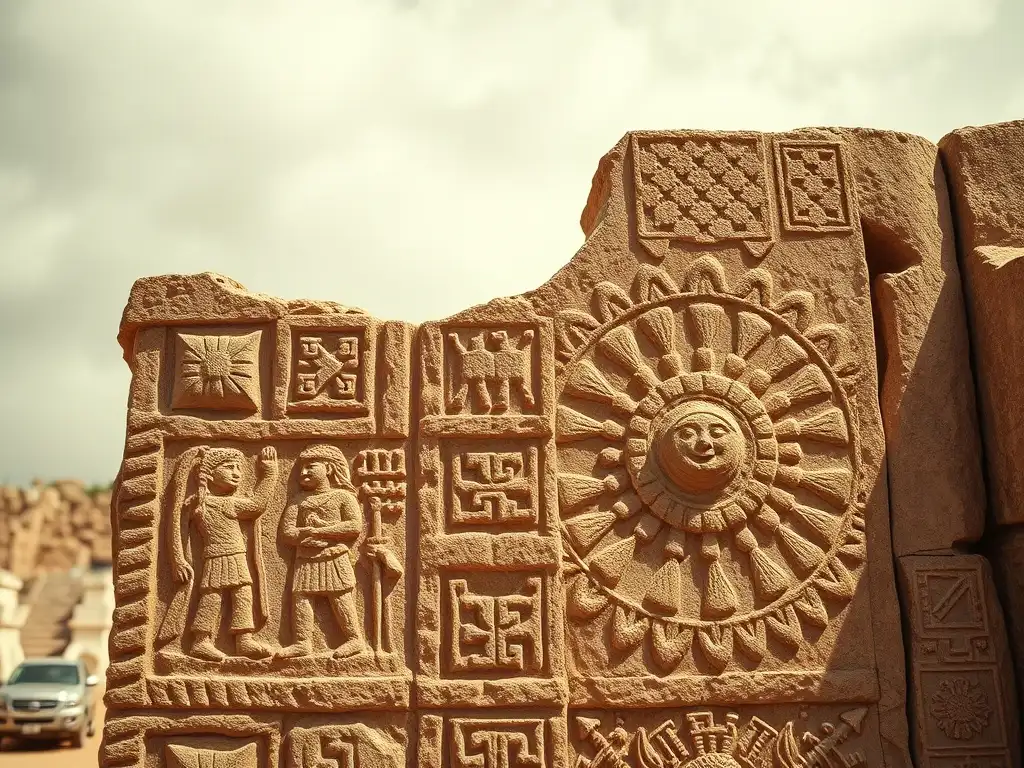
This section delves into the intricate relationship between sacred geometry and the architectural marvels of Tiahuanaco. The city's layout and individual structures weren't haphazardly placed; rather, they reflect a sophisticated understanding of geometric principles, deeply intertwined with the cosmology and religious beliefs of the Tiahuanaco culture. Evidence suggests a deliberate use of precise measurements and angles, hinting at a symbolic language embedded within the very fabric of the city.
This wasn't merely practical construction; it was a sacred act, manifesting their worldview in stone. The meticulous planning evident in the city's design speaks volumes about the advanced mathematical and astronomical knowledge possessed by the Tiahuanaco people. Their understanding of geometry extended beyond mere aesthetics; it served as a powerful tool for expressing spiritual and cosmological concepts.
The Role of Geometry in Tiahuanaco's Construction
The construction of Tiahuanaco's monumental structures showcases a remarkable mastery of geometry. The precise alignment of buildings, the use of standardized stone blocks, and the incorporation of geometric patterns all point to a highly organized and planned urban development. For example, the Kalasasaya complex exhibits a clear orientation towards cardinal directions, suggesting a deep understanding of astronomy and its connection to religious practices. This meticulous alignment wasn't accidental; it reflects a deliberate attempt to harmonize the built environment with the cosmos.
Further analysis reveals the repeated use of specific geometric ratios and proportions, such as the golden ratio, further strengthening the argument for a deliberate symbolic system embedded within the architecture. The precision involved in achieving this level of geometrical accuracy is truly astounding, considering the tools and technologies available at the time. This level of precision underscores the importance of geometry as a fundamental element in Tiahuanaco's worldview.
Analyzing the Precision of Tiahuanaco's Stone Work
The remarkable precision of Tiahuanaco's stonework is a testament to the advanced engineering skills of its builders. Massive blocks of andesite, weighing many tons, were quarried, transported, and precisely fitted together with minimal mortar. The joins between these stones are often so fine that a knife blade cannot be inserted, demonstrating an unparalleled level of craftsmanship and accuracy.
This level of precision wasn't just about functionality; it was integral to the symbolic meaning of the structures. The flawless fit of the stones could be interpreted as a representation of cosmic order and harmony, reflecting the Tiahuanaco worldview. Studies of the stonework have revealed the use of sophisticated techniques, including the potential application of advanced tools and possibly even a rudimentary understanding of pre-stressed concrete techniques [specific information pending further research].
The sheer scale and precision of the stonework underscore the immense effort and dedication invested in creating these structures, suggesting their profound religious and social significance. This level of precision is a hallmark of Tiahuanaco architecture, differentiating it from contemporary constructions in other Andean regions.
The Use of Rectilinear Forms and their Symbolic Meanings
The prevalence of rectilinear forms in Tiahuanaco architecture is another key aspect of its symbolism. Unlike the curvilinear forms found in some other Andean cultures, Tiahuanaco's structures are characterized by their straight lines and right angles. This preference for rectilinearity is thought to represent order, stability, and the earthly realm, contrasting with the perceived fluidity and dynamism of the celestial sphere.
The use of these sharp, defined lines could also be interpreted as a symbolic representation of the structured and hierarchical nature of Tiahuanaco society. The meticulously planned layout of the city, with its precisely aligned buildings and pathways, further reinforces this interpretation. The clear geometric shapes of the structures themselves, with their straight walls and precise corners, contribute to the overall sense of order and control.
This deliberate choice of rectilinear forms is not merely aesthetic; it carries profound symbolic weight within the context of Tiahuanaco cosmology and social organization. The contrast between the rectilinear architecture and the surrounding natural landscape further emphasizes the human imposition of order upon the chaotic forces of nature, a powerful statement about the Tiahuanaco worldview. The use of rectilinear forms is therefore a crucial element in understanding the deeper symbolic meanings embedded within Tiahuanaco's architecture.
Religious and Cosmic Symbolism in Tiahuanaco Architecture
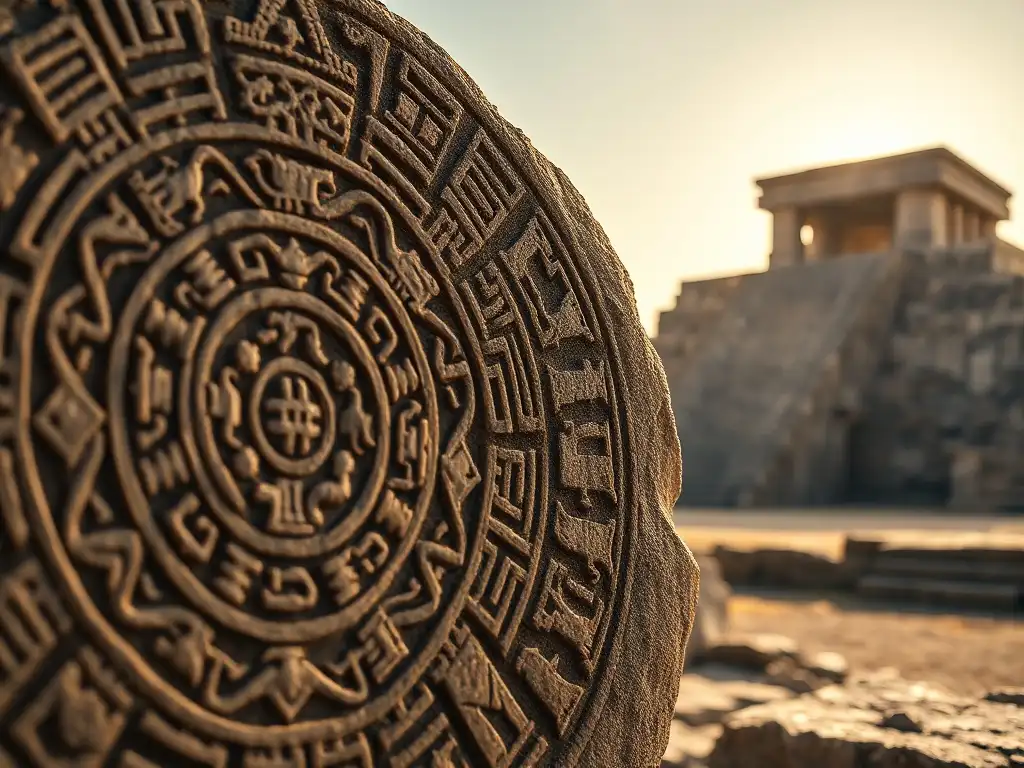
The architecture of Tiahuanaco is not merely a testament to the advanced engineering skills of its builders; it's a powerful expression of their religious beliefs and cosmological worldview. The city's layout, the orientation of its structures, and the intricate carvings adorning its stones all point to a sophisticated understanding of the cosmos and a deep reverence for their deities. Understanding Tiahuanaco architecture requires acknowledging this inherent religious and cosmic symbolism interwoven into every aspect of its design.
The very placement of structures, their relative sizes, and the deliberate use of specific materials all contribute to a complex narrative reflecting their spiritual beliefs. Many scholars believe the city itself was designed to mirror the cosmos, with specific buildings representing celestial bodies and significant cosmological events.
This intricate connection between the earthly and the heavenly realms is a key element in deciphering the meaning behind Tiahuanaco's impressive structures. The careful alignment of structures with cardinal directions and celestial events further reinforces this interpretation, suggesting a profound understanding of astronomy and its integration into their religious practices.
Tiahuanaco Architecture as a Representation of the Cosmos
The layout of Tiahuanaco is often interpreted as a microcosm of the Andean worldview, reflecting their understanding of the universe. The city's central structures, such as the Kalasasaya complex and the Akapana pyramid, are believed to have been positioned to align with significant astronomical events, like solstices and equinoxes. This deliberate alignment suggests a deep connection between the earthly and celestial realms, with the city functioning as a kind of earthly representation of the cosmos.
The Akapana pyramid, for example, with its multiple terraces and intricate water channels, might have represented a sacred mountain, a symbol of power and connection to the divine. The precise orientation of the Kalasasaya, with its massive stone blocks and intricate carvings, also points to a sophisticated understanding of astronomy and its importance in their religious practices. Furthermore, the use of specific stones, their colors, and the way they were placed could also hold symbolic meaning, further enriching the cosmological representation of the city.
Archaeological evidence suggests a complex understanding of water management within the city, which could be symbolically linked to the life-giving properties of water in their cosmology. The interplay of earth, water, and celestial alignments created a powerful symbolic landscape.
The Sun God and Other Deities in Tiahuanaco's Architectural Motifs
Many of the architectural motifs found in Tiahuanaco depict deities and symbolic figures central to their religious beliefs. The most prominent is the representation of the sun god, Viracocha, a creator deity frequently depicted in carvings and stone sculptures. His presence is arguably felt throughout the city's architecture, emphasizing its importance in their religious life.
Other deities and symbolic figures, often represented through stylized figures and intricate carvings, can be found on the walls of temples and other structures. These figures, though often enigmatic, provide clues about the pantheon of gods and the religious beliefs that shaped the city's design. For example, representations of felines, condors, and other animals frequently appear, possibly representing other deities or aspects of the natural world imbued with spiritual significance.
The intricate detail and stylistic consistency across various structures suggest a highly organized religious system and a carefully planned urban layout designed to reflect and reinforce their beliefs. The repetition of specific motifs across various structures further underscores their importance and their role in conveying religious messages.
Gateway Motifs and their Religious Interpretations
The iconic Gate of the Sun, with its intricate carvings depicting a central figure surrounded by stylized figures and symbols, is perhaps the most famous example of Tiahuanaco's religious symbolism. The central figure is often interpreted as Viracocha, the creator god, surrounded by other deities or symbolic representations of the cosmos. The intricate carvings on the gate, including stylized figures and celestial bodies, are believed to represent a complex narrative relating to creation myths and cosmological beliefs.
Similar gateway motifs can be found throughout Tiahuanaco, albeit on a smaller scale, indicating the importance of these portals as symbolic entryways to sacred spaces or as representations of transitions between different realms. The meticulous craftsmanship and the symbolic richness of these motifs underscore their significance in the religious practices and cosmology of the Tiahuanaco civilization.
Further research and analysis of these gateway motifs are needed to fully understand their multiple layers of meaning and their role in the broader context of Tiahuanaco's religious beliefs and cosmological understanding. The precise meaning of many of the symbols remains a subject of ongoing debate amongst researchers, highlighting the enduring mystery and fascination surrounding Tiahuanaco's architecture.
The Function and Meaning of Tiahuanaco's Key Structures
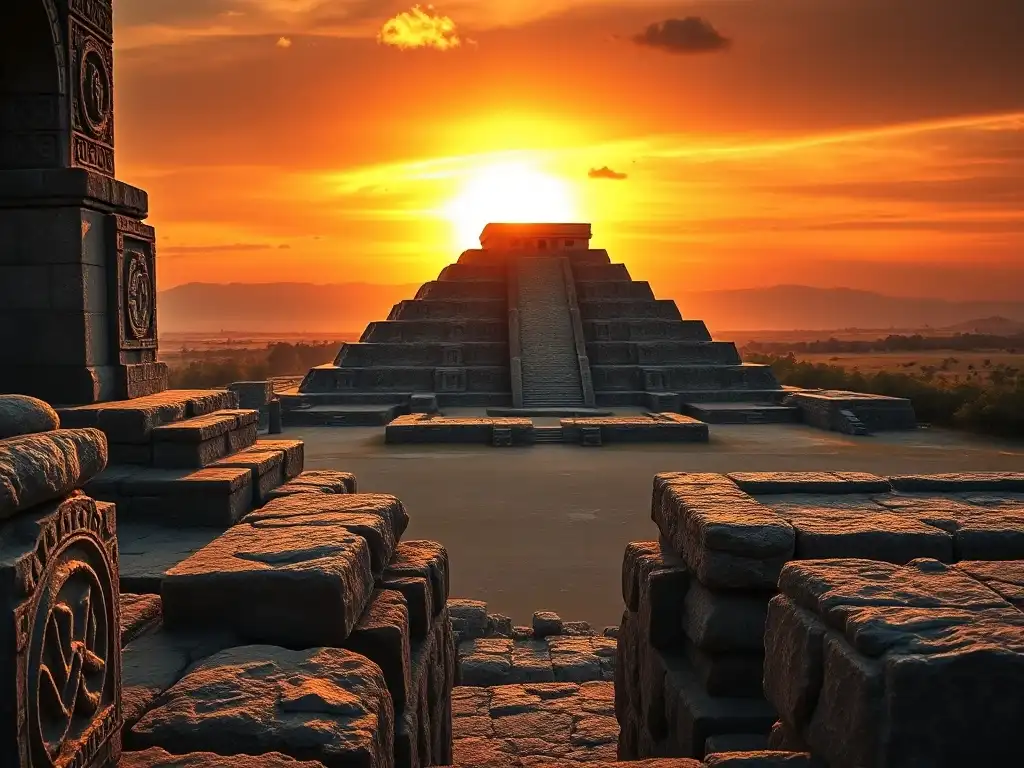
The monumental architecture of Tiahuanaco, a pre-Columbian city located in modern-day Bolivia, is renowned for its intricate design and imposing scale. Understanding Tiahuanaco architecture symbolism requires delving into the complex interplay of religious beliefs, social structures, and astronomical knowledge that shaped its construction. The city's layout and the symbolic meaning embedded within its key structures offer valuable insights into the worldview and societal organization of this remarkable civilization.
This section will explore the function and meaning of some of Tiahuanaco's most important structures, focusing on the Akapana pyramid, the Kalasasaya platform, and the subterranean temple. Analyzing the Tiahuanaco architecture symbolism reveals a sophisticated understanding of cosmology and a powerful expression of religious authority.
The Akapana Pyramid: A Central Symbol of Power and Cosmology
The Akapana pyramid, the largest structure in Tiahuanaco, is considered by many scholars to be a central symbol of power and cosmological significance. Its terraced design, incorporating a series of platforms and internal chambers, suggests a complex system of symbolic representation. The pyramid's layout may reflect a representation of the Andean worldview, with its levels potentially mirroring different realms or cosmological layers.
Evidence suggests the Akapana was not merely a ceremonial platform but also a sophisticated water management system. Intricate channels and reservoirs were integrated into its construction, possibly demonstrating control over water resources – a vital element in the Andean agricultural system. This suggests a connection between the Akapana's symbolic power and the practical needs of the Tiahuanaco society. The presence of meticulously carved stones and monumental gateways further underscores its importance as a central location for rituals and ceremonies. The intricate carvings often depict stylized figures and symbols, potentially representing deities, ancestors, or cosmological concepts. Further research is needed to fully decipher the meaning behind these symbolic representations, but they undoubtedly played a crucial role in the religious and political life of Tiahuanaco. The precise arrangement of these elements and their relationship to the cardinal directions remains a subject of ongoing debate amongst archaeologists and specialists in Tiahuanaco architecture symbolism.
The pyramid's prominence within the city's layout strongly suggests its role as a focal point of religious and political power. Its size and intricate design served to reinforce the authority of the ruling elite and underscore the sacred nature of the city itself. The Akapana's imposing presence would have served as a constant reminder of the power and prestige of the Tiahuanaco civilization.
The Kalasasaya: A Space for Ritual and Observation
The Kalasasaya, meaning "standing stones" in Aymara, is a large, rectangular platform that played a significant role in Tiahuanaco's religious and astronomical practices. Its massive stone blocks, precisely fitted together without mortar, demonstrate the advanced engineering capabilities of the Tiahuanaco builders. The platform's orientation and the placement of key architectural features strongly suggest its use as a site for astronomical observation.
The Kalasasaya's layout is aligned with the solstices and equinoxes, indicating a sophisticated understanding of celestial movements. This alignment likely facilitated the performance of rituals linked to the agricultural cycle and the worship of celestial deities. The presence of monumental gateways and intricately carved monoliths, such as the Gate of the Sun, further reinforces its importance as a sacred space.
These monoliths often depict stylized figures and symbols that are still being interpreted by researchers, adding another layer to the complex Tiahuanaco architecture symbolism. The Gate of the Sun, in particular, is a significant focus of study, with its intricate relief carvings possibly representing a complex mythological narrative.
The Kalasasaya's function as both a ritual space and an astronomical observatory highlights the close relationship between religion and practical knowledge in Tiahuanaco society. Its design reflects the civilization's advanced understanding of astronomy and its integration into their religious beliefs. The precise alignment with the celestial events underscores the importance of these events in the Tiahuanaco calendar and their relationship to agricultural practices and religious festivals.
The Subterranean Temple: Unraveling its Purpose
The subterranean temple, located beneath the Kalasasaya platform, is a lesser-known but equally intriguing structure. Its purpose remains a subject of debate among researchers, although its location suggests a significant role in Tiahuanaco's religious practices. The temple's construction, featuring meticulously crafted stones and intricate internal chambers, reveals advanced engineering skills and a deep understanding of subterranean construction techniques.
The limited access to the subterranean temple and the scarcity of artifacts recovered from it have hampered efforts to fully understand its function. However, its location beneath the Kalasasaya, a primary ritual site, suggests a connection to the religious activities that took place above. Some scholars propose it may have served as a place of burial for important figures or a repository for sacred objects. Others suggest it might have played a role in rituals related to the underworld or the realm of the ancestors.
Further Research Needs
More archaeological investigation is needed to fully understand the function and symbolism of this enigmatic structure. Further excavation and analysis of the artifacts found within the temple are crucial to unlock its secrets and contribute to a more complete understanding of Tiahuanaco architecture symbolism.
The subterranean temple, shrouded in mystery, represents a significant challenge and opportunity for future research. Its secrets, once unveiled, will undoubtedly shed further light on the beliefs and practices of this fascinating ancient civilization. The ongoing efforts to understand this structure are vital to further enriching our knowledge of Tiahuanaco architecture symbolism.
The Pumapunku Complex: Exploring its Advanced Engineering and Symbolism
The Pumapunku complex, a crucial part of the Tiahuanaco site, stands as a testament to the advanced engineering and sophisticated symbolism of the Tiahuanaco culture. Its precise construction, utilizing massive blocks of red sandstone and andesite, has baffled researchers for centuries. The sheer scale of the stones, some weighing over 100 tons, and their incredibly precise fit, with minimal mortar used, points to an understanding of engineering principles far beyond what was previously assumed for the time period.
This precision suggests a deep understanding of geometry, mathematics, and possibly even advanced tools and techniques that remain largely unknown. The meticulous craftsmanship is not merely a display of technical prowess; it also carries profound symbolic weight.
The arrangement of the stones themselves within Pumapunku suggests a deliberate and symbolic layout. While the exact meaning remains a subject of ongoing debate among scholars, many believe the complex's structure reflects a cosmological understanding, possibly representing celestial bodies or a map of the cosmos. The use of specific materials, like the red sandstone, might also carry symbolic significance, perhaps related to the sun, earth, or other important elements of Tiahuanaco's worldview.
The complex's placement within the broader Tiahuanaco site further suggests a crucial role in the city's overall symbolic and ritualistic functions. The orientation of the structures in relation to the sun's movements, for example, suggests a potential connection to solar worship or the observation of astronomical events.
Furthermore, the relatively few surviving architectural elements at Pumapunku, compared to the scale of its foundations, suggest a level of incompletion. This incompletion, however, shouldn't be viewed as failure. It may reflect a significant shift in the Tiahuanaco culture, a change in priorities, or even the interruption of construction due to unforeseen circumstances.
This incompletion itself adds another layer of mystery and symbolic interpretation. Was the unfinished state intentional, representing an ongoing process of creation or a deliberate interruption? These questions continue to fuel ongoing research and debate.
The incomplete nature of Pumapunku serves as a poignant reminder of the transient nature of power and the enduring mysteries surrounding this remarkable civilization. The complex's enigmatic nature only enhances its allure and its position as a key site for understanding Tiahuanaco architecture symbolism. Future research, potentially incorporating new technological analyses, may yet reveal more about the precise purpose and symbolic meaning of this extraordinary complex.
Tiahuanaco's Architectural Legacy and Influence
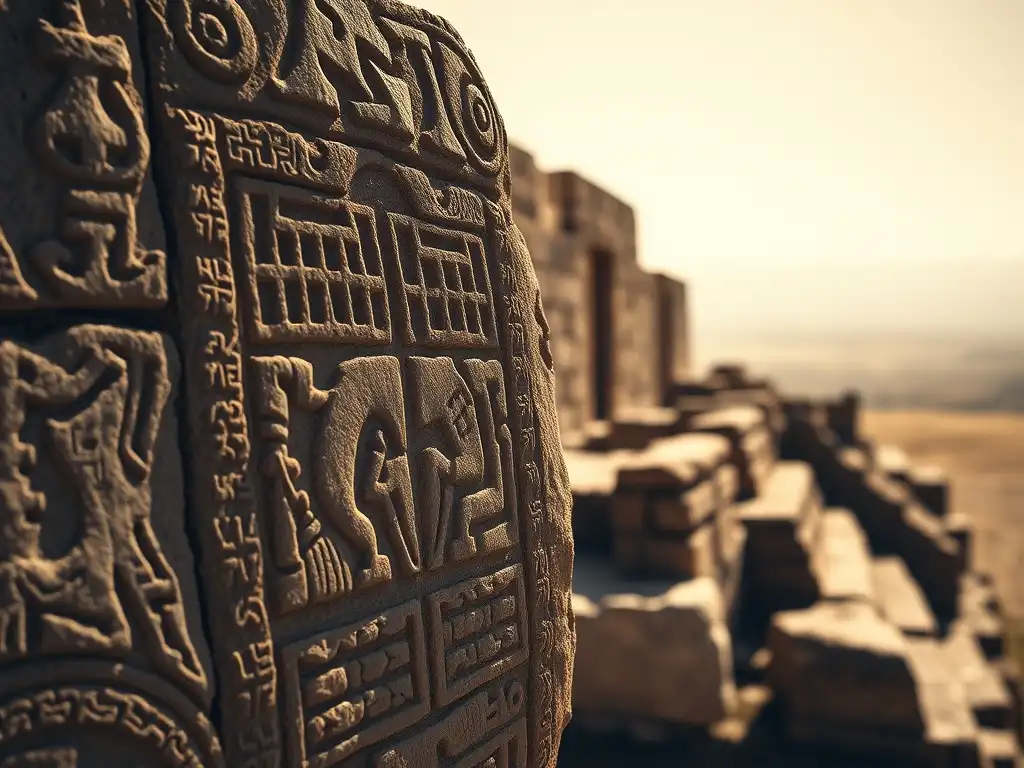
Tiahuanaco's architectural achievements weren't confined to the immediate vicinity of its ceremonial center. The city's unique style, characterized by its monumental structures, precise stonework, and symbolic iconography, exerted a profound and lasting influence across the Andes region. Understanding this legacy requires examining both the geographical spread of Tiahuanaco's architectural motifs and its impact on subsequent Andean cultures. The city's influence wasn't merely a matter of imitation; it represented a complex interplay of cultural exchange, adaptation, and innovation.
The adoption and reinterpretation of Tiahuanaco architectural elements speak volumes about the power and prestige the city held within the Andean world. Analyzing this legacy allows us to better understand the dynamics of power, cultural exchange, and artistic innovation in the pre-Columbian Andes. The scale and sophistication of Tiahuanaco's architecture, particularly its mastery of monumental stonework, set a standard that continued to inspire Andean builders for centuries.
The Spread of Tiahuanaco Architectural Motifs in the Andes
The distinctive characteristics of Tiahuanaco architecture – its use of massive stone blocks, its intricate carvings, and its emphasis on symmetry and geometric precision – are recognizable in sites throughout the Andes. Archaeological evidence points to a widespread dissemination of Tiahuanaco's architectural style, suggesting a significant level of cultural interaction and possibly even direct involvement in construction projects across a vast geographical area. This spread wasn't uniform; instead, it manifested in diverse ways, reflecting regional variations and adaptations.
For example, while some sites replicated Tiahuanaco's monumental structures on a smaller scale, others integrated specific Tiahuanaco motifs into existing architectural traditions. The degree of influence varied depending on factors like proximity to Tiahuanaco, existing local traditions, and the political landscape.
We can identify several key architectural elements that were widely disseminated:
- The use of megalithic stones: The ability to quarry, transport, and precisely fit massive stone blocks was a hallmark of Tiahuanaco's expertise. This technique was adopted and adapted in many other Andean sites, albeit often on a smaller scale.
- Geometric patterns and designs: The intricate geometric designs carved into Tiahuanaco's stonework, often featuring stepped-pyramid motifs and intricate carvings, are found in a variety of sites across the Andes, indicating a shared artistic vocabulary.
- Specific architectural features: Certain architectural features, such as stepped platforms and monumental gateways, were replicated or adapted in various locations, suggesting a conscious effort to emulate Tiahuanaco's prestigious architectural style.
The spread of these motifs wasn't simply a passive diffusion; it involved active processes of cultural exchange and adaptation. Local builders and artisans likely interacted with Tiahuanaco artisans, learning techniques and incorporating elements into their own traditions. This process resulted in a hybrid architectural style, reflecting both Tiahuanaco influence and regional distinctiveness. Further research is needed to fully understand the complex dynamics of this cultural exchange. For example, [Specific data on the trade routes and interaction patterns between Tiahuanaco and other Andean regions pending].
Tiahuanaco's Lasting Impact on Later Andean Cultures
Tiahuanaco's architectural legacy extended far beyond its immediate geographical reach and temporal context. Its influence can be traced in the architectural styles of later Andean cultures, particularly those of the Inca Empire. The Incas, who rose to prominence centuries after the decline of Tiahuanaco, clearly drew inspiration from Tiahuanaco's architectural achievements.
While the Incas developed their own distinct architectural style, they incorporated certain Tiahuanaco elements, notably in their use of massive stone blocks and their emphasis on precise stonework. This is evident in some Inca structures, which exhibit a remarkable similarity to Tiahuanaco's monumental architecture in terms of scale, precision, and the use of specific techniques.
Moreover, the symbolic meaning embedded in Tiahuanaco's architecture likely resonated with later Andean cultures. The city's monumental structures, with their intricate carvings and symbolic representations, may have served as powerful sources of inspiration and models for subsequent Andean rulers and elites. The symbolic power of Tiahuanaco's architecture likely contributed to its lasting influence on Andean conceptions of power, authority, and cosmology.
The legacy of Tiahuanaco's architecture, therefore, extends beyond mere aesthetic imitation; it represents a deeper cultural transmission of ideas and beliefs related to power, cosmology, and social organization. Further study is crucial to fully understand the extent to which Tiahuanaco's symbolic architectural language influenced later Andean worldviews.
For instance, [Further research is needed to clarify the specific symbolic meanings associated with particular architectural features in later Andean cultures]. The enduring impact of Tiahuanaco's architecture serves as a testament to the city's remarkable achievements and its profound influence on the development of Andean civilization.
Conclusion: The Enduring Message of Tiahuanaco's Architecture
The monumental architecture of Tiahuanaco continues to resonate with us today, a testament to the ingenuity and spiritual depth of its creators. Its enduring legacy isn't merely in the impressive scale of its structures, but in the complex symbolism woven into every stone, every meticulously carved detail.
By examining the Tiahuanaco architecture symbolism, we gain a deeper understanding of their cosmology, their societal structures, and their profound connection to the Andean landscape. The city’s layout, the intricate carvings on its gateways, and the precise astronomical alignments of its buildings all contribute to a powerful narrative, a story etched in stone that speaks across millennia.
The careful study of Tiahuanaco's architectural achievements allows us to appreciate not only their technical prowess but also the rich tapestry of beliefs and practices that shaped their civilization. This enduring message transcends time, challenging us to reflect on our own relationship with the environment and the legacy we leave behind.
Recap of Tiahuanaco's Architectural Symbolism
Tiahuanaco's architectural symbolism is multifaceted and interwoven. The iconic Gate of the Sun, for example, is not simply a decorative element; its intricate carvings, including the central figure often interpreted as a deity, represent a complex cosmological narrative. Similarly, the Kalasasaya complex, with its precisely aligned stones and monumental structures, likely served as a significant ceremonial center, reflecting the importance of ritual and astronomical observation in Tiahuanaco society.
The use of specific materials, such as red sandstone and andesite, may have also held symbolic significance, possibly representing earthly and celestial realms. The precise orientation of buildings towards solstices and equinoxes suggests a sophisticated understanding of astronomy and its integration into their religious beliefs. Further, the repeated motifs found throughout Tiahuanaco's architecture—condor heads, stylized figures, and geometric patterns—likely conveyed specific meanings within their cultural context, although their precise interpretations remain a subject of ongoing debate among scholars.
The overall impression is one of a deeply symbolic environment, carefully constructed to reflect and reinforce their worldview. Understanding these symbols requires a multidisciplinary approach, combining archaeological analysis with anthropological and astronomical insights.
The Importance of Preserving Tiahuanaco's Architectural Heritage
The preservation of Tiahuanaco's architectural heritage is paramount. These structures are not just ancient ruins; they are irreplaceable repositories of knowledge and cultural identity. The ongoing degradation due to environmental factors and the impact of tourism necessitates proactive conservation efforts.
This involves not only structural stabilization and restoration but also careful management of visitor access to prevent further damage. Moreover, preserving Tiahuanaco's architectural heritage means safeguarding the cultural narratives embedded within its stones. This requires continued research and scholarly engagement to deepen our understanding of the site's significance and to share this knowledge with the world.
The loss of Tiahuanaco's architectural heritage would represent a profound loss to humanity, depriving us of a vital link to our shared past and a unique window into a sophisticated Andean civilization. Investing in its preservation is an investment in the future, ensuring that future generations can appreciate and learn from this extraordinary cultural legacy. Careful documentation, using advanced technologies like 3D scanning, is also crucial for future study and restoration efforts.
Ongoing Research into Tiahuanaco's Architectural Mysteries
Despite significant progress in understanding Tiahuanaco's architecture, many mysteries remain. Ongoing research focuses on several key areas. Scholars continue to debate the precise function of various structures, refining dating techniques to establish a clearer chronological framework for the city's development.
Advanced geophysical surveys are employed to uncover hidden structures beneath the ground, potentially revealing further insights into the city's layout and its evolution over time. The study of Tiahuanaco's artistic motifs is also an active field, with researchers attempting to decipher the meanings of the intricate carvings and their connections to broader Andean iconography. Furthermore, the integration of astronomical data with archaeological findings is crucial for understanding the astronomical significance of the city's layout and its relationship to the Andean cosmos.
These ongoing research efforts are vital for a more complete understanding of Tiahuanaco's architectural symbolism and its place within the broader context of Andean civilization. The collaborative efforts of archaeologists, anthropologists, astronomers, and other specialists are essential to unraveling the remaining mysteries of this remarkable site. The potential for new discoveries remains significant, promising to further enrich our understanding of Tiahuanaco and its enduring legacy.
Frequently Asked Questions
What is Tiahuanaco's significance in Andean history?
Tiahuanaco was a powerful pre-Columbian civilization that flourished in the Andes between 500 and 1000 CE. Its influence extended across a vast area, impacting later Andean cultures. It's renowned for its remarkable architecture and sophisticated engineering.
What are some key architectural features of Tiahuanaco?
Tiahuanaco is famous for its massive stone structures, such as the Akapana pyramid and the Gate of the Sun. These structures are characterized by their precise stonework, intricate carvings, and monumental scale, showcasing advanced engineering techniques. They were likely used for religious and ceremonial purposes.
What is the symbolism of the Gate of the Sun?
The Gate of the Sun is a key example of Tiahuanaco's artistic and religious expression. Its intricate carvings depict a central deity, possibly Viracocha, surrounded by other figures and symbols. Scholars interpret these as representations of cosmological beliefs and the civilization's worldview.
How did Tiahuanaco's architecture reflect its society?
Tiahuanaco's architecture reflects a highly organized and stratified society. The monumental scale of its structures suggests a centralized power and the capacity for large-scale labor organization. The intricate carvings and symbolism point to a complex religious system and sophisticated artistic skills.
What is the current state of research on Tiahuanaco architecture and symbolism?
Research on Tiahuanaco architecture and symbolism is ongoing. Archaeologists and scholars continue to investigate the site, using new technologies to understand its construction, purpose, and meaning. New discoveries constantly refine our understanding of this fascinating civilization.
Final Reflection: Echoes of Tiahuanaco: A Legacy in Stone
The intricate architectural symbolism of Tiahuanaco continues to resonate today, a powerful testament to the ingenuity and spiritual depth of a civilization lost to time. Its monumental structures, meticulously crafted and imbued with profound meaning, offer a window into a sophisticated worldview that challenges our modern understanding of urban planning and societal organization. The enduring mystery surrounding its purpose and sudden decline only amplifies its captivating allure.
The influence of Tiahuanaco's architectural legacy extends far beyond its physical remains; its symbolic language continues to inspire artists, archaeologists, and spiritual seekers alike. The very stones seem to whisper tales of a complex cosmology, a sophisticated understanding of astronomy, and a deeply spiritual connection to the Andean landscape. The past is never dead. It's not even past.
- William Faulkner. This quote perfectly encapsulates the enduring power of Tiahuanaco's architecture, its echoes reverberating through centuries, influencing subsequent Andean cultures and prompting ongoing scholarly debate.
Consider the intricate carvings, the precise alignments, the sheer scale of the structures. What can you glean from these silent witnesses to a vanished civilization? Let the enduring mystery of Tiahuanaco inspire you to seek deeper meaning in the world around you, to appreciate the enduring power of human creativity, and to recognize the profound connections between past, present, and future. Embrace the challenge of deciphering the messages etched in stone, and allow the legacy of Tiahuanaco to enrich your own understanding of human history and the enduring power of symbolism.
Unveil the Mysteries of Tiahuanaco!
Thank you for exploring the rich architectural symbolism of Tiahuanaco with us! We hope you've gained fascinating insights into how these ancient structures reflect the culture and beliefs of the Andean civilizations. Now, let's deepen your connection to this extraordinary heritage!
Here's how you can continue your journey:
- Take a virtual tour of Tiahuanaco's ruins and experience the awe-inspiring structures up close from the comfort of your home.
- Join our online community to share your thoughts and discoveries with fellow enthusiasts.
- Share this article with friends and family who might be interested in the mysteries of ancient architecture.
What aspect of Tiahuanaco's architecture intrigues you most, and how do you believe it shapes our understanding of Andean culture?