
The Legacy of Inca Society: Lasting Impacts on the Andes

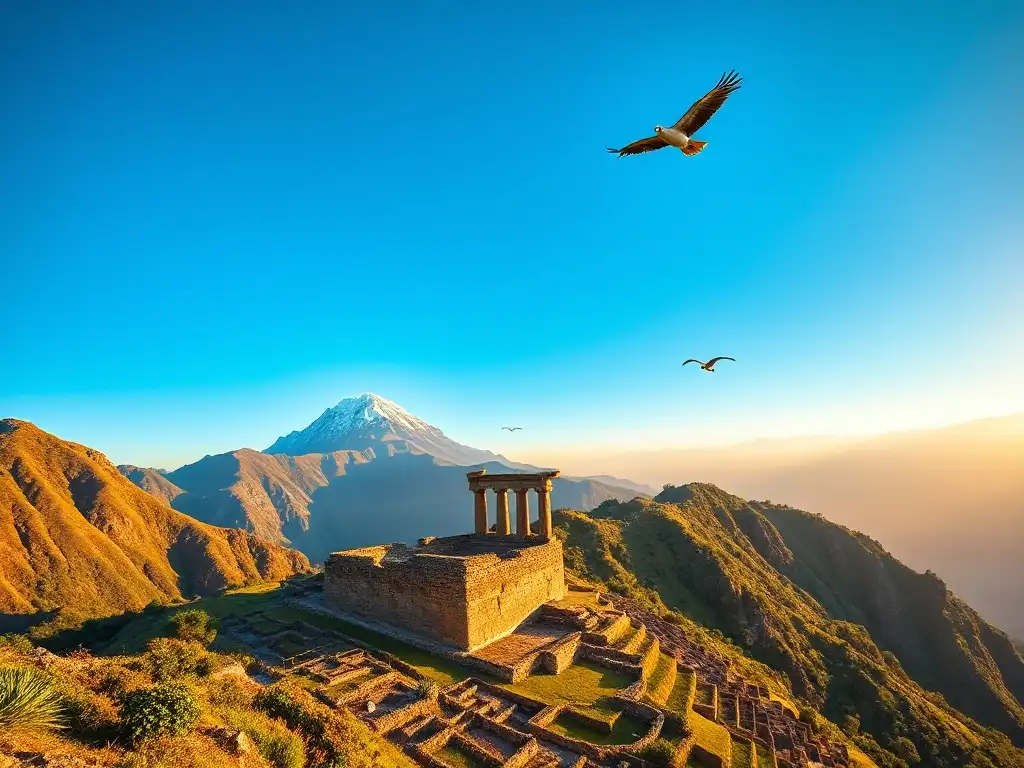
Step into a world lost to time, yet echoing through the Andes Mountains. For centuries, the Inca civilization shaped the very landscape and culture of this breathtaking region. But how profound was their impact, truly? Discover the astonishing legacy of the Inca Empire, and uncover the surprising ways their civilization continues to resonate in the Andes today. Delve into the intricacies of "Inca civilization impact on Andes" and prepare to be amazed.
-
The Enduring Legacy of Inca Society: Lasting Impacts on the Andes
- Introduction to Inca Influence on Andean Culture
- Inca Innovations and Their Impact on Andean Life
- The Inca Social Structure and its Influence on Andean Communities
- Cultural and Religious Inca Practices and Their Echoes
- Economic Systems and Trade in the Inca Empire
- The Inca Civilization Impact on Andes Today: Modern Echoes
- Conclusion: The Timeless Legacy of the Inca Civilization
-
Frequently Asked Questions
- What was the most significant impact of the Inca civilization on the Andes region?
- How did Inca agriculture influence the Andes' landscape?
- What is the lasting impact of Inca road systems in the Andes?
- How did Inca beliefs and religion shape Andean culture?
- What aspects of Inca technology are still relevant in the Andes today?
- Final Reflection: Echoes of the Inca: A Legacy Woven into the Andes
- Uncover the Lasting Legacy of the Incas Today!
The Enduring Legacy of Inca Society: Lasting Impacts on the Andes
The Inca Empire, at its zenith a sprawling realm stretching along the Andes Mountains, left an indelible mark on the region's cultural landscape. This article delves into the profound and lasting impact of Inca civilization on the Andes, examining its influence on everything from agricultural practices and infrastructure to social structures and artistic traditions. We will explore how the Inca's ingenuity and organizational prowess continue to resonate in modern Andean societies, shaping their daily lives and influencing their cultural identity.
Understanding the Inca legacy is crucial to appreciating the rich tapestry of Andean history and the resilience of its people. This exploration of the Inca civilization's impact on the Andes will reveal a fascinating story of innovation, adaptation, and enduring influence. The keyword "Inca civilization impact on Andes" will be explored through detailed examination of specific examples and their lasting effects.
Introduction to Inca Influence on Andean Culture
The Inca Empire's impact on Andean culture is multifaceted and deeply ingrained. Before the Inca, the Andes were home to a diverse array of pre-Columbian cultures, each with its unique traditions and beliefs. The Inca, however, managed to unify these disparate groups under a single political and administrative system, imposing their own cultural norms while simultaneously absorbing and adapting elements from the conquered populations.
This process of cultural synthesis resulted in a unique blend of traditions, languages, and artistic styles that continue to define Andean identity today. The Inca's sophisticated system of governance, their advanced infrastructure projects, and their religious beliefs profoundly shaped the social, political, and spiritual landscape of the region. This cultural fusion, while often imposed, also fostered a sense of shared identity among the diverse Andean communities, a legacy that persists to this day.
The impact is visible in everything from the languages spoken to the artistic motifs used in contemporary Andean crafts. The integration of Inca traditions with pre-existing Andean practices created a rich and complex cultural heritage.
Inca Innovations and Their Impact on Andean Life
Inca ingenuity dramatically altered the Andean way of life. Their innovations extended across various domains, from agriculture and infrastructure to administration and social organization. These advancements not only improved the quality of life during the Inca Empire but also laid the groundwork for future development in the region. The Inca's ability to adapt and innovate in response to the challenging Andean environment is a testament to their resilience and resourcefulness. Their impact is still felt today, influencing modern practices and shaping the region's identity. We will explore specific examples of Inca innovations and analyze their long-term consequences.
Inca Agricultural Techniques and Their Modern Relevance
The Inca developed sophisticated agricultural techniques, such as terracing, irrigation systems, and the cultivation of diverse crops adapted to the varying altitudes of the Andes. These techniques allowed for increased food production and sustained a large population. Terracing, for example, transformed steep slopes into cultivatable land, maximizing agricultural output in a challenging environment. These methods are still used today by Andean farmers, demonstrating their enduring practicality and effectiveness.
The Inca's understanding of water management and their ingenious irrigation systems ensured a reliable water supply for crops, even in arid regions. This knowledge has been passed down through generations and remains crucial for Andean agriculture. Specific examples of these techniques and their modern applications will be analyzed. [Data on the percentage of modern Andean farmers still using Inca techniques pending]
Inca Infrastructure and Engineering Marvels
The Inca's mastery of engineering is evident in their impressive infrastructure projects, including the vast road network, sophisticated stonework, and intricate suspension bridges. These feats of engineering facilitated communication, trade, and military movements throughout the empire. The precision and durability of Inca stonework, achieved without the use of mortar, are still a source of wonder and admiration. The roads, connecting distant regions, played a critical role in unifying the empire and fostering cultural exchange.
Many of these structures remain standing today, a testament to the Inca's exceptional engineering skills and their understanding of architectural principles. The impact of their infrastructure on modern Andean life is visible in the continued use of some roads and the inspiration these structures provide for modern engineering projects. [Specific examples of modern infrastructure inspired by Inca designs pending]
The Inca social structure, a rigid hierarchy built upon kinship and service to the state, profoundly impacted Andean communities for centuries after the empire's fall. This system, characterized by its strict stratification, dictated every aspect of life, from daily tasks to marriage and inheritance. The Inca emperor, considered a divine figure, sat at the apex of this pyramid, followed by the nobility (royal family, high priests, and military leaders), then the kurakas (local chiefs who governed smaller communities), and finally the commoners (farmers, artisans, and builders).
This system fostered a sense of order and collective responsibility, facilitating large-scale projects like road construction and agricultural development. However, it also suppressed individual initiative and creativity, leading to a homogenous culture across the vast empire.
The imposition of this structure, while initially efficient for imperial administration, created a lasting legacy of social inequality that continues to resonate in many Andean communities today, influencing their social dynamics and power structures. The memory of this hierarchical system persists in the social fabric of many communities, even if not explicitly replicated in the same manner.
Inca Social Organization and Hierarchy
The Inca social organization was meticulously structured around a hierarchical system based on ayllus, kinship groups, and service to the Sapa Inca, the emperor. The Sapa Inca was considered a divine figure, a descendant of the sun god Inti, holding absolute power and authority. Below him were the nobility, including his family, high priests, and military commanders, who enjoyed privileges and access to resources unavailable to the commoners.
The kurakas, local chiefs, acted as intermediaries between the central government and the ayllus, managing resources and collecting tributes. Commoners, or yanaconas, were organized into ayllus and were responsible for agricultural production, crafting, and public works. This intricate system ensured the efficient functioning of the empire, but also contributed to social stratification and limited social mobility.
The system's influence extended beyond the Inca's reign, impacting land ownership, community organization, and social interactions in the Andes for generations. The concept of community-based labor and resource allocation, though adapted, remains a significant feature of Andean life today.
Inca Political and Administrative Systems
The Inca political and administrative systems were remarkably sophisticated for their time, employing an extensive network of officials and infrastructure to manage a vast empire. The empire was divided into four provinces, each governed by a governor appointed by the Sapa Inca. These provinces were further subdivided into smaller administrative units, with local officials responsible for collecting taxes, mobilizing labor, and maintaining order. A highly developed system of roads, bridges, and tambos (roadside inns) facilitated communication and transportation across the empire.
This centralized control allowed the Inca to efficiently manage resources, coordinate public works projects, and maintain social stability. The system’s efficiency in managing resources and coordinating large-scale projects served as a model for future Andean societies. While the centralized power structure eventually crumbled, the legacy of organized administration and infrastructure development left an indelible mark on the Andean landscape and its governance.
Cultural and Religious Inca Practices and Their Echoes
Inca cultural and religious practices were deeply intertwined, shaping daily life and influencing the worldview of the Andean populations. The Inca religion, centered on the worship of the sun god Inti and other deities associated with nature, infused their art, architecture, and social structures. Religious festivals and rituals, often involving human sacrifice in certain contexts, played a significant role in maintaining social order and ensuring a bountiful harvest.
The Inca's sophisticated understanding of astronomy and their precise calendar system, developed from their close observation of the cosmos, guided their agricultural practices and religious ceremonies. The cultural and religious legacy of the Inca profoundly impacted art, architecture, and social practices in the Andes, even after the Spanish conquest. Elements of Inca cosmology and ritual practices continue to influence Andean spiritual beliefs and traditions today.
Inca Religious Beliefs and Rituals
Inca religious beliefs were intimately connected to the natural world, with the sun god Inti holding central importance. The Inca worshipped a pantheon of deities representing various aspects of nature, including the moon, stars, mountains, and rivers. Religious rituals and ceremonies, often elaborate and involving human sacrifice, were crucial for maintaining social order, ensuring successful harvests, and appeasing the gods.
Temples, such as the Coricancha in Cusco, served as centers of religious activity and housed sacred objects. These religious practices were deeply ingrained in daily life, influencing agricultural calendars, social customs, and the political structure of the empire. The enduring influence of Inca religious beliefs can be seen in the syncretic religious practices of many contemporary Andean communities, blending pre-Columbian traditions with Catholicism.
Inca Artistic Expressions and Craftsmanship
Inca artistic expressions and craftsmanship were characterized by a high level of skill and sophistication, reflecting their advanced understanding of materials and techniques. Their mastery of stonework is evident in the precise construction of monumental buildings like Machu Picchu and Sacsayhuamán, showcasing their impressive engineering skills. Inca textiles were renowned for their intricate designs and vibrant colors, often incorporating symbolic motifs related to their religious beliefs. Gold and silver were prized materials, used to create elaborate ornaments and religious artifacts.
These artistic achievements not only reflect the Inca's technical proficiency but also offer valuable insights into their cosmology, social structures, and worldview. The aesthetic principles and techniques developed by the Inca continue to inspire Andean artists today, shaping their artistic styles and traditions. The legacy of Inca artistry is visible in the ongoing use of traditional materials and techniques in contemporary Andean crafts.
Economic Systems and Trade in the Inca Empire
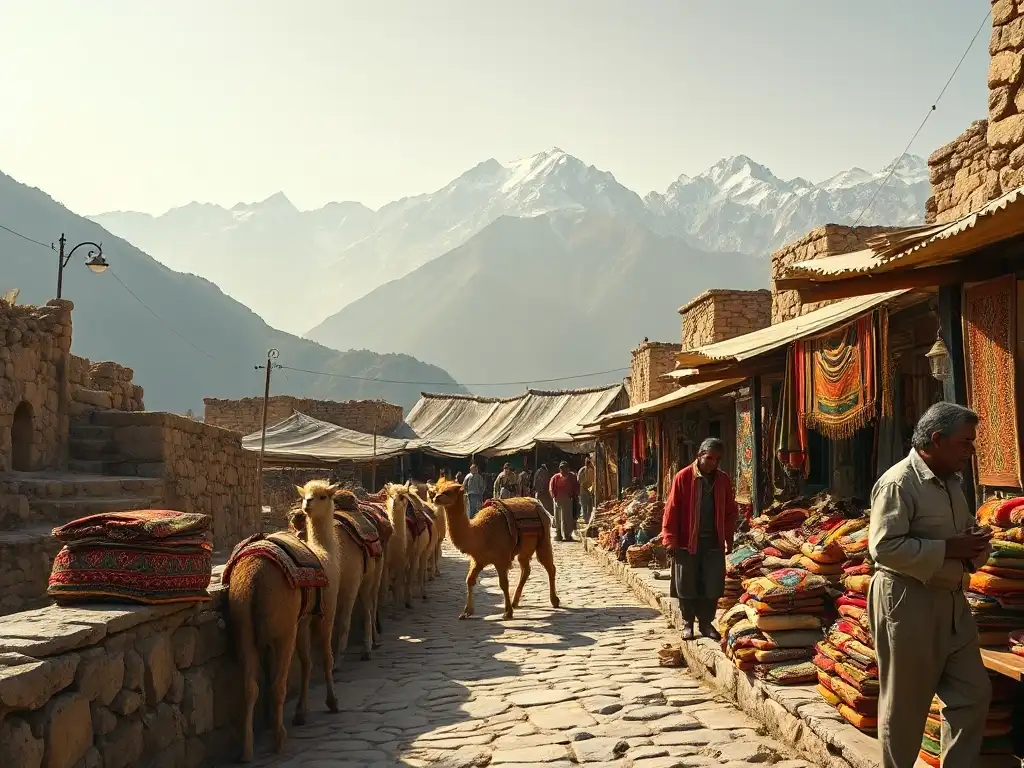
The Inca Empire boasted a remarkably sophisticated economic system, unlike anything previously seen in the Andes. Unlike many other ancient civilizations that relied heavily on market-based economies, the Inca implemented a system of state-controlled production and redistribution. This ayllu system, based on communal labor and reciprocal obligations, ensured the equitable distribution of resources throughout the vast empire.
The Inca government owned all land and resources, assigning tasks and collecting tributes in the form of labor, goods, or produce. This centralized approach allowed for efficient resource management and the provisioning of the empire's vast population. The system wasn't without its flaws; the demands placed upon the population could be strenuous, and the lack of individual property rights potentially stifled innovation.
However, the success of the Inca in uniting diverse Andean groups and maintaining a stable empire for centuries is a testament to the effectiveness of their economic model. The system also facilitated the construction of monumental projects like Machu Picchu and the extensive road network that connected the empire.
Inca Economic Practices and Resource Management
Inca economic practices went beyond simple redistribution. They involved meticulous planning and resource management. The Inca developed sophisticated agricultural techniques, such as terracing, irrigation, and the use of fertilizers, to maximize crop yields in diverse geographical locations.
Their understanding of Andean ecology allowed them to cultivate a wide range of crops, ensuring food security across the empire. They also implemented a system of storage facilities— qollqas— strategically located throughout the empire to store surplus food and other goods, ensuring a buffer against famine and facilitating redistribution during times of need. This sophisticated planning, coupled with their advanced engineering skills, allowed them to overcome the challenges of a varied and often harsh Andean landscape.
The careful management of resources ensured the empire's stability and helped sustain its considerable population. Archaeological evidence continues to reveal the complexity and ingenuity of Inca economic strategies, highlighting their advanced understanding of resource management and their ability to adapt to diverse environments.
The Inca Civilization Impact on Andes Today: Modern Echoes
The legacy of the Inca civilization continues to resonate strongly in the Andes today. The impact is multifaceted, spanning linguistic, cultural, and technological spheres. The influence of Inca practices is evident in many aspects of modern Andean life, demonstrating the enduring strength of their societal structures and cultural values. The Inca empire's influence on the Andes is undeniable; from the languages spoken to the agricultural practices employed, the Inca legacy permeates modern Andean society.
Linguistic and Cultural Survival
Despite the Spanish conquest and subsequent colonization, Quechua, the language of the Inca, remains a vital part of Andean identity. Millions of people still speak Quechua in various dialects across Peru, Bolivia, Ecuador, and Colombia. The persistence of Quechua demonstrates the enduring power of Inca culture and its ability to adapt and survive in the face of significant historical challenges.
Moreover, many cultural practices and traditions, such as Andean music, textiles, and religious beliefs, retain strong connections to Inca heritage. These traditions are not merely historical relics; they are actively practiced and celebrated by modern Andean communities, signifying the ongoing relevance of Inca culture in shaping contemporary Andean identity. The survival of Quechua and other aspects of Inca culture underscores the deep-rooted influence of the Inca on modern Andean society.
The Influence of Inca Technology and Knowledge
Inca engineering marvels continue to inspire awe and admiration. Their innovative agricultural techniques, such as terracing and irrigation, are still employed by Andean farmers today, showcasing the practicality and sustainability of Inca technology. The Inca's understanding of astronomy and their ability to build complex structures, such as Machu Picchu, demonstrate their advanced knowledge and engineering capabilities. These achievements continue to inspire modern engineers and architects, reminding us of the Inca's remarkable ingenuity.
Moreover, their sophisticated road system, which connected the vast empire, serves as a testament to their ability to overcome geographical challenges. Elements of Inca technology and knowledge continue to be relevant and useful in modern Andean life, demonstrating the lasting impact of their innovations. The ingenuity of Inca engineering, specifically their agricultural practices, continues to provide valuable lessons for sustainable development in the Andes today.
Conclusion: The Timeless Legacy of the Inca Civilization
The Inca civilization's impact on the Andes Mountains is undeniable and continues to resonate even today. Their sophisticated agricultural techniques, ingenious architectural marvels, and intricate social structures left an indelible mark on the landscape and the people who inhabit it. From the terraced fields clinging precariously to mountain slopes to the meticulously crafted stonework of Machu Picchu, the Inca legacy is a testament to their ingenuity and organizational prowess.
The Inca's influence extends beyond the tangible; their societal norms, beliefs, and traditions continue to shape Andean cultures in subtle yet significant ways. Understanding the Inca's impact is crucial not only for appreciating their remarkable achievements but also for comprehending the complexities of modern Andean societies. Their story serves as a powerful reminder of the enduring power of human innovation and the lasting impact of a civilization that, despite its relatively short lifespan, profoundly shaped the Andes region.
The Inca's legacy is a living testament, woven into the very fabric of Andean life. Their achievements continue to inspire awe and wonder, prompting ongoing research and preservation efforts that ensure their story lives on.
The Enduring Significance of Inca Contributions
The Inca's contributions extend far beyond impressive architecture. Their sophisticated understanding of agriculture, particularly their mastery of terracing, allowed them to cultivate even the steepest slopes, maximizing arable land in a challenging environment. This ingenuity ensured food security and supported a large population.
Their advanced road network, a feat of engineering, facilitated communication and trade across vast distances, fostering economic and political stability. The Inca's social organization, characterized by a highly structured hierarchy and a system of reciprocal obligations, created a sense of community and collective responsibility. While aspects of their system were undoubtedly oppressive, the principles of mutual support and shared resources laid the groundwork for many aspects of Andean social structures that persist to this day.
Even their sophisticated system of record-keeping using quipus (knotted cords) demonstrates their advanced understanding of mathematics and data management. These enduring contributions continue to shape modern Andean life, influencing everything from agricultural practices to social dynamics. The Inca's legacy is not merely a historical artifact; it is a living tradition.
Contemporary Research and Preservation of Inca Heritage
The ongoing study and preservation of Inca heritage are crucial for understanding the past and shaping the future. Archaeological excavations continue to uncover new insights into Inca life, technology, and beliefs, refining our understanding of their civilization. Efforts to preserve Inca sites, such as Machu Picchu, are vital not only for historical preservation but also for promoting sustainable tourism and economic development in the region.
These preservation efforts often involve complex collaborations between local communities, national governments, and international organizations, reflecting the shared responsibility in safeguarding this invaluable cultural legacy. Furthermore, research into Inca technologies, such as their sophisticated irrigation systems, offers valuable lessons for sustainable development in the face of climate change. The study of Inca social structures provides valuable insights into social organization, governance, and community development.
The preservation of Inca heritage is not just a matter of protecting ancient ruins; it's about preserving cultural knowledge and applying lessons from the past to address contemporary challenges. The ongoing research and preservation efforts ensure that the Inca civilization's impact continues to inspire and enrich societies for generations to come.
Frequently Asked Questions
What was the most significant impact of the Inca civilization on the Andes region?
The Inca's most significant impact was their extensive administrative and infrastructural development. They created a vast empire unified through roads, agriculture, and a standardized system of governance that shaped the Andes for centuries.
How did Inca agriculture influence the Andes' landscape?
Inca agricultural techniques, such as terracing and irrigation, dramatically altered the Andes' landscape, allowing for increased food production in challenging terrain. This impacted population density and settlement patterns.
What is the lasting impact of Inca road systems in the Andes?
The Inca's extensive network of roads facilitated trade, communication, and military control across their vast empire. Remnants of these roads are still visible today and continue to influence transportation routes.
How did Inca beliefs and religion shape Andean culture?
Inca religion, with its emphasis on ancestor veneration and nature worship, profoundly impacted Andean spiritual beliefs and practices. These beliefs continue to influence modern Andean cultures.
What aspects of Inca technology are still relevant in the Andes today?
Inca innovations in stonework, irrigation, and agricultural techniques continue to inspire modern engineering and agricultural practices in the Andes. Their mastery of building in challenging terrain is still admired.
Final Reflection: Echoes of the Inca: A Legacy Woven into the Andes
The ingenuity and resilience of the Inca civilization continue to resonate throughout the Andes Mountains, shaping the very fabric of life in the region today. From the intricate agricultural terraces clinging to steep slopes to the enduring strength of Quechua, the language of the Inca, their impact is undeniable and profoundly visible. Their sophisticated societal structures, though disrupted by conquest, still leave an indelible mark on the cultural landscape.
The legacy of the Inca is not merely a historical footnote; it is a living, breathing entity that informs the daily lives of millions. The enduring spirit of community, the deep respect for the land, and the intricate systems of knowledge passed down through generations all speak to the enduring power of Inca civilization. The past is never dead. It's not even past.
– William Faulkner. This quote perfectly encapsulates the ongoing influence of the Inca, whose history continues to shape the present and future of the Andean people. Their achievements serve as a powerful reminder of human potential and the ability of a society to adapt and thrive in challenging environments.
Consider the impact of the Inca's innovations on your own life. Perhaps you've been inspired by their ingenuity, their ability to overcome adversity, or their profound connection to the natural world. Take a moment to reflect on the echoes of the Inca in your own community, your own culture, and your own perspective. Let their story inspire you to appreciate the richness of human history and to strive for a future where innovation, resilience, and respect for our shared heritage guide our actions.
Uncover the Lasting Legacy of the Incas Today!
Thank you for exploring the fascinating world of Inca society with us! Your journey through their incredible achievements and enduring impact demonstrates a true appreciation for the rich tapestry of Andean history. Now, let's build on this newfound knowledge!
Here's how you can continue your exploration:
- Dive Deeper: Expand your understanding of this remarkable culture by exploring our extensive collection of articles on Andean civilizations. You'll discover fascinating details often overlooked in general accounts.
- Share Your Insights: Join our vibrant online forum to discuss your thoughts on Inca society with fellow history enthusiasts. Invite your friends to participate in the stimulating conversations!
- Explore Locally: Discover the living legacy of the Inca by seeking out local exhibitions or events celebrating Andean heritage. These immersive experiences bring history to life in captivating ways!
What aspect of Inca society most captivates you, and how do you see its influence shaping modern Andean cultures? We eagerly await your perspectives!