
The Interpretation of Dreams and Omens in Inca Mythology

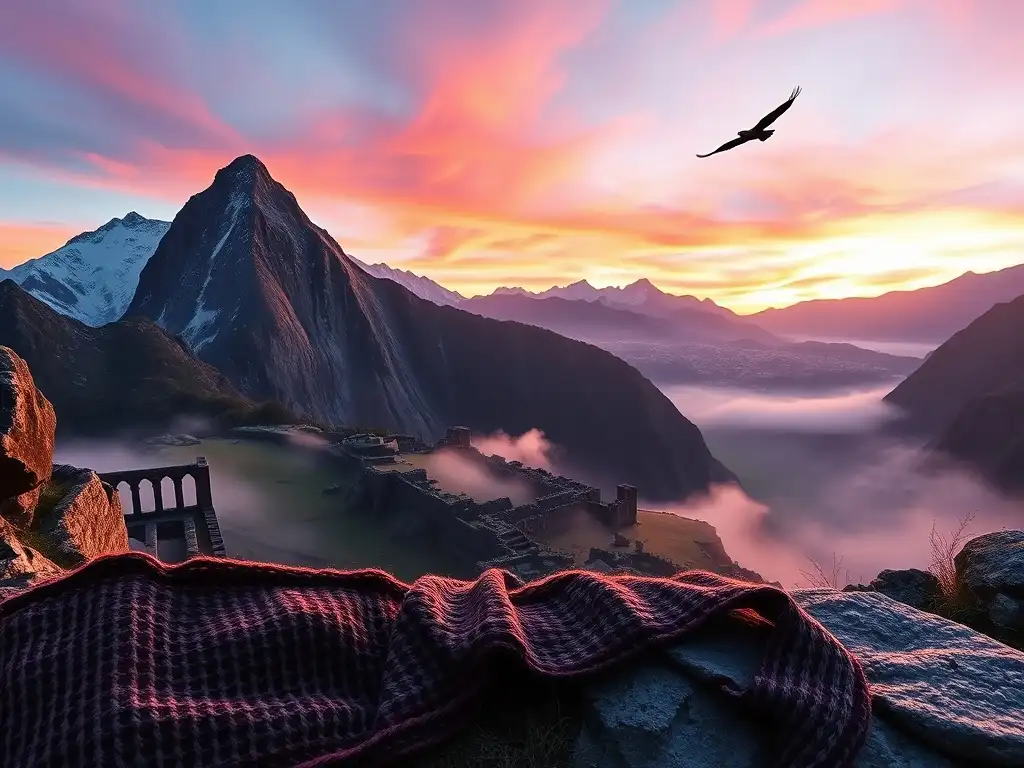
Step into a world lost to time, yet echoing with vibrant whispers of a magnificent past. Dive into the enigmatic heart of Andean civilization, where towering mountains held secrets and celestial events dictated destiny. Unravel the mysteries surrounding Inca dream interpretation mythology, a fascinating window into the beliefs and practices of one of history's most intriguing empires. Prepare to be captivated by a culture where dreams weren't just fleeting visions, but powerful messages from the spirit world – a world waiting to be explored.
- Inca Dream Interpretation Mythology: Unveiling the Secrets of the Andean World
- The Role of Dreams and Omens in Inca Society
- Key Figures in Inca Dream Interpretation
- Specific Dreams and Their Interpretations in Inca Lore
- Omens and their Impact on Inca Life
- The Connection Between Dreams, Omens, and Inca Rituals
- Inca Mythology: Dreams and Omens as Divine Messages
- The Legacy of Inca Dream Interpretation and Omens
- Frequently Asked Questions
- Final Reflection: Unraveling the Whispers of the Andes
- Unveil the Mysteries of Inca Dreams and Omens!
Inca Dream Interpretation Mythology: Unveiling the Secrets of the Andean World
The Inca Empire, a civilization renowned for its intricate social structures, advanced engineering feats like Machu Picchu, and sophisticated agricultural techniques, also possessed a rich and complex spiritual world. Understanding this spiritual landscape is crucial to comprehending the Inca worldview and their intricate relationship with the natural world.
This article delves into the fascinating realm of Inca dream interpretation and the significance of omens and prophecies within their mythology, exploring how these beliefs shaped their daily lives, societal structures, and even their political decisions. We will uncover the profound role dreams played in Inca society, examining how they were interpreted and used to guide actions, predict the future, and communicate with the divine.
By exploring the intricate web of beliefs surrounding dreams and omens, we gain a deeper appreciation for the nuanced cosmology of the Inca Empire and the enduring legacy of their spiritual practices. The keyword "Inca dream interpretation mythology" will be explored throughout this article to provide a comprehensive understanding of this captivating aspect of Inca culture.
The Significance of Dreams in Inca Culture
Dreams held a position of paramount importance in Inca culture, viewed not as mere figments of the imagination but as direct messages from the spirit world, often containing prophecies or warnings. The Inca believed that during sleep, the soul left the body and journeyed to the spirit realm, interacting with deities, ancestors, and other supernatural entities. The content of these nocturnal journeys, manifested as dreams, were thus considered highly significant, requiring careful interpretation. This interpretation wasn't relegated to a select few; rather, it was a skill valued and practiced across various social strata.
Shamans, or paqos, played a crucial role, possessing specialized knowledge and techniques to decipher the symbolic language of dreams. However, even ordinary individuals were expected to possess a basic understanding of dream symbolism and their potential implications. Common dream motifs, such as mountains, rivers, animals (particularly condors and jaguars), and celestial bodies (the sun and moon), carried specific meanings, often related to fertility, prosperity, or impending danger.
For example, dreaming of a flowing river might symbolize abundance and good fortune, while a dream of a raging storm could foretell impending hardship or conflict. The meticulous recording and analysis of dreams provided valuable insights into the Inca worldview, offering a window into their beliefs, fears, and aspirations. Detailed accounts of dreams, alongside their interpretations, would often be preserved through oral traditions, passed down through generations.
Andean Beliefs: Omens and Prophecies
Beyond dreams, the Inca meticulously observed a wide array of omens and prophecies to guide their decisions. Natural phenomena, animal behavior, and even the flight patterns of birds were all considered potential harbingers of future events. The paqos were skilled in interpreting these signs, using their knowledge of Andean cosmology to connect seemingly disparate events and predict outcomes. For instance, an unusual celestial event, such as a comet or eclipse, could be interpreted as a divine message, prompting significant changes in policy or ritual practice.
Similarly, the behavior of animals – a condor circling overhead, a jaguar crossing one's path – was carefully observed and interpreted. These interpretations weren't arbitrary; they were deeply rooted in the Inca understanding of the interconnectedness of the natural and spiritual worlds. The Inca believed that the gods communicated through these subtle signs, revealing their will and guiding the actions of the people.
This system of omen interpretation played a crucial role in shaping Inca society, influencing everything from agricultural practices to military campaigns and royal successions. The meticulous observation of these omens, combined with the interpretation of dreams, underscores the profound importance of divination in Inca culture, providing a rich tapestry of beliefs that shaped their daily lives and their understanding of the world around them. Their intricate system of omen interpretation showcases a deep spiritual connection to the Andean landscape and a sophisticated understanding of the natural world's symbolic language.
The Role of Dreams and Omens in Inca Society
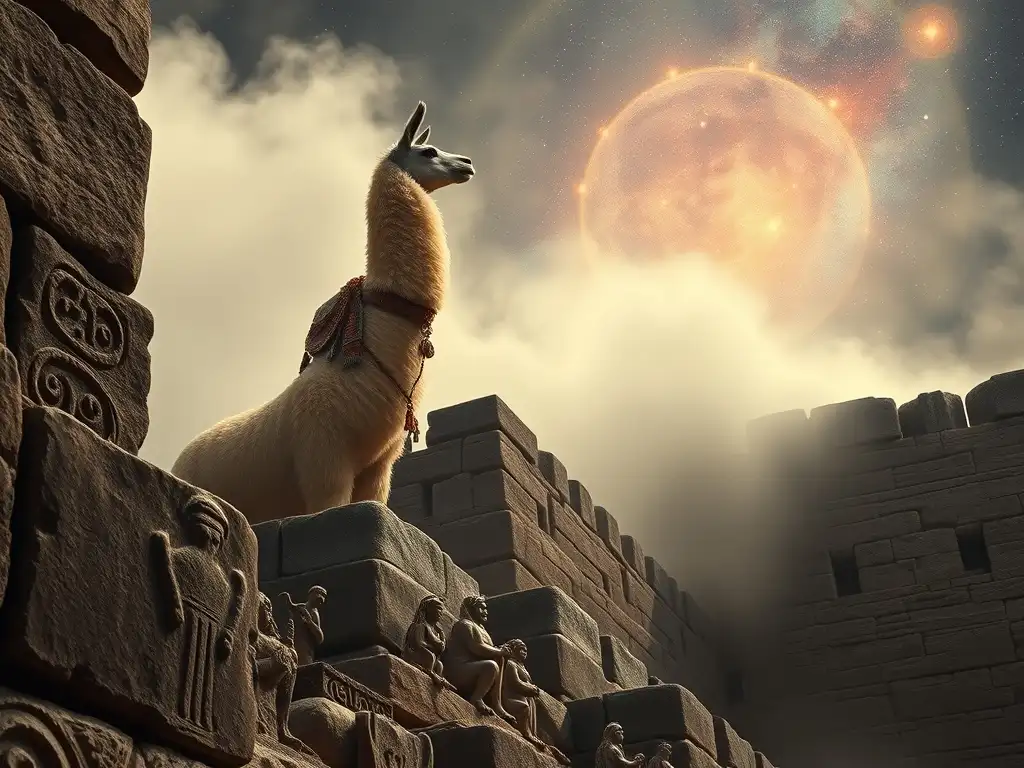
Inca society, deeply connected to the spiritual realm, placed significant importance on dreams and omens as guides for daily life and crucial decision-making. Their worldview intertwined the physical and supernatural, believing that the gods communicated through visions during sleep and through observable events in the natural world. This belief system permeated all aspects of Inca life, from agricultural practices and warfare strategies to personal choices and political governance.
The interpretation of dreams and omens wasn't merely a superstitious practice; it was a sophisticated system integrated into the social fabric, providing a framework for understanding the will of the gods and maintaining cosmic balance. Understanding this system sheds light on the Inca's complex relationship with the spiritual world and provides insight into their sophisticated societal structures.
The accuracy of dream interpretation and omen reading directly impacted the authority of the interpreters, further emphasizing the importance of this practice within the Inca worldview. This intricate system of divination allowed for a continuous dialogue between the human and divine realms, fostering a society deeply rooted in spiritual awareness and guided by perceived divine guidance.
Inca Dream Divination Practices
Inca dream divination, or supay, wasn't a casual activity. Specialized priests, known as yachaq, were responsible for interpreting dreams. These individuals underwent extensive training, mastering the complex symbolism associated with different dream images. They weren't simply interpreting individual dreams; they were interpreting the messages the gods were sending to the community.
Dreams weren't viewed as random occurrences; instead, they were seen as direct messages from the gods or spirits, often foretelling future events, offering guidance, or revealing hidden truths. The yachaq would meticulously analyze the dream's content, considering every detail – the setting, characters, emotions, and actions – to decipher its meaning. Common dream symbols included mountains (representing strength and stability), rivers (representing life's flow), and animals (representing specific characteristics or spiritual forces). For example, dreaming of a condor might signify good fortune and power, while dreaming of a snake could indicate danger or deceit.
The process often involved ritualistic practices, including offerings to appease the gods and ensure accurate interpretation. The interpretations themselves were not always straightforward; they required a deep understanding of Inca mythology, cosmology, and social structures. The yachaq's role was crucial; their expertise in dream interpretation directly influenced important decisions impacting the entire community. Their authority stemmed from their ability to communicate with the spiritual world and provide guidance based on divine messages received through dreams. The accuracy of their interpretations directly correlated with their social standing and influence.
Interpreting Omens: Natural Phenomena and Animal Behavior
Beyond dreams, the Inca meticulously observed natural phenomena and animal behavior for signs from the gods. Unusual weather patterns, celestial events, and the actions of animals were all considered potential omens. These observations weren't random; they were carefully documented and interpreted within a structured system. For instance, a sudden thunderstorm might be interpreted as a warning of impending danger or a sign of the gods' displeasure, while the appearance of a rare bird could signify good fortune or a divine message.
The behavior of animals held particular significance. The Inca believed that animals possessed spiritual power and could act as intermediaries between the human and spiritual worlds. The flight patterns of birds, the movements of snakes, and even the sounds made by animals were all carefully scrutinized for meaning. A specific animal's appearance in a particular context could carry different meanings, depending on the circumstances and the interpreter's expertise. For example, a llama giving birth to twins might be considered an auspicious sign, while a sudden death of a domesticated alpaca could be interpreted as a warning of impending hardship.
| Omen Category | Specific Example | Interpretation |
|---|---|---|
| Celestial Events | A comet appearing in the night sky | A sign of great change, possibly war or famine. |
| Weather Patterns | An unusual drought | A sign of the gods' displeasure, requiring appeasement. |
| Animal Behavior | A puma roaring near a village | A warning of impending danger or a sign of a powerful enemy. |
| Natural Disasters | A landslide blocking a crucial trade route | A significant disruption to the social order. |
This careful observation and interpretation of omens allowed the Inca to navigate the uncertainties of life, making informed decisions based on perceived divine guidance. The system was complex, requiring specialized knowledge and experience, further highlighting the importance of the yachaq and other religious figures in Inca society. The integration of dream interpretation and omen reading into the daily lives of the Inca demonstrates a deep-seated spiritual understanding and a sophisticated system of belief that shaped their civilization.
Key Figures in Inca Dream Interpretation
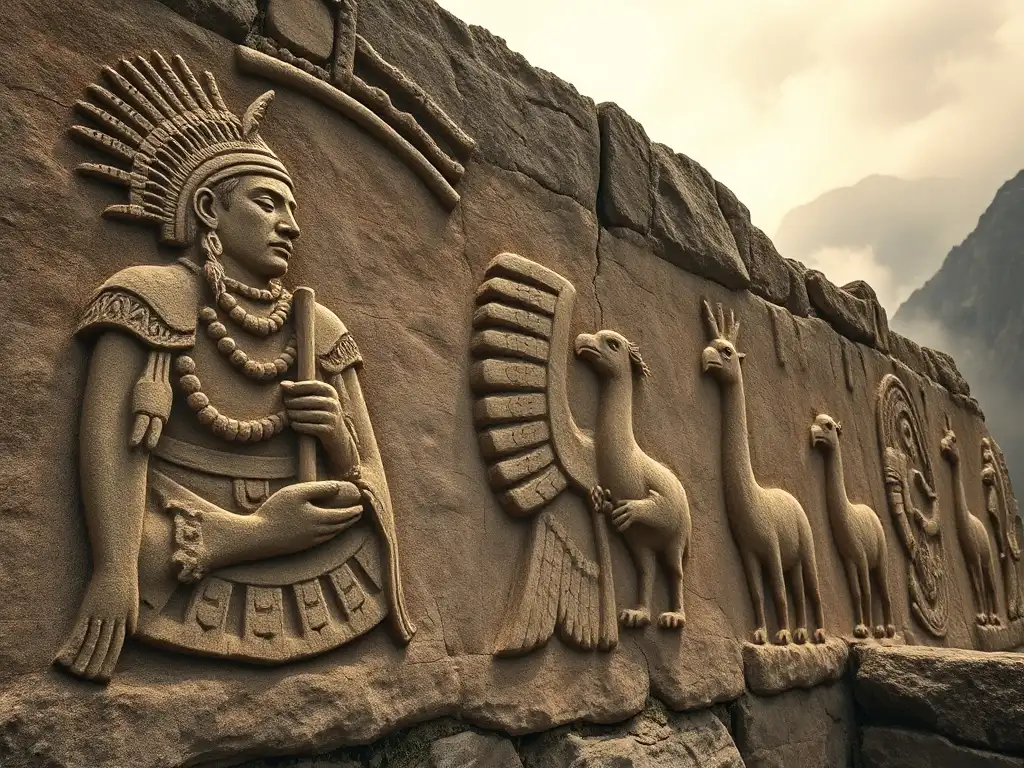
The interpretation of dreams and omens wasn't a casual affair in Inca society; it held significant weight in daily life and major decisions. Specific individuals were entrusted with the task of deciphering these messages from the spirit world, acting as intermediaries between the human and divine realms. Their interpretations influenced everything from agricultural practices and warfare strategies to royal pronouncements and personal choices.
Understanding the role of these key figures is crucial to grasping the importance of dream interpretation within Inca mythology and its impact on their culture. The Inca’s understanding of dreams and omens reflects a complex worldview deeply intertwined with their cosmology and social structure.
This wasn't simply about individual anxieties; rather, it was a system of understanding the will of the gods and the fate of the empire itself. The accuracy and skill of the interpreters were highly valued, indicating a sophisticated level of understanding of symbolic language and the power of divination.
The Yachaq: Inca Dream Interpreters and Seers
The yachaq were the primary interpreters of dreams and omens in Inca society. These individuals weren't simply dream analysts; they were respected healers, spiritual guides, and seers, possessing a deep understanding of Inca cosmology and mythology. Their abilities were considered supernatural, stemming from years of rigorous training and a close relationship with the spiritual world. Becoming a yachaq required extensive apprenticeship under experienced practitioners, learning to interpret complex symbols, understand the nuances of Inca mythology, and connect with the spirit world through ritual and meditation.
The yachaq used a variety of methods to interpret dreams. They didn't simply analyze the literal content of the dream; instead, they considered the context of the dreamer's life, the symbolic meaning of the imagery, and the overall spiritual climate. They might use coca leaves for divination, paying close attention to the patterns and arrangements of the leaves.
They also relied on their knowledge of Inca mythology, drawing parallels between dream symbols and stories from their rich tradition. For example, a dream featuring a condor might be interpreted as a message of good fortune and imperial power, while a dream featuring a snake could represent danger or deception. Their interpretations were not always straightforward; they often required careful consideration and a deep understanding of the Inca worldview.
The yachaq's role extended beyond dream interpretation. They also served as healers, using their knowledge of herbal remedies and spiritual practices to treat illnesses. Their ability to interpret omens and predict the future made them essential advisors to the Inca elite, influencing important decisions related to warfare, agriculture, and royal affairs. Their pronouncements carried considerable weight, shaping the course of Inca society.
The Role of Priests in Understanding Omens
While the yachaq focused primarily on individual dreams, Inca priests played a crucial role in interpreting omens affecting the entire community or empire. These priests, often affiliated with specific deities or temples, observed natural phenomena, such as eclipses, earthquakes, or unusual weather patterns, as divine messages. They meticulously documented these events, searching for patterns and connections to past events and prophecies. These observations were critical in understanding the perceived moods and intentions of the gods.
The priests interpreted omens using a complex system of symbolism and ritual. They consulted sacred texts, consulted oracles, and performed elaborate ceremonies to decipher the divine messages. Their interpretations guided Inca rulers in making crucial decisions concerning war, agriculture, and religious festivals. For example, an unusual comet might be interpreted as a sign of impending conflict, leading to preparations for war or defensive measures. Similarly, a successful harvest might be attributed to the favor of the gods, prompting elaborate celebrations and offerings.
The priests' interpretations were not always positive. Bad omens could lead to periods of fasting, ritual sacrifices, or changes in state policy, all aimed at appeasing the gods and averting misfortune. The weight placed on their interpretations highlights the deep-seated belief in the interconnectedness between the human and spiritual realms within Inca culture, demonstrating the significance of omens within their daily lives and governance.
The priests’ role underscores the pervasive influence of divination and omen interpretation in shaping Inca society and its response to both triumph and adversity. Their interpretations served as a guide for the Inca leadership, helping them navigate the complexities of governance and maintain order within their vast empire.
Specific Dreams and Their Interpretations in Inca Lore
Inca dream interpretation, a crucial aspect of Inca mythology, wasn't a casual pastime. Dreams were believed to be direct messages from the spirit world, offering glimpses into the future, warnings of impending danger, or guidance on important decisions. The interpretation of these dreams, often undertaken by paqos (shamans), heavily influenced daily life and even royal policy.
Unlike some cultures where dream interpretation focused solely on symbolism, Inca interpretations often considered the dreamer's social standing, current circumstances, and even the phase of the moon. This holistic approach ensured a nuanced and personalized understanding of the dream's message. The Inca's deep-seated belief in the power of dreams is reflected in their extensive mythology, which intertwined dreams with the actions of gods, ancestors, and the natural world.
Understanding Inca dream interpretation provides invaluable insight into their worldview and spiritual beliefs. The accuracy of an interpretation was often judged by its subsequent impact on the dreamer's life, reinforcing the culture's faith in the prophetic power of dreams. This section will delve into specific dream types and their associated meanings within the rich tapestry of Inca Inca dream interpretation mythology.
Common Dream Symbols in Inca Mythology
Several recurring symbols dominated Inca dream interpretation. Mountains, often representing strength, stability, and connection to the divine, frequently appeared. Dreaming of towering, snow-capped mountains signified good fortune and the favor of the gods, while crumbling mountains foretold hardship and instability. Water, another potent symbol, held diverse meanings depending on its form. Clear, flowing water symbolized prosperity and spiritual cleansing, while murky or stagnant water represented illness or impending conflict.
Animals played significant roles, with the condor, representing the sun god Inti, holding a particularly auspicious position. Conversely, snakes, often associated with the underworld and trickery, were usually seen as ominous. Finally, gold, a highly valued metal in Inca culture, symbolized wealth, power, and divine favor in dreams. The specific context of these symbols within the dream was crucial for accurate interpretation, necessitating the expertise of the paqos. The following table summarizes some common symbols and their general interpretations:
| Symbol | Positive Interpretation | Negative Interpretation |
|---|---|---|
| Mountains | Strength, stability, divine favor, good fortune | Hardship, instability, loss of power |
| Clear Water | Prosperity, spiritual cleansing, purity, abundance | Illness, stagnation, impending conflict |
| Condor | Divine favor, good fortune, success, protection from harm | Rarely interpreted negatively |
| Snake | Deception, danger, trickery, obstacles, the underworld | Illness, misfortune, conflict, death |
| Gold | Wealth, power, divine favor, success, prosperity | Loss of power, misfortune, betrayal, spiritual emptiness |
Dreams About Condors and their Meanings
Dreams featuring condors, majestic birds revered by the Inca as sacred messengers of the sun god Inti, held significant weight. Seeing a condor in flight often symbolized good fortune, spiritual elevation, and the protection of the gods. The condor's powerful flight represented the ascent to spiritual heights and success in endeavors.
However, a wounded or dying condor in a dream was interpreted as a warning of impending difficulties or a loss of spiritual connection. The color of the condor also held meaning; a golden condor suggested immense prosperity, while a black condor might have indicated a period of hardship or spiritual testing. The size and behavior of the condor in the dream further refined the interpretation.
A large, majestic condor suggested substantial positive outcomes, while a small or aggressive condor might indicate minor setbacks or challenges requiring careful navigation. The paqos considered these details essential to providing a precise and helpful interpretation. These nuances highlight the complexity and depth of Inca dream analysis.
Dreams About Inti and their Significance
Dreams directly involving Inti, the Inca sun god, were considered extremely significant and auspicious. Seeing Inti in his radiant glory often predicted exceptional good fortune, success in ventures, and the favor of the gods. Such dreams were believed to offer divine guidance and protection. However, dreaming of a weakened or obscured Inti could be interpreted as a warning of impending challenges, a loss of power, or a period of spiritual uncertainty.
The dream's context was crucial; for example, if the dreamer was a ruler, a dream of a weakened Inti might signify impending political instability or a threat to their reign. Conversely, for a commoner, it might indicate personal hardships or challenges. The accompanying symbols in the dream further clarified Inti's message, providing a more nuanced understanding of the divine communication.
The interpretation of these dreams required considerable expertise and sensitivity, underscoring the important role of the paqos in Inca society. In essence, dreams involving Inti were considered direct messages from the divine realm, requiring careful consideration and interpretation to understand their implications. These dreams were not simply symbolic; they were believed to be prophetic and influential in shaping the dreamer's destiny.
Omens and their Impact on Inca Life
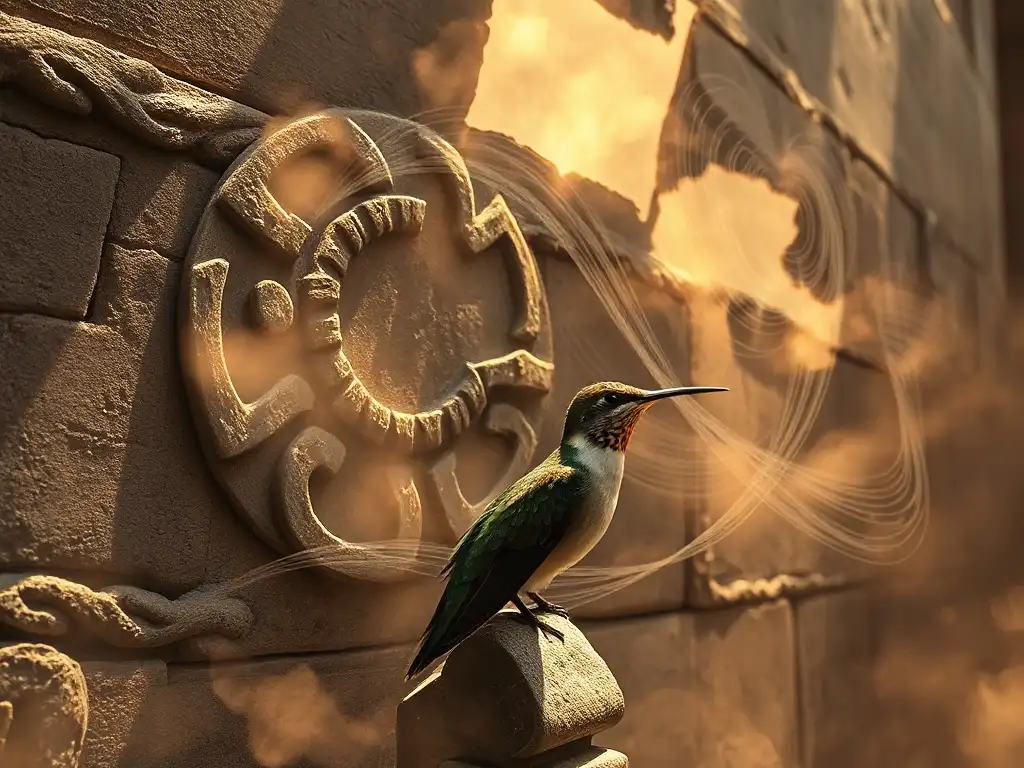
The Inca worldview was deeply intertwined with the understanding and interpretation of omens. These weren't merely superstitious beliefs; rather, they formed a crucial part of their daily lives, influencing decisions ranging from agricultural practices to military campaigns and even personal relationships. The Inca believed that the gods communicated through subtle signs and significant events, providing guidance and warnings to those who knew how to interpret them.
This intricate system of omen interpretation, deeply rooted in their Inca dream interpretation mythology, shaped their society and its relationship with the natural and supernatural worlds. The accuracy of omen interpretation was considered a skill honed through experience and knowledge passed down through generations of amautas (wise men).
Failure to heed these signs could lead to misfortune, while correctly interpreting favorable omens could pave the way for success and prosperity. The weight given to these omens underscores the profound spiritual dimension of Inca life and their close connection to the cosmos.
Omens of Good Fortune in Inca Belief
Positive omens in Inca culture often manifested in natural phenomena. The sighting of a rare bird, like the kenti, considered a sacred messenger, was considered a highly auspicious sign, often associated with impending good fortune or successful harvests. Similarly, the appearance of double rainbows, unusual weather patterns such as unexpectedly abundant rainfall, or the birth of twins were all interpreted as blessings from the gods, promising prosperity and good health.
These events were not simply observed; they were carefully documented by the quipu, a complex system of knotted cords used for record-keeping. The quipu served as a repository of this vital information, allowing Inca society to track patterns and build upon their understanding of divine communication through omens.
Further, certain dreams were also considered auspicious. Dreams of abundant harvests, successful hunts, or the appearance of revered deities like Inti (the sun god) were seen as prophecies of future success. These dreams were often shared with paqos (shamans), who would interpret their meaning and advise the dreamer on how best to utilize this favorable omen. The interpretation of these dreams formed a significant part of Inca dream interpretation mythology, helping individuals navigate their lives and make informed decisions.
Omens of Misfortune: Warnings and Precautions
Conversely, negative omens were taken very seriously. Unusual animal behavior, such as a jaguar appearing near a settlement, was seen as a harbinger of danger. Similarly, natural disasters like earthquakes, floods, or volcanic eruptions were interpreted as divine displeasure, often prompting ritual sacrifices or changes in societal practices to appease the gods. These actions were seen as necessary to avert further misfortune and restore balance to the cosmos.
The Inca also observed a variety of other ominous signs. For instance, a persistent cough in a llama, an animal crucial to their economy, might be seen as a warning of impending famine. An unusual formation of clouds, a sudden change in weather, or even the behavior of certain insects could all be interpreted as warnings. These omens were not easily dismissed; they often triggered immediate action, including changes in agricultural plans, military strategies, or even personal conduct. The Inca believed that by carefully observing and responding to these warnings, they could mitigate the negative consequences and ensure the well-being of their communities. This proactive approach to dealing with misfortune highlights the practical application of their Inca dream interpretation mythology and its importance in their daily lives. A detailed understanding of these omens, meticulously recorded and passed down through generations, was vital for the survival and prosperity of Inca society.
The Connection Between Dreams, Omens, and Inca Rituals
The Inca worldview deeply intertwined dreams, omens, and the everyday realities of their lives. Dreams weren't simply fleeting nocturnal experiences; they were considered powerful messages from the spirit world, offering glimpses into the future or reflecting the current spiritual state of the dreamer. Similarly, omens—unexpected events, natural phenomena, or animal behaviors—were interpreted as divine signs, guiding actions and shaping decisions at both individual and societal levels.
This intimate connection between the supernatural and the tangible profoundly impacted Inca rituals and practices, demonstrating a sophisticated system of belief that integrated the spiritual realm into the fabric of daily life. Understanding this dynamic is key to deciphering the complexities of Inca mythology and its influence on their society. The Inca belief system wasn't simply a collection of myths; it was a living, breathing force that actively shaped their world.
How Dreams and Omens Shaped Inca Ceremonies
Inca ceremonies, often elaborate and meticulously planned affairs, were heavily influenced by dream interpretation and omen reading. Before significant events like planting, harvesting, or military campaigns, Inca leaders and priests would consult paqos (shamans) to interpret dreams and omens. A recurring dream of abundance, for example, might signify a bountiful harvest, prompting elaborate preparations and celebratory rituals.
Conversely, a negative omen, such as a rare celestial event or unusual animal behavior, could lead to the postponement or alteration of plans. The interpretation wasn’t arbitrary; it was based on a complex system of symbols and established traditions passed down through generations. For instance, the flight patterns of certain birds or the behavior of llamas were believed to carry specific meanings.
These interpretations were not solely for the elite; individuals also sought guidance from paqos for personal matters, highlighting the pervasive influence of dream interpretation and omen reading in Inca society. The accuracy of these interpretations, of course, was believed to be paramount, with consequences ranging from minor adjustments to significant societal shifts. The interpretation of dreams and omens was therefore a deeply significant aspect of Inca culture, deeply rooted in their spiritual beliefs and impacting their daily lives.
The Use of Divination in Inca Decision-Making
Divination played a crucial role in Inca decision-making processes, at all levels of society. From choosing the location for a new settlement to determining the course of military action, Inca leaders relied heavily on the interpretation of dreams and omens. This wasn't a matter of simple superstition; it was an integral part of their governance system. Records, though scarce, suggest that important state decisions were often preceded by periods of intense divination, involving paqos performing elaborate rituals and interpreting various signs.
These rituals might involve coca leaf readings, interpreting the patterns formed by scattered leaves, or observing the behavior of sacrificial animals. The outcome of these divinations heavily influenced the final decision, demonstrating the significant weight attributed to the supernatural realm in Inca political and social life. This system of divination wasn't static; it evolved and adapted over time, reflecting the changing needs and circumstances of the Inca Empire.
The effectiveness of Inca divination, from a modern perspective, is debatable; however, its impact on the Inca civilization is undeniable, highlighting a deep-seated belief in the power of the supernatural to shape their destiny. The integration of such practices into their governance demonstrates a unique and fascinating approach to leadership and decision-making within the Inca mythology. The concept of "Inca dream interpretation mythology" is therefore not merely a historical curiosity, but a crucial element in understanding the workings of their society.
Inca Mythology: Dreams and Omens as Divine Messages
This section delves into the fascinating world of Inca dream interpretation and the significance of omens within their rich mythology. For the Inca, the line between the waking world and the spirit realm was permeable, dreams and omens serving as crucial conduits for communication with the divine and the ancestors. Understanding these interpretations offers a vital key to unlocking the complexities of Inca beliefs and worldview. The concept of Inca dream interpretation mythology is central to this understanding, revealing a sophisticated system of interpreting the supernatural.
The Inca View of the Supernatural World
The Inca worldview was deeply imbued with the supernatural. The pachakuteq, or cosmic order, was a delicate balance maintained by a pantheon of gods, spirits ( huacas), and powerful ancestors. These entities were believed to exert influence over all aspects of life, from the harvest to the health of the community.
Nature itself was considered sacred, with mountains, rivers, and celestial bodies embodying divine power. This pervasive spiritual atmosphere meant that seemingly mundane events could hold profound spiritual significance. Unusual natural phenomena, animal behavior, and even the patterns of stars were carefully observed and interpreted as potential omens, foreshadowing future events or conveying messages from the spirit world.
The Inca civilization didn't see a clear separation between the natural and supernatural; rather, they were intricately interwoven. This holistic view is crucial for understanding the importance placed on dreams and omens within their culture. For example, a sudden storm might be interpreted not simply as a weather event, but as a divine warning or a sign of displeasure from a specific huaca.
The Inca's profound respect for the apus (mountain gods) is another example of their deeply spiritual worldview. These powerful deities were believed to directly influence the lives of the people, and their moods and intentions were carefully monitored through observation of natural events in the mountains. A landslide, for instance, might be seen as a sign of the apu's anger, prompting ritual appeasement. This interconnectedness between the physical and spiritual realms shaped their understanding of dreams and omens, making them integral parts of daily life and decision-making.
How Dreams and Omens Connected the Living and the Divine
Dreams, in Inca culture, weren't simply random neural firings; they were considered direct messages from the spirit world, often offering guidance, warnings, or prophecies. The interpretation of these dreams was not a casual affair but a highly specialized practice, often undertaken by paqos (shamans) or other spiritually gifted individuals. These individuals possessed a deep understanding of Inca symbolism and mythology, enabling them to decipher the complex narratives unfolding within the dreamer's subconscious.
Specific dream symbols held particular meanings. For example, a dream featuring a puma might signify strength and power, while a dream of a serpent could represent both danger and healing. The context of the dream—the emotions experienced, the other symbols present, and the dreamer's circumstances—were all crucial for accurate interpretation. The process was often iterative, involving discussions between the dreamer and the interpreter to uncover the full meaning of the dream's message.
Omens, on the other hand, encompassed a broader range of phenomena. These could include unusual animal behavior (a condor circling overhead), celestial events (a comet), or even seemingly insignificant occurrences (spilling chicha, a fermented corn beverage). The interpretation of omens often relied on established patterns and traditions, passed down through generations of paqos. Detailed records of omen interpretations, likely kept by the Inca elite, would be invaluable for understanding the nuances of this system. [Specific information pending regarding the existence and content of such records].
The Inca’s approach to dreams and omens highlights the profound interconnectedness they perceived between the human and divine realms. These weren't separate spheres but rather interwoven aspects of a single, vibrant reality. Dreams and omens provided a vital link, allowing the Inca to navigate the uncertainties of life guided by the wisdom of the supernatural world.
This deep engagement with the spiritual dimension underscores the rich tapestry of Inca beliefs and practices, offering a compelling glimpse into their unique cultural landscape. The careful observation and interpretation of dreams and omens was not merely superstition; it was a sophisticated system for understanding the world and their place within it, a crucial element within Inca dream interpretation mythology.
The Legacy of Inca Dream Interpretation and Omens
The Inca civilization, renowned for its sophisticated agricultural techniques, intricate social structures, and impressive architectural feats, also possessed a rich and complex system of belief surrounding dreams and omens. These weren't simply fleeting thoughts during sleep but were considered powerful messages from the spirit world, impacting daily life and even imperial decisions. Understanding Inca dream interpretation is crucial to grasping the holistic worldview of this remarkable civilization.
Their interpretation of dreams and omens wasn't arbitrary; it was deeply rooted in their cosmology, their understanding of the natural world, and their relationship with the supernatural. This intricate system offers a fascinating lens through which to view Inca society and its beliefs. The Inca's meticulous record-keeping, though primarily focused on administrative matters, occasionally hints at the importance placed on dream interpretation, particularly within the ruling class.
While direct written accounts of specific dream interpretations are scarce, archaeological evidence, ethnographic studies of modern Andean communities, and analyses of Inca mythology provide valuable insights into this fascinating aspect of their culture. The keyword "Inca dream interpretation mythology" accurately captures this rich area of study.
Surviving Beliefs in Modern Andean Communities
Even today, remnants of Inca dream interpretation practices persist in many Andean communities. While significantly altered by centuries of syncretism with Catholicism and other influences, these beliefs reveal a remarkable continuity with ancient traditions. Many indigenous communities still consult yatiri (shamans) to interpret dreams, often employing techniques that bear striking similarities to practices inferred from Inca artifacts and anthropological studies. For instance, the symbolism associated with certain animals, celestial bodies, and natural elements—common themes in Inca mythology—continues to play a significant role in contemporary dream interpretations.
The interpretation often focuses on the emotional impact of the dream, with vivid and intense dreams carrying more weight. For example, a recurring dream of a condor might be interpreted as a sign of good fortune and elevated status, reflecting the condor's revered position in Inca cosmology. Conversely, a dream filled with snakes could be interpreted as a warning of impending danger or misfortune, reflecting the ambivalent symbolism associated with snakes in Andean cultures. Further research is needed to fully document the diversity of these practices across different Andean communities, and to pinpoint specific connections to Inca traditions.
[Specific data on regional variations in dream interpretation pending]. This continued practice underscores the enduring power and influence of Inca beliefs on the cultural landscape of the Andes. The persistence of these practices offers invaluable insight into the resilience of indigenous traditions and their ability to adapt and evolve over time.
The Influence of Inca Cosmology on Contemporary Interpretations
Inca cosmology, with its intricate hierarchy of gods, spirits, and celestial bodies, profoundly shaped the interpretation of dreams and omens. The Pachamama (Mother Earth) and the Apus (mountain gods) were central figures, and dreams involving these deities were often considered particularly significant. Dreams reflecting the natural world—such as harvests, floods, or earthquakes—were interpreted as messages from Pachamama, potentially indicating the need for appeasement or ritualistic offerings. Similarly, dreams involving the Apus could foretell events impacting the community, such as changes in weather patterns or potential conflicts.
The Inca worldview emphasized the interconnectedness of the physical and spiritual realms. Dreams weren't seen as separate from reality but as an integral part of it. They were often interpreted as warnings, guidance, or confirmations of decisions already made.
This holistic approach is reflected in the way that dreams are still interpreted in some contemporary Andean communities, where the dream is analyzed within the context of the dreamer's life, their community's current situation, and the broader cosmological framework. The use of coca leaves, a plant with significant spiritual importance in Inca and Andean cultures, in divination practices further emphasizes the deep connection between the physical and spiritual worlds in dream interpretation.
Understanding the Inca cosmology is thus fundamental to understanding their approach to dream interpretation and the lasting impact it has had on subsequent generations. The enduring influence of Inca cosmology on contemporary interpretations highlights the enduring power of their beliefs and the rich cultural heritage of the Andes.
Frequently Asked Questions
What role did dreams play in Inca society?
Dreams held significant importance in Inca society. They were believed to offer insights into the future, communicate with the spirit world, or reveal divine messages. Dreams were often interpreted by shamans or other religious figures.
How did the Inca interpret dreams?
Inca dream interpretation was often symbolic and complex, varying based on the specific dream imagery. Shamans played a crucial role, using their knowledge of mythology and symbolism to decipher the meaning of dreams. Certain recurring symbols had established meanings.
Were there specific dream symbols in Inca mythology?
Yes, many symbols held particular significance. For example, water might represent fertility or purity, while mountains could symbolize strength and stability. Animals frequently appeared, each carrying its own unique symbolic weight.
How did dream interpretation relate to Inca religion?
Dream interpretation was deeply intertwined with Inca religion. Dreams were seen as a means of communication with the gods and the ancestral spirits. The interpretation of these dreams often guided religious practices and decision-making.
Where can I learn more about Inca dream interpretation and mythology?
You can explore further by researching Inca mythology and shamanic practices. Look for scholarly articles and books focusing on Andean cosmology and symbolism, which will provide deeper insights into this fascinating aspect of Inca culture.
Final Reflection: Unraveling the Whispers of the Andes
The intricate tapestry of Inca dream interpretation, woven from threads of mythology and spirituality, remains profoundly relevant today. Our fascination with dreams, with the subconscious mind's ability to reveal hidden truths and anxieties, transcends time and culture. The Inca's sophisticated system of interpreting dreams and omens offers a powerful lens through which to examine our own relationship with the unseen world and the power of symbolism.
The Inca's deep connection to nature, reflected in their dream interpretations, serves as a poignant reminder of our own interconnectedness with the environment. Their belief that dreams were messages from the spirit world, often carrying warnings or guidance, speaks to a universal human need for meaning and understanding in the face of uncertainty. Dreams are the royal road to the unconscious.
- Sigmund Freud. This quote, while from a different cultural context, echoes the fundamental importance the Inca placed on deciphering the symbolic language of dreams, highlighting the enduring human quest for self-knowledge.
Consider the Inca's approach to dream interpretation. Reflect on your own dreams – what symbols appear repeatedly? What emotions do they evoke? By engaging with the rich symbolism of Inca mythology, you can unlock a deeper understanding of your own subconscious and gain valuable insights into your life's journey. Embrace the wisdom of the past to illuminate your present and shape a more meaningful future.
Unveil the Mysteries of Inca Dreams and Omens!
Thank you for exploring the captivating world of Inca mythology with us! Your interest in interpreting dreams and omens shows a deep appreciation for the rich tapestry of Andean culture. Let's delve deeper.
Here's how you can continue your exploration:
- **Record and Reflect on Your Dreams:** Keep a dream journal to note your nightly visions, looking for recurring patterns or symbols. You might discover insights that connect with Inca beliefs!
- **Share Your Interpretations:** Join our community by sharing your dream interpretations in the comments below or on social media. Let's discuss how dreams have influenced our perspectives.
- **Expand Your Knowledge:** Explore other articles on our site about Andean spirituality and mythology to further your understanding of these fascinating concepts.
Which dream or omen from your life resonates most strongly with you? **Share your experience and let's explore its meaning together! **