
Documenting the Journey: The Best Cameras and Gear for Andean Photography

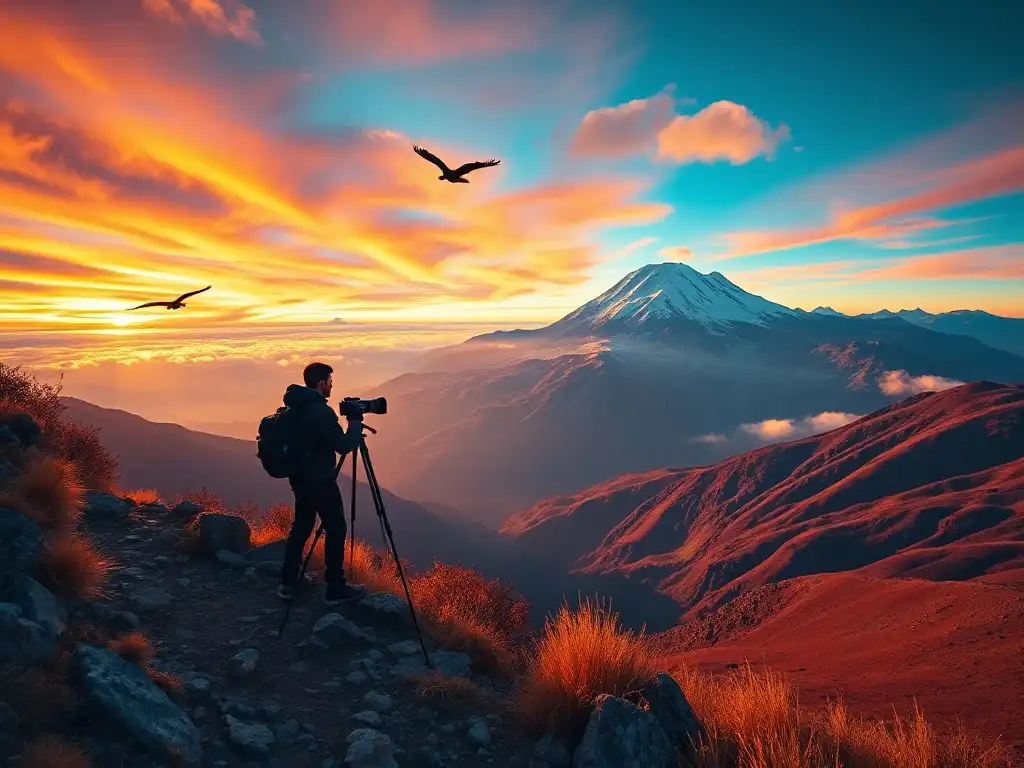
Ready to capture the breathtaking majesty of the Andes? Imagine yourself standing amidst the ancient ruins of Machu Picchu, the vibrant textiles of a bustling market, or the stark beauty of the Atacama Desert – all perfectly framed in your lens. This website dives deep into the heart of Andean Civilizations, revealing their captivating history and culture. But before you embark on your own incredible journey, discover our essential guide on Andean photography gear recommendations, ensuring you capture every detail with stunning clarity. Let's explore!
The breathtaking landscapes and captivating cultural heritage of the Andes present unparalleled photographic opportunities. From the snow-capped peaks of the Andes Mountains to the vibrant textiles of ancient Andean civilizations, capturing these moments requires the right equipment. This guide provides comprehensive recommendations for Andean photography gear, ensuring you're well-equipped to document your journey and create stunning images that truly reflect the majesty of this remarkable region.
Whether you're a seasoned professional or an enthusiastic amateur, we'll explore the essential camera features, accessories, and considerations for capturing the spirit of the Andes. This article will help you choose the best gear for your Andean photography adventure, helping you achieve truly exceptional results and ensuring your "Andean photography gear recommendations" are top-notch. We'll delve into specifics, providing practical advice to help you choose the perfect equipment for your needs and budget.
Capturing the Majesty: Why Quality Gear Matters for Andean Photography
Photographing the Andes is a unique challenge. The high altitudes, diverse climates, and dramatic lighting conditions demand equipment that can perform reliably in demanding circumstances. Investing in quality gear translates directly into superior image quality and a more enjoyable photographic experience.
Poor quality equipment can lead to frustrating limitations, such as blurry images, poor low-light performance, and equipment failure at crucial moments. Consider this: the vibrant colors of a traditional Andean market, the intricate details of ancient pottery, or the awe-inspiring vista of a snow-capped volcano – all deserve to be captured with the clarity and precision that only high-quality gear can provide. Choosing the right camera and accessories ensures you capture the essence of the Andes, preserving memories and creating stunning visuals that will last a lifetime.
This isn't just about having the latest technology; it's about ensuring your gear is robust enough to withstand the conditions and capable enough to produce the exceptional images the Andes deserve. The difference between a good photograph and a great one often lies in the quality of the equipment used.
Essential Camera Features for Andean Landscapes & Culture
When selecting a camera for Andean photography, several key features are crucial. High resolution is paramount for capturing the vastness of the landscapes and the intricate details of cultural artifacts. A robust image stabilization system is essential, especially when shooting at high altitudes or in low-light conditions. Consider the following:
| Feature | Importance | Recommendation |
|---|---|---|
| High Resolution | Crucial for detailed landscapes and cultural artifacts. | At least 20 megapixels, ideally higher. |
| Image Stabilization | Essential for sharp images, especially in low light and at high altitudes. | In-body or lens-based image stabilization (IS/VR). |
| Low-Light Performance | Important for capturing stunning night skies and dimly lit interiors. | High ISO performance with minimal noise. |
| Weather Sealing | Protects against dust, rain, and snow, crucial in diverse Andean climates. | Look for weather-sealed bodies and lenses. |
| Video Capabilities | Useful for documenting experiences and creating immersive travel videos. | 4K video recording capability is highly beneficial. |
| Durability | Essential for withstanding the rigors of travel and diverse Andean environments. | Robust build quality and impact resistance are key. |
Beyond the camera body itself, choosing the right lenses is equally important. A versatile lens kit will allow you to capture a wide range of subjects, from expansive landscapes to intimate portraits. Consider a wide-angle lens for capturing sweeping vistas, a telephoto lens for wildlife and distant subjects, and a macro lens for capturing the intricate details of Andean textiles and artifacts. Remember to pack extra batteries and memory cards, as opportunities for amazing photographs will abound! Don't forget the importance of a reliable tripod for stable shots, especially in low-light conditions or when using longer lenses.
Best Camera Options for Andean Photography in 2024: Detailed Reviews
The high altitude, dramatic landscapes, and vibrant cultures of the Andes present unique photographic challenges and opportunities. Choosing the right camera is crucial for capturing stunning images of this breathtaking region. Here are some top contenders for Andean photography in 2024, catering to different needs and budgets.
The Versatile Workhorse: Sony Alpha a7 IV for Andean Adventures
The Sony Alpha a7 IV is a powerhouse, boasting exceptional image quality, impressive autofocus, and versatile video capabilities. Its full-frame sensor excels in low-light conditions, a significant advantage when photographing in the often-shadowy Andean canyons or at sunrise/sunset. The robust build quality ensures it can withstand the rigors of Andean travel, though additional protection is always recommended. Its extensive features make it suitable for both seasoned professionals and enthusiastic amateurs aiming for professional-level results.
The a7 IV's ability to shoot high-resolution stills and 4K video makes it a truly versatile option for documenting your Andean journey comprehensively. Consider this camera if you prioritize image quality and versatility above all else. Its slightly higher price point reflects its advanced capabilities.
The Rugged Performer: Fujifilm X-T5 for Andean Exploration
For photographers prioritizing a balance between image quality, durability, and portability, the Fujifilm X-T5 is an excellent choice. Known for its retro design and intuitive controls, the X-T5 offers exceptional image quality from its APS-C sensor, particularly in JPEG output thanks to its renowned film simulations. Its weather sealing makes it exceptionally well-suited to the unpredictable Andean weather, offering significant protection against dust, rain, and even some snow.
The X-T5’s lightweight design is a boon for treks and hikes, allowing for easier carrying without compromising on image quality. While not as feature-rich as the Sony a7 IV, the X-T5 provides a fantastic user experience and produces stunning images, making it a strong contender for Andean photography.
The Travel-Friendly Companion: Canon EOS Rebel SL3 for Andean Photography
If you are looking for a more budget-friendly option without sacrificing image quality, the Canon EOS Rebel SL3 is an excellent choice. This lightweight and compact DSLR is perfect for travel photography, easily fitting into a backpack. While its sensor is smaller than the full-frame options, it still delivers impressive image quality, especially in good lighting conditions. The Rebel SL3’s ease of use makes it ideal for beginners, while its affordability makes it an attractive option for those on a tighter budget.
While its weather sealing is less robust than the Fujifilm X-T5, it still provides adequate protection against minor weather conditions. It's the perfect camera for capturing the vibrant colors of Andean markets or the stunning vistas along the Inca Trail. Remember to invest in additional protection if you plan on venturing into harsher conditions.
Beyond the Camera: Essential Accessories for Andean Photography
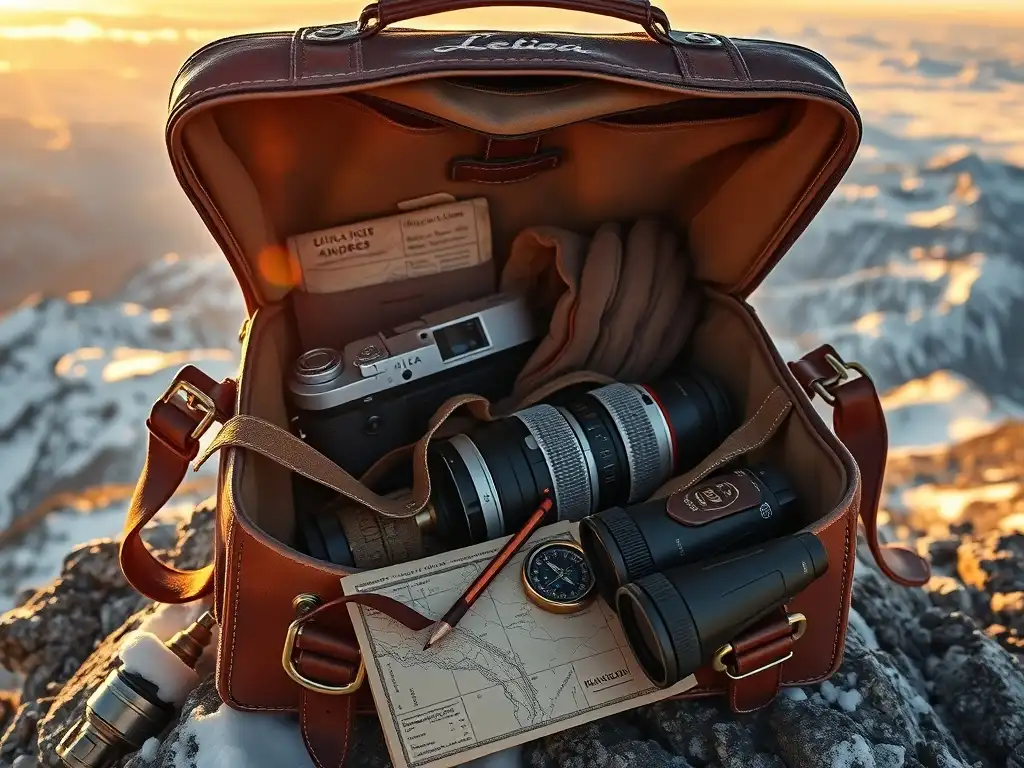
Beyond the camera body, several accessories are essential for successful Andean photography. These additions enhance your capabilities and protect your valuable equipment.
Tripods for Stability in the Andean Winds: Peak Design Travel Tripod Recommendations
The Andean winds can be unpredictable and fierce, making a sturdy tripod essential for sharp images, especially in low-light conditions or when using longer lenses. Peak Design's travel tripods offer a great combination of portability and stability, crucial for navigating the varied terrain. Their lightweight designs make them easy to carry on long treks, while their robust construction ensures stability even in challenging conditions. Consider the features and weight limits carefully to select the model best suited to your specific needs and planned activities.
Lenses for Every Andean Scenario: The Right Glass for the Job
Choosing the right lenses is crucial for capturing the diverse landscapes and subjects of the Andes. A wide-angle lens is ideal for capturing sweeping vistas of mountains and valleys, while a telephoto lens allows you to get closer to wildlife and distant subjects. A versatile zoom lens can offer a good compromise, but having a selection for different scenarios will significantly enhance your photographic capabilities. Consider the focal lengths and apertures needed for your specific photography style.
Weatherproofing Your Gear: Protecting Your Investment in the Andes
The Andean climate can be unpredictable, ranging from scorching sun to torrential rain and even snow at higher altitudes. Protecting your expensive equipment is paramount. Invest in high-quality rain covers for your camera and lenses, and consider using waterproof bags or cases for added protection during extreme weather. Regular cleaning of your gear is also crucial to prevent dust and debris from damaging your equipment.
Memory Cards and Batteries: Essential Power and Storage
High-capacity memory cards are essential for capturing numerous high-resolution images and videos. Always carry extra memory cards to avoid running out of space during crucial moments. Similarly, carrying extra batteries is crucial, as cold temperatures can significantly reduce battery life. Invest in high-quality, reputable brands to ensure reliable performance and longevity. Consider purchasing a portable power bank to charge your batteries on the go, especially during multi-day treks.
Optimizing Your Andean Photography Workflow
Efficient workflow is crucial for maximizing your time and capturing the essence of the Andes. Begin by planning your shoots meticulously. Research locations, considering the optimal times of day for lighting and minimizing crowds. Consider factors like altitude, weather conditions, and accessibility when choosing your shooting locations. Pre-visualizing your shots can help you anticipate challenges and maximize your efficiency in the field.
For instance, if you're photographing the stunning sunrise over Lake Titicaca, you'll want to arrive well before dawn to scout the perfect composition and adjust your camera settings accordingly. This pre-planning will prevent rushed shots and allow you to capture the magic of the moment.
Furthermore, adopting a consistent organizational system for your images is essential. Use a clearly defined folder structure on your memory cards and hard drives, utilizing dates, locations, and subject matter to easily locate specific images later. Regularly backing up your photos to cloud storage or external hard drives is vital to protect your invaluable work from loss or damage. This meticulous approach will save you significant time and frustration during post-processing.
Post-Processing Software for Enhanced Andean Images
Post-processing is an essential part of Andean photography, allowing you to refine your images and bring out their full potential. Several software options cater specifically to landscape and travel photography. Adobe Lightroom, with its intuitive interface and powerful editing tools, is a popular choice amongst professionals and enthusiasts alike. Lightroom's advanced features for color grading, sharpening, and noise reduction are particularly useful for enhancing the vibrancy of Andean landscapes and the details in your cultural shots.
Alternatively, Capture One offers a robust alternative with a strong focus on color accuracy and image detail. Its tethered shooting capabilities are especially beneficial for professional photographers needing immediate feedback. Both programs allow for batch processing, significantly speeding up your workflow, especially when dealing with a large volume of images from an extensive Andean expedition. Remember to maintain a consistent editing style throughout your project to create a cohesive visual narrative. Experiment with different presets and techniques to find a style that best complements your Andean photography.
Tips for Capturing Authentic Andean Moments
Capturing the authentic spirit of the Andes requires more than just technical skill; it demands sensitivity and respect for the local culture. Engage with the people you photograph, always obtaining their consent before shooting. Learn a few basic Quechua phrases—even a simple "hola" or "gracias"—can go a long way in building rapport and trust. This approach will allow you to capture genuine interactions and expressions, resulting in more meaningful and impactful images.
Avoid stereotypical representations. Instead, focus on showcasing the diversity of Andean life, highlighting the unique aspects of each community. Pay attention to the details—the intricate patterns of traditional textiles, the vibrant colors of local markets, the expressions on the faces of the people you encounter. These subtle details will add depth and authenticity to your photography. Remember, your images should tell a story, reflecting the rich cultural tapestry of the Andes.
Conclusion: Gear Up for Your Andean Photography Journey
Embarking on a photographic journey through the Andes is a rewarding experience. The stunning landscapes, vibrant cultures, and ancient ruins offer endless opportunities for capturing breathtaking images. Careful planning and the right equipment are key to a successful trip.
Investing in the right equipment enhances your Andean photography experience
Investing in high-quality gear can significantly improve your Andean photography. A robust camera body, weather-sealed lenses, and reliable accessories are essential for withstanding the varied conditions of the Andes. Don't underestimate the importance of sturdy tripods and dependable backpacks designed for carrying heavy equipment. Consider your budget and photography style when selecting your gear. Prioritizing durability and versatility will safeguard your investment and ensure you're prepared for any photographic challenge.
Choosing the right gear for your specific needs and budget
The best Andean photography gear depends on your individual needs and budget. For example, a lightweight mirrorless camera system might be ideal for trekking, while a robust DSLR with multiple lenses might be preferred for studio-style portraiture. Consider the focal lengths of your lenses—wide-angle lenses are perfect for landscapes, while telephoto lenses are ideal for wildlife and capturing distant details. Don't forget essential accessories like extra batteries, memory cards, and cleaning supplies. Research different brands and models, comparing features and prices to find the best fit for your budget and photography style.
Encouragement to explore the beauty and culture of the Andes through photography
The Andes mountains offer an unparalleled opportunity to capture stunning images that showcase the region's natural beauty and rich cultural heritage. Through your lens, you can document the majestic landscapes, ancient ruins, and vibrant communities, sharing their stories with the world. Embrace the challenge, learn from your experiences, and let your passion for photography guide you on this unforgettable journey. The Andes await your lens, ready to unveil their secrets and inspire your creativity. Go forth, capture the beauty, and share the wonders of the Andes with the world! ⛰️📸
- Capturing the Majesty: Why Quality Gear Matters for Andean Photography
- Essential Camera Features for Andean Landscapes & Culture
- Best Camera Options for Andean Photography in 2024: Detailed Reviews
- Beyond the Camera: Essential Accessories for Andean Photography
- Optimizing Your Andean Photography Workflow
- Conclusion: Gear Up for Your Andean Photography Journey
- What type of camera is best for Andean photography?
- What lenses are essential for Andean photography?
- What other gear should I bring for Andean photography?
- How do I protect my gear from the altitude and weather in the Andes?
- What are some specific camera brands or models recommended for Andean photography?
Frequently Asked Questions
What type of camera is best for Andean photography?
A high-resolution DSLR or mirrorless camera is ideal for capturing the stunning landscapes and details of Andean sites. Consider a camera with good low-light performance for shooting in the varied light conditions of the Andes. Image stabilization is also a valuable feature.
What lenses are essential for Andean photography?
A wide-angle lens is crucial for capturing expansive landscapes. A telephoto lens is useful for wildlife and detailed shots of ruins. A versatile zoom lens can cover a range of situations, minimizing the need to carry multiple lenses.
What other gear should I bring for Andean photography?
Pack extra batteries and memory cards, as opportunities for photography will abound. A reliable tripod is essential for sharp images, especially in low light. Don't forget protective gear for your equipment, like a rain cover and a sturdy carrying case.
How do I protect my gear from the altitude and weather in the Andes?
Acclimatize your gear gradually if possible, to avoid sudden temperature changes. Use protective cases and covers to shield your equipment from rain, dust, and extreme temperatures. Regularly check your equipment for moisture or damage.
What are some specific camera brands or models recommended for Andean photography?
Several brands offer excellent cameras suitable for Andean photography. Consider researching high-performing DSLRs or mirrorless cameras from brands like Canon, Nikon, Sony, or Fuji. Look for models with weather sealing and robust build quality.
Final Reflection: Capturing the Soul of the Andes
Documenting the breathtaking landscapes and vibrant cultures of the Andes requires more than just a camera; it demands a mindful approach, a respect for the environment, and the right tools to capture its essence. The journey through these majestic mountains, as explored in this article, is as much about the experience as it is about the images themselves. The gear recommendations provided are not just a list of equipment, but a pathway to a deeper connection with this incredible region.
The impact of photography on our perception of the Andes, and indeed all natural wonders, is profound. It allows us to share the beauty of these places with the world, fostering a sense of appreciation and inspiring conservation efforts. The camera is an instrument that teaches people how to see without a camera.
– Dorothea Lange. This quote resonates deeply, as the process of choosing and using the right gear ultimately enhances our ability to truly see and understand the Andes, going beyond simply recording an image.
Now, consider your own journey. What stories do you yearn to capture? What perspectives do you want to share? This article is not just a guide to gear, but an invitation to embark on your own photographic adventure in the Andes. Pick up your camera, pack your bags, and let the mountains inspire you. Let the journey, and the images you create, become a testament to the enduring power and beauty of this remarkable region.
Capture the Magic of the Andes Today!
Thank you for exploring the fascinating world of Andean photography with us! We hope you've gained valuable insights into choosing the right camera and equipment to document the breathtaking landscapes and vibrant cultures of this incredible region. Now, let's put that knowledge into practice!
Here are some steps to enhance your photographic journey:
- **Invest in a high-quality camera and lens** that complements your photographic style and needs. Consider renting equipment before committing to a purchase.
- **Connect with other photographers** by joining a local photography group or online forum. Sharing experiences and seeking advice from fellow enthusiasts is invaluable.
- Plan your Andean adventure and **capture a truly memorable image** that showcases the region's unique beauty!
What's the first stunning photograph you hope to capture on your Andean adventure? Share your vision in the comments!