
Inca Infrastructure: The Engineering Marvels That Powered the Empire

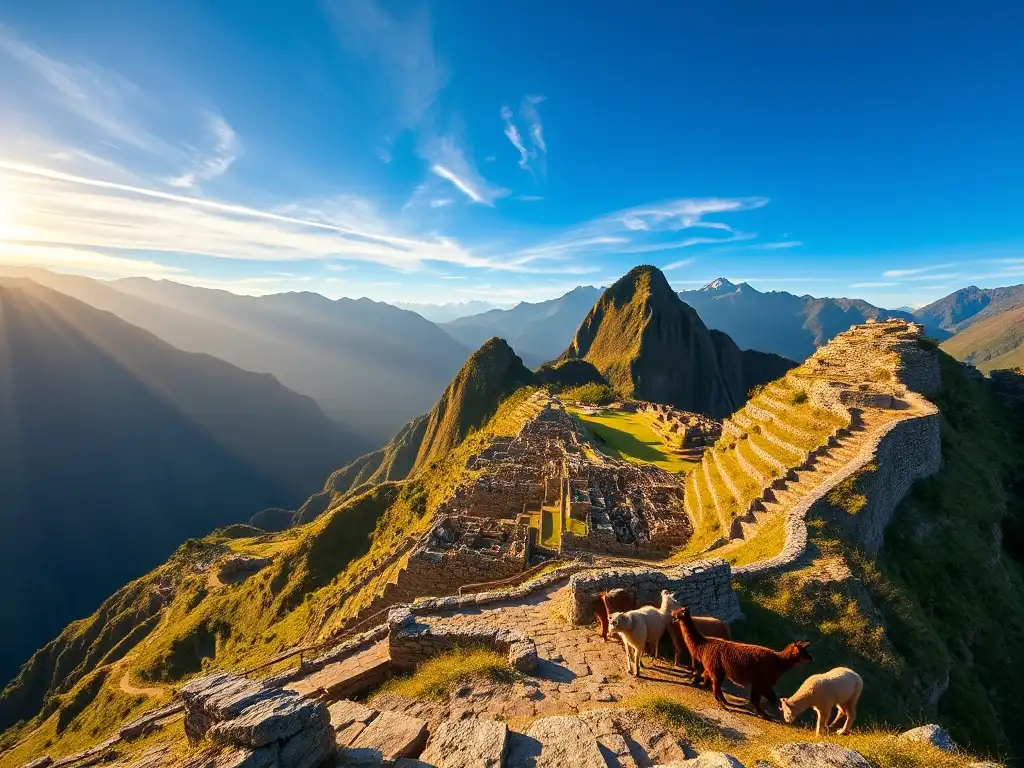
Step into a world lost to time, yet echoing with the ingenuity of a vanished empire. Prepare to be amazed by the Andean Civilizations, where breathtaking artistry and advanced engineering intertwined to create a legacy that still captivates us today. But the story doesn't end with shimmering gold and majestic temples; discover the secrets behind the Inca road system engineering, a feat of infrastructure so sophisticated it continues to baffle modern engineers. Dive in and unravel the mysteries of this remarkable civilization—your journey begins now.
The Inca Empire, a civilization that flourished in the Andes Mountains from roughly 1438 to 1533 CE, remains a testament to human ingenuity and organizational prowess. While their sophisticated social structures and intricate religious beliefs are well-documented, the remarkable engineering feats that underpinned their empire often receive less attention. This article delves into the impressive infrastructure developed by the Inca, focusing on the ingenuity and scale of their construction projects, particularly their renowned road system.
We will explore the engineering principles, logistical challenges, and lasting impact of Inca infrastructure, highlighting its critical role in maintaining control, facilitating trade, and connecting the vast, geographically diverse empire. Understanding the Inca road system engineering is key to understanding the very survival and success of this remarkable civilization. The Inca's mastery of their environment, reflected in their infrastructure, offers invaluable insights into ancient Andean technology and societal organization.
Introduction to Inca Engineering Prowess
The Inca's engineering achievements were not limited to their famous road network. Their mastery of stonework is legendary, evident in the precise construction of their monumental structures, such as Machu Picchu and Sacsayhuamán. They skillfully adapted their building techniques to the challenging Andean terrain, utilizing local materials and demonstrating an impressive understanding of structural mechanics.
This expertise extended beyond monumental architecture; they also developed sophisticated irrigation systems, agricultural terraces, and sophisticated suspension bridges, all crucial for supporting a large and geographically dispersed population. The Inca's ability to mobilize vast workforces and organize complex projects underscores their advanced societal organization and sophisticated administrative capabilities. Their engineering accomplishments weren't merely functional; they also served symbolic and religious purposes, reflecting the Inca's worldview and power.
Consider the intricate stonework – the precision and fit of the stones, often without mortar, speaks volumes about their skills and understanding of engineering principles. This precision wasn't just aesthetic; it contributed to the structural integrity and longevity of their buildings.
The Backbone of the Inca Empire: The Inca Road System
The Inca road system, arguably their most impressive feat of engineering, was a marvel of its time. Spanning over 40,000 kilometers (25,000 miles) – some estimates place it even higher – this network of roads connected the far-flung corners of the empire, facilitating communication, trade, and military movements. The roads weren't simply paths; they were meticulously engineered pathways, adapted to the challenging Andean landscape. They traversed mountains, crossed rivers using ingenious bridges (some of which were suspension bridges), and navigated diverse terrains with remarkable skill. The construction required a massive workforce and sophisticated logistical planning.
The use of different materials, depending on the terrain, demonstrates adaptability and resourcefulness. In some areas, they used stone paving; in others, they utilized earth and gravel. The roads were not only functional but also strategically placed to serve both administrative and military purposes. The Inca road system engineering wasn't just about building roads; it was about controlling and connecting a vast and diverse empire. The system included chasquis, a relay system of runners who could transmit messages across vast distances with remarkable speed, further highlighting the integration of communication and infrastructure.
The strategic placement of tambos (roadside inns) provided resting places for travelers and facilitated the efficient movement of goods and people. The Inca road system engineering is a testament to the Inca's ability to organize and manage resources on an unprecedented scale. The network's longevity and effectiveness underscore their understanding of engineering principles and their ability to adapt to the challenges of the Andean environment. The impact of this system on the political, economic, and social life of the Inca Empire was profound and lasting.
- What made the Inca road system so remarkable?
- How did the Incas overcome geographical challenges in road construction?
- What materials were primarily used in the construction of Inca roads?
- What was the purpose of the Inca road system beyond transportation?
- How did the Inca road system contribute to the empire's success?
Inca Road System Engineering: A Network of Power
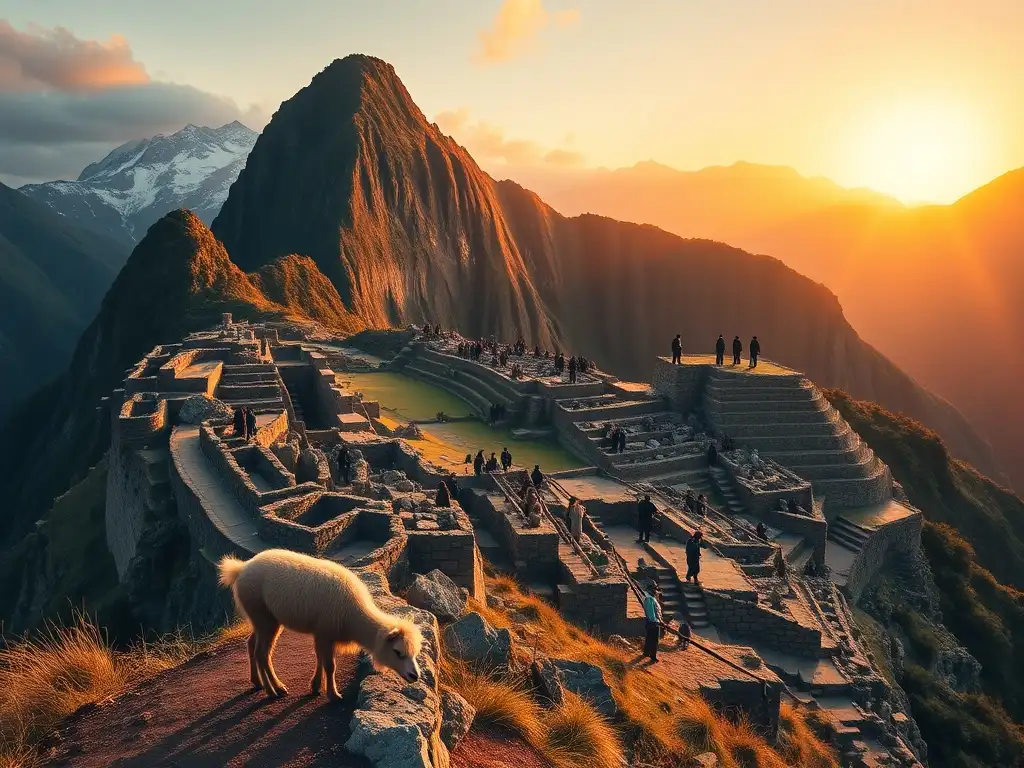
The Inca road system, known as the Qhapaq Ñan, stands as a testament to the sophisticated engineering prowess of the Inca Empire. This extensive network of roads, spanning thousands of miles across diverse and challenging terrains, played a crucial role in the empire's political, economic, and military might. Its strategic design facilitated efficient communication, rapid troop deployment, and the seamless movement of goods and resources across the vast Andean landscape.
Understanding the engineering principles behind this remarkable feat provides invaluable insight into the Inca's organizational capabilities and technological advancements. The Qhapaq Ñan wasn't merely a system of paths; it was the artery of a sprawling empire, a marvel of Inca infrastructure that ensured its stability and longevity.
The engineering challenges overcome – from navigating treacherous mountain passes to constructing durable pathways across arid deserts – highlight the ingenuity and meticulous planning that characterized Inca road construction. This section delves into the specifics of this remarkable feat of Inca road system engineering.
Understanding the Qhapaq Ñan: The Inca Main Road
The Qhapaq Ñan wasn't a single road, but rather a complex network of interconnected pathways. The main road, or Qhapaq Ñan itself, stretched approximately 25,000 miles, traversing the length and breadth of the Inca Empire. This primary artery connected the capital, Cusco, to distant provinces, facilitating communication and the movement of resources. The system was incredibly well-organized, with strategically placed tambos (roadside inns) providing lodging and supplies for travelers, soldiers, and messengers.
These tambos were not just simple rest stops; many were substantial structures, serving as vital hubs for local communities and administrative centers along the routes. Their placement, typically spaced a day's journey apart, reflects a deep understanding of logistics and the needs of those using the road system. The construction of the Qhapaq Ñan itself involved careful consideration of the terrain, employing different techniques depending on the environment.
For instance, in mountainous regions, the roads were often built along mountain ridges, minimizing elevation changes and maximizing visibility. This meticulous planning speaks volumes about the empire's advanced understanding of geography and its capacity for large-scale organization. The Inca's mastery of Inca road system engineering is evident in their ability to build and maintain such a complex network across incredibly challenging terrains.
Construction Techniques of the Inca Roads
Inca road construction was a remarkable feat of engineering, employing sophisticated techniques adapted to the varied landscapes. The roads were built using locally sourced materials, demonstrating a practical and sustainable approach. Stone, earth, and wood were the primary materials, carefully selected and shaped to fit together seamlessly. In mountainous regions, skilled workers painstakingly cut and fitted stones, creating durable and stable surfaces.
The precision of Inca stonework is legendary, with stones often interlocked without the use of mortar, showcasing an advanced understanding of structural engineering. The roads were often elevated above the surrounding terrain, protecting them from flooding and erosion. This required significant earthworks, including the construction of retaining walls and drainage systems.
In some areas, suspension bridges were constructed, demonstrating an impressive understanding of physics and materials science. These bridges, often made of strong fibrous plants like ichu grass and secured with stone anchors, spanned deep ravines and rivers, showcasing remarkable ingenuity and adaptability to the environment. This expertise in Inca road system engineering allowed the Inca to overcome significant geographic obstacles.
Types of Inca Roads: Coastal, Mountain, and Jungle Routes
The Inca road system wasn't uniform; rather, it adapted to the diverse geography of the empire. Three main types of roads can be identified: coastal roads, mountain roads, and jungle roads. Coastal roads generally followed the shoreline, providing efficient transport routes along the Pacific coast. These roads were typically flatter and easier to construct than mountain roads, but still required careful planning to account for sand dunes, cliffs, and other coastal features.
Mountain roads, in contrast, were engineering marvels, traversing steep inclines and treacherous terrain. These routes often involved intricate systems of ramps, switchbacks, and retaining walls to minimize the steepness of the climb. The construction of these roads required exceptional skill and precision, demonstrating the Inca's mastery of stonework and their ability to adapt their techniques to challenging environments.
Jungle roads, found in the Amazonian rainforest, presented unique challenges, including dense vegetation, unpredictable weather, and swampy terrain. These roads often involved the construction of raised pathways and bridges to navigate the difficult landscape. The varied construction techniques employed across these three types of roads highlight the adaptability and expertise of the Inca engineers, reflecting a deep understanding of the diverse environments within their empire and showcasing the impressive scope of Inca road system engineering.
Inca Road Maintenance and Administration
The Inca road system, a testament to their engineering prowess, wasn't simply built and left to decay. Maintaining such an extensive network across diverse and challenging terrains required meticulous planning, organization, and a dedicated workforce. The empire implemented a sophisticated system of road maintenance and administration, ensuring the efficiency and longevity of this crucial infrastructure.
This involved a hierarchical structure, with designated officials responsible for overseeing different sections of the road network. These officials, likely appointed by the Sapa Inca or regional governors, were accountable for the condition of the roads under their jurisdiction. Their responsibilities extended beyond simple repairs; they were also tasked with monitoring the flow of goods and people along their designated routes, ensuring the smooth operation of the empire's logistical system.
Regular inspections were a cornerstone of the Inca road maintenance strategy. Teams of inspectors, perhaps composed of engineers, laborers, and even local community members, would periodically travel the roads, assessing their condition and identifying areas requiring attention. This system allowed for prompt repairs, preventing minor issues from escalating into major problems.
The frequency of these inspections likely varied depending on the road's importance and the prevailing environmental conditions. Mountain passes, for example, would have required more frequent attention than relatively flat stretches of road in more temperate regions. This proactive approach minimized disruption to trade and communication, a critical aspect of maintaining control and stability across the vast Inca Empire.
The workforce responsible for road maintenance was likely a combination of conscripted labor ( mita) and specialized artisans. While the mita system provided a large pool of manpower for construction and repair, skilled stone masons and other specialized workers were essential for more complex repairs or the construction of new sections. These specialized workers may have enjoyed higher status and better compensation than the general laborers.
Evidence suggests that the Inca utilized advanced techniques in road construction and repair, including the use of sophisticated drainage systems to prevent erosion and the strategic placement of stones to ensure stability. The organization and management of this large-scale maintenance operation showcases the Inca's administrative capabilities and their understanding of the crucial role infrastructure played in their empire's success.
The detailed records kept by Inca administrators, though largely lost to time, would undoubtedly reveal much more about the specifics of their road maintenance practices if recovered. The effectiveness of their system is evident in the longevity of sections of the road network that still exist today.
Inca Bridges: Connecting the Empire
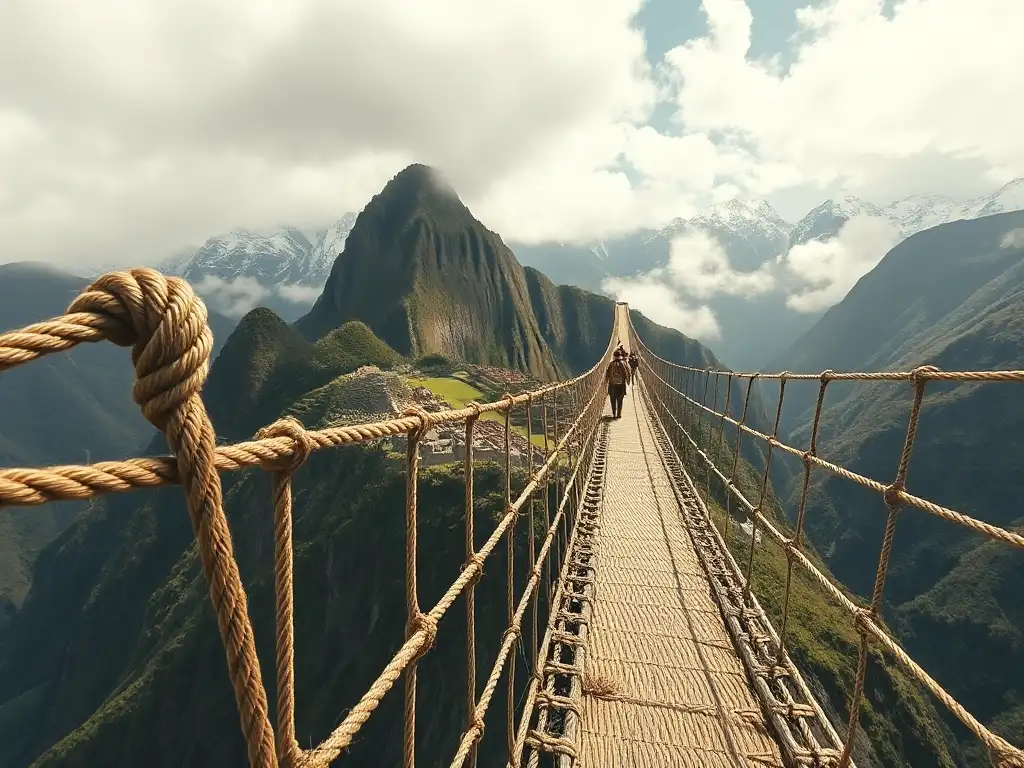
The Inca road system, a marvel of ancient engineering, wouldn't have been complete without its impressive network of bridges. These structures, vital for communication, trade, and military movements, showcased the Inca's ingenuity and mastery of materials. Spanning treacherous gorges and raging rivers, the bridges weren't mere crossings; they were integral components of the empire's infrastructure, reflecting its sophisticated logistical capabilities and demonstrating a deep understanding of engineering principles crucial to the Inca road system engineering.
The Inca's approach to bridge building varied depending on the terrain and the resources available. Their solutions were remarkably adaptable, showcasing a practical approach to problem-solving that helped bind their vast empire together. The types of bridges employed ranged from temporary, easily constructed pontoon bridges to more permanent and complex suspension bridges, each a testament to Inca ingenuity and problem-solving skills.
Suspension Bridges: Engineering Masterpieces
Suspension bridges, arguably the most impressive of the Inca bridge designs, demonstrated a profound understanding of tension and weight distribution. These bridges, often spanning significant distances across deep ravines, typically utilized strong, durable materials like ichu grass ropes (a type of tough, resilient Andean grass) woven into incredibly thick cables. These cables were then anchored to sturdy rock formations on either side of the chasm.
The deck of the bridge, often constructed from wood or woven materials, was suspended from these main cables, providing a relatively stable pathway. The precise techniques used to create these strong, long-lasting cables, and the methods employed to anchor them securely, remain areas of ongoing research, showcasing the sophisticated knowledge of materials science inherent in Inca road system engineering. Some researchers believe that the Incas may have used a type of natural resin or tar to further strengthen the ropes and increase their longevity.
The construction of these suspension bridges was not a simple task, requiring significant manpower and expertise. Each bridge represented a considerable investment of resources, reflecting its importance to the Inca’s infrastructure and highlighting the ingenuity of their road system engineering.
Pontoon Bridges: Temporary Solutions for Rivers
In contrast to the permanent suspension bridges, the Incas also employed pontoon bridges, a more temporary and adaptable solution, especially useful for crossing wider, faster-flowing rivers. These bridges were constructed by anchoring large bundles of reeds, wood, or inflated animal skins (possibly llama or alpaca) together to form buoyant platforms. These platforms were then secured with ropes or other materials to create a floating bridge.
This design allowed for easier construction and dismantling, making them ideal for situations requiring a temporary crossing or for locations where the river flow might change seasonally. The use of pontoon bridges demonstrates the Inca's pragmatic approach to bridge building, prioritizing functionality and adaptability in their road system engineering.
While less visually impressive than the suspension bridges, they were no less crucial to the efficient functioning of the Inca empire. Their temporary nature also allowed for flexibility, enabling the Inca to adapt to changing river conditions and resource availability.
Rope Bridges: Ingenious Designs
While often grouped with suspension bridges, rope bridges deserve separate mention due to their unique construction and application. These bridges were simpler than suspension bridges, often consisting of a single, thick rope or multiple thinner ropes woven together to form a pathway. These ropes were typically made from ichu grass or other strong plant fibers.
The Inca would then often weave additional materials around the core ropes to create a more stable and wider walking surface. While less structurally robust than suspension bridges, rope bridges were more readily constructed and could be used in less challenging terrains. Their simplicity made them a practical choice for smaller rivers and less demanding crossings, contributing to the comprehensive network of the Inca road system engineering.
Their design also likely varied based on the specific environment and readily available materials, reflecting the adaptability of Inca engineering techniques. The use of these varied bridge designs highlights the Inca civilization's deep understanding of engineering principles and their ability to tailor their techniques to the specific challenges posed by their diverse geography.
Inca Agricultural Engineering: Terraces and Irrigation
The Inca Empire's success wasn't solely reliant on its impressive military prowess and sophisticated administrative system. A crucial component of its power and longevity was its mastery of agricultural engineering, particularly in the challenging Andean terrain. The Inca's innovative techniques in terracing and irrigation allowed them to cultivate food in steep, mountainous regions that would otherwise be unproductive, ensuring food security for a vast population.
This sophisticated system, a testament to Inca ingenuity, represents a remarkable achievement in Inca road system engineering principles applied to agriculture, demonstrating a deep understanding of both topography and water management. The impressive scale and efficiency of their agricultural infrastructure are a key factor in understanding the empire's enduring strength.
Andean Terracing: Maximizing Arable Land
Andean terracing, a hallmark of Inca agricultural engineering, involved carving flat platforms into the steep slopes of mountains. These terraces, often supported by elaborate stone walls, dramatically increased the amount of arable land available for cultivation. The careful construction of these terraces served multiple purposes. They not only provided level surfaces for planting but also helped to:
- Reduce soil erosion: The terraces slowed the flow of rainwater, preventing topsoil loss and preserving soil fertility.
- Improve water retention: The terraced structure created microclimates, retaining moisture and protecting crops from harsh weather conditions.
- Optimize sunlight exposure: The terraces were often oriented to maximize sunlight exposure throughout the day, ensuring optimal crop growth.
The construction of these terraces was a monumental undertaking, requiring immense labor and sophisticated engineering knowledge. The precise fitting of stones, the careful grading of the terraces, and the integration of drainage systems all demonstrate a remarkable level of skill and planning. Evidence suggests that different types of stone were used depending on their properties, reflecting a deep understanding of materials science.
For example, harder stones might be used for retaining walls in areas prone to erosion, while softer stones could be used for internal drainage systems. The scale of this endeavor is truly staggering; vast areas of previously unusable land were transformed into productive agricultural zones, supporting the dense population centers of the Inca Empire.
Inca Irrigation Systems: Channels and Aqueducts
Complementing the terracing system was a sophisticated network of irrigation canals and aqueducts. These ingenious systems channeled water from rivers and springs to the agricultural terraces, ensuring a reliable supply of water even in arid regions. The Inca's understanding of hydraulics was remarkable, enabling them to construct channels that followed the contours of the land, minimizing water loss and maximizing efficiency. This involved careful surveying and meticulous planning, often utilizing sophisticated techniques to manage water flow and pressure.
The construction of these irrigation systems required a high degree of technical expertise. Stone channels were meticulously carved and fitted together, creating watertight conduits that could withstand the pressure of flowing water. In some cases, aqueducts were built to carry water across valleys and ravines, demonstrating an advanced understanding of engineering principles.
The systems were not simply linear channels; they incorporated intricate designs, including siphons, tunnels, and reservoirs, to manage water distribution effectively. The ability to irrigate even the most challenging terrains was a key factor in enabling the Inca to sustain a large and prosperous empire. Their innovative approach to water management remains a testament to their engineering prowess and its impact on agriculture in the Andes.
Water Management and Control
The Inca's mastery of water management extended beyond simple irrigation. They developed sophisticated systems for controlling water flow, including reservoirs, spillways, and drainage systems. These systems were essential for preventing flooding during the rainy season and ensuring a consistent supply of water throughout the year. The integration of these systems with the terraces and irrigation channels created a highly efficient and resilient agricultural infrastructure.
Careful observation of the natural environment played a vital role in their water management strategies. They understood the importance of water conservation and developed techniques to minimize water loss. This included using materials like clay and stones to line channels, reducing seepage and evaporation.
Furthermore, they often integrated their water management systems with other aspects of their infrastructure, such as roads and settlements, demonstrating a holistic approach to resource management. Their success in managing water resources in the challenging Andean environment is a testament to their deep understanding of both engineering and environmental principles. The effectiveness of their systems is evident in the long-term sustainability of Inca agriculture and its ability to support a large and complex society.
Inca Urban Engineering: Cities and Settlements
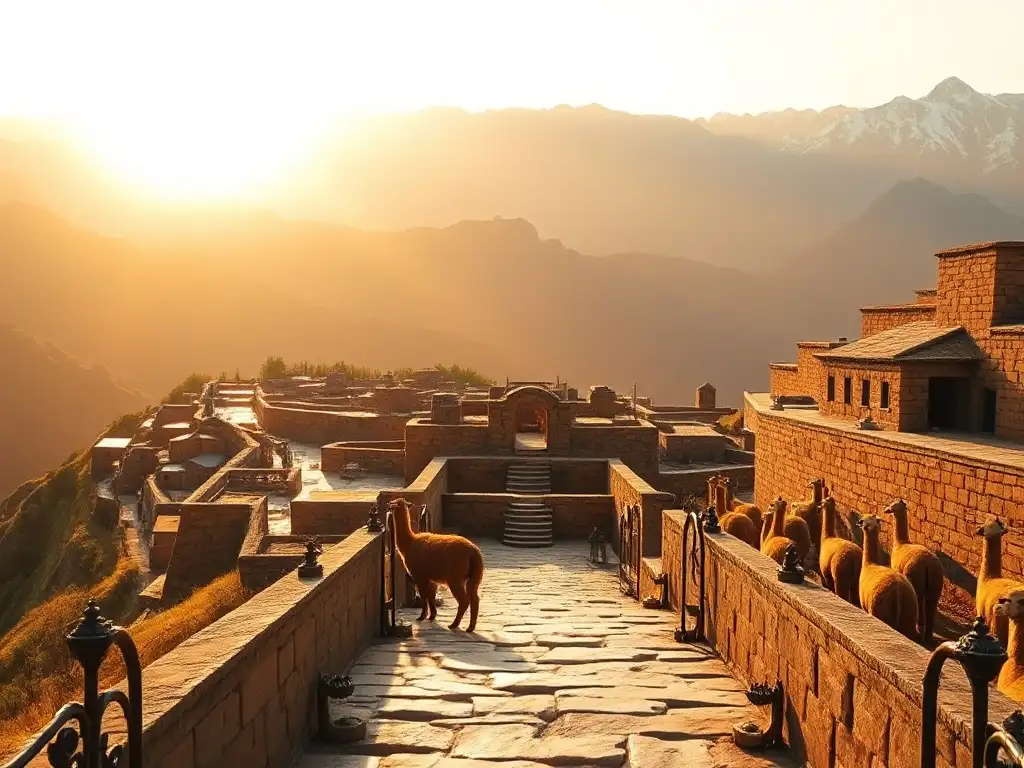
Inca urban engineering represents a sophisticated understanding of topography and resource management, crucial for the efficient functioning of their vast empire. Their cities weren't haphazardly built; instead, they demonstrate meticulous planning reflecting a deep connection to their environment. This is evident in the careful integration of urban spaces with the surrounding landscape, utilizing natural features like hills and rivers to define city boundaries and enhance defense. The Inca road system engineering, for example, directly impacted city placement, ensuring efficient access and communication across the empire. Strategic placement of cities also facilitated control over agricultural resources and trade routes.
The Design and Layout of Inca Cities
Inca cities followed a standardized layout, although variations existed depending on the specific geographic location and purpose of the settlement. Many cities were characterized by a grid pattern, with straight, parallel streets intersecting at right angles. This design, while seemingly simple, provided efficient circulation and facilitated the distribution of goods and services.
The kancha, a multi-family residential unit, served as the fundamental building block of urban design. These compounds, typically built around a central courtyard, housed extended families and provided a sense of community. Larger cities also included designated areas for religious structures, administrative buildings, and marketplaces.
The integration of agricultural terraces into the urban fabric was a common feature, demonstrating the Inca's commitment to sustainable urban planning. Consider, for example, the ingenious integration of agricultural terraces on the steep slopes surrounding Cusco, providing food security for the city's inhabitants. This exemplifies the holistic nature of Inca urban design, combining urban functionality with agricultural productivity.
Inca Architecture: Stone Structures and Construction
The Inca's mastery of stonework is legendary. Their architecture is celebrated for its precision, durability, and aesthetic appeal. The Inca road system engineering, while impressive in its scale, pales in comparison to the remarkable feats of stone masonry found in their cities.
They employed a unique technique of fitting stones together without mortar, achieving an incredibly tight fit that resisted earthquakes. This "dry-stone masonry" showcases an advanced understanding of engineering principles and an unmatched level of craftsmanship. The stones were meticulously cut and shaped to fit together perfectly, creating structures of remarkable strength and stability.
The size and weight of some of the stones used are astonishing, reflecting considerable engineering capabilities in terms of quarrying, transport, and placement. The precise fitting of these massive stones is a testament to the highly skilled labor force and sophisticated organizational capabilities of the Inca Empire. The architectural style also varied based on regional differences, although the quality of the stonework remained consistently high throughout the empire.
Machu Picchu, Cusco, and Ollantaytambo
These three sites exemplify the peak of Inca urban engineering and architectural skill. Machu Picchu, renowned for its breathtaking setting and sophisticated design, demonstrates the Inca's ability to create impressive urban centers in challenging terrain. Its intricate network of terraces, buildings, and pathways showcases the seamless integration of architecture with the surrounding landscape. Cusco, the imperial capital, served as the administrative and ceremonial heart of the Inca Empire.
Its urban layout, with its intricate network of streets and plazas, reflects the sophisticated urban planning of the Inca civilization. Ollantaytambo, with its massive stone structures and impressive agricultural terraces, offers a glimpse into the Inca's engineering prowess. The sheer scale and precision of the stonework at Ollantaytambo, particularly the massive stones used in the construction of its fortifications, are truly awe-inspiring.
These three sites, among many others, serve as powerful testament to the exceptional achievements of Inca urban engineering and their profound influence on subsequent Andean cultures. The Inca road system engineering played a vital role in connecting these key urban centers, facilitating communication, trade, and the movement of people and resources across the empire. The legacy of Inca urban planning continues to inspire architects and engineers today.
Inca Storage Facilities: Colcas and Warehouses
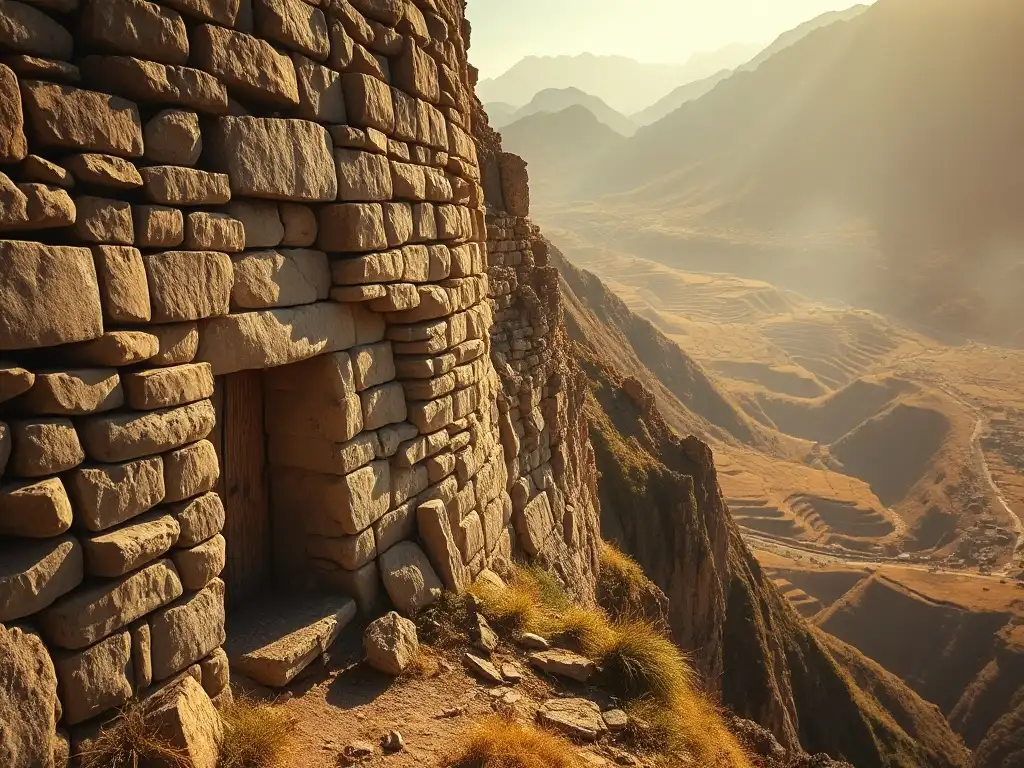
The Inca Empire's sophisticated road system is well-documented, but its equally impressive system of storage facilities – primarily colcas – played a vital role in its administrative and economic success. These structures, combined with larger warehouses, enabled the empire to effectively manage resources, redistribute goods, and ensure the survival of its vast population, even during times of scarcity. Understanding the Inca road system engineering requires acknowledging the crucial role these storage facilities played in supporting the empire's logistics. The efficient movement of goods along the roads relied heavily on a robust and strategically placed network of colcas and warehouses.
Purpose and Design of Inca Colcas
Inca colcas were cylindrical or rectangular stone structures, often built into hillsides or cliffs for protection and temperature regulation. Their primary purpose was the storage of agricultural surpluses, primarily grains like maize, quinoa, and potatoes. This strategic storage was essential for maintaining food security across the empire. The design of the colcas themselves showcased remarkable engineering ingenuity.
Many were built with double walls filled with rubble, providing excellent insulation against temperature fluctuations and pest infestations. This design, combined with their often elevated locations, helped preserve the stored goods for extended periods. Careful consideration was given to ventilation and drainage to prevent spoilage. The sizes of the colcas varied depending on local needs and capacity, ranging from small structures suitable for a single community to larger ones capable of storing significant quantities of food.
Careful analysis of surviving colcas reveals a sophisticated understanding of materials science and construction techniques, optimized for the specific environmental conditions of each region. The precision in stonework and the overall functionality of these structures are a testament to the advanced engineering capabilities of the Inca. Some colcas even included internal features like platforms or ledges to aid in the organization and access of stored goods.
Distribution and Management of Goods
The distribution and management of goods stored in colcas and larger warehouses were crucial aspects of Inca administration. The tambos, waystations along the Inca road system, often served as intermediary points for the redistribution of supplies. The Inca government implemented a highly organized system, using a network of officials and messengers to monitor storage levels, assess needs, and allocate resources effectively. This intricate system enabled the swift movement of goods to areas experiencing shortages or facing natural disasters.
The system was not simply reactive; it was proactive. Regular assessments of crop yields and population needs allowed for preemptive redistribution, minimizing the risk of widespread famine. This sophisticated logistics network highlights the advanced understanding of resource management within the Inca Empire. The efficient management of goods, facilitated by the colcas and the extensive road network, was a key factor in the empire's longevity and stability.
The distribution system was directly tied to the mit'a, the labor system, with individuals assigned tasks related to harvesting, transporting, and storing goods. This ensured the constant flow of resources throughout the empire, a complex interplay between infrastructure and social organization that truly defines the ingenuity of Inca road system engineering. Further research is needed to fully quantify the volume of goods moved and the precise mechanisms of allocation, but existing evidence points to an exceptionally efficient and well-managed system.
Inca Infrastructure's Impact on the Empire
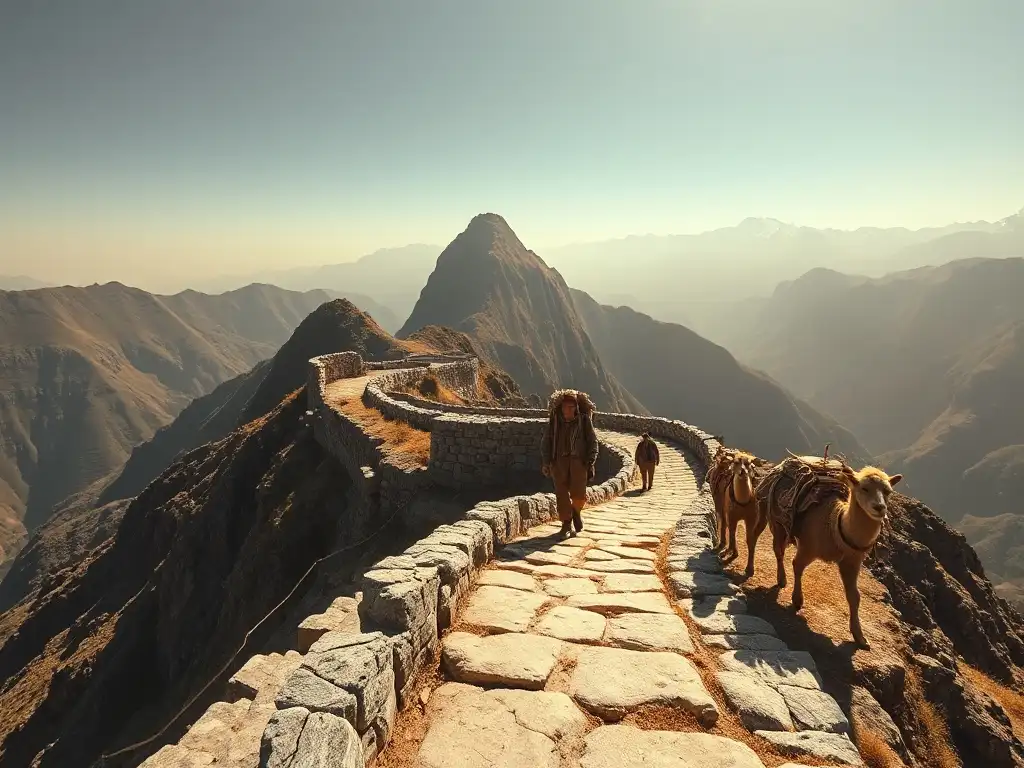
The Inca Empire, at its zenith, controlled a vast and geographically diverse territory spanning the Andes Mountains. Its success wasn't solely due to military might or political shrewdness; it was fundamentally underpinned by a sophisticated and remarkably efficient infrastructure system. This intricate network of roads, bridges, storehouses, and irrigation systems allowed for effective governance, facilitated trade and communication, and enabled rapid military response – all crucial components of the Inca Empire's power and longevity.
Understanding the Inca road system engineering is key to grasping the empire's administrative prowess. The scale and ingenuity of Inca infrastructure represent a significant achievement in ancient engineering, showcasing a deep understanding of both their environment and the logistical needs of a large, complex state. This section will explore the vital role this infrastructure played in the daily functioning and ultimate success of the Inca Empire.
The Role of Infrastructure in Inca Administration
The Inca administrative system relied heavily on its infrastructure. The Inca road system engineering directly supported the tapu system, a highly structured social organization. Officials, known as curacas, were responsible for specific regions and reported directly to higher authorities through the road network.
This efficient communication system facilitated swift tax collection, the mobilization of labor ( mita ), and the distribution of resources. The chasquis, a relay runner system, utilized the roads to transmit messages across vast distances with incredible speed. These runners, strategically positioned along the routes, could deliver messages across hundreds of miles in a single day, ensuring rapid communication between the emperor and his far-flung provinces.
This constant flow of information was essential for maintaining control and responding effectively to any challenges or opportunities that arose throughout the empire. The construction and maintenance of the infrastructure itself also served as a tool for administration, providing employment and reinforcing the power of the central government.
The intricate network also supported the tambos, strategically placed waystations along the roads. These served as rest stops for travelers, messengers, and officials, but also functioned as administrative centers, storage facilities, and even small settlements. Their presence highlighted the Inca's ability to efficiently manage resources and control the movement of people and goods across their vast domain. The integration of the tambos into the overall road system is a testament to the empire's sophisticated logistical planning and administrative capabilities. The effective management of this vast network represents a remarkable feat of ancient engineering and administrative skill.
Facilitating Trade and Communication
The Inca road system wasn't merely a network for administrative purposes; it was the backbone of a thriving economy. The Inca road system engineering facilitated the exchange of goods and services across the empire. Agricultural products from different regions were transported along these routes, ensuring the distribution of food and resources to areas that might otherwise have experienced shortages.
This efficient distribution system helped to maintain social stability and prevent widespread famine. Furthermore, specialized crafts and luxury goods could travel across long distances, connecting different parts of the Inca empire into a unified economic zone. The road system also played a crucial role in the propagation of religious beliefs, cultural practices, and artistic styles.
The movement of priests, artisans, and other specialists along the routes facilitated the spread of Inca culture and helped to solidify the empire's identity. This cultural exchange, facilitated by the Inca road system engineering, was a key factor in the empire’s unification and enduring legacy. The impact on cultural cohesion and economic stability was profound, showcasing the multifaceted role of infrastructure in the empire's success.
Military Movement and Control
The Inca road system played a pivotal role in the empire's military strength and its ability to effectively control its vast territory. The roads allowed for the rapid deployment of troops to quell rebellions, respond to external threats, or reinforce borders. This swift military response was crucial in maintaining order and preventing fragmentation within the empire. The Inca road system engineering was not only about building roads; it was a strategic undertaking designed to enhance military capabilities.
The strategically placed tambos along the routes served as bases for troops, providing rest, supplies, and logistical support. The ability to quickly move troops across mountains and valleys provided a significant advantage over potential adversaries. Furthermore, the roads facilitated the movement of supplies and reinforcements, ensuring that Inca armies were well-equipped and supported in their campaigns. The efficiency of the Inca military, directly linked to the infrastructure’s capabilities, was instrumental in their expansion and long-term dominance.
The strategic placement of fortifications and military outposts along the roads further enhanced the empire’s defensive capabilities. This illustrates the deeply intertwined nature of military strategy and infrastructure development in the Inca Empire. The Inca road system engineering, therefore, was not just a logistical marvel, but a cornerstone of the Inca military machine.
Legacy of Inca Engineering
The Inca road system, a marvel of ancient engineering, stands as a testament to the ingenuity and organizational prowess of the Inca Empire. Its impact extends far beyond simple transportation; it fundamentally shaped the political, economic, and social fabric of the vast Andean realm. This intricate network, stretching over 40,000 kilometers, connected distant provinces, facilitating trade, communication, and military control. The Inca's mastery of Inca road system engineering wasn't merely about building paths; it was about creating a unified empire through infrastructure.
This legacy continues to inspire awe and serves as a valuable case study in sustainable and adaptive construction practices. The sheer scale of the undertaking, considering the available tools and technologies of the time, remains astonishing. The Inca's ability to adapt their construction methods to diverse and challenging terrains, from high-altitude mountain passes to dense jungle regions, is particularly noteworthy.
Lessons from Inca Infrastructure
The Inca's approach to infrastructure offers several crucial lessons for modern engineers and planners. Their understanding of environmental factors, for example, is particularly relevant in today's context of climate change and resource scarcity.
- Adaptive Design: The Inca engineers didn't impose a single design solution across all terrains. Instead, they meticulously adapted their techniques to the specific geographic conditions, utilizing local materials and employing ingenious solutions to overcome obstacles. This adaptability is a key takeaway for modern infrastructure projects, highlighting the importance of context-specific design. For instance, their use of stone retaining walls on steep slopes remains a highly effective technique for erosion control.
- Sustainable Material Use: The Inca civilization prioritized the use of locally sourced materials, minimizing transportation costs and environmental impact. Their extensive use of stone, expertly fitted without mortar, demonstrates a commitment to durability and resource efficiency. This contrasts sharply with modern practices that often prioritize speed and cost over environmental sustainability.
- Community Participation: The construction of the Inca road system was a collective effort, involving communities across the empire. This participatory approach ensured local knowledge and expertise were incorporated into the design and construction process, leading to greater efficiency and community ownership. This contrasts with many modern "top-down" approaches that can alienate communities from the infrastructure projects impacting them.
- Strategic Planning: The Inca road network wasn't a haphazard collection of paths; it was a strategically planned system designed to optimize communication, trade, and military movement. This emphasizes the importance of long-term vision and holistic planning in infrastructure development. This foresight is often lacking in contemporary projects focused on short-term gains.
Modern Applications of Inca Techniques
While seemingly ancient, many Inca engineering techniques remain remarkably relevant today. Their innovative solutions to challenges like drainage, slope stabilization, and material sourcing continue to inspire modern engineers. For example:
- Earthquake-Resistant Construction: Inca stonework, characterized by its precise fitting and interlocking design, exhibited remarkable resistance to seismic activity. Modern engineers are studying these techniques to develop more earthquake-resistant structures. The interlocking stones minimized the risk of collapse during earthquakes, a feature that is now being incorporated in contemporary earthquake-resistant design.
- Sustainable Water Management: The Inca's sophisticated irrigation systems, adapted to diverse terrains and climates, provide valuable insights into sustainable water management strategies. Their understanding of water flow and conservation techniques remains highly relevant in addressing modern water scarcity issues. Their methods of channeling water and creating terraces on steep slopes are remarkably effective at preventing soil erosion and maximizing water use.
- Road Construction in Difficult Terrains: The Inca's expertise in building roads through challenging mountainous terrain continues to be studied and applied in modern road construction projects in similar environments. Their techniques for creating stable roadbeds and dealing with steep slopes are still highly relevant in today's context. Their ingenuity in adapting construction methods to diverse geological conditions remains a valuable lesson.
Preserving the Inca Engineering Heritage
The preservation of Inca infrastructure is crucial not only for its historical significance but also for its potential to inform future engineering practices. However, the challenges are significant:
- Environmental Degradation: Natural processes like erosion and weathering, combined with human impact, threaten the long-term preservation of these ancient structures. The effects of climate change are only exacerbating these challenges. We need to actively monitor the impact of environmental factors and implement measures to mitigate these effects.
- Tourism Impact: The increasing popularity of these sites as tourist destinations puts additional pressure on their preservation. Sustainable tourism practices are urgently needed to minimize the negative impacts of visitors. Careful planning and management of tourist flows are essential to preserve the integrity of these invaluable sites.
- Lack of Funding: Adequate funding is essential for the long-term preservation of Inca engineering marvels. Increased investment in preservation efforts is crucial to ensure these sites remain accessible and protected for future generations. A concerted effort by governments and international organizations is necessary to secure the necessary funding.
The preservation of the Inca engineering heritage is not merely a matter of historical preservation; it is a vital investment in our understanding of sustainable and resilient engineering practices. The lessons from the Inca Empire can guide us in building a more sustainable future. The continuation of research and collaboration amongst specialists in archaeology, engineering, and environmental science is essential to ensure the proper preservation of this incredible heritage. The Inca road system engineering legacy must be safeguarded for future generations.
Conclusion: The Enduring Impact of Inca Ingenuity
The Inca road system, a testament to their sophisticated engineering prowess, stands as a remarkable achievement in ancient infrastructure. Its impact extends far beyond its initial purpose of facilitating communication and trade within the vast empire. The ingenuity displayed in its construction, utilizing locally sourced materials and adapting to diverse terrains, showcases a deep understanding of engineering principles and a remarkable ability to organize and manage large-scale projects. The legacy of the Inca road system continues to inspire awe and admiration, serving as a powerful reminder of the advanced capabilities of pre-Columbian Andean civilizations. Its influence can be seen in modern road construction techniques, particularly in mountainous regions, where the principles of adaptability and resourcefulness employed by the Inca continue to be relevant.
The system's enduring impact also lies in its contribution to our understanding of ancient societal organization and technological advancement, enriching our knowledge of the Inca Empire and its place in human history. Understanding the Inca road system offers valuable insights into the complexities of managing a large and diverse empire, showcasing the interconnectedness of infrastructure, governance, and cultural development. The sophisticated network not only facilitated trade and communication but also played a crucial role in maintaining social order and political control, highlighting the critical role of infrastructure in supporting imperial power. The Inca road system stands as a lasting symbol of human ingenuity and a powerful reminder of the sophisticated engineering capabilities of the ancient Andean world.
Further research into the construction techniques and organizational strategies employed by the Inca engineers promises to unlock even more profound insights into this remarkable feat of ancient engineering. The careful study of remaining road sections provides valuable information about the materials used, construction methods, and the overall planning process, offering clues to the intricate design and implementation of this impressive network. This ongoing research not only enhances our understanding of Inca technology but also contributes to our appreciation of their impressive organizational skills and the lasting impact of their engineering accomplishments on subsequent civilizations. The legacy of the Inca road system continues to inspire and inform, serving as a potent symbol of human ingenuity and resilience.
Frequently Asked Questions
What made the Inca road system so remarkable?
The Inca road system was remarkable due to its extensive network, spanning thousands of miles across diverse and challenging terrain. Its sophisticated engineering allowed for efficient communication and transportation throughout the vast empire.
How did the Incas overcome geographical challenges in road construction?
The Incas employed ingenious techniques to overcome challenges. They built roads across steep mountains, through dense jungles, and over deep ravines, using stone bridges, terraces, and tunnels.
What materials were primarily used in the construction of Inca roads?
The Incas primarily used stone for road construction, fitting stones together precisely without mortar. They also utilized earth, gravel, and other local materials depending on the terrain.
What was the purpose of the Inca road system beyond transportation?
Beyond transportation, the Inca road system served as vital communication routes, facilitating the rapid transmission of messages and the movement of officials. It also played a key role in economic integration and military control of the empire.
How did the Inca road system contribute to the empire's success?
The Inca road system was essential to the empire's success. It enabled efficient administration, trade, and military response, contributing significantly to the empire's political and economic stability and expansion.
Final Reflection: Echoes of the Inca Road System in Our Modern World
The Inca road system, a testament to ingenuity and meticulous planning, remains a powerful symbol of human achievement, its echoes resonating in our modern approach to infrastructure and global connectivity. Its sophisticated design, encompassing everything from suspension bridges to meticulously graded pathways across diverse terrains, continues to inspire awe and serves as a potent reminder of the power of human collaboration and resourcefulness in the face of seemingly insurmountable challenges.
The enduring legacy of the Inca road system extends far beyond its physical remains; it represents a profound understanding of the relationship between infrastructure and societal development. Its impact on the cultural and social landscape of the Andes is undeniable, facilitating trade, communication, and the movement of people across vast distances. The very existence of the empire was inextricably linked to this network. The roads were not merely pathways; they were the arteries of the Inca Empire, carrying the lifeblood of its civilization.
This quote encapsulates the profound significance of the Inca road system, highlighting its role as a catalyst for social and economic progress. Its influence continues to shape our understanding of sustainable infrastructure and the importance of connecting communities.
Consider the ingenuity of the Inca engineers, their deep understanding of their environment, and their ability to overcome seemingly insurmountable obstacles. Now, consider your own life and the infrastructure that supports it. What challenges do you face, and how can you apply the spirit of Inca innovation and collaboration to overcome them?
Let the legacy of the Inca road system inspire you to build bridges, both literally and figuratively, connecting communities and fostering progress in your own sphere of influence. The echoes of their achievement call to us, urging us to build a future as resilient and interconnected as the empire they created.
**Unveil the Secrets of Inca Engineering! **
Thank you for exploring the fascinating world of Inca infrastructure! Your discoveries of the empire's remarkable engineering achievements undoubtedly highlight the ingenuity of its builders. Let's delve even deeper into this captivating subject!
Here are some ways to further enhance your understanding of the Inca legacy:
- **Join a local history group or online forum** to share your insights and learn from fellow enthusiasts about Inca innovations.
- **Visit a museum or historical site** featuring Inca architecture and reflect on your experience—every visit deepens your understanding.
- **Explore Inca building techniques** through online simulations or hands-on projects—it's a fascinating way to appreciate the ingenuity of Inca engineers!
Which aspect of Inca infrastructure intrigues you the most, and how do you believe its principles could inspire modern engineering solutions?