
The Inca Royal Family: Power Dynamics and Succession

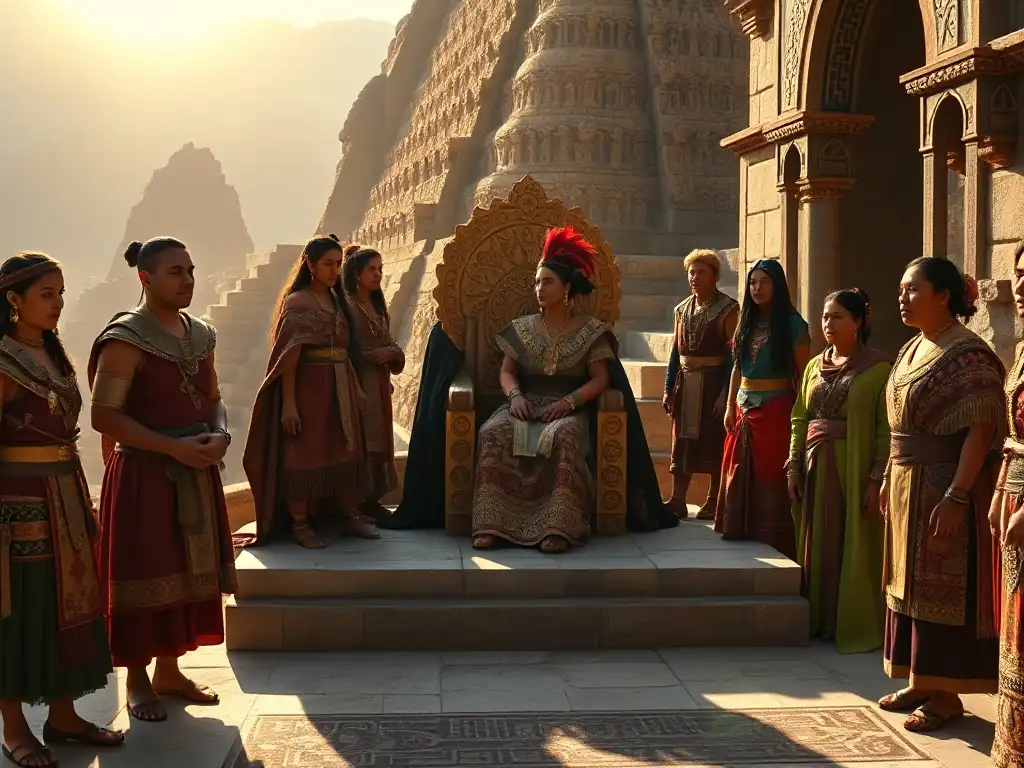
Step into a world lost to time, yet echoing with power and mystery. Imagine the intricate web of Andean life, where empires rose and fell, leaving behind breathtaking legacies in art, architecture, and societal structures. This journey begins with the Inca royal family succession, a fascinating puzzle of ritual, intrigue, and the relentless pursuit of power. Dare to uncover the secrets behind the rise and fall of the Inca Empire – your exploration starts now.
The Inca Empire, a marvel of pre-Columbian South America, was not only a testament to impressive engineering and agricultural prowess but also a complex tapestry of power dynamics woven around its royal family. Understanding the intricacies of Inca royal family succession is crucial to grasping the empire's expansion, consolidation, and ultimate fate.
This article delves into the hierarchical structure of the Inca royal lineage, exploring the roles, responsibilities, and power struggles that shaped the destiny of this remarkable civilization. We will examine the divine status of the Sapa Inca, the mechanisms of succession, and the influence of the royal family on the vast Inca Empire, focusing specifically on how the dynamics of succession impacted the empire's growth and stability.
The intricacies of Inca succession weren't simply a matter of inheritance; they were a carefully orchestrated system designed to maintain order, control, and the continuation of the Inca's perceived divine right to rule. Understanding this system is key to understanding the Inca Empire itself.
Introduction to the Inca Royal Lineage
The Inca royal family, at its apex, consisted of the Sapa Inca, the emperor, and his immediate family. However, the concept of "royal family" extended far beyond this immediate circle. It encompassed a vast network of relatives, nobles, and individuals closely tied to the ruling lineage through blood or marriage.
This extended family played a significant role in the governance and administration of the empire. Maintaining the purity of the royal bloodline was paramount, influencing marriage practices and succession plans. Royal marriages were often strategic alliances, securing political stability and expanding the empire's influence through carefully chosen unions.
The Inca system prioritized maintaining a clear and recognized line of succession to prevent power vacuums and potential internal conflicts that could jeopardize the empire's stability. This intricate web of familial connections, while contributing to the empire's strength, also created an environment ripe for political maneuvering and competition for power. The system, while seemingly rigid, was in reality a dynamic interplay of tradition, ambition, and political strategy.
The Sapa Inca: Divine Ruler and Family Head
The Sapa Inca, meaning "sole ruler," was not merely a political leader; he was considered a divine figure, a descendant of Inti, the sun god. This divine status significantly impacted the structure and function of the Inca royal family and the empire at large. The Sapa Inca's authority was absolute, and his decisions held immense weight, shaping the political, economic, and religious landscape of the empire.
His role as head of the family extended beyond mere kinship; it was a position of supreme authority that dictated the lives of all members of the royal lineage. The Sapa Inca's power was further bolstered by the elaborate rituals and ceremonies that reinforced his divine status and strengthened his control over the empire. However, this immense power also created an environment of intense competition for the throne, as potential successors constantly sought to secure their place in line.
This competition, while potentially destabilizing, also served as a mechanism for selecting strong and capable leaders, ensuring the continuity of the empire. The succession process itself was a complex ritual, often influenced by political machinations and the desires of powerful nobles within the extended royal family.
Inca Royal Family Structure: Kinship and Hierarchy
The Inca royal family wasn't simply a nuclear family; it was a complex web of kinship and hierarchy, crucial to the empire's stability and legitimacy. The Sapa Inca, the emperor, stood at its apex, considered a divine figure, a descendant of the sun god Inti. His authority wasn't solely based on heredity; it was reinforced by a meticulously crafted system of power distribution among his relatives and selected elites. This intricate structure ensured the continuation of the Inca lineage and the smooth transfer of power.
The family's influence extended far beyond the immediate household, shaping the political landscape of the entire empire. Marriages within the royal family were strategic, forging alliances and consolidating power. The Inca system prioritized maintaining a clear line of succession, minimizing the potential for internal conflict.
The intricate relationships between the various branches of the royal family were constantly navigated to maintain the balance of power. Careful consideration was given to the potential for challenges to the Sapa Inca's authority, and measures were taken to prevent uprisings. The structure itself was designed to prevent power struggles and ensure the continuity of Inca rule.
The Panacas: Royal Clans and Their Role
The panacas were the royal clans, extended family groups descended from previous Sapa Incas. Each panaca held significant political and economic influence, owning vast estates and controlling significant populations. Their power stemmed from their lineage and their connection to the reigning Sapa Inca.
While they didn't directly participate in government decision-making in the same way as the emperor, their support was essential. The panacas acted as a powerful check on the Sapa Inca's authority, ensuring that he didn't become too autocratic. This system, though potentially volatile, provided a degree of stability by preventing the concentration of power in a single individual beyond the Sapa Inca.
The influence of a particular panaca often waxed and waned depending on the relationships between the reigning Sapa Inca and the heads of those clans. Intricate networks of alliances and rivalries existed between the various panacas, further complicating the dynamics of Inca power. The strength of a panaca was often directly proportional to the number of its members holding important positions within the imperial administration.
The Coya: The Sapa Inca's Principal Wife
The coya, the Sapa Inca's principal wife, held a position of immense power and prestige. She wasn't merely a consort; she was a key figure in the royal court, actively involved in political affairs and religious ceremonies. Her influence stemmed not only from her marriage to the emperor but also from her own lineage and family connections. The coya often came from a powerful family, strengthening the emperor’s political alliances.
Her role extended beyond ceremonial duties; she held significant administrative power, overseeing aspects of the royal household and sometimes even managing specific provinces or regions. The coya acted as a powerful advisor to the Sapa Inca, offering counsel and shaping policy. Her influence on the succession of the throne was considerable, as she often played a key role in selecting and supporting her children or other potential heirs.
Secondary Wives and Royal Offspring
The Sapa Inca often had multiple wives, including secondary wives from various noble families throughout the empire. These unions served a strategic purpose, solidifying alliances and extending the emperor's influence. The children born from these unions also played a significant role in the Inca power structure. While the heir apparent was typically the son of the coya, other children still held considerable status and influence, potentially becoming governors or holding other important positions within the empire.
Competition among these siblings for power and influence was a constant reality, often leading to internal conflicts and struggles for dominance within the royal family. The Sapa Inca carefully managed these relationships, balancing the needs of the empire with the personal ambitions of his offspring. The precise level of influence of the offspring from secondary wives varied greatly depending on the Sapa Inca's favor and the political climate.
Power Dynamics within the Inca Royal Family
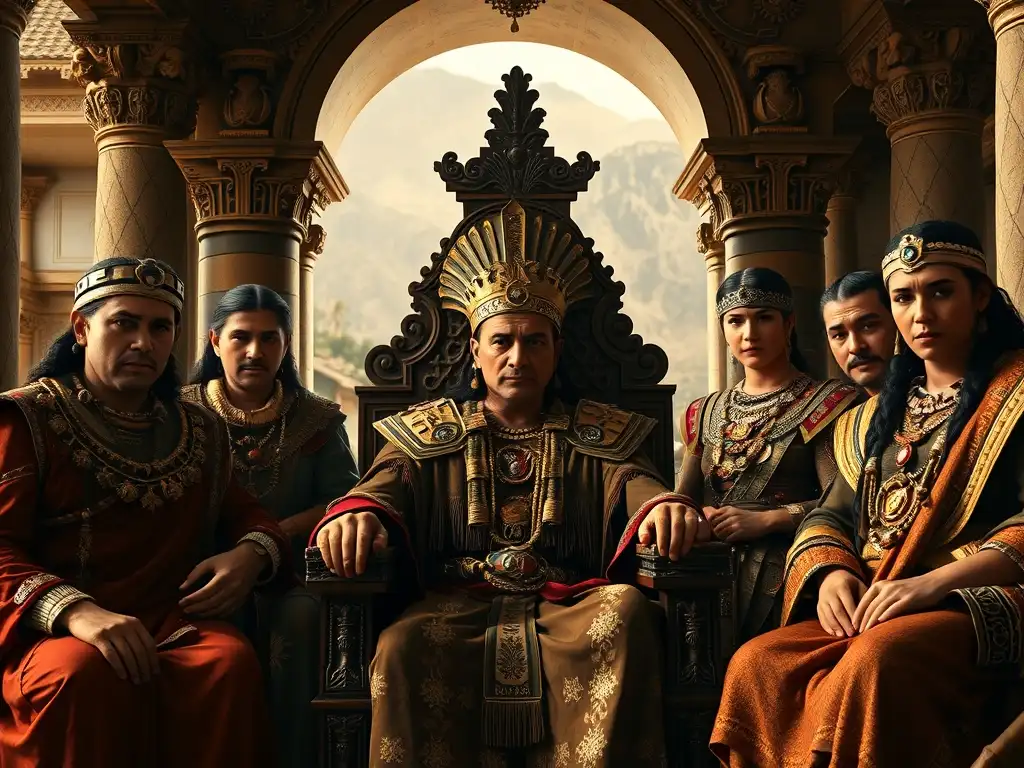
The Inca royal family was far from a harmonious unit; power struggles and rivalries were common. The intricate web of kinship, alliances, and rivalries created a complex and often volatile political landscape within the royal court itself. The Sapa Inca, while supreme, was not immune to challenges to his authority. The panacas, the royal clans, often exerted considerable influence, vying for power and resources.
The struggle for power often involved subtle maneuvering, strategic alliances, and occasionally, overt conflict. Maintaining control within the royal family was a continuous endeavor for the Sapa Inca, requiring careful management of relationships and a keen understanding of the political intricacies of the court. The system, while seemingly stable from the outside, was constantly in flux, reflecting the dynamism of Inca politics.
Political Influence of the Royal Women
Royal women, beyond the coya, exerted considerable political influence within the Inca empire. Mothers, sisters, and daughters of the Sapa Inca often held positions of power and authority, managing estates, influencing policy, and acting as advisors. Their influence was often exerted through their connections to the emperor and their control over resources. The presence of powerful women in positions of authority was a significant aspect of Inca society, challenging the often-assumed patriarchal nature of many ancient societies.
The extent of their power varied depending on individual personality, family connections, and the political climate. Their role was crucial in maintaining stability and continuity within the empire. The influence of these women serves as a testament to the complex and nuanced nature of power dynamics within the Inca royal family.
The Role of Royal Advisors and Priests
The Sapa Inca wasn't solely responsible for governing the empire; he relied on a network of advisors and priests. These individuals, drawn from the elite classes, provided counsel on political, economic, and religious matters. The priests, in particular, held immense influence, shaping the emperor's decisions and ensuring the legitimacy of his rule. They acted as intermediaries between the Sapa Inca and the gods, interpreting omens and providing guidance.
Royal advisors, often drawn from the panacas, offered practical political advice and helped manage the affairs of state. The interplay between the Sapa Inca, his advisors, and the priests was crucial in shaping the decisions that impacted the entire empire. The balance of power between these groups varied over time, reflecting the changing political landscape of the Inca empire.
Inca Royal Family Succession Practices
The Inca system of royal succession, while seemingly straightforward on the surface, was a complex interplay of tradition, political maneuvering, and sometimes, outright conflict. The empire's stability hinged on the smooth transition of power, a process that involved careful consideration of lineage, religious legitimacy, and the perceived capabilities of potential heirs. Unlike many other ancient societies with clearly defined primogeniture, the Inca system allowed for a degree of flexibility, albeit one often fraught with tension and uncertainty.
The selection process wasn't simply about birth order; it was a political act, reflecting the balance of power within the royal family and the wider Inca elite. This intricate process often involved consultations with religious leaders and powerful nobles, ensuring that the chosen successor enjoyed widespread support and legitimacy.
The Selection Process of the Heir Apparent
The Sapa Inca, or emperor, held ultimate authority in selecting his successor. However, this wasn't an arbitrary decision. He often designated his heir apparent during his lifetime, a process that involved careful observation of his sons and other potential candidates. Key characteristics sought included military prowess, political acumen, and, crucially, an ability to maintain the delicate balance of power within the vast and diverse Inca Empire.
The heir would be groomed for his future role, receiving extensive training in governance, military strategy, and religious rituals. This training period wasn't merely educational; it served as a period of assessment, allowing the Sapa Inca to gauge his heir's suitability. While the Sapa Inca's choice held significant weight, the influence of powerful families and religious authorities couldn't be ignored, leading to a process that was often a delicate negotiation of power.
Challenges to Inca Succession: Internal Conflicts and Rivalries
Despite the apparent systematicity, Inca succession was frequently challenged by internal conflicts and rivalries. Ambitious princes, supported by their factions within the court and the army, often vied for power, even during the lifetime of the reigning Sapa Inca. These power struggles frequently stemmed from disputes over legitimacy, with different branches of the royal family claiming superior lineage or divine favor.
The lack of a rigid primogeniture rule often exacerbated these conflicts, creating opportunities for ambitious individuals to challenge the designated heir. The resulting power struggles could destabilize the empire, diverting resources and attention away from governance and expansion, often culminating in civil wars with devastating consequences. The history of the Inca Empire is punctuated by such conflicts, highlighting the fragility of the succession system despite its apparent structure.
The Importance of Lineage and Legitimacy
Lineage and legitimacy were paramount in Inca royal succession. The Sapa Inca was considered a direct descendant of the sun god Inti, a belief that imbued the royal family with divine authority. This divine connection was essential for maintaining the empire's social and political order. Maintaining a clear and unbroken lineage was therefore crucial for ensuring the legitimacy of the successor.
Any challenge to this lineage, whether real or perceived, could trigger intense conflict and undermine the authority of the new Sapa Inca. The legitimacy of the succession was not just a matter of bloodline; it also involved maintaining the approval of the Inca priesthood and the powerful curacas (local chiefs) who held significant regional power. The delicate balance between divine right and political pragmatism often shaped the outcome of succession disputes.
The Impact of Inca Royal Family Succession on the Empire
The Inca Empire's expansion and consolidation were inextricably linked to its succession practices. Smooth transitions of power facilitated continued growth and stability, allowing the empire to maintain its vast territory and diverse population. Conversely, succession disputes frequently led to internal strife, diverting resources and manpower away from expansionist efforts and weakening the empire's ability to resist external threats.
The consequences of these internal conflicts were often far-reaching, affecting not only the political landscape but also the economic and social fabric of the empire. The impact of succession on the empire's trajectory is a critical aspect in understanding its rise and ultimate fall.
How Succession Disputes Affected Inca Expansion
Succession disputes often stalled or reversed Inca expansion. The energy and resources normally dedicated to military campaigns and infrastructure development were instead diverted to suppressing internal rebellions and consolidating power within the empire. The prolonged conflicts could lead to the loss of conquered territories, as rebellious provinces seized the opportunity to reclaim their independence.
The uncertainty surrounding the succession also discouraged alliances and trade with neighboring groups, further hindering the empire's growth. The military might of the Inca, a key factor in their expansion, was weakened by internal conflicts, making them vulnerable to external threats. The consequences of these disruptions could be felt for generations.
The Consequences of Civil Wars on Inca Governance
Civil wars resulting from disputed successions had devastating consequences for Inca governance. The administrative system, known for its efficiency and organization, suffered from widespread disruption. The flow of goods and taxes was interrupted, leading to economic instability and widespread famine in certain regions.
Provincial governors and local elites often took advantage of the chaos to consolidate their own power, leading to further fragmentation of the empire. The erosion of central authority weakened the empire's ability to maintain order and respond effectively to challenges, both internal and external. The long-term effects of these civil wars contributed significantly to the empire's vulnerability and eventual collapse.
Notable Inca Royal Family Members
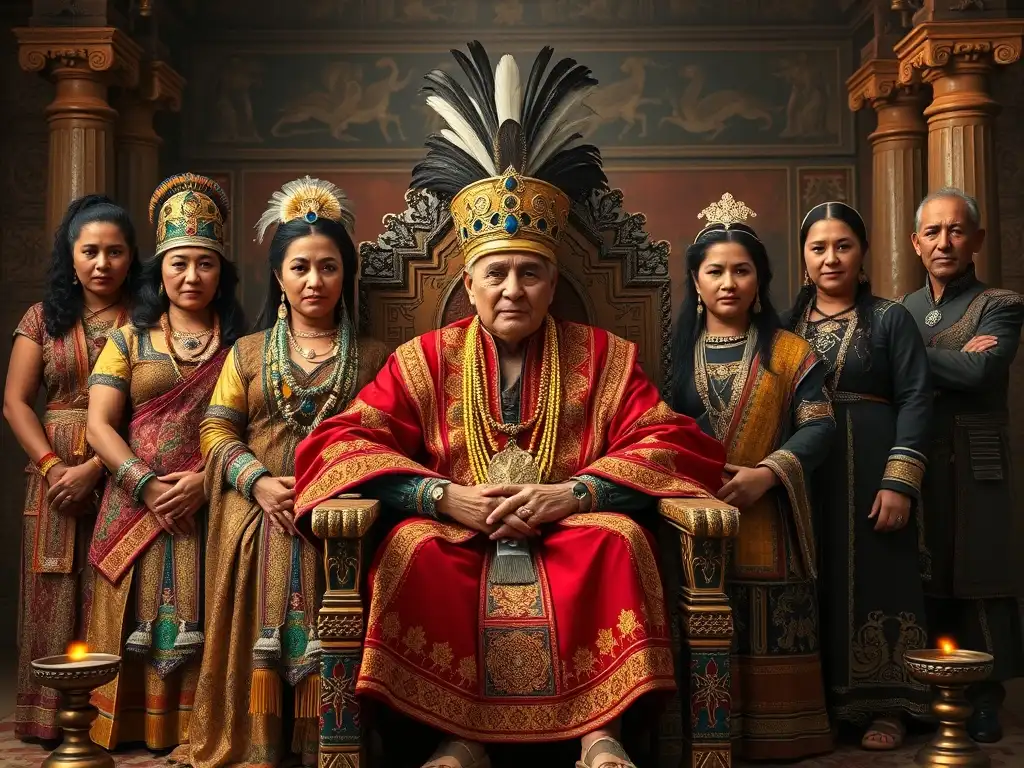
The Inca royal family wasn't just a collection of individuals; it was a complex web of power, influence, and strategic alliances crucial for maintaining control over the vast empire. Understanding the key players is essential to grasping the intricacies of Inca succession. While records are fragmented, certain figures stand out for their significant roles in shaping the empire's trajectory.
The family's influence extended beyond mere bloodlines; marriages and alliances were carefully orchestrated to consolidate power and extend the reach of the empire. This intricate system of kinship and political maneuvering ensured both stability and the potential for dramatic conflicts, as we shall see. The Inca royal family was not just a biological entity; it was a dynamic political instrument.
Pachacuti and His Family's Contributions
Pachacuti Inca Yupanqui (circa 1438-1471), considered the most significant Inca emperor, fundamentally reshaped the Inca state. His military prowess and political acumen transformed a small kingdom into a vast empire. His family played a vital role in this transformation. His wife, Mama Anahuarque, wielded considerable influence, and their children inherited not only their parents' power but also their strategic vision.
Pachacuti's reforms, including the standardization of laws and administrative structures, laid the groundwork for future Inca emperors, shaping the very fabric of the Inca royal family's power and influence for generations. The success of Pachacuti's reign cemented the importance of the family in the Inca political system. His innovations in infrastructure, agriculture, and administration significantly contributed to the empire's growth and stability, leaving an indelible mark on Andean civilization.
Mama Anahuarque's Influence
Mama Anahuarque's role as Pachacuti's wife extended beyond the traditional expectations of an Inca queen. She was a powerful figure in her own right, actively participating in political affairs and offering counsel to her husband. While precise details of her political influence are scarce, her presence at significant events and her involvement in courtly matters suggest a substantial level of agency.
Many historians believe her influence significantly contributed to Pachacuti's successful reforms and expansion of the empire. Her position as a key advisor and her involvement in the education of the royal children highlights her importance in shaping the future of the Inca state. The limited historical evidence suggests that her role was more than ceremonial, marking her as a crucial player in the power dynamics of the Inca royal family.
The Conflict Between Huascar and Atahualpa
The succession crisis between Huáscar and Atahualpa, Pachacuti's grandsons, dramatically demonstrated the inherent instability within the Inca royal succession system. Huáscar, initially named heir, faced a challenge from his half-brother Atahualpa, who commanded a powerful army in the northern provinces. This conflict, marked by intense civil war, ultimately weakened the Inca Empire significantly, leaving it vulnerable to the Spanish conquest.
The conflict highlighted the limitations of the Inca succession system, which relied heavily on family ties and military strength, rather than clear, established rules. The devastating consequences of this conflict underscore the importance of a stable and well-defined succession plan for maintaining the integrity and power of the Inca empire. The brothers' struggle for power provides a compelling case study of the fragility of power within a seemingly robust imperial structure.
The Legacy of the Inca Royal Family
The Inca royal family's legacy extends far beyond their political achievements. Their influence shaped Andean society, culture, and even the physical landscape. The intricate systems of governance, infrastructure, and social organization they implemented continue to fascinate and inspire scholars and researchers today. The sheer scale of their empire and the lasting impact of their governance on the Andean region is a testament to their organizational capabilities and political acumen. Their legacy also includes a rich tapestry of myths, legends, and artistic expressions that offer valuable insights into their beliefs, values, and worldview.
The End of the Inca Royal Lineage
The Spanish conquest brought a brutal end to the Inca Empire and its royal family. The execution of Atahualpa and the subsequent imprisonment and manipulation of other royal family members marked the final chapter of the Inca royal lineage. The systematic dismantling of the Inca power structure ensured the complete annihilation of the Inca dynasty, altering the course of Andean history irrevocably. The conquest resulted not only in the death of many Inca royals but also in the destruction of Inca records and cultural artifacts, making the reconstruction of the family's history a challenging task for modern historians.
The Lasting Impact of Inca Royal Family Structures
Despite the tragic end of the Inca royal line, the structures and systems they established left a lasting impact on Andean society. Elements of the Inca administrative system, social organization, and even agricultural practices continue to resonate in the region. The Inca royal family's legacy is not solely defined by their political dominance but also by their contribution to the development of a complex and sophisticated Andean civilization.
Their impact on the region's cultural identity, social structures, and agricultural practices is undeniable and continues to shape the Andean world today. The study of the Inca royal family provides crucial insights into the dynamics of power, succession, and the long-term effects of political systems on a society.
Conclusion: Understanding Inca Royal Family Succession
The Inca royal family's succession was far from a simple hereditary process. It was a complex interplay of lineage, political maneuvering, and religious legitimacy, reflecting the intricate power dynamics within the Inca Empire. While primogeniture held some sway, the ultimate decision rested on a combination of factors, ensuring the selection of a ruler deemed capable of maintaining the empire's stability and prosperity. The Sapa Inca's role wasn't solely defined by bloodline; it was a position requiring exceptional leadership, political acumen, and the ability to command the respect of both the nobility and the common people.
The emphasis on religious legitimacy underscores the profound influence of the Inca religion on all aspects of imperial life, including the selection of their supreme leader. Failure to secure this religious validation could lead to challenges and instability, highlighting the delicate balance between hereditary claims and divine approval. Studying Inca succession provides invaluable insight into the inner workings of this powerful empire and its sophisticated mechanisms for maintaining control and continuity. The system, while seemingly opaque at times, demonstrates a pragmatic approach to leadership selection, prioritizing the needs of the empire above strict adherence to a single hereditary rule.
Further research into specific cases of succession disputes and the roles played by key individuals within the royal family could further illuminate this fascinating aspect of Inca history. Understanding the intricacies of Inca royal family succession allows us to appreciate the sophisticated political and religious structures that underpinned the Inca Empire's remarkable achievements and longevity. The careful balance between tradition and pragmatism in selecting the Sapa Inca demonstrates the dynamic nature of Inca power and its adaptability in the face of internal and external pressures.
- Introduction to the Inca Royal Lineage
- The Sapa Inca: Divine Ruler and Family Head
- Inca Royal Family Structure: Kinship and Hierarchy
- Power Dynamics within the Inca Royal Family
- Inca Royal Family Succession Practices
- The Impact of Inca Royal Family Succession on the Empire
- Notable Inca Royal Family Members
- The Legacy of the Inca Royal Family
- Conclusion: Understanding Inca Royal Family Succession
Frequently Asked Questions
How did the Inca Empire determine its next emperor?
The Inca succession wasn't strictly hereditary. While the Sapa Inca's sons were often considered, the ultimate decision rested with the Council of Elders, who chose the most capable candidate, considering things like military prowess and administrative skills. This sometimes led to challenges and internal power struggles.
What role did religion play in Inca royal succession?
Religion played a crucial role. The Sapa Inca was considered a divine figure, and his successor needed to maintain this sacred link. The legitimacy of the new emperor was often tied to religious rituals and prophecies, adding a layer of spiritual authority to the political process.
Were there any challenges to the Inca succession process?
Yes, power struggles were common. Brothers and other relatives of the deceased Sapa Inca often vied for the throne, leading to civil wars and instability within the empire, as seen after Huayna Capac's death.
How did the Inca royal family maintain its power?
The Inca royal family maintained its authority through a complex system of control over resources, religious authority, and a well-organized bureaucracy. They also used strategic marriages to consolidate alliances and strengthen their power base.
What happened to the Inca royal family after the Spanish conquest?
The Spanish conquest dramatically altered the Inca royal family's fate. Many members were killed or imprisoned, and the traditional system of succession was destroyed, leading to the collapse of the Inca Empire and the dismantling of their power structure.
Final Reflection: Echoes of Power: The Enduring Legacy of Inca Succession
The intricate web of power and succession within the Inca royal family remains profoundly relevant today, a stark reminder of the enduring human struggle for control and legacy. Understanding the complexities of Inca inheritance—the carefully orchestrated rituals, the strategic alliances, and the ever-present threat of rebellion—offers invaluable insight into the dynamics of power that continue to shape societies across the globe. The seemingly distant world of the Inca Empire offers a surprisingly clear mirror reflecting our own contemporary concerns with leadership, authority, and the transmission of power.
The Inca's sophisticated system of succession, while seemingly brutal at times, was a testament to their advanced social organization and their profound understanding of the need for stability. The Inca Empire was not built on chance, but on a carefully constructed system of power, where the succession of the Sapa Inca was paramount to the empire's survival.
This quote highlights the crucial role of a stable and predictable succession in maintaining the vast Inca empire, a lesson applicable to any organization, from ancient empires to modern corporations. The ongoing fascination with the Inca royal family and their intricate power struggles underscores the timeless human interest in leadership, ambition, and the enduring quest for influence.
Consider, for a moment, the implications of the Inca system on your own life. How do you see the principles of strategic planning, calculated alliances, and the importance of a clear vision reflected in your own personal ambitions and goals?
Embrace the challenge of understanding power dynamics, not to emulate the Inca's methods, but to learn from their successes and failures. By reflecting on the Inca's legacy, we can gain a deeper understanding of the complexities of power, and perhaps, build a more just and equitable future, one where succession is not a battleground, but a carefully considered transition towards progress.
Unveil the Mysteries of the Inca Royal Legacy!
Thank you for exploring the fascinating world of the Inca royal family with us! We hope you've gained valuable insights into the complex power dynamics and succession practices that shaped their dynasty. Now, let's delve deeper into the rich history of Andean civilizations.
Here are some engaging ways to continue your exploration:
- Expand your knowledge: Explore our extensive library of articles on Andean civilizations to uncover intriguing details and lesser-known facts.
- Share your insights: Join the conversation by sharing your thoughts and questions in the comments section below. Your perspectives enrich our collective understanding.
- Take the next step: Research an Inca ruler or event that piques your interest and delve deeper—perhaps create a short presentation to share with friends or classmates.
What aspect of the Inca royal family most captivates you, and how do you see their enduring influence shaping our world today?