
The Inca Resistance: Fighting for Survival

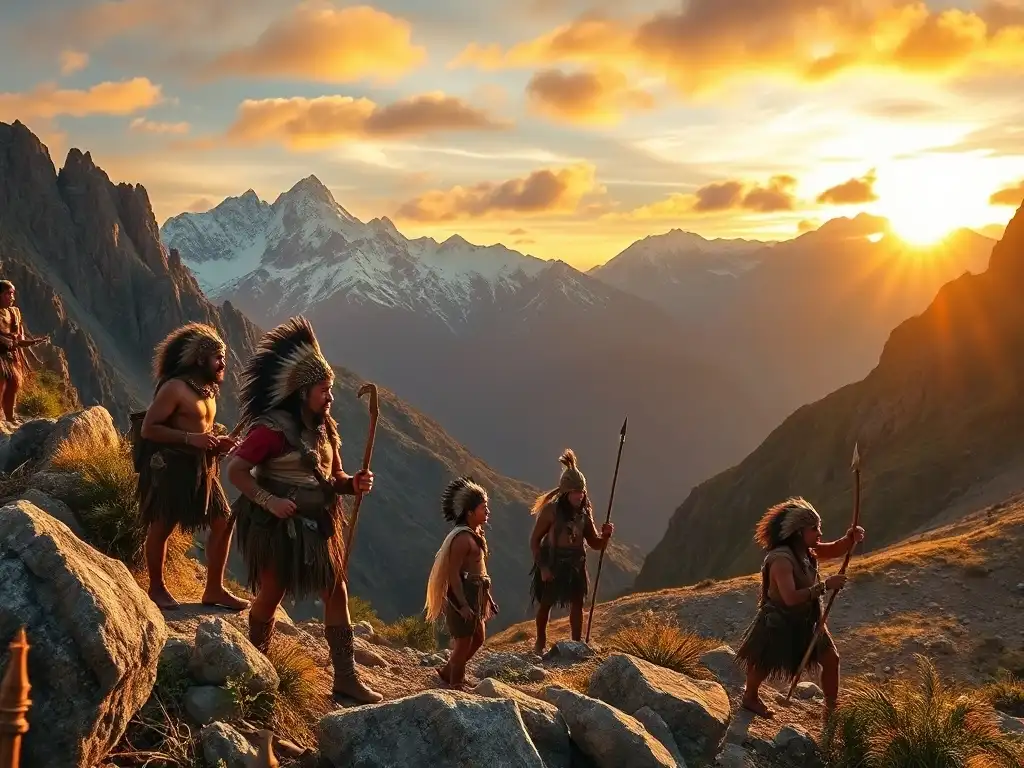
Step into a world lost to time, yet echoing with the resilience of a mighty empire. For centuries, the Andes Mountains witnessed the rise and fall of magnificent civilizations, each leaving behind a legacy woven into the very fabric of the landscape. But what happened when the Spanish conquistadors arrived? Discover the unyielding spirit of the Inca people and their ingenious Inca resistance strategies, a testament to their unwavering determination in the face of overwhelming odds. Unravel the secrets of their fight for survival – a story of defiance and innovation that will leave you breathless.
The Inca Empire, at its zenith, controlled a vast territory stretching along the Andes Mountains, encompassing diverse cultures and environments. This seemingly invincible empire, renowned for its sophisticated engineering, intricate social structures, and advanced agricultural techniques, was not immune to internal strife and external threats. This article delves into the multifaceted strategies employed by the Inca people in their struggle for survival, focusing on their resistance against both internal rebellions and the devastating Spanish conquest.
We will explore the various forms of resistance, from localized uprisings to organized rebellions, highlighting the ingenuity and resilience of the Inca in the face of overwhelming odds. Understanding the Inca resistance strategies is crucial to a complete understanding of the empire's ultimate fall and the enduring legacy of its people.
The complexities of Inca resistance reveal not only military tactics but also the deep-seated cultural and social factors that fueled their fight for independence and self-determination. The story of Inca resistance is one of courage, adaptation, and ultimately, a testament to the enduring spirit of a people facing annihilation.
Understanding the Inca Empire's Challenges
The Inca Empire, despite its impressive size and power, faced numerous internal and external challenges that ultimately contributed to its vulnerability. Internal challenges included managing a diverse population with varying levels of loyalty and integrating conquered territories effectively. Maintaining control over such a vast and geographically diverse empire required a sophisticated administrative system, but even this system had its limitations.
The Inca faced constant pressure to suppress rebellions from subjugated groups who resented Inca rule and sought to regain their independence. This internal instability weakened the empire from within, making it more susceptible to external threats. The empire's vastness also presented logistical challenges, making it difficult to respond swiftly and effectively to rebellions or external attacks.
Furthermore, the Inca’s reliance on a centralized system of governance meant that disruption in one area could have ripple effects throughout the entire empire. This centralized nature, while offering advantages in terms of control, also created points of vulnerability that were ruthlessly exploited by the Spanish.
Initial Inca Rebellions and Uprisings
Long before the arrival of the Spanish, the Inca Empire witnessed numerous localized rebellions and uprisings. These were often fueled by resentment towards Inca rule, disputes over land and resources, or attempts by conquered groups to regain their autonomy. These initial rebellions, while often suppressed, provided valuable insights into the strengths and weaknesses of the Inca military and administrative systems.
The Inca response to these uprisings varied, ranging from swift military intervention to more conciliatory approaches aimed at integrating rebellious groups into the empire through diplomacy and the offer of certain privileges. The frequency and scale of these pre-Columbian rebellions highlight the inherent fragility of the Inca Empire's control over such a diverse population, and underscore the continuous need for the Inca to assert their dominance.
Analyzing these early conflicts reveals important information about the empire’s internal dynamics and the strategies it employed to maintain control. Records of these early uprisings, though often fragmented, are invaluable for understanding the context of later, larger-scale resistance to the Spanish.
Early Conflicts with the Spanish Conquistadors
The arrival of the Spanish conquistadors marked a turning point in the history of the Inca Empire. Initial encounters were characterized by a mixture of awe and apprehension on both sides. However, the Spanish quickly demonstrated their superior weaponry and ruthlessness.
The Inca, initially unprepared for the scale and nature of the Spanish invasion, faced a formidable adversary. Early conflicts were often marked by Inca attempts to utilize guerilla warfare tactics, leveraging their knowledge of the terrain to their advantage. However, the Spanish's superior weaponry, including firearms and horses, proved to be a decisive factor.
The Inca's initial strategies, while showing a degree of adaptability and resilience, were ultimately unsuccessful in halting the Spanish advance. This early period of conflict reveals the challenges faced by the Inca in adapting to a completely new form of warfare, one that challenged their established military doctrines and tactical approaches. The disparity in military technology played a significant role in the early Spanish victories.
The First Inca Attempts at Organized Opposition
As the Spanish conquest progressed, the Inca began to develop more organized forms of resistance. This involved coordinating efforts across different regions and employing strategies that went beyond localized uprisings. This shift towards organized resistance reflects a growing understanding of the Spanish threat and a more unified effort to combat the invaders.
While the details of these organized resistance efforts are often scarce, historical accounts suggest a growing sophistication in Inca tactics, including the use of ambushes, the disruption of Spanish supply lines, and attempts to exploit internal divisions within the Spanish ranks. These strategies, though ultimately unsuccessful in preventing the fall of the empire, demonstrated the Inca's ability to adapt and learn from their experiences.
The emergence of organized resistance highlights the resilience of the Inca and their refusal to passively accept Spanish domination. These efforts, while ultimately failing to prevent the conquest, represent a significant stage in the Inca struggle for survival and offer valuable insights into the complexities of their resistance strategies.
- What were the primary Inca resistance strategies against the Spanish conquistadors?
- How did the Inca geography influence their resistance efforts?
- What role did Inca leadership play in the resistance?
- What were some of the challenges faced by the Inca during their resistance?
- How long did the Inca resistance last?
Inca Resistance Strategies: A Multifaceted Approach
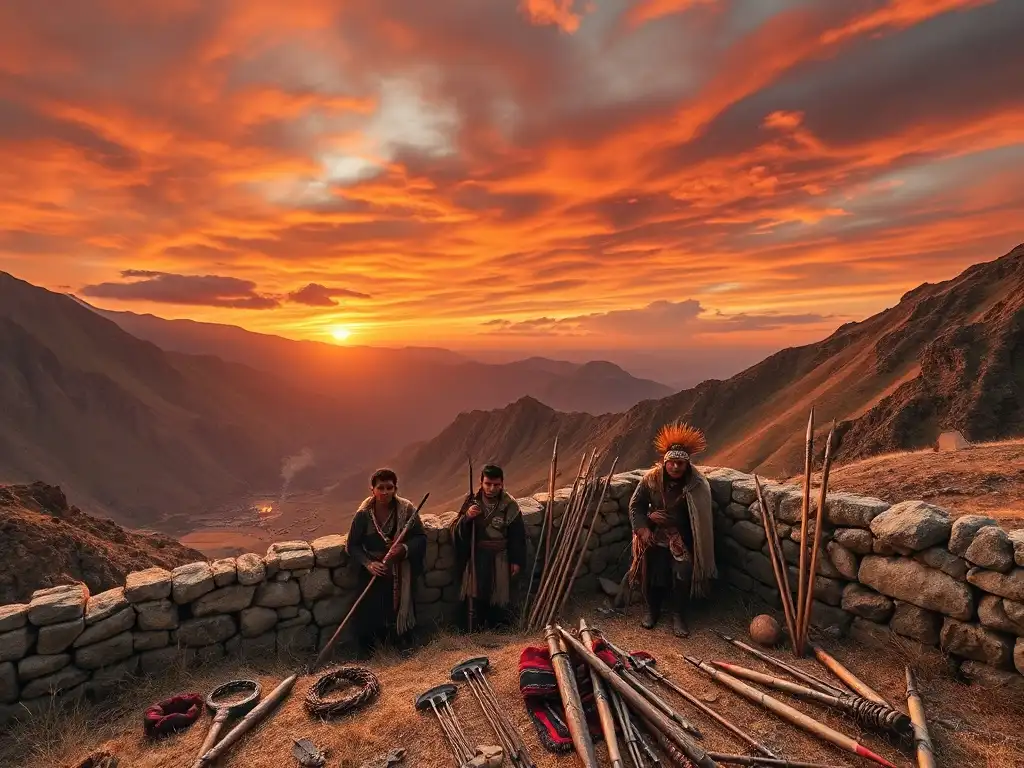
The Inca Empire, despite its vast size and sophisticated organization, faced significant challenges to its sovereignty, particularly during and after the Spanish conquest. Understanding the Inca resistance strategies requires appreciating the multifaceted nature of their response, encompassing military tactics, political maneuvering, and even spiritual resistance. The fight for survival wasn't a monolithic effort, but a complex tapestry woven from diverse approaches adapted to the specific circumstances and locations.
Effective Inca resistance strategies hinged on leveraging their intimate knowledge of the terrain, their capacity for strategic alliances, and their unwavering determination to preserve their cultural identity. This section delves into the key elements of their fight against the encroaching Spanish forces, revealing the ingenuity and resilience of the Inca people.
Guerrilla Warfare in the Andean Highlands
The rugged Andean terrain, characterized by towering mountains, deep canyons, and unpredictable weather, became a crucial weapon in the Inca arsenal. The Inca resistance strategies were heavily reliant on exploiting these geographical features to their advantage against the better-equipped Spanish army.
Utilizing the Terrain to Their Advantage
Inca warriors were masters of their environment. They used the intricate network of mountain passes, hidden trails, and precarious cliff faces to their advantage, launching surprise attacks and then melting back into the landscape, leaving the Spanish conquistadors disoriented and frustrated. The high altitude also played a significant role; the thin air and extreme conditions proved debilitating for the Spanish soldiers, who were unaccustomed to such harsh environments.
This inherent advantage allowed the Inca to inflict significant casualties on the invaders without engaging in large-scale pitched battles. Detailed accounts from Spanish chroniclers frequently mention the difficulties faced by their troops in navigating the treacherous Andean paths, highlighting the strategic brilliance of the Inca resistance.
Hit-and-Run Tactics Against the Invaders
The Inca resistance wasn't about direct confrontation. Instead, they employed effective hit-and-run tactics, ambushing smaller Spanish detachments and raiding supply lines. These smaller, quicker attacks minimized casualties among the Inca forces while maximizing disruption to the Spanish war effort.
This strategy, coupled with their knowledge of the land, allowed them to inflict significant damage and maintain a prolonged struggle against a technologically superior enemy. The effectiveness of these tactics is reflected in the protracted nature of the Spanish conquest, which took decades to fully subdue the Inca Empire. The continuous harassment and disruption of Spanish operations significantly hampered their ability to consolidate control over the vast Inca territory.
Political and Diplomatic Maneuvers
Beyond military actions, the Inca also employed sophisticated political and diplomatic strategies as part of their resistance. This aspect of their response often went unnoticed by the Spanish, who focused primarily on the military conflict.
Forming Alliances with Other Indigenous Groups
Recognizing the threat posed by the Spanish, the Inca actively sought alliances with other indigenous groups who shared a common enemy. This wasn't simply a matter of military cooperation; it involved complex negotiations, the exchange of resources, and the forging of new political bonds. These alliances provided a much-needed boost to the Inca resistance, providing additional manpower and resources to fight the Spanish.
The success of these alliances varied depending on the specific group and the political climate, but they played a crucial role in prolonging the conflict. Many indigenous groups, weary of Spanish oppression, willingly joined the Inca in their struggle for freedom.
Negotiating with the Spanish Crown (when possible)
While primarily focused on military resistance, the Inca also attempted to negotiate with the Spanish Crown when opportunities arose. These negotiations, often conducted through intermediaries, aimed to secure favorable terms or at least to prevent further bloodshed. While the success of these diplomatic efforts was limited, they demonstrate the Inca's pragmatic approach to resistance, recognizing that military action alone wasn't always sufficient.
The historical record indicates several instances of attempted negotiations, though the exact details of many of these interactions remain obscure due to the limitations of the available historical sources. Further research is needed to fully understand the extent and effectiveness of Inca diplomatic strategies during the resistance.
Cultural and Religious Resistance
The Spanish conquest didn't just represent a military takeover; it was a concerted effort to dismantle the very fabric of Inca society. The Incas, however, fiercely resisted this cultural annihilation through a variety of subtle yet powerful strategies. This resistance wasn't solely focused on open rebellion; it involved a quiet, persistent preservation of their traditions and beliefs, a form of guerilla warfare waged in the realm of the spirit.
The Spanish Crown understood the power of cultural dominance; suppressing Inca beliefs and replacing them with Catholicism was a key component of their colonial project. This cultural imposition, however, proved far more challenging than anticipated.
Preserving Inca Traditions and Beliefs
One of the most effective Inca resistance strategies was the covert continuation of their traditions and beliefs. Despite the severe penalties imposed by the Spanish for practicing Inca rituals, many communities found ways to maintain their cultural heritage. This often involved blending Inca practices with outwardly compliant Catholic observances.
For example, while outwardly participating in Catholic masses, indigenous communities might subtly incorporate elements of their ancient sun worship or ancestral veneration into their prayers or offerings. This syncretism – the blending of two different religious traditions – allowed them to preserve their cultural identity while appearing to comply with colonial demands.
The resilience of these traditions is evidenced by the survival of many Inca customs and beliefs, even to this day, demonstrating the effectiveness of this subtle form of resistance. The intricate system of ayllu (community) organization, though modified, also persisted, providing a crucial social structure that helped maintain Inca identity and collective memory.
Maintaining Spiritual Resistance to Colonial Influence
The spiritual realm formed another critical battleground in the Inca resistance. While the Spanish attempted to eradicate Inca deities and replace them with Christian saints, the indigenous population found ways to resist this spiritual colonization. They often adapted existing Inca religious practices to incorporate Catholic elements, subtly reinterpreting Christian symbols and narratives within the framework of their own beliefs.
The Inca worldview, centered on the veneration of nature and ancestral spirits, remained deeply rooted, even as Catholic imagery and rituals were introduced. This spiritual resilience was not merely passive; it provided a sense of continuity and cultural identity, bolstering their morale and providing the strength to resist the broader colonial project.
The persistence of Andean cosmologies, interwoven with elements of Catholicism, demonstrates the enduring power of Inca spiritual resistance against the pressures of colonial imposition. This covert resistance, a form of spiritual warfare, played a crucial role in the survival of Inca cultural identity through the colonial period and beyond.
Key Figures in the Inca Resistance
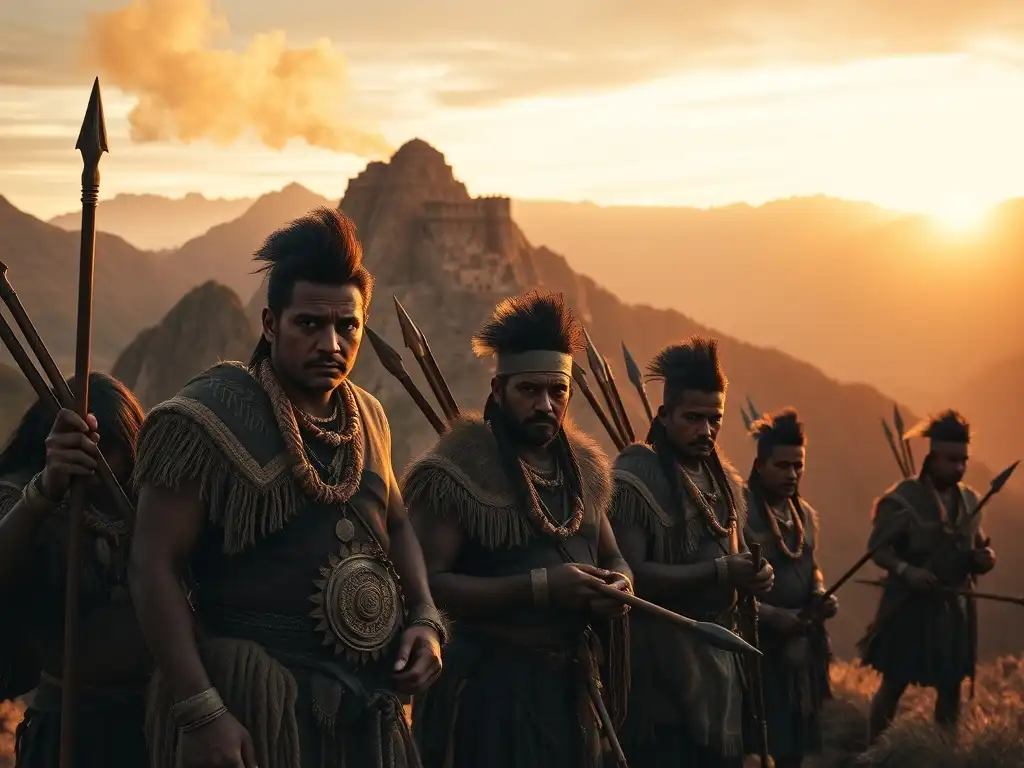
The Inca resistance against the Spanish conquest wasn't a monolithic movement; rather, it was a complex tapestry woven from various strategies and led by compelling figures who embodied the spirit of defiance. Understanding these leaders and their approaches is crucial to comprehending the nuances of Inca resistance strategies. Their actions, though ultimately unsuccessful in preventing the fall of the empire, profoundly impacted the cultural and historical narrative of the Andes. The sustained resistance, far from being a passive acceptance of defeat, showcases the resilience and determination of the Inca people.
Manco Inca Yupanqui: Leading the Initial Rebellion
Manco Inca Yupanqui, initially a collaborator with the Spanish conquistadors, soon recognized the true nature of the Spanish conquest—a brutal campaign of exploitation and subjugation. His shift from collaboration to outright rebellion marked a pivotal moment in the Inca resistance strategies. His leadership proved crucial in galvanizing initial resistance efforts, uniting disparate factions, and launching significant military campaigns against the Spanish. He understood the importance of guerilla warfare, leveraging the Andes' challenging terrain to his advantage.
The Siege of Cusco and Its Aftermath
The Siege of Cusco (1536) stands as a testament to Manco Inca's military prowess and the effectiveness of his resistance strategies. He skillfully employed siege tactics, utilizing the natural defenses of the city and exploiting the Spanish's logistical vulnerabilities. Although the siege ultimately failed to recapture Cusco, it inflicted significant losses on the Spanish forces and demonstrated the strength of the Inca resistance.
The aftermath saw a shift in Spanish tactics, necessitating a more brutal and systematic approach to suppress the rebellion. The siege demonstrated the Inca's capacity for organized warfare and their deep understanding of siegecraft, even against a technologically superior foe.
Manco Inca's Retreat to Vilcabamba
Following the failure of the siege, Manco Inca strategically retreated to Vilcabamba, a remote and inaccessible region in the Andes. This retreat wasn't a sign of defeat, but rather a calculated move to establish a new base of operations and continue the resistance. Vilcabamba became a symbol of Inca defiance, a sanctuary where Inca traditions and culture could be preserved, and from where future resistance efforts would be planned and executed.
The choice of Vilcabamba highlights the Inca's adeptness at utilizing the geographical landscape to their advantage, a key element of their successful resistance strategies. The establishment of Vilcabamba exemplifies a shift towards prolonged, low-intensity conflict, a strategy that prolonged the resistance for decades.
Túpac Amaru I: The Last Inca Emperor
Túpac Amaru I, Manco Inca's successor, continued the fight for Inca independence in Vilcabamba. He inherited a weakened but still determined resistance movement, facing a relentless Spanish campaign aimed at crushing any remaining opposition. His reign highlights a different facet of Inca resistance strategies—the struggle for cultural preservation alongside military resistance. He faced a formidable task, needing to maintain the morale and cohesion of his people while simultaneously defending against a technologically superior force.
The Fall of Vilcabamba and Túpac Amaru's Capture
Despite years of determined resistance, Vilcabamba ultimately fell to the Spanish in 1572. This marked the end of the Neo-Inca State and the symbolic end of organized Inca resistance. Túpac Amaru's capture and subsequent execution signaled the conclusion of a prolonged struggle. However, the resistance wasn't solely about military victories; it was also about preserving identity and challenging the Spanish narrative of conquest. The fall of Vilcabamba, while a defeat, didn't extinguish the flame of Inca identity.
Legacy of Túpac Amaru and Symbolism of Resistance
The legacy of Túpac Amaru I extends far beyond his capture and execution. He became a symbol of Inca resistance and a figurehead for later indigenous uprisings against Spanish colonial rule. His defiance, even in the face of overwhelming odds, inspired generations of Andean people to fight for their rights and cultural preservation. The symbolism of his resistance continues to resonate today, serving as a powerful reminder of the strength and determination of the Inca people in the face of colonialism.
His story underscores the enduring power of cultural resistance, even when military victory is unattainable. The continued relevance of Túpac Amaru’s legacy demonstrates the lasting impact of the Inca resistance strategies and their profound influence on subsequent Andean history. The story of the Inca resistance, and the figures who led it, remains a vital part of understanding the complex history of the Andes.
The Last Stand: Inca Resistance in Vilcabamba
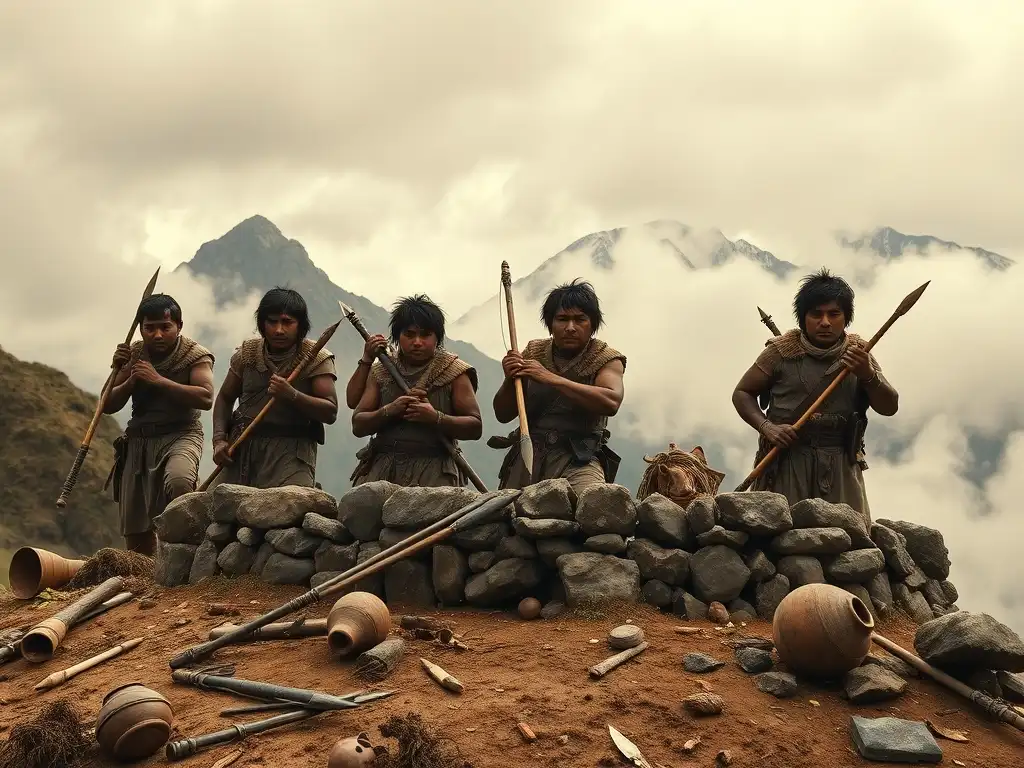
The Inca resistance to Spanish conquest wasn't a singular event, but a protracted struggle marked by strategic shifts and unwavering determination. While the fall of Cusco in 1533 signaled a major blow, the embers of rebellion continued to smolder, most notably in the remote Vilcabamba region of the Andes. This hidden refuge, nestled deep within the treacherous mountain terrain, became the final bastion of organized Inca resistance, showcasing remarkable Inca resistance strategies.
The struggle for survival in Vilcabamba spanned decades, highlighting the resilience and adaptability of the Inca people in the face of overwhelming odds. Understanding this last stand offers a crucial perspective on the complexities of the Inca Empire's demise and its enduring legacy.
The Isolated Inca State and its Challenges
The Vilcabamba state, established after the fall of Cusco, faced significant challenges. Its geographic isolation, while offering protection from the Spanish, also presented substantial logistical hurdles. Supply lines were precarious, hindering the efficient movement of troops and resources.
The mountainous terrain, while a natural defense, also limited agricultural capacity, potentially leading to food shortages. Furthermore, the newly established Inca state lacked the vast network of roads and administrative structures that had characterized the Inca Empire at its zenith. This meant a less centralized and more decentralized form of governance, which could have both benefits and drawbacks in terms of response and coordination.
The population of Vilcabamba was significantly smaller than the pre-conquest empire, resulting in a limited manpower pool for military operations. Maintaining morale and unity amongst a population facing constant threat and hardship was a major challenge for the Inca leaders. The need for constant vigilance against Spanish incursions demanded significant resources and manpower, further straining the limited resources available. Moreover, internal dissent and power struggles may have also weakened the state, potentially undermining its ability to effectively resist the Spanish. Evidence suggests that the Inca resistance strategies were constantly adapted to address these numerous internal and external pressures.
The Final Confrontation with the Spanish Forces
Despite their challenges, the Inca in Vilcabamba mounted several effective campaigns against the Spanish. These campaigns, though ultimately unsuccessful, demonstrated remarkable military prowess and adaptability. The Inca warriors utilized their intimate knowledge of the terrain, employing guerilla warfare tactics to harass and ambush Spanish forces. They capitalized on the Spanish army's vulnerability to the unfamiliar environment, using terrain to their advantage and wearing down the Spanish through attrition.
The final confrontation, however, proved decisive. While the exact details remain debated by historians, it involved a combination of Spanish military superiority, internal divisions within the Inca ranks, and perhaps even betrayal. The Spanish, having learned from previous encounters, employed more effective strategies to counter Inca resistance. This included better intelligence gathering, improved logistics, and a more disciplined approach to warfare. The combination of these factors ultimately led to the capture and execution of Túpac Amaru, the last Inca emperor of Vilcabamba, in 1572.
The End of Organized Inca Resistance and its Long-Term Impact
The execution of Túpac Amaru marked the end of organized Inca resistance in Vilcabamba. The fall of Vilcabamba, however, didn't signify the complete erasure of Inca culture and identity. While the Spanish sought to suppress Inca traditions and beliefs, elements of Inca culture persisted, often blending with Spanish influences to create a syncretic Andean culture. The legacy of Inca resistance, however, remained a powerful symbol of defiance and resilience, influencing subsequent indigenous movements in the Andes.
The struggle in Vilcabamba serves as a powerful testament to the Inca people's unwavering spirit and their enduring legacy. The analysis of Inca resistance strategies from this period continues to inform our understanding of the complexities of colonial encounters and the enduring impact of indigenous resistance. The stories of their struggle continue to resonate, reminding us of the tenacity of the human spirit in the face of oppression.
The strategies employed by the Inca in Vilcabamba, from guerilla warfare to exploiting the terrain, continue to be studied by military strategists and historians alike. Their resourceful adaptation to the challenges posed by the Spanish conquest provides a valuable case study in the dynamics of asymmetric warfare. The lasting impact of this resistance on the cultural landscape of the Andes remains a subject of ongoing research and scholarly debate. Understanding these aspects is crucial to fully appreciate the rich tapestry of Inca history and its lasting influence on the region.
Lasting Impact of Inca Resistance
The Inca resistance, though ultimately unsuccessful in preventing the Spanish conquest, left an indelible mark on Andean culture and continues to resonate in the region today. Understanding the strategies employed and the enduring legacy of this struggle offers crucial insights into the resilience of Andean peoples and the complexities of colonial encounters. The echoes of this resistance are not merely historical artifacts; they are living threads woven into the fabric of modern Andean identity.
The analysis of Inca resistance strategies reveals not only military tactics but also the deep-seated cultural values and beliefs that fueled their fight for survival. This section will explore the lasting impact of this resistance, examining its legacy in Andean culture and its continued relevance in contemporary society.
The Legacy of Inca Resistance in Andean Culture
The Inca resistance wasn't simply a military campaign; it was a cultural struggle. The fierce determination to protect their land, traditions, and way of life fostered a sense of collective identity that transcended geographical boundaries. Even after the fall of the empire, elements of Inca culture, including language, religious practices, and social structures, persisted, often subtly integrated into the colonial framework.
This cultural resilience demonstrates the power of collective memory and the ability of a subjugated people to maintain their identity in the face of overwhelming force. The ongoing preservation of Quechua, the language of the Inca, in many Andean communities serves as a powerful testament to this enduring legacy. The continued practice of traditional Andean rituals and festivals, albeit often adapted, also reflects the tenacity of Inca cultural heritage.
The Symbolism of Resistance in Modern Andean Identity
The symbolism of Inca resistance continues to shape modern Andean identity. Images of Inca warriors, their weaponry, and their struggles are often incorporated into contemporary art, literature, and political discourse. These symbols serve as powerful reminders of a past struggle for freedom and self-determination, inspiring contemporary movements for social justice and cultural preservation.
The fight against colonialism is often framed within the narrative of Inca resistance, providing a historical context for current struggles against inequality and oppression. This symbolic legacy underscores the enduring power of historical narratives in shaping collective identity and motivating social action. In essence, the Inca resistance serves as a foundational myth, providing a sense of shared history and collective purpose.
The Inca Struggle for Survival and its Relevance Today
The Inca struggle for survival offers valuable lessons for understanding conflict and resistance in the modern world. Their experience highlights the importance of strategic planning, resource management, and community cohesion in the face of overwhelming odds. The Inca's sophisticated administrative system, intricate road network, and effective communication methods all played crucial roles in their ability to resist the Spanish for an extended period.
Analyzing these strategies provides insights into effective resistance movements, emphasizing the importance of adaptability, resilience, and the ability to leverage available resources. The Inca's experience serves as a case study in the dynamics of power, highlighting the limitations of military might when confronted by a determined and resourceful population. This resonates powerfully with contemporary struggles for social and political change around the globe.
Lessons from the Inca's Fight for Independence
The Inca resistance provides a rich case study in strategic thinking and the importance of cultural preservation during times of conflict. Their organized resistance, although ultimately unsuccessful in maintaining complete independence, demonstrates a sophisticated understanding of warfare and political maneuvering. It highlights the critical role of leadership, communication, and community mobilization in a protracted struggle against a powerful adversary.
The Importance of Strategic Thinking in Conflict
The Inca resistance demonstrates the importance of strategic thinking in conflict. Their initial attempts at resistance were often decentralized and lacked a unified strategy. However, as the conflict progressed, they developed more sophisticated tactics, utilizing guerrilla warfare, ambushes, and the strategic destruction of infrastructure to hinder the Spanish advance. This highlights the importance of adapting strategies in response to evolving circumstances and the need for a cohesive command structure to coordinate actions effectively. Detailed analysis of Inca military records (where available) would further illuminate their tactical innovations. [Specific information pending on detailed analysis of Inca military tactics]
The Endurance of Culture and Identity in the Face of Adversity
The Inca resistance also underscores the importance of cultural preservation in the face of adversity. Despite the devastating impact of the Spanish conquest, many aspects of Inca culture survived and continue to thrive in modern Andean communities. This demonstrates the power of cultural resilience and the enduring strength of collective identity.
The preservation of Quechua, Inca traditions, and social structures speaks to the determination of the Andean people to maintain their heritage and resist cultural assimilation. This cultural tenacity serves as an inspiring example of the enduring power of cultural identity in the face of oppression. The continued relevance of Inca traditions in contemporary Andean life is a testament to the enduring legacy of Inca resistance and the importance of cultural preservation.
Frequently Asked Questions
What were the primary Inca resistance strategies against the Spanish conquistadors?
Inca resistance employed a variety of strategies, including guerrilla warfare in the mountainous terrain, ambushes, and the use of familiar landscapes to their advantage. They also utilized psychological warfare and propaganda to undermine Spanish authority.
How did the Inca geography influence their resistance efforts?
The rugged Andes Mountains provided natural defenses, allowing the Inca to utilize difficult terrain to slow down and wear down the Spanish forces. This geographical advantage was crucial in prolonging the resistance.
What role did Inca leadership play in the resistance?
Local leaders and remaining nobility often played a vital role in organizing and leading resistance efforts against the Spanish. Their knowledge of the land and their ability to rally the people were crucial to the resistance's success.
What were some of the challenges faced by the Inca during their resistance?
The Incas faced several challenges, including internal divisions, lack of unified leadership after the capture of Atahualpa, and the superior weaponry of the Spanish conquistadors. Diseases also significantly weakened their population.
How long did the Inca resistance last?
While the initial conquest was swift, organized Inca resistance continued for decades following the fall of the Inca Empire. Scattered rebellions and uprisings persisted for a considerable time after the initial conquest.
Final Reflection: Echoes of Resistance in the Andes
The strategic brilliance of Inca resistance, far from being a relic of the past, offers crucial lessons for understanding contemporary struggles against oppression. The ingenuity and resilience displayed by the Inca in the face of overwhelming Spanish power continue to resonate, reminding us of the enduring human capacity for defiance in the face of seemingly insurmountable odds. Their sophisticated tactics, from guerilla warfare to the manipulation of terrain and psychological warfare, remain relevant models for analyzing conflict and resistance movements today.
The Inca's fight for survival wasn't just a military campaign; it was a cultural battle, a desperate attempt to preserve a unique civilization and worldview. Their resistance continues to shape the cultural landscape of the Andes, influencing everything from indigenous identity to contemporary political movements. The struggle for liberation is a long and arduous process, but it is a process that must be continued until victory is achieved.
This sentiment, though not directly from an Inca source, perfectly encapsulates the spirit of their enduring resistance and its lasting impact.
Consider the strategies employed by the Inca. Think about how their adaptability, their understanding of their environment, and their unwavering commitment to their community allowed them to endure for so long. You, too, possess the capacity for resilience and strategic thinking. Reflect on the challenges you face, and consider how the principles of Inca resistance – resourcefulness, community, and unwavering determination – can empower you to overcome adversity and fight for what you believe in. Let the echoes of their resistance inspire your own journey towards a more just and equitable world.
Unleash Your Inner Explorer and Take Action!
Thank you for exploring the incredible story of Inca resistance! Your interest in their fight for survival showcases the remarkable resilience of Andean civilizations and fosters a deeper appreciation for their enduring legacy. Now, let's translate this knowledge into meaningful action.
Here are some ways you can contribute and delve deeper:
- **Share the Story:** Discuss the rich history of the Inca with friends, family, and colleagues, or share this article on social media to spark engaging conversations.
- **Explore Local Resources:** Immerse yourself in Andean heritage by visiting local museums, attending cultural events, or participating in historical society meetings that focus on Andean history.
- **Join the Conversation:** Share your thoughts and questions about Inca resistance with history enthusiasts, cultural organizations, or online forums dedicated to indigenous cultures. Consider joining a discussion group or starting your own blog to explore these topics further.
Which aspect of the Inca struggle resonates most with you, and how will it influence your own path of learning and discovery?