
Storage Facilities: Ensuring Food Security in the Empire

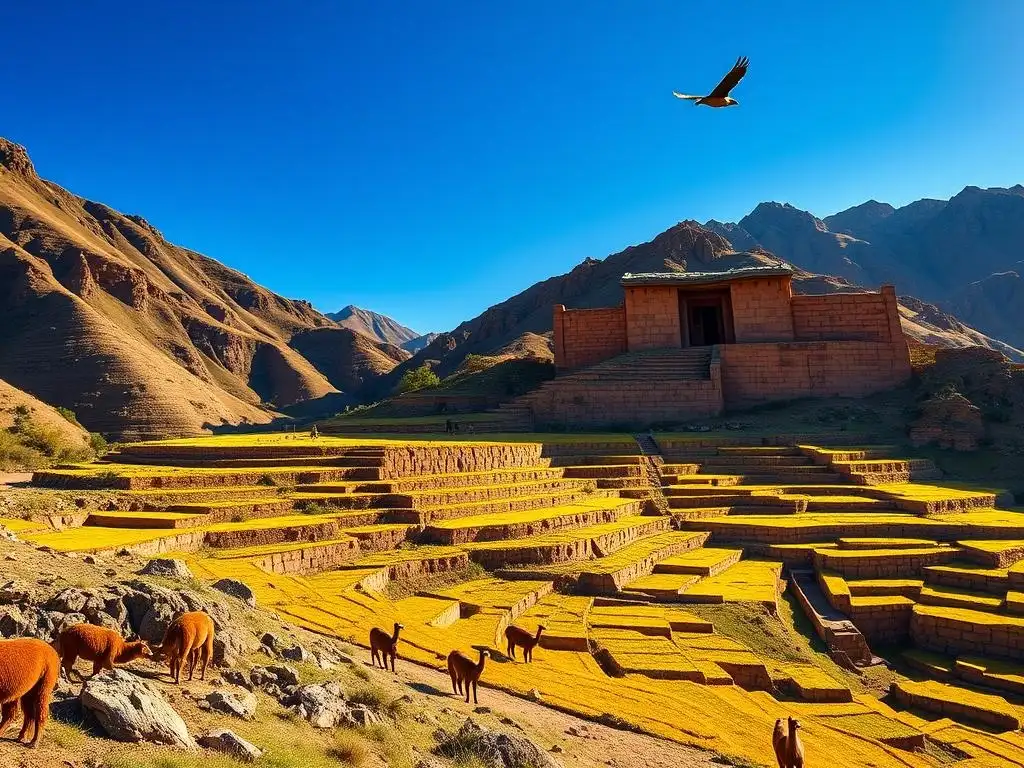
Step into a world lost to time, yet echoing with the ingenuity of the Andes. Imagine a civilization thriving amidst towering peaks and arid valleys – a feat made possible by remarkable advancements in Andean civilizations food storage. This website delves into the fascinating history, artistry, and resilience of the ancient Andean empires, from the Incas to the Nazca. Discover the secrets behind their enduring legacy, beginning with our exploration of their sophisticated food storage facilities – a testament to their ingenuity and a key to their empire's success. Uncover the mysteries that lie within...
- Andean Civilizations Food Storage: A Cornerstone of Imperial Power
- Inca Empire's Advanced Food Storage System
- The Impact of Andean Food Storage on Empire Expansion
- Technology and Innovation in Andean Food Preservation
- Food Storage and the Socio-Political System of the Incas
- Legacy of Andean Food Storage Practices
-
Frequently Asked Questions
- How did Andean civilizations store food given their diverse geography?
- What were qollqas and how effective were they?
- Besides qollqas, what other storage methods did Andean cultures use?
- What types of food were typically stored in these facilities?
- How did food storage contribute to the success of the Andean empires?
- Final Reflection: Echoes of the Andes: Food Storage and Our Future
- Empower Your Community: Secure Food for Tomorrow!
Andean Civilizations Food Storage: A Cornerstone of Imperial Power
The Inca Empire, a marvel of engineering and societal organization, stretched across a vast and diverse landscape in the Andes Mountains. Its success, however, wasn't solely dependent on military might or sophisticated road systems. A critical element underpinning the Inca Empire's power and longevity was its remarkably efficient system of food storage and distribution.
This article delves into the ingenious methods employed by Andean civilizations, from pre-Inca societies to the height of the Inca Empire, to ensure food security – a cornerstone of imperial power and social stability. Understanding their approaches to food preservation and storage provides invaluable insight into the ingenuity and resilience of these remarkable cultures, highlighting the crucial link between agricultural innovation and political dominance in the Andes. We will explore how these techniques, adapted to the challenging Andean environment, enabled the Inca to maintain a large population and a powerful military, contributing significantly to their expansion and consolidation of the empire.
This exploration will cover not only Inca practices but also the sophisticated methods used by preceding Andean cultures, showcasing the evolutionary nature of food storage techniques in the region. The keyword "Andean civilizations food storage" will be explored across various aspects of this crucial aspect of Andean life.
The Vital Role of Food Storage in Andean Societies
Food security was paramount for the survival and prosperity of Andean civilizations. The harsh Andean environment, characterized by high altitudes, unpredictable weather patterns, and challenging terrain, necessitated sophisticated strategies for food preservation and storage. Unlike societies with consistently arable land and predictable harvests, Andean communities faced the constant challenge of ensuring sufficient food supplies to withstand periods of scarcity, such as droughts or frost.
Effective food storage was not merely a matter of convenience; it was a critical factor in maintaining social order, preventing famine, and supporting the growth and stability of the empire. The Inca's mastery of this area played a key role in their ability to sustain their large population and maintain control over their vast territory. This involved a complex network of storage facilities, carefully planned agricultural practices, and sophisticated preservation techniques passed down through generations.
Understanding Pre-Inca Food Preservation Techniques
Before the Inca, a rich tapestry of Andean cultures developed their own unique methods for preserving and storing food. These techniques, often adapted to local ecological conditions and available resources, laid the foundation for the Inca's later advancements. Understanding these pre-Inca methods provides a crucial context for appreciating the ingenuity and continuity of Andean food storage practices. The evolution of these techniques highlights the adaptive capacity of Andean societies in response to environmental challenges and the increasing complexity of their social structures.
Early Methods of Food Storage in the Andes
Early Andean communities relied on a variety of methods to preserve their food. These included:
- Sun-drying: A widespread technique for preserving fruits, vegetables, and meats by exposing them to the intense Andean sun.
- Freeze-drying: Utilizing the naturally cold, high-altitude conditions to dehydrate foods, extending their shelf life.
- Storage in underground cellars (qollqas): These ingenious structures provided a cool, dark, and stable environment, ideal for preserving grains, tubers, and other staples. The design and location of these cellars varied based on regional climate and geological conditions.
- Salting and fermentation: Techniques used to preserve meats and other perishable foods, extending their shelf-life and improving their palatability.
Regional Variations in Food Preservation
The diverse geography of the Andes resulted in significant regional variations in food preservation techniques. Coastal communities, for example, relied heavily on techniques like sun-drying and salting, while highland communities focused on underground storage and freeze-drying methods. These adaptations reflect the ingenuity of Andean societies in tailoring their food storage practices to the specific challenges of their environment.
The availability of certain resources and the types of crops cultivated also influenced local techniques, leading to a rich diversity of practices across the Andean region. Further research is needed to fully understand the nuances of these regional variations and their impact on overall food security within the Andean civilizations. For example, [specific information pending] regarding the precise differences in qollqa construction between the northern and southern Andes.
Inca Empire's Advanced Food Storage System
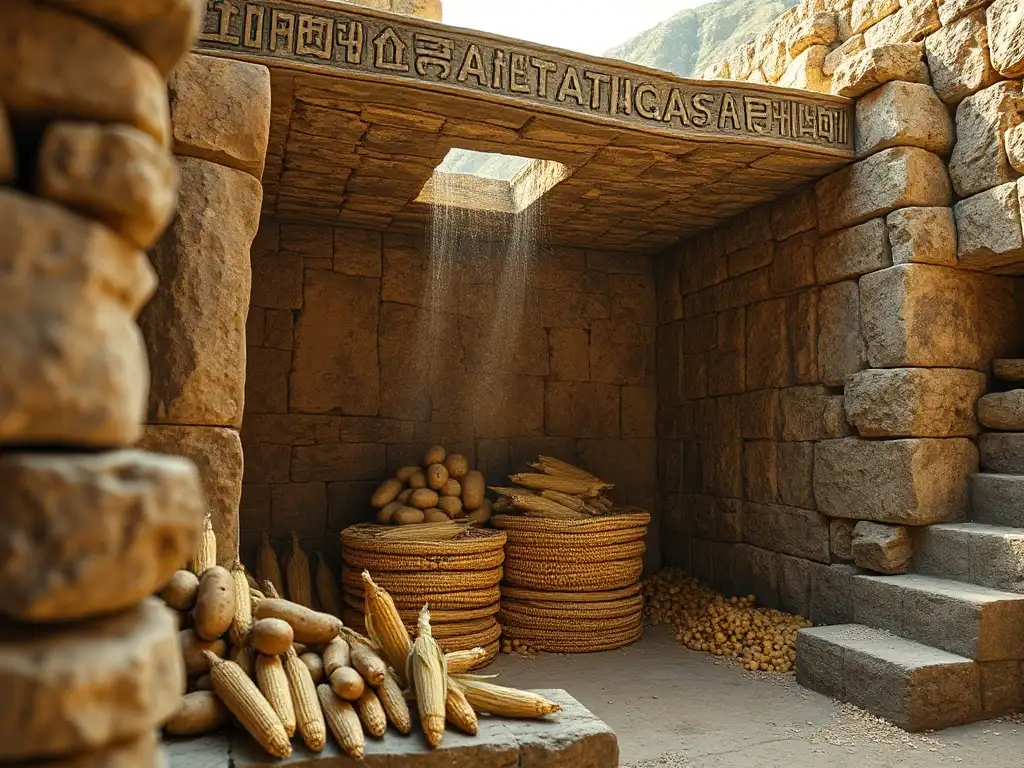
The Inca Empire, renowned for its sophisticated infrastructure and administrative prowess, developed a remarkably efficient food storage system crucial to its expansion and consolidation. This system, centered around strategically located qollqas and other storage facilities, ensured food security across the vast and diverse Andean landscape, mitigating the risks of crop failure and famine. Understanding the Andean civilizations food storage techniques provides invaluable insight into the empire's organizational capabilities and its ability to sustain a large population.
This intricate network played a vital role in the empire's stability and its capacity to withstand environmental challenges. The efficient management and distribution of stored goods were key to the Incas' success in maintaining control and minimizing social unrest.
The Significance of Qullqas in the Inca Empire
The qollqas were the cornerstone of the Inca food storage system. These stone structures, varying greatly in size and complexity, served as granaries and warehouses throughout the empire. Their construction demonstrates a deep understanding of Andean geography and climate, with their placement often chosen to maximize accessibility and minimize spoilage. The strategic distribution of qollqas allowed the Incas to efficiently manage and redistribute agricultural surpluses throughout the empire, ensuring that even remote communities had access to sufficient food supplies. The construction and maintenance of these structures also provided employment, further strengthening the Inca's economic and social control.
Qullqas: Strategic Storage for Surplus
The Inca agricultural system, characterized by intensive terracing and sophisticated irrigation techniques, generated significant agricultural surpluses. These surpluses weren't simply excess; they were strategically stored in qollqas to provide a buffer against environmental fluctuations, such as droughts or frost, which could severely impact crop yields. The size and number of qollqas in a particular region often reflected the agricultural productivity and population density of that area.
Larger, more elaborate qollqas were typically found in regions with high agricultural output, indicating a greater need for storage capacity. Archaeological evidence suggests that these structures were carefully designed to regulate temperature and humidity, optimizing the preservation of stored goods.
Qullqas as a Symbol of Imperial Control
Beyond their practical function, qollqas also served as powerful symbols of Inca imperial control. Their strategic placement and standardized construction reinforced the empire's administrative reach and its ability to manage resources effectively. The construction of qollqas in newly conquered territories not only provided crucial storage facilities but also served as a visible demonstration of Inca power and authority.
The act of building and maintaining these structures was a constant reminder of the empire's presence and its capacity to provide for its subjects, strengthening loyalty and minimizing the risk of rebellion. This aspect of the qollqas system is critical to understanding the Inca's political strategy and its role in consolidating power.
Distribution and Management of Stored Goods
The management and distribution of goods stored in qollqas were tightly controlled by the Inca bureaucracy. Specialized officials oversaw the collection, storage, and redistribution of food and other resources. Detailed records, possibly kept using quipus (knotted cords), likely tracked the amount of stored goods and their allocation to different communities.
This sophisticated system ensured a fair and equitable distribution of resources, minimizing inequality and promoting social stability within the vast empire. The system's efficiency allowed the Inca to effectively respond to emergencies, such as natural disasters or periods of scarcity, preventing widespread famine and maintaining social order. This intricate system highlights the advanced administrative capabilities of the Inca civilization.
Types of Storage Facilities in the Inca Empire
While qollqas were the most prominent storage facilities, the Inca Empire utilized a variety of other storage solutions tailored to specific needs and geographic conditions. This diversity underscores the Inca’s practical approach to food security, adapting their techniques to optimize preservation and accessibility across their diverse empire. The efficient management of these varied systems was essential to the Inca's success in providing for their large and geographically dispersed population.
Qullqas: Granaries for Grains and Staples
Qollqas, as previously discussed, served primarily as granaries for storing grains such as maize (corn), quinoa, and other staples. Their construction, often using carefully fitted stones, created airtight compartments ideal for preventing insect infestation and moisture damage. The design of the qollqas often incorporated ventilation systems to maintain optimal storage conditions. The size and shape of the qollqas varied depending on the region and the amount of grain to be stored. Larger qollqas were frequently found in agriculturally rich valleys, while smaller structures served local communities. The careful management of these granaries ensured food security for the entire population.
Tambos: Waystations and Storage Along Roads
Tambos were strategically placed waystations along the extensive Inca road network. These structures served multiple purposes, including providing accommodation for travelers and officials, as well as storing food and supplies for relay runners and army units. The tambos played a vital role in facilitating communication and the rapid movement of goods and information throughout the empire.
Their strategic location along the roads ensured that supplies were readily available for those traveling long distances, supporting the empire's administrative and military operations. The tambos also served as temporary storage points for agricultural surpluses, facilitating their transfer from productive regions to areas with lower yields.
Underground Storage Solutions: Preserving Tubers
The Inca also utilized underground storage facilities, particularly for preserving tubers like potatoes. These underground cellars, often dug into the earth and lined with stone, provided a cool, dark, and humid environment ideal for preserving these perishable crops. The cool temperatures and high humidity slowed down the decomposition process, extending the shelf life of the potatoes and other tubers.
These underground storage techniques demonstrate a deep understanding of the principles of food preservation and the Inca's ingenuity in adapting their storage methods to the specific needs of different crops and climates. The use of such methods is a testament to the Andean civilizations' advanced knowledge of agriculture and food preservation.
The Impact of Andean Food Storage on Empire Expansion
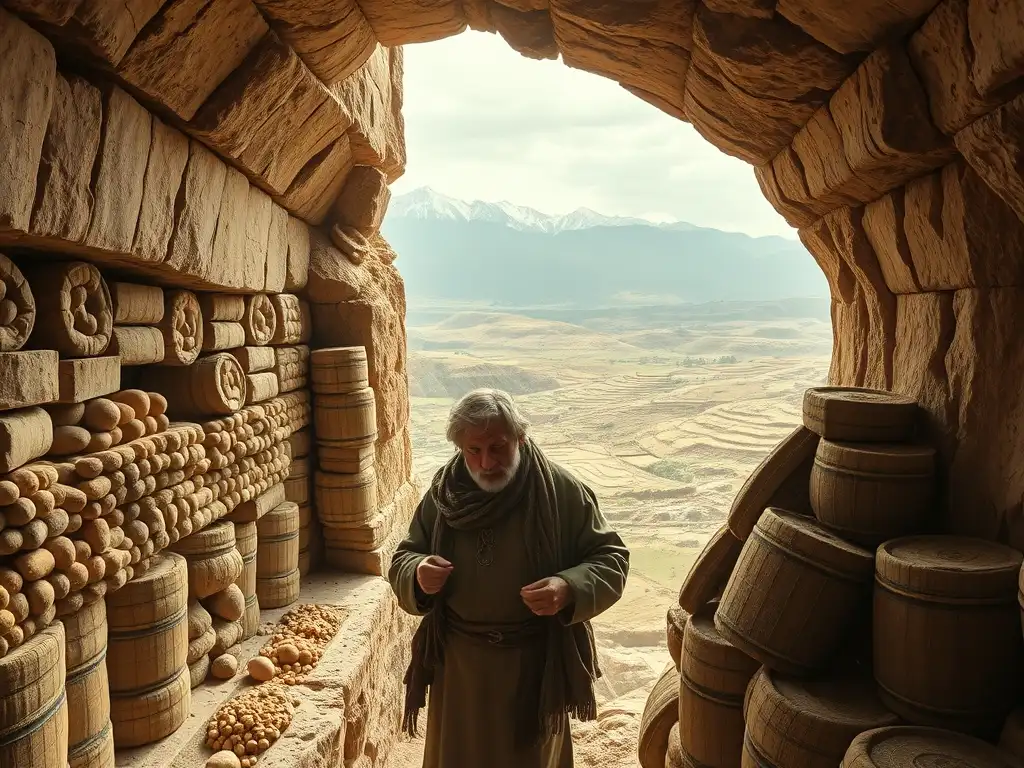
The Inca Empire's remarkable expansion across the diverse Andean landscape was not solely a feat of military might. A sophisticated system of food storage played a crucial, often overlooked, role in enabling and sustaining this imperial growth. The ability to effectively collect, preserve, and redistribute food resources facilitated population control, fueled military campaigns, and ultimately, ensured the empire's stability and longevity.
Understanding the intricacies of Inca food storage reveals a crucial element in their successful conquest and consolidation of power. This system wasn't just about survival; it was a strategic tool for imperial dominance, allowing the Inca to project power far beyond the immediate capabilities of their armies. The effective management of Andean civilizations food storage is a testament to their organizational prowess and foresight.
Food Security as a Driver of Inca Conquests
Food security was paramount to Inca expansion. Conquests weren't simply about acquiring land; they were about acquiring resources, particularly food surpluses. The Inca meticulously surveyed conquered territories, assessing agricultural potential and existing storage facilities.
This allowed them to predict the long-term food supply available to sustain their growing population and expanding army. The integration of newly conquered regions into the empire's centralized food distribution network was a key strategy. For example, the fertile valleys of the Cuzco region provided a substantial base, but the Inca expanded to incorporate diverse ecological zones, ensuring a diverse range of crops and resilience against crop failures.
This meticulous planning ensured that conquered populations were not only subdued but also integrated into a system that provided them with food security, thus reducing the likelihood of rebellion. The availability of stored food also allowed the Inca to swiftly mobilize armies for further conquests without facing logistical constraints.
Sustaining Large Populations Through Effective Storage
The Inca Empire boasted a vast and densely populated territory. Maintaining food security for millions of people across diverse and challenging terrains required an unparalleled logistical network. Their ingenuity is evident in the construction of a wide array of storage facilities, ranging from small, local qollqas (storehouses) to massive regional warehouses.
These qollqas, often built into the landscape, were strategically located to minimize transportation costs and maximize accessibility. They were meticulously designed to control temperature and humidity, preserving stored goods for extended periods. The system wasn't just about storing food; it also involved managing surplus and responding to periods of scarcity.
Records, likely kept using quipus (knotted string records), detailed the amount and type of food stored in each location, enabling efficient distribution during times of need. The precise details of the quipus system and its role in tracking food supplies remain an area of ongoing research, but the scale of the Inca's food storage operation strongly suggests a highly developed system of record-keeping and management. This system also helped to prevent famine and social unrest, thus strengthening the empire's overall stability.
The Role of Food Storage in Military Campaigns
The Inca's military campaigns were not only reliant on their fighting prowess but also on their logistical capabilities. The extensive network of qollqas served as crucial supply depots for armies on the move. Stored food ensured that soldiers remained well-fed and equipped for prolonged campaigns, reducing the risk of desertion and maintaining troop morale.
The ability to quickly resupply armies from strategically placed qollqas allowed the Inca to sustain extended military operations, greatly increasing their effectiveness in conquering and controlling vast territories. Moreover, the existence of these well-stocked facilities also served as a deterrent against potential rebellions, as the empire demonstrated its capacity to swiftly deploy resources to quell any uprising.
The combination of military strength and the strategic use of food resources highlights the Inca's understanding of the interconnectedness of military power and logistical efficiency. This sophisticated system of Andean civilizations food storage is a key component of understanding their remarkable imperial success.
Technology and Innovation in Andean Food Preservation
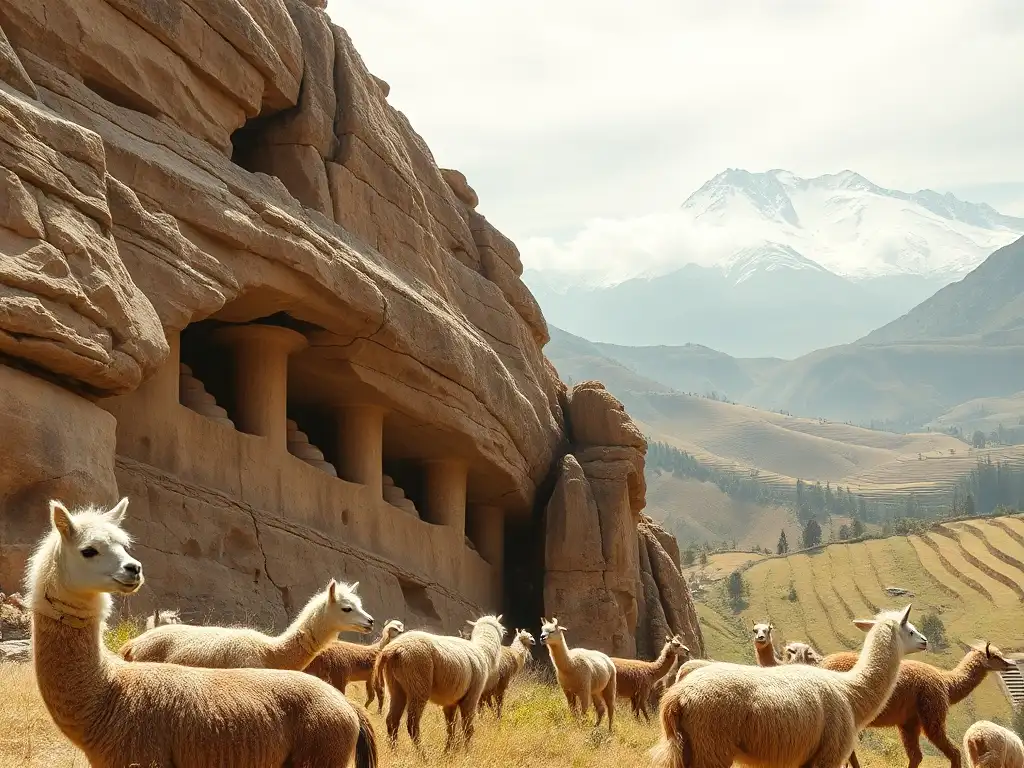
The Inca Empire's remarkable expansion and consolidation hinged significantly on its sophisticated systems for food storage and preservation. Unlike many other ancient civilizations, the Incas weren't reliant solely on seasonal harvests. Their mastery of preservation techniques, combined with ingenious storage infrastructure, ensured food security across diverse ecological zones and throughout the year.
This advanced understanding of food preservation significantly contributed to the stability and longevity of the Inca Empire, allowing for population growth and military strength. The ingenuity displayed in Andean civilizations food storage practices represents a remarkable achievement in agricultural technology. It's crucial to understand that these techniques weren't isolated practices but rather a complex interplay of environmental knowledge, technological innovation, and societal organization.
Natural Methods of Preservation: Freezing, Drying, and Salting
Andean civilizations, including the Incas, expertly utilized the natural environment for food preservation. High-altitude locations provided naturally freezing temperatures, allowing for the preservation of certain meats and tubers. This method, while seemingly simple, required careful selection of storage sites and precise timing to maximize effectiveness. Evidence suggests that llama and alpaca meat, as well as potatoes and other root vegetables, were preserved using this technique.
Drying, another crucial method, was particularly effective for preserving potatoes, corn, and other crops. The sun's intense rays in the Andean highlands provided a natural and efficient way to remove moisture, inhibiting microbial growth and extending shelf life. Furthermore, sophisticated techniques, such as freeze-drying, were likely employed in specific contexts to preserve food quality and nutritional value. This involved exposing food to cold temperatures before drying, resulting in a higher-quality preserved product.
Salting was another widely used technique, especially for preserving meats. The abundance of salt in certain regions of the Andes provided a ready-made preservative. This method was particularly important for preserving fish and other protein sources in areas with limited access to freezing temperatures. The precise salt concentration and drying methods varied depending on the specific food item and environmental conditions.
Construction Techniques of Storage Facilities
The qollqas (pronounced kol-kas), the iconic Inca storehouses, were marvels of engineering. Constructed primarily from stone, these structures were meticulously designed to optimize food preservation. The choice of stone varied according to regional availability, but the construction invariably involved precise fitting of stones without the use of mortar, demonstrating a high level of architectural skill. This dry-stone construction, characteristic of Andean building techniques, created strong, durable structures resistant to seismic activity common in the region.
The walls were frequently thick and double-layered, providing excellent insulation against temperature fluctuations. This skillful building technique is a testament to the Inca's understanding of both construction and the needs of effective food storage. The size and design of the qollqas varied according to the needs of the community; some were small, while others were large enough to store substantial quantities of food for extended periods.
The roofing techniques were also noteworthy. While specific materials varied depending on the location and availability of resources, thatched roofs and wood beams were commonly used, often layered with earth or other insulating materials. This created a sealed environment that helped regulate temperature and humidity inside the qollqas, further enhancing food preservation.
Climate Control in Qullqas
The design of the qollqas incorporated several ingenious features to control the internal climate. The thick stone walls provided excellent thermal mass, helping to moderate temperature fluctuations between day and night. This meant that the temperature inside the qollqas remained relatively stable, preventing extreme temperature changes that could damage stored food. The placement of the qollqas was also carefully considered. They were often located in areas with good ventilation but sheltered from direct sunlight and harsh winds. This strategic placement further contributed to maintaining a stable internal environment.
Furthermore, the orientation of the qollqas often took advantage of natural airflow and sunlight patterns to optimize ventilation and minimize humidity. In some cases, evidence suggests the use of rudimentary air vents or strategically placed openings to enhance air circulation. These subtle yet effective design elements demonstrate a sophisticated understanding of environmental engineering and the importance of climate control in preserving food for long periods.
The meticulous attention to detail in the construction and placement of qollqas highlights the Inca's deep understanding of the relationship between climate, architecture, and food preservation. Their ingenuity in this area is a testament to their advanced technological capabilities and their commitment to ensuring the food security of their vast empire. The efficiency of these methods contributed significantly to the empire's stability and its ability to sustain a large population across diverse and challenging environments.
Food Storage and the Socio-Political System of the Incas
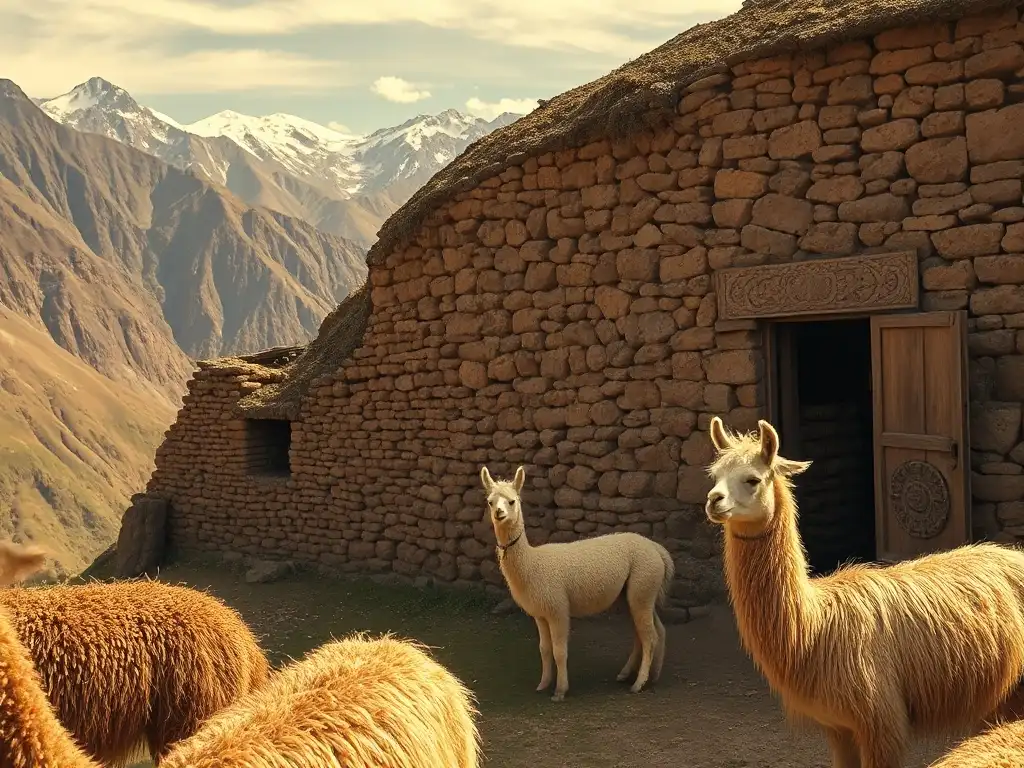
The Inca Empire, a marvel of Andean civilizations, achieved remarkable feats in infrastructure and administration, significantly influenced by its sophisticated food storage systems. These systems weren't merely about preventing food spoilage; they were integral to the empire's socio-political fabric, underpinning its power and stability. The efficient management of stored food directly impacted labor mobilization, social control, and the overall resilience of the Inca state.
Understanding the Andean civilizations food storage strategies is crucial to grasping the empire's remarkable longevity and influence. The scale of the operation was breathtaking, demanding intricate organization and a deep understanding of agricultural practices and preservation techniques.
Stored Food as a Resource for Labor Mobilization
The Inca mita system, a form of mandatory labor service, relied heavily on the availability of stored food. Large-scale projects, such as road construction, temple building, and agricultural improvements, required the mobilization of significant manpower. These laborers, drawn from across the empire, couldn't be expected to sustain themselves during these projects. The vast storehouses, qollqas, strategically located throughout the empire, served as crucial repositories, providing sustenance for these workers.
The efficient allocation of stored food ensured the continuity of these labor-intensive projects, vital for the empire's expansion and infrastructure development. Without this reliable food supply, the mita system would have been unsustainable, hindering the Inca's ability to undertake ambitious projects vital to maintaining their power and influence. The sheer volume of food stored, encompassing diverse crops like potatoes, maize, quinoa, and beans, highlights the scale of this logistical achievement.
Food Storage and the Reciprocity System
The Inca system wasn't solely based on coercion; it also incorporated a sophisticated reciprocity system, ayni, where mutual obligation and exchange were central. Stored food played a vital role in this system. During times of hardship, such as droughts or crop failures, the state's reserves were crucial in providing aid to communities in need. This redistribution of stored food reinforced loyalty and strengthened social bonds, preventing widespread unrest and famine.
This reciprocal relationship between the state and its subjects was crucial for maintaining social stability and preventing the disintegration of the empire. The careful management and distribution of stored resources helped solidify the Inca's authority and ensured the continued cooperation of its diverse populations. The system's effectiveness is evident in the empire's longevity and stability across diverse ecological zones.
The Inca's mastery of food storage was directly linked to the empire's remarkable social stability. The ability to consistently provide food, even during periods of adversity, played a significant role in preventing widespread famine and social unrest. This food security, coupled with the efficient distribution network, acted as a powerful tool for social control and political stability.
The qollqas weren't just storehouses; they were symbols of the Inca's power and ability to provide for its people, fostering a sense of security and dependence on the imperial system. This strategic use of food resources cemented the Inca's authority and contributed to the empire's impressive longevity and influence within the Andean civilizations.
The success of this system underscores the intricate relationship between food security, effective governance, and social harmony within the Inca Empire. The availability of stored food, therefore, was not just a matter of logistics; it was a cornerstone of Inca power and the foundation of their remarkably stable empire.
Legacy of Andean Food Storage Practices
The Inca Empire, a marvel of Andean civilizations, achieved remarkable feats in governance, infrastructure, and agriculture, significantly influenced by sophisticated food storage techniques. Their success wasn't solely due to fertile lands; it was a direct result of their understanding and implementation of efficient storage solutions that ensured food security across diverse and challenging terrains. This legacy of ingenious storage practices offers valuable lessons for modern food security strategies, particularly in regions facing similar environmental and logistical hurdles.
Understanding their methods helps us appreciate the ingenuity of the Andean civilizations and discover potentially applicable solutions for contemporary challenges. The keyword "Andean civilizations food storage" is central to understanding this remarkable achievement.
Lessons for Modern Food Security Strategies
The Inca's success in food storage provides several critical lessons for modern food security initiatives. Firstly, their emphasis on diversification is crucial. They didn't rely on a single crop; instead, they cultivated a wide array of potatoes, maize, quinoa, beans, and other crops adapted to varying altitudes and microclimates. This reduced the risk of widespread crop failure due to pests, disease, or adverse weather conditions. Modern agricultural practices could benefit from adopting a similarly diversified approach, reducing reliance on monocultures and promoting resilience to climate change.
Secondly, the Inca's ingenious storage infrastructure, ranging from individual household qollqas (storehouses) to large-scale regional facilities, highlights the importance of appropriate storage technology. Their qollqas, often built into hillsides or cliffs, provided natural temperature and humidity regulation, minimizing spoilage. This demonstrates the need for investment in infrastructure tailored to local conditions, including climate-controlled storage facilities and improved transportation networks to reduce post-harvest losses.
Finally, the Inca's meticulous record-keeping systems, though not fully understood, were essential for managing food supplies and distributing them effectively throughout the empire. While the exact methods remain a subject of ongoing research, evidence suggests a sophisticated system of accounting and resource allocation. Modern food security strategies can learn from this by implementing robust monitoring and evaluation systems, enabling efficient resource management and timely intervention in case of shortages. The ability to anticipate and respond to potential food crises is a key takeaway from studying Andean civilizations food storage methods.
The Enduring Importance of Traditional Techniques
Many traditional Andean food storage techniques remain relevant today, particularly in rural communities. The use of natural materials like dried grasses and clay for insulation, mimicking the construction of qollqas, continues to be practical and environmentally friendly. These methods often require less energy and reduce reliance on technologies that might be unavailable or unaffordable in remote areas. Furthermore, preserving traditional knowledge is crucial for maintaining biodiversity and promoting sustainable food systems. Traditional methods, passed down through generations, often incorporate an intimate understanding of local ecosystems and the specific needs of different crops.
The continued use of traditional drying and preservation methods, such as sun-drying and freeze-drying, also deserves attention. These techniques are effective in extending the shelf life of various food products and minimizing the need for artificial preservatives. The integration of these time-tested methods with modern technologies could lead to more sustainable and resilient food systems. For example, combining solar drying with improved packaging could significantly enhance the preservation of Andean crops, particularly in regions with limited access to electricity. This approach directly addresses the challenges associated with Andean civilizations food storage in contemporary contexts.
Modern Adaptations of Ancient Andean Storage Methods
Modern adaptations of ancient Andean storage methods are emerging, driven by a renewed interest in sustainable and climate-resilient food systems. Researchers are exploring the use of bio-based materials and innovative construction techniques inspired by qollqas to create energy-efficient and environmentally friendly storage solutions. These adaptations often incorporate modern technologies, such as sensors for monitoring temperature and humidity, while retaining the core principles of natural temperature regulation and pest control.
Furthermore, the integration of traditional knowledge with modern data analysis and forecasting tools is proving valuable. By combining historical data on crop yields and weather patterns with advanced climate models, it's possible to develop more accurate predictions of potential food shortages and implement timely interventions. This approach leverages the wisdom of past generations while harnessing the power of modern technology to enhance food security.
The study of Andean civilizations food storage provides a rich foundation for innovative solutions to contemporary challenges. The integration of ancient wisdom with modern technology offers a path toward more resilient and sustainable food systems, capable of withstanding the pressures of climate change and ensuring food security for future generations. Understanding the nuances of Andean civilizations food storage practices remains crucial in this endeavor.
Frequently Asked Questions
How did Andean civilizations store food given their diverse geography?
Andean civilizations employed diverse techniques based on their environment. High-altitude regions utilized qollqas, underground storage structures, while coastal areas used various containers and drying techniques. Different strategies were needed depending on the climate and available resources.
What were qollqas and how effective were they?
Qollqas were underground storage chambers, often built of stone, used for long-term food preservation. Their effectiveness stemmed from their stable temperature and humidity, protecting food from spoilage and pests. They were crucial for food security.
Besides qollqas, what other storage methods did Andean cultures use?
Beyond qollqas, methods included sun-drying, freeze-drying, and using woven containers for grains and other foods. Storage jars made of various materials were also common, reflecting regional variations.
What types of food were typically stored in these facilities?
Dried grains like maize and quinoa, potatoes, beans, and dried meats were staples. The specific foods stored varied depending on the region and the time of year, showcasing agricultural diversity.
How did food storage contribute to the success of the Andean empires?
Efficient food storage was essential for population growth and empire stability. It allowed for surplus accumulation, supporting complex social structures, military campaigns, and economic stability during times of scarcity.
Final Reflection: Echoes of the Andes: Food Storage and Our Future
The ingenious food storage techniques of the Andean civilizations remain a powerful testament to their ingenuity and a stark reminder of the enduring importance of food security. Their sophisticated systems, developed over millennia in challenging environments, offer invaluable lessons for a world grappling with climate change, population growth, and the ever-present threat of famine. The echoes of their ingenuity resonate even louder today.
The impact of the Andean civilizations' approach to food storage extends far beyond the archaeological record; it speaks to the fundamental human need for resilience and planning. Their understanding of preservation, resource management, and community cooperation provides a blueprint for sustainable practices that we can, and must, adapt for the 21st century. The measure of a civilization is not its capacity to create wealth, but its capacity to create and sustain a just and equitable society.
This quote, while not directly about food storage, highlights the interconnectedness of societal success and resource management, a key lesson learned from studying the Andean civilizations.
Consider the challenges we face today: climate instability, supply chain disruptions, and increasing inequalities in food access. The Andean civilizations, through their dedication to efficient storage and community-based resource management, offer a powerful counterpoint to these modern anxieties. You, the reader, are now equipped with a deeper understanding of their strategies.
Let this knowledge inspire you to engage with the issue of food security in your own community, whether through supporting local farmers, reducing food waste, or advocating for sustainable agricultural practices. The future of food security depends on our collective action, and the wisdom of the past can guide us toward a more resilient and equitable future.
Empower Your Community: Secure Food for Tomorrow!
Thank you for learning about the crucial role of food storage in ensuring community food security. Your understanding is the first step towards making a real difference. Now, let's put that knowledge into action!
Here's how you can get involved:
- Start a conversation: Organize a local meeting to discuss the importance of food storage and its impact on food security. Invite neighbors, friends, and family to share ideas.
- Explore solutions: Research and share practical food storage techniques with your community. Consider sustainable, small-scale solutions.
- Raise awareness: Share your knowledge on social media or write an article for your local newspaper or community bulletin to educate others about food security and the importance of proper storage.
What unique approaches could your community adopt to improve food security? Share your ideas in the comments below!