
The Inca Creation Myth: Origin Stories and Cosmic Order

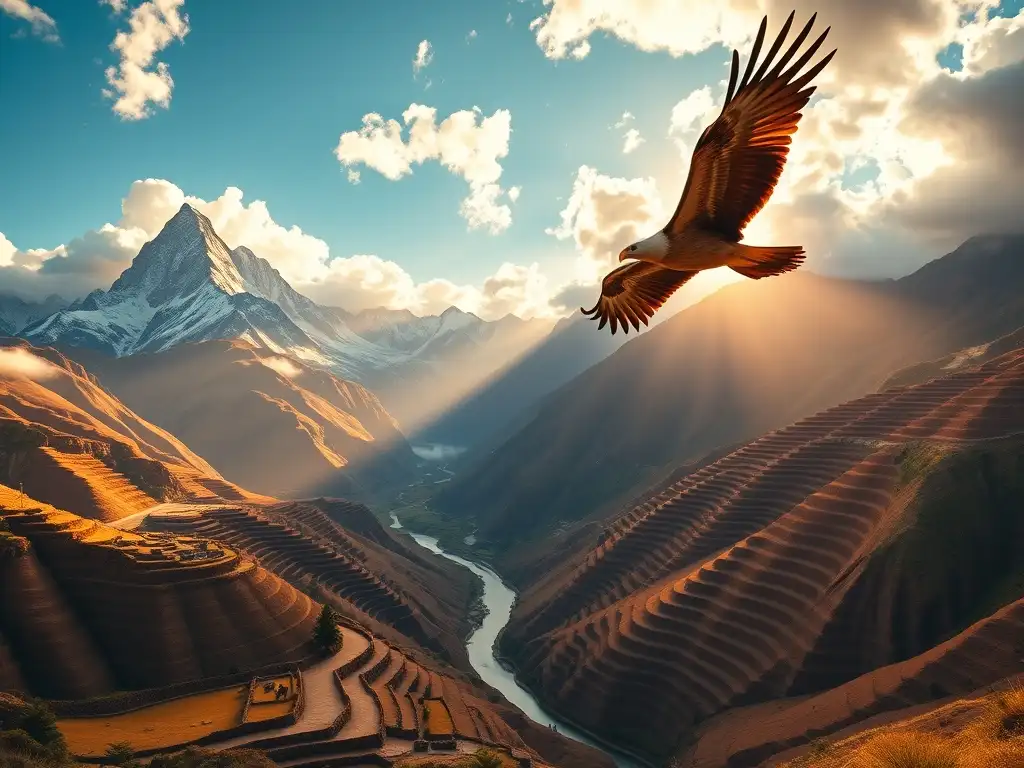
Step into a world lost to time, yet echoing with the whispers of gods and empires. Dive into the fascinating tapestry of Andean civilizations, where ingenuity and spirituality intertwined to shape a breathtaking legacy. Unravel the mysteries surrounding the Inca creation myth origin story, a powerful narrative that reveals the very foundation of their cosmic order. Prepare to be captivated by the stories, beliefs, and vibrant culture that shaped one of history's most remarkable societies. Are you ready to uncover the secrets of the Andes?
The Inca Empire, a civilization that flourished in the Andes Mountains for centuries, left behind a rich tapestry of cultural achievements. Beyond their impressive architectural feats like Machu Picchu and their advanced agricultural techniques, the Inca also possessed a deeply complex and fascinating cosmology. Understanding their creation myths is crucial to grasping the very fabric of their society, their worldview, and the principles that guided their political and social structures.
This article delves into the Inca creation myth, exploring its various interpretations and the role it played in shaping the Inca worldview, a system deeply intertwined with their understanding of the cosmos and their place within it. We will examine the key figures, events, and symbolic elements that constitute this rich and compelling origin story, revealing how the Inca creation myth helped to solidify their social hierarchy, legitimize their rule, and inspire their awe-inspiring achievements. The exploration of the Inca creation myth, therefore, offers a unique window into the heart of this remarkable civilization and its enduring legacy.
This journey will illuminate the intricate relationship between Inca mythology, their societal structures, and their remarkable ability to thrive in a challenging environment. Prepare to uncover the secrets behind the Inca's understanding of the universe and their place within it, using the keyword "Inca creation myth origin story" as our guiding thread.
Understanding the Inca Cosmovision
Before diving into the specifics of the Inca creation myth, it's essential to understand the broader context of their cosmovision. The Inca worldview was deeply interconnected, viewing the universe as a harmonious system where the earthly and spiritual realms were inextricably linked. This holistic perspective permeated all aspects of Inca life, from their agricultural practices to their elaborate religious ceremonies. Their understanding of the universe was not merely a collection of myths and legends but a fundamental framework that shaped their social structure, political organization, and daily lives.
The Inca believed in a structured cosmos, with a clear hierarchy of deities and spiritual forces influencing the natural world. This hierarchical structure mirrored their own social organization, with the Sapa Inca (emperor) at the apex, reflecting the divine order of the universe. The Inca cosmology also emphasized the importance of balance and reciprocity, reflecting the delicate equilibrium they sought to maintain between humans and the natural world.
This intricate relationship between the cosmos, the divine, and human society is key to understanding the complexities of the Inca creation myth. The Inca's sophisticated understanding of astronomy further reinforced their cosmological beliefs, with celestial events playing a significant role in their religious practices and agricultural calendar. Understanding this interconnectedness provides a crucial foundation for interpreting the narratives of their creation myth.
The Inca Origin Story: Unveiling the Beginnings
The Inca creation myth doesn't present a single, unified narrative. Instead, it's a collection of interwoven stories and beliefs that evolved over time, reflecting the diverse origins and traditions incorporated into the Inca Empire. However, a central theme consistently emerges: the role of the creator god, Wiracocha. Many versions of the story depict Wiracocha emerging from Lake Titicaca, or perhaps from a cave, creating the world and its inhabitants.
Some accounts describe Wiracocha as creating humans from stone, while others suggest a more gradual process of evolution. These differing narratives often reflect regional variations within the vast Inca Empire, with local beliefs and traditions influencing the specific details of the creation story. The Inca creation myth wasn’t simply a tale to be told around a fire; it served a critical function in legitimizing the Inca rulers' power and maintaining social order.
The stories of Wiracocha's creation and the subsequent actions of the other deities provided a framework for the Inca social hierarchy and the emperor's divine right to rule. The details of these narratives varied across different regions, but the core message—the divine origin of the Inca Empire—remained consistent. Furthermore, these origin stories often included accounts of cataclysmic events, such as floods or earthquakes, underscoring the power of the gods and the Inca's need to maintain a harmonious relationship with the spiritual world.
Myths of Creation: Wiracocha and the Emergence of Life
Wiracocha, the supreme creator god in the Inca pantheon, holds a central position in the creation myth. Depicted as a powerful and benevolent deity, Wiracocha is credited with bringing forth the world from nothingness, creating the sun, moon, stars, and the earth itself. Accounts vary on the specifics of Wiracocha's creative acts, but the common thread is his role as the ultimate source of life and order. He is often portrayed as a wise and compassionate figure, yet also possessing immense power and authority.
Beyond the creation of the world, Wiracocha is also associated with the creation of humanity. In some versions of the myth, he fashions humans from stone, while others suggest that he breathed life into pre-existing beings. Regardless of the specific details, Wiracocha’s actions established the fundamental structure of the Inca world, including the social hierarchy and the relationship between humans and the divine. Furthermore, several other deities played significant roles in shaping the world and influencing the lives of the Inca people.
These lesser deities, often associated with specific aspects of nature or human activity, contributed to the richness and complexity of the Inca creation myth, adding layers of meaning and reinforcing the intricate interconnectedness of the Inca worldview. The stories of these deities, and their interactions with Wiracocha, further enrich the narrative and offer a deeper understanding of the Inca understanding of cosmic order and the human experience. The enduring power of the Inca creation myth lies in its ability to encapsulate their worldview, providing a framework for understanding their society, their beliefs, and their place in the universe.
The Role of Inti, the Sun God, in Inca Cosmology
Inti, the sun god, held paramount importance in Inca cosmology, shaping their understanding of the world and their place within it. He wasn't merely a celestial body; Inti was the supreme deity, the source of life, warmth, and prosperity. The Inca emperors, considered descendants of Inti, directly linked their authority to the divine. This divine lineage reinforced their power and legitimized their rule over the vast empire.
Royal ceremonies, agricultural cycles, and even daily life were meticulously synchronized with the sun's movements, reflecting Inti's profound influence. The Inca calendar, incredibly precise for its time, was fundamentally based on the solar year, highlighting the centrality of Inti in their worldview. Temples dedicated to Inti, such as the Coricancha in Cusco, were magnificent structures, further emphasizing the sun god's significance and the Inca's devotion.
The elaborate rituals and offerings performed in these temples served to ensure Inti's continued favor and the well-being of the empire. The Inca believed that Inti’s benevolence ensured bountiful harvests and protected them from natural disasters. Neglecting Inti's worship was considered a grave offense, potentially incurring his wrath and jeopardizing the entire civilization.
Pachamama: The Earth Mother and Her Importance
Pachamama, the Earth Mother, played a crucial role in the Inca creation myth and daily life, representing the fertile earth and its life-giving properties. She was revered as the provider of sustenance, the source of all agricultural bounty, and the embodiment of fertility. Unlike Inti, who represented the celestial realm, Pachamama embodied the terrestrial world—the mountains, valleys, and rivers that sustained the Inca people.
Her importance extended beyond mere agricultural productivity; she was believed to possess the power to influence human destinies, both individually and collectively. The Inca performed numerous rituals to appease Pachamama, offering coca leaves, chicha (a fermented corn beverage), and other sacrifices to ensure her continued benevolence and to show gratitude for her gifts. These rituals often coincided with important agricultural events, such as planting and harvesting, reflecting their deep understanding of the interconnectedness between the earth and their survival.
Failure to honor Pachamama could result in crop failures, natural disasters, or other misfortunes, emphasizing the vital role she played in their lives and their cosmology. The concept of Pachamama also highlights the Inca’s profound respect for nature and their understanding of its power.
The Emergence from Pacaritambo: A Key Inca Origin Point
The Inca origin story often points to Pacaritambo, a site located in the Sacred Valley of the Andes, as a crucial point of emergence. While the exact details vary across different accounts, the general narrative describes the emergence of the first Inca ancestors from this sacred location. Pachacamac, the creator god, is often associated with this event, signifying his role in shaping the Inca people and their origins.
The site itself is characterized by a number of springs and caves, which may have contributed to its selection as a mythical birthplace. These natural features could have symbolized the emergence of life from the earth, aligning with the importance of Pachamama in Inca cosmology. The Inca's association of Pacaritambo with their origins likely served to reinforce their connection to the land and to legitimize their claims to authority.
Over time, Pacaritambo became a significant pilgrimage site, where Inca people would travel to pay homage to their ancestors and reaffirm their connection to their origins. The stories surrounding Pacaritambo, passed down through generations, served to unify the Inca Empire and to strengthen their cultural identity. Archaeological investigations at Pacaritambo continue to shed light on the site's significance and its role in the Inca creation myth, offering further insights into their rich cultural heritage.
The Journey of the Ayar Brothers and the Founding of Cusco
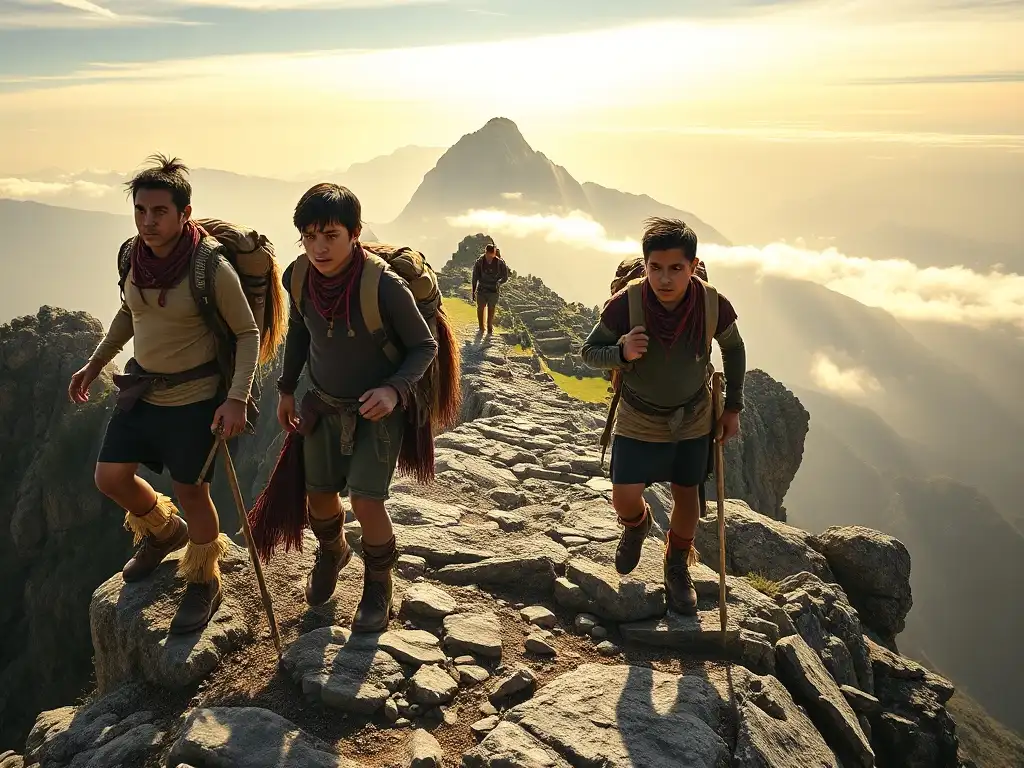
The Inca creation myth doesn't present a single, monolithic narrative. Instead, it unfolds through a series of interconnected stories, often emphasizing the divine origins of the Inca dynasty and the legitimacy of their rule. One of the most prominent narratives revolves around the legendary Ayar brothers and their sisters, Mama Ocllo and her siblings. These siblings, emerging from the sacred cave of Pacaritambo, embarked on a perilous journey to establish the future capital, Cusco. Their journey is not merely a geographical trek; it's a symbolic representation of the Inca expansion and their conquest of the Andes.
The Ayar brothers, each possessing unique powers and attributes, faced numerous challenges and obstacles during their travels. Ayar Manco, considered the most powerful, possessed the ability to vanish and reappear at will. Ayar Cachi, known for his strength, could move mountains.
Ayar Uchu possessed the ability to command the elements, while Ayar Auca was a skilled warrior and strategist. These abilities highlight the Inca belief in the supernatural and the importance of divine intervention in shaping their history. Their struggles, including conflicts with existing populations and the overcoming of natural barriers, underscore the challenges faced by the Inca in establishing their dominance.
The successful completion of this arduous journey validated their divine right to rule and established the foundation of the Inca Empire. The very act of founding Cusco, a city carefully planned and strategically located, symbolized the Inca's ability to impose order and structure on a diverse and challenging landscape. The journey itself became a foundational myth, repeatedly recounted to reinforce the legitimacy of Inca rule and its cosmic significance.
Manco Capac and Mama Ocllo: The First Inca Rulers
The Inca creation myth culminates in the emergence of Manco Capac and Mama Ocllo as the first Inca rulers. While the Ayar brothers' journey establishes the groundwork for the empire, Manco Capac and Mama Ocllo represent its divinely ordained leadership. Tradition holds that Manco Capac, inheriting the leadership from his brothers, emerged as the supreme ruler.
He is often depicted as a wise and powerful leader, tasked with civilizing the people and establishing the foundations of Inca society. Mama Ocllo, his sister-wife, played an equally significant role, credited with teaching the people essential skills such as weaving, agriculture, and domestic arts.
The emergence of Manco Capac and Mama Ocllo as the first Inca rulers is not just a historical event; it is a cornerstone of the Inca creation myth. Their roles are deeply intertwined with the establishment of Inca social structures, religious practices, and political systems. The couple's divine mandate to rule is reinforced by their ability to instruct and guide the populace, imparting knowledge and skills that facilitated the development of a sophisticated and organized society.
The emphasis on their combined rule, rather than solely Manco Capac’s, highlights the importance of balance and complementarity within Inca society. Their story reinforces the Inca concept of a divinely-ordained social order, where power and authority are rooted in a cosmic connection.
Their legacy, perpetuated through generations of Inca rulers, reinforced the belief in the divine right to rule and the sacred nature of the Inca empire. The narrative of Manco Capac and Mama Ocllo continues to resonate within the Inca creation myth, providing a powerful narrative of leadership, societal development, and the establishment of cosmic order.
The Inca creation myth profoundly influenced the Inca social structure, providing a powerful justification for their hierarchical system and the absolute authority of the Sapa Inca (emperor). The myth's narrative of a divinely ordained lineage—tracing back to Manco Capac and Mama Ocllo—legitimized the Inca's claim to power and their right to rule over the vast empire. This divine connection was not merely a religious belief; it was a fundamental pillar of the Inca political system. The emperor was not simply a political leader; he was considered a divine intermediary between the gods and the people.
The creation myth’s emphasis on order and hierarchy mirrored the Inca’s highly structured society. The myth reinforced the importance of obedience, respect for authority, and adherence to the established social order. This social hierarchy, meticulously organized into distinct groups (nobility, priests, commoners, etc.
), was seen as a reflection of the cosmic order described in the creation myths. The narrative of the Ayar brothers' journey and the establishment of Cusco served as a continuous reminder of the Inca's conquest and their right to rule. The myth also impacted the Inca's economic and religious systems, shaping their agricultural practices, religious rituals, and the distribution of resources.
The story served to consolidate power, foster social cohesion, and maintain the stability of the empire. The Inca creation myth was not simply a collection of stories; it was a living, dynamic force that shaped the very fabric of Inca society, reinforcing its power structures and ensuring the continuity of the Inca empire. The impact of this creation myth on the Inca social structure is undeniable, providing a powerful framework for understanding their societal organization and the enduring legacy of their civilization.
The Inca Concept of Time and Cyclical Creation
The Inca understanding of time differed significantly from Western linear conceptions. Instead of a unidirectional progression, the Inca perceived time as cyclical, a continuous interplay between creation and destruction, mirroring the natural rhythms of the Andes—the changing seasons, the cycles of planting and harvesting, the rising and setting of the sun. Their creation myth reflects this cyclical worldview, emphasizing the repetitive nature of cosmic events and the continuous renewal of life.
This cyclical view wasn't simply a philosophical notion; it deeply influenced their agricultural practices, societal structures, and religious ceremonies. The annual agricultural cycles were directly tied to their understanding of the cyclical nature of creation, with festivals and rituals marking key points in the year, ensuring the continuation of life and prosperity. For example, the Inti Raymi festival, celebrated during the solstice, symbolized the sun's renewal and its vital role in the cyclical regeneration of the world.
The Inca believed that understanding and aligning with these cycles was crucial for maintaining cosmic balance and ensuring the well-being of their empire. This understanding of cyclical time fostered a profound respect for nature and its inherent rhythms, a respect that permeated all aspects of Inca life. Their intricate calendar system, with its detailed observations of celestial movements, served as a practical manifestation of this deep-seated belief in the cyclical nature of existence, reflecting their profound connection to the cosmos.
The Hanan Pacha, Kay Pacha, and Uku Pacha: The Three Realms
Inca cosmology is structured around three distinct realms: Hanan Pacha, Kay Pacha, and Uku Pacha. These three realms aren't simply geographical locations but represent different layers of existence, interconnected and interdependent. Hanan Pacha, the upper world, is the realm of the celestial bodies, the gods, and the ancestors. It's a place of light, purity, and spiritual power.
In contrast, Uku Pacha, the underworld, is associated with darkness, death, and the forces of nature that are both destructive and generative. This realm is not merely a place of fear, but also holds power, representing the source of life and fertility. Finally, Kay Pacha, the middle world, is where humans reside, the earthly plane where the interaction between the celestial and the underworld takes place. The Inca believed that these three realms were constantly interacting, influencing each other, and maintaining a delicate balance.
This intricate relationship between the realms is evident in their creation myths, which often involve journeys between these worlds, highlighting the interconnectedness of existence. The Inca's understanding of these realms wasn't just a theoretical framework; it informed their daily lives, their rituals, and their worldview. Their rituals aimed to maintain harmony between these three realms, ensuring the prosperity and well-being of their society. The careful cultivation of their crops reflected their attempt to mediate between the fertile earth ( Uku Pacha) and the life-giving sun ( Hanan Pacha).
Cosmic Order and the Andean Worldview
The Inca creation myth underscores a profound belief in cosmological order, a harmonious balance between the three realms and the forces within them. This order is not static but dynamic, requiring constant attention and maintenance. The Inca worldview emphasized the interconnectedness of all things, from the smallest insect to the mightiest mountain, and from the humblest peasant to the Inca emperor. Everything had its place within this intricate cosmic order.
Disruptions to this balance, whether through natural disasters or human actions, were believed to have serious consequences. Therefore, rituals, ceremonies, and offerings were performed regularly to appease the gods, honor the ancestors, and maintain the cosmic balance. This holistic perspective is reflected in their sophisticated agricultural techniques, their intricate social structures, and their reverence for nature. The Inca's deep understanding of their environment and their ability to adapt to its challenges demonstrate their profound connection to the cosmic order.
Their empire's success, in part, can be attributed to their ability to maintain this delicate balance, ensuring the prosperity and stability of their society. The Inca creation myth, therefore, is not just a story of origins but a powerful expression of their worldview, a testament to their profound understanding of the cosmos and their place within it. Their meticulous record-keeping, impressive architectural feats, and sophisticated agricultural systems all reflect this deeply rooted belief in the importance of cosmic order and its maintenance.
The Inca Creation Narrative and its Legacy
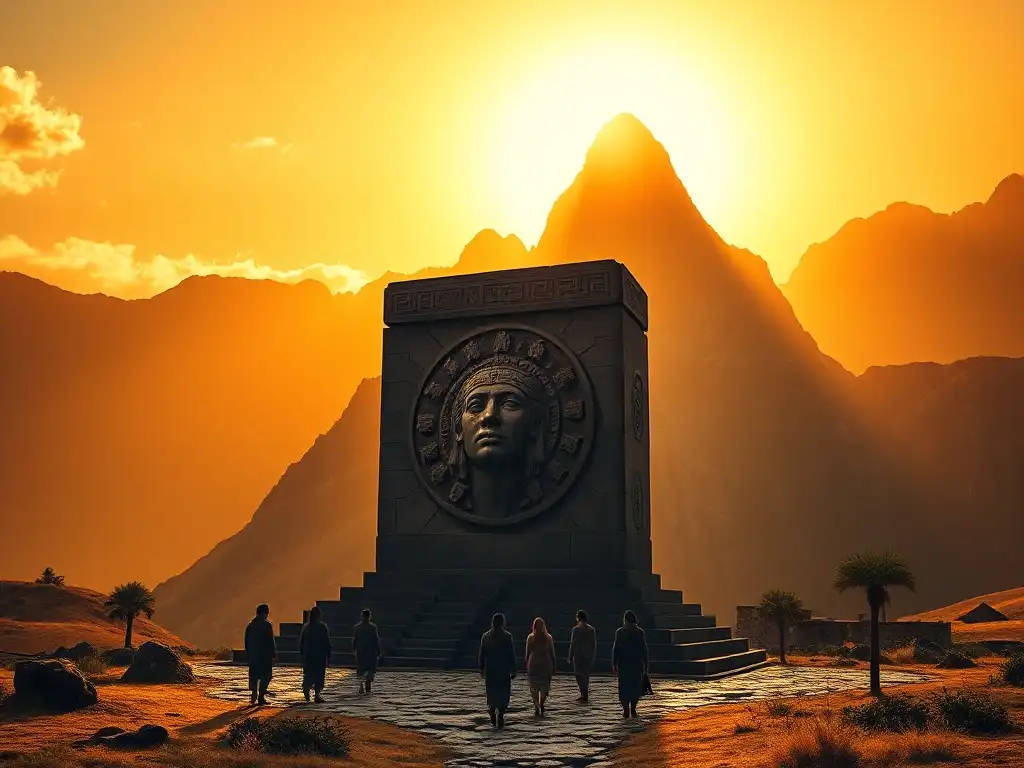
The Inca creation myth, while not a single, monolithic narrative, encompasses a rich tapestry of stories passed down through generations, primarily orally. These stories, often interwoven with local traditions incorporated into the Inca empire, detail the emergence of the world and the Inca people from a primordial state. A common thread involves Viracocha, a powerful creator god, often depicted as a bearded, wise figure, who shaped the world and its inhabitants. He is credited with creating the first humans, often from stone, and giving them laws and customs.
These initial creations, however, sometimes proved imperfect, leading Viracocha to destroy them and start anew. The surviving narratives highlight the cyclical nature of creation and destruction, a theme reflecting the Inca understanding of the cosmos. The legacy of this creation myth is profound; it shaped Inca worldview, influencing their social structures, religious practices, and understanding of their place within the universe. The stories provided a framework for their imperial ideology, legitimizing Inca rule and connecting them to a divine origin.
The enduring power of these narratives is evident in the surviving accounts recorded by Spanish chroniclers, albeit filtered through a colonial lens, and the echoes of these stories in contemporary Andean cultures. The Inca creation myth didn't simply describe the past; it actively shaped the present and future of the Inca empire, providing a powerful unifying narrative for a vast and diverse population. Variations in the specifics of the narrative across different regions underscore the adaptation and assimilation of local beliefs into the overarching Inca cosmology.
The Influence of the Inca Creation Myth on Art and Rituals
The Inca creation myth deeply influenced Inca art and rituals, providing a visual and performative language to express their cosmological beliefs. Depictions of Viracocha, often majestic and imposing, are prevalent in Inca art, appearing on textiles, ceramics, and stone carvings. These artistic representations, while varying in style across different regions and time periods, consistently convey the deity's power and creative force. Furthermore, the cyclical nature of creation and destruction, central to the myth, is reflected in the recurring motifs of renewal and rebirth found in Inca art.
For example, the intricate designs on textiles often incorporate symbols representing the earth, sky, and underworld, mirroring the cosmic order described in the creation narratives. Rituals played a crucial role in reaffirming the Inca creation myth. Ceremonies, often involving elaborate sacrifices and processions, were designed to honor Viracocha and other deities involved in the creation story.
These rituals served not only to maintain cosmic order but also to reinforce the Inca's legitimacy and power, connecting them directly to the divine origin recounted in the myth. The precise details of many rituals remain lost to time, yet archaeological evidence and surviving accounts provide glimpses into their significance and their connection to the overarching creation narrative. The integration of the creation myth into both artistic expression and ritual practice highlights its central role in shaping Inca society and its worldview.
Interpreting the Inca Creation Story Through Archaeology
Archaeological findings offer valuable insights into the Inca creation story, providing tangible evidence to support and contextualize the oral traditions recorded by Spanish chroniclers. While the Inca did not leave behind written accounts of their creation myth in the way that some other civilizations did, archaeological discoveries help piece together the narrative. For instance, the discovery of monumental structures like Machu Picchu and Sacsayhuamán, meticulously designed and built, reflects the Inca belief in a divinely ordered cosmos. The precision and scale of these constructions suggest a strong connection to the creator deity's power and influence.
Furthermore, the analysis of Inca iconography on pottery, textiles, and metalwork provides visual representations of key figures and events from the creation narrative, helping to confirm and expand our understanding of the story. The discovery of burial sites containing elaborate offerings, including gold and other precious materials, sheds light on the rituals associated with the creation myth, revealing the importance of maintaining cosmic order through acts of worship and sacrifice. However, it's crucial to remember that interpreting archaeological evidence requires careful consideration. The absence of direct textual evidence necessitates a nuanced approach, combining archaeological findings with surviving oral accounts and colonial chronicles.
The challenge lies in discerning the indigenous meanings from later interpretations and the impact of colonial influence. Nevertheless, archaeology provides a crucial lens through which to understand the Inca creation myth, adding depth and complexity to the narrative derived from other sources. Ongoing archaeological research continues to illuminate the story's nuances and deepen our understanding of Inca cosmology.
Comparing Inca Origin Myths with other Andean Cultures
The Inca creation myth, while unique in its specifics, shares common threads with other Andean cultures' origin stories, highlighting a shared cosmological vision across the region. Many pre-Columbian Andean societies believed in a creator deity or a pantheon of gods responsible for the world's formation. For instance, the cosmology of the Tiwanaku culture, which predates the Inca, features a complex mythology involving Viracocha, a creator god who also appears prominently in Inca mythology.
However, the Tiwanaku narratives often emphasize a more watery, chaotic creation, with Viracocha emerging from Lake Titicaca to shape the world. The Inca myth, while also featuring Viracocha, emphasizes a more ordered and structured creation, reflecting the Inca's own highly organized empire.
The Moche civilization, known for its elaborate ceramics depicting mythical beings, also presents a diverse set of creation narratives. While lacking the centralized, codified mythology of the Inca, their artwork suggests a belief in powerful deities and ancestor figures who played crucial roles in the creation and ordering of the world.
These narratives often focus on the cyclical nature of life, death, and rebirth, a theme also present, albeit subtly, in the Inca creation myth. The Nazca, similarly, lacked a fully developed, written mythology, but their geoglyphs and other artifacts hint at a complex worldview with celestial connections and possibly creator figures linked to the landscape and its resources.
Comparing these diverse narratives reveals a fascinating interplay between shared Andean beliefs and unique cultural expressions. While the concept of a creator deity and the importance of the landscape are common themes, the specific details, the emphasis on particular deities, and the overall tone of the creation accounts vary significantly.
This variation reflects the diverse experiences and unique perspectives of these distinct Andean cultures, each shaping their own understanding of the world's origins. The Inca myth, in its own way, synthesized and adapted elements from these earlier traditions, forging a narrative that served the ideological needs of their expanding empire.
The Lasting Significance of the Inca Creation Myth
The Inca creation myth continues to hold significant cultural and historical importance even today. Its enduring legacy is not merely confined to academic study; it remains interwoven with the cultural identity of many Andean communities. The story of Viracocha and the creation of the world provides a framework for understanding the Inca worldview, their relationship with the cosmos, and the structure of their society. The emphasis on order, hierarchy, and the divine right of the Inca rulers is explicitly mirrored in the myth's narrative structure.
Furthermore, the myth's elements have permeated various aspects of Andean art, literature, and folklore. Modern interpretations of the Inca creation myth often incorporate elements of indigenous Andean spirituality and beliefs, blending ancient narratives with contemporary perspectives. The enduring presence of Viracocha, Pachamama (Mother Earth), and other figures from the Inca pantheon in contemporary Andean culture demonstrates the myth's ongoing relevance. The story continues to be passed down through oral traditions, weaving itself into the fabric of cultural memory.
The continuing study of the Inca creation myth provides valuable insights into the Inca worldview and their societal structure. Understanding their beliefs about the origin of the world helps us to comprehend their political organization, their agricultural practices, and their relationship with the natural environment. The myth is not simply a historical artifact; it's a living testament to the rich cultural heritage of the Inca and a crucial lens through which to understand their civilization's enduring legacy. Its study offers valuable lessons in understanding the power of mythology to shape culture, society, and the very perception of reality.
- Understanding the Inca Cosmovision
- The Inca Origin Story: Unveiling the Beginnings
- Myths of Creation: Wiracocha and the Emergence of Life
- The Role of Inti, the Sun God, in Inca Cosmology
- Pachamama: The Earth Mother and Her Importance
- The Emergence from Pacaritambo: A Key Inca Origin Point
- The Journey of the Ayar Brothers and the Founding of Cusco
- Manco Capac and Mama Ocllo: The First Inca Rulers
- Inca Creation Myth and its Impact on Social Structure
- The Inca Concept of Time and Cyclical Creation
- The Hanan Pacha, Kay Pacha, and Uku Pacha: The Three Realms
- Cosmic Order and the Andean Worldview
- The Inca Creation Narrative and its Legacy
- The Influence of the Inca Creation Myth on Art and Rituals
- Interpreting the Inca Creation Story Through Archaeology
- Comparing Inca Origin Myths with other Andean Cultures
- The Lasting Significance of the Inca Creation Myth
Frequently Asked Questions
What is the central theme of the Inca creation myth?
The Inca creation myth centers around the creation of the world and humanity by Viracocha, the supreme creator god. It explains the Inca understanding of cosmic order and their place within it.
Who is Viracocha in Inca mythology?
Viracocha is the principal creator god in Inca mythology. He is often depicted as a powerful and benevolent deity who emerged from Lake Titicaca to create the world, the sun, the moon, and humankind.
How did Viracocha create the world and humans according to the myth?
Viracocha emerged from the waters and, using his power, created the world, the sun, the moon, stars, and mountains. He then created humans from stone, later destroying them and creating a new generation.
What role does Pachamama play in the Inca creation myth?
While Viracocha is the primary creator, Pachamama, the Earth Mother, plays a vital role as the giver of life and fertility. She represents the nurturing aspect of the cosmos.
What is the significance of the Inca creation myth for understanding Inca culture?
The Inca creation myth provides insight into their worldview, explaining their social hierarchy, religious beliefs, and relationship with the natural world. It justified their imperial power and their respect for the environment.
Final Reflection: Weaving the Threads of Creation
The Inca creation myth, far from being a relic of a bygone era, offers a powerful lens through which to understand our enduring human need for narrative and meaning in a complex world. Its intricate tapestry of gods, celestial bodies, and human origins continues to resonate, reminding us of the fundamental questions we grapple with across cultures and time. The story's enduring power lies not just in its fantastical elements, but in its profound exploration of order, chaos, and the human place within the cosmos.
The Inca's meticulous attention to cosmic order, as reflected in their creation myth, profoundly shaped their society and continues to influence our understanding of cultural development. Their sophisticated system of agriculture, intricate social structures, and awe-inspiring architecture all stemmed from a deep-seated belief in the interconnectedness of the world. This belief system, meticulously passed down through generations, speaks volumes about the power of shared narratives to shape identity and inspire collective action. Myth is a powerful instrument of culture, and it is through myth that a society comes to grips with its own existence.
– Joseph Campbell. This quote perfectly encapsulates the enduring legacy of the Inca creation myth and its impact on shaping their worldview.
Consider, for a moment, the stories that shape your own understanding of the world. What narratives have guided your choices, informed your beliefs, and shaped your sense of belonging? The Inca creation myth serves as a potent reminder of the enduring power of story, urging us to examine the narratives that inform our own lives and to appreciate the rich tapestry of human experience woven from countless origin stories. Let the echoes of Viracocha and the other deities inspire you to seek your own understanding of the cosmos and your place within it.
Unveil the Mysteries of Inca Creation!
Thank you for exploring the fascinating world of the Inca creation myth! Understanding these rich origin stories offers valuable insight into the cosmic worldview that shaped Andean civilization. Now, let's delve deeper into this incredible culture.
Here are some ways you can continue your exploration:
- Expand your knowledge: Immerse yourself in the intricacies of Inca beliefs and cosmology through detailed scholarly works.
- Join the discussion: Share your thoughts and perspectives on the Inca creation myth with other enthusiasts in our online community forum.
- Experience the legacy firsthand: Plan a trip to explore the remarkable historical sites of the Andes and witness the enduring impact of the Inca civilization.
What aspect of the Inca creation myth most captivates you, and how has it influenced your understanding of their culture?