
Religious Influence: The Sun God and Inca Imperial Authority

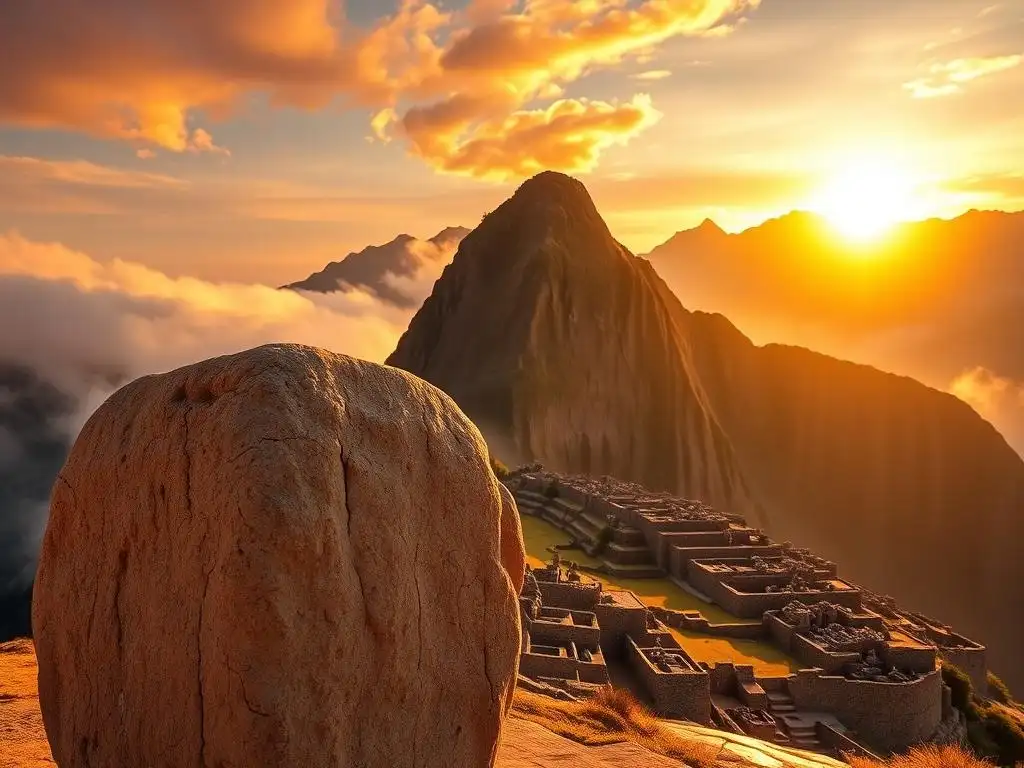
Step into a world lost to time, yet echoing with the power of the Andes. Imagine a civilization where the sun held dominion over every aspect of life, shaping not just beliefs, but the very fabric of an empire. Uncover the profound influence of the Inca Sun God and its impact on the Inca's imperial authority – a story woven into the very mountains themselves. Prepare to be captivated by the mysteries and majesty awaiting you within.
- The Inca Sun God and its Influence on Imperial Authority
- The Sun God's Role in Inca Society and Governance
- The Inca Religion as a Tool for Imperial Control
- The Sun God and Inca Imperial Authority: A Symbiotic Relationship
- The Decline of Inti's Influence
-
Frequently Asked Questions
- What was the significance of the sun god Inti in Inca religion?
- How did the Inca Sun God influence Inca imperial authority?
- What role did priests play in the Inca Sun God's religious influence?
- Were there any other deities besides Inti that held significant power in the Inca religion?
- How did the worship of Inti manifest in Inca society?
- Final Reflection: The Enduring Legacy of Inti, the Inca Sun God
- Embrace the Power of the Inca Legacy!
The Inca Empire, a civilization that flourished in the Andes Mountains from the 15th to the 16th century, was not merely a powerful political entity; it was deeply interwoven with a complex religious system. At the heart of this system lay Inti, the Sun God, whose influence permeated every aspect of Inca life, from daily rituals to imperial governance.
This article explores the profound impact of Inti's worship on the consolidation and expansion of Inca imperial authority, demonstrating how religious beliefs served as a powerful tool for maintaining social order, legitimizing the emperor's rule, and fostering a sense of unity throughout the vast empire. We will delve into the centrality of Inti, the divine mandate bestowed upon the Inca emperor, and the emperor's symbolic role as the Son of the Sun, highlighting the intricate relationship between religious belief and political power within the Inca world.
Understanding this relationship is key to comprehending the Inca Empire's remarkable success and enduring legacy.
The Centrality of Inti: The Inca Sun Deity
Inti, the Inca Sun God, was not just a deity among many; he was the supreme god, the source of all life and energy. His worship was central to Inca religious practices, shaping their calendar, agricultural cycles, and social structures. Temples dedicated to Inti, such as the Coricancha in Cusco, were magnificent structures, showcasing the importance given to the Sun God.
These temples weren't simply places of worship; they were also centers of astronomical observation, reflecting the Inca's deep understanding of the cosmos and their close connection to the natural world. The priests, known as amautas, held significant power, interpreting Inti's will and advising the emperor on matters of state. Their influence extended beyond religious matters, impacting economic policies, social norms, and even warfare strategies.
The daily rituals dedicated to Inti, involving offerings of gold, silver, and coca leaves, served not only to appease the deity but also to reinforce the social hierarchy and the emperor's position at its apex. The meticulous maintenance of these rituals underscored the importance of maintaining a harmonious relationship with the divine, ensuring the prosperity and stability of the empire.
Inti's Divine Mandate and the Inca Emperor
The Inca emperor's authority stemmed directly from Inti's divine mandate. The emperor was not merely a political leader; he was considered the Son of the Sun, a direct descendant of Inti, divinely appointed to rule. This divine lineage conferred upon him absolute power, legitimizing his commands and ensuring obedience throughout the empire. The emperor's role as intermediary between the gods and the people cemented his position as the supreme authority, capable of making decisions affecting the entire population.
Any challenge to the emperor's authority was not only a political rebellion but also an act of sacrilege, a transgression against the divine order. This divine mandate was carefully cultivated and reinforced through elaborate ceremonies, royal processions, and the construction of monumental structures, all designed to emphasize the emperor's sacred status and his connection to Inti. This religious legitimization of power was critical to the empire's stability and longevity.
The Emperor as Son of the Sun: A Divine Lineage
The concept of the Inca emperor as the Son of the Sun was not merely a symbolic title; it was a fundamental aspect of the Inca worldview. This divine lineage was meticulously maintained through carefully controlled marriages and succession practices. The emperor's ancestry was traced back to the mythical origins of the Inca, strengthening the belief in his divine right to rule.
The emperor's image was carefully cultivated, presenting him as a powerful, majestic figure, worthy of reverence and obedience. Royal regalia, including elaborate headdresses, garments, and jewelry, further reinforced his divine status, making him visually distinct from the rest of the population. The emperor's connection to Inti was not only a source of his authority but also a source of unity for the empire.
The belief in a shared divine lineage fostered a sense of common identity and purpose among the diverse populations under Inca rule, contributing to the empire's remarkable cohesion and stability. The emperor's role as a divine intermediary facilitated the integration of conquered peoples into the empire, transforming them from subjugated subjects into loyal participants in a shared religious and political system.
Religious Legitimacy and Imperial Expansion
The Inca Empire's relentless expansion wasn't solely driven by military might; it was profoundly intertwined with the religious legitimacy bestowed upon the Sapa Inca, the emperor, through his connection to Inti, the Sun God. The Inca believed the Sapa Inca was a direct descendant of Inti, a divine lineage that granted him the right to rule and conquer. This divine right wasn't merely a claim; it was actively propagated through elaborate rituals, state-sponsored religious practices, and the construction of magnificent temples dedicated to Inti.
The success of military campaigns was often attributed to Inti's favor, solidifying the emperor's authority and justifying further expansion. Defeats, conversely, were sometimes interpreted as a temporary lapse in divine favor, prompting introspection and renewed dedication to Inti's worship.
The expansion itself served to further reinforce the religious legitimacy of the empire. Conquered peoples were incorporated not only politically but also religiously. Local deities were often syncretized with Inti or other Inca gods, subtly integrating them into the imperial religious system. This process wasn't always smooth; resistance certainly occurred.
However, the Inca cleverly used religious practices to solidify their control. The construction of Inca-style temples and the imposition of Inca religious practices in conquered territories served as powerful symbols of imperial authority and the pervasive influence of Inti. This systematic integration of conquered populations into the Inca religious framework helped to legitimize the empire's expansion and maintain social order across vast distances. The Inca understood that religious control was as important, if not more important, than political control in maintaining their sprawling empire.
The Inca's ability to successfully integrate diverse religious beliefs into their overarching system highlights their sophisticated understanding of power dynamics. They didn't simply force religious conformity; instead, they strategically adapted and incorporated elements of conquered cultures' belief systems, thereby reducing resistance and fostering a sense of shared religious identity, albeit one firmly under the dominance of Inti and the Sapa Inca. This approach to religious incorporation played a crucial role in the Inca Empire's remarkable expansion and enduring legacy.
The careful intertwining of religious and political power ensured that the Sapa Inca’s authority remained unshakeable, reinforced by the perceived divine right to rule and the widespread worship of Inti, the Sun God. This intricate interplay between religion and imperial power continues to fascinate historians and scholars today, offering valuable insight into the dynamics of ancient empires and the enduring power of religious belief.
The Sun God's Role in Inca Society and Governance
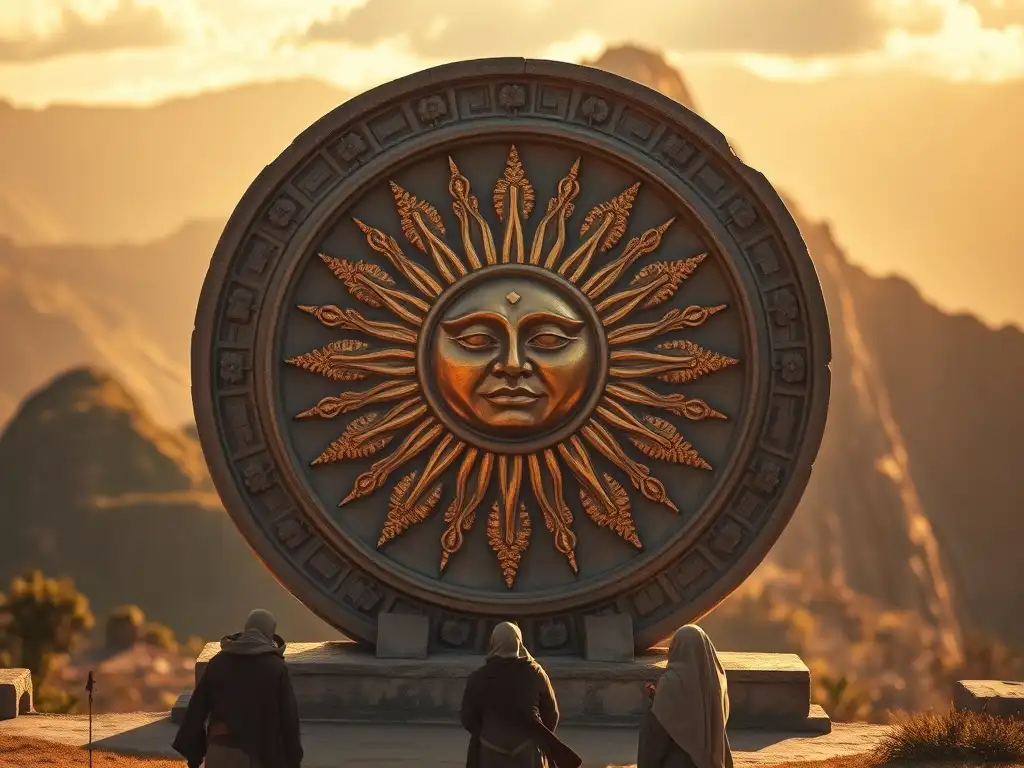
The Inca Sun God, Inti, wasn't merely a deity; he was the cornerstone of Inca imperial authority and social structure. His influence permeated every aspect of life, from elaborate state rituals and monumental architecture to the daily routines of commoners. Understanding Inti's role is crucial to grasping the power dynamics and ideological underpinnings of the Inca Empire.
The Inca believed Inti was their ancestor, bestowing legitimacy upon the Sapa Inca, the emperor, who was considered Inti's direct descendant. This divine lineage solidified the emperor's absolute power and ensured the obedience of his subjects. The Inca Sun God religious influence extended far beyond mere worship; it was a powerful tool of political control and social cohesion.
The elaborate religious system served to reinforce the emperor's authority and maintain social order within the vast empire. Control over religious practices, temples, and resources associated with Inti's worship allowed the Inca elite to consolidate and maintain their power.
Sun Temples and Rituals: Centers of Power
Sun temples weren't simply places of worship; they were centers of political and administrative power. These structures, often built on strategically important locations, served as focal points for elaborate rituals and ceremonies. These ceremonies, meticulously orchestrated by the state, reinforced the emperor's divine right to rule.
For example, the Capac Raymi, the most important Inca festival, celebrated the winter solstice and Inti's return to strength, directly linking the emperor's well-being to the prosperity of the empire. The rituals involved elaborate processions, sacrifices, and feasts, all designed to strengthen the bond between the Inca ruler and his divine ancestor. The sheer scale and complexity of these events showcased the power and resources of the Inca state, further solidifying the emperor's authority in the eyes of his subjects.
Archaeological evidence, such as the remains of sun temples across the Inca Empire, provides tangible proof of the importance of these rituals in maintaining imperial control. The precise details of many rituals remain uncertain, but their significance in the Inca worldview is undeniable. The meticulous planning and execution of these events demonstrate the Inca's organizational capabilities and the crucial role of religion in their political system.
The Coricancha: The Golden Temple of the Sun
The Coricancha, located in Cusco, the Inca capital, stands as a prime example of the Inca Sun God's religious influence. This "Golden Enclosure" was not just a temple; it was the most sacred site in the Inca Empire, a dazzling display of wealth and power dedicated to Inti. The Coricancha's walls were covered in gold plates, and its interior housed countless golden statues and artifacts, representing the empire's immense wealth and the emperor's divine connection to the sun god.
The sheer opulence of the Coricancha served as a powerful symbol of Inca imperial power, awe-inspiring to both subjects and potential enemies. The temple's strategic location in the heart of Cusco further reinforced its importance as the center of religious and political life.
The Coricancha wasn't merely a religious site; it was a powerful statement of imperial authority, showcasing the Inca's mastery over resources, craftsmanship, and religious ideology. Sadly, much of the Coricancha's original splendor was destroyed following the Spanish conquest, but surviving accounts and archaeological findings still reveal its incredible magnificence and symbolic importance.
Offerings and Sacrifices to Inti
Offerings and sacrifices to Inti were integral to the Inca religious system and a key mechanism through which the Inca maintained control. These offerings ranged from simple gifts of food and coca leaves to elaborate human sacrifices, particularly during times of crisis or significant events. The act of offering precious metals, textiles, and even human lives to Inti served to appease the god and ensure the continued prosperity of the empire.
The scale and nature of these offerings reflected the importance of the event or the perceived threat to the empire's stability. Furthermore, the selection process for human sacrifices often involved individuals from conquered groups, furthering the Inca's control and subjugation of those populations. These sacrifices weren't merely acts of religious devotion; they were carefully calculated political strategies designed to reinforce imperial authority and manage social anxieties.
The Inca Sun God religious influence is clearly evident in the significance and frequency of these offerings, highlighting the profound connection between religion, power, and the stability of the Inca Empire. While the exact details and frequency of these sacrifices are still debated by scholars, their importance in the Inca worldview and their role in maintaining imperial control are undeniable.
The Inca Calendar and Solar Celebrations
The Inca calendar, intricately linked to the agricultural cycle and the sun's movements, profoundly influenced Inca religious practices and imperial authority. Unlike the rigid, fixed calendars of some other civilizations, the Inca calendar was more flexible, adapting to the specific needs of agriculture in different ecological zones across the vast empire. This adaptability, however, did not diminish the importance of solar events in shaping the Inca worldview and solidifying the emperor's role as a divine intermediary.
The Inca year was divided into twelve lunar months, each marked by significant agricultural activities and corresponding religious festivals. These festivals, often elaborate and spectacular affairs, served multiple purposes. They celebrated the sun's power and its influence on the land's fertility, reinforcing the Inca belief in the sun's divine nature and the emperor's connection to it.
Moreover, these events served as crucial opportunities for the Inca emperor to display his authority and power to his subjects, strengthening social cohesion and imperial control. The sheer scale and grandeur of these celebrations, often involving thousands of participants and vast quantities of resources, underscored the emperor's immense power and the significance of the sun god in Inca society.
Specific solar events, such as the solstices and equinoxes, held particular importance. These celestial alignments were meticulously observed by Inca priests, who used sophisticated astronomical knowledge to predict these events with remarkable accuracy. The Inti Raymi, the most important festival of the Inca year, celebrated the winter solstice and served as a powerful demonstration of the emperor's divine connection to the sun god.
This festival involved elaborate rituals, sacrifices, and processions, all designed to ensure the sun's continued benevolence and the prosperity of the empire. The emperor's participation in these ceremonies, acting as the primary intermediary between the divine and the human world, solidified his position as the supreme ruler and the embodiment of the Inca state's power. The Inti Raymi was not just a religious event; it was a powerful political statement, reinforcing the emperor's authority and legitimacy through a spectacular display of religious and imperial power.
The meticulous organization and the vast resources dedicated to the Inti Raymi demonstrated the Inca empire's administrative capabilities and its ability to mobilize its population for significant events. This mobilization also served as a powerful display of the empire’s might and unity under the emperor’s rule. The intricate connection between religious ceremony and imperial power is a key aspect of understanding the Inca Empire's success and longevity.
The Inca Religion as a Tool for Imperial Control
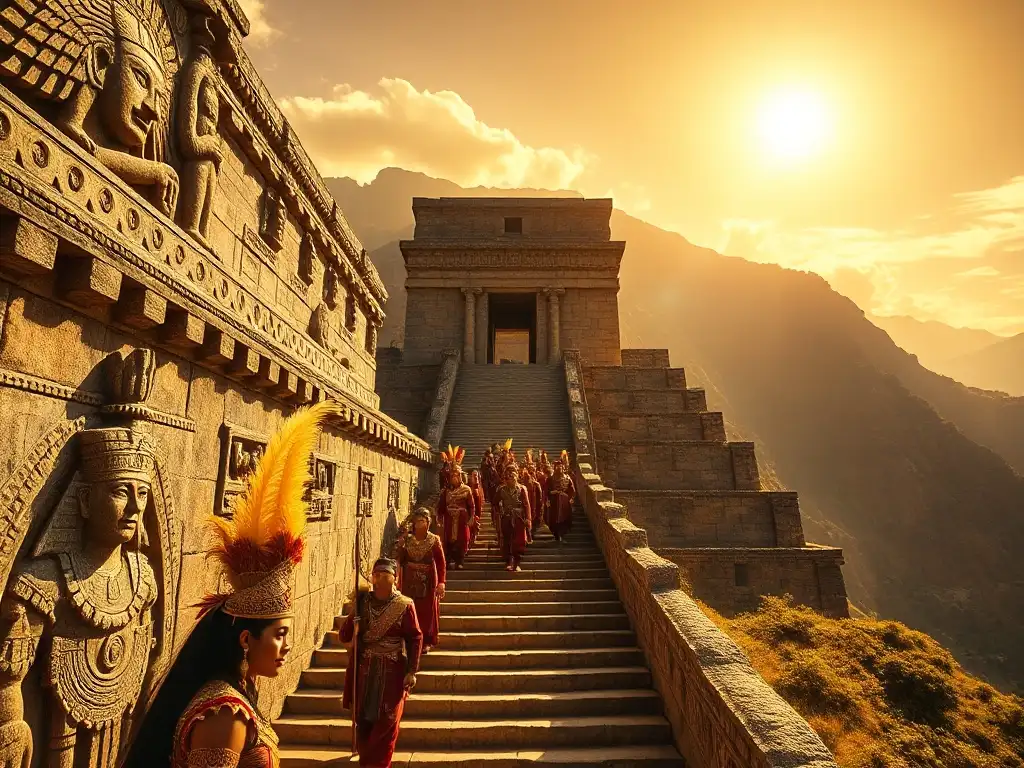
The Inca Empire's remarkable expansion and consolidation were significantly facilitated by its sophisticated religious system, centered around the worship of Inti, the Sun God. Far from being a mere spiritual practice, Inca religion served as a powerful tool for imperial control, reinforcing political authority and ensuring social stability across the vast and diverse territories under Inca rule. The Inca state actively manipulated religious beliefs and practices to legitimize its power, maintain order, and suppress dissent.
This wasn't simply a matter of imposing a monolithic faith; rather, it involved a complex strategy of adaptation, assimilation, and coercion, skillfully weaving religious practices into the very fabric of imperial administration. Understanding this intricate interplay between religion and politics is crucial to comprehending the enduring success of the Inca Empire. The strategic use of "Inca Sun God religious influence" was paramount to their success.
Imposing Sun Worship on Conquered Peoples
The Inca's expansionist policies were intrinsically linked to the propagation of Inti worship. Upon conquering a new territory, the Inca would not only establish political and economic control but also actively promote the Sun God as the supreme deity. This wasn't always a smooth process; many conquered peoples already had their own established religious beliefs and practices. However, the Inca employed several strategies to overcome resistance. These included:
- Destruction of Local Shrines and Temples: The systematic dismantling of existing religious structures symbolized the Inca's dominance and asserted the supremacy of Inti. This act of symbolic annihilation aimed to break the spiritual ties of the conquered population to their previous deities.
- Construction of Inca-Style Temples and Shrines: In place of destroyed structures, the Inca built magnificent temples dedicated to Inti, showcasing their power and spreading their religious ideology. These grand structures served as powerful visual reminders of Inca authority.
- Appointment of Inca Priests: Inca priests, trained in the intricacies of Inti worship, were installed in conquered regions to oversee religious practices and ensure adherence to Inca doctrines. This ensured the consistent dissemination of Inca religious beliefs and the maintenance of the cult of Inti.
- Use of Propaganda and Rituals: Elaborate rituals and public displays reinforced the importance of Inti worship. These events served as powerful tools of propaganda, showcasing the Inca's divine right to rule and intimidating any potential opposition. The sheer spectacle and grandeur of these ceremonies would have left a lasting impression on the conquered peoples.
For example, the imposition of Inti worship in the northern regions of the empire, characterized by diverse religious traditions, required a particularly nuanced approach. [Specific examples of Inca religious imposition in specific northern regions pending]
Assimilation of Local Deities into the Inca Pantheon
While the Inca actively promoted Inti worship, they also demonstrated a remarkable ability to incorporate local deities into their own pantheon. This strategy of religious syncretism proved highly effective in reducing resistance and fostering a sense of unity within the empire. Instead of outright suppression, the Inca often identified local deities with aspects of Inti or other Inca gods. This process allowed conquered peoples to retain some aspects of their traditional religious practices while simultaneously acknowledging the supremacy of the Inca religious system.
This assimilation was not simply a matter of convenience; it was a carefully calculated strategy to consolidate power. By integrating local deities into the Inca pantheon, the Inca were able to co-opt existing religious beliefs and practices, turning them into tools of imperial control. This approach fostered a sense of continuity and avoided the alienation that might have resulted from a complete imposition of a foreign religion. The Inca understood that religious beliefs were deeply ingrained in the cultural fabric of their subjects and cleverly used this to their advantage.
The Inca state played a central role in organizing and regulating religious life. The state-sponsored religion went far beyond mere ritualistic practices; it was intricately woven into the fabric of Inca society, shaping social structures, reinforcing hierarchies, and maintaining social order.
- Religious Hierarchy: A complex hierarchy of priests and priestesses, controlled by the state, oversaw religious practices and enforced religious laws. This religious hierarchy mirrored the political hierarchy, reinforcing the Inca emperor's position as the supreme religious authority.
- Religious Festivals and Calendar: Elaborate festivals and rituals, tied to the agricultural cycle and the movement of celestial bodies, served to reinforce social cohesion and reinforce the Inca's authority. The meticulously maintained Inca calendar dictated the timing of these events, underscoring the state's control over every aspect of life.
- Religious Obligations and Labor: Religious obligations, such as the mita labor system, were often intertwined with religious duties, further reinforcing the state's authority and ensuring a constant supply of labor for public works projects. This ensured that religious obligations were fulfilled and that the Inca state consistently benefited from a large workforce.
- Control over Resources: The Inca state controlled the allocation of resources used in religious ceremonies and the construction of temples, further reinforcing its economic and political power. This centralized control of resources cemented the Inca's influence and ensured their dominance in all aspects of life.
The Inca's state-sponsored religion was not simply a system of belief; it was a sophisticated instrument of governance, ensuring the stability and longevity of their vast empire. The meticulous integration of religious practices into all aspects of Inca life provided a powerful mechanism for maintaining order, reinforcing authority, and ensuring the continued dominance of the Inca elite. The effectiveness of this strategy is a testament to the Inca's understanding of the profound connection between religion and political power.
Religious Practices and the Maintenance of Power
The Inca religion wasn't merely a set of beliefs; it was intricately woven into the fabric of imperial control. The Inca emperor, the Sapa Inca, held a unique position, not just as a political leader but as the intermediary between the gods and the people. This divine connection legitimized his rule and ensured obedience.
Religious practices weren't simply performed; they were meticulously orchestrated performances designed to reinforce the emperor's authority and the empire's stability. The elaborate rituals, involving sacrifices, feasts, and processions, served as powerful displays of imperial power, solidifying the Sapa Inca's status as a divine ruler. These events weren't just religious; they were highly choreographed political spectacles, attended by nobles, priests, and commoners alike, all witnessing the emperor's power and reinforcing their loyalty.
The huacas, or sacred places, played a vital role in this system. These could be mountains, springs, or even specific rocks, each imbued with spiritual significance. Controlling access to and the rituals performed at these huacas allowed the Inca state to manage and control religious life, directly impacting the population’s loyalty and belief in the imperial system.
The Inca state strategically placed its administrative centers near important huacas, further emphasizing the connection between religious power and political authority. This spatial arrangement reinforced the idea that the emperor’s power emanated from the divine realm, thus strengthening his legitimacy. The meticulous management of these sacred sites ensured that religious practices remained aligned with the interests of the empire.
Furthermore, the Inca state actively promoted religious uniformity throughout the empire. This wasn’t solely about religious belief; it was a crucial tool for political integration. By standardizing religious practices and beliefs, the Inca government fostered a sense of shared identity and purpose, uniting diverse populations under a single imperial banner. The suppression of local deities and the imposition of Inca religious practices served as a powerful means of consolidating power and eliminating potential challenges to imperial authority.
This process, while undoubtedly forceful in many instances, was a critical component of the Inca's strategy for maintaining control over their vast and diverse empire. The standardization of religious practices, including the worship of the Inca sun god Inti, helped solidify the empire's cultural and political unity. The Inca's religious policy directly contributed to the empire's longevity and strength.
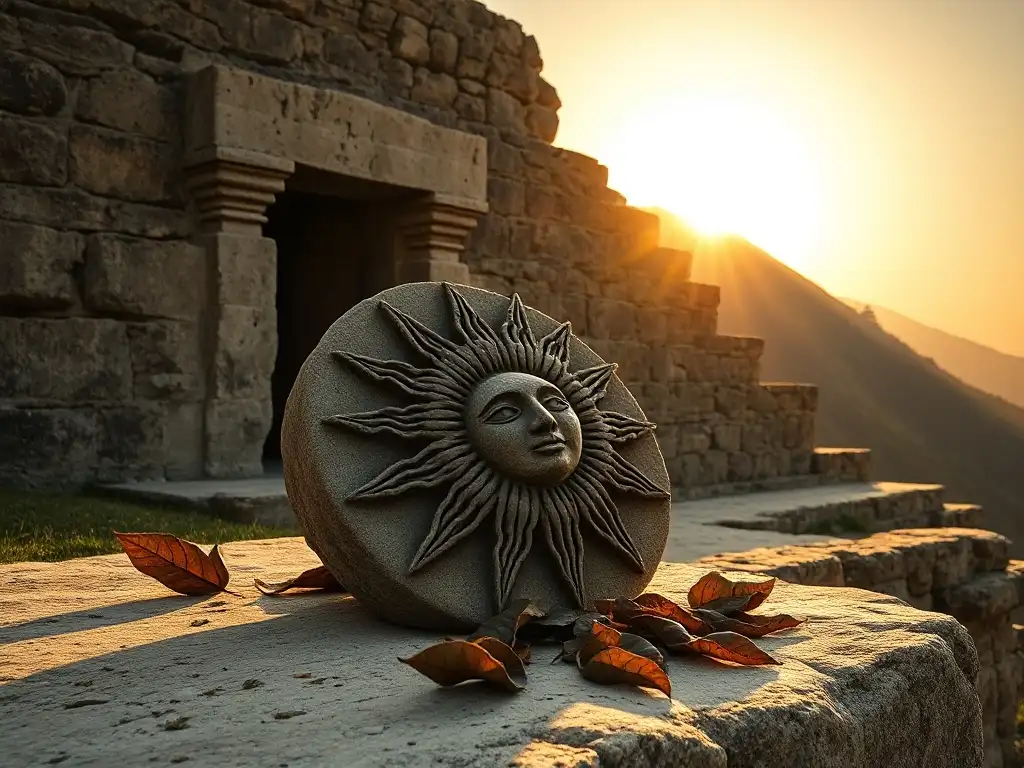
The Inca Empire's remarkable expansion and consolidation were inextricably linked to the profound religious influence of Inti, the Sun God. Inti wasn't merely a deity; he was the very foundation of Inca imperial authority, a powerful symbol used to legitimize rule, maintain social order, and justify military campaigns. This wasn't a case of religion passively coexisting with the state; rather, it was a deeply symbiotic relationship where religious beliefs actively shaped and reinforced political power.
The Inca emperors skillfully manipulated and utilized the cult of Inti to solidify their control over a vast and diverse empire. The intricate weaving of religious belief and political power is a key to understanding the Inca's remarkable success. Understanding the Inca Sun God's religious influence is crucial to grasping the empire's enduring legacy.
How Inca rulers used religious beliefs to reinforce their power.
Inca emperors presented themselves as direct descendants of Inti, thereby claiming divine right to rule. This carefully cultivated lineage wasn't just a claim; it was a meticulously maintained narrative, reinforced through elaborate rituals, monumental architecture, and carefully controlled dissemination of information. The Sapa Inca, the emperor, acted as Inti's representative on Earth, mediating between the divine and the human realm. This role provided immense authority, allowing the emperor to command unquestioning obedience and loyalty.
For instance, the construction of massive temples dedicated to Inti, such as the Coricancha in Cusco, served not only as places of worship but also as powerful symbols of imperial power. The sheer scale and magnificence of these structures visually demonstrated the emperor's wealth, power, and divine connection. The intricate gold and silver adornments further emphasized the emperor's closeness to the Sun God, reinforcing the idea of his sacred authority.
The elaborate ceremonies performed within these temples, involving sacrifices, processions, and intricate rituals, served to reinforce the emperor's divine mandate and strengthen the bond between the ruler and the ruled. These weren't merely religious acts; they were carefully orchestrated performances of power.
Moreover, the Inca state controlled the production and distribution of religious artifacts, ensuring that the cult of Inti remained a powerful tool of imperial propaganda. The carefully crafted narratives surrounding Inti, disseminated through oral traditions and religious instruction, cemented the emperor's authority and justified his actions. This control over religious narrative allowed for the suppression of dissenting voices and the maintenance of a unified imperial ideology centered around the Sun God.
The cult of Inti profoundly shaped the Inca social hierarchy, reinforcing the existing power structures and legitimizing social inequalities. The emperor, as Inti's representative, occupied the apex of this hierarchy, followed by the nobility (who often held significant religious roles), and then the commoners. This social order wasn't simply a matter of political organization; it was divinely ordained, reflecting the cosmic order as perceived by the Inca worldview.
The Inca nobility, often related to the royal family, held positions of religious authority, controlling access to temples, rituals, and sacred objects. This control over religious practices granted them significant political power and influence, reinforcing their privileged position within society. The commoners, in turn, were expected to demonstrate their loyalty and obedience to the emperor and the nobility through participation in religious festivals and offerings to Inti. This system ensured social stability and compliance, with religious belief providing a powerful justification for the existing social order.
The distribution of resources, such as land and labor, was also influenced by the cult of Inti. The most fertile lands and the most skilled laborers were often allocated to the production of goods for the emperor and the nobility, reflecting the religious importance of sustaining the royal family and the religious elite. This economic system, justified through religious belief, further solidified the power of the ruling class. The Inca Sun God’s religious influence was not merely spiritual; it was deeply embedded in the economic and social fabric of the empire.
Inti's influence on political decisions and warfare.
Inti's influence extended beyond social structures and into the realm of political decision-making and warfare. Military campaigns were often presented as divinely sanctioned acts, undertaken to expand Inti's dominion and bring more lands under his radiant influence. Before embarking on a war, Inca rulers would consult with priests and oracles to ensure that Inti favored their military endeavors. Victories were attributed to Inti's divine intervention, while defeats were seen as a sign of divine displeasure or a lack of proper religious observance.
The Inca calendar, intricately linked to the solar cycle and the movements of celestial bodies, played a crucial role in determining the timing of military campaigns and other important state activities. This close connection between the sacred and the secular ensured that political decisions were informed by religious considerations, further reinforcing the emperor's authority and the divine nature of Inca rule. Military success was not just a matter of strategy and tactics; it was a testament to the emperor's piety and his ability to maintain a harmonious relationship with Inti.
Furthermore, the spoils of war were often dedicated to Inti, further enriching the temples and reinforcing the link between military conquest and religious devotion. This cycle of conquest, tribute, and religious offerings solidified the emperor's power and reinforced the imperial ideology centered around the Sun God. The Inca Sun God's religious influence provided a powerful ideological justification for expansionist policies and ensured the loyalty of the conquered populations. The Inca Empire's military success was, in many ways, a direct consequence of this powerful synergy between religious belief and imperial ambition.
The legacy of Inti in Inca art, architecture, and culture
The Inca Sun God, Inti, permeated every facet of Inca life, leaving an indelible mark on their art, architecture, and overall cultural expression. His influence wasn't merely a matter of religious devotion; it was deeply intertwined with the legitimacy and power of the Sapa Inca, the emperor. The visual representation of Inti, often depicted as a radiant sun disc, became a powerful symbol of imperial authority and divine right to rule. This iconography was meticulously integrated into the very fabric of Inca society.
One striking example of Inti's pervasive presence is found in Inca architecture. The Coricancha, or Temple of the Sun, in Cusco, served as the most sacred site in the Inca empire. This temple, originally built from finely cut stone, was reportedly lavishly adorned with gold, further emphasizing Inti's immense importance.
The temple's orientation, its intricate design, and the choice of materials all spoke to Inti's centrality in the Inca worldview. Similar, though smaller, sun temples existed throughout the empire, signifying the emperor's reach and the unifying power of the sun god's worship. The precise architectural details, while not fully understood today due to the Spanish conquest’s destructive impact, point to a sophisticated understanding of astronomy and the sun's movements, underscoring the profound religious significance of solar observation and its connection to imperial power.
In Inca art, Inti's image was ubiquitous. Gold and silver, precious metals associated with the sun's brilliance, were frequently used to depict Inti in various forms – from simple sun discs to intricate representations incorporating human features. These depictions were not merely decorative; they served as powerful symbols of royal power and divine connection. Textiles, another important medium of Inca art, also featured Inti's iconography.
Elaborate weavings, often incorporating gold thread, displayed solar motifs, demonstrating the widespread reverence for the sun god across different social strata. These textiles, some of which have survived to this day, offer invaluable insights into the artistic expression of religious beliefs and their connection to the Inca imperial structure. The intricate detail and vibrant colors used in these textiles are a testament to the skill and artistry of Inca artisans and the profound spiritual significance they attributed to their work.
The Inca's cultural practices also bore the unmistakable imprint of Inti. The annual Inti Raymi festival, a grand celebration held during the solstice, was a central event in the Inca calendar. This festival, which involved elaborate rituals, sacrifices, and processions, served to reinforce the emperor's authority and reaffirm the divine connection between the Sapa Inca and the sun god.
The festival's scale and complexity underscored Inti's paramount role in Inca society and the state's ability to mobilize resources and manpower for religious purposes. The Inti Raymi festival served as a powerful tool for social control and the maintenance of imperial order, demonstrating the inextricable link between religious belief and political power in the Inca empire. The meticulous planning and execution of this festival also highlight the Inca's sophisticated organizational capabilities and their ability to coordinate large-scale events across vast distances.
The Decline of Inti's Influence
The Inca Sun God, Inti, held immense power and influence during the height of the Inca Empire. His worship permeated every aspect of Inca life, from agricultural practices to imperial governance. However, this profound religious influence wasn't impervious to change, and several factors contributed to its eventual decline.
Understanding this decline requires examining the interplay of internal pressures and external forces that ultimately reshaped the Andean religious landscape. The keyword phrase "Inca Sun God religious influence" is intrinsically linked to this narrative of rise and fall, highlighting the significant impact Inti had on the Inca civilization and its subsequent transformation.
The arrival of the Spanish and the imposition of Christianity
The Spanish conquest of the Inca Empire in the 16th century marked a turning point in the history of Inti worship. The Spanish, driven by a fervent desire to convert the indigenous population to Christianity, systematically suppressed Inca religious practices. The conquistadors viewed Inti and the Inca pantheon as obstacles to their missionary efforts.
This wasn't simply a matter of replacing one religion with another; it was a deliberate attempt to dismantle the very foundation of Inca imperial authority, which was inextricably linked to Inti's divine legitimacy. The destruction of Inca temples, the burning of sacred objects, and the execution of Inca priests were all part of a broader strategy to eradicate Inca religious beliefs and replace them with Catholicism.
The imposition of Christianity wasn't a gradual process; it was a forceful, often violent, imposition designed to break the cultural and spiritual backbone of the Inca Empire. This systematic destruction significantly weakened the influence of Inti and other Inca deities.
The suppression of Inca religious practices
The suppression of Inca religious practices went beyond the destruction of physical structures. The Spanish implemented policies aimed at eradicating traditional rituals, festivals, and beliefs. This included prohibiting the use of quipu (knotted cords used for record-keeping and possibly religious purposes), banning the performance of capac hucha (the Inca royal sacrifice ritual), and actively discouraging the veneration of Inti and other Inca gods.
The Spanish Crown saw these practices as heretical and a threat to their newly established colonial order. Furthermore, the introduction of new agricultural techniques and economic systems further marginalized traditional Inca practices associated with Inti's worship. The imposition of encomiendas (a system of forced labor) disrupted the traditional agricultural cycles and religious festivals integral to Inca society and the veneration of Inti.
The Spanish actively promoted the adoption of Christian holidays and practices, aiming for a complete cultural and religious transformation. The effectiveness of this suppression varied across different regions and communities, with some Inca traditions persisting despite the Spanish efforts. However, the overall effect was a significant decline in the overt practice of Inti worship.
The lasting impact of Inca Sun worship on Andean cultures
Despite the efforts of the Spanish to eradicate Inca religious traditions, the legacy of Inti and Inca sun worship remains palpable in Andean cultures. While overt displays of Inti worship were suppressed, elements of Inca religious beliefs and practices were subtly integrated into syncretic religious expressions. Many Andean communities blended aspects of Catholicism with pre-Columbian beliefs, creating hybrid religious practices that reflect a complex negotiation between the imposed Christian faith and the enduring spiritual traditions of the Andes.
This syncretism is evident in various forms, from the incorporation of Inca deities into Catholic saints' narratives to the continuation of certain Inca rituals adapted to fit within the framework of Christian celebrations. The enduring popularity of Inti Raymi, the Inca festival celebrating the winter solstice, is a testament to the persistent cultural memory of Inti and the resilience of Andean traditions. Even today, Inti's influence can be seen in the continued reverence for the sun and the mountains in Andean spiritual practices.
The enduring presence of these beliefs and practices demonstrates that the Spanish conquest, while profoundly impacting the expression of Inca religion, could not entirely erase the deep-rooted spiritual connection to Inti and the Andean cosmos. The study of this syncretism offers valuable insights into the processes of cultural adaptation and the powerful resilience of indigenous beliefs.
Syncretism between Inca and Catholic beliefs
The Spanish conquest didn't simply erase Inca religious practices; instead, a complex process of syncretism took place. The imposition of Catholicism didn't immediately dismantle the deeply ingrained beliefs in Inti and other Andean deities. Instead, a fascinating blend of indigenous and European religious elements emerged, reflecting the resilience of Inca spiritual traditions and the pragmatic adaptation of the conquered population. This syncretism manifested in various ways, often subtly woven into the fabric of daily life. For example, certain Catholic saints were associated with Inca deities, reflecting similar attributes or roles within their respective pantheons.
The Virgin Mary, for instance, sometimes took on aspects of the Mama Killa, the moon goddess, highlighting the shared feminine principle of nurturing and protection. Similarly, certain Catholic rituals and celebrations incorporated elements of pre-Columbian practices, blurring the lines between the two belief systems. This wasn't necessarily a conscious act of rebellion, but rather a survival mechanism, allowing the Inca people to maintain a connection to their ancestral beliefs while outwardly conforming to the new religious order imposed by the Spanish. The persistence of such syncretic practices underscores the enduring power of Inca religious traditions and their adaptation to the changing socio-political landscape.
The blending of Inti's legacy with Catholic imagery and practices created a unique religious landscape in the post-conquest Andes, a testament to the enduring cultural strength of the Inca people. Detailed studies of colonial-era religious artifacts and accounts from the time period reveal the intricate ways in which Inti's influence subtly persisted, even within the framework of the Catholic Church. The resilience of Inca religious beliefs in the face of forceful conversion highlights the profound impact of Inti and the Inca pantheon on the collective consciousness of the Andean population. This subtle subversion of imposed religious structures speaks volumes about the ingenuity and determination of the Inca people to preserve their cultural heritage.
Frequently Asked Questions
What was the significance of the sun god Inti in Inca religion?
Inti, the Inca sun god, was considered the most important deity in the Inca pantheon. He was believed to be the source of life and power, influencing all aspects of Inca society. His worship was central to Inca imperial authority.
The Inca emperor was considered a direct descendant of Inti, giving him divine legitimacy and authority. This divine connection strengthened the emperor's power and justified his rule over the vast empire. Religious rituals and ceremonies centered around Inti solidified this power structure.
What role did priests play in the Inca Sun God's religious influence?
The Willaq Umu, the highest-ranking priest, served as an intermediary between Inti and the Inca emperor, wielding significant political influence. Priests performed elaborate ceremonies and maintained temples dedicated to Inti. Their interpretations of omens and prophecies further strengthened the emperor's authority.
Were there any other deities besides Inti that held significant power in the Inca religion?
While Inti was supreme, the Inca pantheon included numerous other deities, such as the moon goddess Mama Killa, and fertility deities. However, Inti's central role in Inca cosmology and imperial authority remained unparalleled.
How did the worship of Inti manifest in Inca society?
Inca worship of Inti involved grand temples, elaborate ceremonies, and sacrificial offerings. These practices were integral to Inca life, reflecting Inti's pervasive influence on all aspects of society, from agriculture to warfare.
Final Reflection: The Enduring Legacy of Inti, the Inca Sun God
The worship of Inti, the Inca Sun God, wasn't merely a religious practice; it was the very bedrock of Inca imperial authority, a system whose echoes resonate even today. The intricate relationship between religious belief and political power in the Inca Empire offers a powerful lens through which to understand the complexities of state formation and the enduring influence of ideology on societal structures. This understanding is crucial in a world still grappling with the interplay of faith and power.
The Inca's sophisticated system of sun worship, interwoven with their agricultural practices and social hierarchy, continues to fascinate and inform our understanding of ancient civilizations. Its influence extends beyond historical analysis; it speaks to the universal human need for meaning and the potent role of belief systems in shaping societies. Religion is the sigh of the oppressed creature, the heart of a heartless world, and the soul of soulless conditions. It is the opium of the people.
- Karl Marx. While Marx's critique focuses on the potentially oppressive aspects of religion, the Inca example highlights the complex and multifaceted nature of this relationship, demonstrating how religious belief could both legitimize power and provide social cohesion.
Consider the enduring power of symbolism and the way in which narratives shape our understanding of the world. The Inca's reverence for Inti, their meticulous astronomical observations, and their elaborate ceremonies all speak to a deep-seated human desire to connect with something larger than ourselves.
You, the reader, are invited to reflect on the ways in which belief systems, both ancient and modern, continue to shape your own world and to consider the enduring power of shared narratives in building and maintaining social order. Let the legacy of Inti inspire you to explore the profound connections between faith, power, and the human experience.
Embrace the Power of the Inca Legacy!
Thank you for exploring the fascinating relationship between the Inca Empire and the Sun God, Inti. Your insights reveal the richness of Andean history. Let's build on this knowledge and continue your journey into this incredible culture.
- Delve deeper into Andean mythology, exploring the diverse pantheon of deities. Our site offers many related articles to enhance your understanding.
- Connect with fellow history enthusiasts by sharing your thoughts and discoveries on social media. Invite others to join the discussion and expand our community's understanding of Inca culture.
- Participate in or create a local cultural event celebrating Andean heritage. Become an active advocate for preserving this vibrant history.
What aspects of the Inca's relationship with their deities most resonate with you, and how might this influence your understanding of modern spirituality?