
Pikillacta: A PreInca City Conquered by the Incas

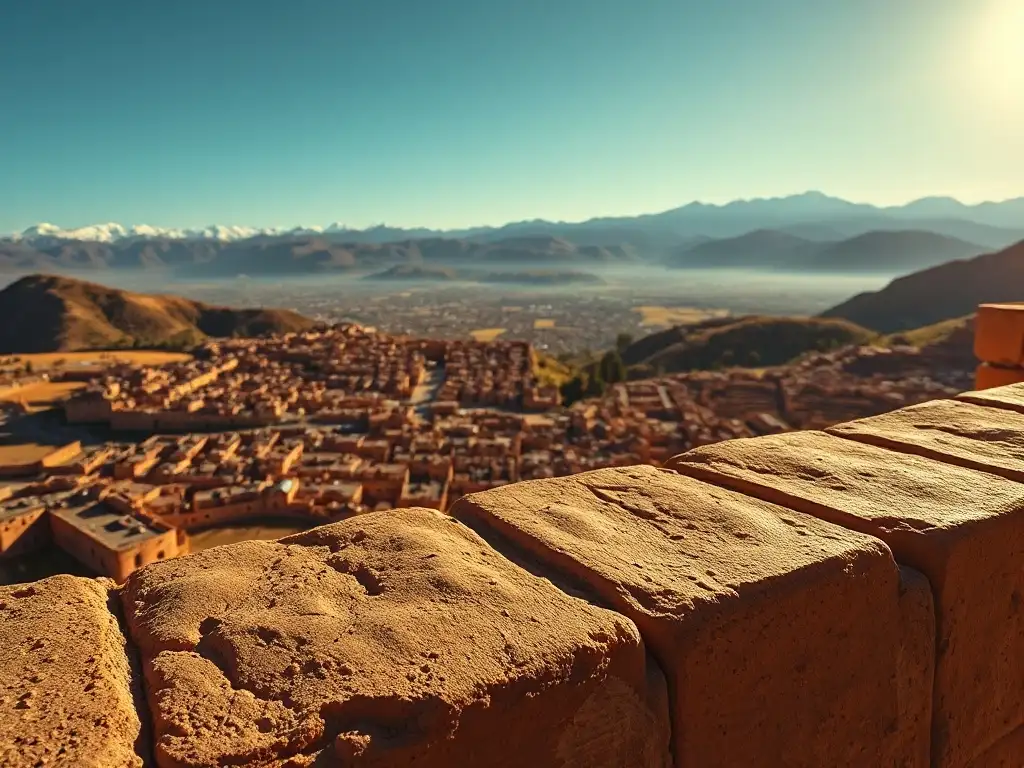
Dive into the enigmatic world of the Andes, where empires rose and fell, leaving behind a legacy of breathtaking artistry and sophisticated engineering. Forget everything you think you know about Inca cities. This journey begins with Pikillacta, a pre-Inca settlement whose captivating history reveals a surprising tale of conquest and adaptation within the Inca Empire. Uncover the secrets of this remarkable site and prepare to be amazed by the intricate story of its people and their enduring impact on the Andean landscape. Are you ready to explore?
-
Pikillacta: Unveiling the History of a Pre-Inca City and its Inca Conquest
- Introduction to Pikillacta: A Glimpse into Pre-Inca Andean Architecture
- The Origins of Pikillacta: Exploring the Wari Culture's Influence
- The Inca Arrival: Pikillacta's Transformation Under Inca Rule
- Pikillacta's Strategic Importance: Why the Incas Conquered This Site
- Pikillacta's Legacy: What Remains of the Pre-Inca and Inca City
- Pikillacta and the Broader Inca Empire: Its Significance in Andean History
- Conclusion: Reflecting on Pikillacta's Rich Pre-Inca and Inca Past
- Further Exploration: Resources for Learning More About Pikillacta
- Frequently Asked Questions
- Final Reflection: Echoes of Pikillacta in the Andes
- Unveil the Secrets of Pikillacta!
Pikillacta: Unveiling the History of a Pre-Inca City and its Inca Conquest
Pikillacta, meaning "flea city" in Quechua, stands as a compelling testament to the complex interplay between pre-Inca and Inca civilizations in the Andes. This remarkably preserved archaeological site, located near Cusco, Peru, offers a fascinating window into the architectural prowess and urban planning of the Wari culture and its subsequent incorporation into the expanding Inca Empire.
This article delves into the history of Pikillacta, exploring its origins, unique architectural features, and its eventual conquest and adaptation by the Inca, providing a deeper understanding of the "Pikillacta Inca city history" and its significance within the broader narrative of Andean civilization. We will examine the evidence suggesting a Wari origin, analyze the city's layout and construction techniques, and discuss how the Incas utilized and modified this pre-existing urban center to serve their own imperial purposes.
The story of Pikillacta is not just about stones and mortar; it's a narrative of cultural exchange, conquest, and the enduring legacy of Andean ingenuity.
Introduction to Pikillacta: A Glimpse into Pre-Inca Andean Architecture
Pikillacta is far more than just ruins; it's a meticulously planned urban center showcasing sophisticated pre-Inca architectural techniques. Unlike many other Andean sites characterized by monumental structures, Pikillacta stands out for its extensive network of residential buildings, storage facilities, and public spaces. The city's layout reveals a clear understanding of urban planning, with streets laid out in a grid pattern, a feature not commonly found in earlier Andean settlements.
The use of adobe brick, a testament to the Wari's mastery of building materials, is prevalent throughout the site. The remarkably preserved structures, despite centuries of weathering, allow researchers to piece together a detailed picture of daily life within this vibrant pre-Inca city.
The scale of the city itself is impressive, suggesting a significant population and a complex social organization. Further investigation into the city's intricate water management systems reveals an advanced understanding of hydraulic engineering, crucial for sustaining a large urban population in the challenging Andean environment.
The Origins of Pikillacta: Exploring the Wari Culture's Influence
The prevailing scholarly consensus attributes the construction of Pikillacta to the Wari Empire, a powerful Andean civilization that flourished between the 6th and 10th centuries CE. The architectural style, the use of adobe bricks, and the overall urban planning strongly suggest a Wari origin.
The Wari, known for their sophisticated administrative and military capabilities, established a vast empire across much of the central Andes. Pikillacta's strategic location, near major trade routes and agricultural lands, likely contributed to its selection as an important administrative center or perhaps even a military outpost within the Wari Empire. Further research continues to uncover more details about the city's role within the broader Wari political and economic landscape. Analyzing the artifacts unearthed at Pikillacta, including pottery and textiles, helps to solidify the link to the Wari culture and provides valuable insights into their daily life and cultural practices.
Pikillacta's Architectural Marvels: Wari Design and Urban Planning
The architecture of Pikillacta is characterized by its uniformity and functionality. Rows upon rows of rectangular adobe buildings, many with internal courtyards, suggest a planned residential area. The use of standardized brick sizes and the precise alignment of structures point to sophisticated construction techniques and centralized planning. The presence of large storage facilities indicates a well-organized system for managing resources.
The city's layout, with its orthogonal grid pattern of streets, contrasts sharply with the more organic layouts of earlier Andean settlements. This suggests a more centralized and hierarchical societal structure. Detailed analysis of the building materials and construction methods reveals a level of engineering skill that is remarkable for its time. The city's impressive water management system, including canals and reservoirs, further highlights the Wari's advanced understanding of hydraulic engineering.
The Wari Empire: Understanding the Context of Pikillacta's Construction
Understanding Pikillacta requires understanding the broader context of the Wari Empire. The Wari were master builders and administrators, creating a vast and complex empire through military conquest and political alliances. Their influence extended across a significant portion of the central Andes, leaving behind a legacy of impressive architectural achievements and sophisticated urban planning.
The construction of Pikillacta likely reflects the Wari's need for strategically located administrative centers and military outposts to control their expansive territory and manage resources. The city's size and complexity suggest a significant population and a well-organized social structure. Studying the Wari's political and economic systems helps to explain the purpose and function of Pikillacta within their empire.
The fall of the Wari Empire, while still a subject of scholarly debate, likely contributed to the city's eventual abandonment before its Inca occupation. Further research is needed to fully understand the circumstances surrounding the Wari's decline and the transition of Pikillacta to Inca control.
The Inca Arrival: Pikillacta's Transformation Under Inca Rule
The Inca conquest of Pikillacta marked a significant turning point in the city's history. Prior to Inca rule, Pikillacta flourished as a major Wari administrative center. However, the Inca arrival brought about significant changes, reflecting the Inca's imperial ambitions and their strategies for integrating conquered territories into their vast empire.
The Inca's arrival wasn't simply a military occupation; it was a calculated move to assert control and reshape the existing social and political landscape. This involved not only military dominance but also the implementation of Inca administrative structures, religious practices, and architectural styles. The Inca's sophisticated system of governance quickly integrated Pikillacta into their administrative network, transforming it from a Wari settlement into a vital component of the Inca Empire.
Evidence suggests a relatively peaceful transition, with the Inca likely incorporating existing Wari infrastructure and adapting it to their own needs. This strategy minimized disruption while ensuring effective control over the conquered population and resources. The integration was not a complete erasure of the Wari legacy; instead, it involved a process of adaptation and integration, with Inca elements superimposed upon the pre-existing Wari structures.
Inca Expansion and the Conquest of Pikillacta
The Inca expansion was a strategic and carefully planned process, not a series of haphazard military campaigns. The conquest of Pikillacta fits within this broader context of Inca imperial growth. The Incas, under their expansionist policies, systematically brought under their control vast swathes of territory, strategically choosing locations for their administrative and military outposts.
Pikillacta's strategic location, as we will see, made it an attractive target for Inca control. The specific timing of the Inca conquest of Pikillacta remains a subject of ongoing scholarly debate, but archaeological evidence suggests it occurred sometime during the late 15th century, aligning with the broader pattern of Inca expansion in the region. The Incas likely employed a combination of military force and diplomacy to subdue the population of Pikillacta, aiming for a smooth transition of power that minimized resistance and facilitated the integration of the city into the Inca Empire.
The process likely involved a blend of negotiation, coercion, and the eventual imposition of Inca authority. The absence of widespread destruction at the site suggests a relatively peaceful takeover, indicating that the Incas prioritized the incorporation of existing infrastructure and population rather than complete demolition and resettlement.
Pikillacta as an Inca Administrative Center: Adapting Wari Infrastructure
The Incas were masterful administrators, and their ability to effectively govern their vast empire relied on a sophisticated system of provincial administration. Pikillacta, with its pre-existing infrastructure, became a key component of this system. The Incas cleverly adapted the existing Wari structures to fit their administrative needs.
Instead of demolishing existing buildings, they often repurposed them, adding Inca architectural elements and features to create a blend of Wari and Inca styles. This adaptation is evident in the modifications made to existing buildings, the addition of new structures conforming to Inca architectural principles, and the implementation of Inca administrative practices. The Inca's ability to integrate existing infrastructure reduced construction costs and time, allowing them to focus resources on other aspects of governance and expansion.
The adaptation of Pikillacta demonstrates the Inca's pragmatism and efficiency in managing their empire. They didn't simply impose their will; they worked with what they had, modifying and adapting existing structures to suit their needs. This practical approach was crucial to the success of their imperial administration.
Pikillacta's Strategic Importance: Why the Incas Conquered This Site
Pikillacta's strategic importance is central to understanding why the Incas targeted this particular site for conquest. It wasn't a random choice; its location and resources made it a highly desirable addition to the Inca Empire. The city's strategic location provided excellent control over vital agricultural lands and trade routes.
The fertile lands surrounding Pikillacta ensured a reliable food supply, crucial for supporting the Inca administration and the surrounding population. Its proximity to important trade routes also facilitated the movement of goods and resources throughout the empire. The Incas recognized the value of controlling such a strategically important location, and its acquisition significantly enhanced their control over the region.
This strategic advantage ensured the flow of resources to the Inca center of power, further solidifying their grip on the surrounding territories. The conquest of Pikillacta was therefore not merely a military victory, but a key step in consolidating Inca power and securing their control over a vital region.
Controlling the Region: Pikillacta's Role in Inca Territorial Expansion
Pikillacta's conquest played a critical role in the Inca's broader strategy of territorial expansion. By controlling Pikillacta, the Incas effectively secured control over a significant portion of the surrounding region. The city served as a crucial administrative center, facilitating the governance of nearby territories and ensuring the efficient collection of tribute and resources. The Inca administration likely used Pikillacta as a base to extend their influence further into the surrounding area, gradually bringing more settlements under their control.
This strategic placement allowed for the effective monitoring and control of local populations and the suppression of potential rebellions. The city’s strategic position allowed for easy access to and control of several significant valleys, which were essential for agricultural production and resource extraction. This control over vital resources was fundamental to the Inca's ability to sustain their vast empire.
Pikillacta and the Inca Road System: Connecting the Empire
The Inca road system, a marvel of ancient engineering, played a crucial role in connecting the vast Inca Empire. Pikillacta's strategic location meant it was integrated into this extensive network. Its inclusion in the road system facilitated the efficient movement of troops, administrators, and goods throughout the empire. The roads provided vital communication links, allowing for rapid response to any threats or administrative needs within the region. The integration of Pikillacta into this network further solidified its importance as a key administrative center within the Inca Empire. The roads connected Pikillacta to other important Inca sites, creating a well-connected network that facilitated the smooth functioning of the empire. This integration into the broader Inca infrastructure highlights the city's crucial role in the empire's overall organization and control. The roads, therefore, weren't simply pathways; they were arteries of communication and control, directly linking Pikillacta to the heart of the Inca Empire.
Pikillacta's Legacy: What Remains of the Pre-Inca and Inca City
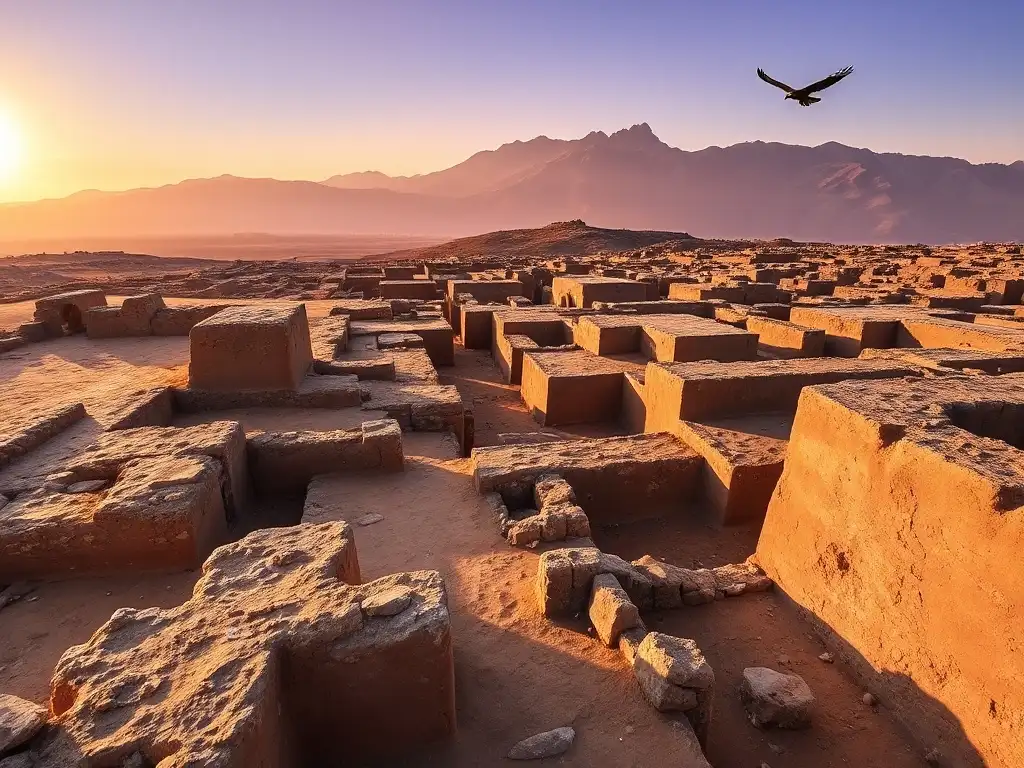
The archaeological site of Pikillacta offers a fascinating glimpse into the layered history of the Andes, showcasing both Pre-Inca and Inca influences. Today, visitors can explore the remarkably preserved remains of this once-thriving city. Stone structures, meticulously crafted walls, and the overall layout of the urban center provide tangible evidence of a sophisticated society.
The scale of the site is impressive, hinting at a significant population and a complex social organization. While much of the original organic material has decayed over the centuries, the enduring stone structures, particularly the characteristic Wari-style architecture, stand as testament to the city's past. The Inca additions, though less extensive than the Wari structures, are equally significant in understanding the Inca's methods of incorporating conquered territories into their empire.
The contrast between the two architectural styles is stark, yet both contribute to the rich tapestry of Pikillacta's history. Even the very landscape surrounding the ruins speaks to the city's enduring presence, a silent witness to centuries of Andean life. The careful arrangement of agricultural terraces speaks to the city's integration with its environment, showcasing the ingenuity of its inhabitants.
Archaeological Discoveries at Pikillacta: Unearthing the Past
Excavations at Pikillacta have yielded a wealth of information about the city's inhabitants and their way of life. Archaeologists have uncovered numerous artifacts, including pottery shards, tools, and remnants of daily life, providing valuable insights into the city's social structure, economic activities, and religious beliefs. The discovery of sophisticated irrigation systems underscores the importance of agriculture to the city's sustenance.
Analysis of the pottery styles reveals connections to other Andean cultures, highlighting the complex network of trade and interaction that existed in the region. Furthermore, the careful study of the architectural remains has allowed researchers to reconstruct aspects of the city's layout, revealing its planned urban design and its efficient organization of residential, administrative, and possibly religious zones.
Continuing research promises to further illuminate the details of Pikillacta's daily life and its place within the broader Andean context. Recent discoveries of specialized workshops within the city suggest a more complex division of labor than previously thought.
Comparing Wari and Inca Architecture at Pikillacta:
Pikillacta presents a unique opportunity to compare and contrast the architectural styles of two distinct Andean cultures: the Wari and the Inca. The Wari structures are characterized by their massive, rectangular buildings constructed from precisely cut stone blocks. These buildings often feature intricate doorways and window openings, showcasing the Wari's mastery of stonework.
In contrast, Inca additions to the city often employ a slightly different style, sometimes integrating existing Wari structures while adding their own distinctive elements. The Inca style tends to be more uniform, showcasing their penchant for standardization and control within their empire. The differences in construction techniques and architectural features reflect the distinct cultural identities and priorities of the two empires.
A careful comparison reveals not only the stylistic differences but also potentially reveals the Inca's approach to incorporating conquered territories – a blend of adaptation and imposition. The juxtaposition of these styles within a single site provides a powerful visual representation of the transition of power in the Andean region.
The Preservation of Pikillacta: Protecting a Historical Site
Preserving Pikillacta for future generations is a crucial task. Efforts are underway to protect the site from the elements and human interference. This includes stabilizing vulnerable structures, controlling erosion, and managing visitor access. The delicate balance between allowing public access for educational purposes and protecting the site's integrity is a constant challenge.
Ongoing research and conservation efforts are essential to ensure that this invaluable piece of Andean history remains accessible and well-preserved. The implementation of sustainable tourism practices is key to mitigating the negative impact of visitors. Furthermore, educating the public about the importance of protecting archaeological sites is crucial in fostering a sense of responsibility and stewardship. The long-term preservation of Pikillacta requires a multi-faceted approach involving archaeologists, historians, local communities, and government agencies working in collaboration.
Pikillacta and the Broader Inca Empire: Its Significance in Andean History
Pikillacta's Contribution to the Understanding of Inca History
Pikillacta plays a crucial role in our understanding of Inca expansion and imperial strategies. The site provides valuable insights into how the Inca integrated conquered territories into their vast empire. The presence of both Wari and Inca architecture demonstrates the Inca's pragmatic approach to incorporating existing infrastructure and adapting it to their own administrative needs. The study of Pikillacta helps to illuminate the Inca's administrative systems, their methods of resource management, and their approach to cultural assimilation.
The city's strategic location also sheds light on Inca logistical capabilities and their control over vital trade routes. Studying Pikillacta allows us to better understand the complex relationship between Inca power and the pre-existing societal structures within their empire. The site's history challenges simplistic narratives of conquest, revealing a more nuanced picture of cultural interaction and adaptation.
Pikillacta's Place Within the Chinchaysuyu Region
Pikillacta's location within the Chinchaysuyu, one of the four administrative divisions of the Inca Empire, is significant. Its strategic position along important trade routes and its proximity to other Inca administrative centers highlight its role in the empire's economic and political network. The city's function within the broader regional context is still being researched, but it's clear that it served as an important hub connecting different parts of the Chinchaysuyu.
Further research into its connections with other sites in the region will provide a more complete understanding of its role within the Inca administrative system and its contribution to the empire's overall strength and stability. Its proximity to other significant sites allows for comparative studies that enhance our knowledge of Inca urban planning and regional governance. The study of Pikillacta within its regional context is crucial to a holistic understanding of the Inca Empire's structure and influence.
Conclusion: Reflecting on Pikillacta's Rich Pre-Inca and Inca Past
Pikillacta stands as a compelling testament to the dynamic interplay between pre-Inca cultures and the expanding Inca Empire. Its sophisticated water management system, intricate architectural design, and evidence of a thriving community prior to Inca rule highlight the advanced societal structures that existed in the Andes long before the rise of the Inca. The Inca conquest, while leaving its mark on Pikillacta through modifications and additions, didn't entirely erase the pre-existing urban fabric.
Instead, it layered Inca influence onto a pre-existing foundation, demonstrating a pragmatic approach to incorporating conquered territories into their vast empire. Studying Pikillacta allows us to appreciate the complexity of Andean history, moving beyond a simplistic narrative of Inca dominance to recognize the rich and diverse tapestry of cultures that contributed to the region's development. The city's survival, albeit in a modified form, offers invaluable insights into both the ingenuity of the pre-Inca builders and the adaptive strategies employed by the Inca rulers.
The enduring legacy of Pikillacta serves as a powerful reminder of the continuous evolution of Andean societies and the lasting impact of their cultural achievements. Understanding Pikillacta's story enriches our comprehension of the "Pikillacta Inca city history" and the broader context of Inca expansion. The site's preservation is crucial for future generations to learn from this fascinating chapter in Andean history.
Further Exploration: Resources for Learning More About Pikillacta
For those eager to delve deeper into the fascinating history of Pikillacta, numerous avenues for further exploration exist. Academic journals often publish specialized articles on Andean archaeology and urban planning, offering detailed analyses of Pikillacta's architectural features and societal organization. These resources often provide in-depth information on the ongoing research and interpretations of the site's significance. Furthermore, museums dedicated to Andean cultures frequently host exhibits and collections featuring artifacts unearthed at Pikillacta, providing tangible connections to the city's past.
These artifacts can range from pottery and tools to architectural fragments, offering a glimpse into the daily lives of its inhabitants. Books focusing on Inca history and pre-Inca civilizations provide broader contexts for understanding Pikillacta's place within the larger narrative of Andean development. These publications often include detailed maps, photographs, and scholarly interpretations, enriching the learning experience.
Finally, guided tours of Pikillacta itself offer an immersive experience, allowing visitors to witness firsthand the grandeur of the site and gain a deeper appreciation for its historical significance. Engaging with these diverse resources will provide a more complete understanding of the "Pikillacta Inca city history" and its lasting impact. Remember to always seek out reputable sources and critically evaluate the information presented.
Frequently Asked Questions
What is Pikillacta?
Pikillacta is a pre-Inca city located near Cusco, Peru. It was later conquered and occupied by the Incas, who adapted and expanded upon existing structures. Its ruins offer a fascinating glimpse into Andean urban planning.
Who built Pikillacta originally?
The original builders of Pikillacta remain unknown, although archaeological evidence suggests it predates the Inca Empire. Several theories exist, pointing to possible involvement of different pre-Inca cultures. Further research is needed to definitively answer this question.
When was Pikillacta inhabited?
Pikillacta's occupation spanned centuries, with evidence suggesting habitation from the early centuries AD until the Inca conquest. The Inca period represents a significant phase of its history, however.
What makes Pikillacta significant historically?
Pikillacta is significant because it demonstrates the Inca's ability to adapt pre-existing structures for their own purposes. It also showcases their sophisticated urban planning and impressive engineering capabilities within a conquered city. It shows a blending of cultures.
How can I learn more about Pikillacta's Inca city history?
Visit the Pikillacta archaeological site near Cusco, Peru. You can also find information in academic journals, books, and online resources dedicated to Andean archaeology and Inca history. Museums in Cusco often feature exhibits about the site.
Final Reflection: Echoes of Pikillacta in the Andes
The meticulous planning and sophisticated irrigation systems of Pikillacta, a testament to Pre-Inca ingenuity, resonate powerfully with contemporary challenges of sustainable urban development. Understanding the city's strategic location and its eventual integration into the Inca empire offers crucial insights into the complexities of power, adaptation, and cultural exchange throughout Andean history. The story of Pikillacta is not merely a historical account; it's a living narrative that continues to shape our understanding of the region.
The enduring legacy of Pikillacta lies not just in its physical ruins, but in the cultural echoes that reverberate through the Andean landscape. Its story speaks to the constant negotiation between different societies, the blending of traditions, and the resilience of human communities in the face of conquest and change. As we contemplate the sophisticated agricultural practices employed at Pikillacta, we are reminded of the importance of respecting and learning from the wisdom of past civilizations. The past is never dead. It's not even past.
- William Faulkner. This quote perfectly encapsulates the ongoing relevance of understanding Pikillacta's history within the broader context of Andean civilization.
Consider the ingenuity of the Pre-Inca builders, their understanding of their environment, and the lasting impact of their city. Now, consider your own community, your own relationship with the land, and the challenges facing your society. What lessons can we glean from Pikillacta's story to build more sustainable, resilient, and culturally rich communities for the future? Let the echoes of this remarkable city inspire you to explore your own connection to history and to actively participate in shaping a better tomorrow.
Unveil the Secrets of Pikillacta!
Thank you for exploring the fascinating history of Pikillacta! Your interest in this Pre-Inca city reveals a deep appreciation for its rich cultural heritage and the significant influence of the Inca Empire. Let's delve even deeper!
Here are some suggestions to further immerse yourself in Pikillacta's legacy:
- **Plan a visit** to Pikillacta to experience its historical significance firsthand. The ruins are waiting to be discovered!
- Connect with fellow enthusiasts by joining local archaeology groups or online forums dedicated to Andean civilizations. Sharing insights will enrich your understanding.
- Expand your knowledge by researching related Pre-Inca cultures, such as the Wari or Tiwanaku, to uncover even more historical treasures.
We'd love to hear your thoughts: **What aspect of Pikillacta intrigues you most, and how are you planning to explore it further? **