
Inca Political Strategies: Alliances and Diplomacy

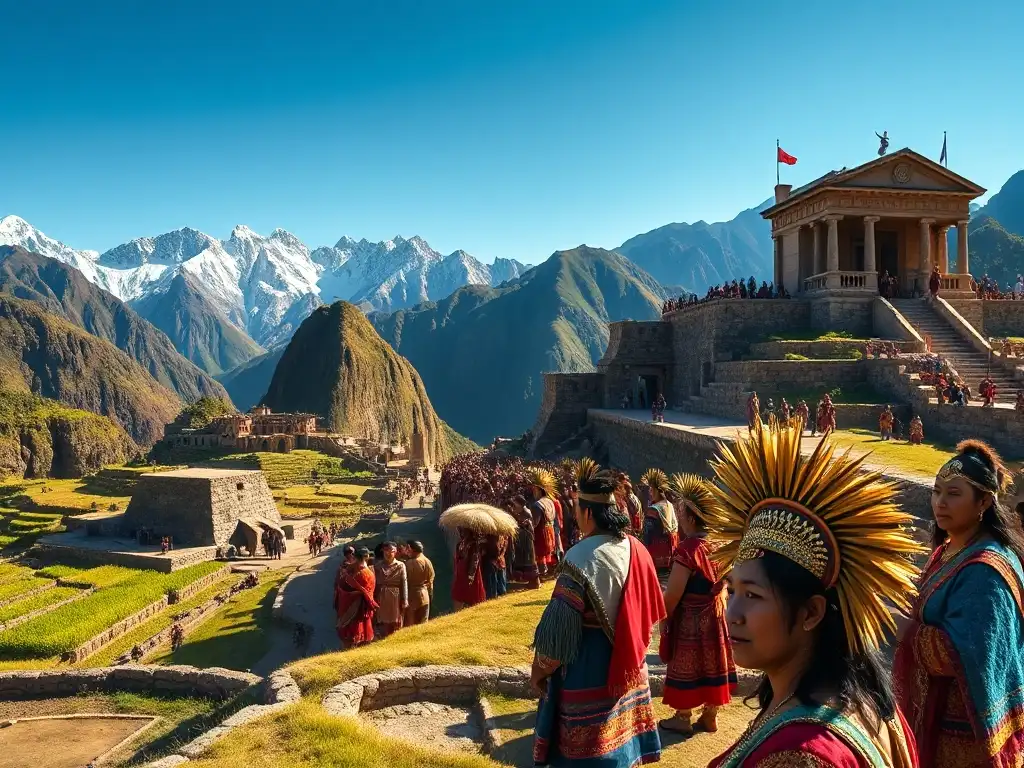
Step into a world lost to time, yet echoing with the power and intrigue of the Andes. Prepare to uncover the secrets behind the remarkable rise of the Inca Empire, a civilization whose influence still resonates today. This journey begins with a deep dive into Inca empire political alliances, exploring the intricate web of diplomacy and strategic partnerships that forged an empire spanning a vast and challenging landscape. Discover how these alliances shaped their destiny – and what ultimately led to their fall. Dare to unravel the mysteries that lie ahead…
The Inca Empire, renowned for its impressive infrastructure and sophisticated social organization, didn't achieve its vast territorial reach solely through military conquest. A crucial component of Inca expansion and consolidation was their shrewd application of political strategies, particularly the skillful forging of alliances and diplomatic agreements.
This article delves into the intricate web of political alliances that underpinned the Inca Empire's growth, examining how strategic partnerships, marital unions, and carefully negotiated treaties contributed to the empire's remarkable success. We will explore the pre-Inca political landscape, the crucial role of marriage in Inca diplomacy, and the specific agreements that secured the Empire's borders and facilitated its expansion.
Understanding these political strategies provides a more nuanced perspective on the Inca Empire's rise to power, moving beyond a simplistic narrative of mere military dominance. The effective use of "Inca empire political alliances" was key to their success, a testament to their sophisticated understanding of power dynamics and political maneuvering.
The Foundation of Inca Power: Understanding Political Expansion
The Inca Empire's expansion wasn't a haphazard process. It was a carefully planned and executed strategy built upon a foundation of carefully cultivated relationships. The Incas understood that brute force alone wouldn't secure long-term stability. Instead, they implemented a multi-pronged approach that combined military strength with sophisticated diplomacy and the strategic use of alliances.
This approach allowed them to integrate conquered territories more effectively, minimizing resistance and maximizing resource acquisition. The success of this strategy is evident in the vastness of the empire at its peak, stretching across a diverse geographical area and encompassing a multitude of distinct ethnic groups. This wasn't merely territorial expansion; it was the creation of a complex, interconnected political system. The Incas cleverly used a system of rewards and punishments to maintain control and ensure the loyalty of their allies.
Inca Empire's Expansion Through Strategic Alliances
The Inca Empire's expansion was significantly facilitated by a network of strategic alliances. These weren't simply agreements of convenience; they were carefully constructed relationships based on mutual benefit and, often, carefully balanced power dynamics. The Incas skillfully negotiated treaties with neighboring chiefdoms, offering various incentives such as protection from external threats, access to resources, or prestigious positions within the imperial administration.
In return, these allied groups provided military support, manpower, and access to vital trade routes. This symbiotic relationship was key to the empire's ability to swiftly expand its territory while simultaneously maintaining internal stability. The system was not without its challenges, however, requiring constant negotiation and adaptation to evolving political landscapes.
Pre-Inca Political Landscape and the Need for Coalitions
Before the Inca's rise to dominance, the Andean region was a patchwork of independent and often warring chiefdoms. This fragmented political landscape presented both challenges and opportunities for the Inca. The existing power structures and rivalries provided fertile ground for the Incas to maneuver and forge alliances.
By skillfully identifying and exploiting existing tensions and conflicts, the Incas could secure alliances with some chiefdoms against others, steadily expanding their influence and consolidating their power. This understanding of the pre-Inca political dynamics was crucial to their success. Detailed records of these pre-existing relationships, while scarce, highlight the Incas' astute political maneuvering.
The Role of Marriage Alliances in Inca Diplomacy
Marriage played a significant role in Inca diplomacy. Royal marriages, in particular, were powerful tools used to solidify alliances and extend Inca influence. By marrying Inca royalty to members of allied chiefdoms' ruling families, the Incas created strong political bonds that went beyond simple agreements.
These marital alliances created a network of kinship ties that reinforced political loyalty and facilitated the smooth integration of conquered territories. The offspring of these unions often held powerful positions within the empire, further solidifying the alliance and ensuring the continued cooperation of allied groups. This strategy minimized resistance and fostered a sense of shared identity.
Strategic Agreements and Treaties with Neighboring Chiefdoms
The Incas formalized many of their alliances through carefully negotiated treaties. These agreements often involved detailed stipulations regarding resource sharing, military cooperation, and the responsibilities of allied chiefdoms within the imperial structure. These treaties were not merely written documents; they represented a complex interplay of power, obligation, and mutual benefit. The Incas meticulously documented these agreements, ensuring their terms were clearly understood and enforced.
The enforcement of these treaties, however, required a delicate balance between maintaining loyalty and preventing rebellion. The system required constant vigilance and skillful negotiation to maintain the stability of the empire. The specifics of these agreements often depended on the unique circumstances of each alliance.
Inca Diplomacy: Negotiating Power and Control
Inca diplomacy, far from being a passive pursuit, was a sophisticated and multifaceted instrument wielded to expand and consolidate the empire. The Inca, recognizing the strategic importance of alliances, developed a complex system of negotiation, leveraging a combination of military might, economic incentives, and cultural exchange to secure their dominance.
This wasn't simply about brute force; it was a calculated approach to minimizing resistance and maximizing cooperation, ensuring the long-term stability of their vast realm. The empire’s success hinged on its ability to forge alliances, not just through conquest, but through carefully cultivated relationships built on mutual benefit – or at least, the perception of mutual benefit.
The Inca understood that a truly powerful empire required more than just military prowess; it demanded astute political maneuvering and a deep understanding of human dynamics. This nuanced approach allowed them to incorporate diverse groups into the Inca system, often with surprisingly little bloodshed, compared to other empires of the time.
Inca Envoys and Their Diplomatic Missions
Highly trained envoys played a crucial role in Inca diplomacy. These individuals, often chosen for their eloquence, wisdom, and understanding of different cultures, acted as intermediaries between the Inca emperor and potential allies or conquered populations. Their missions involved more than simple communication; they were meticulously planned endeavors designed to assess the political landscape, gauge the strength of potential adversaries, and negotiate favorable terms.
Envoys would often carry gifts, meticulously chosen to impress and show the Inca's generosity and power, while simultaneously gathering intelligence about the recipient’s resources and capabilities. Their reports provided invaluable insights which helped the Inca leadership make informed decisions about future alliances or military campaigns. The success of an Inca diplomatic mission was judged not simply on the immediate outcome, but on its long-term impact on the stability and loyalty of the newly integrated population.
Gifts and Reciprocity as Tools of Inca Diplomacy
The Inca system of reciprocity was a powerful tool for securing alliances and ensuring loyalty. Gifts, ranging from textiles and precious metals to llamas and agricultural produce, were strategically distributed to solidify alliances and cement relationships. These weren't simply acts of generosity; they were carefully calibrated displays of power and influence, designed to foster dependence and cultivate a sense of obligation. The Inca understood that reciprocity, far from being a one-way street, created a web of interconnectedness that bound different groups to the empire.
The act of receiving a gift implied an obligation to reciprocate, creating a cycle of mutual dependence that served to reinforce Inca dominance. This system effectively neutralized potential threats and ensured the continued loyalty of allied groups. The scale and nature of the gifts were carefully considered, reflecting the importance of the recipient and the strategic goals of the Inca.
The Use of Religious and Cultural Integration in Alliance Building
Religious and cultural integration was a key component of Inca diplomatic strategy. The Inca skillfully incorporated the religious beliefs and practices of conquered peoples into the existing Inca pantheon, often syncretizing local deities with Inca gods. This demonstrated tolerance and understanding, fostering a sense of inclusion rather than oppression. By integrating local religious traditions, the Inca avoided direct conflict and instead fostered a sense of shared identity, strengthening their control over the population.
The Inca also promoted the use of Quechua, the Inca language, alongside local languages, facilitating communication and cultural exchange. This strategy helped to create a unified cultural identity, while still allowing for the preservation of local customs. This approach, far from being a form of cultural imperialism, was a pragmatic strategy to secure political control and build lasting alliances.
Consolidating Power: Integrating Conquered Territories
The integration of conquered territories was a complex process that demanded a multifaceted approach. The Inca didn’t simply impose their will; they developed sophisticated strategies to incorporate new populations into the empire, minimizing resistance and maximizing cooperation. This process involved a blend of military might, economic incentives, and cultural assimilation, all working in concert to ensure the stability and longevity of their rule. The goal was not just conquest, but the creation of a cohesive and loyal empire.
The System of Mitma and its Impact on Political Control
The mit'a system, a form of labor tax, played a significant role in the Inca's strategy for consolidating power. It involved relocating populations from different regions within the empire, creating a network of interconnected communities that were less likely to rebel. This system served multiple purposes: it provided a readily available workforce for public works projects, it diluted potential pockets of resistance by dispersing populations, and it fostered a sense of shared identity among diverse groups.
The mit'a was not simply forced labor; it was a carefully managed system that promoted integration and strengthened the empire's control over its vast territories. The effectiveness of mit'a lay in its ability to both exploit resources and foster a degree of social cohesion across diverse populations.
Inca Governors and the Administration of Allied Regions
Inca governors, known as tukuy rikuq, were crucial in the administration of newly conquered territories. These officials were responsible for overseeing the implementation of Inca laws, collecting taxes, and maintaining order. They were often chosen from among the Inca nobility, or from loyal members of conquered groups. This strategy ensured that the governors were both loyal to the emperor and understood the local customs and traditions.
Their role was not just to enforce Inca rule, but also to act as mediators between the Inca administration and the local populations. Successful governors were able to maintain stability, collect taxes effectively, and ensure the loyalty of the people under their jurisdiction. Their success contributed significantly to the overall stability and prosperity of the Inca Empire.
The Imposition of Inca Law and Language
The Inca Empire was characterized by its relatively unified legal system and the widespread use of Quechua, the Inca language. While local customs were often tolerated, the imposition of Inca law and language served as a powerful tool for consolidating power and creating a sense of shared identity. The standardization of legal codes ensured a degree of consistency across the empire, reducing conflicts and promoting a sense of order.
The promotion of Quechua, while not always enforced rigidly, facilitated communication and administration, contributing to the overall integration of diverse populations into the empire. This strategy, while potentially disruptive, ultimately contributed to the stability and efficiency of Inca governance. The careful balance between imposing central authority and respecting local traditions was a crucial element in the success of Inca political strategy.
Case Studies of Inca Political Alliances
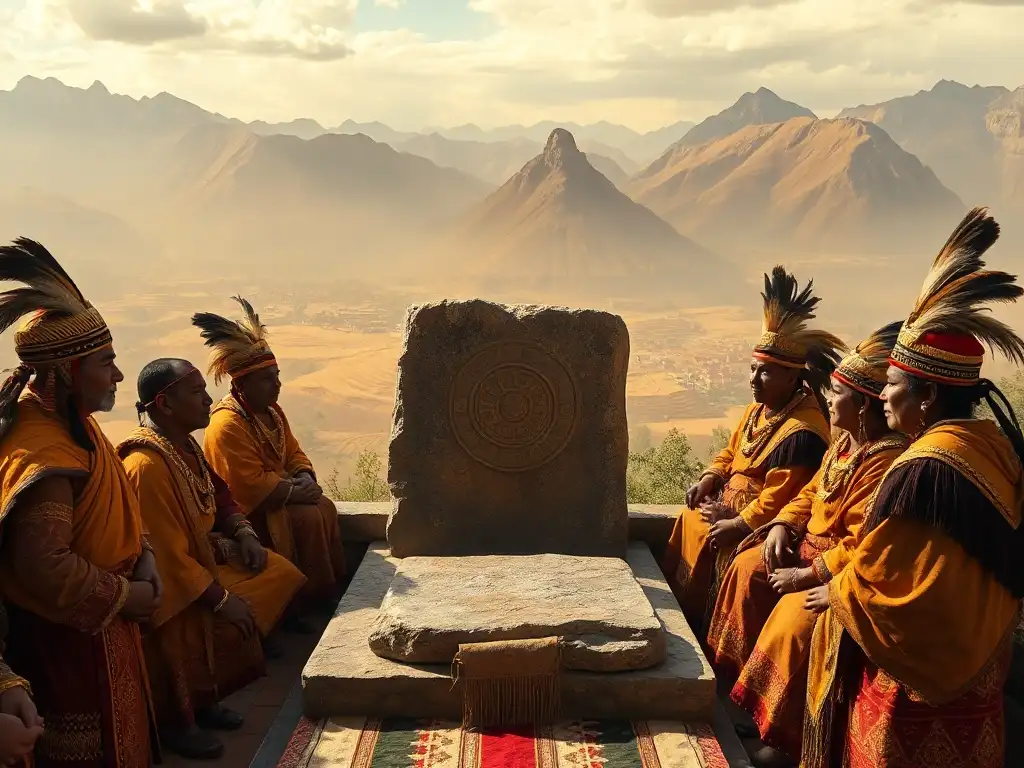
The Inca Empire's remarkable expansion wasn't solely due to military might; shrewd political alliances and sophisticated diplomacy played a crucial role. The Inca leadership understood the power of strategic partnerships, leveraging them to secure resources, expand their territory, and minimize conflict. This approach, a blend of coercion and cooperation, allowed them to integrate diverse populations and build a vast, interconnected empire.
The effectiveness of these alliances varied, however, depending on factors like the existing power dynamics, the cultural compatibility of the allied groups, and the commitment of the Inca leadership. Analyzing specific cases illuminates the complexities of Inca political strategies and their impact on the empire's trajectory.
The Alliance with the Lupaca and its Significance
The alliance forged with the Lupaca, a powerful group inhabiting the shores of Lake Titicaca, exemplifies the Inca's pragmatic approach to diplomacy. The Lupaca controlled vital resources and strategic territory, making them a valuable partner. The Inca, rather than engaging in costly warfare, likely offered a combination of economic incentives, political privileges, and perhaps even the promise of protection from external threats.
This alliance provided the Inca with access to essential resources like fish and textiles, and importantly, a stable southern flank, facilitating further expansion into other regions. The successful integration of the Lupaca demonstrates the Inca’s ability to negotiate favorable terms with powerful neighboring states, solidifying their control over a critical area of the empire. The lasting nature of this alliance suggests a level of mutual benefit and respect, avoiding the pitfalls of outright conquest.
The Negotiation with the Chimor and its Outcomes
The interaction between the Inca and the Chimor kingdom, a powerful coastal civilization, presents a different facet of Inca political strategy. Unlike the Lupaca alliance, the Inca's engagement with the Chimor involved a more complex interplay of negotiation and ultimately, conquest. While initial attempts at diplomatic engagement may have occurred, the inherent power imbalance and conflicting interests likely led to protracted conflict.
The Inca’s superior military organization and their effective use of propaganda and psychological warfare eventually led to the Chimor's downfall. The outcomes highlight the Inca's willingness to resort to military force when diplomatic solutions proved insufficient, showcasing a pragmatic approach that prioritized imperial expansion above all else. The incorporation of Chimor territories and resources significantly boosted the Inca Empire's economic power and expanded its influence along the coast.
Analyzing a Failed Alliance with the Cañari and its Consequences
Not all Inca alliances were successful. The case of the Cañari, a fiercely independent group inhabiting the mountainous region of southern Ecuador, illustrates the limitations of Inca diplomatic strategies. The Cañari's resistance to Inca domination proved formidable, leading to protracted warfare and a significant loss of Inca lives. The Inca’s attempts at negotiation and co-option were met with staunch resistance, highlighting the limits of their persuasive power in the face of determined opposition.
While the Inca eventually subdued the Cañari, the prolonged conflict diverted resources and manpower, demonstrating the costs associated with failed diplomatic endeavors. This case underscores the importance of understanding local dynamics and the limitations of imposing a centralized political structure on culturally diverse populations. The high cost of conquering the Cañari serves as a cautionary tale within the broader context of Inca expansion, illustrating that not all groups were amenable to Inca rule.
The Legacy of Inca Political Strategies
The Inca Empire's sophisticated approach to political alliances and diplomacy left a lasting impact on the Andean region and beyond. Their strategies, a blend of negotiation, coercion, and integration, shaped the political landscape for centuries to come. Examining their successes and failures provides valuable insights into the complexities of empire building and the enduring power of political strategy.
The Impact of Alliances on the Inca Empire's Longevity
The network of alliances forged by the Inca significantly contributed to the empire's remarkable longevity. By integrating diverse populations and securing access to vital resources, the Inca minimized internal conflict and strengthened their overall position. The strategic partnerships fostered stability, allowing for the development of infrastructure, agriculture, and a complex social organization. However, the very nature of these alliances, often based on unequal power dynamics, also laid the groundwork for future tensions and challenges. The reliance on alliances, while beneficial in the short term, might have also hindered the development of a truly unified political consciousness within the empire.
Lessons Learned from Inca Diplomatic Practices
The Inca experience offers valuable lessons for understanding the dynamics of power, diplomacy, and empire building. Their strategies highlight the importance of understanding local contexts, the limitations of coercive power, and the need for a flexible approach to political engagement. The Inca’s success in forging some alliances and their failures in others underscore the critical role of cultural sensitivity, strategic planning, and the ability to adapt to changing circumstances. The Inca legacy serves as a reminder that effective political strategies require a nuanced understanding of both power and diplomacy, demonstrating the complexities of empire management.
The Influence of Inca Political Strategies on Later Andean Societies
The impact of Inca political strategies extended far beyond the empire's collapse. The organizational structures, administrative practices, and diplomatic approaches developed by the Inca influenced subsequent Andean societies. The legacy of Inca political thinking is evident in the strategies employed by later Andean states and kingdoms, demonstrating the enduring power of their political innovations.
The Inca’s emphasis on integration, infrastructure development, and centralized control shaped the political and social landscape of the Andes for centuries, leaving an indelible mark on the region's history. Even today, certain aspects of Inca political thought and practice continue to resonate in the Andean world.
Challenges and Limitations of Inca Alliances
The Inca empire, despite its impressive expansion, faced significant challenges in maintaining its vast network of political alliances. The sheer size and diversity of the conquered territories presented logistical and administrative hurdles. Effective communication across the mountainous terrain was difficult, leading to delays in responding to rebellions or addressing grievances. The Inca system of mit'a, while effective for labor mobilization, could also generate resentment and resistance if not managed carefully.
Furthermore, the Inca's imposition of their culture and religion, while intended to unify the empire, often clashed with deeply ingrained local traditions and beliefs, creating fertile ground for dissent. This cultural imposition, combined with the demands of tribute and labor, frequently strained relations with allied groups, even those who initially welcomed Inca rule. The complexities of managing a multi-ethnic empire with diverse social structures were a constant challenge for Inca administrators.
Rebellions and Resistance Against Inca Rule
Numerous rebellions erupted throughout the Inca empire, demonstrating the inherent fragility of their political alliances. These uprisings weren't always large-scale wars, but rather smaller, localized conflicts fueled by resentment towards Inca rule. The Chanka rebellion, for instance, though eventually subdued, highlighted the limitations of Inca military might and the persistent threat of internal resistance.
The constant need to quell rebellions diverted resources from other crucial aspects of governance and empire-building, emphasizing the significant cost of maintaining control through force, even within supposedly allied territories. The effectiveness of Inca political alliances was fundamentally undermined by the persistent threat of violent resistance, a constant reminder of the tenuous nature of their power. The frequency of these uprisings underscores the fact that Inca control was often superficial, relying on a delicate balance of power and coercion rather than genuine loyalty.
The Fragility of Political Agreements
Inca political agreements, often sealed through marriages and the exchange of gifts, were not always reliable. The shifting alliances between different ethnic groups within the empire meant that loyalties were frequently fluid and subject to change based on perceived advantage. The death of a key leader or a change in political dynamics could quickly unravel carefully constructed alliances, leading to conflicts and instability.
The Inca strategy of integrating conquered elites into their administrative system, while intended to secure loyalty, also presented risks. These elites often retained their own power bases and could use their influence to undermine Inca authority, particularly if they felt their interests were not being served. The inherent instability of political relationships within the empire underscores the limitations of Inca political strategies in creating lasting peace and stability.
The Limits of Diplomacy in the Face of Conquest
While Inca diplomacy played a crucial role in expanding the empire, it was ultimately limited by the empire's inherently expansionist nature. The Inca's emphasis on conquest and the extraction of resources often overshadowed diplomatic efforts to secure peaceful alliances. The threat of military force, though sometimes implicit, loomed large over negotiations, making it difficult to forge genuinely cooperative relationships based on mutual respect.
While the Inca certainly employed diplomatic strategies, including the strategic placement of loyal governors and the use of propaganda, these efforts were often secondary to the goal of territorial expansion. The inherent tension between diplomacy and conquest fundamentally undermined the long-term stability of Inca alliances. The desire for more land and resources often overshadowed the delicate balance required for maintaining lasting political partnerships.
Conclusion: The Complexities of Inca Political Alliances
The Inca empire's success was undeniably linked to its ability to forge and maintain political alliances. However, these alliances were far from straightforward. Challenges like rebellions, the fragility of agreements, and the inherent limitations of diplomacy in the face of conquest constantly threatened the empire's stability. Analyzing Inca political strategies reveals a complex interplay of coercion, negotiation, and cultural adaptation.
Understanding the intricacies of these alliances is crucial to grasping the full complexity of the Inca empire's rise and fall, and how the management – or mismanagement – of these alliances shaped its history and ultimately its fate. The Inca empire’s story serves as a compelling case study in the challenges of managing a vast, diverse empire through a combination of military power and political maneuvering. The careful balance between diplomacy and conquest was a constant struggle, highlighting the inherent complexities of building and maintaining a powerful, multi-ethnic state.
- The Foundation of Inca Power: Understanding Political Expansion
- Inca Empire's Expansion Through Strategic Alliances
- Inca Diplomacy: Negotiating Power and Control
- Consolidating Power: Integrating Conquered Territories
- Case Studies of Inca Political Alliances
- The Legacy of Inca Political Strategies
- Challenges and Limitations of Inca Alliances
- Conclusion: The Complexities of Inca Political Alliances
- How did the Inca Empire maintain control over such a vast territory?
- What role did marriage play in Inca political strategies?
- What were some common methods the Inca used to forge alliances?
- How did the Inca deal with rebellious groups within their empire?
- Besides military might, what other factors contributed to the Inca Empire's success?
Frequently Asked Questions
How did the Inca Empire maintain control over such a vast territory?
The Inca Empire relied heavily on a sophisticated system of political alliances and diplomacy. They strategically integrated conquered groups through a combination of military might and carefully negotiated alliances, often incorporating local elites into the imperial structure.
What role did marriage play in Inca political strategies?
Royal marriages were crucial for solidifying alliances and expanding Inca influence. Marrying into powerful families within conquered territories legitimized Inca rule and fostered loyalty among local populations.
What were some common methods the Inca used to forge alliances?
The Inca employed a variety of methods, including intermarriage, the granting of privileges and resources, and the strategic placement of loyal governors in conquered regions to maintain control and foster cooperation.
How did the Inca deal with rebellious groups within their empire?
While alliances were preferred, the Inca also employed military force to quell rebellions. However, they often attempted to integrate rebellious groups back into the empire through a combination of punishment and carefully crafted offers of political reconciliation.
Besides military might, what other factors contributed to the Inca Empire's success?
The Inca's success stemmed from a combination of factors including effective administration, advanced infrastructure, and a highly developed system of communication and transportation. Their ability to forge and maintain alliances was also key to their dominance.
Final Reflection: The Enduring Legacy of Inca Diplomacy
The sophisticated political strategies employed by the Inca Empire remain remarkably relevant today. Understanding their mastery of alliances and diplomacy offers crucial insights into effective governance, conflict resolution, and the enduring power of strategic partnerships in a globalized world. The Inca's success wasn't solely based on military might, but on a carefully constructed web of alliances that fostered stability and expansion across a vast and diverse landscape.
The Inca's approach to diplomacy, emphasizing reciprocity and cultural exchange alongside political maneuvering, continues to resonate in modern international relations. Their ability to integrate conquered populations through a system of alliances and carefully managed power-sharing offers a compelling counterpoint to purely coercive models of empire building. The Inca Empire was not built on conquest alone, but on a complex system of alliances and diplomacy that allowed for the peaceful integration of diverse cultures.
This quote highlights the nuanced approach the Inca took, a lesson that modern societies could benefit from in navigating increasingly complex global challenges.
Consider the impact of the Inca's strategies on your own life. How can you apply the principles of strategic alliance-building and diplomatic negotiation to your personal and professional relationships? Think about how fostering collaboration and understanding, rather than relying solely on competition, can lead to more fulfilling and successful outcomes. Embrace the Inca legacy of diplomacy – build bridges, not walls, and discover the power of collaboration in shaping a more peaceful and prosperous future.
Uncover the Power of Diplomacy in Inca Culture!
Thank you for exploring the fascinating world of Inca political strategies! Your interest in their alliances and diplomatic approaches reveals a keen understanding of how these ancient civilizations managed complex relationships and governance. Let's build on this and explore how these insights can enrich your own life.
Here are some ways to engage further with the rich history of the Inca:
- **Join a local history group or book club** focused on ancient civilizations to share your knowledge and learn from others.
- **Explore online resources and documentaries** to delve deeper into the Inca Empire's sophisticated diplomatic tactics.
- Share your insights with friends, family, or on social media – you might spark a fascinating discussion about historical alliances and their relevance today!
As you reflect on the strategies that shaped the Inca Empire, consider this: **How can the principles of Inca diplomacy inform your approach to relationships and projects in the modern world? **