
Quipu: The Inca's Unique System of Record Keeping


Welcome to Andean Civilizations, where the echoes of a lost world whisper tales of ingenuity and power. Prepare to be captivated by the intricate tapestry of Andean history, culture, and artistry. But first, imagine a world without written words... a world where knowledge was meticulously woven into strings. Discover the secrets of the Inca quipu record-keeping system, a marvel of ancient technology that challenges our understanding of information management. Unravel the mysteries of this unique system and journey through the fascinating world of the Inca Empire. Explore now and unlock the past!
- The Inca Quipu: An Advanced Record Keeping System
- The Components of the Inca Quipu Record Keeping System
- The Purpose and Functionality of the Inca Quipu
- The Role of the Quipucamayocs: Inca Record Keepers
- Deciphering the Inca Quipu: Challenges and Discoveries
- The Legacy of the Inca Quipu in Andean Culture
- Frequently Asked Questions
- Final Reflection: Unraveling the Threads of Inca Knowledge
- Unveil the Secrets of Quipu and Take Action!
The Inca Quipu: An Advanced Record Keeping System
The Inca Empire, a vast and complex civilization spanning the Andes Mountains, achieved remarkable feats of engineering, agriculture, and social organization. Unlike many other ancient societies, the Inca lacked a written language in the conventional sense. However, their sophisticated administrative and economic system relied heavily on a unique method of record keeping: the quipu.
This intricate system of knotted strings, far from being a simple mnemonic device, served as a powerful tool for storing and transmitting vast quantities of information, reflecting the Inca's advanced understanding of numerical concepts and data management. This article delves into the fascinating world of the Inca quipu, exploring its structure, function, and significance within the context of the Inca Empire's expansion and consolidation. Understanding the quipu provides crucial insight into the administrative prowess and organizational capabilities that enabled the Inca to govern such a large and diverse population.
We will examine not only the physical construction of these knotted records but also the potential methods used to interpret the encoded information they contained. The Inca quipu record keeping system remains a testament to the ingenuity and complexity of this remarkable civilization.
Understanding the Inca Empire's Need for Record Keeping
The Inca Empire's success hinged on its efficient administration of resources and population across a geographically diverse and challenging landscape. Managing vast agricultural production, intricate road networks, and a complex tribute system demanded a robust record-keeping system. The Inca Empire encompassed millions of subjects spread across a territory encompassing modern-day Peru, Bolivia, Ecuador, parts of Chile and Argentina.
This immense geographical reach necessitated a sophisticated method for tracking population numbers, agricultural yields, tax obligations, and the movement of goods and people. The absence of a written alphabet made the development of a unique system of record keeping all the more critical. Without such a system, effective governance, resource allocation, and communication across vast distances would have been nearly impossible.
The sheer scale of the Inca empire's logistical challenges highlights the importance and ingenuity of the quipu system. The precision required for managing such a large empire underscores the advanced nature of Inca record-keeping.
What is a Quipu? Exploring the Inca Knot System
A quipu is a complex system of knotted cords made of various materials, primarily cotton and llama wool. These cords, varying in color, thickness, and length, are intricately knotted to represent numerical data and potentially other forms of information. The system is not merely a collection of random knots; instead, it follows a highly structured format. A main cord, often thicker and longer, acts as the base, with thinner cords branching off to represent different categories of information.
The position and type of knots on these cords – including simple knots, figure-eight knots, and more complex arrangements – were key to encoding information. While the precise methods of deciphering quipus remain a subject of ongoing research and debate amongst scholars, it's clear that the system was capable of representing large numbers, tracking complex data sets, and potentially conveying information beyond simple numerical values. The quipu's sophistication extended beyond simple counting; the system may have encoded information about events, genealogies, or even narrative accounts, although the interpretation of such symbolic information remains a challenge for modern researchers.
The variety of knots and the arrangement of cords suggest a level of complexity that belies the simplicity of the materials used. The creation of a quipu required specialized knowledge and skill, suggesting a dedicated class of quipu makers within Inca society. Further research and analysis of existing quipus are crucial to unlock the full potential of this remarkable system, providing a deeper understanding of Inca thought and administrative practices.
The Components of the Inca Quipu Record Keeping System

The Inca quipu record-keeping system, a marvel of pre-Columbian technology, wasn't simply a collection of knotted strings. It was a sophisticated system with specific components working together to convey complex information. Understanding these components is crucial to appreciating the Inca's advanced methods of data management and their significant contribution to Andean civilization. This section delves into the intricacies of the quipu's construction, revealing the ingenuity behind this unique record-keeping system, often referred to as the "Inca quipu record keeping system."
The Main Cord: Foundation of the Quipu
The main cord, or huayruro, served as the backbone of the entire quipu. Typically made from natural fibers like cotton or llama wool, its length varied depending on the amount of information it needed to record. This central cord wasn't just a structural element; its color could also carry meaning, potentially indicating the general topic or theme of the recorded data. For instance, a red main cord might signify census data, while a yellow one could represent agricultural yields.
The thickness of the main cord could also be significant, potentially correlating to the overall importance or scale of the recorded information. Further research is needed to fully understand the nuances of main cord variations and their potential implications on the interpretation of the quipu's data. [Specific information pending on the correlation between main cord thickness and data importance].
Secondary Cords: Representing Data Categories
Attached to the main cord were numerous secondary cords, or cuentas. These secondary cords branched off from the main cord, acting as sub-categories within the broader theme represented by the main cord. Each secondary cord would then contain knots representing specific numerical values within its particular category.
The color of these secondary cords was also significant, likely encoding different types of data. For example, within a quipu recording census data (red main cord), a secondary cord might be colored blue to represent the number of men in a specific village, and another green to represent the number of women. The arrangement and the number of secondary cords provided a hierarchical structure, allowing for the organization and categorization of a vast amount of information.
This sophisticated system allowed Inca record keepers to manage complex data sets with remarkable efficiency. Consider this example: a quipu tracking livestock might use one color for llamas, another for alpacas, and yet another for sheep, all hanging from the main cord.
Knot Types and Their Numerical Values in the Quipu
The intricate knotting system itself was the key to encoding numerical information within the quipu. Different types of knots represented different numerical values. While the exact system of numerical representation is still under investigation, researchers have identified several key knot types. These include simple knots, representing units; figure-eight knots, potentially representing tens; and more complex knot combinations representing higher values.
The position of the knots along the cord also played a role, with knots closer to the main cord potentially representing higher-order values, similar to a place-value system. The precise meaning of each knot type and their arrangement in the Inca quipu record keeping system continues to be a subject of ongoing research. Understanding this intricate system is essential to deciphering the wealth of information encoded within these remarkable artifacts. Below is a simplified representation of potential knot values, though further research is required for a complete understanding:
| Knot Type | Potential Numerical Value | Notes |
|---|---|---|
| Simple Knot | 1 | Basic unit of counting |
| Figure-Eight Knot | 10 | Possible representation of a higher unit |
| Long Knot | 100 | [Specific information pending] |
| Complex Knots | Variable | Combination of knots for larger numbers |
The Inca quipu record keeping system, with its main cord, secondary cords, and complex knot typology, represents a sophisticated and efficient method of data management. Its enduring legacy as a unique system of record keeping highlights the intellectual achievements of the Inca civilization. 🧮
The Use of Colors in Inca Quipu Data Encoding
The vibrant hues of the Inca quipu weren't merely decorative; they played a crucial role in encoding information. Archaeological evidence suggests that different colors represented distinct categories or values within the numerical data. For instance, red might signify military records, while yellow could denote agricultural yields or perhaps religious events. The specific meaning of each color likely varied regionally or even between different quipu makers, adding a layer of complexity to deciphering these ancient records.
Unfortunately, a comprehensive color code hasn't been definitively cracked, leaving room for ongoing research and interpretation. The subtle variations in shades and the potential use of color combinations further complicate this aspect of quipu study, highlighting the sophisticated nature of the Inca's record-keeping system. Researchers continue to analyze surviving quipu strands, comparing color usage across different specimens to identify potential patterns and develop a more complete understanding of this intricate encoding system. The challenge lies not just in identifying the colors themselves but also in understanding the cultural context that informed their use.
This requires a multidisciplinary approach, combining archaeological findings with anthropological insights into Inca societal structures and beliefs. The complexity of the color system underscores the sophisticated nature of Inca record-keeping and its remarkable ability to store and retrieve information. Future discoveries and advanced analysis techniques may shed more light on the intricate relationship between color and meaning in Inca quipu.
The Purpose and Functionality of the Inca Quipu

The Inca quipu record-keeping system, a complex and sophisticated method utilizing knotted strings, served far more purposes than simply counting. While numerical data was certainly recorded, the quipu's functionality extended to a wide range of administrative, economic, and potentially even narrative applications. Understanding the Inca quipu requires moving beyond a simplistic view of it as a mere counting device and appreciating its role as a vital tool for managing a vast and diverse empire.
The intricate system of knots, colors, and string arrangements allowed for the encoding of a remarkable amount of information, the full extent of which is still being deciphered by researchers today. This system was crucial for the Inca's ability to effectively govern their expansive territory and manage their complex social and economic structures.
The sophistication of the Inca quipu is a testament to their advanced understanding of data management and information processing. The system's resilience and effectiveness over centuries underscores its importance within the Inca's administrative apparatus.
Quipu: More Than Just Numbers - Recording Statistical Information
The Inca quipu wasn't limited to simple numerical representation. While the size and placement of knots undoubtedly conveyed numerical values – likely using a base-10 system – the color of the strings and their arrangement within the overall quipu added layers of meaning. Researchers believe that different colors represented different categories of data, such as agricultural yields, population counts, or even specific types of goods.
For example, a red string might signify maize production, while a blue string could represent llama herds. This color-coding system allowed for a sophisticated organization of data, enabling quick and efficient retrieval of specific information. The placement of the strings, their length, and the type of knots used further enhanced the system’s complexity and capacity for information storage.
Evidence suggests that specific knot types might have represented different units of measurement or even qualitative descriptors, adding another level of nuance to the information encoded on each quipu. The intricate interplay of these elements enabled the Inca to record and manage vast amounts of statistical information crucial for the empire's functioning. Further research is needed to fully understand the intricacies of this complex system, but current understanding points to a highly developed method of data representation exceeding simple numerical accounting.
Using Quipus for Accounting and Taxation in the Inca Empire
The Inca Empire's impressive administrative capabilities relied heavily on the quipu for managing its complex economic system. The empire's mita system, a form of labor taxation, required meticulous record-keeping to track the contributions of different communities and ensure equitable distribution of resources. Quipus were instrumental in this process.
They provided a means to record the amount of labor contributed by each community, the type of work performed, and the goods or services rendered. This allowed the Inca administration to efficiently allocate resources and ensure that the mita system operated fairly, minimizing potential conflicts and ensuring the continuous flow of essential goods and services to the empire's centers of power. The quipus acted as a detailed ledger, meticulously tracking transactions and ensuring accountability throughout the empire.
The system's accuracy was vital for managing the vast resources and labor force required to maintain the Inca Empire's infrastructure, including its extensive road network, monumental architecture, and agricultural production. The efficiency of the Inca’s accounting system, facilitated by the quipu, highlights the advanced nature of their administrative practices.
The Quipu as a Tool for Census and Population Management
Beyond economic management, the Inca quipu played a crucial role in population management. Regular censuses were conducted throughout the empire, providing vital data on population size, demographics, and resource allocation. The quipu served as the primary tool for recording this information, allowing the Inca administration to efficiently track population growth, migration patterns, and the distribution of people across various regions.
This data was essential for planning resource distribution, organizing labor, and responding to challenges such as famine or disease. The accuracy and detail of the census data, as recorded on quipus, allowed for effective resource allocation and ensured the stability of the Inca Empire. The sophisticated use of quipus for census taking demonstrates the Inca's advanced understanding of population dynamics and their capacity for effective governance.
The integration of census data with other information recorded on quipus, such as agricultural yields and labor contributions, allowed for a holistic view of the empire's resources and capabilities, enabling informed decision-making at the highest levels of government. This intricate system of record-keeping stands as a testament to the Inca's organizational prowess and their mastery of data management within their vast and complex empire.
Quipu Use in Tracking Goods and Resources
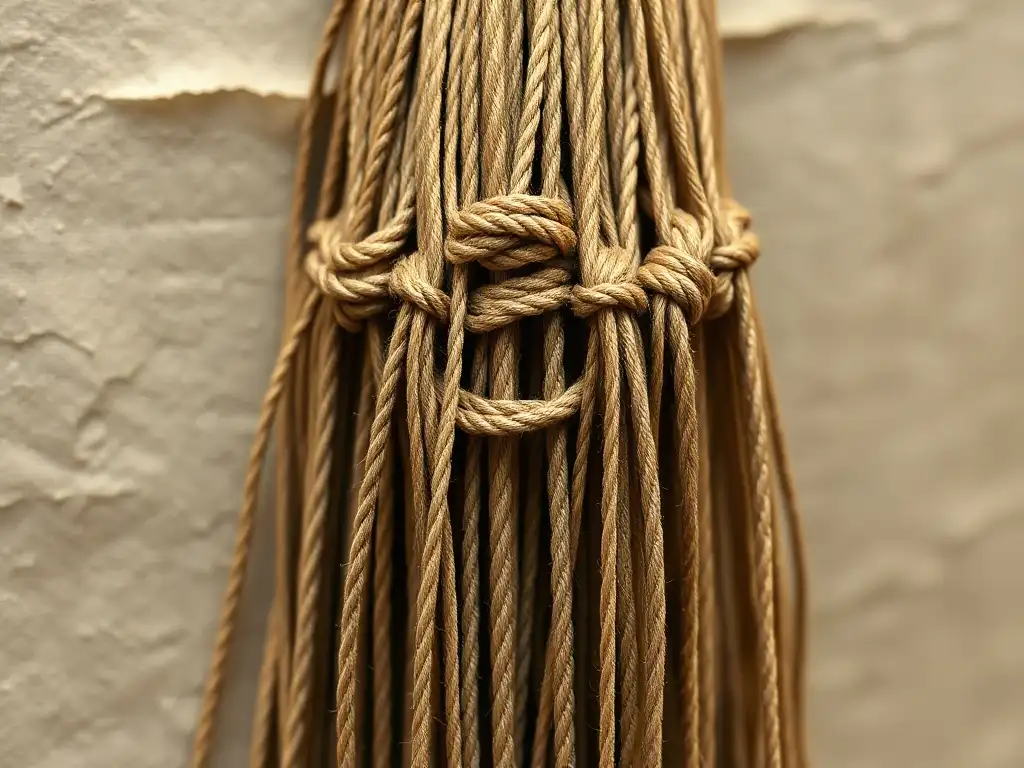
The Inca quipu's role in managing the vast empire's resources was paramount. The intricate system of knotted strings allowed for precise accounting of goods, livestock, and agricultural yields across the diverse and geographically challenging terrain of the Inca empire. Each knot, color, and string position represented specific quantities and types of items. For example, a red string might represent llama wool, with the number of knots indicating the total amount collected from a particular region.
Different colors likely represented different types of goods, allowing for a comprehensive inventory system. This meticulous record-keeping was crucial for effective resource allocation, ensuring that sufficient supplies reached various parts of the empire, particularly during times of need or during large-scale construction projects like those seen in Machu Picchu. The ability to track goods in this manner was essential for the Inca's success in managing their vast, complex economy. Without the quipu, the Inca's logistical feats would have been significantly more challenging to achieve.
The system's efficiency allowed for equitable distribution of resources, contributing to social stability and minimizing potential conflicts over scarce goods. Researchers studying surviving quipu examples are still uncovering the full extent of their use in resource management, revealing increasingly sophisticated aspects of the Inca's economic administration. This detailed inventory system, capable of tracking vast quantities of diverse goods, is a testament to the sophistication of the Inca’s organizational capabilities and their understanding of complex data management.
Historical Records and Narrative Uses of the Inca Quipu
While the quipu’s practical applications in resource management are well-documented, evidence suggests a more nuanced use extending beyond simple accounting. Scholars believe that the Inca used quipu to record historical events, lineages, and even narratives. The complex arrangement of knots, colors, and string lengths likely encoded information beyond mere numerical data. The potential for storing complex narratives is supported by the discovery of quipu with significantly more intricate knot patterns than those used for simple accounting.
Some researchers suggest that different colors might have represented different characters or events within a story, while the arrangement and types of knots might have conveyed grammatical structures or temporal sequences. The interpretation of these potentially narrative quipu remains a challenge, as the Inca did not leave behind a written language that could directly translate their meaning. However, ongoing research, combining analysis of surviving quipu with ethnographic studies of similar record-keeping systems in other indigenous cultures, is slowly uncovering clues to understanding these potentially rich historical records.
The possibility that the Inca used quipu to preserve and transmit their history, traditions, and cultural knowledge significantly expands our understanding of this remarkable system. It suggests a level of sophistication in information management that extends far beyond simple accounting, transforming the quipu from a mere tool for resource management into a vital instrument for cultural preservation and transmission of the Inca's unique history and traditions. The potential for uncovering more detailed historical narratives encoded within the quipu presents a fascinating avenue for future research into Inca culture and history.
The Role of the Quipucamayocs: Inca Record Keepers

The Inca quipu record keeping system wouldn't have functioned without its skilled practitioners: the quipucamayocs. These individuals weren't simply knot-tiers; they were highly trained specialists responsible for creating, interpreting, and maintaining the intricate knotted strings that formed the backbone of Inca record-keeping. Their role was crucial in the administration, organization, and ultimately, the success of the vast Inca Empire.
The very fabric of Inca society, from agricultural yields to military campaigns, was woven into the threads of the quipu, making the quipucamayocs vital figures within the Inca bureaucracy. Understanding their role is key to comprehending the sophisticated nature of the Inca quipu record keeping system.
Training and Responsibilities of the Inca Quipucamayocs
Becoming a quipucamayoc was not a matter of simple apprenticeship. Evidence suggests a rigorous training process, likely involving years of dedicated study under experienced masters. Aspiring quipucamayocs would have needed to master complex mathematical concepts, a deep understanding of Inca administrative structures, and an exceptional memory to retain the vast amounts of information encoded within the quipu. Their responsibilities extended beyond mere knot-tying. They were responsible for:
- Data Collection: Gathering information from across the empire, including census data, agricultural yields, tax records, and military movements.
- Quipu Creation: Designing and constructing the quipu, carefully selecting the colors, types of string, and knotting techniques to represent specific data.
- Data Interpretation: Reading and interpreting the information encoded in existing quipu, translating the knotted records into meaningful information for Inca officials.
- Data Archiving: Maintaining and preserving the quipu, ensuring the accuracy and longevity of the records.
- Data Transmission: Communicating information through the quipu system, relaying crucial data between different parts of the vast empire.
The precision and accuracy demanded of a quipucamayoc highlight the sophisticated nature of the Inca quipu record keeping system, far exceeding a simple mnemonic device. Their expertise was essential for the smooth functioning of the Inca state.
The Importance of Quipucamayocs in Inca Administration
The quipucamayocs played a pivotal role in the Inca administrative system. Their knowledge and skills were essential for effective governance across the vast and diverse empire. They provided crucial data for:
- Resource Management: Tracking agricultural production, allowing for efficient distribution of resources and preventing famines.
- Tax Collection: Recording tax payments and ensuring the equitable distribution of burdens across different regions.
- Census Taking: Maintaining accurate population counts, aiding in the mobilization of labor for public works projects.
- Military Operations: Recording troop movements, supplies, and battle outcomes, facilitating strategic planning and effective military campaigns.
- Tribute Management: Keeping track of tributes received from conquered territories, ensuring fair distribution among the Inca elite.
The meticulous record-keeping enabled by the quipucamayocs allowed the Inca to efficiently manage their vast empire, demonstrating a sophisticated understanding of administration and logistics far beyond what many contemporary societies possessed. Without the quipucamayocs and their quipu, the Inca empire's administrative efficiency would have been severely hampered.
Given their crucial role, quipucamayocs held a position of considerable social status and significance within Inca society. They weren't simply scribes; they were highly respected members of the elite, often enjoying privileges and influence commensurate with their expertise. Their specialized knowledge was considered invaluable, making them key players in the political and economic life of the empire.
While precise details about their social standing are limited by the lack of extensive written records, their presence in official contexts and the complexity of their training suggest a relatively high social standing. They likely interacted directly with high-ranking officials, advising them on critical matters based on the information encoded in the quipu. The quipucamayocs represent a fascinating example of a specialized profession within the Inca empire, highlighting the sophisticated and complex social structures that underpinned the Inca civilization's success.
Their legacy stands as a testament to the importance of specialized knowledge and its impact on a society's ability to thrive and grow. The detailed study of the Inca quipu record keeping system, therefore, must always include the crucial role of the quipucamayocs.
Deciphering the Inca Quipu: Challenges and Discoveries

The Inca quipu record-keeping system, a complex network of knotted strings, presents a significant challenge to modern researchers. Unlike written languages, quipus utilize a system of knots, colors, and string arrangements to convey information. This presents several hurdles in understanding their meaning. The lack of a Rosetta Stone-like artifact, a parallel text in another language that would help decipher the quipu system, significantly hampers progress.
Furthermore, the Incas' sophisticated record-keeping system likely employed different conventions across different regions and time periods, increasing the complexity of interpretation. The sheer number of surviving quipus also poses a problem; there are thousands of these artifacts, requiring extensive time and resources to catalog and analyze thoroughly. Many are incomplete or damaged, further complicating the process of deciphering their meaning. The Inca quipu record keeping system, while undeniably ingenious, remains largely a mystery due to these inherent difficulties.
Challenges in Understanding the Inca Knot System
One of the major challenges in deciphering Inca quipus lies in understanding the precise meaning of the knots themselves. The size, type (e.g., simple, figure-eight, clove hitch), and placement of knots are all believed to be significant. However, the exact numerical or symbolic value of these variations is still debated among researchers. Some scholars propose a purely numerical system, where different knot types represent different quantities.
Others suggest a more complex system incorporating symbolic meanings associated with colors and the overall structure of the quipu. For example, the color red might represent a specific type of agricultural product, while a certain knot type might indicate a quantity or unit of measurement. The absence of a standardized key or lexicon adds considerable difficulty to this process.
The intricacy of the knot-work itself can also be extremely challenging, requiring specialized training and expertise to accurately record and analyze. Even with modern technology, precisely documenting the complexities of each knot and its relationship to others remains a labor-intensive task. The variability in knotting techniques across different regions and time periods adds another layer of complexity to the challenge.
Current Research and Advances in Quipu Decipherment
Despite the challenges, significant progress has been made in recent decades in understanding the Inca quipu record keeping system. Researchers are employing advanced techniques, including digital imaging and 3D modeling, to create high-resolution records of these intricate artifacts. This allows for a more detailed and precise analysis of the knots and their spatial relationships.
Furthermore, statistical methods are being utilized to identify patterns and regularities in the data, helping to discern potential numerical or symbolic systems. Ethnohistorical research, examining accounts left by Spanish chroniclers and other sources, is also providing valuable context and clues. By comparing these accounts with the physical evidence of the quipus themselves, researchers are gradually piecing together a more complete understanding of their function and meaning.
Cross-referencing data from multiple quipus is also proving fruitful, revealing potential connections and recurring patterns. The ongoing collaboration between archaeologists, anthropologists, mathematicians, and computer scientists is crucial to this interdisciplinary effort. The development of specialized software and databases is also significantly aiding the process of analysis and comparison.
The Ongoing Quest to Unlock the Secrets of Inca Quipus
The Inca quipu record keeping system remains a captivating enigma, a testament to the ingenuity and sophisticated organization of the Inca civilization. While much remains unknown, ongoing research continues to shed light on this unique form of record-keeping. The quest to fully decipher the quipus is a long-term endeavor, requiring patience, perseverance, and innovative approaches.
The potential rewards, however, are enormous. A complete understanding of the quipu system would not only provide invaluable insights into the Inca worldview, social structure, and economic practices but also offer a unique perspective on the history of record-keeping and information management. This would significantly enhance our knowledge of the Inca Empire and ancient Andean civilizations as a whole.
The ongoing dedication of researchers worldwide is a testament to the enduring fascination with this enigmatic system and its potential to reveal further secrets of the Inca past. The future of quipu research likely involves leveraging advanced technologies and interdisciplinary collaborations to unlock the remaining mysteries of this remarkable Inca legacy. The complete unraveling of this sophisticated system promises to enrich our understanding of this remarkable civilization and its enduring impact.
The Legacy of the Inca Quipu in Andean Culture
The Inca quipu record keeping system, a complex network of knotted strings, continues to resonate within Andean culture, even centuries after the Spanish conquest. Its legacy extends beyond mere historical significance; it remains a potent symbol of Inca ingenuity and a source of ongoing fascination and research. While the precise meanings of many quipus remain elusive, their enduring presence in Andean identity is undeniable.
The system’s intricate nature and the sheer volume of information potentially encoded within each quipu highlight the sophisticated administrative and record-keeping capabilities of the Inca Empire. This sophisticated system allowed for efficient management of resources, taxation, and population records across a vast and diverse empire.
The legacy of the quipu is not only about deciphering its secrets but also about understanding its profound impact on the development of Andean societies and their enduring connection to their past. The continued interest in quipus demonstrates a deep cultural memory and a desire to reconnect with a rich and complex heritage.
The Quipu's Influence on Modern Andean Communities
The Inca quipu's influence on modern Andean communities is subtle yet pervasive. While not directly used for record-keeping in the same way as during the Inca Empire, the quipu's symbolism persists in various forms. Many Andean communities continue to use knotted strings in various rituals and crafts, echoing the ancient practice. These uses often hold symbolic meaning, representing lineage, community ties, or even spiritual connections.
For example, some communities use knotted strings in ceremonies related to harvests or ancestral veneration. The visual aesthetics of the quipu – the vibrant colors and intricate knotting patterns – have also inspired contemporary Andean art. Artists incorporate quipu-inspired designs into textiles, ceramics, and other crafts, keeping the visual legacy of the Inca record-keeping system alive.
Furthermore, the renewed scholarly interest in quipus has also fostered a sense of pride and cultural reclamation within Andean communities. The ongoing efforts to decipher and understand the quipus are seen as a way to reconnect with their ancestral past and to reclaim a significant part of their cultural identity. This renewed interest has even led to the development of educational initiatives aimed at teaching younger generations about the quipu and its historical significance.
The Cultural Significance and Enduring Mystery of the Inca Quipu
The Inca quipu remains shrouded in mystery, despite significant advancements in its study. Its cultural significance transcends its practical function as a record-keeping device. The quipu represents a sophisticated system of knowledge organization and transmission, reflecting the advanced cognitive abilities of the Inca civilization. The very act of creating a quipu was a complex process, requiring specialized skills and knowledge.
The vibrant colors of the strings, often made from natural dyes, likely held symbolic meaning, adding another layer of complexity to the interpretation of the knots. The knots themselves varied in type and placement, suggesting a complex system of notation. While scholars have made progress in understanding some aspects of the quipu's code, much remains unknown. The precise meanings of many of the knots and their combinations are still debated, and the full range of information that could be encoded within a single quipu remains a subject of ongoing investigation.
This enduring mystery only adds to the quipu’s allure, captivating researchers and inspiring further exploration into the rich tapestry of Inca culture. The challenge of deciphering the quipu serves as a testament to the ingenuity of the Inca civilization and continues to fuel the passion of those dedicated to unraveling its secrets. The incomplete understanding of the Inca quipu only serves to enhance its legendary status and its profound impact on our understanding of Inca society.
Preserving the Inca Quipu: Efforts in Conservation and Study
Preserving the Inca quipu for future generations requires careful conservation and ongoing research. Many quipus are fragile due to age and exposure to the elements. Museums and research institutions are actively involved in the preservation of these artifacts, employing specialized techniques to minimize damage and ensure their longevity. This involves careful handling, climate-controlled storage, and the use of non-invasive imaging technologies to study their structure without causing further deterioration.
Furthermore, ongoing research is crucial to better understand the quipu's complexity and to develop more effective methods of decipherment. Scholars from various disciplines, including anthropology, archaeology, and mathematics, collaborate to analyze the quipus using a multidisciplinary approach. This includes the use of advanced technologies such as digital imaging and computer modeling to analyze knot patterns and potentially unlock hidden information.
These efforts are not only essential for preserving a vital part of Andean heritage but also for gaining a deeper understanding of the Inca civilization and its remarkable achievements. The preservation and study of the Inca quipu is a testament to the ongoing commitment to understanding and appreciating the rich cultural legacy of the Andean world. The collaborative nature of this work underscores the importance of international cooperation in preserving and interpreting these invaluable artifacts.
Frequently Asked Questions
What is a quipu?
A quipu is an ancient Inca device used for record-keeping. It consists of colored strings with knots tied in various patterns, representing numerical and potentially other types of data. This system allowed the Incas to track everything from census data to agricultural yields.
How did the Inca use quipus?
The Incas used quipus for a variety of purposes, including census taking, tax collection, and storing historical and astronomical information. Specialized quipu makers and interpreters, known as quipucamayocs, managed this complex system. The exact methods of interpretation remain partially mysterious.
What kind of information was recorded on quipus?
Quipus recorded numerical data, primarily. However, evidence suggests they also encoded narrative information and possibly even calendrical and astronomical data. The precise way non-numerical data was represented is still being researched.
Are there many surviving quipus?
Yes, hundreds of quipus have survived to the present day. However, the exact meaning and interpretation of many of them remain a challenge for researchers due to the complexity of the system and the lack of a complete understanding of Inca writing.
Why is the quipu considered a unique record-keeping system?
The quipu system is unique because it's a complex system of knotted strings rather than a written language. Its ability to record both numerical and potentially other types of information in a sophisticated manner makes it a remarkable achievement of Inca technology and ingenuity.
Final Reflection: Unraveling the Threads of Inca Knowledge
The Inca quipu, far from being a relic of a bygone era, offers a powerful lens through which to examine our own relationship with information and record-keeping in the digital age. Its sophisticated system, capable of encoding complex numerical and potentially textual data, challenges our assumptions about pre-Columbian civilizations and highlights the ingenuity of human communication across vastly different contexts. The enduring mystery surrounding the quipu's full capabilities only serves to amplify its significance.
The impact of the quipu extends beyond its historical context; it forces us to reconsider the very nature of knowledge preservation and transmission. Its intricate knots and vibrant colors speak to a deep understanding of symbolic representation, a skill that resonates even today in our reliance on visual data and complex coding systems. The quipu is not merely a record; it is a testament to the human capacity for innovation and the enduring power of communication.
This simple statement encapsulates the profound implications of studying this ancient technology, reminding us that effective communication transcends technological advancements.
Consider the intricate knots and threads of the quipu as a metaphor for your own life. Each experience, each memory, each lesson learned, contributes to the rich tapestry of your personal narrative. Just as the Inca meticulously recorded their history and knowledge, so too should you strive to document and understand your own journey. Embrace the challenge of unraveling the complexities of your own experiences, and in doing so, discover the unique and invaluable story that only you can tell.
Unveil the Secrets of Quipu and Take Action!
Thank you for exploring the fascinating world of Quipu, the ingenious record-keeping system of the Inca civilization. Learning about this unique method provides valuable insight into how this remarkable culture communicated and organized essential information. Now, let's build on that inspiration and take concrete steps!
- Delve deeper into Inca history: Visit a local museum or explore online resources to learn more about Inca culture and compare their record-keeping to other ancient civilizations. Discover the rich cultural context that extends far beyond the numerical aspects of the Quipu.
- Engage in thoughtful discussions: Share your newfound knowledge with friends and family, sparking a conversation about the role of communication and record-keeping in our modern world. Consider the types of records we maintain today and how they differ from those of the Inca.
- Spread the word: Share your insights and reflections on the Quipu on a blog or social media. Encourage others to explore the ingenuity and creativity of ancient civilizations.
What innovative record-keeping methods do you envision for the next century? Your ideas could spark fascinating and insightful discussions!