
Inca Warfare Tactics: Strategies for Conquering New Lands

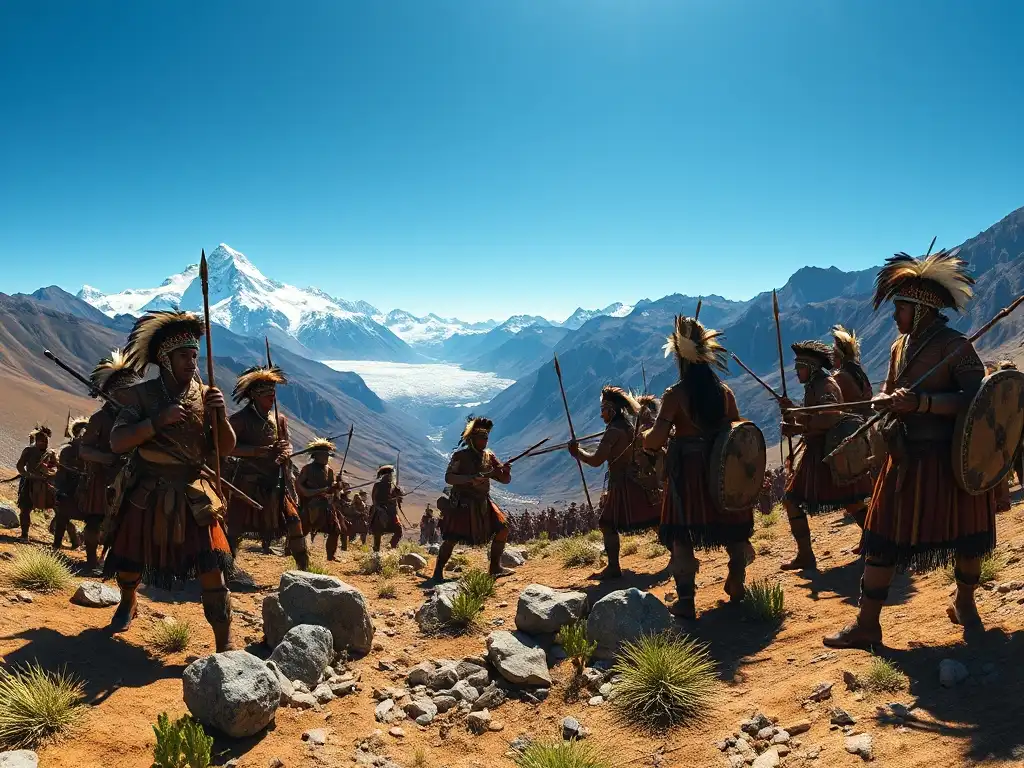
Unravel the mysteries of the Andes! Prepare to be captivated by the remarkable ingenuity and power of the ancient Andean civilizations. For centuries, their influence shaped South America, and nowhere is this more evident than in the breathtaking military prowess of the Inca. Discover the secrets behind their devastatingly effective Inca warfare strategies, and delve into the fascinating world of conquest, ingenuity, and empire-building. Are you ready to uncover the truth behind their dominance?
- Inca Warfare Strategies: Tactics for Imperial Expansion
- Understanding Inca Military Organization
- Inca Warfare Tactics: Core Strategies
- Weapons and Armor of the Inca Warriors
- Inca Battle Formations and Maneuvers
- The Impact of Inca Warfare on Imperial Expansion
- Case Study: The Conquest of the Chimor Kingdom
- The Legacy of Inca Warfare
- Frequently Asked Questions
- Final Reflection: Echoes of Conquest: The Enduring Legacy of Inca Warfare
- Unleash Your Inner Strategist: Lessons from the Inca Empire
Inca Warfare Strategies: Tactics for Imperial Expansion
The Inca Empire, at its zenith, controlled a vast territory stretching along the Andes Mountains. This remarkable feat wasn't solely due to good fortune; it was the result of meticulously planned and executed military strategies. This article delves into the sophisticated warfare tactics employed by the Inca, exploring the key elements that allowed them to conquer and consolidate their empire, ultimately shaping the cultural landscape of South America.
We will examine the Inca's approach to warfare, analyzing their organizational structure, logistical prowess, and psychological warfare techniques, all contributing to their impressive expansion and enduring legacy. Understanding Inca warfare strategies offers a crucial perspective on the complexities of their civilization and its lasting impact. The keyword "Inca warfare strategies" will be explored through detailed examination of their military organization, innovative weaponry, and psychological warfare methods.
Military Organization and Logistics
The Inca army wasn't a haphazard collection of warriors; it was a highly organized and efficient fighting force. The ayllu, the fundamental socio-economic unit of Inca society, played a crucial role in military mobilization. Each ayllu was responsible for providing a quota of soldiers, ensuring a steady supply of manpower. This system, combined with a sophisticated road network – the Qhapaq Ñan – allowed for rapid troop deployment across the vast empire.
The Inca army was divided into specialized units, with different roles and responsibilities. For example, some units were trained in siege warfare, while others were skilled in close-quarters combat. This specialization, coupled with their efficient logistical system, gave the Inca a significant advantage over their adversaries.
The Inca's ability to quickly move large numbers of troops and supplies across mountainous terrain remains a testament to their advanced understanding of logistics and organization. This organizational structure was key to their success in conquering new lands and maintaining control over their vast empire. Detailed records, unfortunately, are scarce, but archaeological evidence strongly suggests a highly structured and efficient military machine.
Inca Weaponry and Technology
While the Inca didn't possess firearms or gunpowder weaponry, their arsenal was far from primitive. Their mastery of metallurgy allowed them to produce high-quality bronze and copper weapons, including macanas (clubs), spears, and slings. The bolas, a weapon consisting of three stones tied together with cords, was particularly effective in bringing down enemies from horseback or disrupting enemy formations. Beyond weaponry, the Inca utilized advanced engineering skills in their warfare.
They constructed formidable fortifications, such as the impressive Sacsayhuamán fortress near Cusco, which showcased their skill in stonework and defensive architecture. These fortifications, strategically located, served as crucial defensive positions and bases for launching attacks. The Inca's understanding of terrain and their ability to adapt their tactics to different environments were also crucial components of their military success.
Psychological Warfare and Diplomacy
Inca warfare wasn't solely about brute force; it also incorporated sophisticated strategies of psychological warfare and diplomacy. The Inca often employed propaganda, spreading rumors and exaggerating their power to demoralize opponents before engaging in battle. They also used displays of military might, such as massive parades and demonstrations of their weaponry, to intimidate potential enemies. Furthermore, the Inca skillfully employed diplomacy and alliances to expand their empire without resorting to full-scale warfare.
They offered incentives to conquered populations, such as integration into the Inca system with access to resources and infrastructure, to secure their loyalty and prevent rebellion. This combination of military strength and diplomatic finesse allowed the Inca to expand their empire relatively quickly and with fewer casualties than might be expected. The Inca understood the power of perception and used it effectively to their advantage.
The Impact of Inca Warfare on the Andean Region
The Inca's military successes profoundly impacted the Andean region. The unification of diverse populations under a single empire led to cultural exchange and the spread of Inca customs and beliefs. However, the conquests also resulted in significant population displacement and the destruction of pre-existing social structures. The Inca's imposition of their administrative and economic systems transformed the Andean landscape, leaving a lasting legacy on the region's social, political, and economic organization.
While the empire ultimately fell, its military strategies and their impact continue to be studied and debated by historians and archaeologists today. The long-term consequences of Inca warfare remain a complex and fascinating area of research. Further research into specific battles and their outcomes could provide a more nuanced understanding of the effects of Inca expansion.
Understanding Inca Military Organization
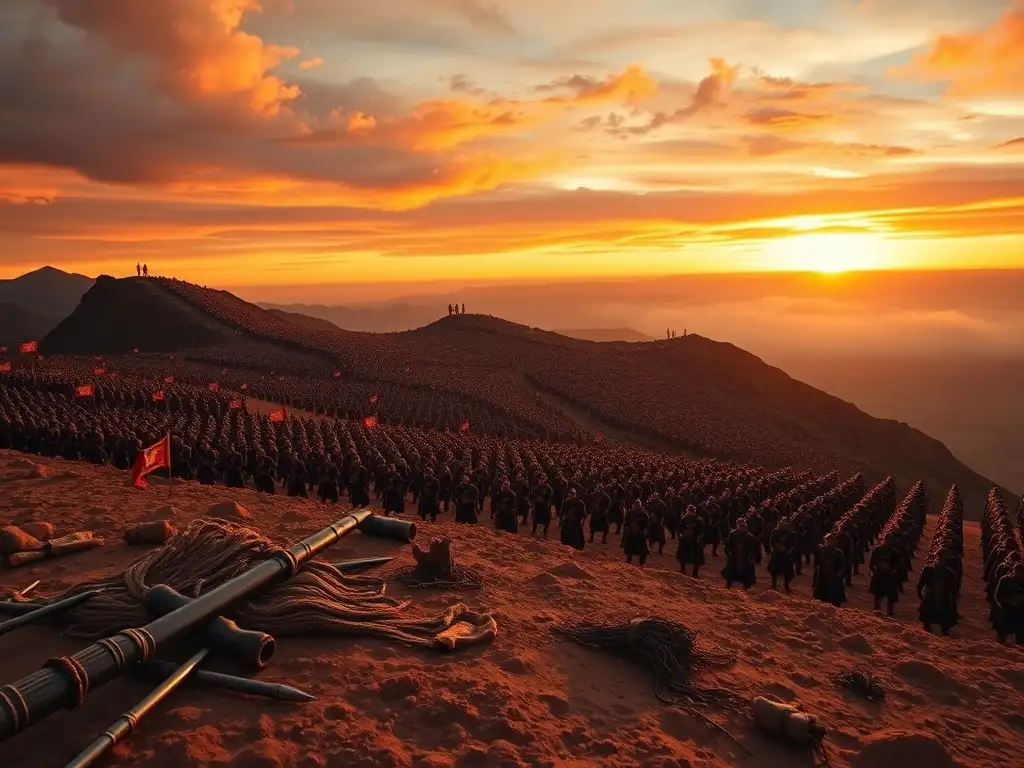
This section delves into the intricate structure and functionality of the Inca military, a crucial element in their successful expansion and empire consolidation. Understanding their organizational prowess is key to comprehending their effective Inca warfare strategies. We will explore the hierarchical structure of the army, the rigorous training processes, and the specific roles of key military ranks.
The Inca Army: Structure and Hierarchy
The Inca army wasn't a standing, professional force like many modern armies. Instead, it was a mobilized force, drawn from the mita system – a form of obligatory labor service. This meant that able-bodied men were conscripted for military service when needed, supplementing the smaller core of professional warriors. The army's structure mirrored the Inca's administrative system, organized geographically and hierarchically.
Provinces ( suyus) provided contingents of soldiers, commanded by local leaders who reported to higher-ranking officers. This decentralized structure allowed for rapid mobilization and response to threats across the vast empire. The system ensured that even remote areas contributed to the military might, fostering a sense of collective responsibility and loyalty to the Sapa Inca.
Discipline was maintained through a strict code of conduct, enforced by experienced officers. Furthermore, the Inca utilized a sophisticated system of messengers ( chasquis) to relay information and orders across the empire, ensuring swift communication and coordinated military actions. This efficient communication network was integral to their successful Inca warfare strategies.
Military Training and Recruitment in the Inca Empire
Recruitment was based on the mita system, with young men from each province undergoing rigorous training. This wasn't just about physical prowess; it also encompassed strategic thinking and discipline. Training involved physical conditioning, weapon proficiency (slings, clubs, spears, and later, some metal weapons), and tactical drills.
They learned formations, maneuvers, and siege warfare techniques. Emphasis was placed on endurance, adaptability, and loyalty to the Inca state. Elite warriors received specialized training, often incorporating advanced weaponry and tactical strategies.
The rigorous nature of this training program ensured that Inca soldiers were highly disciplined and effective in combat, contributing significantly to the success of their Inca warfare strategies. Further research is needed to determine the exact length of training periods and the specific curriculum used, but archaeological evidence suggests a highly structured and effective process. The training also incorporated elements of religious ritual, reinforcing the soldiers’ loyalty and belief in the Inca's divine right to rule.
Key Inca Military Ranks and Their Roles
The Inca military hierarchy was clearly defined, with different ranks carrying specific responsibilities. While precise details about every rank are scarce, we know of several key positions:
| Rank | Responsibilities | Attributes |
|---|---|---|
| Sapa Inca | Supreme Commander, ultimate authority over all military matters. | Divine authority, strategic leadership |
| Apus | Regional commanders, responsible for large military contingents. | Experienced leadership, tactical expertise |
| Kurakas | Local leaders, responsible for mobilizing and commanding troops from their provinces. | Knowledge of local terrain, troop management |
| Warriors/Soldiers | The rank and file, performing the bulk of the fighting. | Physical fitness, weapon proficiency |
| Engineers/Artisans | Responsible for constructing siege weapons, fortifications, and maintaining supplies. | Engineering skills, logistics management |
| Messengers (chasquis) | Crucial for rapid communication across the vast empire. | Speed, endurance, reliability |
The Inca's military organization, a blend of centralized control and decentralized mobilization, was a key factor in their ability to conquer and control a vast and diverse empire. Their efficient system, combined with rigorous training and a clear hierarchy, allowed for the effective implementation of their sophisticated Inca warfare strategies. The system's effectiveness highlights the importance of organization and logistics in military success, a lesson applicable even in modern warfare.
Inca Warfare Tactics: Core Strategies
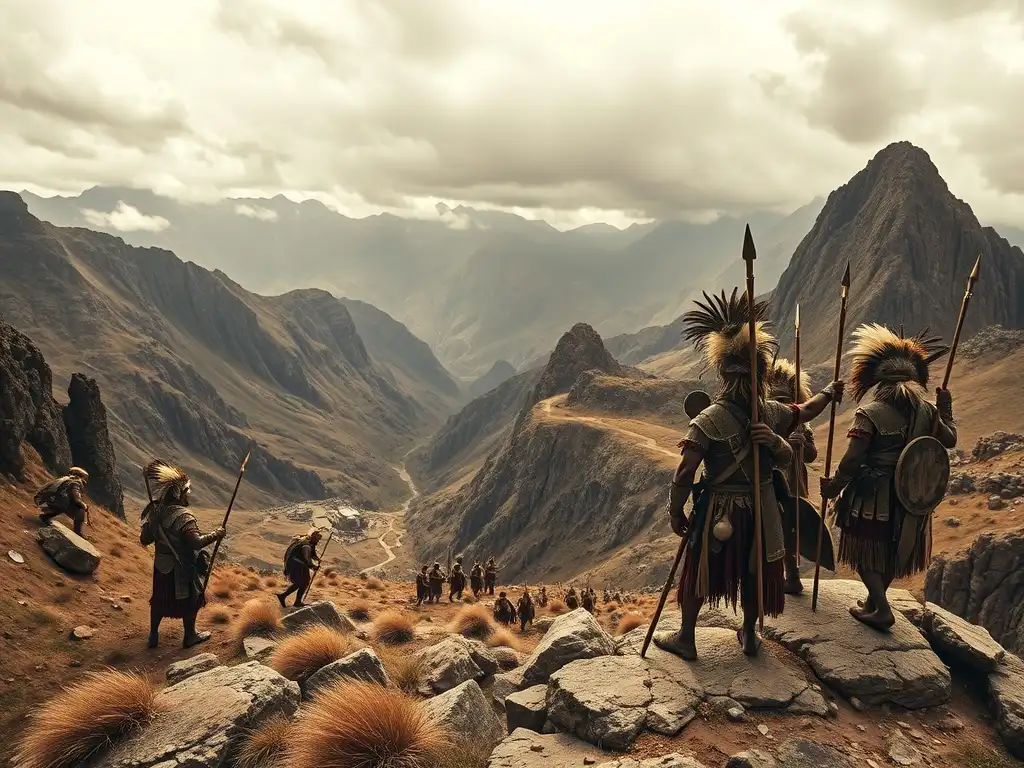
The Inca Empire's remarkable expansion across the Andes wasn't solely due to superior weaponry. Their success stemmed from a sophisticated blend of military tactics, logistical prowess, and strategic adaptability. Understanding Inca warfare strategies requires examining their core principles: a highly disciplined army, meticulous planning, and a shrewd exploitation of the Andean terrain.
Their armies, while not always numerically superior, consistently outmaneuvered and overwhelmed their opponents through clever planning and efficient execution. This section delves into the key elements that defined Inca military success, focusing on the intricate interplay of logistics, siege warfare, and mountain warfare. The effectiveness of Inca warfare strategies is a testament to their understanding of both military science and the unique challenges of their environment.
The Importance of Logistics in Inca Military Campaigns
The success of any Inca military campaign hinged on flawless logistics. Unlike many other ancient armies, the Inca possessed a remarkably efficient system for supplying their troops. This involved a vast network of chasquis, a relay runner system, that allowed for rapid communication across the empire. This swift communication enabled the Inca leadership to coordinate troop movements, anticipate enemy actions, and swiftly adjust their strategies. Furthermore, the capac ñan, the extensive network of roads, facilitated the movement of troops and supplies. This infrastructure was crucial for transporting food, weapons, and other necessities to even the most remote battlefronts.
The Inca also employed a sophisticated system of storage, utilizing strategically placed qollqas (storehouses) along the capac ñan. These storehouses were stocked with provisions, ensuring that Inca armies rarely faced shortages of food or essential supplies. This logistical mastery allowed for prolonged campaigns and enabled them to maintain a sustained military presence in conquered territories. The sheer scale and efficiency of the Inca logistical system were significant factors in their ability to conquer and control vast swathes of the Andes. Detailed records, though fragmented, suggest a highly organized system of requisition and distribution, minimizing waste and maximizing efficiency.
Inca Siege Warfare: Techniques and Methods
While the Inca army was adept at open warfare, they were equally proficient in siege warfare. Facing fortified settlements, they employed a range of techniques to overcome enemy defenses. These included building ramps and siege towers to breach walls, using catapults to dislodge defenders, and employing psychological warfare to weaken enemy morale. Their understanding of engineering principles is evident in their ability to construct sophisticated siege weaponry and fortifications.
Evidence suggests that Inca siege tactics were often adapted to the specific characteristics of the target. For instance, in mountainous regions, they might utilize the terrain to their advantage, employing flanking maneuvers or utilizing the high ground to bombard defenses. In flatter regions, they would employ more traditional siege techniques.
This adaptability highlights the Inca military's flexibility and capacity for innovation. The duration and intensity of sieges varied significantly, depending on the strength of the defending forces and the fortifications themselves. Successful sieges were often followed by the incorporation of the conquered population into the Inca empire, often through a combination of diplomacy and force.
Utilizing Terrain to Their Advantage: Mountain Warfare
The Inca Empire's mastery of mountain warfare was a critical component of their military success. The rugged Andean terrain, while posing challenges, was also exploited to their advantage. The Inca army was highly skilled in navigating the treacherous mountain passes and cliffs, using their intimate knowledge of the local geography to outmaneuver their enemies. They frequently employed guerilla tactics, using ambushes and surprise attacks to exploit the natural defenses offered by the mountains.
The Inca's understanding of high-altitude warfare was paramount. They were adept at adapting to the challenges of fighting at high elevations, including the effects of altitude sickness on their opponents. Their troops were acclimatized to the harsh conditions, giving them a significant advantage over invaders who were unfamiliar with the terrain and climate.
Furthermore, the Inca frequently used the terrain to create natural chokepoints, funneling enemy forces into advantageous positions for ambushes. This blend of strategic planning and tactical execution made the Inca army a formidable force in mountain warfare. Their use of terrain also extended beyond combat; strategic placement of settlements and fortifications capitalized on natural barriers to enhance defensive capabilities.
Psychological Warfare: Intimidation and Diplomacy
The Inca Empire's military prowess wasn't solely reliant on brute force; psychological warfare played a crucial role in their expansion. Inca warfare strategies often involved a sophisticated blend of intimidation and surprisingly effective diplomacy, weakening opponents before a single blow was struck. The sheer size and organization of the Inca army, often numbering in the tens of thousands, was itself a powerful psychological weapon.
The sight of such a massive, well-equipped force marching across the landscape would have been terrifying to smaller, less organized armies. This visual display of power was carefully cultivated, designed to demoralize opponents and encourage surrender before any significant conflict even began.
Further amplifying this intimidation was the Inca's reputation for ruthlessness. While they often offered terms of surrender, the consequences of defiance were well-known and brutally enforced. Accounts from Spanish chroniclers detail the destruction of rebellious villages, the enslavement of populations, and the execution of leaders. This reputation, meticulously constructed through both actions and propaganda, fostered a climate of fear that significantly reduced the willingness of potential adversaries to resist. The threat of Inca retribution was a powerful motivator for submission, often making outright conquest unnecessary.
However, the Inca approach wasn't solely based on fear. Diplomacy and strategic alliances were essential components of their expansionist policies. The Inca leadership skillfully utilized diplomacy to forge alliances with smaller, less powerful groups.
These alliances weren't merely symbolic; they provided crucial logistical support, intelligence, and even manpower during military campaigns. By incorporating these allied forces into their armies, the Inca increased their effective size and decreased the resources needed for their own troops. This strategy cleverly reduced the burden of waging war while simultaneously building a larger, more diverse military force.
This nuanced approach, combining intimidation with carefully cultivated relationships, demonstrates the sophisticated understanding of power dynamics employed by Inca leaders. The Inca's success wasn't merely a result of military might, but a testament to their mastery of psychological warfare and shrewd diplomatic maneuvering. Their ability to combine these strategies made them exceptionally effective in conquering new lands and consolidating their vast empire.
Weapons and Armor of the Inca Warriors
The Inca military machine, a cornerstone of their impressive empire expansion, relied on a combination of effective weaponry and surprisingly sophisticated protective gear. Understanding their arsenal is crucial to grasping the intricacies of their Inca warfare strategies. While not possessing the advanced weaponry of some other civilizations, the Inca's strategic use of readily available materials and their understanding of terrain made their forces formidable.
Types of Inca Weapons: Spears, Clubs, and Slings
Inca weaponry was largely characterized by its practicality and adaptability to the Andean environment. The most common weapon was the spear ( chunchu), a simple yet effective tool made from hardened wood, often tipped with obsidian or bone for increased lethality. Obsidian, a volcanic glass, was prized for its sharp edges and ability to inflict deep wounds. The spears varied in length, depending on the intended use, with longer spears employed for ranged combat and shorter ones for close-quarters fighting.
Besides spears, clubs ( macuana) were widely used, fashioned from wood or stone, often reinforced with metal studs for added impact. These were effective in close combat, capable of delivering devastating blows. The weight and shape of the clubs varied, reflecting regional differences and individual preferences. Some clubs were even adorned with intricate carvings, showcasing the artistry that often permeated even military equipment.
Finally, slings ( huaraca) played a significant role in Inca warfare, particularly during sieges and ranged engagements. These were incredibly accurate and could hurl stones or projectiles with considerable force over significant distances. Their effectiveness hinged on the skill of the slingers, who underwent rigorous training to achieve proficiency. The widespread use of slings, coupled with their relatively simple design, enabled the Inca army to maintain a consistent supply and to rapidly train new recruits.
Protective Gear: Shields, Helmets, and Armor Materials
While Inca weaponry was effective, their protective gear was equally important in ensuring their military success. Shields ( tapu), typically made from woven reeds or wood, offered protection from projectiles and blows. Their design often incorporated decorative elements, reflecting the unit or clan to which the warrior belonged. These shields were lightweight and relatively easy to transport, essential for the Inca armies' extensive campaigns across diverse terrains.
Helmets ( cumbe), less common than shields, were primarily worn by elite warriors and commanders. They were often made from hardened leather or wood, sometimes reinforced with metal plates. The design of the helmets varied, but their primary purpose was to protect the head from blows.
The Inca did not employ widespread metal armor in the same way as some other empires. Instead, they relied on layered clothing and padded armor made from materials like llama wool and cotton. This provided some protection against cuts and blunt force trauma, while remaining relatively lightweight and comfortable in the often harsh Andean climate. The layered approach, with thicker padding in crucial areas, helped to absorb the impact of blows, making the Inca soldiers surprisingly resilient.
The Role of Weaponry in Inca Military Success
The Inca military's success wasn't solely dependent on the sophistication of their weaponry, but rather on a combination of factors. The Inca warfare strategies involved clever use of terrain, superior logistics, and well-organized formations. Their weapons, while seemingly simple, were effective in the context of their tactics. The effectiveness of the spears, clubs, and slings, coupled with the protective gear, contributed to the Inca's ability to conquer and control a vast empire.
The Inca's mastery of their weaponry, combined with their strategic brilliance, allowed them to overcome larger, better-equipped forces. This demonstrates the significance of tactical prowess and adaptability in warfare, proving that superior technology isn't always the deciding factor. The Inca's military achievements serve as a testament to their ingenuity and strategic thinking, which ultimately played a more significant role in their military success than the weapons themselves. Further research into the specific metallurgical techniques used in their limited metal weaponry would further illuminate the intricacies of their Inca warfare strategies.
Inca Battle Formations and Maneuvers
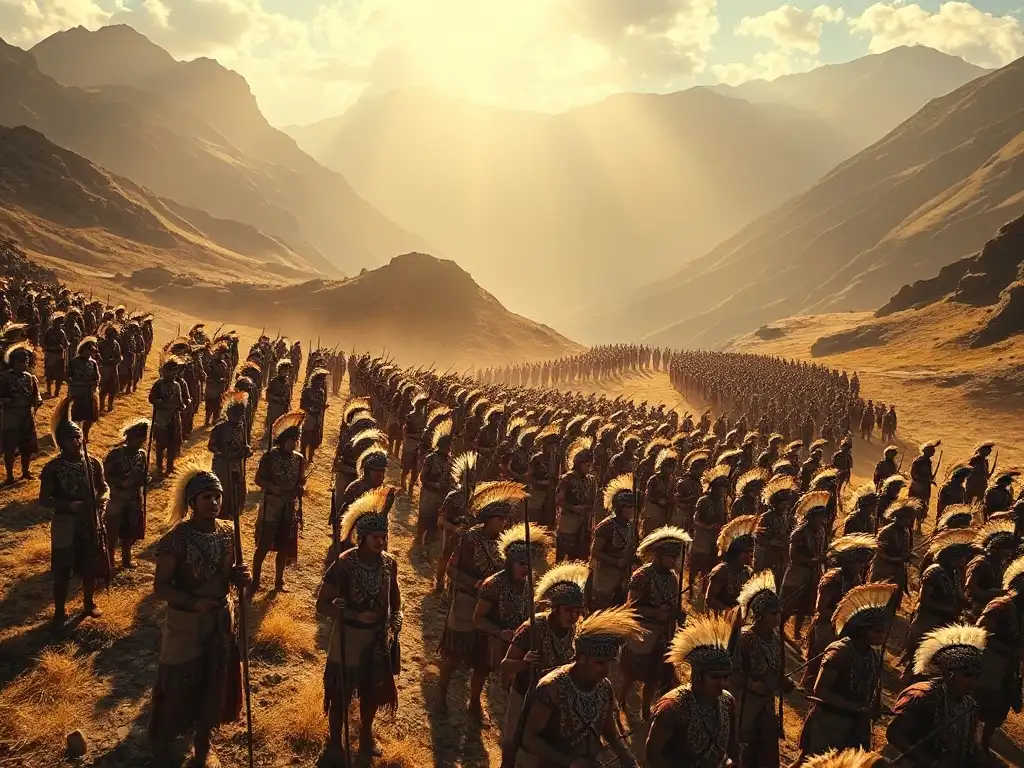
The Inca military machine, famed for its conquests across the Andes, relied not only on superior numbers but also on sophisticated tactical formations and maneuvers. Their strategies, honed over centuries of inter-tribal warfare and expansion, proved remarkably effective in subduing diverse enemies across varied terrains. Understanding these strategies reveals a nuanced military approach far beyond simple brute force.
The Inca understanding of terrain and their ability to adapt their tactics to the specific conditions of each battle were key components of their success in achieving and maintaining their vast empire. This section will explore some of the key elements of Inca warfare strategies, focusing on battle formations, flanking maneuvers, and the strategic use of reserves.
Standard Inca Battle Formations: The Wedge and Crescent
Inca armies typically deployed in two primary formations: the wedge and the crescent. The wedge formation, a tightly packed body of warriors advancing in a pointed formation, was ideal for breaking enemy lines and pushing through defenses. This formation maximized impact, allowing the strongest warriors at the point to create a breach, which the rest of the formation could then exploit.
The effectiveness of the wedge was amplified by the Inca's use of quipus (knotted cords) to coordinate movements and maintain formation integrity, even in the chaos of battle. The tightly-packed nature of the wedge also offered protection from enemy missiles and allowed for the coordinated use of war clubs, spears, and slings.
The crescent formation, on the other hand, was more flexible and adaptable. It allowed for both offensive and defensive maneuvers. The concave curve of the formation could surround an enemy force, effectively trapping them and preventing a retreat.
This formation was particularly effective against smaller, less organized armies. Evidence suggests that the choice between the wedge and crescent formations was dictated by the terrain, the size and composition of the enemy force, and the overall strategic objectives of the Inca commander. The Inca's ability to seamlessly transition between these formations, based on the unfolding battle, is a testament to their military proficiency.
Flanking and Encirclement Strategies
A critical aspect of Inca warfare strategies was the skillful employment of flanking and encirclement maneuvers. Recognizing the importance of disrupting enemy lines and creating opportunities for decisive blows, Inca commanders frequently deployed flanking units to attack the enemy's exposed sides or rear. These flanking units, often composed of highly mobile warriors equipped with slings and light spears, could inflict significant casualties and disrupt the enemy's cohesion. The combination of a frontal assault with simultaneous flanking attacks created a devastating pincer movement, leading to enemy rout.
The successful execution of flanking maneuvers demanded exceptional coordination and communication. Again, the quipus played a vital role in signaling and directing these movements. Furthermore, the Inca's intimate knowledge of the local terrain allowed them to choose advantageous routes for their flanking units, often utilizing natural features like hills and ravines to conceal their approach and maximize their impact. The effectiveness of their flanking maneuvers was further enhanced by their use of scouts and spies, who provided crucial intelligence about enemy positions and movements.
Inca Use of Reserves and Reinforcements
The Inca army's success wasn't solely dependent on initial deployments. A key element of their strategic thinking was the effective utilization of reserves and reinforcements. Inca commanders routinely held back a significant portion of their army as a reserve force, ready to be deployed at critical moments during the battle. This reserve could be used to reinforce a faltering section of the line, launch a decisive counterattack, or exploit a breakthrough in the enemy's defenses. The existence of reserves provided a crucial psychological advantage, bolstering the morale of the Inca troops while potentially demoralizing the enemy.
The strategic placement and deployment of reserves required careful planning and precise execution. The Inca's sophisticated command and control structure, facilitated by their complex communication system, ensured the timely and effective deployment of these reserves. The ability to swiftly deploy fresh troops into the fray, often at a critical juncture in the battle, was a significant contributor to the Inca's consistent victories.
Moreover, the Inca system of mit'a (labor service) provided a readily available pool of manpower that could be mobilized as reinforcements, ensuring a continuous supply of fresh troops to sustain their military campaigns. This robust system of reserve deployment and reinforcement significantly enhanced their overall military capabilities and contributed to the expansion and consolidation of their empire.
The Impact of Inca Warfare on Imperial Expansion
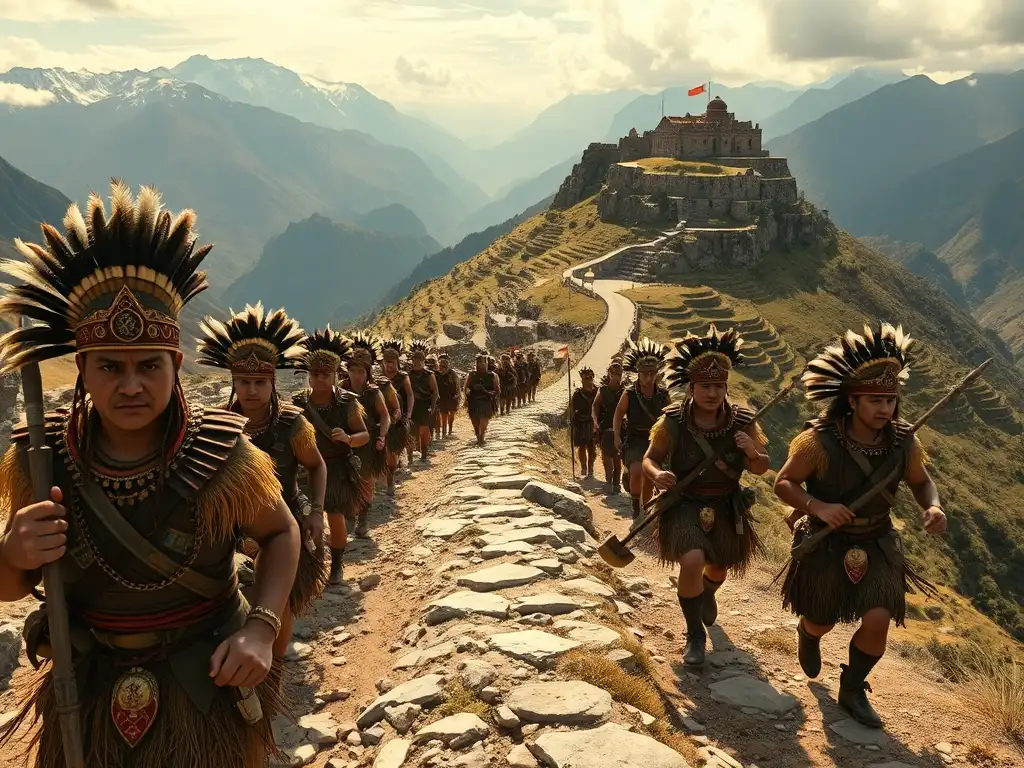
The Inca Empire's remarkable expansion across the Andes Mountains wasn't solely a result of superior military technology, but rather a complex interplay of sophisticated warfare strategies, political maneuvering, and shrewd incorporation of conquered peoples. Inca warfare strategies, meticulously planned and executed, were the engine driving imperial growth and consolidation. Understanding these strategies is key to appreciating the scale and longevity of the Inca Empire. The effectiveness of Inca military campaigns stemmed from a combination of factors, including their organizational prowess, logistical capabilities, and psychological warfare techniques.
How Inca Military Might Facilitated Conquest
The Inca army, a highly organized and disciplined force, was a crucial element in their expansionist policies. Its effectiveness wasn't solely based on brute force; rather, it was a result of careful planning and strategic deployment. The chasquis, a relay runner system, enabled rapid communication across vast distances, allowing for swift mobilization of troops and efficient coordination of military operations. This advanced communication network gave the Inca a significant advantage over their adversaries, enabling them to react quickly to threats and launch surprise attacks.
Furthermore, the Inca army's strength lay in its adaptability. They skillfully employed different tactics depending on the terrain and the enemy they faced, demonstrating a remarkable understanding of military strategy. For example, in mountainous regions, they used guerilla warfare tactics, relying on their knowledge of the terrain to ambush and outmaneuver their opponents.
In more open areas, they employed larger, more conventional formations. This flexible approach was crucial to their success in conquering such a diverse geographical landscape. The Inca's mastery of siege warfare, evidenced by their construction of sophisticated fortifications, further solidified their military dominance.
The Incorporation of Conquered Peoples and Practices
Inca warfare strategies weren't solely focused on conquest; they also incorporated a sophisticated system of integrating conquered peoples into the empire. Far from simply subjugating defeated populations, the Inca implemented policies designed to minimize resistance and foster loyalty. This involved a carefully calibrated approach that blended force with diplomacy. The Inca often offered incentives to surrender, such as promises of protection, access to resources, and participation in the imperial system.
Those who resisted faced brutal consequences, serving as a deterrent to others. However, even after conquest, the Inca employed a strategy of cultural assimilation, rather than outright suppression. They strategically relocated conquered populations, often mixing them with existing communities to dilute potential for rebellion.
They also adopted aspects of conquered cultures, integrating them into the broader Inca identity. This policy of selective assimilation was a key element in the empire's long-term stability. The Inca understood that integrating conquered peoples into the imperial system was crucial for maintaining control and ensuring the long-term stability of their vast empire.
The Long-Term Effects of Inca Warfare on Andean Society
The impact of Inca warfare on Andean society was profound and multifaceted, extending far beyond the immediate consequences of military campaigns. The constant need for military expansion and defense led to significant social and economic changes. The construction of extensive road networks, initially built to facilitate military movements, also served to improve trade and communication throughout the empire. This infrastructure development had long-lasting effects on Andean society, fostering economic integration and cultural exchange.
However, the constant warfare also resulted in significant human costs. The conscription of soldiers, coupled with the displacement and relocation of populations, caused widespread disruption and hardship. While the Inca Empire brought a period of relative peace and prosperity to many regions, the costs of maintaining military dominance should not be overlooked. The legacy of Inca warfare is complex, a testament to both the empire's ingenuity and the human cost of its expansion.
The empire's impressive achievements in engineering, administration, and social organization were all inextricably linked to its military might and expansionist policies. The Inca's approach to warfare was an integral part of their success, shaping their society and leaving a lasting impact on the Andean region. Analyzing their strategies provides invaluable insights into the dynamics of imperial expansion and the complexities of power in pre-Columbian America.
Case Study: The Conquest of the Chimor Kingdom
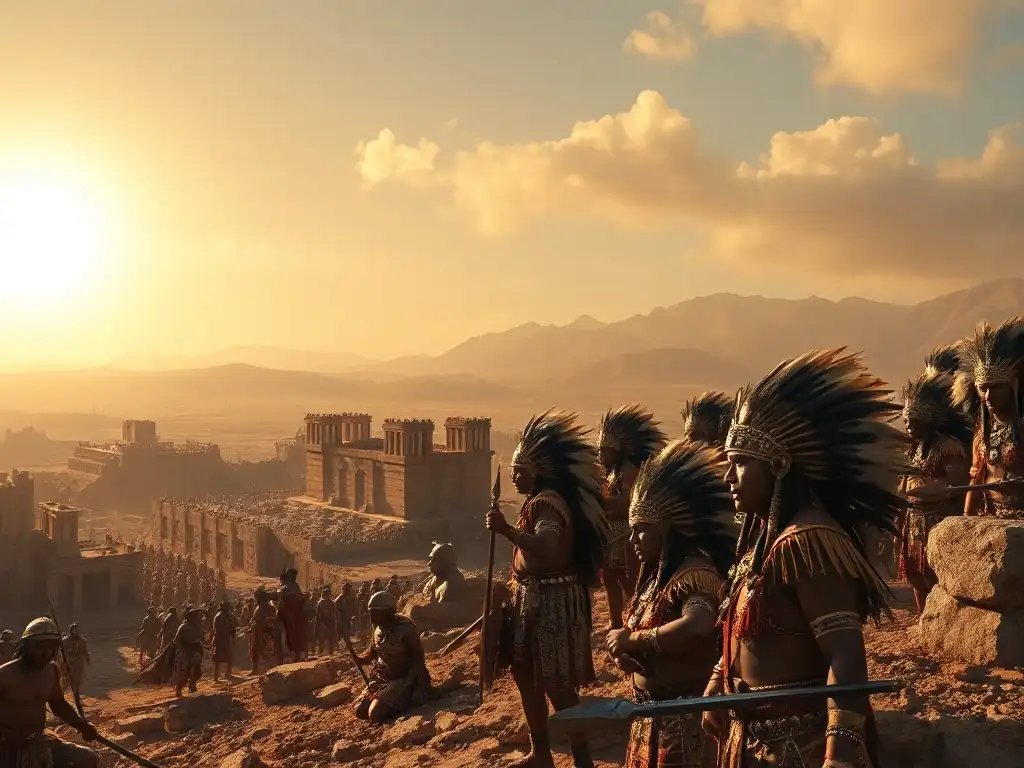
This section delves into a specific example of Inca warfare strategies: the conquest of the Chimor Kingdom, a powerful coastal civilization located in present-day northern Peru. The Chimor, with their sophisticated irrigation systems and urban centers, posed a significant challenge to the expanding Inca Empire. Understanding their conquest illuminates the nuances of Inca military tactics and their adaptability to diverse terrains and enemy strengths.
The Inca's success in subduing the Chimor wasn't solely due to brute force; it involved a combination of strategic planning, political maneuvering, and effective deployment of military resources. This case study will analyze the key elements that contributed to the Inca victory, highlighting the flexibility and ingenuity of their Inca warfare strategies.
Analyzing the Military Strategies Employed
The Inca conquest of Chimor wasn't a swift, decisive battle, but rather a protracted campaign involving multiple phases. Initial attempts involved smaller-scale skirmishes and reconnaissance missions to assess Chimor defenses and troop strength. The Incas, known for their meticulous planning, likely gathered intelligence through spies and local informants, understanding the Chimor's reliance on coastal fortifications and their less-developed capacity for warfare in the highlands.
The Incas leveraged their superior logistical capabilities. Their quipus (knotted-string record-keeping system) facilitated efficient mobilization of troops and supplies across vast distances. They established strategically located supply depots along their routes of advance, ensuring their armies remained well-supplied even during prolonged campaigns. This logistical advantage, often overlooked in discussions of Inca warfare, was crucial in sustaining the war effort against the Chimor.
Furthermore, the Inca army's organization played a key role. They employed a highly disciplined and hierarchical structure, with specialized units like ayanca (elite warriors) and pucaraw (fortress defenders) performing distinct roles on the battlefield. This organizational efficiency allowed for flexible responses to changing combat situations. Their use of terrain, employing flanking maneuvers and exploiting the weaknesses in Chimor defenses, further solidified their tactical superiority. The Inca army also utilized various weapons, from slings and clubs to spears and macanas (wooden clubs with sharp edges), adapting their weaponry to suit the specific challenges of each battle.
| Inca Military Advantage | Description | Impact on Chimor Conquest |
|---|---|---|
| Superior Logistics | Efficient supply lines and resource management. | Sustained prolonged campaigns, overcoming Chimor's resistance. |
| Disciplined Army | Highly organized and hierarchical structure. | Allowed for adaptable and effective battlefield maneuvers. |
| Terrain Exploitation | Masterful use of geography to their advantage. | Outflanking and exploiting Chimor's weaker defensive positions. |
| Diverse Weaponry | Utilizing a range of weapons suitable for various combat scenarios. | Enhanced effectiveness in different terrains and combat situations. |
The Outcome of the Battle and Its Significance
The Inca conquest of Chimor, completed in the 15th century, resulted in the incorporation of a vast and wealthy territory into the Inca Empire. The Chimor's sophisticated irrigation systems and agricultural techniques significantly enhanced the Inca's economic power. The acquisition of coastal territories also provided access to valuable resources and trade routes, further bolstering the Inca's influence and control over a large swathe of the Andean region.
The defeat of the Chimor served as a powerful demonstration of Inca military prowess, intimidating neighboring groups and discouraging potential resistance to Inca expansion. This victory was not only a military triumph but also a significant step in the consolidation of the Inca Empire, expanding its reach and resources considerably.
The cultural integration that followed, though often complex and uneven, further solidified Inca dominance. The Chimor's sophisticated urban planning and artistic traditions were gradually absorbed into the broader Inca cultural sphere, demonstrating the empire's capacity for cultural assimilation alongside military conquest.
Lessons Learned from Inca Military Campaigns
The Inca conquest of Chimor exemplifies several key aspects of their successful Inca warfare strategies. Their meticulous planning, logistical prowess, and flexible military tactics allowed them to overcome formidable opponents. The Chimor campaign highlights the importance of intelligence gathering, adaptability, and effective resource management in military success.
The Incas' ability to integrate conquered territories into their empire, both economically and culturally, further demonstrates their skill in consolidating power and expanding their influence. Understanding these strategies provides crucial insights into the dynamics of power and expansion in the pre-Columbian Andes and offers valuable lessons applicable to the study of military history in general. The success of the Incas wasn't merely a matter of superior weaponry, but a sophisticated combination of military strategy, political acumen, and logistical mastery.
Their achievements continue to inspire scholarly interest and highlight the complexity and sophistication of pre-Columbian Andean societies. Analyzing these campaigns allows us to appreciate the intricate interplay between military might and political strategy that characterized Inca expansion. 👑
The Legacy of Inca Warfare
The Inca Empire's remarkable expansion across the Andes Mountains wasn't solely due to its sophisticated political and administrative systems. A highly effective military machine, fueled by innovative strategies and tactics, played a crucial role in the Inca's conquest and consolidation of power. Understanding Inca warfare strategies reveals a complex interplay of military organization, technological advancements, and psychological warfare, all contributing to their impressive territorial control.
The legacy of Inca warfare continues to fascinate historians and military strategists alike, offering valuable insights into the dynamics of ancient empires and the enduring principles of successful military campaigns. Analyzing their methods allows us to better comprehend not only their successes, but also the limitations of their strategies, ultimately providing a more nuanced view of this powerful civilization.
Inca Military Innovations and Their Influence
Inca military innovations weren't about inventing entirely new weapons, but rather, perfecting existing ones and strategically integrating them within a highly organized and disciplined army. Their mastery of chaka (a type of sling) and bolas (throwing weapons with weighted cords) allowed for devastating ranged attacks, particularly effective in mountainous terrain. The Inca army's effectiveness stemmed from its meticulous organization, divided into units ( p'ampas ) of varying sizes, each with specific roles and responsibilities. This hierarchical structure enabled swift deployment and coordinated maneuvers, giving them a significant advantage over less organized opponents.
Furthermore, the Inca's understanding of logistics was pivotal to their success. Their extensive road network, Qhapaq Ñan, facilitated rapid troop movement and the efficient supply of food, weapons, and other necessities. This infrastructure allowed for sustained campaigns across vast distances, a key factor in their ability to conquer and control such a geographically diverse empire.
The mit'a system, a form of mandatory labor service, also contributed significantly to military logistics, providing manpower for construction, transport, and support roles. The Inca's ability to swiftly mobilize and supply their armies across challenging terrain represents a significant military achievement rarely matched in other pre-industrial societies. This logistical prowess is often overlooked when discussing Inca warfare strategies, but it was undeniably crucial for their success.
Modern Interpretations of Inca Military Prowess
Modern scholarship continues to debate the true extent of Inca military prowess. Some argue that their victories were primarily due to superior organization and logistics, rather than overwhelming military strength. Others emphasize the psychological impact of Inca warfare, highlighting the use of propaganda and intimidation to demoralize opponents before actual combat even began. The Inca's reputation for ruthlessness, coupled with their ability to swiftly conquer and integrate conquered populations, often led to swift surrenders.
The Inca army was not invincible, however. Their reliance on relatively simple weaponry made them vulnerable to better-equipped adversaries. Moreover, internal rebellions and resistance movements throughout the empire demonstrate that Inca control wasn't absolute, and their military strategies were not without limitations.
Recent archaeological discoveries continue to shed new light on Inca military practices, challenging established narratives and prompting further research into aspects such as the role of women in warfare and the diversity of fighting styles across different regions of the empire. The ongoing re-evaluation of Inca military strategies reflects the dynamic nature of historical research and the ever-evolving understanding of this remarkable civilization.
The Enduring Impact of Inca Warfare Strategies
The legacy of Inca warfare strategies extends far beyond the borders of their once-vast empire. Their emphasis on organization, logistics, and psychological warfare continues to resonate with military theorists and strategists today. The Inca's ability to effectively manage and deploy large numbers of troops across challenging terrain, while maintaining efficient supply lines, remains a testament to their advanced organizational skills. Their mastery of combined arms tactics, integrating ranged and close-quarters combat, also provides valuable lessons in military doctrine.
Moreover, the Inca's success in integrating conquered populations into their empire offers insights into the importance of political and social strategies in military campaigns. Their ability to co-opt local elites and incorporate conquered peoples into their administrative and military structures contributed significantly to their long-term stability and control.
While the Inca Empire ultimately fell, the study of their warfare strategies provides valuable lessons in military organization, logistics, and the strategic importance of psychological warfare, offering a rich case study for understanding the complexities of imperial expansion and the enduring impact of military innovation. The study of Inca warfare strategies remains a vital area of research, offering valuable insights into the dynamics of power, conquest, and the enduring legacies of ancient civilizations.
Frequently Asked Questions
What were the main Inca warfare strategies?
The Inca employed a variety of strategies, including surprise attacks, ambushes, and sieges. They also excelled at psychological warfare, using propaganda and displays of power to intimidate enemies.
How did Inca geography influence their military tactics?
The Andean terrain significantly impacted Inca warfare. They adapted their strategies to the mountainous landscape, using their knowledge of the terrain to their advantage. High-altitude warfare was a significant factor.
What role did technology play in Inca military success?
Inca military success relied on advanced weaponry for the time, including clubs, slings, and spears. They were also skilled in fortifications and infrastructure, building impressive defensive structures.
How did the Inca integrate conquered populations into their empire?
The Inca often integrated conquered peoples into their empire through a system of alliances and political control. This involved offering incentives and incorporating conquered soldiers into the Inca army.
What were some of the weaknesses of Inca warfare strategies?
Despite their successes, the Inca army suffered from vulnerabilities. Disease, internal conflicts, and reliance on a centralized command structure proved detrimental in later conflicts with the Spanish.
Final Reflection: Echoes of Conquest: The Enduring Legacy of Inca Warfare
The sophisticated military strategies employed by the Inca Empire remain strikingly relevant today, a testament to the enduring power of effective organization and strategic thinking in achieving ambitious goals. While the Inca's conquests occurred centuries ago, their methods of logistical planning, resource management, and psychological warfare offer valuable lessons for understanding conflict and power dynamics in the modern world. The echoes of their ingenuity resonate in contemporary military doctrine and even in the competitive landscapes of business and politics.
The Inca's ability to unify such a vast and diverse empire through a combination of military prowess and shrewd diplomacy continues to fascinate and inspire. Their success wasn't solely based on brute force; it was a carefully orchestrated blend of strategic planning, infrastructure development, and the effective use of propaganda. The Inca were masters of integrating conquered populations into their empire, a testament to their understanding of both military and social control.
This understanding of integrating diverse populations, while challenging in its historical context, offers valuable insights into modern-day challenges of building cohesive and productive societies.
Consider the impact of the Inca's innovations – from their advanced road systems facilitating rapid troop deployment to their sophisticated communication networks enabling swift response to threats. These achievements weren't merely military feats; they were fundamental to the empire's overall success. You, the reader, are now equipped with a deeper understanding of these strategies. How can you apply the principles of strategic planning, resource management, and effective communication to your own endeavors? Reflect on how the Inca's legacy can inspire you to approach your challenges with greater foresight, resilience, and a keen understanding of the power of collaboration.
Unleash Your Inner Strategist: Lessons from the Inca Empire
Thank you for exploring the fascinating world of Inca warfare tactics! You've discovered powerful strategies that built an empire, and now it's time to consider how these timeless principles can enhance your own life. Ready to put this knowledge into practice?
Here are some ways to integrate the wisdom of the Inca into your daily life:
- Develop a comprehensive plan for achieving your personal and professional goals, mirroring the meticulous approach of the Inca to their military campaigns. Careful planning and execution were key to their success.
- Explore diverse cultures and histories to understand how different societies have overcome challenges, and identify valuable lessons you can apply to your own situation. Learning from the past can provide crucial insights.
- Share your insights with others. Discuss the implications of historical warfare strategies in a modern context with friends, family, or colleagues. Sharing knowledge fosters understanding and collaboration.
Now, consider this: How can the Inca emphasis on adaptability and teamwork improve your current projects and goals? Let's continue the discussion!