
The Role of the Inca Nobility in Expansion

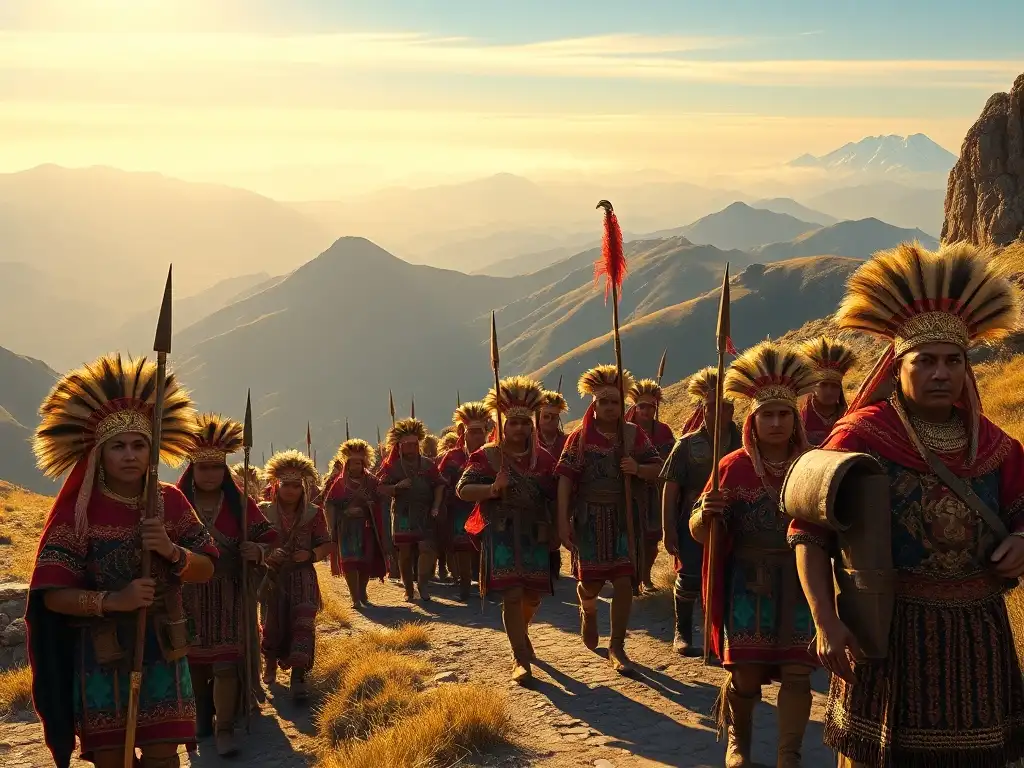
Step into a world lost to time, yet echoing with the power and ingenuity of the Andean civilizations. From the breathtaking artistry of the Nazca lines to the sophisticated engineering of the Inca, a tapestry of remarkable cultures awaits your discovery. But what truly fueled the incredible expansion of the Inca Empire? Unravel the mysteries surrounding the Inca nobility's role in expansion – a story of ambition, strategic alliances, and the complex dynamics that shaped a vast and influential civilization. Dare to delve deeper and uncover the secrets hidden within the Andes.
- The Inca Nobility's Role in the Empire's Expansion
- The Structure of Inca Nobility and its Function in Conquest
- Inca Nobility's Strategies and Tactics During Expansion
- The Influence of Inca Nobles on the Economic Aspects of Expansion
- The Impact of Inca Nobility on the Cultural Assimilation of Conquered Peoples
- Challenges and Resistance to Inca Nobility During Expansion
- The Legacy of the Inca Nobility and its Role in the Empire's Expansion
-
Frequently Asked Questions
- What was the primary role of the Inca nobility in the empire's expansion?
- How did Inca nobility maintain control over conquered territories?
- What were the privileges and responsibilities of the Inca nobility?
- Did the Inca nobility have any influence on the empire's cultural and religious practices?
- How did the Inca system of succession affect the empire's expansion?
- Final Reflection: Echoes of Empire: The Enduring Legacy of Inca Nobility
- Unveil Your Power as a Cultural Explorer!
The Inca Nobility's Role in the Empire's Expansion
The Inca Empire, a marvel of pre-Columbian South America, achieved remarkable territorial expansion in a relatively short period. This success wasn't solely due to military might; it was intricately woven into the fabric of Inca society, particularly the role of its nobility.
Understanding the Inca nobility's influence on expansion requires examining their social structure, their responsibilities, and their strategic deployment across the vast and diverse territories conquered by the Inca. This article will delve into the crucial contributions of the Inca nobility to the empire's growth, highlighting their multifaceted roles in administration, military campaigns, and the integration of conquered populations.
We will explore how their privileged position facilitated the effective governance and expansion of the Inca Empire, ultimately shaping the empire's unique character and legacy. The Inca nobility's role in expansion wasn't simply about conquest; it was about the skillful management of a vast and complex empire, a feat that continues to fascinate historians and researchers today.
The Inca social structure was highly stratified, with the Sapa Inca at its apex, considered a divine ruler. Below him were the various levels of nobility, each with specific roles and responsibilities. The curacas, local leaders who were often incorporated into the Inca system after conquest, played a crucial role in administering conquered territories.
Their loyalty was secured through advantageous alliances and incorporation into the Inca aristocracy, often through marriage to Inca nobles. This strategy minimized resistance and facilitated smoother integration of new subjects. The apus, considered divine mountain spirits, also played a role, as Inca expansion was often justified through religious ideology, tying the conquest to the will of the gods.
The Inca state cleverly utilized this religious framework to legitimize expansion and consolidate power. This sophisticated integration of religious beliefs and political strategies was crucial to the success of Inca expansion. The nobility's position within this hierarchy directly influenced their contribution to expansion, providing a framework for the efficient administration of newly acquired territories.
The Military Prowess of the Inca Nobility and its Strategic Importance
The Inca army wasn't a monolithic force; it was composed of various units, many led by members of the nobility. These noble commanders, often seasoned warriors with extensive military experience, played a vital role in planning and executing military campaigns. Their expertise ensured effective coordination of troops, strategic deployment of resources, and the implementation of sophisticated military tactics.
The Inca army's success wasn't just about brute force; it involved intricate logistics, strategic alliances, and the effective use of intelligence. The nobility's strategic insights were critical in overcoming geographical challenges and diverse enemy tactics across the varied Andean landscapes. Furthermore, the rewards for military success, including increased prestige and land grants, further incentivized noble participation and ensured their commitment to the expansionist ambitions of the Sapa Inca.
This combination of skill, strategic thinking, and incentive created a powerful engine of imperial expansion. The Inca nobility were not merely figureheads; they were active participants in the military campaigns that defined the empire’s growth.
The Role of Inca Nobility in Integrating Conquered Populations
Conquest alone wasn't sufficient for the Inca Empire's longevity; effective integration of conquered populations was crucial. Inca nobility played a pivotal role in this process. They were responsible for establishing administrative structures, collecting taxes ( mita ), and overseeing public works projects in newly acquired territories.
This involved not only imposing Inca rule but also strategically incorporating elements of existing local traditions and customs to ensure social stability. The Inca nobility acted as mediators, bridging the cultural gap between the Inca rulers and the conquered populations. The mita system, while demanding, also provided opportunities for conquered peoples to participate in the empire's economic and infrastructural development, fostering a sense of belonging and shared purpose.
This strategy of controlled integration, overseen by the Inca nobility, was key to minimizing resistance and consolidating the empire's power. The successful integration of diverse populations was a testament to the administrative capabilities of the Inca nobility and a crucial factor in the empire's enduring strength.
Economic Strategies and the Inca Nobility's Influence
The Inca economy was highly centralized, with the nobility playing a crucial role in managing resources and production. The nobility oversaw the mita system, ensuring the efficient allocation of labor for agricultural production, construction projects (such as roads and irrigation systems), and mining activities. They also controlled the distribution of goods and resources throughout the empire, ensuring a steady flow of supplies to support the military and administrative apparatus. This centralized economic system, managed by the nobility, provided the resources necessary for continued expansion.
The efficient management of resources and the implementation of innovative economic policies were critical in fueling the empire's growth. The Inca nobility’s involvement in this economic engine was fundamental to the empire's ability to sustain its expansionist efforts and maintain control over its vast territories. The intricate system of resource management, facilitated by the Inca nobility, underscores the sophisticated nature of the Inca state.
The Structure of Inca Nobility and its Function in Conquest
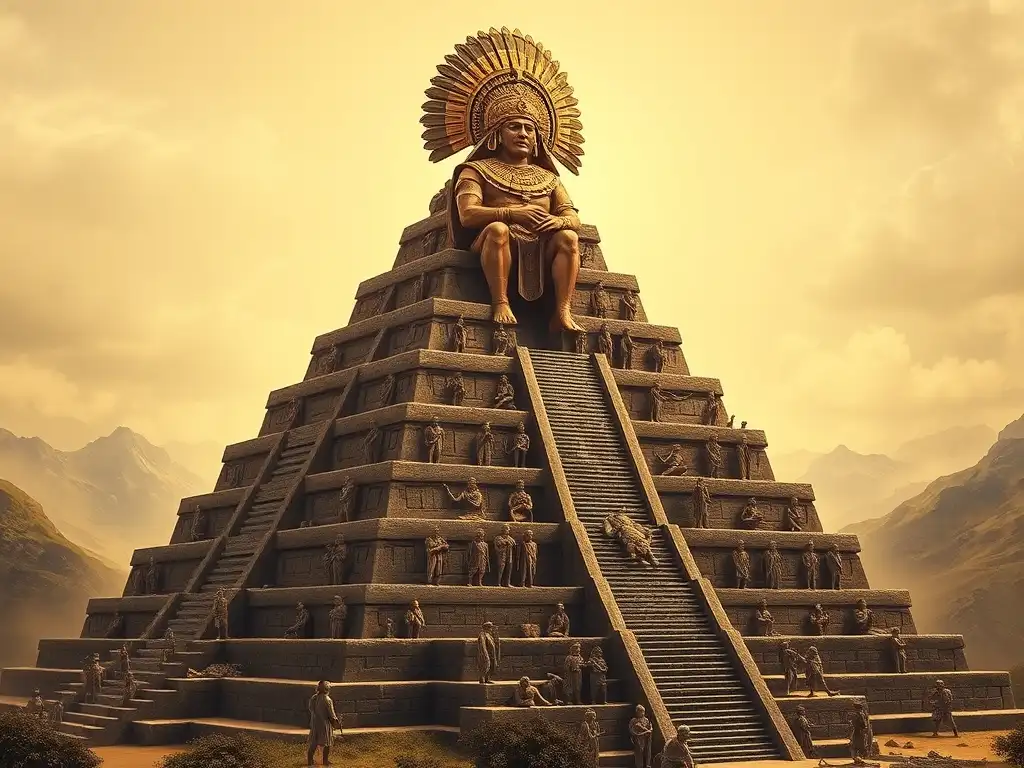
The Inca nobility played a crucial role in the empire's expansion, acting as both the engine and the administrative backbone of the conquest. Their hierarchical structure, interwoven with kinship and merit, ensured efficient mobilization of resources and manpower. Understanding this structure is key to comprehending the Inca Empire's remarkable growth. The Inca nobility wasn't merely a social elite; it was a highly functional system vital to the empire's military and administrative success. The Inca nobility's role in expansion wasn't solely about brute force; it involved sophisticated strategies of integration and control.
The Sapa Inca and his Family's Power in Expansionary Campaigns
The Sapa Inca, the emperor, was the apex of the Inca nobility and the ultimate authority in all matters, including military campaigns. His family, particularly his brothers and sons, held significant power and often led armies in conquest. Their lineage granted them prestige and authority, bolstering troop morale and inspiring loyalty.
The Sapa Inca's direct involvement in strategic planning and the selection of commanders ensured consistency and efficiency in expansionary efforts. For example, the successful campaigns under Pachacuti, the ninth Sapa Inca, were significantly shaped by his personal involvement and the strategic deployment of his family members. This direct involvement wasn't limited to high-level decision-making; the Sapa Inca often accompanied armies on campaigns, reinforcing his authority and boosting the soldiers' fighting spirit.
The family's influence extended beyond the battlefield, shaping the political landscape of newly conquered territories through strategic alliances and the placement of family members in key administrative positions. Their presence served to solidify Inca rule and facilitate the integration of conquered populations.
The Role of Curacas in Inca Territorial Control
Curacas, local chiefs who were incorporated into the Inca system, were essential for the successful expansion and administration of the empire. While initially rulers of their own territories, after conquest, they became subordinate to the Inca but retained significant local authority. Their knowledge of the terrain, local customs, and population dynamics was invaluable to the Inca administration. The strategic use of Curacas allowed the Inca to manage conquered territories more effectively.
Instead of imposing a completely new system, they utilized existing power structures, adapting them to serve the empire's interests. This strategy minimized resistance and facilitated the smooth integration of new populations into the Inca system. The Curacas acted as intermediaries between the Inca administration and the local population, collecting tribute, managing resources, and maintaining order.
Their loyalty was, however, carefully monitored and often reinforced through strategic marriages and the placement of Inca officials within their territories. The system, though effective, was also susceptible to rebellion if the Curacas felt their authority was unduly threatened or their interests neglected. Maintaining a balance of power between the Curacas and the Inca administration was a constant challenge in the management of the expanding empire.
The Administrative and Military Functions of Hahua Incas and Collana Incas
The Hahua Incas and Collana Incas formed a crucial layer within the Inca nobility, responsible for both military and administrative tasks in the expanding empire. Hahua Incas, members of the royal lineage but not direct heirs, were appointed to govern conquered provinces. They acted as governors, overseeing the collection of tribute, the organization of labor (mita), and the maintenance of infrastructure.
Their role was pivotal in establishing Inca control and integrating conquered populations. Collana Incas, on the other hand, were individuals of high social standing, often selected for their military prowess, who served as commanders and administrators in newly conquered territories. They played a key role in the military expansion of the Inca Empire, leading armies and securing newly conquered lands.
The combined efforts of Hahua Incas and Collana Incas ensured that the Inca's control over newly acquired territories was both efficient and secure. Their administrative capabilities ensured the seamless flow of resources and the effective governance of the vast empire while their military skills and experience further secured the Inca's position as the dominant power in the Andes. The distinction between the two roles, though somewhat fluid, highlights the Inca's strategic approach to expansion: a combination of military might and skillful administration.
Inca Nobility's Strategies and Tactics During Expansion
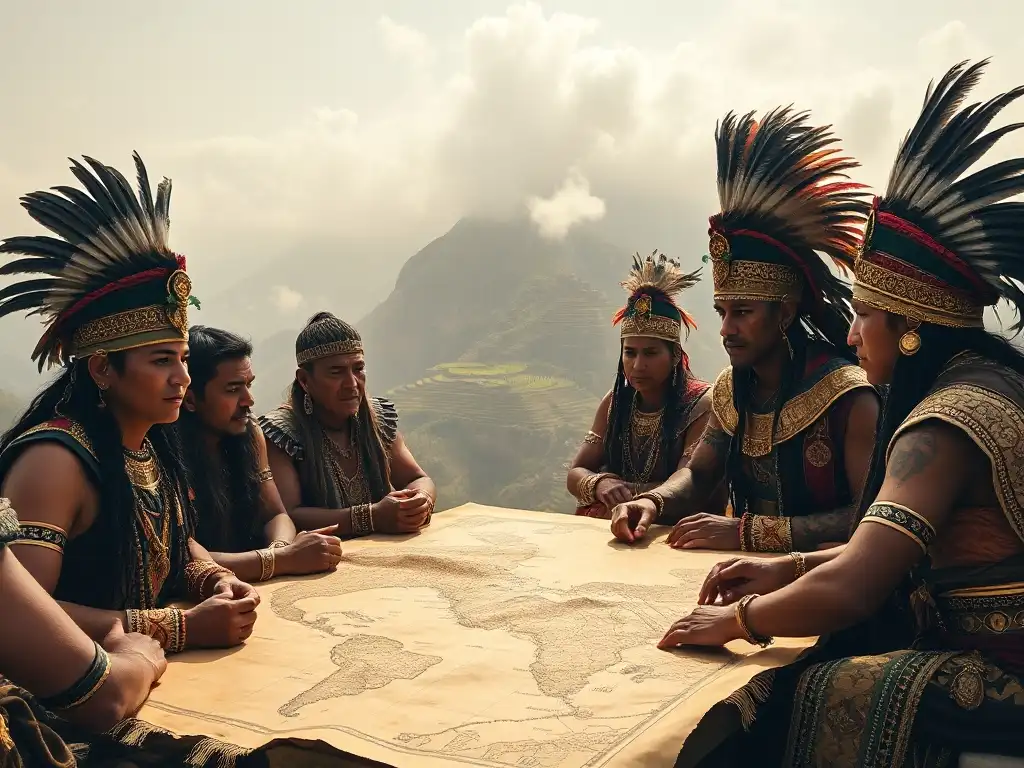
The Inca nobility played a crucial role in the empire's expansion, employing a multifaceted strategy that combined shrewd diplomacy, effective military leadership, and the strategic implementation of Inca laws and customs. Their actions weren't simply about conquest; they were about integrating new populations into the vast Inca system, ensuring long-term stability and the flow of resources. Understanding their contributions provides a clearer picture of how the Inca Empire achieved such remarkable growth. The Inca nobility's role in expansion wasn't simply a matter of brute force; it was a sophisticated blend of power and persuasion.
Diplomatic Negotiations and Alliances Led by the Sapa Inca and Royal Advisors
The Sapa Inca, the emperor, stood at the apex of this system, directing the overall expansion strategy. However, he relied heavily on a network of skilled royal advisors and nobles from prominent lineages. These individuals, often experienced in diplomacy and statecraft, were responsible for negotiating alliances and establishing peaceful relations with neighboring groups. This wasn't just about avoiding conflict; it was about strategically securing resources and manpower without the cost and disruption of full-scale warfare.
For instance, the incorporation of the Aymara peoples into the Inca Empire was largely achieved through diplomatic means. While military pressure certainly existed, the Inca nobility skillfully negotiated treaties and offered advantageous trade agreements, thereby fostering a sense of mutual benefit and minimizing resistance. These negotiations frequently involved lavish gifts, promises of protection, and the strategic placement of Inca officials within the Aymara communities.
This approach demonstrated the Inca nobility’s understanding of the importance of soft power in solidifying their control. The precise details of many of these negotiations remain shrouded in the mists of time, but surviving accounts reveal a sophisticated approach to diplomacy.
Military Leadership and Command by Inca Generals from Noble Lineages
When diplomacy failed, the Inca Empire possessed a formidable military machine. The command structure of this army was heavily influenced by the Inca nobility. Generals and high-ranking officers were often drawn from powerful noble families, possessing both military expertise and the authority to command respect and obedience among the troops. This system ensured that military operations were conducted with efficiency and discipline.
The organization of the Inca army itself reflects this noble influence. The army was structured along kinship lines, with units often composed of men from the same ayllu (community) under the command of a noble from their lineage. This fostered loyalty and cohesion within the ranks.
Furthermore, Inca military technology, including innovative weaponry and logistical strategies, was also developed and implemented under the guidance of these noble leaders. Detailed accounts of specific battles and military campaigns led by noble generals are unfortunately scarce, however, evidence suggests that their leadership was pivotal to the empire's military successes. Further research is needed to fully understand the military tactics employed by these noble commanders, but their importance in the expansion of the Inca Empire is undeniable.
The Implementation of Inca Laws and Customs in Conquered Territories
The Inca nobility wasn't simply concerned with conquering new territories; they were focused on their integration into the empire. A key aspect of this integration was the systematic implementation of Inca laws, customs, and religious practices. This process, overseen by Inca officials appointed from noble families, aimed to create a unified and cohesive empire.
The implementation of the mita system, a form of mandatory labor service, was a prime example of this process. While initially met with resistance in some conquered territories, the mita system, when efficiently managed by Inca nobles, ultimately served to standardize labor across the empire, facilitating the construction of infrastructure projects and the extraction of resources. The Inca nobility also played a key role in the standardization of weights and measures, ensuring fair trade and the smooth functioning of the empire's economy.
Furthermore, the propagation of Inca religion and ideology, often managed by noble priests and officials, served to further consolidate the empire's power and create a sense of shared identity. The meticulous implementation of these systems, under the watchful eye of the Inca nobility, ensured the long-term stability and prosperity of the Inca Empire, solidifying its place in history.
The Influence of Inca Nobles on the Economic Aspects of Expansion
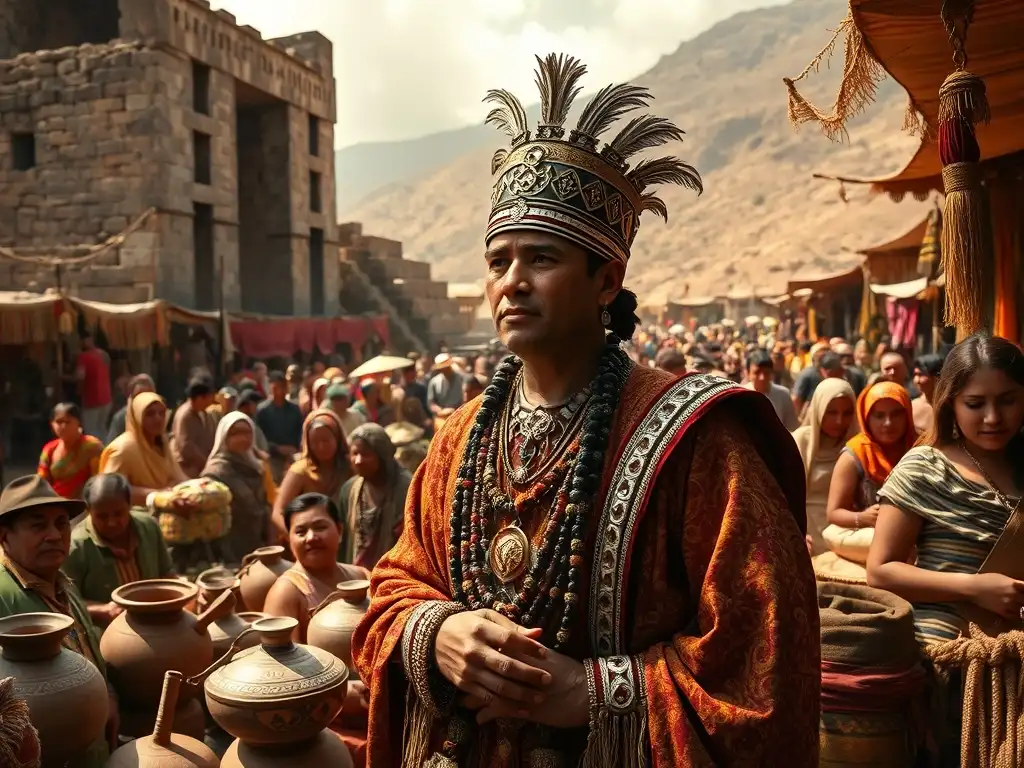
The Inca nobility played a crucial role in the empire's economic expansion, acting as vital cogs in a meticulously designed system that fueled the Inca's remarkable growth. Their influence extended across various sectors, from the management of labor and resource extraction to the development of infrastructure and the control of agricultural production. Understanding their economic functions is key to comprehending the Inca empire's impressive scale and longevity. The Inca nobility's role in expansion wasn't merely about conquest; it was about efficient administration and resource management, a sophisticated system that ensured the empire's continued prosperity.
Management of Mit'a Labor and Tribute Collection by the Nobility
The mit'a, a system of mandatory labor service, was a cornerstone of the Inca economy. Far from being a purely exploitative system, its effectiveness relied heavily on the Inca nobility's diligent management. Nobles, appointed as local governors (kurakas) or regional administrators, oversaw the allocation of mit'a labor to various projects, ensuring a steady supply of manpower for construction, agriculture, and mining.
This wasn't a haphazard process; meticulous records, likely kept using quipus (knotted string records), tracked the contributions of different ayllus (kinship groups) and individuals. Failure to fulfill mit'a obligations could result in severe penalties, but the system also ensured a degree of social equity, as the burden was distributed across the population, albeit unevenly. The nobility's role was not simply to extract labor, but to organize and manage it efficiently, ensuring the completion of large-scale projects vital to the empire's expansion and infrastructure development.
The success of the mit'a system was directly linked to the administrative prowess of the Inca nobility, showcasing their importance in the empire's economic engine. Further research is needed to fully quantify the economic impact of the mit'a system and the nobility's role in its success. [Specific data on the efficiency of mit'a labor allocation pending].
The Development of the Qhapaq Ñan and Trade Routes by the Inca Elite
The Qhapaq Ñan, the vast Inca road network, was a marvel of engineering and a testament to the Inca's organizational capabilities. The nobility's role in its construction and maintenance was paramount. High-ranking officials oversaw the mobilization of mit'a labor, the allocation of resources, and the coordination of different work crews along the extensive network.
The Qhapaq Ñan facilitated not only military movements but also trade and communication throughout the empire. The Inca elite strategically placed tambo (roadside inns) along these routes, providing rest stops for travelers and facilitating the movement of goods. This infrastructure significantly boosted the empire's economy, allowing for the efficient distribution of resources and the collection of tributes.
The control and maintenance of the Qhapaq Ñan by the Inca elite was an essential component of their economic strategy, directly supporting the empire's expansion by connecting disparate regions and facilitating trade and communication. The economic benefits derived from the Qhapaq Ñan were substantial, but precise quantification requires further investigation into trade volumes and economic impact. [Data on the economic impact of the Qhapaq Ñan pending].
Control of Agricultural Production and Land Distribution by Inca Nobles
Inca agricultural practices were remarkably sophisticated, contributing significantly to the empire's economic strength. The nobility played a crucial role in managing this vital sector. They controlled land distribution, ensuring that each ayllu received a sufficient amount of arable land to sustain itself and contribute to the empire's needs.
They also oversaw the implementation of advanced agricultural techniques, such as terracing and irrigation, which maximized crop yields. Surplus agricultural production was channeled to support the empire's urban centers and its expanding military. The nobility's control over agricultural output was essential for maintaining the empire's stability and supporting its expansion.
The Inca's agricultural prowess, coupled with the nobility's efficient management, ensured a consistent food supply, reducing the risk of famine and providing resources for the empire's growth. [Further research is needed to fully understand the specific mechanisms of land distribution and the extent of the nobility's influence on agricultural yields]. The Inca nobility's skillful management of agricultural resources was a critical factor in the sustained economic success of the empire, directly supporting its expansion and consolidation.
The Impact of Inca Nobility on the Cultural Assimilation of Conquered Peoples
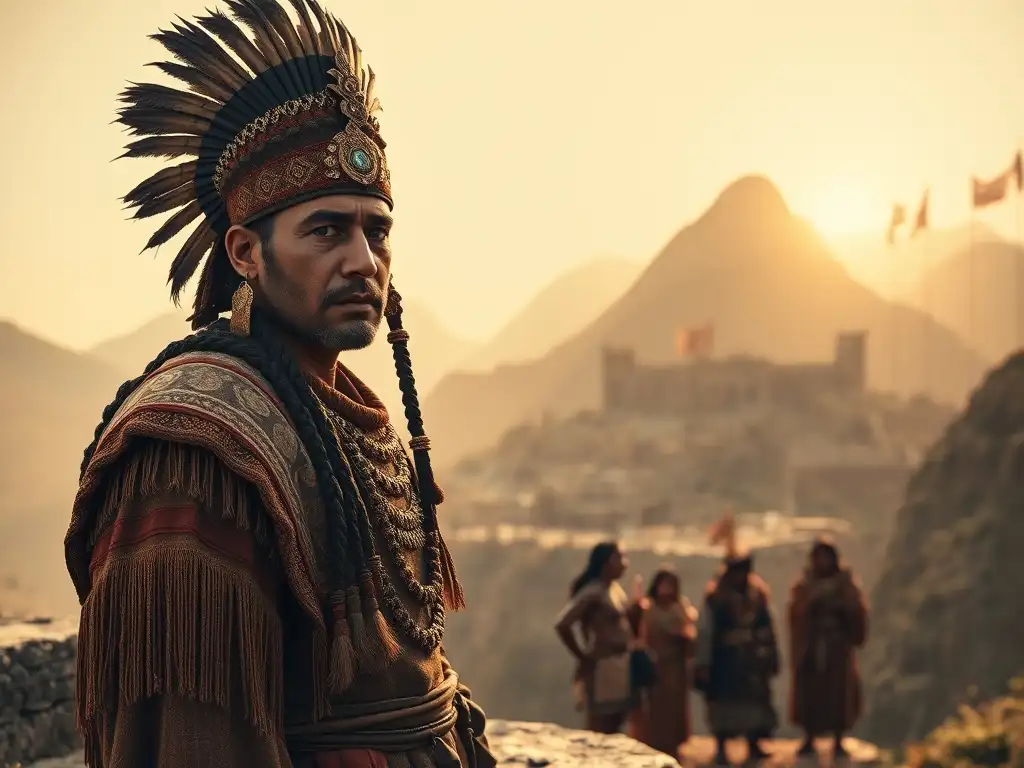
The Inca nobility played a crucial role in the cultural assimilation of conquered peoples, a process vital to the Inca Empire's expansion and long-term stability. This wasn't simply brute force; it involved a sophisticated strategy of integrating conquered populations while simultaneously reinforcing Inca dominance. The effectiveness of this strategy is evident in the relatively peaceful incorporation of many groups, at least initially, into the vast Inca realm.
The nobility's involvement ranged from imposing the Inca language and religion to strategically placing themselves within the conquered territories, fostering a sense of order and – paradoxically – belonging. The speed and relative success of this assimilation process highlight the strategic brilliance of the Inca leadership and the effectiveness of their administrative structures. Failure to assimilate effectively could have led to constant rebellion and instability, a risk the Inca cleverly mitigated.
Imposition of Quechua and the Cult of Inti
One of the most significant ways the Inca nobility facilitated cultural assimilation was through the imposition of Quechua, the Inca language, and the state religion centered on the sun god, Inti. Inca nobles, often stationed in newly conquered territories as governors or administrators, actively promoted Quechua as the language of administration, trade, and ultimately, social interaction. This wasn't always a smooth process; resistance undoubtedly existed.
However, the strategic placement of Quechua-speaking officials and the integration of Quechua into administrative functions gradually led to its widespread adoption. Simultaneously, the cult of Inti, with its elaborate rituals and iconography, was promoted as the official religion, often replacing or absorbing existing local deities and belief systems. This religious unification fostered a sense of shared identity and loyalty to the empire, further solidifying Inca rule.
The process wasn't uniformly successful—local traditions persisted in many areas—but the effort itself was a key component of the Inca strategy for cultural assimilation. Archaeological evidence, such as the discovery of Quechua-language texts and Inti-related artifacts in formerly independent regions, supports this assertion. The spread of Quechua is a testament to the power of imperial administration and the strategic deployment of the Inca nobility.
The Role of Inca Nobles in the Construction of Imperial Centers Like Cusco
The construction of impressive imperial centers like Cusco served as a powerful symbol of Inca dominance and facilitated cultural assimilation. Inca nobles played a vital role in overseeing the planning, construction, and administration of these centers. The relocation of conquered populations to these centers, often to work on infrastructure projects, fostered a sense of shared purpose and, over time, a common identity.
Cusco, in particular, became a melting pot of different cultures, yet the overarching Inca architectural style and urban planning imposed a distinct sense of imperial order. The construction of monumental architecture, such as the impressive stonework of Sacsayhuamán, not only showcased Inca engineering prowess but also served as a constant reminder of Inca power and authority. This visual dominance further reinforced the cultural assimilation process, subtly shifting the allegiance of conquered populations towards the Inca way of life.
The sheer scale of these projects required immense labor and coordination, underscoring the organizational capabilities of the Inca nobility and the importance of their role in shaping the cultural landscape of the empire. The very act of building Cusco, and other imperial centers, was an act of cultural engineering, carefully orchestrated by the Inca nobility.
Integration of Local Elites into the Inca Administration
A key aspect of the Inca nobility's role in expansion was the strategic integration of local elites into the imperial administration. Instead of simply replacing local leaders, the Inca often co-opted them, granting them positions within the imperial bureaucracy. This shrewd tactic minimized resistance and facilitated the smooth functioning of the empire.
By incorporating local leaders into the administrative structure, the Inca effectively neutralized potential sources of rebellion and created a system where local knowledge and expertise were utilized to the benefit of the empire. This process, however, wasn't without its complexities. Local elites often maintained a degree of autonomy and influence, sometimes even retaining aspects of their pre-Inca traditions and power structures.
This delicate balance between imperial control and local autonomy was a hallmark of Inca administration and a testament to the political acumen of the Inca nobility. The presence of local elites within the Inca system created a layer of mediation between the imperial power and the conquered populations, smoothing the path toward cultural assimilation. This carefully calibrated approach to integrating local elites stands as a prime example of the Inca nobility's mastery of political strategy and their crucial role in the expansion and consolidation of the empire.
Challenges and Resistance to Inca Nobility During Expansion
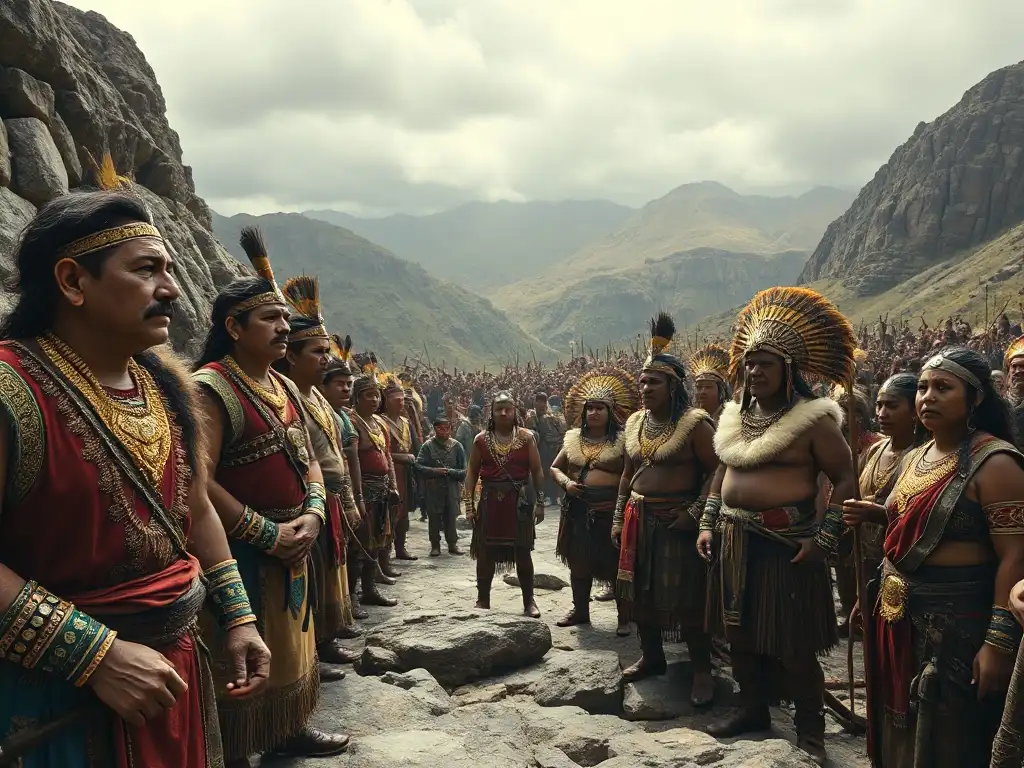
The Inca nobility's role in expansion wasn't solely one of smooth sailing and unquestioned authority. While instrumental in conquering new territories and integrating them into the empire, the Inca elite faced significant challenges and resistance that tested their power and influence. These challenges stemmed from both external factors – rebellions and uprisings – and internal pressures – succession disputes and power struggles.
Understanding these difficulties provides a more nuanced perspective on the Inca expansion, revealing the complexities of maintaining control over a vast and diverse empire. The effective management of these challenges was critical to the Inca's success, highlighting the sophisticated administrative and military capabilities of their ruling class.
Rebellions and Uprisings Against the Inca Elite, Such as the Chanca Wars
The Inca expansion wasn't a universally accepted process. Many conquered groups actively resisted Inca rule, staging rebellions and uprisings that threatened the stability of the newly acquired territories. The Chanca War, for example, serves as a potent illustration of this resistance. This conflict, which occurred before the reign of Pachacuti, nearly toppled the Inca state.
The Chancas, a powerful ethnic group inhabiting the central Andes, posed a significant military threat, successfully raiding Inca territories and inflicting substantial losses. This war forced the Incas to consolidate their power and develop more effective military strategies. The successful outcome of the Chanca War, ultimately leading to Inca victory under Pachacuti, solidified the Inca's military prowess and further fueled their expansionist ambitions.
However, the very existence of such a powerful rebellion underscores the inherent challenges the Inca nobility faced in maintaining control over a diverse and often hostile population. Other smaller-scale uprisings, though less well-documented, continuously tested the Inca's ability to manage conquered peoples and ensure the long-term stability of their empire. The Inca nobility's response to these uprisings, ranging from brutal suppression to strategic alliances and assimilation, shaped the future trajectory of the Inca Empire.
Internal Conflicts and Succession Disputes within the Inca Nobility
The Inca nobility's role in expansion wasn't without its internal conflicts. Succession disputes and power struggles within the Inca elite were not uncommon. The system of inheritance, while seemingly clear, often led to competition and rivalry amongst potential heirs.
Ambitious nobles, vying for power and influence, could destabilize the empire during crucial moments of expansion. These internal conflicts could divert resources away from military campaigns and weaken the empire's ability to effectively manage conquered territories. The struggle for power often played out through alliances and betrayals, affecting military strategies and the overall success of the expansion efforts.
Furthermore, the distribution of land, resources, and privileges amongst the nobility could lead to resentment and factionalism, potentially erupting into open conflict. These internal divisions, while often concealed from the outside, significantly hampered the Inca nobility's ability to maintain a unified front during expansion. The careful management of these internal dynamics was as crucial as the military prowess of the Inca army in ensuring the success of their expansionist goals.
The Long-Term Effects of Inca Expansion on the Nobility's Power
The Inca expansion had profound and lasting effects on the power dynamics within the Inca nobility. The acquisition of new territories and resources led to an increase in the wealth and influence of certain noble families. However, this also created new power imbalances and potential for conflict.
The integration of conquered elites into the Inca system often involved granting them positions of authority, potentially diluting the power of the established nobility. This process, while strategically crucial for consolidating control over newly acquired territories, could also create tensions and rivalries within the Inca ruling class. The long-term effects of the expansion included both the strengthening and weakening of certain noble lineages, leading to a complex and ever-shifting power structure within the Inca state.
The distribution of land, resources, and administrative positions played a pivotal role in shaping the political landscape of the empire, impacting the long-term influence and power of the Inca nobility. The continuous need to manage these shifting power dynamics was a key factor in the ongoing success or failure of the Inca expansion efforts. The legacy of the Inca expansion continues to shape our understanding of the intricate interplay between imperial ambition, internal politics, and the enduring power of the Inca nobility.
The Legacy of the Inca Nobility and its Role in the Empire's Expansion
The Inca nobility's role in expansion was multifaceted and crucial to the Inca Empire's remarkable growth. Their influence extended far beyond military conquest, encompassing crucial administrative, economic, and social functions that facilitated the integration of conquered territories and the maintenance of imperial control. Understanding their impact requires examining their diverse roles, from leading military campaigns and overseeing infrastructure projects to managing resources and administering justice within the vast empire.
The Inca nobility weren't merely passive beneficiaries of imperial power; they were active agents in its construction and perpetuation. Their actions shaped the political landscape of the Andes for centuries, leaving an indelible mark on subsequent Andean societies.
The Influence of Inca Nobility on Subsequent Andean Societies
The Inca nobility's legacy continued to resonate long after the Spanish conquest. The administrative structures they established, though disrupted, provided a framework for colonial authorities. The intricate system of mit'a labor, managed by the nobility, influenced later forms of forced labor imposed by the Spanish. Furthermore, the social hierarchy and the prestige associated with Inca lineages persisted, influencing power dynamics within colonial Andean societies. Many indigenous communities continued to trace their ancestry to Inca nobility, using this lineage to claim status and influence.
This enduring influence is evident in the persistence of certain traditions, customs, and social structures that reflect the Inca nobility's legacy. Even today, the memory of the Inca nobility shapes Andean identities and narratives. For example, [specific examples of continued influence on Andean societies pending]. This enduring impact underscores the deep and lasting significance of the Inca nobility's role in shaping Andean history.
The Historical Significance of the Inca Nobility in Andean History
The Inca nobility's historical significance within the broader context of Andean history is undeniable. They were key players in the dramatic transformation of the Andes from a region of competing smaller states to a unified empire. Their contribution to the Inca Empire's remarkable achievements in infrastructure development, such as the extensive road network and sophisticated irrigation systems, is undeniable.
Moreover, the nobility played a vital role in the propagation of Inca culture and religion throughout the empire. This included the standardization of language (Quechua), the promotion of Inca religious practices, and the dissemination of Inca artistic styles. Their actions fostered a degree of cultural homogenization, albeit with significant regional variations.
The Inca nobility's role in expansion wasn't simply about military conquest; it was about the creation of a cohesive and relatively stable imperial system. The careful integration of conquered populations, facilitated by the nobility, is a testament to their strategic acumen. The scale and complexity of the Inca Empire stand as a powerful testament to the effectiveness of their methods.
Analysis of the Varying Interpretations of the Inca Nobility's Role in Expansion
Historians have offered diverse interpretations of the Inca nobility's role in the empire's expansion. Some emphasize their military prowess and strategic capabilities, highlighting their role in leading successful campaigns and conquering new territories. Others focus on their administrative and economic functions, arguing that their expertise in resource management and infrastructure development was equally crucial. Still others emphasize the social and cultural aspects of their role, highlighting their contribution to the unification of the empire through the propagation of Inca culture and religion.
There is also debate surrounding the degree of autonomy and power wielded by the Inca nobility. Were they simply instruments of the emperor's will, or did they possess significant independent power and influence? The available evidence suggests a complex interplay of centralized authority and regional autonomy. The extent to which the Inca nobility's actions reflected the emperor's direct orders versus their own initiative remains a subject of ongoing scholarly discussion. Furthermore, understanding the Inca nobility's role requires considering the diverse perspectives of different groups within the empire, including those who were conquered and subjected to Inca rule. Their experiences offer a crucial counterpoint to the narratives generated by the nobility themselves. Further research, particularly analyzing [specific sources pending], will further refine our understanding of this complex historical dynamic. The ongoing debate underscores the richness and complexity of the Inca nobility's role in the expansion and consolidation of the Inca Empire.
Frequently Asked Questions
What was the primary role of the Inca nobility in the empire's expansion?
The Inca nobility played a crucial role in military conquest and administration of newly acquired territories. They led armies, oversaw the integration of conquered populations, and managed resource extraction. This ensured the empire's continued growth.
How did Inca nobility maintain control over conquered territories?
Inca nobility implemented a system of control and assimilation, including relocating conquered populations, establishing administrative centers, and promoting intermarriage with the local elites. They also established a network of roads and communication systems to facilitate control.
What were the privileges and responsibilities of the Inca nobility?
Inca nobles enjoyed significant privileges, including access to resources, land, and labor. Their responsibilities included managing conquered territories, collecting tributes, and ensuring loyalty to the Sapa Inca (emperor). They were also expected to serve in the military.
Did the Inca nobility have any influence on the empire's cultural and religious practices?
Yes, the Inca nobility played a key role in propagating Inca culture and religion. They oversaw the construction of temples and religious sites, and actively participated in religious ceremonies and festivals. This helped solidify Inca dominance.
How did the Inca system of succession affect the empire's expansion?
The inheritable nature of nobility ensured a stable power structure, facilitating continued expansion. The Sapa Inca's sons and relatives often led military campaigns and governed conquered territories, maintaining a continuity of leadership and policy.
Final Reflection: Echoes of Empire: The Enduring Legacy of Inca Nobility
The Inca Empire's expansion wasn't solely a military conquest; it was a meticulously orchestrated social and political project, driven by the ambition and organizational prowess of its nobility. The strategies employed – from sophisticated road networks to the integration of conquered populations – continue to fascinate and inform our understanding of empire building, even centuries later. Their methods offer valuable lessons in both the successes and failures of large-scale societal transformation.
The influence of the Inca nobility extends far beyond the crumbling ruins of Machu Picchu. Their legacy is woven into the fabric of Andean culture, shaping its social structures, political systems, and even its artistic expressions. Their intricate system of governance, though ultimately overcome by Spanish conquest, left an indelible mark. The Inca state was not merely a conquering force; it was a complex administrative machine, driven by the ambition and skill of its elite.
This quote highlights the crucial role of the nobility in not just conquering, but also managing and integrating vast territories, a feat that continues to inspire awe and study.
Consider the intricate balance of power, the strategic alliances, and the inherent tensions within the Inca nobility itself. Reflect on how these dynamics shaped the empire's trajectory, both its triumphs and its ultimate downfall. You, the reader, are now equipped with a deeper understanding of this pivotal historical force.
Use this knowledge to examine the complexities of power, the enduring impact of leadership, and the lasting legacies of empires past. Let the story of the Inca nobility inspire you to consider the intricate interplay of factors that shape the rise and fall of civilizations, and the lasting impact of those who hold power.
Unveil Your Power as a Cultural Explorer!
Thank you for exploring the fascinating world of Inca nobility and their crucial role in the empire's expansion. Your interest in Andean civilizations deepens our collective understanding of history and culture. Let's build on this curiosity and delve further!
Here are some ways to engage more deeply with this captivating topic:
- **Explore** local libraries and online archives for books and articles on Inca civilization to broaden your understanding beyond this introduction.
- **Share** this article with friends and fellow history enthusiasts to spark discussions about the lasting impact of nobility on societies.
- **Participate** in online forums and social media groups dedicated to ancient civilizations, contributing your insights on the role of nobility in shaping empires and their legacies.
Which aspect of Inca nobility intrigues you most, and how do you believe their influence resonates in modern society? Share your thoughts below!