
Inca Craftsmanship: Art and Technology of Imperial Power

Step into a world lost to time, yet echoing with power and ingenuity. Imagine the breathtaking artistry and sophisticated technology of the Andes, a civilization that shaped a landscape and a legacy. This journey into the heart of the Inca Empire unveils the secrets behind their remarkable achievements. Prepare to be amazed by the intricate details of Inca art and technology, a testament to the ingenuity of an empire that continues to fascinate and inspire. Discover how their mastery of craftsmanship solidified their imperial power—read on to unravel the mysteries!
The Inca Empire, at its zenith, controlled a vast territory stretching along the Andes Mountains. This impressive feat was not solely due to military might, but also to a sophisticated system of art and technology that facilitated the empire's expansion, consolidation, and enduring legacy.
Inca craftsmanship, a fascinating blend of practicality and artistry, served as a powerful tool for imperial control, reflecting the Inca worldview and their mastery of their environment. This article delves into the remarkable achievements of Inca art and technology, exploring how these innovations underpinned the power and stability of the empire, leaving behind an impressive architectural, agricultural, and infrastructural heritage.
We will examine the significance of their artistic expressions, their innovative engineering solutions, and the profound impact these had on shaping the Andean landscape and the lives of their people. Understanding Inca art and technology provides a crucial key to unlocking the secrets of this remarkable civilization and appreciating the ingenuity of its creators.
The Significance of Inca Art and Technology
Inca art and technology weren't merely decorative or functional; they were inextricably linked to the empire's ideology and power structure. Art served as a powerful tool for propaganda, reinforcing the emperor's divine authority and the empire's unity. Textiles, for instance, displayed intricate designs and vibrant colors, often depicting significant events or symbols of imperial power.
Gold and silver, precious metals highly valued by the Inca, were used to create elaborate objects for religious ceremonies and adornments for the elite, further solidifying the social hierarchy. Meanwhile, advanced technologies such as sophisticated irrigation systems and the impressive road network facilitated the efficient administration and control of the vast empire. These weren't isolated achievements but rather integrated aspects of a complex system aimed at maintaining stability and order across diverse regions and climates.
The Inca understood the power of combining aesthetics with functionality, resulting in a unique cultural expression deeply rooted in their social and political organization. This intricate interplay between art and technology is a testament to the Inca’s ingenuity and their profound understanding of the world around them.
Inca Engineering Marvels: Shaping the Landscape
The Inca Empire's success was significantly influenced by its remarkable engineering feats, which transformed the challenging Andean landscape into a productive and interconnected territory. Their mastery of engineering is clearly evident in several key areas: road systems, agricultural terraces, and water management techniques.
These achievements not only supported the empire's economic and logistical needs but also demonstrate a deep understanding of environmental challenges and the ingenuity required to overcome them. The Inca’s ability to adapt their engineering skills to the diverse terrains of the Andes speaks volumes about their resourcefulness and their ability to integrate their technology into the natural environment.
Inca Road System: Qhapaq Ñan
The Qhapaq Ñan, or Inca Road system, was a marvel of engineering, stretching thousands of kilometers across the Andes. This extensive network facilitated communication, trade, and military movement throughout the empire. The roads were meticulously constructed, with innovative techniques used to navigate mountainous terrain, including bridges, tunnels, and carefully graded pathways.
The Qhapaq Ñan wasn't merely a transportation network; it was a crucial element in maintaining the empire's political and economic stability, ensuring efficient communication and resource distribution across vast distances. The construction itself required considerable organization and manpower, demonstrating the Inca's impressive capacity for large-scale projects and their ability to mobilize resources effectively. The enduring legacy of the Qhapaq Ñan is a testament to the Inca’s advanced engineering skills and their understanding of the importance of infrastructure in empire building.
Agricultural Terraces: Maximizing Land Use
The steep slopes of the Andes presented a significant challenge for agriculture. However, the Inca developed ingenious agricultural terraces to maximize land use and increase food production. These terraces, built into hillsides, created level platforms for farming, preventing soil erosion and providing optimal conditions for crops. The construction of these terraces required advanced knowledge of water management and soil conservation, indicating a deep understanding of agricultural principles and the environment.
The terraces were not only productive but also aesthetically pleasing, integrating seamlessly into the landscape. Their construction represents a remarkable achievement in agricultural engineering, enabling the Inca to support a large population in a challenging environment. The scale and precision of these terraces showcase the Inca's organizational prowess and their commitment to sustainable agriculture.
Inca Water Management: Irrigation and Canals
Water was a precious resource in the Andes, and the Inca developed sophisticated systems for irrigation and water management. They constructed canals, aqueducts, and reservoirs to divert water from rivers and streams to agricultural fields, ensuring a reliable water supply for crops even in dry seasons. This complex network of water management systems required detailed planning and engineering expertise, demonstrating the Inca’s advanced understanding of hydraulics and their capacity for large-scale water projects.
These systems not only supported agriculture but also contributed to the overall prosperity and stability of the empire. The effectiveness of their water management techniques is a testament to their understanding of the environment and their ability to harness natural resources for the benefit of their society.
Inca Architecture: Stone Structures and Fortresses
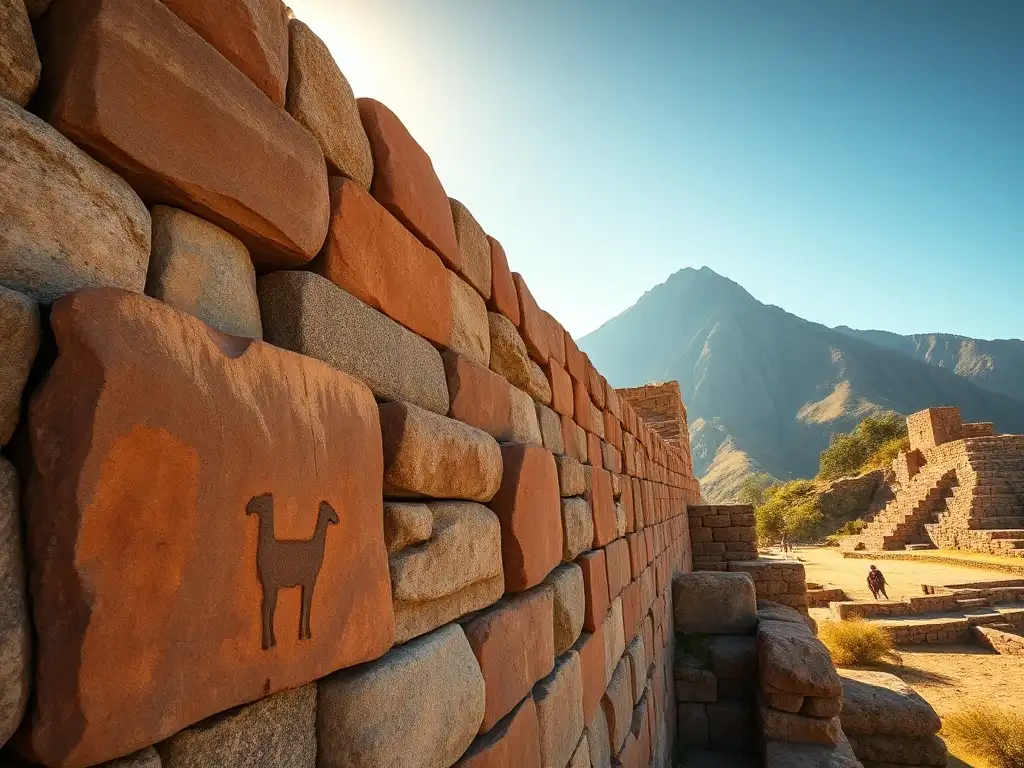
Inca architecture is renowned for its precision and grandeur. The Inca were master stonemasons, employing advanced techniques to create perfectly fitted stone structures without the use of mortar. Their buildings, from impressive palaces and temples to sturdy fortresses, are testaments to their skill and artistry.
The precision of their stonework, the intricate designs, and the integration of the structures into the natural landscape demonstrate a sophisticated understanding of architecture and engineering. The strength and durability of their structures are evident even today, centuries after their construction. The Inca’s architectural achievements not only served practical purposes but also served as powerful symbols of imperial power and authority, showcasing the empire's wealth, skill, and organization.
Inca Artistic Expressions: Reflecting Culture and Power
The Inca Empire's artistic achievements weren't merely decorative; they were powerful statements of imperial authority and cultural identity. Inca art served to legitimize the Inca's rule, showcasing their control over resources and their mastery of sophisticated techniques. The aesthetic principles underlying Inca art emphasized symmetry, balance, and a refined sense of proportion.
These principles are evident across various art forms, from monumental architecture to intricate textiles. The use of specific colors and motifs often held symbolic meaning, reflecting religious beliefs, social hierarchies, and the emperor's power. Imperial imagery, such as the depiction of the Inca ruler or sacred animals, was frequently incorporated into artistic works, reinforcing the empire's ideology and consolidating its power.
The standardization of certain artistic styles across the vast empire further contributed to a sense of unity and shared identity among the diverse populations under Inca rule. This carefully orchestrated artistic production served as a powerful tool for imperial control and cultural integration.
Inca Textiles: Intricate Weaving and Designs
Inca textiles represent the pinnacle of Andean weaving traditions. Using a variety of fibers, including alpaca, llama, and vicuña wool, Inca artisans created fabrics of unparalleled quality and complexity. The intricate designs, often incorporating geometric patterns, stylized animals, and symbolic motifs, were woven with remarkable precision. Techniques such as tapestry weaving, brocade, and supplementary weft allowed for detailed imagery and rich textural effects.
The colors used were vibrant and long-lasting, achieved through the use of natural dyes derived from plants and minerals. Textiles served a variety of functions, from clothing and blankets to ceremonial garments and tapestries used in religious rituals. The quality of the textiles, often reserved for the elite, served as a marker of social status and power within the Inca hierarchy. The sophistication of Inca weaving techniques demonstrates a high level of technological skill and artistic expression.
Inca Pottery: Forms, Decoration and Function
Inca pottery displays a remarkable range of forms, decorations, and functions. While the stylistic features of pottery varied regionally, a unifying sense of craftsmanship and artistic design is evident. Common forms include jars, bowls, cups, and vessels for ritual use. Decorative techniques included painting, incision, and stamping, often using geometric patterns, stylized figures, and naturalistic representations of animals and plants. The use of color was significant, with specific colors associated with particular deities or events.
Inca pottery served both practical and ceremonial purposes. Everyday pottery was functional, while elaborate pieces were used in religious ceremonies and as grave goods. The variations in pottery styles, from simple utilitarian pieces to highly decorated ceremonial vessels, reflect the social stratification and religious beliefs of the Inca civilization. The widespread distribution of similar pottery styles across the empire highlights the standardization of artistic conventions under Inca rule.
Inca Metalwork: Gold, Silver, and Bronze Techniques
Inca metalwork is renowned for its mastery of gold, silver, and bronze. Inca artisans developed advanced techniques for smelting, alloying, and shaping these metals, creating objects of incredible beauty and sophistication. They employed techniques such as hammering, casting, repoussé, and soldering to produce intricate designs and three-dimensional forms. Gold and silver were used to create elaborate ornaments, ceremonial objects, and vessels for the elite, reflecting the Inca’s control over valuable resources and their belief in the power of these precious metals.
The use of alloys, such as tumbaga (a gold-copper alloy), allowed for a greater range of colors and textures. The intricate details and refined craftsmanship of Inca metalwork demonstrate a high level of technological skill and artistic talent. These objects served as important symbols of power, prestige, and religious significance, reinforcing the Inca's imperial authority.
Inca Featherwork: Colorful Adornments and Ritual Objects
Inca featherwork showcases the Inca's artistic skill and mastery of delicate techniques. Using feathers from a variety of birds, Inca artisans created intricate mosaics and colorful adornments. They meticulously arranged and secured feathers to create detailed designs and vibrant patterns. Featherwork was used to create ceremonial garments, headdresses, and ritual objects, reflecting the importance of birds in Inca cosmology and the symbolic power of feathers.
The vibrant colors and intricate designs of Inca featherwork highlight the Inca's appreciation for beauty and their skill in creating objects of great aesthetic and spiritual value. These objects often served as symbols of power and status, reserved for the elite members of society and used in religious ceremonies. The preservation of these incredibly fragile objects is a testament to the skill of the Inca artisans and the importance they placed on their craftsmanship.
Inca Materials and Techniques: The Foundation of Their Craft
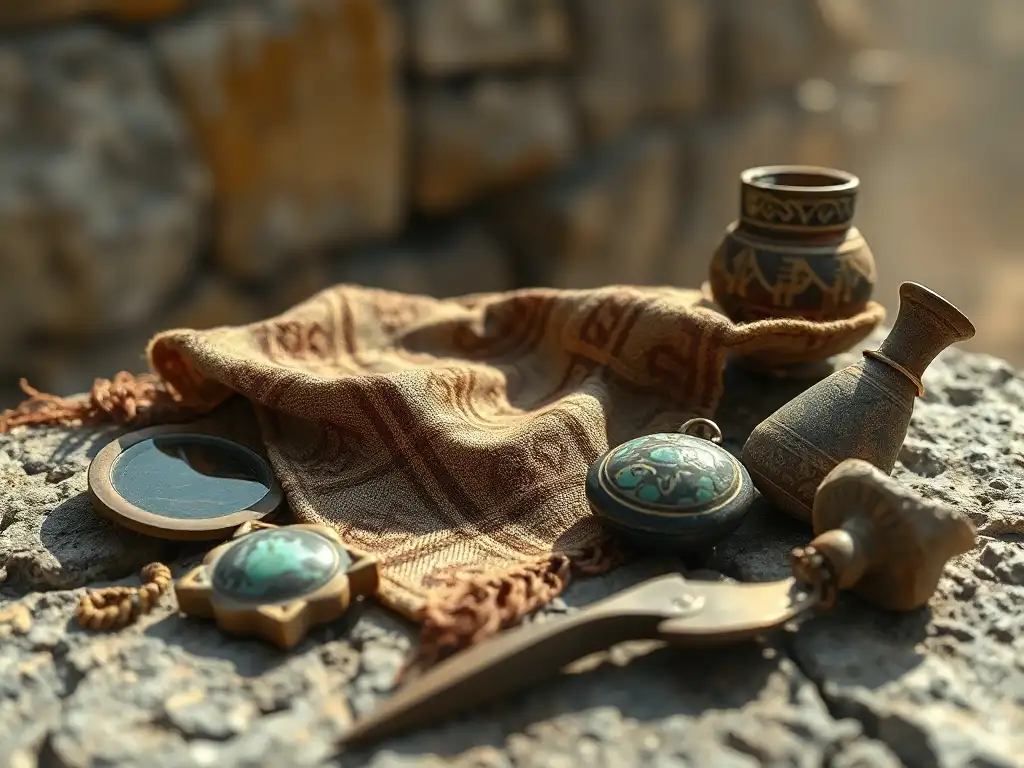
The Inca Empire’s impressive artistic achievements were built upon a foundation of sophisticated materials and techniques. Access to a wide range of resources and a deep understanding of their properties allowed Inca artisans to create objects of exceptional quality and durability. Their mastery of various techniques, refined over generations, resulted in a unique and recognizable artistic style that reflected their cultural values and imperial power.
The Inca's ability to organize and manage the extraction and distribution of these materials across their vast empire further demonstrates their sophisticated administrative capabilities. The combination of readily available resources and innovative techniques allowed the Inca to create a diverse range of artistic objects, including textiles, pottery, metalwork, and featherwork.
Stone Quarrying and Shaping: Inca Precision
The Inca's mastery of stonework is evident in their monumental architecture. They developed sophisticated techniques for quarrying, transporting, and shaping massive stones with remarkable precision. The precise cutting and fitting of stones, often without the use of mortar, demonstrates a high level of engineering skill and understanding of stone properties.
The intricate designs and complex structures created from these stones showcase the Inca's advanced knowledge of geometry and architecture. The scale of these projects, such as the impressive stonework at Machu Picchu, highlights the Inca's ability to organize and manage large-scale labor projects. The precise fitting of stones without mortar is a testament to the Inca's advanced understanding of engineering principles and their ability to create structures of exceptional durability.
Metallurgy: Smelting and Alloying
Inca metallurgy involved sophisticated techniques for smelting and alloying metals, particularly gold, silver, and copper. They developed advanced furnaces and smelting processes to extract metals from ore. Their ability to create alloys, such as tumbaga, allowed them to produce a wide range of colors and textures in their metalwork. The techniques used to shape and decorate metal objects were equally sophisticated, demonstrating a high level of craftsmanship and artistic skill.
The Inca’s metallurgical expertise allowed them to produce a wide range of objects, from everyday tools to elaborate ceremonial items, reflecting their advanced technological capabilities and their understanding of material science. Their mastery of metallurgy was a key factor in the production of their impressive metalwork, a powerful symbol of Inca imperial power.
Ceramic Production: Firing and Glazing
Inca ceramic production involved a complex process, from preparing the clay to firing and sometimes glazing the finished vessels. The Inca used a variety of clays and techniques to create pottery of varying forms and functions. The firing process involved carefully controlling the temperature and duration of heating to achieve the desired result. Some Inca pottery was glazed, resulting in a smooth, waterproof surface and enhanced aesthetic qualities.
The techniques used in ceramic production varied regionally, reflecting local traditions and resource availability. However, a consistent level of craftsmanship and artistic skill is evident throughout the empire. The diverse range of Inca pottery, from simple utilitarian vessels to elaborately decorated ceremonial pieces, demonstrates the versatility and sophistication of their ceramic production techniques.
Textile Production: Spinning, Dyeing, and Weaving
Inca textile production involved a series of intricate steps, from harvesting and processing the fibers to spinning, dyeing, and weaving the finished fabric. The Inca used a variety of fibers, including alpaca, llama, and vicuña wool, each with unique properties. They developed sophisticated techniques for spinning and plying these fibers to create strong and durable yarns. Natural dyes derived from plants and minerals were used to produce a wide range of vibrant and long-lasting colors.
The Inca mastered various weaving techniques, including tapestry weaving, brocade, and supplementary weft, allowing them to create complex designs and intricate patterns. The combination of high-quality fibers, sophisticated dyeing techniques, and advanced weaving methods resulted in textiles of unparalleled quality and beauty. The sophistication of Inca textile production is a testament to their understanding of materials and their mastery of complex technical processes.
The Role of Inca Craftsmanship in the Empire
Inca craftsmanship played a pivotal role in the empire's expansion and consolidation. It wasn't merely decorative; it served as a powerful tool for projecting imperial authority, managing resources, and controlling the vast population. The intricate textiles, finely crafted metalwork, and impressive stone architecture were all integral parts of a sophisticated system designed to maintain power and order across a diverse landscape.
The sheer scale of Inca production, from the construction of monumental sites like Machu Picchu to the creation of countless everyday objects, speaks volumes about the empire’s organizational capabilities and the importance placed on skilled labor. The quality and artistry of Inca work were not accidental; they were carefully cultivated and controlled to reinforce the image of a powerful and sophisticated empire. The consistent style and high standards across vast distances demonstrate the effectiveness of the Inca administrative system in directing and standardizing production.
Inca Art as a Symbol of Imperial Authority
Inca art served as a potent symbol of imperial authority, explicitly communicating the power and legitimacy of the Sapa Inca. Elaborate textiles, adorned with intricate designs and often incorporating precious metals, were reserved for the elite and the Inca rulers themselves. These garments, along with finely crafted ceremonial objects like kero drinking vessels, served to visually assert the Inca's dominance and divine right to rule.
Monumental architecture, such as the meticulously crafted stonework of Sacsayhuamán, further reinforced this message of imperial power, showcasing the empire's technical prowess and its ability to command vast resources and labor. The sheer scale and precision of these projects served as a constant reminder of the Inca's overwhelming power and authority. The standardization of artistic styles across the empire also ensured a consistent visual message of unity and control.
Inca Technology for Resource Management and Control
Inca technology was crucial for managing resources and controlling the vast territories under their rule. Their sophisticated agricultural techniques, including terracing, irrigation systems, and the use of waru waru raised fields, allowed them to maximize agricultural output in diverse environments. This control over food production was essential for sustaining a large population and maintaining social stability.
The intricate road network, stretching thousands of kilometers across the Andes, facilitated efficient transportation of goods, troops, and messages, further strengthening the empire's control and communication. The ability to efficiently transport resources and maintain communication was crucial for both economic stability and military strength. This infrastructure also fostered a sense of unity among diverse populations within the empire.
Inca Craft Specialization and Labor Organization
The Inca economy relied heavily on specialized craft production and a highly organized labor system. Artisans were grouped into specialized ayllus (communities), each responsible for producing specific goods. This division of labor, controlled by the state, ensured efficient production and maintained high standards of quality.
The system involved a complex network of skilled laborers, supervisors, and administrators, all working within a hierarchical structure that ensured the effective production and distribution of goods throughout the empire. This centralized control over production allowed the Inca to efficiently allocate resources and ensure that the needs of the empire were met. The efficiency of this system is evidenced by the consistency and quality of Inca crafts found across vast distances.
Inca Craftsmanship as Economic and Political Power
Inca craftsmanship was not just a reflection of power; it was a source of economic and political power. The control over production, distribution, and trade of goods generated significant wealth for the empire. The state's monopoly over certain crafts, such as gold and silver working, further concentrated economic power in the hands of the Inca rulers.
The exchange of goods, both within the empire and with neighboring communities, played a vital role in solidifying political alliances and reinforcing Inca dominance. This economic power translated directly into political influence, allowing the Inca to maintain control and suppress any potential dissent. The ability to control the production and distribution of essential goods was a cornerstone of Inca power.
Legacy of Inca Art and Technology: Enduring Influence
The legacy of Inca art and technology continues to resonate in the Andean region and beyond. Their innovative techniques and artistic styles have had a profound and lasting impact on the cultures and societies of the region. The ingenuity and skill demonstrated by Inca artisans continue to inspire and amaze, demonstrating a deep understanding of engineering, design, and artistic expression. This legacy is not merely historical; it is a living testament to the enduring creativity and resilience of the Andean peoples.
Influence of Inca Techniques in Contemporary Andean Art
Many contemporary Andean artists draw inspiration from Inca techniques and artistic styles. Traditional weaving techniques, metalwork, and pottery continue to be practiced, often incorporating modern sensibilities while preserving the essence of Inca aesthetics. This continuity speaks to the enduring relevance of Inca artistic traditions and their integration into contemporary Andean identity. Many modern artists blend traditional Inca techniques with contemporary materials and styles, creating a dynamic and evolving artistic landscape.
Preserving Inca Craft Traditions
Efforts to preserve Inca craft traditions are crucial for maintaining cultural heritage and promoting sustainable economic development in the Andean region. These efforts involve supporting traditional artisans, documenting ancient techniques, and promoting the appreciation of Inca art and technology. The preservation of these traditions is vital not only for cultural reasons but also for economic sustainability. Supporting traditional crafts helps to preserve cultural identity and provide economic opportunities for local communities.
Studying Inca Art and Technology for Modern Applications
The study of Inca art and technology offers valuable insights for modern applications in various fields. Their innovative approaches to agriculture, engineering, and resource management provide lessons for sustainable development and problem-solving. Examining Inca techniques can inform modern approaches to construction, architecture, and resource management, offering inspiration for solutions to contemporary challenges. The ingenuity of the Inca provides a wealth of knowledge that can be applied to modern contexts. Their sustainable practices offer valuable lessons for a world grappling with environmental challenges.
- The Significance of Inca Art and Technology
- Inca Engineering Marvels: Shaping the Landscape
- Inca Artistic Expressions: Reflecting Culture and Power
- Inca Materials and Techniques: The Foundation of Their Craft
- The Role of Inca Craftsmanship in the Empire
- Legacy of Inca Art and Technology: Enduring Influence
Frequently Asked Questions
What makes Inca art and technology so unique?
Inca art and technology were remarkably sophisticated for their time. They excelled in metallurgy, textiles, and stonework, showcasing impressive engineering skills and artistic talent. Their innovations were crucial to their empire's success.
How did Inca technology support their empire's expansion?
Advanced road systems and innovative agricultural techniques, like terracing, allowed the Inca to efficiently manage their vast empire. Their military prowess, aided by sophisticated weaponry, also played a vital role in expansion. Effective communication systems also helped maintain control.
What are some examples of impressive Inca art?
Textiles featuring intricate designs and vibrant colors are highly prized. Gold and silver were masterfully worked into intricate jewelry and religious objects. The precise stonework of Machu Picchu stands as a testament to their architectural skill.
What role did religion play in Inca art and technology?
Religion significantly influenced Inca art and technology. Many artifacts were created for religious ceremonies and rituals. Temples and other structures were built to honor their gods, demonstrating the integration of faith and engineering. Symbolism was heavily incorporated into all forms of art.
How has Inca art and technology influenced modern societies?
Inca ingenuity continues to inspire. Their agricultural techniques are still studied and adapted. Their architectural mastery continues to amaze and inform modern construction methods. The artistic legacy lives on in contemporary Andean art forms.
Final Reflection: The Enduring Legacy of Inca Ingenuity
The intricate artistry and advanced engineering of the Inca Empire remain profoundly relevant today, a testament to human ingenuity and a powerful reminder of the interconnectedness of art and technology. Their mastery of stonework, textiles, and metalworking wasn't merely decorative; it was a fundamental expression of their societal structure, reflecting their sophisticated understanding of engineering, resource management, and social organization. This legacy continues to inspire awe and wonder, prompting us to consider the enduring power of human creativity.
The Inca's ability to seamlessly blend art and technology continues to resonate in contemporary society, shaping our understanding of sustainable design and innovative problem-solving. Their achievements, from the precise stonework of Machu Picchu to the complex irrigation systems that sustained their vast empire, stand as a powerful example of how human ingenuity can overcome seemingly insurmountable challenges. The Inca were not just builders; they were artists who understood the profound relationship between form and function.
This understanding transcends time, reminding us that true innovation is always rooted in a deep appreciation for both aesthetic beauty and practical application.
Consider the implications of the Inca's legacy for your own life. How can you integrate the principles of ingenuity, resourcefulness, and artistic expression into your own pursuits? Embrace the spirit of innovation that defined the Inca, and strive to create something beautiful and functional, something that will endure as a testament to your own unique talents and vision. Let the enduring legacy of Inca craftsmanship inspire you to build a better future, one where art and technology work in harmony to create a more sustainable and fulfilling world.
Unveil the Wonders of Inca Craftsmanship Today!
Thank you for exploring the intricate world of Inca craftsmanship with us! We hope you've gained a deeper appreciation for the artistry and technological sophistication that reflect the power and ingenuity of this remarkable civilization. Now, let's delve even deeper!
Here are some ways to further immerse yourself in the beauty of Inca culture:
- Explore Inca Artifacts: Visit local museums or online exhibits to see stunning examples of Inca artistry firsthand.
- Join our Community: Connect with fellow enthusiasts on our forum at **andeancivilizations.com** to share your insights, ask questions, and learn from others.
- Create Your Own Inca-Inspired Crafts: Try your hand at traditional Inca-inspired crafts through DIY projects or workshops in your area.
What aspect of Inca craftsmanship most captivates you, and how will you integrate it into your life?