
Economic Policies: How the Incas Managed Resources

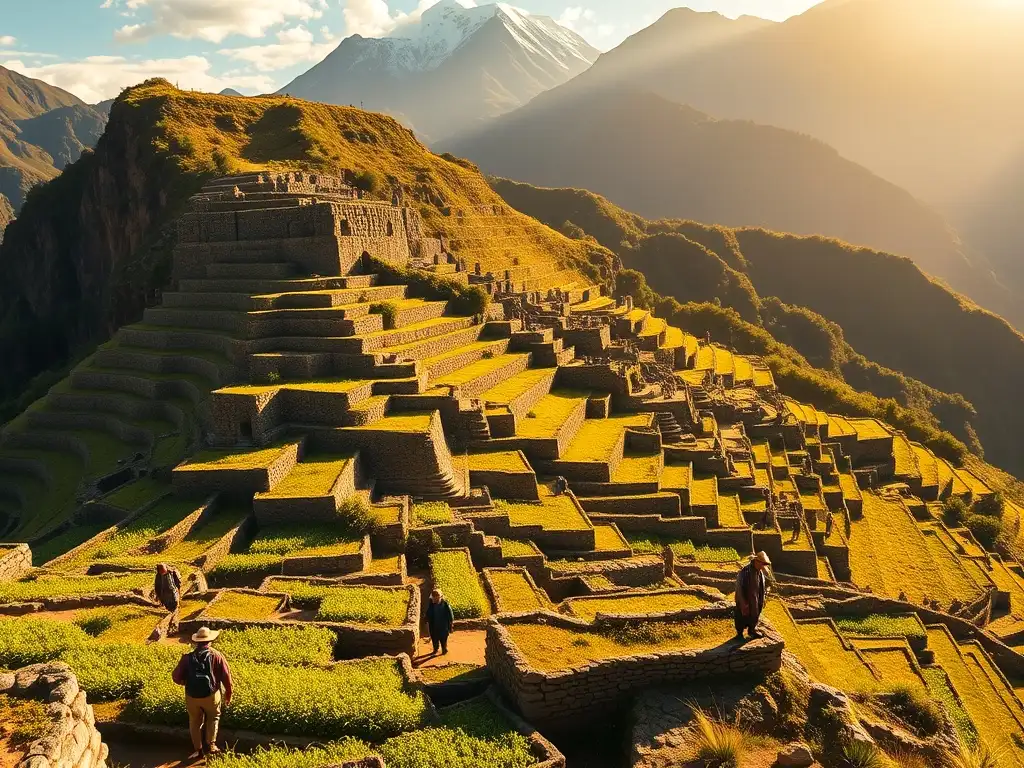
Step into a world lost to time, yet echoing with the ingenuity of a civilization that defied the Andes' harsh landscape. Discover the secrets behind the Inca Empire's enduring success, a success built upon a foundation of masterful Inca economic resource management. Were their policies truly as effective as legend suggests? Delve into the fascinating details and uncover the truth behind this ancient empire's remarkable achievements. Prepare to be amazed by what you discover.
- Inca Economic Resource Management: A Look at Andean Prosperity
- The Foundation of Inca Economy: Principles and Structure
- Key Strategies for Inca Resource Management
- Inca Economic Policies and Their Impact
- Legacy of Inca Economic Resource Management
-
Frequently Asked Questions
- What was the most important economic resource for the Inca Empire?
- How did the Inca manage their agricultural resources?
- What role did labor play in the Inca economic system? Mit'a?
- Beyond agriculture, what other resources did the Inca manage effectively?
- How did the Inca's economic policies contribute to their empire's success?
- Final Reflection: The Enduring Legacy of Inca Resource Management
- Unveil the Timeless Wisdom of Incan Resource Management!
Inca Economic Resource Management: A Look at Andean Prosperity
The Inca Empire, a civilization that flourished in the Andes Mountains from the 15th to the 16th century, stands as a testament to remarkable organizational prowess. Their success wasn't solely based on military might or sophisticated engineering; a crucial element was their innovative and highly effective system of economic resource management. This system, meticulously designed to support a vast and diverse population across challenging terrain, allowed the Inca to achieve an unprecedented level of societal stability and prosperity.
This article delves into the intricate mechanisms of Inca economic policies, exploring how they managed resources to fuel their empire's expansion and consolidation. We will analyze their strategies for agricultural production, redistribution of goods, and the management of labor, revealing the sophisticated methods that underpinned their economic success and contributed significantly to their enduring legacy.
Understanding the Inca's approach to resource management offers valuable insights into the principles of effective governance and sustainable development, even in the context of modern challenges. The keyword phrase "Inca economic resource management" will be explored throughout, showcasing the various facets of this remarkable system.
Agricultural Production: The Foundation of Inca Economy
The backbone of the Inca economy was undoubtedly its highly efficient agricultural system. Facing the challenges of mountainous terrain and varied climates, the Inca developed ingenious techniques to maximize food production. Terracing, a method of creating level platforms on slopes, allowed for the cultivation of crops even on steep inclines.
This, combined with sophisticated irrigation systems using canals and aqueducts, ensured a reliable water supply for crops. The Inca also employed a system of crop rotation and fertilization to maintain soil fertility. Specific crops were cultivated in different ecological zones, taking advantage of the varied altitudes and microclimates of the Andes.
This diverse agricultural output not only ensured food security for the population but also provided a surplus that could be stored and redistributed. The Inca's mastery of agriculture is a clear example of how their economic policies were deeply intertwined with their understanding of the environment. This allowed for a surplus of goods, crucial for their expansion and consolidation.
Redistribution of Goods: The Mit'a System and State Control
The Inca's economic system wasn't solely based on individual production. A vital aspect was the state's role in the redistribution of goods. The mit'a system, a form of labor tribute, played a crucial role in this process.
While often associated with forced labor, the mit'a also involved the contribution of agricultural products and other resources to state-controlled storehouses. These qollqas, strategically located throughout the empire, served as central repositories for surplus food and other goods. The state then managed the distribution of these resources, ensuring that all members of society, from the elite to the commoners, had access to essential goods.
This system was crucial for maintaining social stability and mitigating the risks associated with natural disasters or crop failures. The efficient management of these storehouses and the equitable distribution of resources are testament to the Inca's sophisticated economic planning. This redistribution system, coupled with the agricultural surpluses, facilitated the empire's expansion and allowed for the provisioning of large-scale public works projects.
Labor Organization and Specialization: Crafting a Thriving Economy
The Inca economy also benefited from a highly organized and specialized labor force. Beyond the mit'a, the Inca employed a system of specialized labor groups, each responsible for specific tasks. This division of labor, combined with the state's control over resources, allowed for the efficient production of goods and services. Artisans, skilled in weaving, pottery, metalworking, and stone carving, produced high-quality goods for both elite and common use.
This specialization fostered innovation and efficiency, contributing significantly to the economic prosperity of the empire. The state's oversight ensured that these specialized craftspeople were adequately supplied with resources and that their output was distributed effectively throughout the empire. This economic organization significantly contributed to the empire's expansion, allowing for the construction of monumental structures and the maintenance of a vast infrastructure. The highly organized and specialized labor force underpins the empire's success as a sophisticated economic entity.
The Role of Trade and Exchange in Inca Economic Policies
While primarily a centrally controlled economy, the Inca Empire did not entirely exclude trade and exchange. While long-distance trade was less prevalent than internal redistribution, regional exchange did occur, particularly in specialized goods such as textiles, pottery, and metalwork. These exchanges often involved reciprocal gifts or tribute, reinforcing alliances and strengthening political ties.
This system complemented the state's control over resources and contributed to the overall economic dynamism of the empire. While the scale of trade might seem limited compared to later empires, it played a significant, albeit supplementary, role in Inca economic policies, fostering regional interactions and enriching the diversity of goods available within the empire. The controlled yet flexible approach to trade illustrates the nuanced nature of Inca economic management.
The Inca's economic policies, characterized by their sophisticated agricultural practices, meticulous redistribution systems, and highly organized labor force, demonstrate a remarkable understanding of resource management. This system, instrumental in the empire's expansion and consolidation, offers valuable lessons on sustainable development and effective governance, even in a modern context. The meticulous planning and execution of these policies contributed to the unprecedented level of societal stability and prosperity achieved by the Inca, leaving a lasting legacy that continues to fascinate and inspire.
The Foundation of Inca Economy: Principles and Structure
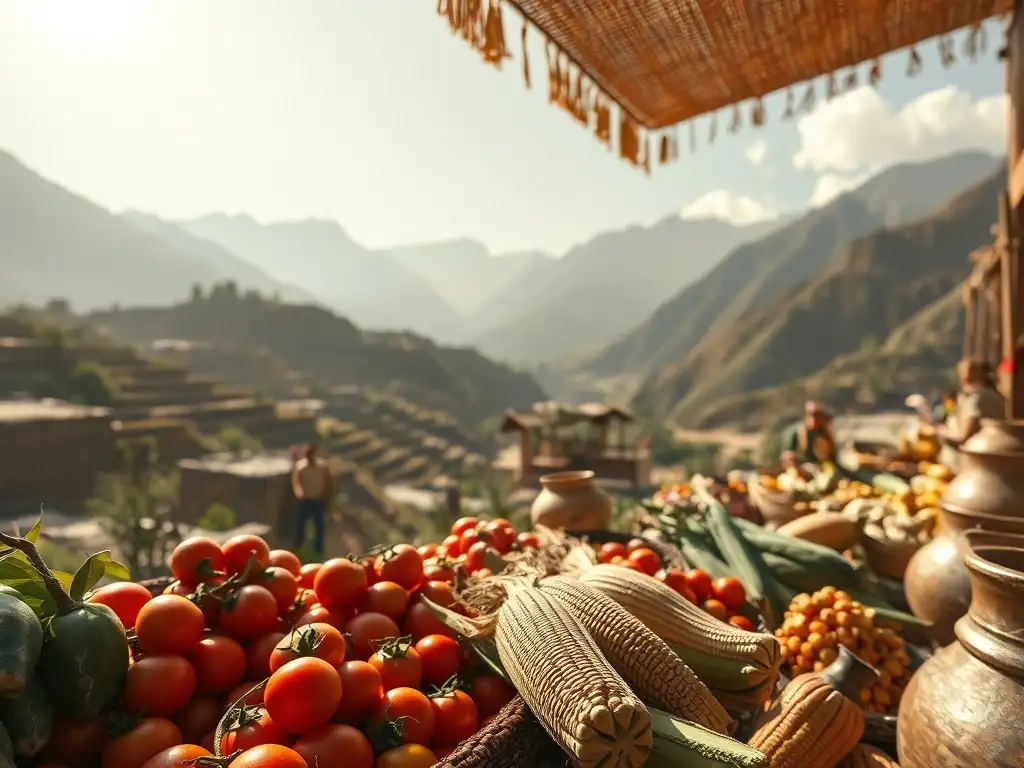
The Inca Empire's remarkable expansion and consolidation rested upon a sophisticated and highly centralized economic system. Unlike many other ancient societies, the Incas didn't rely solely on market forces. Instead, their economic policies were built on two fundamental principles: reciprocity and redistribution, meticulously managed by the state. This system ensured the efficient allocation of resources, facilitated social cohesion, and ultimately contributed to the empire's impressive longevity and stability.
Understanding this intricate framework is key to grasping the Inca's success in managing their vast resources and achieving such a high level of societal organization. The effective implementation of Inca economic resource management strategies is a testament to their administrative prowess. This system, while demanding, ensured a degree of social security unseen in many contemporaneous societies.
Reciprocity and Redistribution in the Inca Empire
The Inca economic system was not based on individual profit or competition. Instead, it operated on a complex system of ayni (reciprocity) and mita (redistribution). Ayni was a system of mutual exchange of labor and goods within communities. Neighbors helped each other with tasks like farming, building, and crafting, creating a strong sense of community and social solidarity. This wasn't simply altruistic; it was a fundamental aspect of their social fabric, ensuring everyone contributed and benefited. The system fostered cooperation and ensured that even during times of hardship, communities could rely on each other for support.
Mita, on the other hand, involved the redistribution of resources collected by the state. This included agricultural produce, textiles, metals, and labor. The state collected these goods and services through a highly organized system of taxation and tribute, ensuring that surplus resources were channeled to support public works, the army, religious institutions, and the elite.
The efficient management of this redistribution was crucial for maintaining the empire's infrastructure and social order. It also played a vital role in ensuring that resources were available during times of famine or natural disasters, preventing widespread hardship. The meticulous record-keeping associated with mita highlights the sophistication of Inca economic resource management.
The Role of the State in Economic Control
The Inca state played a dominant role in controlling and managing the economy. This wasn't a purely exploitative system; rather, it was a highly organized and planned economy designed to ensure the welfare of the entire population. The state controlled land ownership, production, distribution, and even labor. This level of control enabled them to efficiently manage resources and respond effectively to changing circumstances. For example, during times of drought, the state could redistribute stored food supplies to prevent widespread famine. This proactive approach to resource management was crucial for maintaining social stability and preventing uprisings.
The state's control wasn't arbitrary. It was implemented through a complex bureaucratic system with officials responsible for monitoring production, collecting taxes, and overseeing the distribution of goods. This intricate administrative structure, combined with an advanced system of record-keeping using quipus (knotted cords), allowed for efficient resource management across the vast empire. The effectiveness of this bureaucratic system is evidenced by the empire's ability to support a large population and maintain a high level of infrastructure development. The precise details regarding the bureaucratic structure and its day-to-day functioning are still being researched, but emerging evidence points to its sophisticated nature.
Land Ownership and Management in Inca Society
Land ownership in the Inca Empire was fundamentally different from Western concepts of private property. The Inca state held ultimate ownership of all land, which was allocated to different groups based on their needs and social standing. This included ayllus (extended family groups), temples, and the state itself. The state’s control over land ensured efficient resource management and prevented land accumulation by powerful individuals. This system promoted equality and prevented the concentration of wealth, thereby contributing to the empire's relative social stability. The state regulated agricultural practices, ensuring optimal land use and productivity.
This centralized land management system was crucial for the empire's success. It enabled the Inca to manage water resources, implement agricultural innovations, and ensure a consistent food supply for the population. The system was flexible enough to accommodate varying environmental conditions across the diverse Andean landscape.
While the details of land allocation and management are still under investigation, the evidence strongly suggests a highly organized and efficient system that ensured the sustainability of Inca agriculture and the overall well-being of the population. The success of Inca economic resource management is intrinsically linked to their unique approach to land ownership and management. This system, while different from modern perspectives, provided a degree of social security and economic stability rarely seen in other ancient civilizations.
Key Strategies for Inca Resource Management
The Inca Empire's remarkable expansion and longevity were significantly underpinned by sophisticated economic policies and efficient resource management. Their success wasn't merely a matter of military prowess; it stemmed from a carefully planned system that ensured the equitable distribution of resources and the effective utilization of human capital. Understanding the Inca's approach to "Inca economic resource management" reveals a complex interplay of agricultural innovation, labor organization, and a highly centralized administrative structure. This section delves into the key strategies that fueled the empire's prosperity and stability.
Agricultural Innovations and Production Techniques
The Incas' mastery of agriculture was crucial to their economic success. They inhabited a diverse landscape, ranging from arid coastal deserts to high-altitude Andean plains, requiring adaptable and efficient farming practices. Their ingenuity in developing and implementing innovative techniques allowed them to maximize yields and ensure food security across the vast empire. This agricultural prowess was a cornerstone of their economic strength, ensuring surplus production for both sustenance and trade. This surplus was then strategically redistributed through the mit'a system, further cementing the empire's stability.
Terracing and Irrigation Systems for Maximized Yields
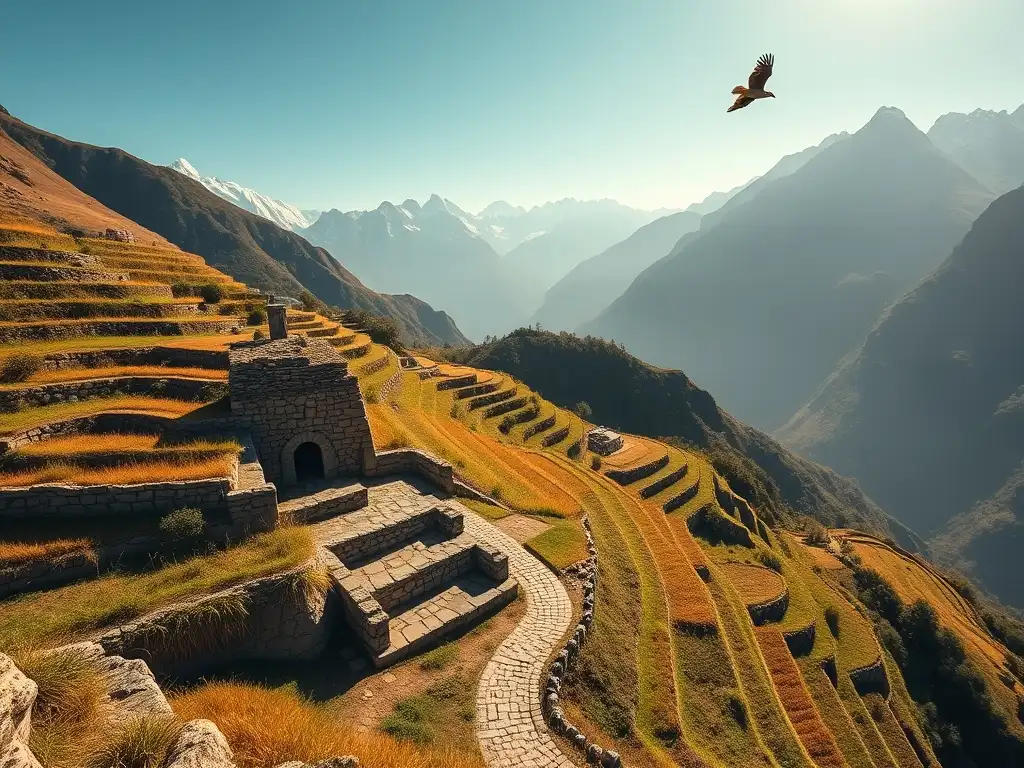
Inca agricultural practices were characterized by their impressive terracing and irrigation systems. These weren't merely rudimentary techniques; they were sophisticated engineering feats. Terraces carved into hillsides increased arable land, reducing erosion and optimizing water usage. Complex irrigation channels, often built across considerable distances, provided a consistent water supply, even in arid regions.
These systems allowed for the cultivation of crops on slopes that would otherwise be unusable, dramatically increasing agricultural output. Evidence suggests that these systems were meticulously maintained and regularly improved upon, reflecting the empire's commitment to long-term agricultural sustainability. The scale and sophistication of these projects underscore the organizational capacity and technical expertise of the Inca state. Precise details on the workforce needed for each project are [specific information pending], but archeological evidence points to a highly organized and efficient approach.
Crop Diversity and Adaptation to Different Climates
The Incas understood the importance of crop diversification. They cultivated a wide range of crops, adapting their choices to the varied climates across the empire. Potatoes, maize, quinoa, and beans were staples, but they also cultivated a diverse array of fruits, vegetables, and other plants. This diversity was crucial for resilience against crop failures caused by droughts, frosts, or pests.
The vertical archipelago system, utilizing different altitudes for various crops, further enhanced the empire’s food security. For example, high-altitude areas were ideal for potato cultivation, while lower altitudes were suitable for maize and other heat-loving crops. This strategic approach to crop selection and placement minimized risk and ensured a consistent food supply for the entire population. The meticulous record-keeping of crop yields and planting cycles, though largely lost to time, suggests a high degree of agricultural planning and management.
Labor Organization and the Mita System
The Inca economic system relied heavily on a centralized organization of labor, primarily through the mit'a system. This wasn't simply forced labor; it was a system of reciprocal obligations, where citizens contributed their labor to the state in exchange for access to resources and protection. While demanding, the mit'a system ensured the construction of infrastructure projects, the cultivation of agricultural lands, and the maintenance of the empire's intricate network of roads and communication systems. This system was a key component of their efficient resource management.
The Importance of Collective Labor in Inca Society
Collective labor was ingrained in Inca society. The ayllu, the basic social and economic unit, fostered a sense of communal responsibility and cooperation. Individuals worked together on agricultural projects, construction efforts, and other tasks vital to the community's well-being. This collaborative approach ensured that resources were used efficiently, and that everyone contributed to the collective good.
This system was integral to the success of the mit'a and other large-scale projects. The sense of communal responsibility, fostered by the ayllu, greatly facilitated the implementation and success of the Inca's centralized economic policies. This sense of community helped to ensure that the demands of the mit'a were met without significant widespread resistance.
Allocation of Labor for Public Works and Agriculture
The mit'a system was not randomly applied. Labor was strategically allocated based on the needs of the empire. During planting and harvesting seasons, the focus was on agricultural production, ensuring sufficient food supplies. In other periods, labor was directed toward public works projects, such as road construction, irrigation system maintenance, and the building of temples and other structures.
This careful allocation of labor resources ensured that both immediate needs (food production) and long-term goals (infrastructure development) were met. The records of labor allocation, unfortunately, are fragmented, but archaeological evidence and surviving accounts suggest a remarkably organized and efficient system. The ability to rapidly shift labor between agricultural and public works projects demonstrates the effectiveness of the Inca's centralized control and planning. The efficient allocation of resources, both human and material, was a crucial factor in the Inca Empire's sustained growth and stability.
Storage and Distribution of Goods
The Inca Empire's success hinged significantly on its sophisticated system for storing and distributing goods. This wasn't merely a matter of stockpiling; it was a carefully orchestrated network designed to ensure the equitable distribution of resources throughout the vast empire, from the fertile valleys to the more challenging high-altitude regions. The Incas understood that efficient resource management was crucial for maintaining social order and preventing unrest. Their system was remarkably effective in mitigating the effects of crop failures or other unforeseen events that could disrupt the flow of essential goods.
This involved a complex interplay of state-controlled warehouses, known as qollqas, and a well-maintained infrastructure for transportation. The qollqas were strategically positioned throughout the empire, often built into the landscape to blend seamlessly with their surroundings. They were meticulously constructed to ensure the preservation of stored goods, utilizing techniques that kept food dry and protected from pests. The scale of these storage facilities is a testament to the Inca's organizational prowess and their commitment to provisioning their population.
Archaeological evidence reveals a wide range of stored goods, including agricultural products, textiles, and metalwork. The precise quantities stored in each qollqa likely varied according to local needs and the overall availability of resources. This intricate system facilitated the redistribution of surplus goods from regions of abundance to areas facing shortages, effectively acting as a form of social safety net. The effective management of these resources played a critical role in maintaining stability and prosperity throughout the Inca Empire.
The Role of Tambos in the Inca Road Network
The Inca road system, a marvel of ancient engineering, played a crucial role in the effective storage and distribution of goods. Integrated into this network were tambos, strategically located waystations that served multiple purposes. They weren't merely rest stops for travelers; they functioned as vital hubs in the logistical network, facilitating the movement of goods and people across the vast empire. These tambos often housed supplies, providing essential provisions for travelers and acting as temporary storage facilities along the routes.
Their placement along the qhapaq ñan (the main Inca road) ensured that goods could be efficiently moved and redistributed as needed. The tambos also served as relay points for runners who carried messages and vital information across the empire, further enhancing communication and logistical coordination. The size and complexity of the tambos varied depending on their location and importance within the road network. Some were modest structures, while others were substantial buildings capable of accommodating large numbers of people and significant quantities of goods.
The tambos were crucial to the overall success of the Inca’s logistical system, allowing for the efficient movement and distribution of resources throughout the empire. This efficient movement of goods was crucial for the Inca's ability to maintain control and stability across such a vast and diverse territory. The careful planning and execution of this complex system highlight the sophistication of Inca engineering and logistical capabilities.
Managing Surpluses and Ensuring Food Security
The Inca's ability to manage surpluses and ensure food security was a cornerstone of their economic policy and a key factor in their empire's stability. Agricultural production was meticulously organized, with different regions specializing in various crops suited to their respective climates and altitudes. This specialization allowed for a diverse range of agricultural products to be produced and distributed throughout the empire. The surplus from these harvests was carefully stored in qollqas across the empire, providing a buffer against potential crop failures or natural disasters.
This proactive approach to food security minimized the risk of widespread famine and maintained social stability. The Inca system wasn't merely about storing food; it involved a sophisticated understanding of agricultural practices, including irrigation techniques and terracing, to maximize yields. Their intricate system of record-keeping, likely using quipus (knotted cords), helped them track agricultural output and allocate resources effectively. In addition to storing surplus food, the Inca also implemented strategies to ensure equitable distribution.
This involved providing assistance to communities facing shortages and redistributing goods from areas of abundance to those in need. This sophisticated system of surplus management and food security was integral to the Inca Empire's longevity and prosperity, demonstrating a remarkable understanding of resource allocation and risk mitigation. The effectiveness of this system is a testament to the Inca's organizational skills and their commitment to the well-being of their population. This strategy played a vital role in maintaining social cohesion and political stability within the vast Inca Empire.
Inca Economic Policies and Their Impact
The Inca Empire, renowned for its sophisticated infrastructure and social organization, achieved its impressive expansion and consolidation through a meticulously planned and executed economic system. This system, far from being a simple extraction of resources, involved complex policies designed to manage and distribute wealth across the vast empire, ensuring stability and supporting the state's ambitious projects. Understanding Inca economic resource management is crucial to comprehending the empire's longevity and influence.
The Inca's approach to economic policy focused on centralized control, efficient resource allocation, and the strategic use of labor and tribute to maintain power and provide for the needs of the population. This involved sophisticated methods of trade regulation, a unique taxation system, and a highly organized system of labor mobilization.
Control of Trade and Exchange
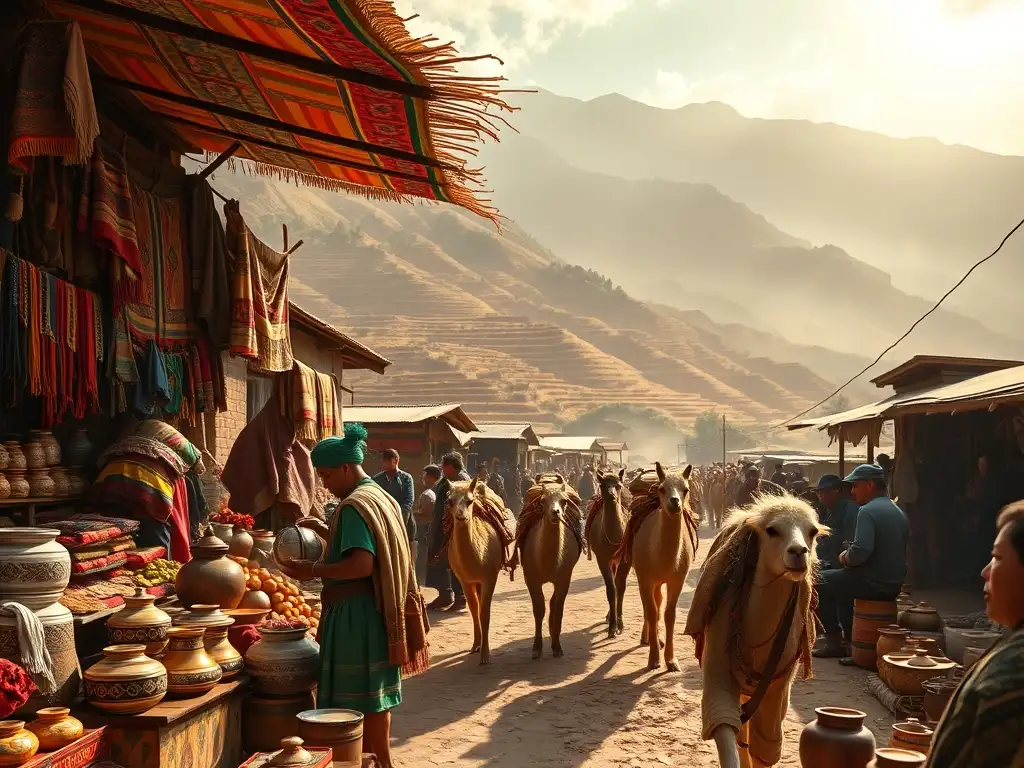
The Inca state exerted significant control over trade and exchange throughout its vast territory. Unlike many other ancient civilizations that relied heavily on open market systems, the Inca developed a unique approach characterized by limited market structures and a strong emphasis on state-controlled distribution networks.
Limited Market Systems and the Value of Barter
While some localized exchange may have occurred in smaller settlements, the Inca economy wasn't driven by large-scale marketplaces in the same way as, for instance, the Roman Empire. Instead, the state played a dominant role in regulating the flow of goods. Barter was the primary mode of exchange, with goods and services being exchanged directly without the use of a widely accepted currency.
This system allowed the Inca to closely monitor the movement of goods and ensure that essential resources were distributed equitably, or at least according to their own criteria, across the empire. The absence of a standardized currency facilitated state control and reduced the potential for private accumulation of wealth, which could threaten the centralized power structure. Specific examples of bartered goods might include textiles from the coastal regions exchanged for agricultural products from the highlands, demonstrating a complex network of reciprocal obligations.
The Role of Precious Metals in Inca Society
Despite the limited use of currency in everyday transactions, precious metals like gold and silver held significant symbolic and ritualistic value in Inca society. These metals were not used as a medium of exchange in the same way as coins in other societies, but rather served as offerings to the gods, adornments for elite members, and decorations for important religious and state buildings. The Inca state controlled the mines where these precious metals were extracted, further solidifying their control over resources and reinforcing their power.
The abundance of gold and silver in the Inca empire contributed to its prestige and image as a powerful and wealthy civilization, but its economic role was primarily symbolic rather than directly functional in daily transactions. The careful management and symbolic use of these metals served as a powerful tool of social control and ideological reinforcement.
Taxation and Tribute Collection
The Inca system of taxation and tribute collection was a cornerstone of their economic policy. It was not merely a system of extraction, but a sophisticated mechanism for resource redistribution and social control, directly supporting the empire's vast infrastructure projects and administrative apparatus.
Forms of Tribute and Their Purpose
Tribute in the Inca empire took various forms, including labor ( mita ), agricultural products, textiles, and precious metals. The mita system, a form of mandatory public service, was perhaps the most significant contribution to the Inca economy. Able-bodied individuals were obligated to work for a set period on state projects, such as road construction, agriculture on state lands ( tambos), or mining operations.
Agricultural tribute consisted of crops such as potatoes, maize, and quinoa, ensuring the state had a reliable supply of food for its population and army. Textiles, produced in specialized workshops, were used for clothing, tapestries, and religious purposes. The state's meticulous organization of these diverse forms of tribute ensured a steady flow of resources to support its activities.
How Tribute Supported the Inca Infrastructure
The resources collected through tribute were crucial in financing the construction and maintenance of the impressive Inca infrastructure. This included the vast network of roads, tambos (roadside inns), irrigation systems, and monumental buildings. The mita system provided the labor force, while agricultural and textile tribute supplied the necessary materials and food for the workers. The efficient management of tribute allowed the Inca to undertake ambitious projects that strengthened the empire's unity and facilitated communication and trade.
This systematic approach to resource management ensured the empire's sustainability and its ability to respond effectively to challenges and opportunities. The carefully organized system of tribute ensured a continuous flow of resources, allowing the Inca to maintain their vast empire and its impressive infrastructure. Without this effective system of resource management, the Inca empire's impressive achievements would have been impossible.
Resource Allocation and Public Works
The Inca Empire's success hinged significantly on its sophisticated system of resource allocation and public works. Unlike many other ancient civilizations, the Inca didn't rely on a system of private property in the same way we understand it today. Instead, the ayllu, a community-based social and economic organization, formed the cornerstone of their resource management.
Land, livestock, and labor were collectively owned and distributed according to the needs of the community and the empire as a whole. This communal structure facilitated efficient resource allocation, ensuring that resources were directed towards projects benefiting the entire population, rather than concentrating wealth in the hands of a few elites. The Inca state played a crucial role in this process, acting as a central planner and distributor of resources, ensuring fair distribution and preventing scarcity.
This system, while seemingly simple, allowed for remarkable achievements in infrastructure and agricultural production. The sheer scale of Inca public works projects stands as a testament to the effectiveness of this approach to Inca economic resource management.
Funding for Roads, Temples, and Irrigation Projects
The construction of the vast Inca road network, impressive temples, and intricate irrigation systems required enormous resources – manpower, materials, and logistical coordination. Funding for these projects wasn't derived from taxation in the traditional sense. Instead, the mita system, a form of mandatory labor service, provided the workforce.
Able-bodied individuals were obligated to dedicate a portion of their time to public works projects. This wasn't simply unpaid labor; it was a civic duty contributing to the collective well-being. The state provided food and basic necessities for those participating in the mita, ensuring their sustenance during the project.
Materials were acquired through the ayllu system, with communities contributing resources based on their capacity and proximity to the project. For example, stone quarrying and transport often involved communities near suitable stone deposits. This integrated approach, combining centralized planning with decentralized contributions, allowed the Inca to undertake ambitious public works projects that solidified their control and enhanced the empire's infrastructure, significantly impacting Inca economic resource management.
The Impact of Resource Management on Inca Expansion
The efficient resource allocation and public works projects were instrumental in the Inca Empire's rapid expansion and consolidation. The extensive road network facilitated communication, troop movement, and trade across vast distances, connecting distant provinces and strengthening the empire's unity. Improved irrigation systems boosted agricultural production, providing surplus food to support a growing population and sustain military campaigns.
The impressive temples and palaces served not only as religious and administrative centers but also as symbols of Inca power and authority, reinforcing their control over conquered territories. The ability to efficiently manage resources and allocate them to strategic projects allowed the Inca to effectively integrate newly conquered regions into the empire. New lands were incorporated into the ayllu system, adding to the overall productive capacity of the empire, thereby fueling further expansion.
The successful implementation of this Inca economic resource management strategy played a key role in the unprecedented growth and prosperity of the Inca Empire, solidifying its position as one of the most significant civilizations of the pre-Columbian Americas. The legacy of this system continues to fascinate and inspire researchers studying ancient economic systems and empire building.
Legacy of Inca Economic Resource Management
Lessons for Modern Economic Systems
The Inca Empire's sophisticated system of resource management offers valuable lessons for contemporary economic systems. Their emphasis on sustainable practices, community-based resource allocation, and efficient distribution networks provides a compelling counterpoint to modern, often exploitative, models. The Inca's success stemmed not from individual wealth accumulation, but from ensuring the well-being of the entire empire. This collective approach fostered stability and resilience, characteristics increasingly sought after in the face of global challenges like climate change and resource depletion.
One key takeaway is the importance of integrated resource management. The Inca system wasn't compartmentalized; agriculture, infrastructure development, and labor allocation were interconnected and mutually supportive. This holistic perspective contrasts sharply with modern economic models that often treat sectors in isolation, leading to inefficiencies and unforeseen consequences. For example, the Inca's understanding of the interconnectedness of water management and agriculture resulted in highly productive farming systems, even in challenging terrains. Modern agricultural practices could benefit from a similar integrated approach, reducing reliance on unsustainable inputs and enhancing resilience to environmental shocks.
Furthermore, the Inca's emphasis on social equity in resource distribution offers a valuable lesson. While not a perfectly egalitarian society, the ayllu system, with its communal land ownership and reciprocal labor obligations, ensured a basic level of provision for all citizens. This contrasts with modern economies, where significant inequalities in wealth and resource access are prevalent.
Studying the Inca system could inspire innovative approaches to equitable resource distribution and alleviate poverty, fostering greater social cohesion and stability. The Inca's success demonstrates that prioritizing the needs of the entire community, rather than solely focusing on individual profit maximization, can lead to long-term economic prosperity and social harmony. This approach is particularly relevant in addressing modern challenges such as income inequality and food security.
The Enduring Impact of Inca Practices on Andean Society
Even after the Spanish conquest, the impact of Inca economic resource management remains evident in Andean societies. While the centralized system was dismantled, many of the underlying principles, particularly those related to communal land use and agricultural practices, persisted. The ayllu, though modified, continues to play a role in many Andean communities, shaping social structures and resource access. Many traditional agricultural techniques, such as terracing and irrigation systems developed by the Inca, are still used today, demonstrating their enduring practicality and sustainability.
The legacy of Inca resource management is also visible in the enduring importance of reciprocity and community cooperation in Andean cultures. While market economies have become increasingly dominant, the emphasis on mutual support and shared responsibility, rooted in Inca traditions, remains a powerful force shaping economic behavior. This is particularly evident in rural communities where collective action is often crucial for managing shared resources like water and pastureland. The resilience of these traditional practices underscores the long-term societal benefits of the Inca's economic policies.
Understanding these enduring impacts is crucial for developing sustainable development strategies in the Andes today, acknowledging the rich cultural heritage interwoven with economic practices. Further research is needed to quantify the precise extent of this enduring influence, particularly in areas such as agricultural yields and community governance structures. [Specific data pending on quantitative analysis of Inca legacy in modern Andean agriculture].
The Sophistication of Inca Economic Planning
The Inca economic system was far more sophisticated than often portrayed. It wasn't merely a system of forced labor and tribute; it involved meticulous planning, efficient logistics, and a complex network of storage and distribution. The quipu, a sophisticated knotted-string accounting system, allowed for the tracking of vast amounts of data, including population counts, agricultural yields, and resource allocation. This advanced record-keeping facilitated effective planning and resource management across the empire. The Inca state controlled key resources, including land, labor, and essential goods, enabling them to effectively respond to challenges such as droughts and famines.
The Inca's mastery of infrastructure further enhanced their economic efficiency. Their extensive road network facilitated the rapid movement of goods and people, enabling timely responses to emergencies and ensuring efficient distribution of resources. The construction of sophisticated irrigation systems significantly increased agricultural productivity, contributing to the empire's economic strength.
This infrastructure, coupled with their sophisticated accounting system, allowed the Inca to manage resources with remarkable efficiency, ensuring the welfare of their vast population. The Inca's economic planning wasn't static; it adapted to changing circumstances, demonstrating a capacity for flexibility and responsiveness that is often overlooked. For instance, their ability to redistribute resources during times of scarcity prevented widespread famine, highlighting the strength of their centralized planning mechanisms.
Analyzing the Inca's economic planning can provide valuable insights into effective strategies for managing complex systems and ensuring resource security in modern contexts. Further studies could explore the specific algorithms or models used by the Inca to optimize resource allocation and distribution across their vast territory. [Specific information pending on detailed reconstruction of Inca economic models].
Frequently Asked Questions
What was the most important economic resource for the Inca Empire?
The Inca Empire's economy relied heavily on agriculture, specifically potatoes, maize, and other Andean crops. This agricultural abundance supported a large population and fueled their complex social structure.
How did the Inca manage their agricultural resources?
The Incas implemented sophisticated irrigation systems, terracing, and crop rotation techniques to maximize agricultural output. They also controlled land distribution and labor allocation to ensure efficient food production.
What role did labor play in the Inca economic system? Mit'a?
The Mit'a system was crucial. It involved a labor tax where citizens worked for the state on projects like agriculture, infrastructure, and mining. This system ensured the construction of vast infrastructure and supported the empire's needs.
Beyond agriculture, what other resources did the Inca manage effectively?
The Inca Empire also controlled mineral resources, particularly gold and silver, which were used for religious purposes and ornamentation. They also managed textiles and other crafts for trade and internal consumption.
How did the Inca's economic policies contribute to their empire's success?
The Inca's centralized economic system, with its emphasis on resource control and efficient labor allocation, contributed significantly to their empire's stability, growth, and longevity. This organization ensured the provision of necessities for the vast population.
Final Reflection: The Enduring Legacy of Inca Resource Management
The Inca's sophisticated system of resource management offers a powerful counterpoint to modern economic models, highlighting the potential for sustainable and equitable distribution of wealth. Their approach, far from being a relic of the past, provides crucial lessons for navigating the complexities of resource scarcity and economic inequality in the 21st century. The ingenuity and foresight of the Inca civilization remain remarkably relevant in our increasingly interconnected and resource-constrained world.
The Inca's emphasis on community well-being and the strategic allocation of resources, rather than the accumulation of individual wealth, continues to resonate deeply. Their system, while undeniably hierarchical, prioritized the needs of the entire empire, ensuring a degree of social stability and resilience rarely seen in other ancient societies. The Inca state was not simply a political entity; it was a vast, integrated economic system designed to meet the needs of its population.
This quote encapsulates the holistic nature of their approach, a stark contrast to the often-fragmented and profit-driven systems prevalent today. Their methods, though adapted to a different context, offer valuable insights into achieving a more balanced and sustainable relationship with our planet's resources.
Consider the implications of the Inca's approach for your own life. How can we incorporate principles of equitable distribution and sustainable resource management into our daily choices? Challenge yourself to think beyond individual gain and consider the collective well-being. By embracing a more holistic perspective, informed by the wisdom of past civilizations like the Inca, we can build a more just and sustainable future for all. Let the legacy of Inca resource management inspire you to become a more conscious and responsible steward of our shared resources.
Unveil the Timeless Wisdom of Incan Resource Management!
Thank you for exploring the insightful economic policies of the Inca civilization! We hope you were inspired by their remarkable resource management strategies, offering valuable lessons for today's world. Now, let's put that knowledge into practice!
- **Adopt sustainable practices** in your daily life by reducing waste and increasing recycling efforts. Every small step contributes to a larger impact!
- Share this article with friends and family to spark conversations about the relevance of ancient wisdom in achieving modern sustainability.
- Explore local resources and community initiatives that embody Incan principles of resourcefulness; **actively supporting your community** can foster innovative solutions to resource management challenges.
How can you creatively apply these ancient practices to address contemporary challenges?