
The Inca's Relationship with the Chimu: A Rivalry of Empires

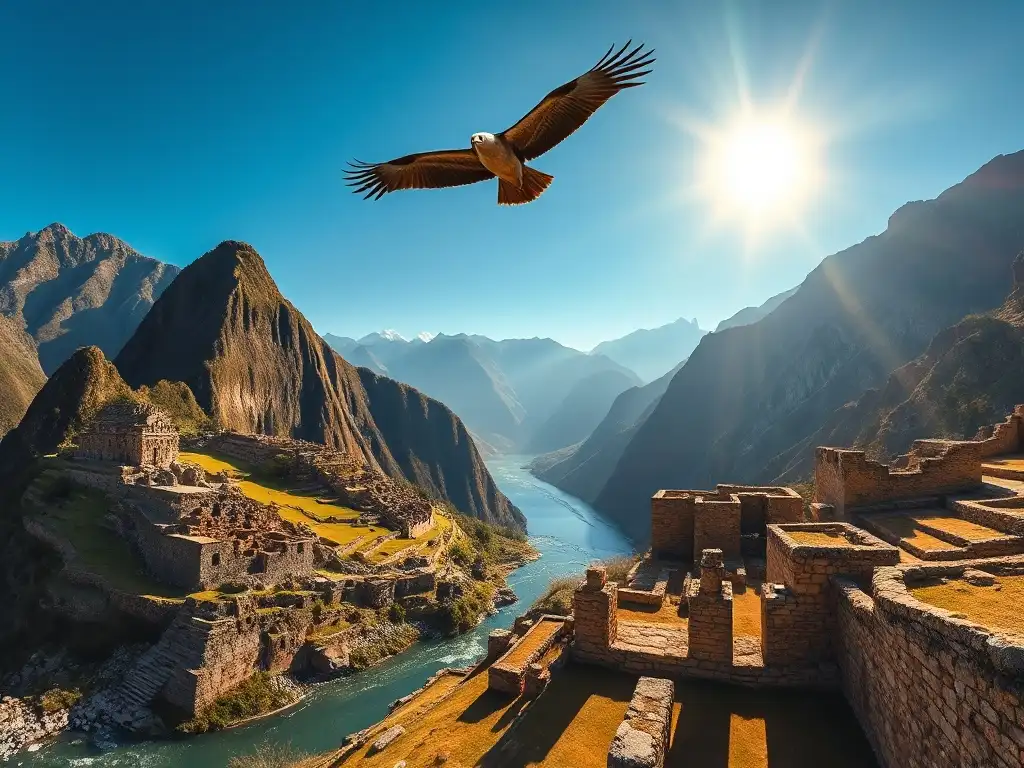
Step into a world lost to time, where majestic empires rose and fell amidst the breathtaking Andes Mountains. Discover a history woven with gold, sacrifice, and breathtaking ingenuity. For centuries, the Inca and Chimu empires clashed in a dramatic struggle for power – a rivalry that shaped the very landscape of ancient Peru. Uncover the secrets of the Inca Chimu empire rivalry and delve into a story of conquest, resilience, and the enduring legacy of these fascinating civilizations. Prepare to be amazed.
- The Inca Chimu Empire Rivalry: A Clash of Andean Powers
- Inca Chimu Conflict: A Struggle for Supremacy
- The Inca Conquest of the Chimu Empire
- Long-Term Consequences of the Inca-Chimu Rivalry
- The Legacy of the Chimu within the Inca Empire
- Comparing the Inca and Chimu Empires: A Contrast of Power
- Conclusion: The Inca-Chimu Empire Rivalry and its Place in Andean History
-
Frequently Asked Questions
- What was the main source of conflict between the Inca and Chimu empires?
- How did the Chimu Empire's infrastructure contribute to the conflict?
- When did the Inca finally conquer the Chimu?
- What were the consequences of the Inca conquest of the Chimu?
- How did the Chimu's military strength compare to the Inca's?
- Final Reflection: Echoes of Empire: The Enduring Legacy of Inca-Chimu Conflict
- Unveil the Secrets of Ancient Rivalries!
The Inca Chimu Empire Rivalry: A Clash of Andean Powers
The Inca and Chimu empires, two monumental forces in pre-Columbian South America, engaged in a complex and ultimately decisive rivalry that shaped the course of Andean history. This article delves into the intricacies of this conflict, examining the cultural and political landscapes of both civilizations, the factors contributing to their clash, and the eventual Inca conquest that solidified their dominance.
Understanding the Inca-Chimu rivalry provides crucial insight into the expansionist strategies of the Inca Empire and the resilience of the coastal Chimu kingdom, highlighting the dynamic power struggles that characterized the Andean region prior to the arrival of Europeans. We will explore the political maneuvering, military engagements, and the lasting impact of this pivotal encounter, enriching our understanding of the Inca Empire's rise to power and the fall of a significant rival.
The keyword "Inca Chimu empire rivalry" will be explored throughout the article through various semantic variations to ensure optimal SEO.
Introduction to the Inca and Chimu Civilizations
The Inca and Chimu civilizations, while geographically proximate, developed distinct cultural and societal structures. The Inca, originating in the Cusco region of the Andes, were renowned for their sophisticated administrative system, extensive road network, and mastery of stonework. Their empire, built through conquest and assimilation, stretched across a vast territory encompassing diverse ecological zones.
In contrast, the Chimu, a coastal civilization centered around the fertile valleys of northern Peru, flourished through intensive agriculture and intricate irrigation systems. Their power base was concentrated along the coast, creating a unique societal structure adapted to the marine environment. This inherent difference in geographic location and resource management directly influenced their interaction and the eventual conflict.
The contrasting strengths of each civilization—the Inca's military prowess and organizational capabilities versus the Chimu's advanced agricultural techniques and coastal fortifications—set the stage for a significant power struggle. Understanding these fundamental differences is critical to comprehending the nature of their rivalry.
The Rise of the Chimu Empire: Coastal Dominance
The Chimu Empire's rise to power was a gradual process, marked by strategic expansion and consolidation of coastal territories. Their mastery of irrigation allowed them to cultivate fertile lands along the arid coast, supporting a large and densely populated urban center. This agricultural success fueled economic growth and military strength, enabling them to conquer neighboring smaller chiefdoms and establish a powerful empire.
Archaeological evidence suggests a sophisticated system of governance, with a centralized administration overseeing various aspects of life, from agriculture to craft production. The Chimu’s control over vital resources, especially fertile land and access to the sea, gave them a significant advantage, making them a formidable opponent for any inland power seeking to extend its influence towards the coast. Their success, however, ultimately attracted the attention of the expanding Inca Empire.
Chimu Culture and Society: Agriculture, Irrigation, and Skilled Craftsmanship
Chimu society was characterized by a highly stratified social structure, with a powerful ruling elite controlling resources and labor. Their mastery of irrigation techniques, particularly the construction of complex canal systems, allowed them to transform arid coastal lands into productive agricultural areas. This technological innovation was crucial for supporting their large population and sustaining their empire. Furthermore, the Chimu were renowned for their skilled artisanship, producing intricate metalwork, ceramics, and textiles.
These crafts not only served practical purposes but also played a significant role in their religious and ceremonial life, showcasing their advanced technological capabilities and artistic talent. The economic prosperity derived from these achievements further enhanced their political power and influence within the region. This complex interplay of agricultural innovation, social organization, and artistic expression contributed to the Chimu's strength and resilience in the face of Inca expansion.
Chan Chan: The Capital City of the Chimu Empire
Chan Chan, the capital city of the Chimu Empire, stands as a testament to their architectural and engineering prowess. This vast adobe city, composed of numerous interconnected palaces and compounds, housed a significant portion of the Chimu population. The city's layout reflects a sophisticated urban planning system, with intricate irrigation canals and strategically placed structures.
Its impressive scale and complexity highlight the advanced organizational capabilities of the Chimu, demonstrating their ability to manage a large and complex urban center. The defensive features of Chan Chan, including its high walls and strategic placement, also suggest that the city was prepared for potential conflict.
The eventual fall of Chan Chan to the Inca marked a turning point in Andean history, signifying the end of an era of Chimu dominance and the beginning of Inca hegemony. The city's ruins continue to provide invaluable insights into the culture, technology, and social structure of the Chimu Empire.
The Inca Expansion and Initial Encounters with the Chimu
The Inca Empire's relentless expansion throughout the Andes Mountains inevitably led to encounters with the powerful Chimu kingdom, a civilization known for its sophisticated irrigation systems, impressive urban planning (evident in the magnificent city of Chan Chan), and a strong, centralized government. The initial interactions between these two Andean giants were likely a complex interplay of diplomacy, trade, and subtle displays of power. While we lack detailed contemporary accounts from either side, archaeological evidence and later Spanish chronicles offer glimpses into this crucial period.
The Incas, under the guidance of their ambitious Sapa Incas, were adept at integrating conquered peoples, often offering incentives for peaceful submission. However, the Chimu, with their well-established infrastructure and military might, were not easily intimidated. The initial phase was likely characterized by a period of cautious observation and maneuvering, with both sides assessing the strengths and weaknesses of the other.
The geographical proximity of the two empires, with the Chimu's northern territory bordering the expanding Inca realm, meant that conflict was almost inevitable. The very nature of Inca expansion, driven by a need for resources and territorial control, guaranteed that the seemingly peaceful coexistence would eventually give way to open confrontation. The fertile coastal lands controlled by the Chimu were highly desirable to the Incas, making the Chimu a significant obstacle to the Inca's ambitions of complete dominance over the Andean region.
Inca Conquest Strategies: Diplomacy, Military Campaigns, and Resource Control
The Inca military machine was renowned for its effectiveness, employing sophisticated strategies and tactics honed over decades of conquest. Their approach to subjugating other Andean civilizations wasn't solely reliant on brute force. Diplomacy played a crucial role; the Incas often offered advantageous alliances, promising protection and access to resources in exchange for allegiance. This strategy worked well with smaller, less powerful groups, but the Chimu, with their extensive and organized army, presented a different challenge.
The Incas recognized the need for a multifaceted approach. Military campaigns, while undoubtedly a key element, were often preceded by and intertwined with attempts at diplomatic negotiation. The Incas carefully studied their adversaries' strengths and weaknesses, adapting their tactics accordingly. Resource control was another crucial element of their conquest strategies.
By seizing control of vital resources like water, fertile land, and precious metals, the Incas could cripple their enemies economically and politically, paving the way for a more decisive military victory. The Inca's mastery of logistics and their ability to rapidly mobilize large armies across diverse terrains proved invaluable in their conquests. Their superior organization and infrastructure, including extensive road networks, allowed them to swiftly deploy troops and supplies, effectively overwhelming their opponents. The effective management of conquered territories, including the integration of their resources and populations into the Inca system, was crucial for sustaining their empire's growth and stability.
Early Inca-Chimu Conflicts: Border Skirmishes and Raids
Before the full-scale Inca invasion, the border regions between the Chimu and Inca territories witnessed a period of escalating tension marked by frequent skirmishes and raids. These conflicts served as a testing ground for both armies, providing valuable intelligence and revealing the strengths and weaknesses of each side. Archaeological evidence, including fortifications and defensive structures along the disputed borders, suggests a prolonged period of low-intensity warfare. While large-scale battles may have been infrequent at this stage, constant smaller-scale raids and skirmishes depleted resources and disrupted trade, creating a climate of fear and instability.
These early confrontations were not merely about territorial disputes; they were also about asserting dominance and projecting power. Each successful raid or defensive victory bolstered the morale of one side while weakening the other, shaping the psychological landscape of the conflict. The nature of these border conflicts likely involved hit-and-run tactics, ambushes, and swift movements, reflecting the challenging terrain and the need for both armies to protect their own territories.
The outcomes of these skirmishes were likely fluid, with neither side achieving a decisive victory in the early stages. However, these early battles laid the groundwork for the larger conflict that was to come, shaping the strategies and tactics employed by both the Inca and Chimu armies during the subsequent invasion and conquest. The lessons learned from these smaller engagements were invaluable in preparing for the larger war that would ultimately decide the fate of the Chimu kingdom.
Inca Chimu Conflict: A Struggle for Supremacy
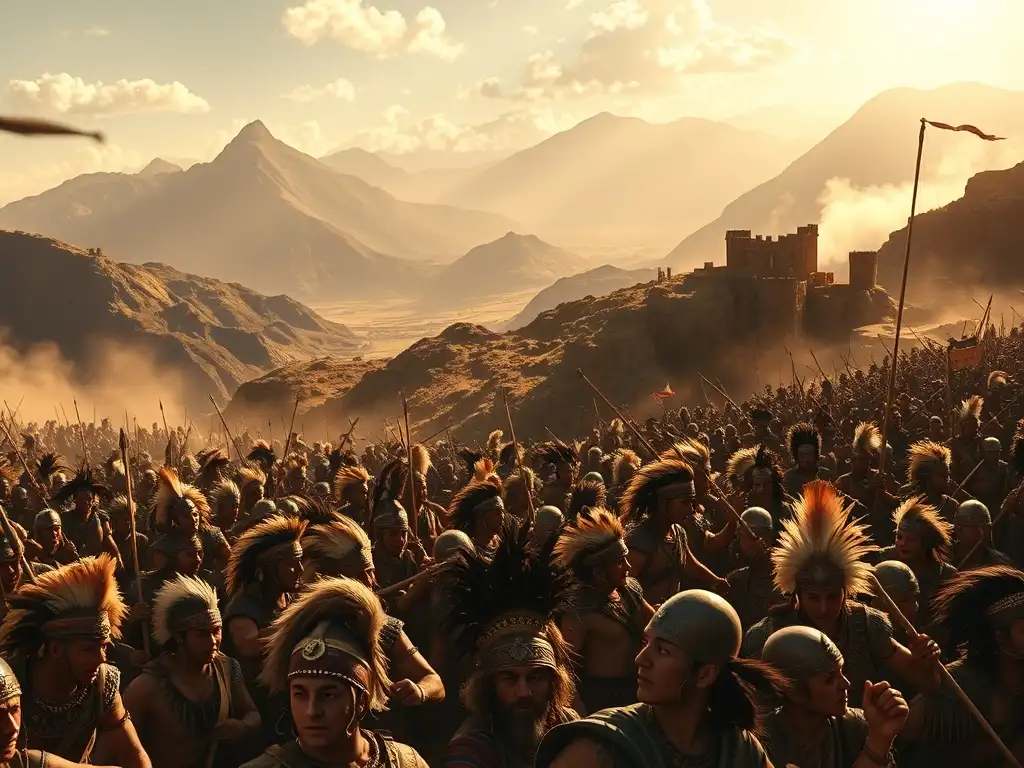
The Inca expansion into the northern coastal region of Peru inevitably led to a clash with the powerful Chimu Empire, a conflict shaping the Inca's trajectory and leaving a lasting mark on Andean history. The rivalry between the Inca and Chimu empires, a key point in understanding the Inca's consolidation of power, wasn't simply a territorial dispute; it was a struggle for supremacy, a battle of ideologies, military might, and economic control.
This section delves into the military aspects of this crucial conflict, examining the strengths and weaknesses of both empires. Understanding the Inca Chimu empire rivalry requires a detailed look at their respective military capabilities and strategies.
The Military Power of the Inca Empire
The Inca military machine, a finely tuned instrument of conquest, was a significant factor in their eventual triumph over the Chimu. Their success stemmed not only from sheer numbers but also from sophisticated organization, effective tactics, and technological advantages.
Inca Army Organization and Tactics
The Inca army was renowned for its organization and discipline. It was a highly structured force, divided into units of varying sizes, from small squads to large armies numbering tens of thousands. Each unit had a clearly defined role and responsibilities, ensuring coordinated and effective maneuvers on the battlefield. Inca military strategy emphasized surprise attacks, flanking maneuvers, and the use of terrain to their advantage.
They were adept at utilizing their knowledge of the Andes' challenging geography to trap and outmaneuver their enemies. Detailed records, though scarce, suggest a complex system of communication and logistics that allowed for the rapid mobilization and supply of large armies across vast distances. This logistical prowess was crucial in sustaining prolonged campaigns.
Inca Technological Advantages
The Inca possessed several technological advantages that contributed significantly to their military success. Their mastery of metallurgy allowed them to produce superior weapons, including hardened copper and bronze tools and weapons. The quality of their weaponry provided a clear edge over the Chimu.
Furthermore, the Inca's advanced road system, the Qhapaq Ñan, facilitated the rapid movement of troops and supplies across their vast empire, a crucial advantage in any conflict. This network allowed for swift responses to threats and the efficient deployment of armies to various fronts. The Inca's proficiency in siege warfare, evidenced by their ability to conquer fortified cities, also played a vital role in their victories.
The Chimu Military and Defensive Strategies
While the Chimu Empire lacked the vast manpower of the Inca, they possessed a formidable military force and strong defensive capabilities, honed over centuries of maintaining their coastal empire. Their strategies centered around defending their established territories and leveraging their unique geographical advantages.
Chimu Warfare Techniques
The Chimu military relied on a combination of defensive and offensive tactics. Their armies were likely smaller than the Inca's but were well-trained and equipped. While precise details of their warfare techniques are scarce, archaeological evidence suggests they were skilled in close-quarters combat and utilized various weapons, potentially including spears, clubs, and slings. They likely focused on defending their densely populated urban centers and strategically important coastal regions. The Chimu's naval capabilities, though not extensively documented, were likely significant given their coastal location and reliance on maritime trade.
Chimu Fortifications and Citadels
The Chimu were masters of defensive architecture. Their cities, particularly Chan Chan, were heavily fortified with impressive walls, strategically placed watchtowers, and complex defensive systems. These fortifications, combined with their knowledge of the terrain, presented a formidable challenge to any invading force. The intricate layout of Chan Chan, with its maze-like streets and numerous compounds, would have made it difficult for an enemy army to penetrate.
The strength of these fortifications is evidenced by the length of time it took the Inca to overcome Chimu resistance. The scale and complexity of Chimu fortifications highlight their commitment to defense and their capacity to withstand prolonged sieges. The fall of Chan Chan, despite its impressive defenses, ultimately underscores the overwhelming might of the Inca military machine.
The Inca Conquest of the Chimu Empire
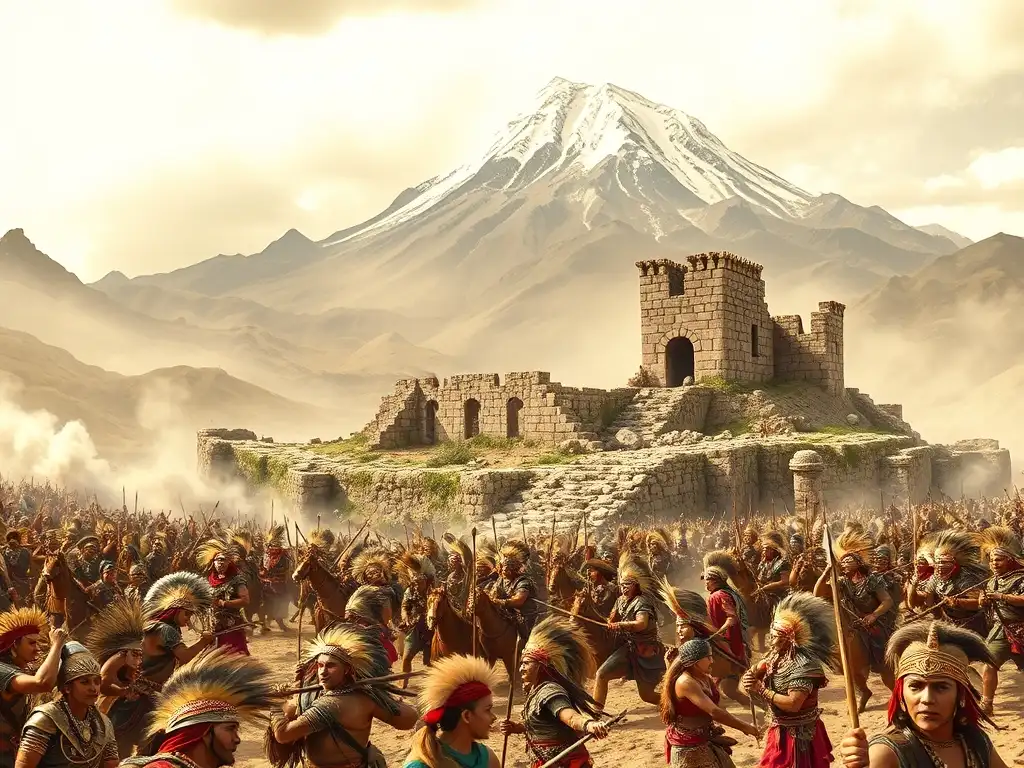
The Inca expansion, a relentless pursuit of territorial dominance and resource acquisition, inevitably led to a clash with the powerful Chimu Empire along the northern coast of Peru. This conflict, a pivotal moment in the Inca's history, marked not only a significant territorial gain but also a complex process of cultural assimilation and technological exchange. The Inca-Chimu rivalry, a struggle for supremacy in the Andean region, resulted in the absorption of a sophisticated civilization, enriching the Inca empire with new artistic styles, agricultural techniques, and metallurgical expertise.
Understanding this conquest is crucial to grasping the full extent of Inca power and the multifaceted nature of their imperial project. The keyword "Inca Chimu empire rivalry" is central to understanding this significant historical event.
The Siege of Chan Chan: A Decisive Battle
The heart of the Chimu Empire, Chan Chan, a sprawling adobe city, became the focal point of the Inca conquest. The siege, a prolonged and brutal affair, showcased the military prowess of both empires. While precise dates remain debated amongst historians, the consensus points to a protracted campaign, likely lasting several months, possibly even years.
The Inca, renowned for their disciplined armies and strategic planning, employed a combination of siege warfare tactics and psychological pressure to break the Chimu's resistance. This included cutting off vital supply lines, constructing siege works to gradually encircle the city, and employing psychological warfare to undermine Chimu morale.
Key Events of the Inca Conquest
Several key events stand out during the Inca conquest of the Chimu. The initial Inca advances likely focused on securing outlying Chimu territories, weakening their defenses before the main assault on Chan Chan. Reports suggest that the Inca employed sophisticated engineering techniques during the siege, constructing ramps and tunnels to breach Chan Chan's formidable walls. The use of slingers and other ranged weaponry would have played a significant role in weakening Chimu defenses from afar.
Skilled Inca warriors, known for their mastery of close-quarters combat, would have then exploited any breaches to overwhelm the Chimu defenders. The final assault on Chan Chan likely involved a coordinated attack on multiple fronts, overwhelming the city's defenses. Further research is needed to fully elucidate the exact sequence of events.
The Fall of the Chimu Capital
The fall of Chan Chan marked a turning point in the Inca-Chimu rivalry. The once-proud capital of a vast empire was reduced to a conquered city. The exact circumstances surrounding its capture remain somewhat shrouded in mystery, but the Inca's superior military organization and strategic acumen were undoubtedly decisive factors.
The sheer scale of Chan Chan, coupled with its elaborate network of canals and defensive structures, presented a considerable challenge. However, the Inca's ability to adapt their tactics and exploit weaknesses in the Chimu defenses ultimately led to their victory. The conquest of Chan Chan effectively signaled the end of the Chimu Empire's independence and its incorporation into the expanding Inca realm.
Inca Assimilation of Chimu Culture and Technology
The Inca conquest was not simply a military victory; it was also a significant cultural and technological exchange. The Chimu, known for their sophisticated metalworking, irrigation systems, and artistic traditions, brought a wealth of knowledge and skills to the Inca Empire. This assimilation process, while often forceful, resulted in a blending of cultures that enriched the Inca civilization. The Inca’s pragmatic approach to governance often involved integrating conquered populations and their skills into their empire.
Inca Integration of Chimu Artisans and Skills
The Inca strategically integrated Chimu artisans into their own workshops and production centers. Chimu metalworkers, renowned for their intricate gold and silver work, were highly valued by the Inca. Their skills were used to produce elaborate ornaments, ceremonial objects, and tools for the Inca elite.
Similarly, Chimu potters and textile artisans continued their craft under Inca patronage, producing goods that reflected a fusion of Chimu and Inca styles. This integration was not simply about exploitation; it represented a strategic decision by the Inca to leverage the skills of conquered peoples to enhance the empire's prestige and productivity. This ensured the continuation of Chimu traditions while simultaneously serving the Inca's needs.
Cultural Exchange and Adaptation
The Inca conquest of the Chimu Empire led to a fascinating cultural exchange, with elements of both civilizations blending to create a unique synthesis. The Inca adopted certain Chimu artistic motifs and architectural styles, incorporating them into their own creations. The Chimu's advanced irrigation techniques were likely adapted and integrated into the Inca's agricultural system, particularly in the arid coastal regions.
This mutual influence is evident in the archaeological record, where artifacts and architectural features display a clear blending of Chimu and Inca styles. The Inca's ability to absorb and adapt foreign cultural elements was a key factor in their success in building and maintaining a vast and diverse empire. The legacy of this cultural exchange continues to shape our understanding of Andean civilizations.
Long-Term Consequences of the Inca-Chimu Rivalry
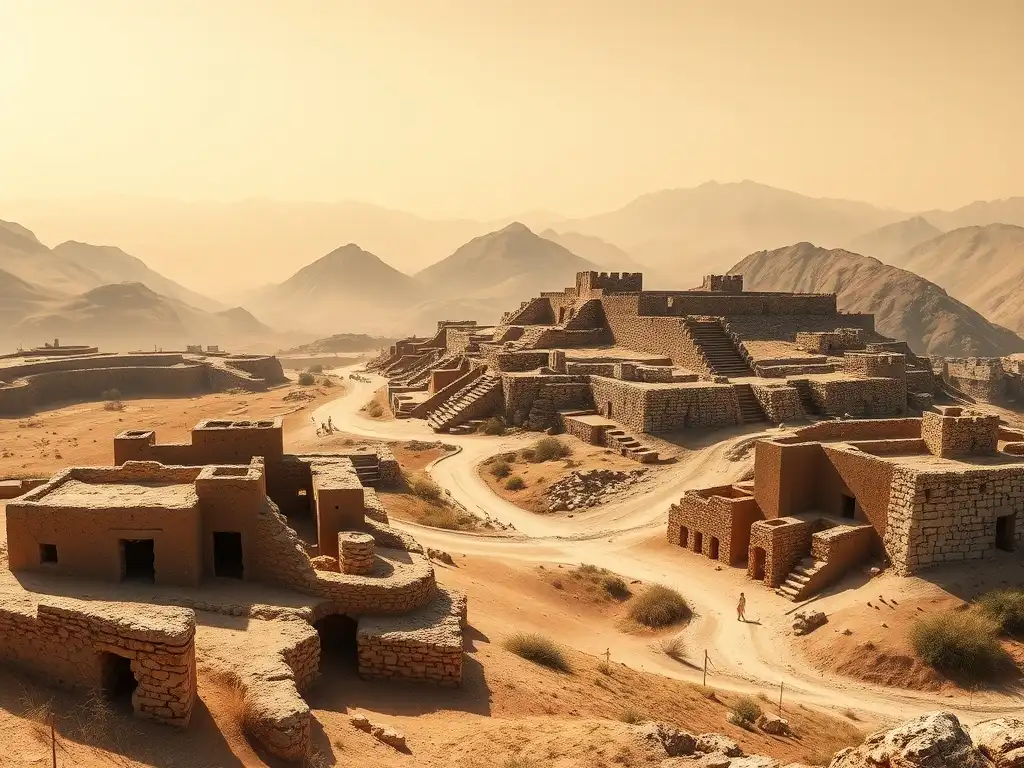
The Inca conquest of the Chimu kingdom in the late 15th century had profound and lasting consequences, shaping the trajectory of the Inca Empire and leaving an indelible mark on Andean history. The conflict, while ultimately resulting in Inca victory, was far from a swift and decisive affair. The Chimu, possessing a sophisticated urban infrastructure and a powerful military, posed a significant challenge to the expanding Inca forces.
The protracted nature of the war and the considerable resources expended impacted the Inca Empire in several key ways. Understanding these long-term ramifications is crucial to grasping the complexities of Inca imperial expansion and consolidation.
The Impact on the Inca Empire's Expansion
The Inca-Chimu war, while victorious for the Inca, diverted considerable military and economic resources. The prolonged siege of Chan Chan, the Chimu capital, for example, required a massive mobilization of Inca troops and logistical support. This strain on resources potentially slowed down the pace of Inca expansion into other regions, though it's difficult to quantify precisely.
Historians debate the extent of this impact, with some arguing that the conquest of Chimu ultimately strengthened the Inca's military capabilities and provided them with access to new resources that fueled further expansion. Others suggest that the war's drain on resources delayed the Inca advance into other parts of the Andes.
Further research, potentially involving detailed analysis of Inca administrative records (if such records survive in sufficient detail), is needed to determine the precise extent of this impact. The acquisition of Chimu territory, however, undeniably expanded the Inca's sphere of influence and control, providing access to valuable coastal resources and strategic locations.
Lessons Learned from the Chimu
The Inca undoubtedly learned valuable lessons from their conflict with the Chimu. The Chimu's advanced irrigation systems, sophisticated urban planning, and effective administrative structures presented a significant challenge, but also provided models of effective governance and resource management that the Inca could adapt and integrate into their own empire. The Inca's ability to learn from their adversaries and incorporate successful strategies contributed to the overall success of their imperial project.
This adaptive approach to governance and administration was a key factor in the Inca Empire's long-term stability and growth. For example, the Inca likely adopted and improved upon Chimu irrigation techniques, which were vital for agricultural production in the arid coastal regions.
Consolidation of Inca Power
The successful conquest of the Chimu significantly enhanced the Inca's prestige and authority. The Chimu were a formidable power, and their subjugation demonstrated the Inca's military prowess and administrative capabilities to other potential rivals and subject populations. This victory solidified the Inca's position as the dominant power in the region, contributing to a period of increased stability and consolidation within the Inca Empire.
The integration of the Chimu territories into the Inca administrative system, while challenging, ultimately reinforced Inca control and expanded their economic and political power base. This consolidation of power allowed for more efficient resource allocation and facilitated further expansion and development. The incorporation of Chimu elites into the Inca bureaucracy, a common Inca practice, also helped ensure smoother integration and reduced the potential for rebellion.
The Legacy of the Chimu within the Inca Empire
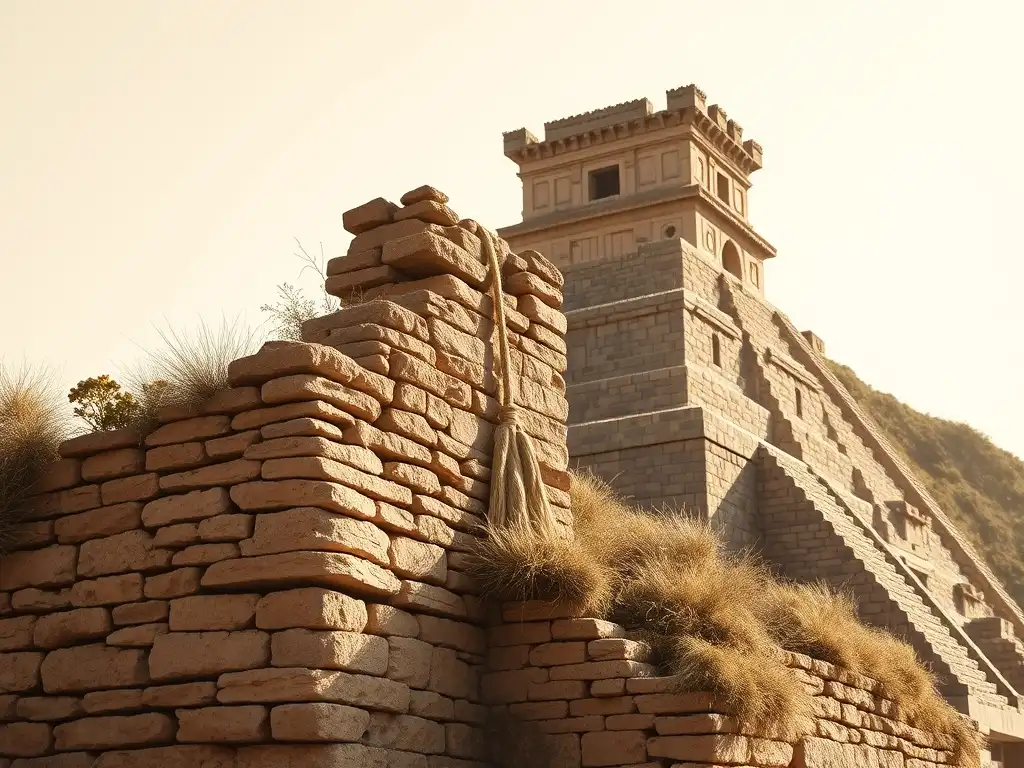
Despite the conquest, the Chimu culture and legacy persisted within the Inca Empire, leaving a lasting impact on various aspects of Inca life. The Inca, known for their pragmatic approach to governance, often incorporated elements of conquered cultures into their own. This policy, while partly driven by political expediency, also enriched Inca society with new ideas, technologies, and artistic styles.
Chimu Influence on Inca Art and Architecture
The Chimu's distinctive artistic style, particularly their mastery of metalwork and pottery, influenced Inca art. While the Inca developed their own unique artistic traditions, there is evidence of Chimu motifs and techniques appearing in Inca artifacts, particularly in the coastal regions. This blending of styles reflects the ongoing cultural exchange and interaction between the two civilizations.
Further research focusing on stylistic analysis of artifacts from the post-conquest period could reveal more detailed information on the extent of this exchange and influence. For example, comparisons of Chimu and Inca pottery styles could reveal subtle yet significant similarities, indicating the adoption of certain techniques or decorative motifs.
Integration of Chimu Territories into the Inca State
The Inca's integration of Chimu territories into their empire involved a complex process of political and administrative reorganization. The Inca implemented their own system of governance and administration, including the establishment of new administrative centers and the appointment of Inca officials. However, they also retained aspects of the existing Chimu administrative structures, recognizing the effectiveness of certain pre-existing systems. This pragmatic approach facilitated a smoother transition and minimized resistance.
The Inca's ability to effectively integrate these diverse territories demonstrates their administrative sophistication and their capacity to govern a vast and diverse empire. Understanding the detailed mechanisms of this integration would require a thorough examination of Inca administrative records, if they exist, and archaeological evidence from the period following the conquest. The success of this integration is a testament to the Inca's political acumen and organizational skills.
Comparing the Inca and Chimu Empires: A Contrast of Power
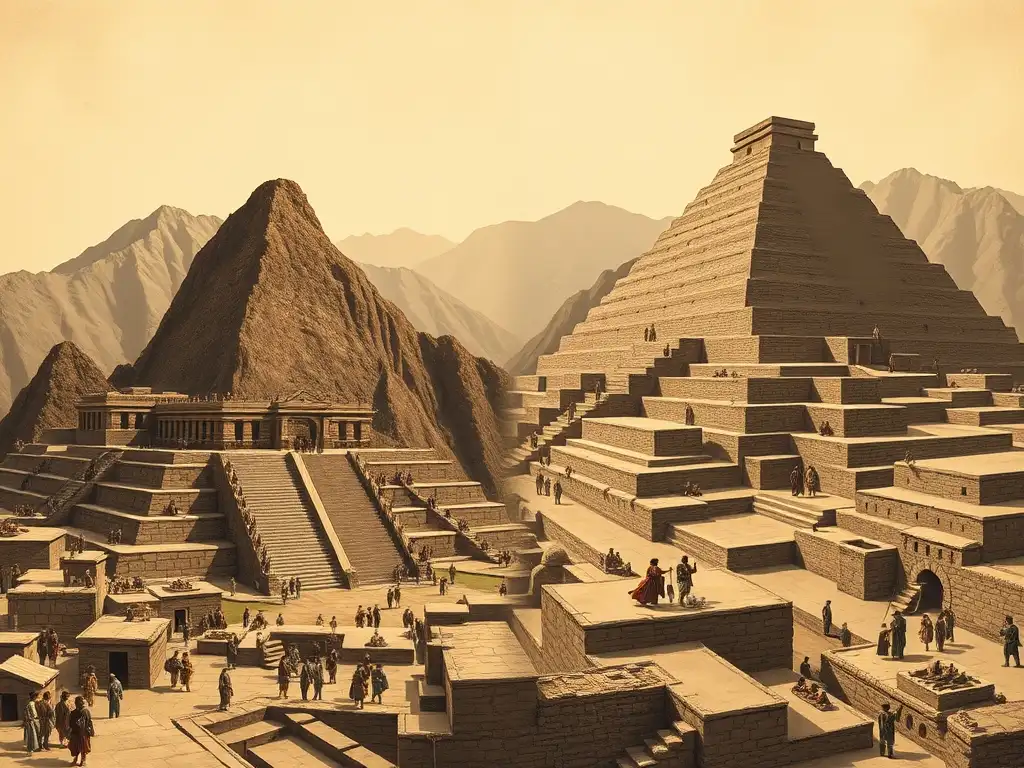
This section delves into a comparative analysis of the Inca and Chimu empires, focusing on their key differences in political organization, economic strategies, and overall approaches to governance. Understanding these contrasts is crucial to grasping the nature of their rivalry and the eventual Inca conquest. The keyword "Inca Chimu empire rivalry" is explored through a detailed examination of the distinct strengths and weaknesses of each civilization.
Political Structures and Governance
The contrasting political structures of the Inca and Chimu empires significantly influenced their interactions and the eventual outcome of their conflict. The Inca's highly centralized system stood in stark opposition to the Chimu's more regionally fragmented administration.
Inca Centralized Authority
The Inca empire boasted a remarkably centralized political system. At its apex was the Sapa Inca, the emperor, considered a divine ruler with absolute authority. Power radiated outwards through a complex bureaucracy of officials, including governors ( apocunas) and local administrators ( kurakas), who ensured the emperor's control extended across vast distances. This system facilitated efficient resource mobilization, standardized laws, and rapid communication, providing the Inca with a significant advantage in military campaigns and territorial expansion.
The Inca's ability to quickly consolidate conquered territories and integrate them into their administrative structure was a key factor in their success against the Chimu. This centralized control allowed for effective tax collection, labor mobilization ( mita system), and the swift suppression of rebellion. The Inca's political strength lay in its unified command structure and efficient administrative machinery.
Chimu Regional Administration
In contrast to the Inca's centralized authority, the Chimu empire exhibited a more decentralized, regional administrative structure. While a powerful ruler governed from Chan Chan, their control over outlying regions was arguably less absolute than that of the Inca. Evidence suggests a system of local lords and governors who retained a degree of autonomy, potentially leading to less efficient resource management and slower responses to external threats.
This regional fragmentation may have hindered the Chimu's ability to effectively mobilize resources and coordinate a unified defense against the Inca advance. The lack of a fully integrated administrative system likely contributed to the Chimu's vulnerability during the Inca conquest. Further research is needed to fully understand the nuances of Chimu regional governance and its impact on their relationship with the Inca.
Economic Systems and Trade Networks
The economic systems of the Inca and Chimu empires also differed significantly, influencing their respective strengths and weaknesses in their competition for resources and dominance.
Inca Agricultural Practices and Resource Management
The Inca economy was largely agrarian, based on intensive agricultural practices such as terracing, irrigation, and the cultivation of staple crops like potatoes and maize. Their mastery of agricultural techniques allowed them to support a large population and maintain a substantial army. The Inca implemented sophisticated resource management strategies, including the mita system, which mobilized labor for public works projects and agricultural production. This efficient system ensured the equitable distribution of resources and prevented widespread famine. The Inca's emphasis on agricultural self-sufficiency contrasted sharply with the Chimu's reliance on trade.
Chimu Trade and Craft Specialization
The Chimu economy was characterized by a high degree of craft specialization and a significant reliance on trade networks. Their skilled artisans produced exquisite textiles, ceramics, and metalwork, which were traded throughout the coastal region. While this specialization fostered economic prosperity, it also created dependencies that made the Chimu vulnerable to disruptions in trade routes or external pressures.
Their reliance on coastal resources might have also limited their ability to quickly mobilize resources in response to the Inca's inland expansion. The Chimu's economic system, while successful in its own right, lacked the self-sufficiency and resilience of the Inca’s agricultural-based economy, potentially contributing to their ultimate defeat. The contrasting economic strategies played a significant role in the "Inca Chimu empire rivalry".
Conclusion: The Inca-Chimu Empire Rivalry and its Place in Andean History
The Inca-Chimu conflict represents a crucial chapter in the broader narrative of Andean history, highlighting the complex dynamics of power, conquest, and cultural exchange in the region. Analyzing this rivalry offers valuable insights into the strategies employed by both empires, the consequences of imperial expansion, and the lasting impact on the cultural landscape of the Andes. The keyword "Inca Chimu empire rivalry" accurately encapsulates this significant historical event, allowing researchers and enthusiasts alike to readily access information on this pivotal period.
The Significance of the Inca Chimu Confrontation
A Pivotal Moment in Andean History
The Inca conquest of the Chimu marked a pivotal moment in Andean history. Prior to the Inca expansion, the Chimu kingdom, centered in the northern coastal region, represented a significant power, boasting a sophisticated urban infrastructure, a complex irrigation system, and a highly developed artistic tradition. Their defeat by the Inca, while a testament to Inca military prowess, also signifies a shift in the balance of power within the Andes.
The incorporation of Chimu territories and their substantial resources significantly boosted the Inca Empire's power and influence, accelerating its expansion southward. The meticulous organization and centralized administration of the Inca state allowed them to effectively manage the conquered territories and integrate them into their vast empire. This process, however, wasn't without its challenges and complexities.
The End of the Chimu Empire
The fall of the Chimu Empire wasn't a swift, decisive battle, but rather a gradual process of subjugation. Inca strategies involved a combination of military might and shrewd political maneuvering. While precise details remain debated by historians, it's clear the Inca employed siege warfare, leveraging their superior logistical capabilities and military organization to overcome Chimu defenses.
The ultimate consequence was the dismantling of the Chimu political structure, leading to the end of their independent rule and the assimilation of their population into the Inca Empire. The systematic destruction of Chimu administrative centers and the replacement of Chimu elites with Inca officials ensured the complete integration of the conquered territory into the Inca system. This effectively ended centuries of Chimu dominance in the northern coastal region.
The Lasting Impact on Andean Culture
Preserving the Legacy of Both Empires
Despite the conquest, the Chimu cultural legacy wasn't entirely erased. Elements of Chimu art, architecture, and technology were absorbed and adapted within the broader Inca context. This cultural fusion resulted in a unique blend of traditions, evident in the surviving artifacts and archaeological sites.
The Inca, known for their administrative efficiency, incorporated aspects of Chimu craftsmanship and engineering into their own imperial projects. This cultural exchange, while often unequal in its power dynamics, demonstrates the resilience of Chimu culture and its contribution to the rich tapestry of Andean civilization. The Inca's ability to integrate conquered cultures, rather than simply obliterate them, speaks volumes about their sophisticated imperial strategies.
Understanding the Dynamics of Andean Power Struggles
The Inca-Chimu rivalry serves as a powerful case study for understanding the dynamics of power struggles within the Andean region. It illustrates the complex interplay between military strength, political strategy, and cultural adaptation in the formation and expansion of empires. The conflict highlights the importance of control over vital resources, strategic territories, and the ability to effectively manage a diverse population.
Analyzing this historical event provides crucial insights into the broader processes of state formation, imperial expansion, and cultural exchange that shaped the Andean world. Further research, particularly focusing on [specific information pending regarding detailed accounts of Chimu resistance strategies] and the long-term socio-economic effects of the Inca conquest, is needed to fully understand the lasting consequences of this significant historical event. The study of this rivalry continues to offer valuable lessons on the complexities of imperial power and cultural interaction.
Frequently Asked Questions
What was the main source of conflict between the Inca and Chimu empires?
The primary source of conflict was territorial expansion. The Inca Empire, driven by its ambition for conquest and resource control, inevitably clashed with the powerful Chimu Empire in northern Peru. This led to direct military confrontation.
How did the Chimu Empire's infrastructure contribute to the conflict?
The Chimu's sophisticated irrigation systems and urban planning, particularly in the coastal region, provided them with significant resources and defensive capabilities. This made conquering them a challenging task for the Inca.
When did the Inca finally conquer the Chimu?
The Inca conquest of the Chimu occurred around 1470 CE, under the leadership of Emperor Túpac Inca Yupanqui. The conquest marked a significant expansion of the Inca Empire.
What were the consequences of the Inca conquest of the Chimu?
The Inca victory resulted in the incorporation of Chimu territories and resources into the Inca Empire. Chimu culture and infrastructure were largely absorbed, though some aspects of Chimu identity persisted.
How did the Chimu's military strength compare to the Inca's?
While the Chimu possessed a strong military and advanced fortifications, the Inca's superior organization, manpower, and military strategies ultimately proved decisive in securing victory. The Inca's use of quipus for communication and logistics also played a crucial role.
Final Reflection: Echoes of Empire: The Enduring Legacy of Inca-Chimu Conflict
The intricate dance of power between the Inca and Chimu empires resonates deeply with contemporary understandings of geopolitical maneuvering and the enduring consequences of conquest. The strategic alliances, brutal conflicts, and ultimate absorption of one civilization by another offer a stark reminder of the fragility of power and the ever-present potential for upheaval in the pursuit of dominance. This historical narrative serves as a cautionary tale, echoing in the complexities of international relations even today.
The Chimu's sophisticated irrigation systems and urban planning, though ultimately subsumed by the Inca, continue to inspire awe and demonstrate the ingenuity of pre-Columbian civilizations. Their legacy, interwoven with that of their conquerors, reminds us that history is not a simple narrative of victory and defeat, but a complex tapestry woven from the threads of diverse cultures and achievements. History is a gallery of pictures, in which there are few originals, and many copies.
– Edward Gibbon. This quote underscores the importance of understanding the unique contributions of both the Chimu and Inca, rather than simply focusing on the Inca's ultimate triumph.
Consider the impact of this historical rivalry on your own perspective. How do the strategies and tactics employed by both empires inform your understanding of power dynamics in the modern world? Take a moment to reflect on the enduring legacy of cultural exchange and conflict, and how the lessons learned from the Inca-Chimu relationship can illuminate our understanding of the complexities of human interaction and the pursuit of power. Let the echoes of these ancient empires inspire you to critically examine the forces that shape our world today.
Unveil the Secrets of Ancient Rivalries!
Thank you for exploring the fascinating world of the Inca and Chimu empires! You've uncovered insights into their complex relationship and the dynamics of their ancient power struggles. Now, let's explore how these historical narratives shape our understanding of modern society.
Here are some impactful ways to continue your exploration:
- Deepen your research: Learn more about the Inca and Chimu by visiting museums, exploring online academic resources, or reading books on the subject. A broader understanding of their legacies will enrich your perspective.
- Share your knowledge: Discuss the Inca-Chimu rivalry with friends, family, or online communities. Engaging in conversations can spark interest in Andean history and foster a greater appreciation for this crucial period.
- Experience history firsthand: Consider visiting archaeological sites associated with both civilizations. Traveling to these locations can significantly enhance your understanding and appreciation of their achievements and complex relationship.
What other fascinating connections can you identify between ancient civilizations and the modern world? Let's continue the discussion!