
Royal Estates and Palaces: Centers of Inca Authority

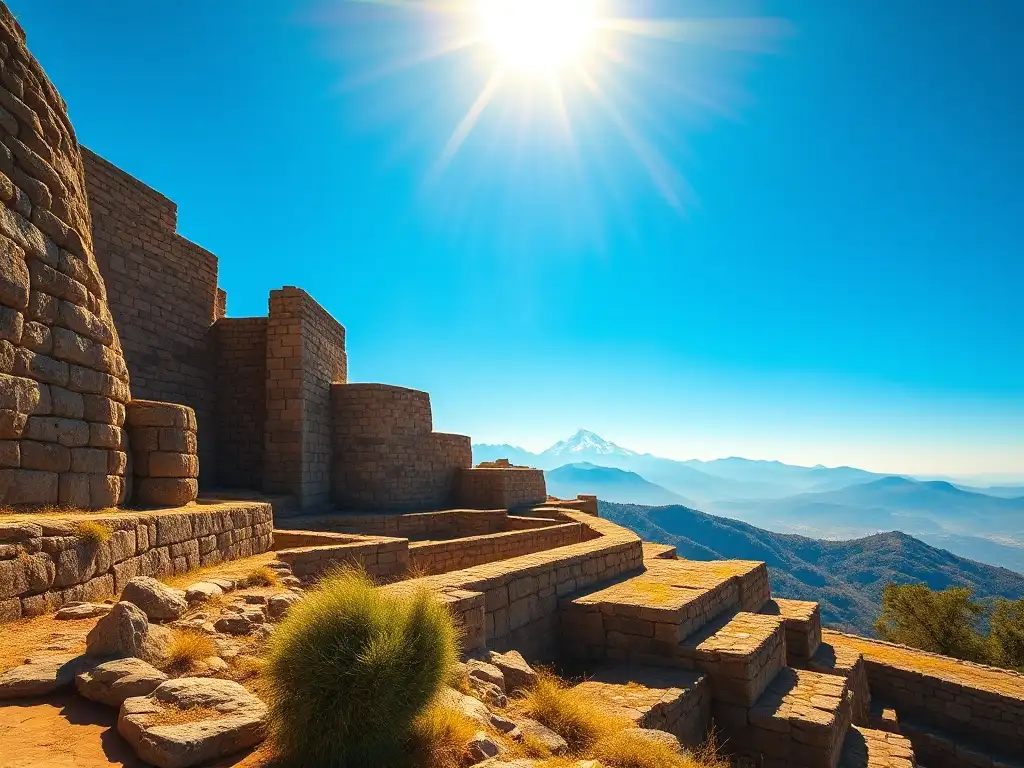
Step into a world lost to time, where majestic mountains cradled empires of unimaginable splendor. Andean Civilizations unveils the secrets of these ancient societies, revealing their intricate artistry, innovative technologies, and complex social structures. But what truly defined the power of the Inca? Prepare to be captivated by the breathtaking ingenuity of Inca royal palace architecture, a testament to their mastery of engineering and a window into the heart of their imperial authority. Discover the stories etched in stone, and unlock the mysteries of their magnificent royal estates.
- Inca Royal Estates and Palaces: Centers of Inca Authority
- Understanding Inca Royal Residences
- Architectural Features of Inca Palaces
- Notable Inca Royal Palaces and Estates
- The Role of Inca Royal Palaces in Imperial Control
- Conservation and Research of Inca Royal Sites
- Conclusion: The Enduring Legacy of Inca Palaces
- Frequently Asked Questions
- Final Reflection: Echoes of Power in Stone: The Enduring Legacy of Inca Palaces
- **Unveil the Legacy of Inca Authority! **
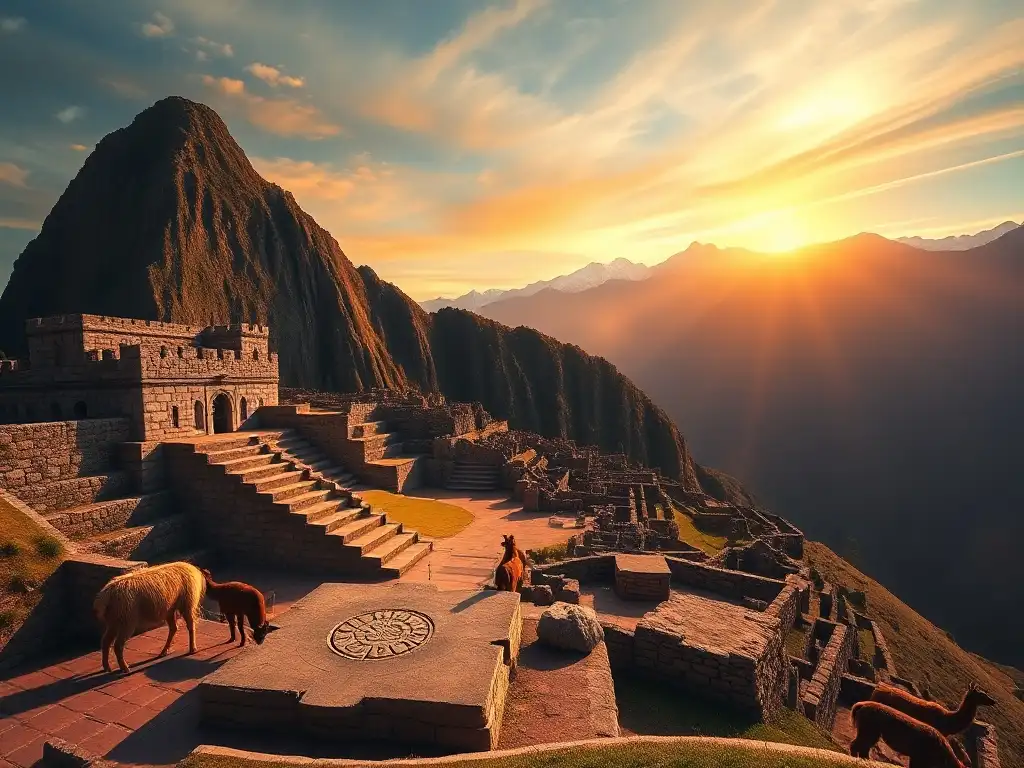
The Inca Empire, a civilization that flourished in the Andes Mountains from the 15th to the 16th century, left behind a remarkable legacy of architectural marvels. This article delves into the sophisticated design and strategic placement of Inca royal estates and palaces, exploring their role as powerful symbols of imperial authority and administrative centers.
We will examine the unique architectural features, the meticulous planning involved in their construction, and their significance within the broader context of Inca imperial expansion and consolidation. Understanding Inca royal palace architecture offers crucial insights into the political, social, and economic structures of this fascinating civilization, revealing how the Incas skillfully integrated their buildings into the landscape to project power and control across their vast empire.
We’ll explore examples from different regions to highlight the diversity and sophistication of Inca building techniques, showcasing the ingenuity of the Inca builders and the enduring impact of their architectural achievements.
Architectural Features of Inca Palaces
Inca palaces, unlike European counterparts, weren't designed for ostentatious display. Instead, they emphasized functionality, integration with the environment, and the projection of imperial power through subtle yet powerful design elements. Key characteristics include the masterful use of stonework, employing precise cuts and fitting without mortar.
This technique, known as ashlar masonry, created incredibly durable structures that have withstood the test of time. The use of locally sourced stone, often meticulously chosen for color and texture, further integrated the palaces into their surroundings. Palaces were often built on terraces, skillfully adapting to the challenging Andean terrain.
These terraces not only provided stability but also created distinct levels, enhancing the visual impact and possibly signifying social hierarchy within the palace complex. Furthermore, the incorporation of intricate water management systems, such as canals and fountains, highlighted the Inca's mastery of hydraulic engineering and their ability to control essential resources. The use of internal courtyards, providing both privacy and a central gathering space, further emphasized the social and political functions of these structures.
Sacsahuamán: A Fortified Palace-City
Sacsahuamán, located near Cusco, stands as a prime example of Inca royal architecture. More than just a fortress, Sacsahuamán encompassed a complex of palaces, temples, and residential areas, reflecting its multifaceted role as a center of political, religious, and military power. Its massive, cyclopean stone walls, defying gravity with their intricate interlocking design, are a testament to the Inca's advanced engineering skills.
The strategic location atop a hill overlooking Cusco further emphasized its dominance and control over the capital city. Archaeological evidence suggests that Sacsahuamán underwent several phases of construction, reflecting the evolving needs and power of the Inca rulers.
Its sheer scale and imposing presence served not only as a military defense but also as a powerful symbol of Inca imperial might, showcasing the empire's impressive resources and engineering prowess. The sheer size and complexity of Sacsahuamán requires further study to fully understand its intended purpose and the social dynamics within its walls.
Regional Variations in Inca Palace Architecture
While certain architectural principles were consistent throughout the Inca Empire, regional variations existed, reflecting both local building traditions and the adaptation to diverse geographical conditions. For instance, palaces in the coastal regions often utilized different materials and construction techniques compared to those built in the highlands. The use of adobe bricks in coastal areas, contrasted with the stonework prevalent in the highlands, illustrates this adaptation.
This adaptability speaks to the ingenuity of Inca builders and their ability to integrate their architectural style with the unique characteristics of each region. Further research is needed to fully catalog and analyze the regional variations in Inca palace architecture, potentially revealing subtle differences in social organization and power structures across the empire. Detailed comparative studies of palaces from different regions would greatly enhance our understanding of the empire's administrative structure and the ways in which local traditions were integrated into the imperial style.
The Role of Royal Estates in Imperial Administration
Inca royal estates served not only as residences for the elite but also as vital centers for administrative functions. These estates managed agricultural production, resource allocation, and the distribution of goods throughout the empire. Their strategic placement facilitated the efficient control of resources and the movement of goods, highlighting the intricate network of communication and logistics that underpinned the Inca Empire's success.
The palaces often housed officials who oversaw these operations, ensuring the smooth functioning of the empire's economy and administration. Understanding the administrative role of these estates offers valuable insights into the Inca's sophisticated system of governance and their ability to manage a vast and diverse population.
Further investigation into the organization and function of these estates is crucial to fully understanding the Inca's economic and political systems. Detailed records of the goods produced and distributed from these estates would shed light on the empire's economic strength and its capacity for large-scale organization.
Understanding Inca Royal Residences
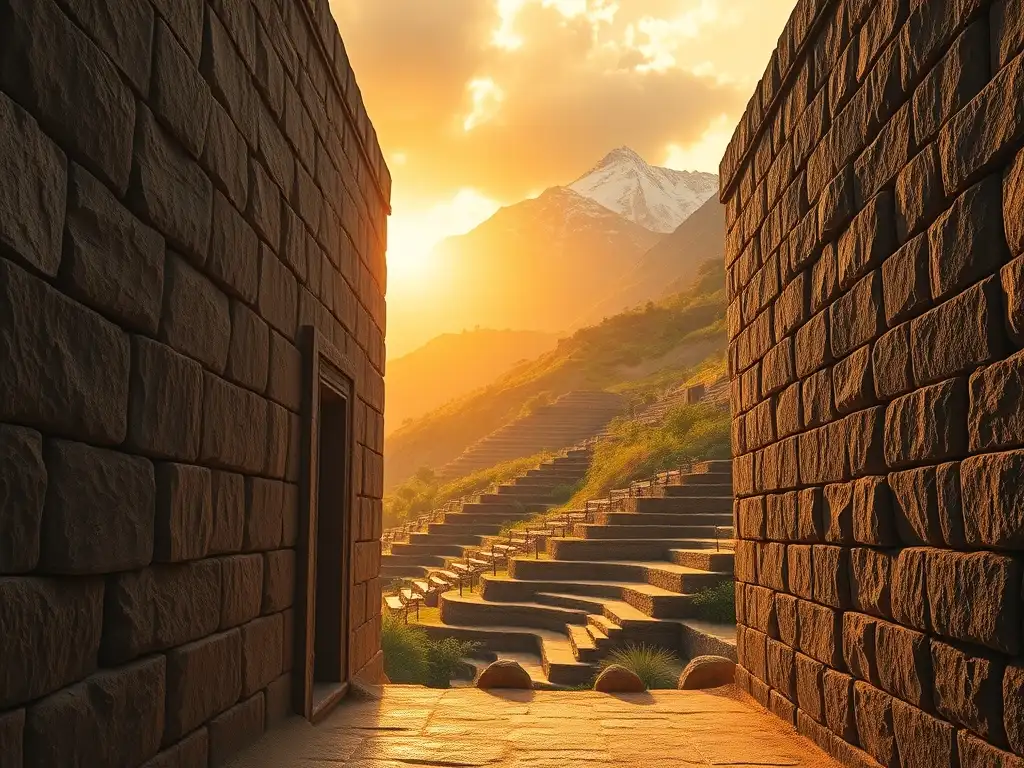
The Inca Empire, renowned for its sophisticated engineering and intricate social structures, left behind a legacy of impressive architectural achievements. Nowhere is this more evident than in the design and construction of their royal palaces and estates. Understanding Inca royal palace architecture requires examining not only the physical structures themselves but also their symbolic and functional significance within the broader context of Inca society.
This section delves into the intricacies of these royal residences, revealing insights into the power dynamics, religious beliefs, and daily life of the Inca elite. The keyword phrase "Inca royal palace architecture" is central to this exploration, highlighting the unique characteristics and cultural importance of these structures.
The Significance of Royal Palaces in Inca Society
Inca royal palaces were far more than mere dwellings; they were powerful symbols of imperial authority and divine legitimacy. Their strategic locations, often in elevated positions overlooking fertile valleys or important ceremonial sites, underscored the Inca ruler's control over both the land and its people. The palaces themselves embodied the Inca worldview, reflecting a complex interplay of political power, religious beliefs, and social hierarchy.
The intricate stonework, the meticulous planning, and the sheer scale of these structures served to impress and awe, reinforcing the emperor's status as a divine intermediary between the earthly and spiritual realms. The meticulous craftsmanship evident in the stonework, the use of sophisticated techniques like ashlar masonry, and the incorporation of astronomical alignments all contributed to the palaces' symbolic power. The palaces weren't merely beautiful; they were meticulously designed to project power and reinforce the divine right to rule.
Consider, for example, the Sacsayhuamán complex near Cusco, a testament to the Inca's mastery of stonework and a clear demonstration of their ability to mobilize vast resources for monumental projects. This reinforces their power and control over the population and resources. The sheer scale of such projects served as a constant reminder of the emperor's might.
Functions of Inca Estates: Administration, Ritual, and Residence
Inca royal estates served multiple crucial functions beyond simply providing housing for the emperor and his court. They functioned as centers of administration, religious ritual, and residential accommodation. The palaces themselves were often integrated into larger complexes encompassing storage facilities, workshops, and agricultural areas. This integrated approach reflects the Inca's understanding of efficient resource management and centralized control. These estates facilitated the smooth functioning of the empire by bringing together various aspects of governance and religious practice.
- Administration: Royal palaces served as administrative hubs, where officials managed the flow of resources, taxes, and labor. Record-keeping, taxation, and the distribution of goods were likely coordinated within these complexes. The presence of administrative offices and storage facilities within the palace complex underscores the importance of centralized control and efficient resource management.
- Ritual: Many palaces incorporated temples and ceremonial spaces, highlighting the close connection between religious authority and political power. Rituals and ceremonies performed within these spaces reinforced the emperor's divine legitimacy and strengthened the bonds between the ruler and his subjects. Specific examples of architectural features designed for ritualistic purposes are still being discovered and analyzed, providing ever-increasing insights into Inca religious practices.
- Residence: While serving administrative and religious functions, the palaces were also residences for the emperor, his family, and high-ranking officials. The layout of the palaces, with separate areas for different functions, suggests a highly structured and hierarchical social order within the royal court. The quality of construction and the provision of amenities further emphasized the status and comfort of the royal inhabitants. The intricate details in the design, including sophisticated water management systems and elaborate decorations, suggest a luxurious lifestyle for those residing within the palaces.
The combination of these functions within a single complex showcases the Inca's efficient approach to governance and their seamless integration of religious beliefs into the daily workings of the empire. The design and layout of these estates reflect a highly organized and centralized system, highlighting the sophisticated nature of Inca administration and the importance of religious authority in maintaining imperial power. Further research into the specific layout and features of individual palaces will undoubtedly unveil further details about the daily lives and practices of the Inca elite.
Architectural Features of Inca Palaces
The Inca Empire, renowned for its sophisticated social organization and impressive infrastructure, left behind a legacy of remarkable architecture. Understanding Inca royal palace architecture provides crucial insights into their power structures, beliefs, and engineering prowess. This section will delve into the specific features that distinguish Inca palaces from other structures within their vast empire, focusing on the unique blend of functionality and symbolic representation inherent in their design.
The meticulous craftsmanship and strategic placement of these palaces underscore the Inca's sophisticated understanding of both engineering and political symbolism. Analyzing the architectural details reveals much about the Inca worldview and their ability to integrate their aesthetic preferences with practical considerations. The keyword "Inca royal palace architecture" is intrinsically linked to the sophistication and ingenuity evident in these structures.
Inca Palace Design: Form and Function
Inca palace design wasn't merely about aesthetics; it was deeply intertwined with functionality and symbolic meaning. Palaces weren't isolated structures but integral parts of a larger urban landscape, often integrated with religious sites, agricultural terraces, and administrative buildings. The layout frequently reflected a hierarchical structure, with the emperor's quarters occupying the most prominent position, often elevated and easily defensible. Smaller, strategically placed buildings served as residences for nobles and officials, reflecting their position within the imperial hierarchy.
The palaces themselves were rarely monumental in scale compared to some other ancient civilizations. Instead, they prioritized a harmonious integration with the surrounding environment. Their design often utilized natural features like hillsides and rivers to enhance their defensive capabilities and aesthetic appeal.
This approach demonstrates a deep respect for the environment and a practical understanding of its impact on both defensive strategy and the overall aesthetic impact of the structures. The efficient use of space and resources was a hallmark of Inca architecture, reflecting a pragmatic approach to construction and resource management. For example, the use of internal courtyards provided both ventilation and a central gathering space.
Key Elements of Inca Royal Architecture: Walls, Doors, and Layout
The walls of Inca palaces stand as testaments to their advanced construction techniques. Precision-cut stones, meticulously fitted without mortar, created incredibly strong and durable structures. These walls, often made of intricately carved and precisely fitted stones, were not merely structural elements; they were also canvases for artistic expression. While some walls were plain, others featured intricate carvings, geometric patterns, and even depictions of animals or mythical figures. This attention to detail highlights the importance placed on both functionality and aesthetic appeal.
Doors, often trapezoidal in shape, were carefully positioned and sized. Their placement was not arbitrary; they were strategically located to enhance security and control access to different areas of the palace. The size and design of the doors often indicated the importance of the rooms they guarded. Larger, more ornate doors typically led to more important chambers, reinforcing the hierarchical structure of the palace.
The layout of Inca palaces often incorporated a series of interconnected courtyards and rooms, creating a complex and functional space. This intricate design allowed for a variety of uses, from private chambers for the royal family to public spaces for ceremonies and meetings. The palaces were not just residences; they served as administrative centers, religious sanctuaries, and symbolic representations of imperial power.
Construction Techniques of Inca Royal Structures
The construction of Inca royal structures was a marvel of engineering. The Incas mastered the art of dry-stone masonry, fitting stones together with such precision that even a knife blade couldn't fit between them. This technique, requiring immense skill and precision, ensured the stability and longevity of their structures. The precision of the stonework is particularly evident in the construction of walls, where large blocks were perfectly fitted together without the use of mortar.
The Inca's mastery extended beyond the stonework itself. They were adept at quarrying, transporting, and shaping massive stones using only basic tools. The transportation of these stones across challenging terrain is a testament to their organizational skills and engineering ingenuity. Evidence suggests that they used a combination of ramps, rollers, and human labor to move these massive stones, demonstrating a remarkable ability to coordinate large-scale projects.
This sophisticated construction process is reflected in the durability and resilience of the remaining structures, many of which have withstood the test of time remarkably well. The lack of mortar further highlights the precision of their workmanship, demonstrating their understanding of structural integrity and engineering principles. The precise fitting of the stones minimized the need for binding agents, showcasing both their technical skill and their understanding of the structural properties of stone.
Notable Inca Royal Palaces and Estates
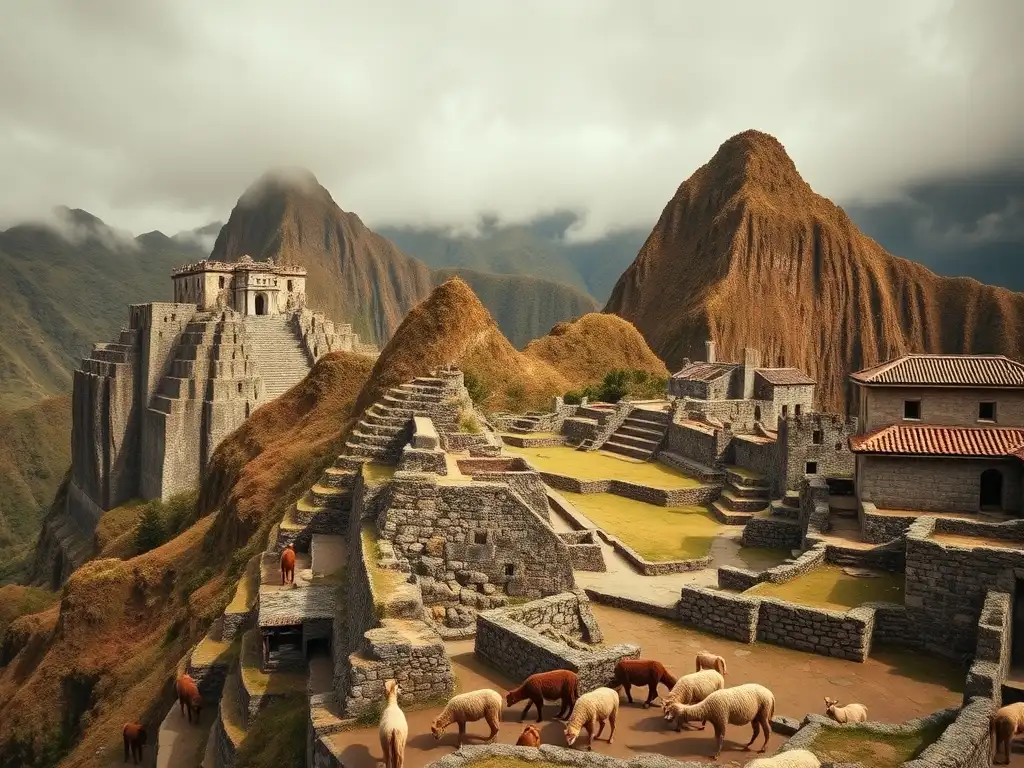
This section delves into the impressive architecture and strategic importance of several key Inca royal palaces and estates, showcasing the sophistication of Inca royal palace architecture and its role in consolidating their vast empire. These structures weren't merely residences; they served as vital centers of power, religious observance, and administrative control, reflecting the Inca's mastery of engineering and their sophisticated understanding of urban planning. The meticulous craftsmanship and symbolic significance embedded within these structures offer invaluable insights into Inca culture and their imperial ambitions.
Coricancha: A Detailed Look at the Temple of the Sun
Coricancha, meaning "Golden Enclosure" in Quechua, stands as a prime example of Inca royal palace architecture and religious devotion. Located in Cusco, the present-day capital of Peru, this temple was dedicated to the sun god, Inti, the most revered deity in the Inca pantheon. Its importance extended far beyond religious practices; it served as a crucial center of Inca power and prestige.
Architectural Highlights of Coricancha
The original Coricancha was a breathtaking structure, its walls meticulously crafted from massive, precisely fitted stones. These stones, some weighing several tons, were seamlessly joined without mortar, a testament to the Inca's advanced stone-cutting and masonry techniques. The walls were originally plated with gold, further emphasizing the temple's sacredness and the Inca's immense wealth.
Archaeological evidence suggests the presence of intricate gold and silver ornaments, along with depictions of the sun and other celestial bodies, all contributing to the temple's dazzling splendor. The complex also incorporated sophisticated water management systems, reflecting the Inca's understanding of hydraulic engineering. Sadly, much of the original structure was destroyed following the Spanish conquest, but the remaining foundations still evoke awe and admiration.
The History and Significance of Coricancha
Coricancha's construction likely spanned several centuries, with additions and modifications made by successive Inca rulers. It was not merely a temple; it housed the mummies of past Inca emperors, further solidifying its status as a sacred and political center. The temple also served as a treasury, storing vast quantities of gold and silver tributes collected from across the empire.
Its strategic location in Cusco, the heart of the Inca empire, underscores its importance in the Inca's political and religious organization. The temple's destruction by the Spanish conquistadors, who used its stones to build the Santo Domingo church atop its ruins, represents a significant loss to our understanding of Inca royal palace architecture and religious beliefs. However, the surviving foundations continue to serve as a powerful reminder of the Inca's sophisticated civilization and their enduring legacy.
Ollantaytambo: Exploring a Royal Estate and Fortress
Ollantaytambo, located in the Sacred Valley of the Incas, stands as a unique example of Inca royal palace architecture, seamlessly blending residential, agricultural, and defensive functions. Unlike the primarily religious focus of Coricancha, Ollantaytambo showcases the Inca's ability to integrate various aspects of their society within a single, imposing complex. Its massive terraces, intricate water channels, and strategically positioned fortifications speak to the Inca's mastery of engineering and their sophisticated understanding of urban planning and defense. The sheer scale of the site and its complexity highlight the immense resources and manpower dedicated to its construction.
Unique Features of Ollantaytambo
Ollantaytambo's most striking features include its massive agricultural terraces carved into the mountainside. These terraces, meticulously constructed and irrigated, provided fertile land for agricultural production, supporting the population of the royal estate and contributing to the empire's food security. The complex also features intricate water channels that efficiently transported water throughout the site, showcasing the Inca's advanced understanding of hydraulic engineering.
The strategic placement of the fortress, overlooking the Urubamba River valley, provided excellent defensive capabilities, protecting the royal estate and its inhabitants from potential threats. The monolithic stones used in its construction, some weighing over 100 tons, are a testament to the Inca’s exceptional engineering skills and their ability to move and place these enormous blocks with remarkable precision.
The Role of Ollantaytambo in Inca Governance
Ollantaytambo served as more than just a royal estate; it played a crucial role in Inca governance. Its strategic location and defensive capabilities made it a vital administrative center, controlling access to and from the region. The presence of both residential and agricultural areas suggests a significant population lived within the complex, including administrators, artisans, and agricultural workers.
The site's role in managing resources and controlling the flow of goods and people throughout the empire highlights the integral connection between royal estates and the Inca's imperial administration. The intricate organization and functionality of Ollantaytambo demonstrate the Inca's sophisticated system of governance, further emphasizing the profound impact of their royal palaces on the empire's stability and expansion. The complex serves as a powerful symbol of Inca power, ingenuity, and the seamless integration of their political, religious, and economic systems.
Machu Picchu: A Royal Retreat and its Royal Connections
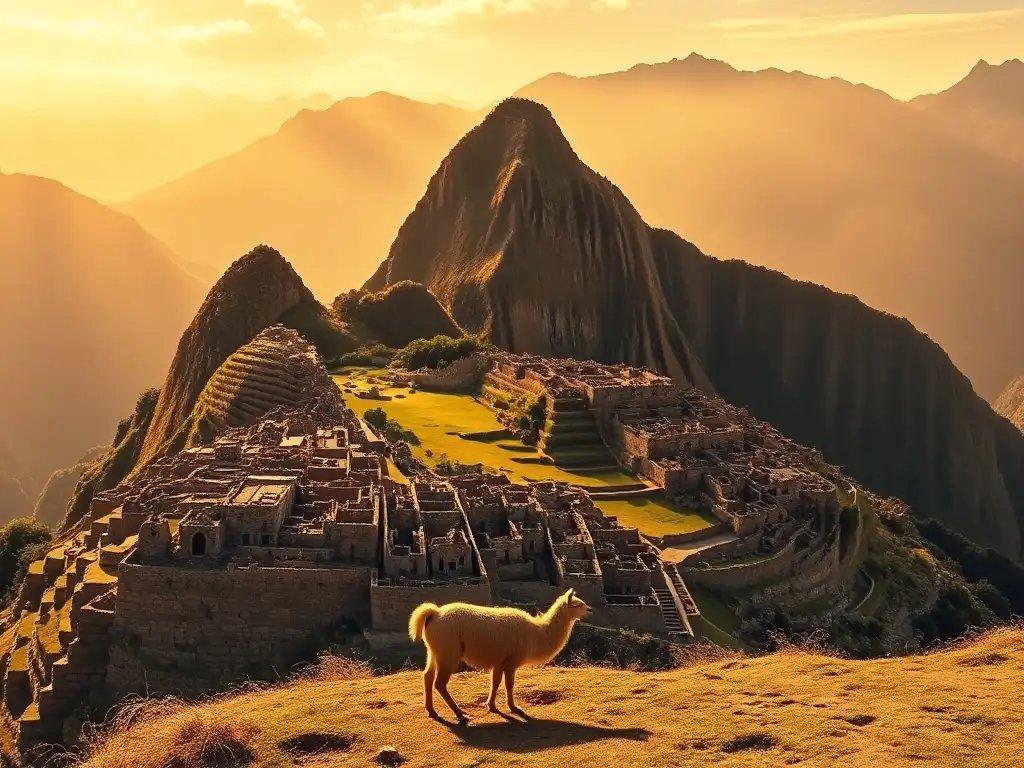
Machu Picchu, often romanticized as the "Lost City of the Incas," presents a compelling case study in Inca royal palace architecture. While its exact function remains a subject of ongoing scholarly debate, the prevailing consensus points to its use as a royal estate, perhaps a retreat for Inca royalty or a strategically important administrative center. The sheer scale of the complex, the sophisticated engineering involved in its construction, and the presence of luxurious residential structures strongly suggest a connection to the Inca elite.
The carefully cultivated agricultural terraces, intricate water management systems, and the presence of religious structures further underscore its significance as a carefully planned and meticulously maintained royal space. The breathtaking mountaintop location itself speaks to the Inca's desire for both strategic control and a serene, secluded environment for their rulers. Archaeological evidence, including the discovery of fine textiles and ceramics, reinforces the idea of a privileged, high-status community residing within Machu Picchu.
The layout of the buildings, with their distinct residential and ceremonial zones, reflects the hierarchical structure of Inca society and the importance of separating sacred and secular spaces within the royal estate. The careful selection of the site, considering its defensive capabilities and access to resources, highlights the strategic planning that characterized Inca royal architecture.
Intricacies of the Architecture at Machu Picchu
The architecture of Machu Picchu exemplifies the mastery of Inca stonework. The precision with which the massive stones were cut and fitted together, without the use of mortar, is astonishing. The dry-stone technique, a hallmark of Inca construction, is on full display at Machu Picchu. The perfectly interlocking stones, some weighing many tons, demonstrate both the technological prowess and the organizational capabilities of the Inca empire.
The intricate stonework isn't just about structural integrity; it also reveals a deep understanding of engineering principles. The buildings are designed to withstand earthquakes and other natural disasters. Features such as drainage systems integrated into the walls and foundations, and the use of strategically placed buttresses, showcase the sophistication of Inca engineering. The complex's layout, with its terraced structures clinging to the steep mountainside, displays an intimate knowledge of the local topography.
The architectural style, characterized by its use of polished stone, carefully crafted doorways and windows, and the incorporation of natural elements into the design, reflects the Inca aesthetic sensibility. The presence of various building types, from residential quarters to temples and storage facilities, indicates a complex, self-sufficient community. The meticulous craftsmanship visible in every detail, from the intricate carvings to the perfectly aligned stonework, underscores the importance of Machu Picchu as a royal center.
Historical Context of Machu Picchu
The construction of Machu Picchu is believed to have begun during the reign of Pachacuti Inca Yupanqui (1438-1471), a pivotal figure in Inca history known for his significant expansion of the empire. Its strategic location, overlooking a fertile valley and offering defensive advantages, suggests a deliberate choice for a royal retreat or administrative center. The city's relative isolation, combined with its sophisticated infrastructure, points to its function as a carefully planned and protected royal estate.
While the exact purpose and inhabitants of Machu Picchu remain debated, it's clear that it served an important role within the Inca empire's political and social structure. Some scholars suggest it functioned as a royal retreat, a place where the Inca ruler could escape the pressures of court life. Others argue that it served as a significant administrative center, overseeing the surrounding region.
Regardless of its exact function, Machu Picchu's existence provides valuable insights into Inca royal life, political organization, and the technological capabilities of the empire. The abandonment of Machu Picchu, sometime after the Spanish conquest, adds another layer to its mystery, leaving behind a legacy of architectural grandeur and historical intrigue. The ongoing archaeological research at Machu Picchu continues to shed light on its history and significance within the broader context of Inca civilization, adding to our understanding of Inca royal palace architecture.
The Role of Inca Royal Palaces in Imperial Control
Inca royal palaces served as much more than mere residences for the Sapa Inca and his elite. They were crucial instruments in the Inca Empire's sophisticated system of imperial control, functioning as administrative centers, strategic military hubs, and potent symbols of power projecting authority across vast distances.
The strategic placement of these palaces, often in conquered territories or at key junctions of the Qhapaq Ñan (Inca road system), facilitated efficient governance and swift military response. This carefully orchestrated network of palaces ensured the seamless integration of newly subjugated populations into the empire while simultaneously deterring potential rebellion.
The sheer scale and magnificence of many palaces also served as a constant reminder of the Inca's overwhelming power, subtly reinforcing their dominance. Data on the number of palaces and their locations, while incomplete due to the challenges of archaeological investigation in such varied terrains, consistently reveals a pattern of deliberate strategic placement aimed at maximizing control and minimizing dissent.
Inca Royal Residences as Symbols of Power
The Inca royal palaces weren't simply functional buildings; they were meticulously designed to project power and legitimize Inca rule. The use of high-quality materials like finely-cut stone, the intricate stonework showcasing advanced engineering techniques, and the incorporation of religious iconography all contributed to creating awe-inspiring structures. The palaces themselves became living embodiments of Inca ideology, reinforcing the Sapa Inca's divine status and the legitimacy of his rule.
For example, the use of chakana (Andean cross) motifs in the palace architecture symbolized the Inca's connection to the cosmos and their divinely ordained authority. The sheer scale of some palaces, like those found at Cusco and Ollantaytambo, served as a powerful visual demonstration of the empire's wealth and resources, further solidifying the Inca's image as supreme rulers.
The palaces were not just buildings; they were carefully crafted narratives, meticulously designed to instill reverence and obedience in the populace. Moreover, the presence of royal workshops and artisans within the palaces produced luxury goods, further highlighting the Inca's mastery and control over resources and skilled labor.
The Impact of Inca Palaces on Local Populations
The construction and maintenance of Inca palaces profoundly impacted local populations. While providing employment and opportunities for some, it also imposed significant burdens on others. The mita system, a form of tribute labor, required the mobilization of vast numbers of people for extended periods to quarry stone, transport materials, and erect these monumental structures.
This system, while contributing to the empire's impressive achievements in architecture, also placed a heavy strain on local communities, potentially disrupting agricultural cycles and other essential activities. The presence of the palace itself, with its associated administrative functions and military garrisons, fundamentally altered the social and economic fabric of the surrounding areas. The influx of Inca officials and administrators, along with the concentration of resources within the palace complex, often led to shifts in power dynamics within local communities, with some groups benefiting while others experienced displacement or marginalization.
Further research is needed to fully understand the nuanced impact of Inca palaces on the everyday lives of local populations, especially in terms of long-term social and economic consequences. Detailed studies of specific palace sites and their surrounding communities are crucial to illuminate this complex interplay between imperial power and local realities.
Inca palace architecture was characterized by its sophisticated use of stone, its meticulous planning, and its symbolic integration into the landscape. The precise fitting of massive stones without mortar, a testament to the Inca's advanced engineering skills, created visually stunning structures that conveyed a sense of permanence and strength. The incorporation of astronomical alignments in some palaces suggests a deliberate attempt to connect royal power with the celestial realm, further solidifying the Sapa Inca's divine authority.
The use of distinctive architectural features, such as trapezoidal doorways and niches, served as visual markers of Inca identity and imperial control. These architectural elements were not randomly chosen; they were carefully selected and strategically deployed to project imperial power and reinforce Inca cultural identity across the vast expanse of the empire. Moreover, the integration of palaces into the natural environment, often utilizing existing topography to enhance their strategic importance and visual impact, highlighted the Inca's mastery over both the built and natural worlds.
The impressive scale of these buildings, coupled with the precision of their construction, served as a powerful and enduring symbol of Inca authority and technological prowess. Analyzing the specific architectural features of different palaces across the empire reveals regional variations and adaptations, suggesting a complex interaction between imperial directives and local traditions.
Conservation and Research of Inca Royal Sites
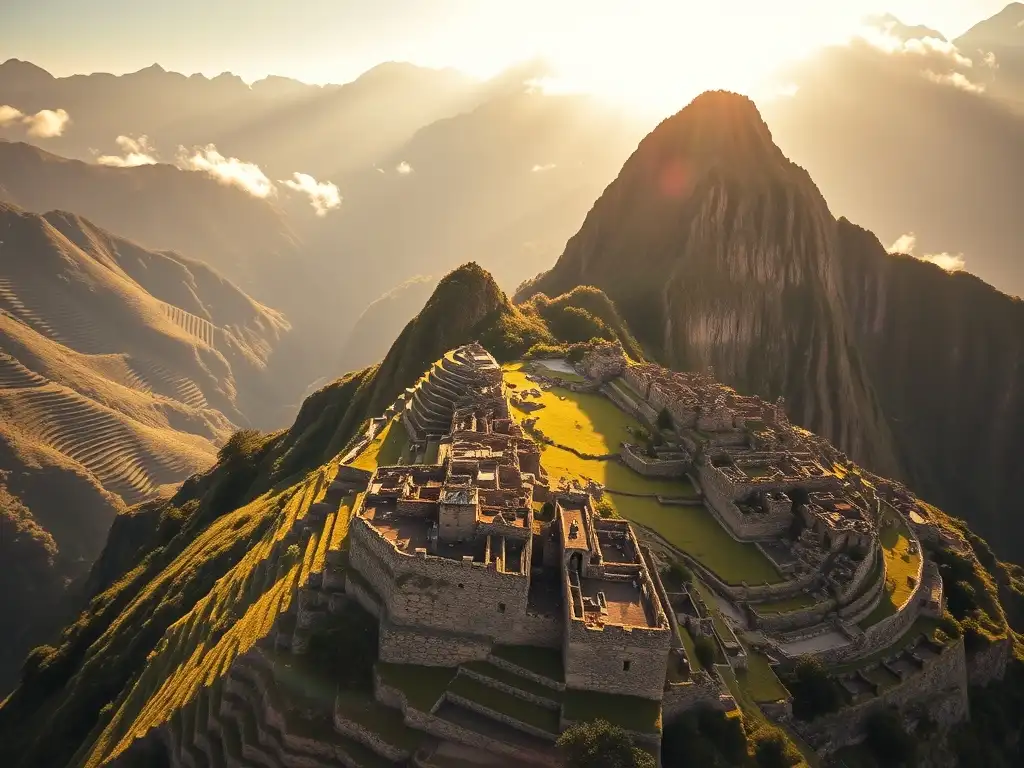
The preservation and study of Inca royal palaces and estates are crucial for understanding the Inca Empire's sophisticated urban planning, architectural prowess, and societal structure. These sites offer invaluable insights into the Inca worldview, their mastery of stonework, and the intricate organization of their political and religious systems. The challenge lies in balancing the need for preservation with the desire for public access and further research. Many sites face threats from natural erosion, looting, and the impact of tourism.
Effective conservation strategies require a multi-pronged approach, combining scientific analysis with community engagement and sustainable tourism practices. The long-term preservation of these remarkable architectural achievements is paramount for future generations. This section will delve into the current efforts and ongoing studies dedicated to safeguarding and understanding these significant historical landmarks.
Current Efforts in Preserving Inca Palace Architecture
Current efforts to preserve Inca palace architecture are multifaceted and involve a range of stakeholders, including archaeologists, historians, government agencies, and local communities. These initiatives often incorporate modern conservation techniques alongside traditional methods passed down through generations. For instance, the use of bio-compatible consolidants to strengthen weakened stonework is becoming increasingly common. This helps to stabilize structures without altering their original composition. Simultaneously, efforts are being made to mitigate the impact of environmental factors such as rainfall and temperature fluctuations through the implementation of drainage systems and protective coverings.
Furthermore, sustainable tourism practices are being promoted to minimize the negative effects of visitor traffic on delicate sites. This includes establishing well-defined pathways, limiting visitor numbers, and educating tourists about responsible behavior. Community involvement is also crucial; local populations are often trained in conservation techniques, creating employment opportunities while fostering a sense of ownership and pride in their cultural heritage.
The integration of modern technology, such as 3D scanning and digital modeling, aids in creating detailed records of the sites, facilitating both restoration efforts and virtual access for researchers and the public alike. This digital archiving helps to preserve information even if physical structures are damaged or lost.
| Conservation Technique | Description | Benefits | Challenges |
|---|---|---|---|
| Bio-compatible Consolidants | Strengthening agents that don't chemically alter the original stone. | Stabilizes weakened structures, preserves original material. | Finding suitable consolidants for specific stone types; cost. |
| Drainage Systems | Diverting water away from structures to prevent erosion and water damage. | Prevents water damage and freeze-thaw cycles. | Extensive infrastructure, maintenance requirements. |
| Protective Coverings | Shielding structures from environmental factors like UV radiation and rainfall. | Reduces weathering and deterioration. | Can be visually obtrusive; requires regular maintenance and replacement. |
| 3D Scanning and Digital Modeling | Creating digital records for documentation, research, and virtual access. | Facilitates restoration, allows virtual exploration, preserves information. | High initial cost; requires specialized expertise. |
| Community-Based Conservation | Training local communities in conservation techniques. | Creates employment, fosters ownership, promotes sustainable practices. | Requires significant time investment; potential for inconsistent application. |
Ongoing Studies of Inca Royal Estates
Ongoing studies of Inca royal estates focus on a range of aspects, from architectural analysis to understanding the social and economic organization of the Inca Empire. Archaeological excavations continue to uncover new information about the layout, construction techniques, and function of these sites. Researchers are using advanced techniques such as geophysical surveys and ground-penetrating radar to map subsurface features and identify previously unknown structures. This non-invasive approach minimizes damage to the site while providing valuable data.
Moreover, detailed analyses of the artifacts recovered from these estates provide insights into the daily lives of the Inca elite and the broader Inca society. Studies of pottery, textiles, and other materials offer clues about diet, trade networks, and artistic styles. Isotopic analysis of human remains can reveal information about migration patterns and dietary habits.
By combining archaeological findings with ethnohistorical accounts and other sources, researchers are building a more comprehensive understanding of the Inca political and economic system. The analysis of agricultural terraces and irrigation systems associated with royal estates provides insights into the Inca's sophisticated agricultural practices, crucial for sustaining a large population and supporting the imperial administration. The ongoing research continually refines our understanding of the Inca Empire's complexity and sophistication, revealing new details about their remarkable achievements in architecture, engineering, and social organization.
The careful and meticulous study of these estates is vital in uncovering the secrets of this fascinating civilization. The careful integration of scientific methods with historical records allows for a more nuanced understanding of Inca royal palace architecture and its role within the broader context of the Inca Empire. This ongoing research helps us to appreciate the ingenuity and complexity of Inca civilization.
Conclusion: The Enduring Legacy of Inca Palaces
The impressive architecture of Inca royal palaces stands as a testament to the ingenuity and power of the Inca Empire. These structures, meticulously planned and expertly constructed, were not merely residences; they were powerful symbols of imperial authority, religious significance, and sophisticated engineering prowess. The palaces' strategic locations, often integrated into the landscape, underscore the Inca's deep understanding of their environment and their ability to harness natural resources for both practical and symbolic purposes.
From the imposing walls of Sacsayhuamán to the intricate stonework of Ollantaytambo, these structures continue to captivate and inspire awe centuries after their construction. Understanding Inca palace architecture provides invaluable insight into the social, political, and religious organization of the empire, revealing a complex and highly developed civilization.
The Importance of Inca Royal Architecture in Understanding the Inca Empire
Inca royal palace architecture offers a unique lens through which to understand the complexities of the Inca Empire. The sheer scale and sophistication of these structures demonstrate the empire's advanced organizational capabilities and mastery of engineering techniques. The use of precisely cut stone, without mortar, showcases a level of craftsmanship rarely seen in other ancient civilizations. This architectural precision wasn't merely aesthetic; it reflected the Inca worldview, emphasizing order, harmony, and the connection between the earthly and spiritual realms.
The palaces' layouts, often incorporating religious structures and administrative areas, reveal the interwoven nature of political and religious authority within Inca society. Furthermore, the palaces' strategic placement, often in locations of both military and agricultural importance, highlights the Inca's understanding of territorial control and resource management. Analyzing the design and construction of these palaces allows us to reconstruct aspects of Inca social hierarchy, economic systems, and beliefs, providing a more complete picture of this remarkable civilization. The distribution of resources, evident in the scale and quality of construction across various palaces, offers clues about the dynamics of power and wealth within the empire.
For example, the differences in size and complexity between the palaces at Cusco and those in outlying provinces reflect the varying levels of administrative and religious importance. Detailed studies of Inca palace architecture, therefore, contribute significantly to our understanding of the Inca Empire's political organization, economic strength, and religious beliefs. Further research into the specific materials used, construction techniques, and symbolic elements within these structures will continue to enhance our understanding of this remarkable culture.
Future Research Directions for Inca Royal Sites
Future research on Inca royal palaces should focus on several key areas. Firstly, advanced non-invasive techniques, such as ground-penetrating radar (GPR) and LiDAR, should be employed to further explore the extent and layout of these sites. Many palaces remain partially unexcavated, and these technologies could reveal hidden structures and features, providing a more comprehensive understanding of their overall design and function. Secondly, detailed analyses of the materials used in construction, including the provenance of the stone and the methods of quarrying and transport, are crucial to understanding the Inca's logistical capabilities and resource management strategies.
Isotopic analysis of the stone could reveal the precise origins of these building materials, shedding light on the empire's trade networks and resource allocation. Thirdly, more interdisciplinary research is needed, integrating archaeological findings with ethnohistorical accounts and linguistic studies to gain a more nuanced understanding of the symbolic meaning and social functions of these palaces. For instance, the iconography present in surviving artifacts found within the palaces could offer insights into Inca cosmology and religious practices. Finally, the impact of climate change and environmental factors on the preservation of these sites needs further investigation to develop effective conservation strategies.
This involves detailed studies of the materials' degradation and the development of innovative preservation techniques to ensure the long-term protection of these invaluable historical monuments. By combining technological advancements with rigorous interdisciplinary approaches, future research promises to reveal even more about the fascinating world of Inca royal palace architecture and its significance in shaping the Inca Empire. Further investigation into the relationship between palace architecture and Inca social structures, such as the ayllu system, would enrich our understanding of the Inca's sophisticated social organization.
Frequently Asked Questions
What makes Inca royal palace architecture unique?
Inca palaces were characterized by their precise stonework, often without mortar, and their integration with the natural landscape. They also featured intricate water management systems and complex internal layouts.
How did the Inca build such massive stone structures?
The Inca employed sophisticated techniques, including precise cutting and fitting of stones, and likely used temporary ramps and scaffolding. Their understanding of stone engineering was remarkable for its time.
Where were the most important Inca palaces located?
Major Inca palaces were situated in Cusco, the capital, and in other strategically important locations throughout the empire, such as Machu Picchu and Sacsayhuamán. These locations offered protection and control.
What materials were primarily used in Inca palace construction?
Stone, primarily granite and andesite, was the principal building material. Wood was also used for beams and roofing, and thatched roofs were common. Adobe was used in less significant structures.
What was the purpose of Inca royal palaces beyond royal residence?
Inca palaces served as administrative centers, religious sites, and symbols of imperial power. They were not simply residences but also centers of political and spiritual authority.
Final Reflection: Echoes of Power in Stone: The Enduring Legacy of Inca Palaces
The intricate architecture of Inca royal palaces remains a potent symbol of a sophisticated civilization, a testament to their ingenuity and a powerful reminder of the enduring impact of centralized power. These structures, far from being mere residences, served as vital hubs of political, religious, and social life, shaping the very fabric of Inca society. Their influence resonates even today, reminding us of the complex interplay between architecture, power, and cultural identity.
The grandeur and precision of Inca palace construction continue to inspire awe and wonder, prompting ongoing research and re-evaluation of our understanding of this remarkable civilization. Their strategic placement, sophisticated engineering, and meticulous craftsmanship speak volumes about the Inca's advanced understanding of their environment and their ability to harness resources for the benefit of the empire. The Inca were masters of stonework, not just as builders but as artists and engineers, creating structures that were both functional and aesthetically stunning.
This quote encapsulates the enduring legacy of Inca palace architecture, highlighting its artistic merit alongside its practical significance.
Consider the echoes of these magnificent structures. What can we learn from the Inca's approach to urban planning, resource management, and the integration of art and architecture into their social fabric? You, the reader, are now invited to reflect on the enduring power of design and its ability to shape societies, past and present. Let the legacy of Inca palaces inspire you to consider how we, too, can build structures – both physical and metaphorical – that reflect our values and aspirations for a better future.
Thank you for exploring the rich history of the Inca's royal estates and palaces! Your discoveries reveal their profound impact on Andean civilization. Let's continue this journey of discovery!
Here are some ways to further explore this fascinating topic:
- **Visit a local museum or historical site** showcasing Inca artifacts or exhibitions for an immersive historical experience.
- Join an online forum or local group dedicated to Andean civilizations to exchange ideas, ask questions, and connect with other enthusiasts.
- **Explore academic resources and books** that delve deeper into the architectural wonders of the Inca and their cultural significance.
What aspect of the Inca royal estates most captivates you, and how do you believe their legacy continues to influence modern Andean culture?