
Pottery and Ceramics: Everyday Items and Ritual Objects

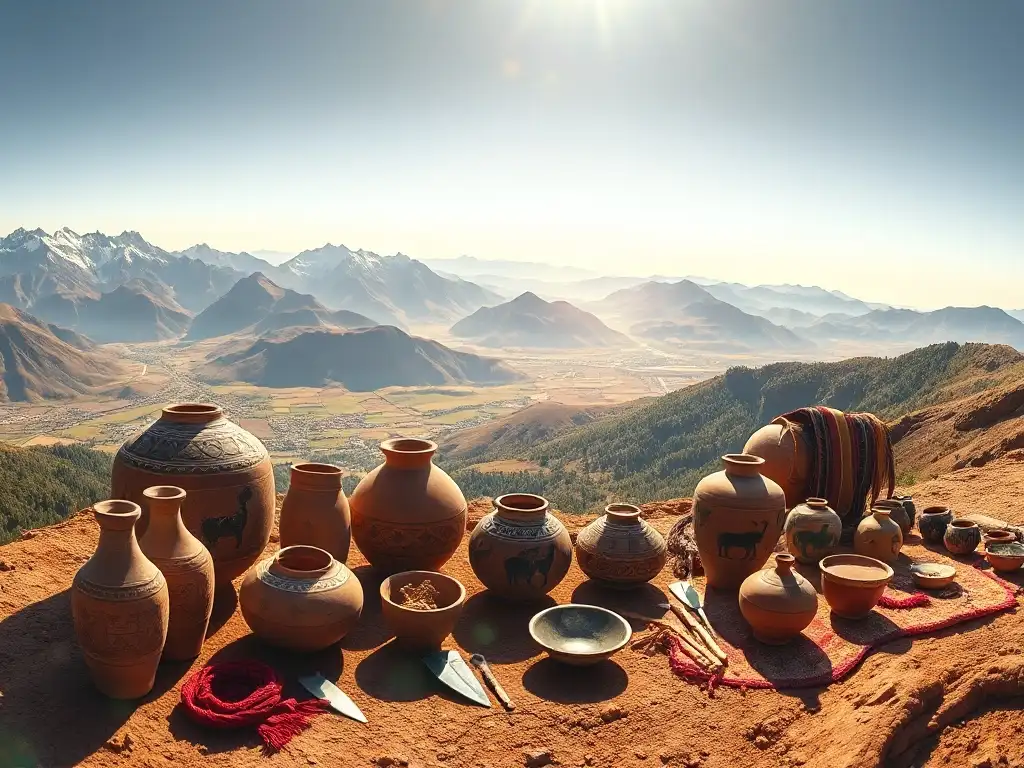
Unravel the mysteries of a lost world, where vibrant artistry met profound spirituality. Dive into the captivating realm of Andean Civilizations, and discover a legacy woven into every shard of clay. From the intricate designs of Andean pottery types and uses to the monumental structures they built, prepare to be amazed by the ingenuity and cultural depth of the Inca Empire and beyond. What secrets do these ancient vessels hold? Explore the fascinating story of everyday items and ritual objects and unlock the mysteries of the Andes.
-
Andean Pottery Types and Uses: Everyday Items and Ritual Objects
- Types of Inca Pottery: A Diverse Range of Styles and Functions
- Everyday Uses of Inca Pottery: From Food Storage to Water Vessels
- Ritual and Ceremonial Pottery: Sacred Objects and Offerings
- Regional Variations in Inca Pottery: A Reflection of Cultural Diversity
- Analyzing Andean Pottery: Technological Advances and Artistic Expression
- The Significance of Ceramics in Andean Civilizations
- Everyday Pottery in the Andes: Forms and Functions
-
Ritual Pottery in Andean Cultures: Symbolism and Meaning
- Burial Pottery: Offerings for the Afterlife
- Ceremonial Vessels: Used in Ritualistic Practices
- Decorated Ceramics: Iconography and Spiritual Significance
- The Spiritual Connection Between Andean People and Pottery
- Identifying Ritual Pottery: Distinguishing Features and Characteristics
- Regional Variations in Ritual Pottery: Styles and Iconography
- Andean Pottery Techniques and Materials
- Regional Variations in Andean Pottery Styles
- The Legacy of Andean Pottery: From Ancient Times to Today
- Conclusion: The Enduring Importance of Andean Ceramics
-
Frequently Asked Questions
- What types of pottery were commonly produced by Andean civilizations?
- What materials were used to create Andean pottery?
- How did the uses of pottery vary between different Andean cultures?
- What techniques were employed in the creation of Andean pottery?
- Where can I learn more about specific Andean pottery types and their uses?
- Final Reflection: The Enduring Legacy of Andean Pottery
- Unveil the Art of Pottery: Create, Share, and Inspire!
Andean Pottery Types and Uses: Everyday Items and Ritual Objects
The Inca Empire, a civilization renowned for its sophisticated engineering and intricate social structures, left behind a rich legacy of material culture. Among the most enduring and informative artifacts are their pottery and ceramics.
This article delves into the diverse world of Andean pottery, exploring its varied forms, functions, and significance within Inca society, specifically examining how these objects served both everyday needs and played crucial roles in religious rituals. We will uncover the artistry and technological prowess reflected in these pieces, providing insights into the lives and beliefs of the Inca people.
Understanding the types and uses of Andean pottery offers a unique window into the complexities of this remarkable civilization, allowing us to appreciate the ingenuity and cultural depth of the Inca Empire's legacy. This exploration will shed light on the intricate relationship between daily life and spiritual practices, revealing how pottery served as a tangible link between these two realms.
Types of Inca Pottery: A Diverse Range of Styles and Functions
Inca pottery demonstrates remarkable diversity, reflecting both regional variations and specific functional purposes. Potters skillfully employed a variety of techniques, including modeling, coiling, and wheel throwing (though less common in the Andes compared to other regions). The most common clay types varied regionally, influencing the final color and texture of the finished product. We find a wide spectrum of shapes and sizes, from small, delicately painted vessels used for personal adornment or containing precious substances to large storage jars capable of holding significant quantities of food and liquids.
The surface decoration also varied considerably, ranging from simple, undecorated forms to elaborately painted pieces featuring intricate designs and vibrant colors. Common motifs included geometric patterns, stylized animals, and representations of deities or mythological figures. The artistry and technical skill involved in creating these pieces highlight the advanced level of craftsmanship within Inca society.
Everyday Uses of Inca Pottery: From Food Storage to Water Vessels
A significant portion of Inca pottery served practical, everyday purposes. Large storage jars, often made of coarse, durable clay, were essential for storing grains, such as maize and quinoa, as well as other staples like dried beans and potatoes. These jars played a vital role in the Inca's agricultural economy, enabling the preservation of food surpluses and ensuring food security throughout the year.
Smaller bowls and plates, frequently more finely crafted and decorated, were used for eating and serving food. Water vessels, often featuring spouts or handles, were indispensable for carrying and storing water, especially important given the varied climates and terrain across the Inca Empire.
The diversity in size and shape of these utilitarian vessels reflects the adaptability and resourcefulness of Inca potters in meeting the everyday needs of their communities. Even seemingly simple objects demonstrate a deep understanding of materials and functionality, showcasing the practicality and efficiency of Inca design.
Ritual and Ceremonial Pottery: Sacred Objects and Offerings
Beyond their practical applications, Inca pottery played a significant role in religious ceremonies and rituals. Elaborately decorated vessels, often featuring intricate designs and symbolic imagery, were used in religious contexts. These pieces were not merely containers; they were imbued with spiritual significance, serving as conduits for offerings to deities or as representations of sacred beings themselves. Some vessels were specifically designed for ritual libations, while others may have held offerings of food, coca leaves, or other sacred substances.
The use of specific colors and motifs in ritual pottery reflects a sophisticated understanding of Inca cosmology and religious beliefs. The craftsmanship and artistry evident in these pieces underscore their importance within the Inca religious system, highlighting the profound connection between material culture and spiritual practices. Archaeological evidence points to the ceremonial use of these items in temples and other sacred sites, further cementing their importance in Inca religious life.
Regional Variations in Inca Pottery: A Reflection of Cultural Diversity
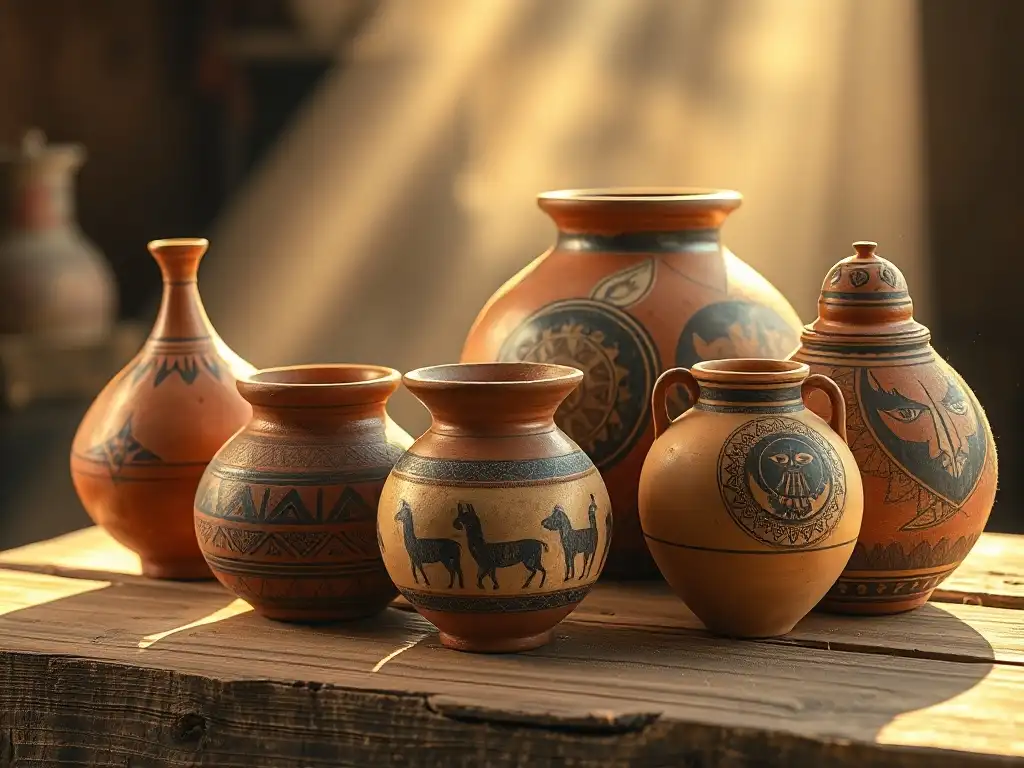
The Inca Empire encompassed a vast and diverse territory, and this is reflected in the regional variations observed in their pottery. While certain stylistic elements were consistent throughout the empire, regional potters often incorporated unique techniques and decorative motifs into their work, reflecting local traditions and artistic preferences. For example, the pottery from the coastal regions often features different color palettes and stylistic elements compared to pottery from the highlands.
This regional diversity within the broader Inca style showcases the empire's ability to integrate and accommodate different cultural practices while maintaining a sense of overall unity. Further research into these regional variations can provide valuable insights into the cultural dynamics within the Inca Empire. [Specific examples of regional variations pending]
Analyzing Andean Pottery: Technological Advances and Artistic Expression
The creation of Andean pottery involved sophisticated techniques and a deep understanding of materials. Potters expertly manipulated clay, employing various methods to achieve specific textures and forms. The use of different types of clay, along with the incorporation of tempering agents, allowed for the creation of durable and aesthetically pleasing vessels. The application of pigments and glazes further enhanced the visual appeal and durability of the pottery.
The intricate designs and symbolic imagery found on many pieces showcase the artistic talent and creativity of Andean potters. The combination of technological skill and artistic expression evident in Andean pottery highlights the multifaceted nature of this craft and its significance within Inca society. [Specific details on technological advancements pending].
The Significance of Ceramics in Andean Civilizations
Ceramics played a pivotal role in the lives of Andean civilizations, far exceeding their simple function as containers. Their significance extended deeply into the social, economic, and spiritual fabric of these societies. The creation, use, and even disposal of pottery offered valuable insights into daily life, social hierarchies, religious beliefs, and trade networks. Analyzing Andean pottery types and uses reveals a complex tapestry of cultural practices that spanned centuries.
The sheer variety of forms, decorations, and materials used in Andean pottery demonstrates a sophisticated level of technological expertise and artistic expression. From simple utilitarian vessels to elaborately decorated ritual objects, pottery provides a tangible link to the past, allowing us to reconstruct aspects of Andean life with remarkable detail. The study of Andean pottery is not merely an archaeological pursuit; it's a journey into the heart of a vibrant and complex culture.
Pottery as a Window into Andean Life
Andean pottery offers a fascinating glimpse into the daily routines and social structures of these ancient societies. The sheer diversity of pottery types reflects the varied needs and lifestyles of different social groups. For example, simple, undecorated bowls and jars were used for everyday tasks like storing food and water, reflecting the needs of the common population. These utilitarian pieces often exhibit regional variations in style and technique, providing clues about local traditions and manufacturing methods.
In contrast, more elaborately decorated vessels, often featuring intricate designs and high-quality materials, suggest a higher social status. These pieces might have been used for special occasions or belonged to elite members of society. Analysis of residue found inside these vessels can sometimes identify the types of foods and beverages consumed, further enriching our understanding of Andean diets and culinary practices. The size and shape of vessels also provide valuable information.
Larger storage jars indicate a capacity for food preservation and surplus, suggesting a degree of agricultural success. Smaller, delicately crafted vessels may have been used for personal adornment or ritual purposes. The discovery of pottery fragments in domestic contexts, such as houses and burial sites, allows archaeologists to reconstruct the daily lives of individuals and families.
The Role of Ceramics in Andean Rituals and Beliefs
Beyond their practical uses, Andean ceramics played a crucial role in religious ceremonies and beliefs. Many vessels were crafted specifically for ritual purposes, often featuring elaborate designs and symbolic imagery. These designs frequently depict deities, mythical creatures, and scenes from Andean mythology, providing valuable insights into their cosmology and worldview. The use of specific colors, shapes, and materials also held symbolic meaning.
For instance, certain colors might have been associated with specific deities or events, while particular shapes might have represented specific rituals or ceremonies. The discovery of pottery in tombs and sacred sites further emphasizes their importance in funerary rites and religious practices. These ritual vessels were not merely containers; they were active participants in sacred ceremonies, acting as conduits between the living and the spiritual world. Some vessels were even designed to be broken during rituals, suggesting a symbolic act of offering or sacrifice.
The careful study of these ritual objects provides invaluable information about Andean religious beliefs, cosmological concepts, and the social dynamics surrounding religious practices. The intricate details and symbolic representations found on these ceramics illuminate a sophisticated and complex spiritual world. The careful analysis of Andean pottery types and uses associated with rituals helps decipher the intricate tapestry of their spiritual beliefs.
Everyday Pottery in the Andes: Forms and Functions
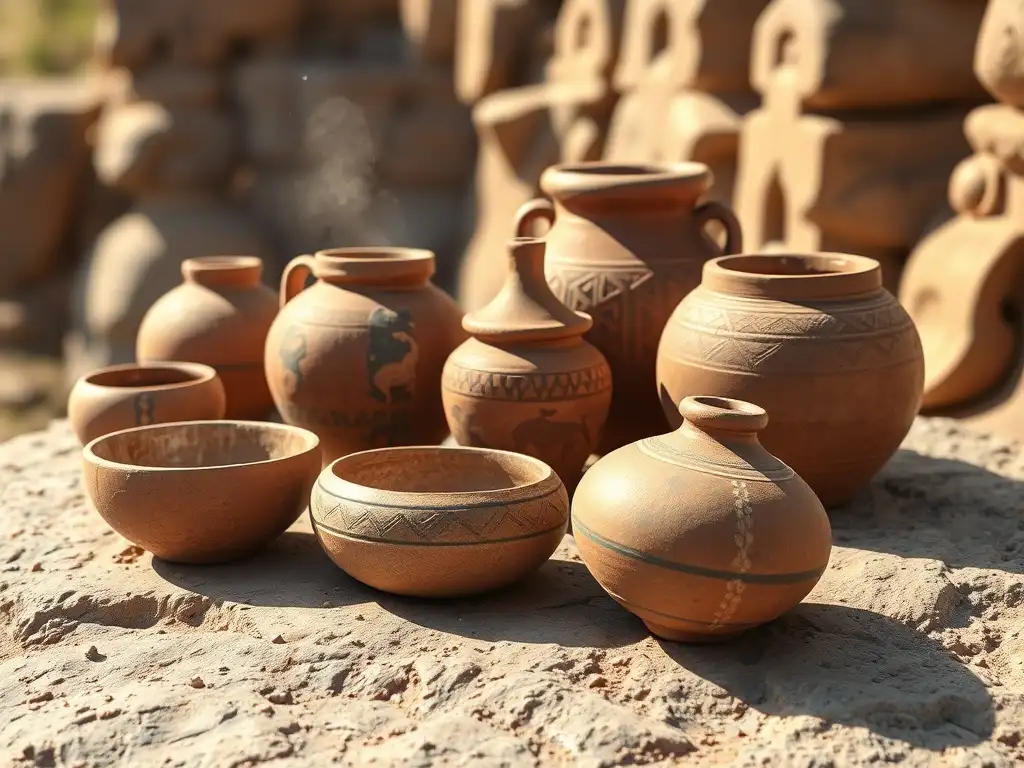
The Inca Empire, known for its sophisticated infrastructure and administrative prowess, also possessed a remarkably developed ceramic tradition. While monumental architecture and intricate metalwork often steal the spotlight, the everyday pottery of the Andes reveals much about the daily lives, social structures, and even the beliefs of the Inca people. Understanding the Andean pottery types and uses provides crucial insight into the empire's functioning and the ingenuity of its artisans.
The sheer variety of forms and functions exhibited in Inca pottery highlights its importance beyond mere utilitarian purposes. It served as a vital component of their material culture, reflecting their practical needs and deeply held spiritual convictions. This section will examine the common shapes and functions of everyday Inca pottery, moving beyond the often-studied ceremonial pieces to explore the vessels that populated homes and kitchens.
Common Andean Pottery Shapes for Daily Use
The most ubiquitous forms of Andean pottery used in daily life were characterized by their practicality and efficiency. Simple shapes dominated, prioritizing functionality over elaborate decoration. This doesn't imply a lack of artistry; instead, it speaks to a sophisticated understanding of materials and techniques, optimized for mass production and widespread use. The most common shapes included:
- Aricaras: Small, shallow bowls, often used for individual servings of food or liquids. Their small size made them easily portable and adaptable to a variety of uses.
- Cantaras: Larger, wider-mouthed vessels primarily used for storing water or chicha (a fermented corn beverage). These often featured a slightly narrower base for stability.
- Plates: Flat, circular dishes, used for serving food. Variations in size reflected the needs of individual households or communal settings. Some plates exhibit simple decorations, but most prioritized functionality.
- Cups: Small, cylindrical or hemispherical vessels, often used for drinking beverages. These could be simple or more elaborately decorated, depending on the intended use and social status of the owner.
The production of these everyday items involved a complex process, often utilizing standardized techniques to ensure consistency and efficiency. Evidence suggests specialized workshops and regional variations in styles, although fundamental shapes remained remarkably consistent across the empire. The prevalence of these shapes across different Andean regions points to a shared cultural understanding of domestic needs and practices.
Storage Vessels: Chicha Pots and Food Containers
Beyond simple bowls and plates, larger storage vessels played a crucial role in Andean daily life. The fermentation and storage of chicha, a staple beverage, required specialized pottery. These vessels often featured distinctive shapes designed to optimize fermentation and preservation. The size and shape of these chicha pots varied regionally, reflecting differences in brewing techniques and preferences.
- Some chicha pots were large, ovoid containers with narrow necks, minimizing evaporation and maximizing storage capacity.
- Others were smaller, more squat vessels, better suited for household use.
- Many featured handles or lugs for ease of carrying and transport.
These storage vessels weren't limited to beverages. Larger jars and containers were used for storing grains, dried foods, and other provisions. These storage solutions were essential for household economy, preserving food and ensuring sufficient supplies throughout the year. The design and construction of these vessels reflected an understanding of material properties and environmental conditions, ensuring the long-term preservation of stored goods. The size and decoration of these containers could also indicate the status or wealth of the household.
Cooking Utensils: Bowls, Plates, and Serving Dishes
While some cooking may have been done in other materials, pottery played a significant role in preparing and serving food. Larger bowls were used for cooking stews and other dishes, while smaller bowls and plates served as serving dishes. The materials used, typically clay, were chosen for their heat resistance and durability. The shapes of cooking vessels also reflected the types of food commonly prepared.
- Wide, shallow bowls were ideal for stews and other dishes that required even heating.
- Deep bowls were used for holding liquids and smaller portions of food.
- Some vessels exhibited evidence of soot and fire damage, indicating their use directly over the fire.
The use of pottery in food preparation and serving reveals a sophisticated understanding of culinary practices and the importance of food in Andean culture. The variety of shapes and sizes reflects the diversity of dishes and cooking methods employed, highlighting the ingenuity of Andean culinary traditions and their integration with their ceramic technology. Analysis of pottery residues offers further insight into the types of food prepared in these vessels, enriching our understanding of Andean diets and foodways.
The Importance of Andean Pottery in Daily Life
Andean pottery wasn't merely decorative; it was integral to the daily lives of Inca people and their predecessors. Its significance transcended mere utility, weaving itself into the fabric of their social structures, economic systems, and spiritual beliefs. Pottery served a multitude of functions, from the mundane to the sacred, reflecting the ingenuity and resourcefulness of Andean societies. Consider the everyday practicality: cooking pots simmered stews over open fires, providing sustenance for families.
Storage jars, meticulously crafted and often decorated, preserved food and liquids, vital for survival in the challenging Andean environment. Simple bowls and plates facilitated the consumption of meals, while smaller vessels held condiments and sauces, adding flavor and variety to their diets. The widespread use of pottery showcases its deep integration into the daily rhythm of Andean life, highlighting its importance beyond mere aesthetics. The sheer volume of pottery shards discovered at archaeological sites underscores its prevalence and everyday use.
The diversity in size, shape, and decoration further emphasizes the multifaceted roles pottery played in the daily lives of Andean communities. Even seemingly insignificant fragments provide valuable insights into the daily routines and societal structures of these fascinating civilizations. The enduring legacy of Andean pottery lies not only in its artistic merit but also in its fundamental contribution to the everyday functioning of Andean societies. Analyzing the types and distribution of these everyday vessels allows researchers to piece together a richer understanding of daily life in the Inca Empire and the preceding cultures.
Types of Everyday Pottery Used by the Inca
The Inca Empire, known for its sophisticated organization and vast infrastructure, also exhibited a remarkable consistency in its pottery production. While regional variations existed, reflecting local traditions and access to resources, a common style and range of forms characterized Inca pottery. The most common types included aryballos, small, globular vessels often used for storing liquids like oils or perfumes; kero, ceremonial drinking vessels, frequently adorned with intricate designs; and urpus, large storage jars for grains, seeds, and other staples.
These vessels were often made from clay sourced locally, and their designs, while standardized across the empire, often incorporated subtle regional variations in color palette and decorative motifs. The standardization facilitated efficient production and distribution across the empire, ensuring consistent access to essential pottery across different regions. This organized production system reflects the Inca’s advanced administrative capabilities, effectively supplying their vast population with the everyday pottery necessary for their daily lives.
The prevalence of these specific forms and the consistency in their production highlight the Inca’s centralized control over resources and their dedication to ensuring the well-being of their subjects. Further research into the specific clay compositions and decorative techniques used in the production of these vessels can reveal more about the organization and logistics of the Inca Empire.
The Role of Pottery in Inca Ritual and Ceremony
Beyond everyday use, Andean pottery played a crucial role in religious rituals and ceremonies. Elaborately decorated vessels, often featuring intricate designs and symbolic imagery, were used in sacred contexts. These ceremonial pieces were not simply functional; they held symbolic meaning, reflecting the beliefs and worldview of the Andean people. The kero, for example, while used for everyday drinking, also held significant ceremonial importance, with certain types reserved for elite members of society or specific rituals.
The designs on ceremonial pottery frequently depicted deities, mythical creatures, or scenes from sacred narratives, lending them a profound spiritual significance. The materials used in their creation, such as fine clays and precious metals, further enhanced their sacred status. Archaeological discoveries of these vessels in burial sites or sacred contexts provide invaluable insights into Inca religious practices and beliefs.
The careful craftsmanship and detailed decoration of these pieces demonstrate the high value placed upon religious rituals and the deep integration of pottery into the spiritual fabric of Andean life. The study of these ritual objects helps us understand the complex interplay between the material world and the spiritual realm in Inca society, offering a window into their cosmology and religious practices. The analysis of the iconography on these pieces reveals much about their religious beliefs and cosmological understanding.
Ritual Pottery in Andean Cultures: Symbolism and Meaning
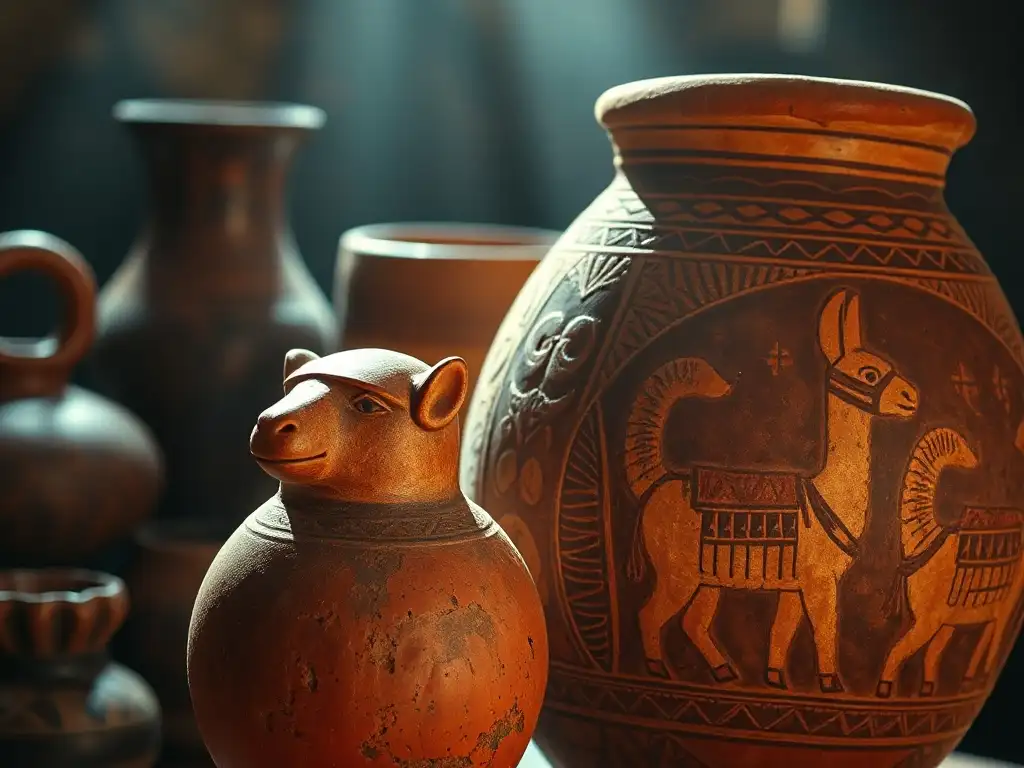
Andean pottery wasn't merely functional; it played a crucial role in the spiritual and ritualistic lives of various cultures, from the early Moche to the later Inca. Understanding the symbolism embedded within these ceramic pieces provides invaluable insight into their beliefs, worldview, and social structures. The careful crafting, intricate designs, and specific shapes all contribute to the rich tapestry of meaning woven into these artifacts.
Analyzing Andean pottery types and uses reveals a fascinating interplay between the mundane and the sacred. The careful selection of materials, the precise execution of techniques, and the symbolic iconography all point to a deep-seated reverence for the ceramic medium itself. This section will explore specific examples of ritual pottery, focusing on their roles in burial practices and ceremonial events.
Burial Pottery: Offerings for the Afterlife
Burial pottery offers a poignant glimpse into Andean beliefs about the afterlife. Archaeological excavations consistently uncover elaborate grave goods, including intricately decorated vessels containing food, drink, and other offerings intended to sustain the deceased in their journey to the next world. The types of vessels used, their contents, and their decorative motifs often varied depending on the social status of the deceased and the specific cultural context.
For example, elite burials frequently contained large, highly decorated aryballos (vessels with narrow necks and wide bodies) filled with chicha (fermented maize beverage), suggesting a belief that the deceased would continue to enjoy earthly pleasures in the afterlife. Conversely, simpler vessels with less ornamentation were often found in the graves of commoners. The presence of certain motifs, such as feline imagery or specific geometric patterns, may also indicate beliefs about the deceased's role or status in the spiritual realm.
These carefully curated grave goods provide powerful evidence of the importance placed on ensuring a comfortable transition into the afterlife. The sheer variety of Andean pottery types and uses in this context highlights the complexity of their funerary rituals.
Ceremonial Vessels: Used in Ritualistic Practices
Beyond burial contexts, ceremonial vessels played a vital role in a wide range of Andean rituals. These vessels, often distinguished by their size, shape, and decoration, were used in religious ceremonies, offerings to deities, and other important social events. Some vessels were specifically designed for pouring libations, while others served as containers for sacred substances, such as coca leaves or hallucinogenic plants.
The kero, a stemmed cup frequently depicted in Inca iconography, is a prime example of a ceremonial vessel. Often made from fine materials and intricately decorated, kero were likely used in ritual drinking ceremonies, perhaps as symbols of power and status. The careful selection of materials, the precise execution of techniques, and the symbolic iconography all point to a deep-seated reverence for the ceramic medium itself.
Understanding the specific uses of these ceremonial vessels provides crucial context for interpreting the broader religious and social practices of Andean cultures. Analyzing the different Andean pottery types and uses reveals a complex system of religious and social practices.
Decorated Ceramics: Iconography and Spiritual Significance
The iconography adorning Andean pottery is a rich source of information about the beliefs and values of these ancient cultures. From stylized depictions of deities and mythical creatures to geometric patterns and abstract designs, each element carries symbolic meaning. The Moche culture, for instance, is renowned for its highly realistic and expressive pottery, often depicting scenes of warfare, hunting, and religious ceremonies.
These depictions provide invaluable insights into their social structures, warfare practices, and religious beliefs. Inca pottery, on the other hand, frequently features geometric patterns and stylized representations of animals and plants, reflecting a different aesthetic and symbolic system. The careful study of this iconography, combined with an understanding of the context in which the pottery was found, allows researchers to unlock the deeper meanings embedded within these seemingly simple designs.
The diversity of Andean pottery types and uses, reflected in the iconography, underscores the richness and complexity of their cultural expressions. The careful analysis of these decorative elements allows for a more profound understanding of the Andean worldview and the spiritual significance imbued in their everyday objects.
The Spiritual Connection Between Andean People and Pottery
Andean cultures, particularly the Inca, viewed pottery not merely as functional vessels but as imbued with spiritual significance. The creation process itself was often seen as a sacred act, connecting the artisan with the supernatural realm. Clay, sourced from the earth, was considered a vital element, representing the life-giving force of Pachamama, Mother Earth. The transformation of this raw material into a finished vessel mirrored the cyclical nature of life, death, and rebirth, deeply ingrained in Andean cosmology.
Potters weren't simply craftspeople; they were intermediaries, channeling spiritual energies into their creations. The act of shaping the clay, applying the designs, and firing the pottery were all imbued with ritualistic intention, aimed at imbuing the finished product with spiritual power. This spiritual connection extended beyond the creation process. The use of specific colors, motifs, and shapes in the pottery held profound symbolic meanings, reflecting the beliefs and worldview of the Andean people.
For example, certain colors might represent deities or specific natural elements, while particular designs could allude to mythical beings or cosmological events. The careful placement of ritual pottery within tombs or ceremonial sites further underscores its spiritual importance, suggesting that these vessels served as conduits between the living and the dead, or between the earthly and spiritual realms. The meticulous attention to detail and the evident artistic skill involved in producing ritual pottery highlight its sacred status within Andean society. The pottery wasn't just decoration; it was a tangible manifestation of their spiritual beliefs and practices.
Identifying Ritual Pottery: Distinguishing Features and Characteristics
Identifying ritual pottery among the vast array of Andean ceramic artifacts requires a keen eye for detail and a thorough understanding of the cultural context. While some pieces clearly exhibit ritualistic characteristics, others require more careful examination. Key features often associated with ritual pottery include unique shapes and forms that deviate from everyday utilitarian vessels. For instance, anthropomorphic or zoomorphic representations – vessels shaped like humans or animals – frequently served ritual purposes, their forms echoing the spiritual world. Another important indicator is the presence of intricate and highly stylized designs.
These decorations were not merely aesthetic; they were carefully chosen symbols representing deities, mythical creatures, or cosmological events. The use of specific colors, such as the vibrant reds and yellows associated with certain deities, further distinguishes ritual pottery. The materials used in the creation process can also provide clues. The use of rare or precious materials, like specific types of clay or imported pigments, suggests a higher status and potential ritual function. Furthermore, the context of discovery is crucial.
Ritual pottery is often found in association with other ceremonial objects, within tombs, or at sacred sites, providing further evidence of its ritualistic purpose. However, the line between ritual and everyday pottery can sometimes be blurred, making definitive categorization challenging. Careful analysis, considering the shape, decoration, materials, and context of discovery, is crucial for accurate identification. Archaeologists and researchers continue to refine methods for distinguishing between these categories, contributing to a deeper understanding of Andean spiritual practices.
Regional Variations in Ritual Pottery: Styles and Iconography
The diverse range of Andean cultures led to significant regional variations in ritual pottery styles and iconography. While certain motifs and techniques were widespread, each region developed unique artistic expressions reflecting its specific beliefs and practices. For example, the Moche culture of northern Peru is renowned for its highly realistic and often gruesome depictions of human sacrifice and ritual practices in its pottery. These ceramics vividly portray scenes of warfare, religious ceremonies, and shamanistic rituals, providing invaluable insights into their worldview.
In contrast, the Nazca culture, also on the southern coast of Peru, is known for its intricate and geometric designs, often featuring stylized animals and mythical beings, reflecting their unique cosmological beliefs. The Tiahuanaco culture, located in the Bolivian highlands, produced distinctive pottery characterized by its monumental scale and stylized representations of deities and supernatural beings. Their ceramics often feature complex geometric patterns and bold colors, reflecting the grandeur and power of their empire. Similarly, the Inca Empire, while spanning a vast territory, exhibited regional variations in pottery styles, with local artisans adapting imperial motifs to their own traditions.
This regional diversity in ritual pottery underscores the rich tapestry of Andean cultures and their distinct spiritual practices. The variation serves as a powerful reminder of the complexity and dynamism of Andean societies, where local traditions blended with broader imperial influences to create a unique artistic and religious landscape. Further research and comparative analysis across regions are crucial to a more complete understanding of these diverse expressions of Andean spirituality.
Andean Pottery Techniques and Materials
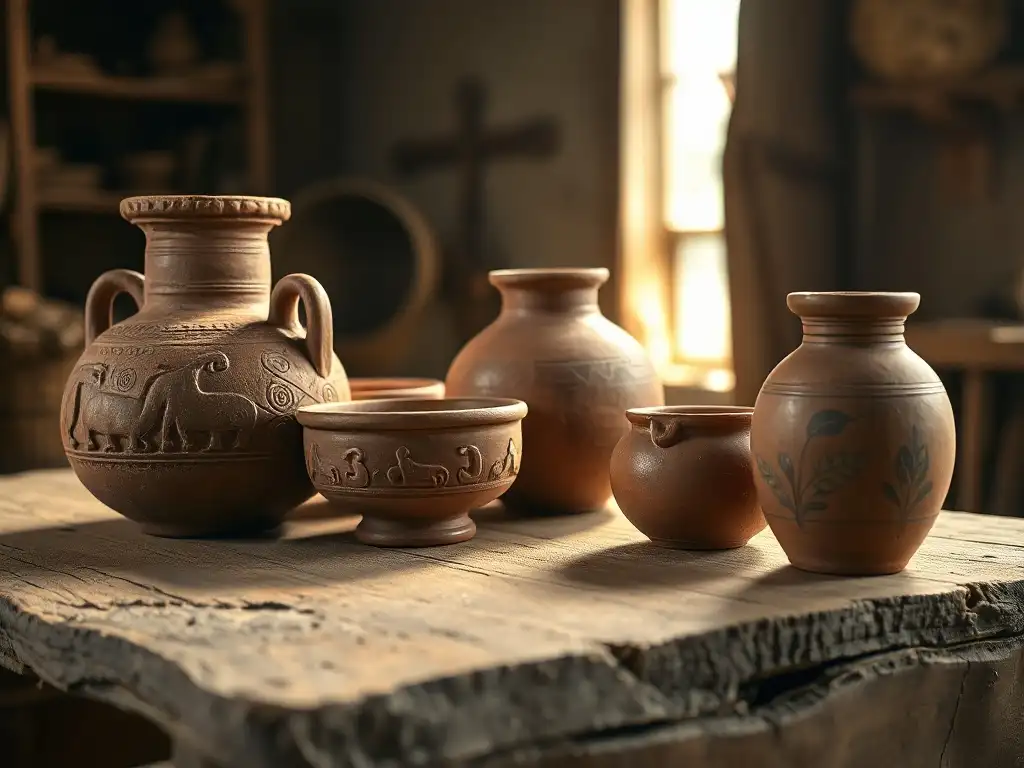
This section delves into the sophisticated techniques and materials employed by Andean civilizations in crafting their renowned pottery, exploring the intricacies of their production processes. Understanding these methods provides crucial insight into the daily lives and spiritual beliefs of these ancient peoples, shedding light on the social and economic structures that shaped their societies. The mastery of pottery production was a key indicator of Andean technological prowess and artistic expression, with styles varying across different cultures and time periods. This analysis focuses primarily on Inca pottery, while acknowledging the diverse techniques utilized across the broader Andean region.
Clay Sourcing and Preparation in Ancient Andes
The foundation of any fine pottery lies in the quality of its clay. Andean potters were discerning in their selection, carefully sourcing clays from specific locations known for their unique properties. The color, texture, and plasticity of the clay significantly impacted the final product. For example, reddish-brown clays, prevalent in many regions, yielded durable vessels suitable for everyday use. Whiter clays, often found in higher altitudes, were favored for finer wares and ritual objects, enabling the creation of intricate designs and delicate forms.
The preparation process was equally crucial. After collecting the clay, potters would meticulously clean it, removing impurities such as stones and organic matter. This involved a combination of hand-picking and washing, sometimes with the aid of water-filtering techniques. The clay was then carefully tempered, often with materials like sand, crushed rock, or even pulverized shell, to improve its workability and reduce shrinkage during firing.
The precise tempering mix varied depending on the intended use and the desired final properties of the pottery. This meticulous preparation ensured the creation of strong, durable, and aesthetically pleasing vessels. Archaeological evidence suggests that some communities developed specialized techniques for clay preparation, reflecting a high level of expertise within their pottery traditions. The knowledge of optimal clay sources and preparation methods was likely passed down through generations, contributing to the continuity of Andean ceramic traditions.
Forming Techniques: Coiling, Molding, and Wheel Throwing
Andean potters employed a diverse range of forming techniques, reflecting both practical considerations and artistic innovation. The most common methods were coiling, molding, and—to a lesser extent—wheel throwing.
- Coiling: This ancient technique involved rolling out long, thin coils of clay and carefully layering them upon each other, building up the form gradually. This allowed for the creation of vessels of virtually any size and shape, from simple bowls to large jars. The coils were smoothed and blended together to create a seamless surface, often using a variety of tools and techniques. This method was particularly well-suited for creating larger vessels and allowed for considerable artistic freedom in shaping and decorating the pottery.
- Molding: Molding techniques, often using pre-made molds, allowed for mass production of standardized forms, particularly for utilitarian wares. This method involved pressing clay into a mold, achieving consistency in size and shape, streamlining the production process. The use of molds made it possible to produce large quantities of similar vessels efficiently, particularly important for satisfying the needs of a growing population. While less artistically flexible than coiling, molding was essential for meeting the demands for everyday pottery.
- Wheel Throwing: While less prevalent in the Andes compared to other regions, evidence suggests some Andean communities did employ the potter's wheel, especially during the Inca period. This technique allowed for the creation of more symmetrical and refined forms, enhancing both the functionality and aesthetic appeal of the vessels. The adoption of wheel-throwing technology likely reflects the increasing sophistication and specialization of Andean pottery production.
Firing Methods: Open Pit and Kiln Techniques
The final stage in pottery production involved firing, a crucial step in transforming the clay into a durable and functional ceramic object. Andean civilizations employed both open-pit firing and, to a lesser extent, kiln firing techniques.
- Open-Pit Firing: This widely used method involved building a bonfire directly over the pottery, which was often placed within a protective layer of sand or ash. This technique, while less precise in controlling temperature and atmosphere, was effective in firing large quantities of pottery simultaneously. The use of open-pit firing is evident in many Andean archaeological sites, showcasing its widespread adoption across different cultures and periods. The variability in temperature and oxygen levels within the open-pit fires resulted in a range of colors and textures in the finished pottery, sometimes leading to unique and unpredictable visual effects.
- Kiln Firing: More sophisticated kiln firing techniques, providing greater control over the firing process, were also employed, particularly in later periods and by certain communities. Kilns allowed for more precise temperature regulation and atmosphere control, leading to a more consistent and predictable outcome. This allowed for the production of higher-quality pottery with improved durability and a wider range of colors and finishes. While less common than open-pit firing, kiln-fired pottery often displays superior quality and craftsmanship, reflecting a higher level of technological advancement and artistic refinement. The development and use of kilns signify a significant step forward in Andean ceramic technology.
The diversity of techniques and materials used in Andean pottery production showcases the ingenuity and adaptability of Andean artisans. Their mastery of these methods resulted in a vast array of pottery, ranging from simple, everyday vessels to elaborate ritual objects, reflecting the rich tapestry of Andean culture and providing invaluable insights into their lives and beliefs. Further research into specific regional variations and the evolution of these techniques is crucial for a more complete understanding of Andean pottery's significance.
Andean Pottery Decoration: Painting, Incising, and Modeling
Andean pottery is renowned not only for its functionality but also for its exquisite artistry. The decoration techniques employed by Andean potters were diverse and sophisticated, reflecting both the cultural values and the technical skills of the artisans. Three primary methods stand out: painting, incising, and modeling. These techniques were often combined to create truly stunning pieces, showcasing the creativity and mastery of the Andean ceramic tradition.
The use of painting on pottery was widespread across different Andean cultures and time periods. Paints were typically made from natural pigments derived from minerals, plants, and insects, ground into fine powders and mixed with a binding agent, often a gum or resin. The vibrant colors, ranging from deep reds and ochres to brilliant blues and greens, were applied using brushes made from animal hair or plant fibers.
Many painted vessels feature intricate designs, including geometric patterns, stylized animals, and human figures, often depicting mythological scenes or everyday life. The Moche culture, for example, is famous for its highly detailed and expressive painted pottery, frequently portraying scenes of warfare, rituals, and daily activities with remarkable realism. The precision and finesse of their brushwork are truly remarkable, showcasing an advanced understanding of color mixing and application techniques.
Incising, on the other hand, involved carving designs directly into the clay surface before firing. This technique produced a different aesthetic effect than painting, creating a more textured and tactile surface. Incised designs were often simpler than painted ones, frequently consisting of geometric patterns or repeated motifs. However, the skill involved in creating clean, precise incisions was considerable.
The depth and consistency of the incisions could vary, creating subtle variations in texture and shadow. In some cases, incised designs were filled with a contrasting color of paint, enhancing the visual impact of the decoration. Inca pottery, while often simpler in design compared to earlier cultures, frequently incorporated incised lines and geometric patterns, often in combination with painted elements. This reflects a preference for clean lines and a more restrained aesthetic.
Modeling involved shaping the clay itself to create three-dimensional decorations. This could range from simple additions, such as small handles or feet, to more complex sculptural elements integrated into the vessel's form. The Nazca culture, known for its elaborate textiles and unique artistic style, also produced pottery with remarkable modeled features.
They often incorporated modeled figures of animals, humans, or mythical beings, sometimes creating entire scenes in relief on the surface of the vessels. This technique required a high level of skill and precision, demonstrating the potter's ability to manipulate the clay with great dexterity. The modeling process often involved careful planning and execution to ensure that the added elements were structurally sound and securely attached to the main body of the vessel.
This three-dimensional aspect added depth and complexity to the overall design, creating visually stunning and tactile pieces. The combination of these techniques, painting, incising, and modeling, showcases the diverse artistic skills of Andean potters and their profound understanding of clay as a medium for creative expression. Their work reveals a rich tapestry of cultural beliefs, artistic styles, and technological innovation.
Regional Variations in Andean Pottery Styles
The Inca Empire, while imposing a degree of standardization across its vast territory, inherited and co-opted existing regional ceramic traditions. Understanding these variations is crucial to appreciating the diversity and complexity of Andean pottery types and uses. The stylistic differences weren't merely aesthetic; they often reflected distinct cultural practices, beliefs, and even social hierarchies.
Examining the pottery of the Moche, Nazca, and Inca reveals a fascinating tapestry of artistic expression and societal organization. The evolution of forms and decorative styles across these cultures showcases the dynamic interplay between imperial power and local identities in the production and use of Andean ceramics.
Moche Ceramics: Narrative Art and Portraiture
Moche pottery, flourishing from roughly 100 CE to 800 CE, is renowned for its exceptional artistry and detailed depictions of daily life and ritual practices. Unlike many other Andean cultures, Moche potters excelled in creating three-dimensional forms, often depicting individuals or scenes with remarkable realism. Their mastery of modeling clay allowed them to craft intricate portraits, often showing highly individualized features, including facial expressions, hairstyles, and even body adornments. These portraits weren't just decorative; they likely represented important figures, ancestors, or deities.
The narrative scenes on Moche pottery are equally compelling. Elaborate depictions of hunting expeditions, warfare, religious ceremonies, and even sexual encounters provide invaluable insights into Moche society. These scenes, often depicted on large stirrup-spouted vessels, tell complex stories, revealing aspects of their social structure, beliefs, and daily activities.
The use of vivid colors and dynamic compositions adds to the impact of these narratives, making Moche pottery a powerful visual record of their culture. Analysis of these scenes, combined with archaeological context, helps us understand the function of these vessels – some were clearly ritual objects, while others served practical purposes, such as storage or drinking. The level of detail and the emotional intensity conveyed in these ceramics stand as a testament to the skill and artistic vision of the Moche potters.
Nazca Pottery: Polychrome Designs and Mythological Scenes
The Nazca culture (100 BCE – 800 CE), contemporary with the Moche, developed a distinctive style characterized by its vibrant polychrome designs. Nazca potters were masters of color, employing a wide range of hues and intricate patterns to create visually stunning pieces. Unlike the Moche emphasis on three-dimensionality, Nazca pottery tends towards flatter forms, with the decoration playing a central role. The polychromy involved the application of multiple layers of paint, often creating complex geometric designs, stylized animal figures, and depictions of mythological beings.
Many Nazca vessels feature depictions of deities and mythical creatures, often associated with their complex religious beliefs. These images, combined with the intricate patterns, suggest a strong connection between pottery and religious rituals. The precise function of many Nazca vessels remains debated, but their elaborate decoration suggests that they held significant symbolic value.
The precision and consistency of the polychrome designs indicate a high level of skill and possibly a specialized division of labor in pottery production. The vibrant colors, even after centuries, highlight the remarkable durability and quality of Nazca pigments and firing techniques. The stylistic consistency across many Nazca sites suggests a degree of cultural unity and shared artistic traditions.
Inca Pottery: Geometric Patterns and Standardized Forms
Inca pottery (1438-1533 CE), unlike the highly individualized styles of the Moche and Nazca, shows a greater degree of standardization. While regional variations existed, Inca pottery is generally characterized by its simpler forms and geometric patterns. The empire's vast size and centralized administration likely contributed to this standardization, with imperial workshops producing large quantities of pottery for widespread distribution. Common motifs include stepped patterns, zigzags, and repetitive geometric designs. The use of relatively muted colors, often earthy tones, contrasts with the vibrant polychromy of earlier Andean traditions.
While lacking the narrative richness of Moche pottery or the intricate designs of Nazca ware, Inca pottery offers insights into imperial organization and production methods. The standardization suggests a system of mass production, possibly involving specialized workshops and a division of labor. The simpler forms and geometric patterns may reflect a shift in emphasis from individual artistic expression to standardized imperial aesthetics.
The widespread distribution of similar pottery across the empire suggests its use in administrative and economic activities, possibly for storage, transport, and distribution of goods. Further research into the clay sources and the distribution patterns of Inca pottery could provide additional insights into the organization and logistics of the Inca Empire. Despite its apparent simplicity, Inca pottery played a vital role in the functioning of the empire, reflecting its centralized authority and economic power.
Tiahuanaco Pottery: Religious Iconography and Stylistic Influence
Tiahuanaco pottery, produced by the pre-Inca civilization flourishing in the Lake Titicaca basin (modern-day Bolivia) between roughly 300 and 1000 CE, stands out for its distinctive religious iconography and profound stylistic influence on subsequent Andean cultures. Unlike the often more vibrant and diverse styles found in coastal regions, Tiahuanaco ceramics are characterized by a more restrained palette, frequently employing monochrome dark browns, blacks, and reds. This somber aesthetic likely reflects the civilization's focus on religious ritual and cosmology.
The pottery's religious significance is evident in the repeated depiction of key figures and symbols associated with Tiahuanaco mythology. Stylized representations of the "Gateway of the Sun," a monumental stone structure at the Tiahuanaco site, frequently appear on vessels. These depictions, often rendered in low relief or incised designs, suggest a deep connection between the pottery and the larger religious complex.
Furthermore, anthropomorphic figures, often portrayed with exaggerated features like large heads and wide eyes, are common motifs, likely representing deities or important figures within the Tiahuanaco pantheon. Researchers are still actively debating the precise identity and meaning of these figures, but their prominent presence on pottery underscores its role in religious practices.
The stylistic influence of Tiahuanaco pottery is readily apparent in later Andean cultures. The characteristic geometric patterns, use of specific shapes (such as the distinctive "stirrup-spout" vessels, though less common than in other regions), and restrained color palette are all echoed in subsequent ceramic traditions across the Andes. This stylistic continuity suggests a widespread network of cultural exchange and influence, possibly facilitated through trade or political dominance.
The impact of Tiahuanaco artistic conventions can be traced in the pottery of later Andean cultures, demonstrating the lasting legacy of this pre-Inca civilization. Analyzing these stylistic connections helps researchers understand the diffusion of ideas and artistic practices across vast geographical regions and different time periods in the Andean world. The careful study of Tiahuanaco pottery provides invaluable insights into the religious beliefs, artistic sensibilities, and broader cultural impact of this influential pre-Inca civilization.
The intricate designs and the careful craftsmanship evident in surviving examples suggest that the creation of Tiahuanaco pottery was a specialized activity, possibly undertaken by skilled artisans within a hierarchical society. Further research into kiln technology and the distribution of pottery styles could provide additional insights into the social organization and economic activities associated with ceramic production during this significant period in Andean history. The enduring influence of Tiahuanaco pottery styles serves as a potent reminder of the interconnectedness of Andean cultures and the lasting impact of this powerful civilization.
The Legacy of Andean Pottery: From Ancient Times to Today
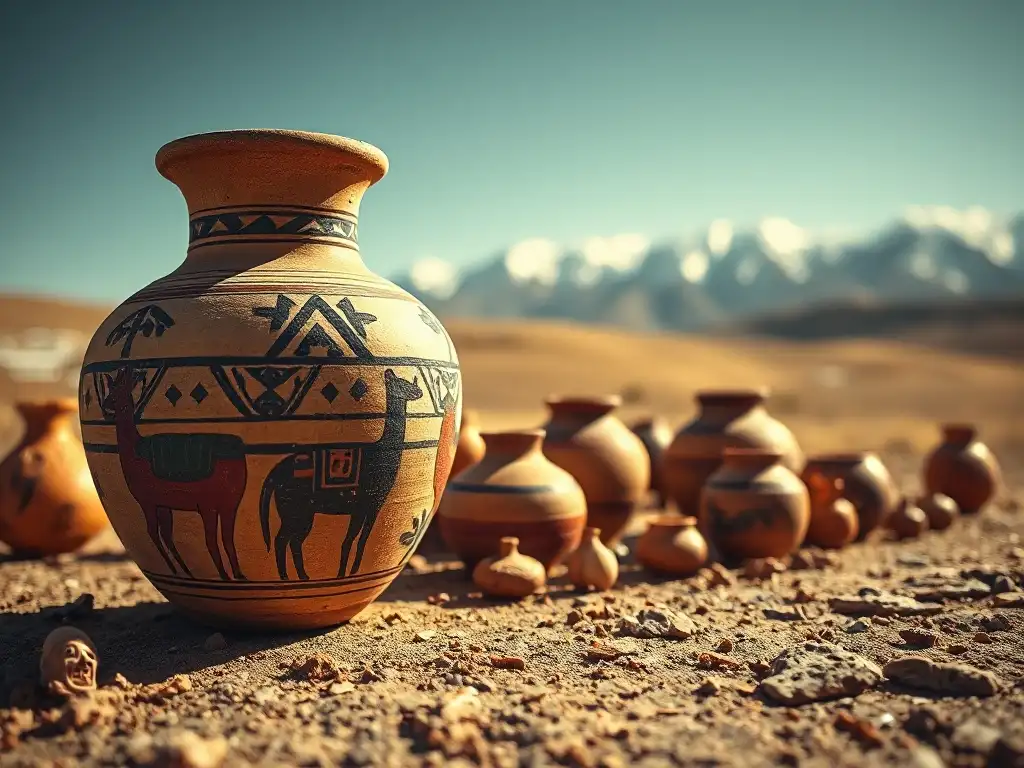
The enduring legacy of Andean pottery extends far beyond its historical significance. The intricate designs, innovative techniques, and symbolic meanings embedded in these artifacts continue to inspire and influence artists, artisans, and researchers today. Understanding the evolution of Andean pottery—from its utilitarian beginnings to its role in complex rituals—provides crucial insights into the social, political, and religious structures of these remarkable civilizations.
The sheer variety of Andean pottery types and uses reflects a sophisticated understanding of materials and techniques, a testament to the ingenuity of Andean cultures. This section explores the lasting impact of this rich tradition, examining its influence on contemporary art and the ongoing efforts to preserve this invaluable cultural heritage. We'll delve into specific examples to illustrate the breadth and depth of this enduring legacy.
Influence of Andean Ceramic Traditions on Modern Art
Andean ceramic traditions have profoundly impacted modern art, inspiring countless artists to explore themes of pre-Columbian aesthetics and cultural heritage. The vibrant colors, geometric patterns, and stylized figures found in ancient pottery serve as a rich source of inspiration for contemporary artists working in various media. For instance, many contemporary artists incorporate elements of Nazca pottery's intricate line drawings into their own textile designs and paintings. The bold geometric designs found in Tiahuanaco ceramics frequently appear in modern sculptures and installations, reflecting a continued fascination with the power and symbolism embedded in these forms.
The use of natural pigments and earthy tones, a hallmark of Andean pottery, continues to resonate with modern artists seeking to evoke a sense of place and time. This aesthetic preference aligns with a growing global interest in sustainable and environmentally conscious art practices. The revival of ancient techniques, such as hand-building and the use of natural glazes, further connects contemporary art to the rich history of Andean pottery.
Many contemporary artists consciously seek to replicate the techniques used by their ancient counterparts, creating a tangible link between past and present. This conscious engagement with tradition underscores the enduring relevance of Andean ceramic traditions in shaping modern artistic expressions.
Contemporary Pottery Inspired by Ancient Andean Techniques
Contemporary potters actively engage with and reinterpret ancient Andean techniques, resulting in a vibrant and evolving tradition. The revival of ancient techniques, such as the use of the coiled method and the creation of intricate surface decorations, is a testament to the enduring appeal of Andean pottery. Modern artisans often blend traditional techniques with contemporary sensibilities, creating unique pieces that bridge the gap between past and present.
For instance, some contemporary potters utilize ancient Andean designs but incorporate modern materials or firing techniques. Others experiment with new forms and functions while retaining the essential aesthetic qualities of ancient Andean pottery.
The accessibility of information on Andean pottery through museums, academic research, and online resources has facilitated this cross-cultural exchange. This widespread dissemination of knowledge allows contemporary artists to learn from and draw inspiration from the vast repertoire of ancient Andean ceramic styles. The result is a dynamic interplay between tradition and innovation, where modern potters build upon the legacy of their ancient predecessors while simultaneously pushing the boundaries of their craft.
This creative synergy ensures that the spirit of Andean pottery continues to thrive in the 21st century. The increasing popularity of Andean-inspired pottery in both national and international markets further demonstrates the enduring appeal of this unique art form.
Preserving the Rich Heritage of Andean Pottery
Preserving the rich heritage of Andean pottery requires a multifaceted approach encompassing archaeological research, museum curation, and community engagement. The careful excavation and documentation of archaeological sites are crucial to understanding the context and significance of ancient pottery finds. Museums play a vital role in preserving and exhibiting these fragile artifacts, educating the public about their historical and cultural importance. However, simply preserving objects in storage is insufficient; effective preservation also requires active engagement with the communities whose cultural heritage is embodied in these pieces.
Furthermore, initiatives focused on the revitalization of traditional pottery-making techniques are essential for ensuring the survival of this craft. Supporting contemporary Andean artisans enables them to continue their work, passing on their knowledge and skills to future generations. This not only safeguards the tangible aspects of Andean pottery but also protects the intangible cultural heritage associated with this art form.
This preservation effort should include a concerted campaign to raise awareness about the significance of Andean pottery and the threats it faces, promoting responsible tourism and discouraging illicit trafficking of artifacts. The continued study and appreciation of Andean pottery types and uses are crucial for understanding the rich tapestry of Andean civilizations. The effective preservation of this heritage ensures that future generations can appreciate and learn from the remarkable achievements of these ancient cultures.
Conclusion: The Enduring Importance of Andean Ceramics
The study of Andean pottery offers a captivating glimpse into the daily lives, religious beliefs, and artistic achievements of the Inca Empire and its predecessors. From simple utilitarian vessels used for everyday tasks to intricately decorated ceremonial pieces, these artifacts provide invaluable insights into the complexities of Andean culture. The sheer variety of Andean pottery types and uses, as explored throughout this section, highlights the sophistication and ingenuity of Andean artisans.
Their mastery of diverse techniques, ranging from simple hand-building to complex mold-making, allowed them to create a stunning array of forms and decorations, reflecting the rich tapestry of Andean society. The enduring legacy of these ceramic traditions is evident in the continued appreciation and study of these objects today, serving as a testament to the enduring power of art and its ability to transmit cultural knowledge across millennia.
Further research into specific regional variations and the chemical composition of the clays used would enrich our understanding of the production and distribution networks that supported this vibrant craft. The analysis of iconography and stylistic changes over time could further illuminate the evolution of Andean beliefs and social structures.
Andean Pottery: A Testament to Artistic Ingenuity
Andean pottery showcases remarkable artistic ingenuity. The artisans demonstrated a profound understanding of materials and techniques, resulting in a diverse range of styles and forms. Consider, for example, the highly polished blackware pottery of the Moche culture, known for its intricate depictions of mythological figures and scenes of daily life. This level of detail and the mastery of firing techniques required to achieve the characteristic black sheen are truly impressive.
In contrast, the Nazca culture is renowned for its polychrome pottery, characterized by vibrant colors and complex designs. The precision with which these colors were applied and the durability of the paint are remarkable feats of craftsmanship. These examples demonstrate the diversity of artistic expression within the Andean region, highlighting the unique characteristics of each culture's pottery traditions.
Analyzing the specific pigments and techniques used in different regions would provide further insights into the technological advancements and artistic innovations of these societies. Data on the size and distribution of pottery workshops would help understand the economic aspects of pottery production and its role in the Andean social structure. The evolution of styles across different periods also presents fertile ground for further research, potentially revealing shifts in religious beliefs or social hierarchies.
Understanding Andean Culture Through Its Ceramics
Andean pottery serves as a powerful tool for understanding the broader cultural landscape of the Inca Empire and its predecessors. The iconography found on ceramic vessels frequently depicts religious beliefs, social structures, and daily activities. Depictions of deities, mythical creatures, and ritual scenes offer valuable insights into the spiritual world of the Andean people. Representations of agricultural practices, hunting scenes, and everyday life provide glimpses into their economic activities and social organization.
Even seemingly mundane items, such as cooking pots and storage jars, can reveal important information about dietary habits and domestic life. The careful study of these seemingly minor details can illuminate the cultural context of the pottery and provide a richer understanding of the Andean worldview. A detailed analysis of the iconography, coupled with anthropological and archaeological findings, would offer a more complete picture of Andean society. For instance, the prevalence of certain motifs in different regions could suggest the existence of regional variations in religious practices or social structures.
Similarly, changes in iconography over time could reveal shifts in beliefs and values. Analyzing the size and type of vessels found in different contexts (e.g., tombs, settlements, temples) could provide insights into their social and ritual significance. Further research incorporating interdisciplinary approaches, drawing on ethnoarchaeology and historical accounts, could significantly enhance our understanding of Andean culture through its ceramics. The potential for uncovering previously unknown aspects of Andean life through a more detailed examination of this material culture is immense.
Frequently Asked Questions
What types of pottery were commonly produced by Andean civilizations?
Andean civilizations produced a wide variety of pottery, including utilitarian wares like cooking pots and storage jars, as well as elaborate ceremonial vessels used in rituals and offerings. Styles varied greatly between cultures and time periods.
What materials were used to create Andean pottery?
Pottery was primarily made from clay, often mixed with temper (like sand or shell) to improve its strength and workability. Different clays produced varying colors and textures.
How did the uses of pottery vary between different Andean cultures?
While all cultures used pottery for everyday tasks, the styles, decorations, and ceremonial uses differed significantly. For example, Moche pottery is famous for its intricate figurative depictions, often depicting scenes of daily life or mythology.
What techniques were employed in the creation of Andean pottery?
Andean potters used various techniques, including coiling, slab building, and molding. Painting and incision were common decorative methods, with colors derived from natural pigments.
Where can I learn more about specific Andean pottery types and their uses?
To delve deeper, explore museum collections featuring Andean artifacts and consult academic publications and books specializing in Andean archaeology and art history. Many online resources are also available.
Final Reflection: The Enduring Legacy of Andean Pottery
The intricate artistry of Andean pottery isn't merely a relic of the past; it's a vibrant thread woven into the fabric of contemporary Andean life and a powerful testament to the enduring human need for connection and expression. The techniques, styles, and symbolic meanings embedded within these vessels continue to resonate, offering invaluable insights into the rich cultural heritage of the Andes and highlighting the profound relationship between humans and their environment.
The enduring influence of Andean pottery extends far beyond museum displays; it's a living tradition, constantly evolving while retaining its core essence. The shapes, colors, and motifs found in ancient pottery continue to inspire contemporary artists and artisans, demonstrating the enduring power of these ancient forms. The past is never dead. It's not even past.
– William Faulkner. This quote perfectly encapsulates the ongoing relevance of Andean pottery, its forms and narratives echoing through generations, shaping present-day artistic expressions and cultural identities.
Consider the stories whispered by the clay: stories of daily life, of ritual and ceremony, of beliefs and aspirations. You, the reader, are now part of this ongoing conversation. Take a moment to reflect on the power of objects to transcend time, to connect us to our ancestors, and to inspire us to create our own legacies. Seek out examples of Andean pottery, both ancient and contemporary, and let their beauty and artistry speak to you. Let them inspire you to appreciate the enduring power of human creativity and the profound connection between art, culture, and identity.
Thank you for exploring the fascinating world of pottery and ceramics! We hope you've discovered the rich history and artistry inherent in these everyday and ceremonial objects. Now it's time to put your newfound knowledge into practice!
Here are a few ways to continue your journey:
- Begin creating your own pottery at home using readily available materials. With just clay and your imagination, you can craft unique and personal pieces.
- Share your creations and experiences with friends, family, or online communities. Inspire others by showcasing your work on social media, using the hashtag #CeramicCreativity.
- Take a local pottery class or workshop to enhance your skills and connect with fellow enthusiasts.
What kind of pottery will you create to tell your unique story?