
The Inca Marriage System: Customs and Practices

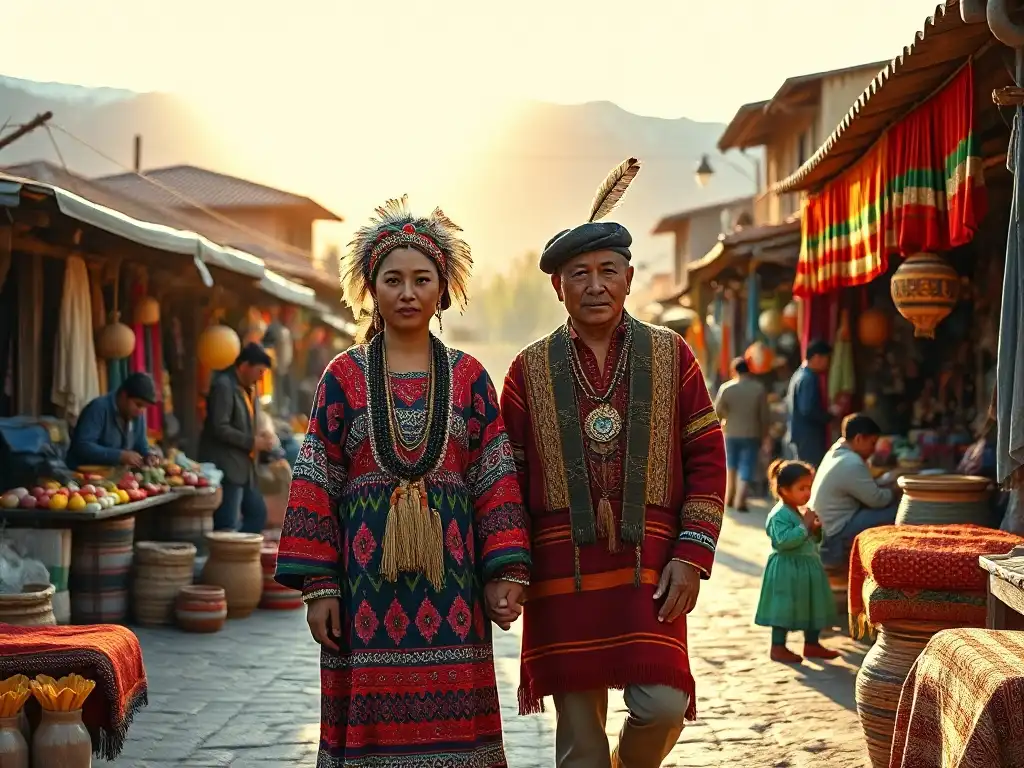
Step into a world lost to time, yet echoing with vibrant life. Discover the captivating secrets of the Andes, a land where empires rose and fell, leaving behind a legacy of breathtaking artistry and intricate social structures. But what truly bound these powerful societies together? Unravel the mysteries surrounding Inca marriage customs and traditions, a fascinating glimpse into the heart of the Inca Empire's enduring power. Prepare to be amazed by the unique rituals and beliefs that shaped their lives – a journey awaits you.
- Inca Marriage Customs and Traditions: A Deep Dive into Andean Matrimony
- Pre-Marriage Rituals and Arrangements in the Inca Empire
- Inca Wedding Ceremonies: Rituals and Traditions
- Post-Wedding Life and Family Dynamics in the Inca Empire
- Unique Aspects of Inca Marriage Customs
- The Legacy of Inca Marriage Traditions
- Frequently Asked Questions
- Final Reflection: Echoes of the Andes: The Enduring Legacy of Inca Marriage
- Uncover the Secrets of Inca Relationships!
Inca Marriage Customs and Traditions: A Deep Dive into Andean Matrimony
The Inca Empire, a civilization that flourished in the Andes Mountains from the 15th to the 16th centuries, left behind a rich legacy of intricate social structures, sophisticated engineering, and unique cultural practices. Understanding the Inca marriage system is crucial to comprehending the complexities of their society and the mechanisms that solidified their power.
This article delves into the intricacies of Inca marriage customs and traditions, exploring the social significance of marital unions, the role of marriage within the Inca social hierarchy, and the impact these practices had on the expansion and consolidation of the empire. We will uncover the fascinating details of how marriage served not only as a personal union but also as a crucial element in maintaining social order and political stability within the vast Andean empire.
Prepare to embark on a journey through time to unravel the secrets of Inca marital practices and their profound influence on this remarkable civilization.
Introduction to Inca Marriage Practices
Inca marriage wasn't simply a matter of personal choice; it was a deeply ingrained social institution with profound implications for the individual, their family, and the empire as a whole. Unlike many Western traditions, romantic love wasn't the primary driving force. Instead, marriages were largely arranged, often to consolidate power, maintain social order, and ensure the continuation of the Inca lineage.
The Inca state exerted significant control over marriage, dictating who could marry whom based on factors such as social standing, lineage, and the needs of the empire. This system ensured that the elite maintained their privileged positions and that resources were distributed strategically across the vast empire. The process often involved complex negotiations between families, sometimes extending to the highest levels of Inca authority.
The Inca rulers themselves played a crucial role in arranging marriages within the royal family and among the elite, ensuring political alliances and maintaining the continuity of their power. Even commoners' marriages were subject to some degree of state oversight, ensuring social cohesion and stability.
The Significance of Marriage in Inca Society
Marriage in Inca society held immense social and religious significance, far exceeding its purely personal implications. It was a cornerstone of their social structure, reinforcing kinship ties and solidifying the hierarchical order. Marriage was not merely a union between two individuals; it was a contract that bound families and, by extension, the communities they belonged to.
The stability of the family unit was considered paramount, providing the foundation for social order and the effective functioning of the ayllu, the communal system that formed the basis of Inca society. Furthermore, successful marriages were believed to contribute to the overall well-being of the community and the empire. Infertility was viewed with great concern, and the inability to produce offspring could lead to significant social consequences for the couple involved.
The Inca believed that a strong and thriving population was essential to the empire's continued prosperity and success. The ritual aspects of Inca marriages further emphasized their importance, with ceremonies often involving religious leaders and elaborate offerings to the Inca gods.
The Inca social hierarchy profoundly influenced marriage practices. The elite, including the Inca royalty and nobility, followed different marital customs than the commoners. Royal marriages were carefully orchestrated to consolidate power and maintain the legitimacy of the ruling dynasty. These unions were often highly political, involving alliances with other powerful families or ethnic groups.
In contrast, commoner marriages were more focused on maintaining social stability and the continuity of the ayllu. Endogamy, marriage within the same social group, was common, particularly among the elite. This practice helped to preserve social status and consolidate power. However, marriages between different ayllus were also common, strengthening ties between communities and facilitating the integration of newly conquered territories.
The Inca system ensured that marriages contributed to the cohesion and stability of the empire, reflecting the intricate relationship between personal life and the political landscape of the Andean world. The system was remarkably effective in maintaining social order and contributing to the overall strength of the empire. The careful management of marriage, from royal alliances to commoner unions, was a crucial element in the Inca's success.
Pre-Marriage Rituals and Arrangements in the Inca Empire
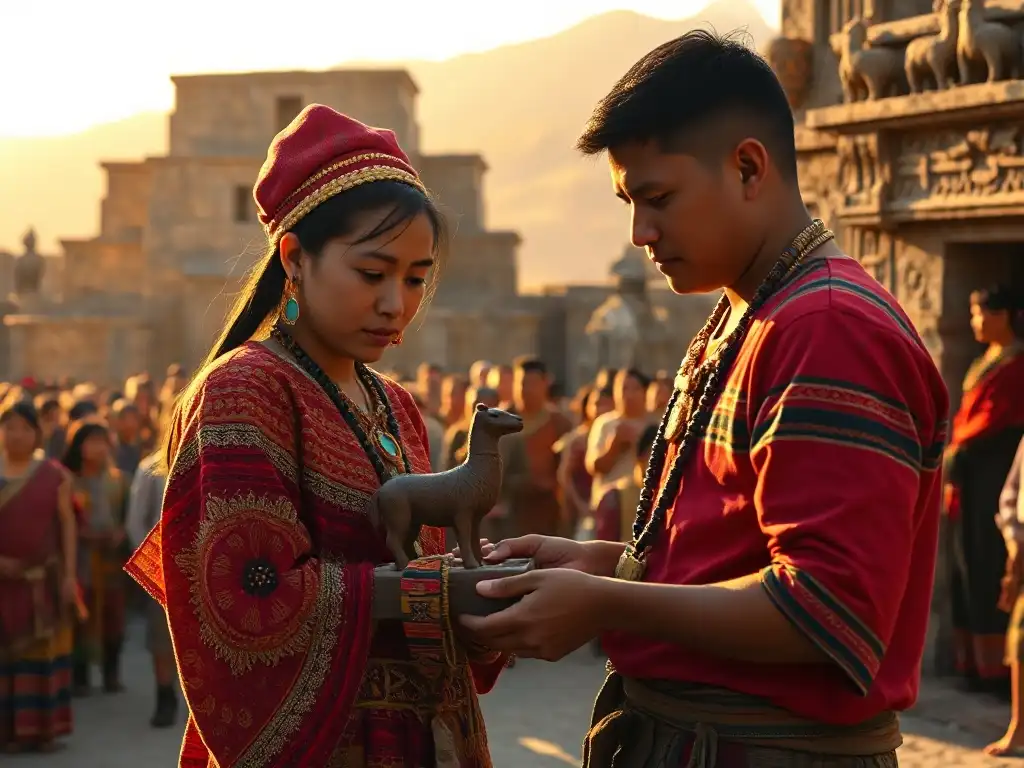
The Inca marriage system, a cornerstone of their social structure, wasn't solely based on romantic love as understood in modern societies. Instead, it was deeply intertwined with political strategy, economic stability, and the maintenance of social hierarchy. Understanding Inca marriage customs and traditions requires examining the intricate web of pre-marriage rituals and family arrangements that dictated the process. These customs, while seemingly rigid by today's standards, served vital functions within the Inca Empire's highly organized society.
The Inca valued stability and continuity, and their marriage practices reflected this. The system wasn't solely focused on procreation; it played a crucial role in consolidating power, maintaining social order, and ensuring the continuation of lineages. Detailed records on the precise nature of all rituals are scarce, but archaeological evidence, combined with Spanish chronicles (albeit often biased), allows us to piece together a reasonably clear picture.
Arranged Marriages: The Role of Inca Families
Arranged marriages were the norm within the Inca Empire. The decision of whom a young person would marry rested largely in the hands of their family, particularly the parents and elders. This wasn't a matter of coercion, but rather a carefully considered process aimed at securing the family's social standing and economic future. The selection process prioritized factors such as social standing, land ownership, and the potential for advantageous alliances.
Marriages were viewed as strategic partnerships, both for individual families and for the broader Inca society. For example, a union between two prominent families could strengthen political ties and consolidate power within a region. The Inca believed in the importance of maintaining strong family ties and kinship networks, making arranged marriages a natural extension of this belief.
The families involved would carefully weigh the potential benefits of a specific match, assessing not just the individual's characteristics but also their lineage and social standing. This meticulous process aimed to ensure stability and prosperity for generations to come. This highlights a key difference between Inca marriage customs and traditions and those of many contemporary societies.
Social class played a crucial role in determining eligible partners within Inca marriage customs and traditions. Endogamy, marriage within one's social class, was generally practiced, with exceptions being made for high-ranking officials seeking to consolidate power or forge alliances. The ayllu, the extended family group, heavily influenced marriage choices, ensuring that unions remained within the established social hierarchy. Members of the royal family, for instance, married other members of the nobility to maintain their lineage and consolidate their power.
Commoners, on the other hand, typically married within their own ayllu, preserving the social and economic stability of their community. This system, while seemingly restrictive, helped to maintain social order and prevent social upheaval. Deviation from these norms could have serious consequences, potentially leading to social ostracism or even punishment. This emphasis on social class in marriage reflects the Inca Empire's highly stratified social structure.
The following table illustrates the typical marriage patterns based on social class:
| Social Class | Typical Marriage Partner | Rationale |
|---|---|---|
| Royal Family | Noble Family Member | Maintain power, preserve royal bloodline |
| Nobility | Other Noble Families | Strengthen alliances, maintain social standing |
| Commoners | Within their Ayllu | Maintain community stability, economic cooperation |
The 'Servinacuy' Trial Marriage and its Significance
The concept of servinacuy, a trial marriage period, offers a fascinating glimpse into Inca marriage customs and traditions. While not universally practiced, it allowed young couples to live together for a period of time before formally committing to marriage. This period served as an assessment of compatibility, allowing both partners to evaluate their suitability for a lifelong union. The servinacuy wasn't merely a period of cohabitation; it was a socially recognized stage within the marriage process.
If the couple proved compatible and the union seemed promising, they would then proceed with a formal marriage ceremony. However, if incompatibility arose, the couple could separate without significant social stigma. While the exact duration of the servinacuy is debated among scholars, it likely varied depending on the circumstances of each couple and their social standing.
This system allowed for a degree of flexibility within the otherwise structured Inca marriage system, indicating a more nuanced approach than often assumed. The servinacuy demonstrates a pragmatic approach to marriage, prioritizing compatibility and reducing the risk of unsuccessful unions. It represents a lesser-known yet important aspect of Inca marriage customs and traditions.
Inca Wedding Ceremonies: Rituals and Traditions
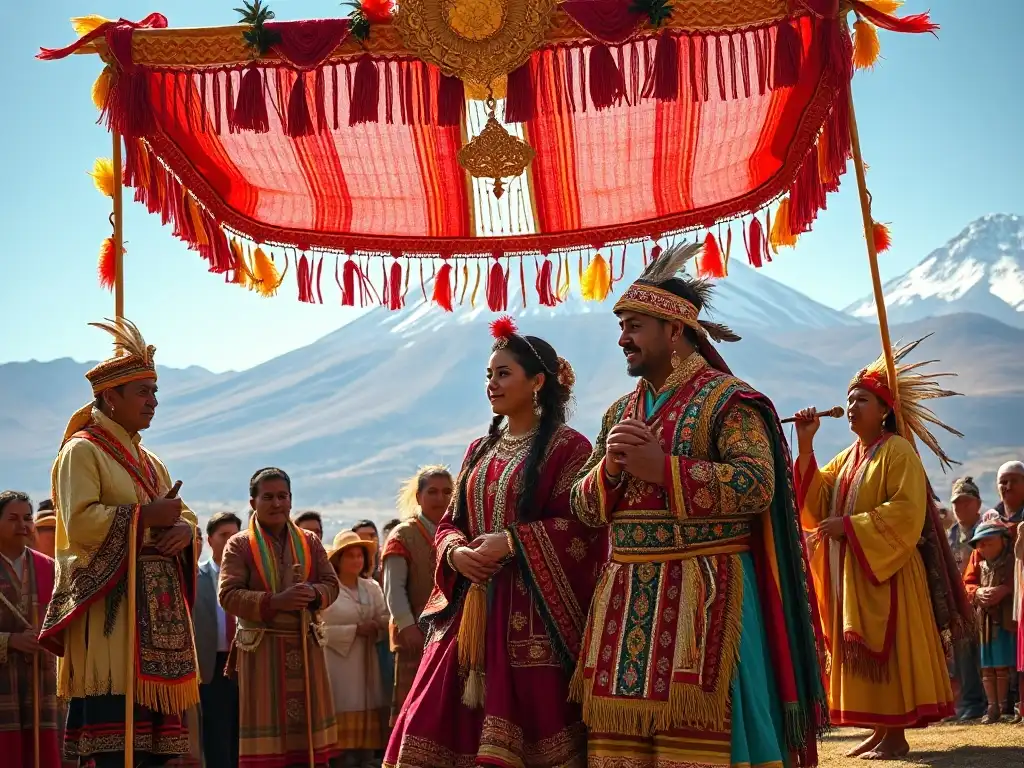
Inca marriage, a cornerstone of their societal structure, wasn't simply a union of two individuals; it was a vital component of their intricate social and political system. The ceremonies surrounding Inca weddings were elaborate affairs, reflecting the deep-rooted beliefs and values of the civilization. These rituals, passed down through generations, aimed to secure the couple's future prosperity and maintain the harmony of the community. Understanding these ceremonies provides crucial insight into the Inca worldview and their sophisticated social organization. The complexities of Inca marriage customs and traditions are multifaceted and require careful examination to fully appreciate their significance.
The Wedding Ceremony: Key Elements and Participants
The Inca wedding ceremony itself was a carefully orchestrated event, involving not just the couple but also their families and community. The ceremony wasn't held in a single standardized location; instead, it varied depending on the social standing of the individuals involved. A noble's wedding might be a grand spectacle, while a commoner's wedding would be a more intimate affair within their community. Regardless of social standing, however, certain key elements remained constant.
The ceremony typically began with a ritual cleansing of both the bride and groom, symbolizing the purification of their souls and the commencement of a new, sacred union. This cleansing often involved the use of coca leaves and water, elements deeply significant in Inca culture. Priests, known as hamacas, played a crucial role, leading the prayers and blessings, ensuring the spiritual legitimacy of the union.
The presence of family and community members served as a testament to the acceptance and support of the marriage within the social fabric. Music and dancing were integral parts of the celebrations, further highlighting the communal aspect of the event. The exchange of gifts, often including textiles, tools, and food, served to solidify the bond between families and communities.
Detailed records of these specific gifts unfortunately remain scarce, requiring further research to fully reconstruct the specifics of these exchanges. However, surviving accounts suggest a strong emphasis on practical and symbolic items reflecting the couple's future life together.
Traditional Inca Clothing and Attire for Weddings
Inca wedding attire reflected the social status and the importance of the occasion. The bride and groom would adorn themselves in their finest clothing, often made of vibrant, richly colored textiles. The intricate weaving techniques and the use of precious materials such as alpaca wool and gold threads denoted the couple's social standing. For example, a bride from a noble family might wear a lliclla (a shawl) woven with intricate designs and adorned with gold ornaments, while a commoner's attire would be simpler but still meticulously crafted.
The use of specific colors also held symbolic meaning; [specific color symbolism pending further research]. The clothing served not only as a visual display but also as a representation of their identity and social standing within the Inca community. The clothing was a testament to the skills and artistry of Inca weavers, highlighting the importance of textiles in their culture.
The Exchange of Cocal Leaves and its Symbolic Meaning
The exchange of coca leaves was a central element in many Inca ceremonies, including weddings. Coca leaves, far from being merely a stimulant, held profound spiritual and social significance. In the context of a wedding, the exchange symbolized the sharing of life's joys and hardships, the mutual support and commitment of the couple.
The leaves were often chewed together, representing the unity and shared experiences that would form the foundation of their marriage. This act of sharing, performed in the presence of family and community, underscored the communal aspect of Inca marriage, emphasizing the integration of the couple into the wider social structure. The symbolic significance of coca leaves in Inca culture extends far beyond the realm of marriage, but its use in wedding ceremonies serves as a powerful illustration of its central role in their daily lives and spiritual beliefs.
The precise rituals surrounding the coca exchange during weddings require further investigation to fully understand the nuances of this practice. The subtle variations in the rituals depending on the social standing of the couple also necessitates further research.
This detailed exploration of Inca marriage customs and traditions, focusing on wedding ceremonies, clothing, and coca leaf exchanges, provides a richer understanding of the intricate social fabric of the Inca Empire. The significance of these practices extends beyond simple ritualistic acts; they represent the deeply held values, beliefs, and social structures of this remarkable civilization. Further research into specific details and regional variations would undoubtedly enrich our understanding even further.
The Role of Music and Dance in Inca Weddings
Music and dance were integral components of Inca wedding ceremonies, reflecting the deep-seated importance of these art forms in Andean culture. The festivities weren't merely celebratory; they were ritualistic performances designed to appease the gods and ensure a prosperous and fertile union. Specific instruments, such as panpipes ( antara), flutes ( pututu), drums ( tinku), and others, created a vibrant soundscape unique to the occasion.
The melodies, often passed down through generations, weren't simply random tunes; they were imbued with spiritual significance, believed to attract blessings and ward off evil spirits. The rhythm and tempo of the music likely varied depending on the specific stage of the ceremony, perhaps becoming more intense during crucial moments like the exchange of vows or the offering of gifts to the deities.
The dances performed during Inca weddings were equally significant. These weren't spontaneous displays of joy; they were highly choreographed routines with symbolic meaning. Certain movements might have represented the fertility of the land, the union of the couple, or the strength and prosperity of the Inca empire itself.
Professional dancers, possibly trained from a young age within specific communities, likely played a prominent role, adding a layer of expertise and ritualistic authority to the proceedings. Costumes, adorned with vibrant colors and intricate designs, further enhanced the visual spectacle, reflecting the status and importance of the occasion. The participation of the community in these dances, alongside the professionals, created a sense of collective celebration and unity, solidifying the social bonds within the community and strengthening the couple's integration into the social fabric.
Further research is needed to fully understand the specific dances and their associated meanings, as many details have been lost to time. However, surviving accounts and archaeological findings offer intriguing glimpses into the richness and complexity of these ceremonial performances. The interplay of music and dance created a powerful atmosphere, transforming the wedding into a sacred and deeply meaningful event, far beyond a simple social gathering.
Post-Wedding Life and Family Dynamics in the Inca Empire
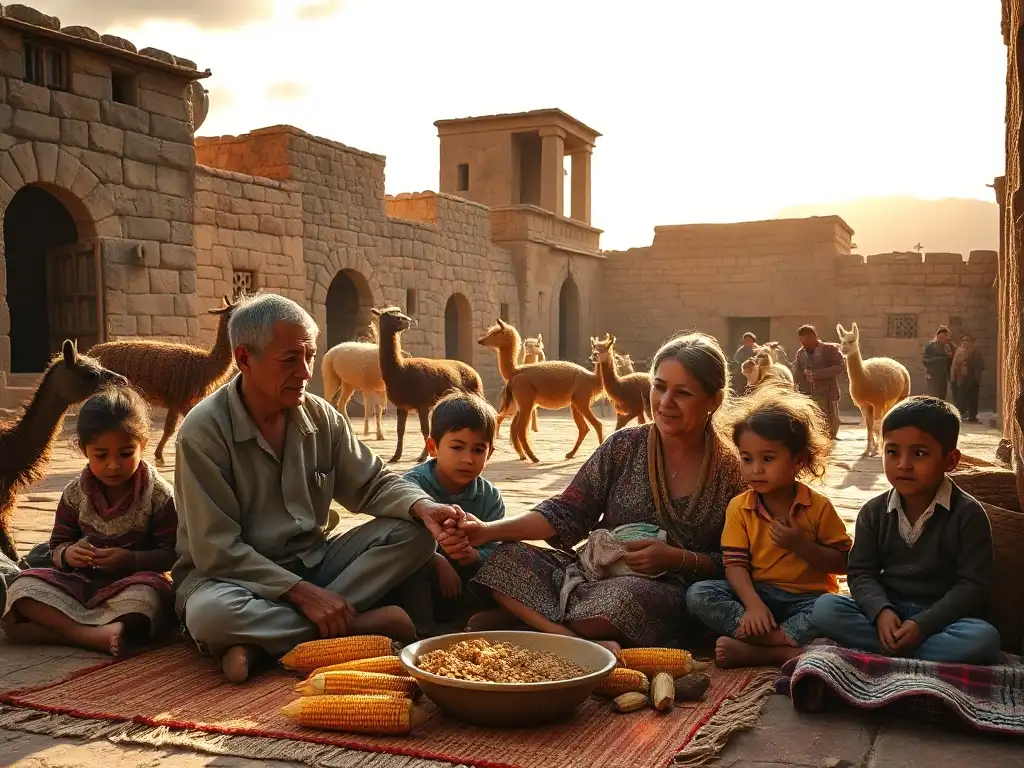
The vibrant tapestry of Inca society extended far beyond the initial wedding ceremony. Post-nuptial life was deeply intertwined with the economic and social structures of the empire, emphasizing communal living and reciprocal obligations. Understanding this aspect provides a crucial lens through which to view Inca marriage customs and traditions in their full context. The emphasis was not solely on the individual couple, but on the contribution of the family unit to the wider community.
The Roles of Husband and Wife in Inca Society
Inca marital roles, while exhibiting some degree of gender division, were far from rigidly defined. The husband, often the primary provider, was responsible for tending to the family's agricultural needs and participating in community mita labor. He was also expected to be the head of the household, making major decisions concerning the family's welfare. However, the wife's role was equally crucial.
She managed the household, oversaw the preparation of food and textiles, and raised the children. The wife's contributions to the family's economic well-being were significant, particularly her expertise in textile production, a highly valued skill in Inca society. Their roles were complementary, each contributing to the overall success and prosperity of the family unit.
Evidence from archaeological finds, such as the intricate textiles discovered in various Inca sites, underscores the significant economic contributions of women. Furthermore, the Inca emphasis on reciprocity meant that both partners shared responsibilities, ensuring the smooth functioning of the family. This collaborative approach to family life was a cornerstone of Inca social organization.
Family Structure and Lineage in Inca Culture
The Inca family unit extended beyond the immediate nuclear family, encompassing a broader network of relatives and community members. Lineage played a significant role in Inca society, with individuals tracing their ancestry through both paternal and maternal lines. This bilateral kinship system fostered strong family ties and a sense of collective responsibility. The extended family often lived in close proximity, sharing resources and labor.
This communal lifestyle provided a safety net, particularly in times of hardship, and reinforced social cohesion. The ayllu, a community-based social structure, further emphasized the importance of kinship and collective action. Individuals within an ayllu were bound by shared ancestry and mutual obligations, contributing to the overall stability and resilience of Inca society. This intricate web of family and community connections shaped the social landscape and influenced the dynamics of Inca marriage customs and traditions.
Inca law, while not codified in the way we understand modern legal systems, encompassed a set of customary practices that governed marriage and family life. Marriage was considered a sacred union, essential for the continuation of the ayllu and the broader Inca empire. Polygamy, particularly for the elite, was permitted, but monogamy was the norm for most of the population. Divorce was possible, but not easily obtained.
It generally required the intervention of community elders and often involved the consideration of factors such as infidelity or persistent incompatibility. The consequences of divorce could include the redistribution of property and the custody arrangements for children. These customary practices, while less formalized than modern legal frameworks, served to maintain social order and resolve disputes within the Inca community. The emphasis on community involvement in resolving marital disputes reflects the collectivist nature of Inca society, highlighting the importance of maintaining harmony within the ayllu.
The limited available records concerning specific divorce cases suggest that such decisions were carefully considered and sought to minimize disruption within the community. Further research is needed to fully understand the nuances of Inca divorce proceedings. More detailed analysis of surviving records, coupled with further archaeological investigation, is essential to provide a more complete picture of Inca laws and customs related to marriage and divorce.
The Importance of Children in Inca Families
Children held immense significance within Inca society, representing the continuation of lineage and the future strength of the empire. Their well-being was paramount, reflecting the overall prosperity and stability of the family unit. The Inca worldview emphasized a strong connection between the living and the ancestors, and children were seen as vital links in this chain, carrying on family traditions and honoring the spirits of those who came before. A large family was often a source of pride, signifying both fertility and the ability to contribute significantly to the community's labor force.
The Inca state actively promoted population growth through various policies and incentives, further highlighting the importance placed on children. This emphasis is reflected in the numerous archaeological findings depicting children in various roles within Inca society, from assisting in agricultural tasks to participating in religious ceremonies. The upbringing of children was a communal effort, with extended family members and the community playing active roles in their education and socialization. This collective approach ensured a strong sense of community and shared responsibility for the well-being of the next generation.
The high value placed on children is evident in the careful planning and execution of child-rearing practices, demonstrating the Inca's deep commitment to the future of their society and the perpetuation of their cultural heritage. The Inca commitment to children extended beyond mere biological reproduction; it was a crucial aspect of their social and political organization. The success of the Inca empire was intrinsically linked to the strength and vitality of its families, and these families were, in turn, built upon the foundation of their children. Indeed, a thriving population was considered essential for maintaining the empire's power and influence.
Unique Aspects of Inca Marriage Customs
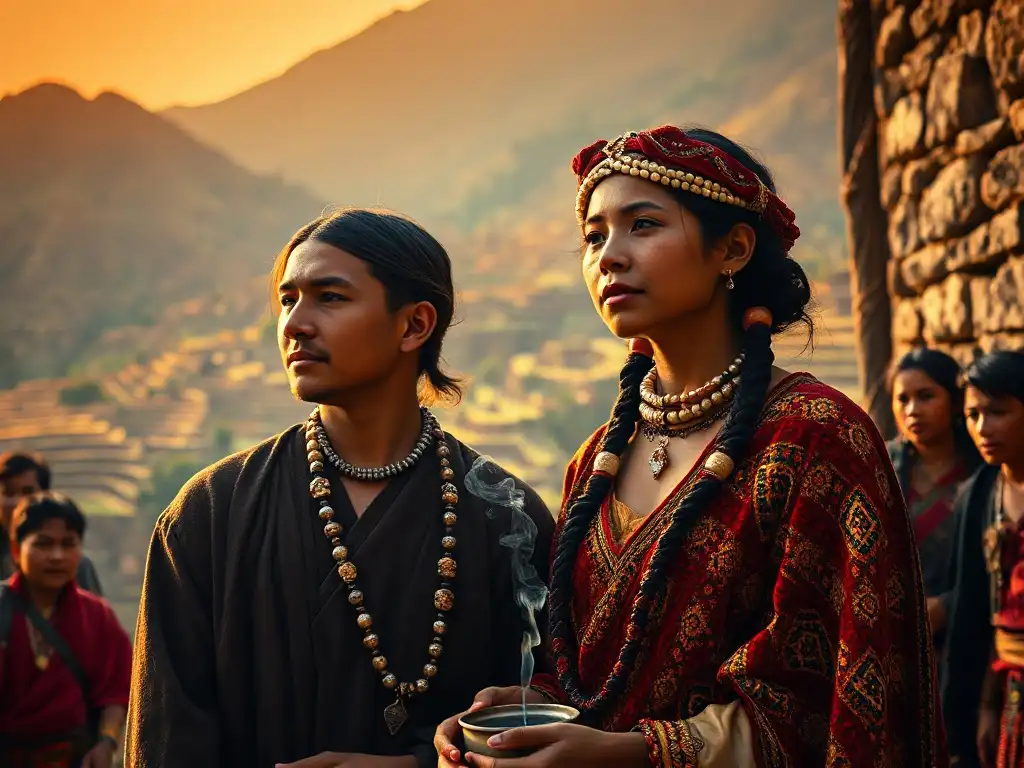
The Inca marriage system, a cornerstone of their social structure and imperial power, presented unique aspects that differed significantly from those of other contemporaneous societies. Understanding these customs provides crucial insight into Inca social hierarchy, religious beliefs, and political strategies. The system wasn't merely about uniting individuals; it was a powerful tool for consolidating power, maintaining social order, and ensuring the continuity of the Inca lineage.
This section delves into several key elements of Inca marriage, focusing on practices that highlight their distinctive characteristics and the role they played in the Inca world. The concept of "Inca marriage customs and traditions" encompassed a complex web of social, religious, and political considerations.
Polygamy and its Prevalence in Inca Society
Polygamy, particularly polygyny (one man having multiple wives), was a prevalent practice within Inca society, but its application wasn't uniform across the population. While common among the Inca elite, it was far less common amongst the commoners. The emperor, the Sapa Inca, held the most wives, often numbering in the dozens. These women weren't merely companions; they served crucial roles in reinforcing the emperor's power and ensuring the continuation of the royal lineage. Their children, especially sons, held significant political weight, potentially becoming future rulers or influential members of the court.
The number of wives a man could have often depended on his social standing. High-ranking officials and nobles also enjoyed multiple wives, reflecting their elevated status and access to resources. This practice helped solidify social hierarchies and reinforced the power structures within the empire. For commoners, monogamy was generally the norm, although exceptions likely existed depending on factors like wealth and social influence within their local communities. The availability of resources, including food and land, played a significant role in determining the feasibility of polygyny. A man needed sufficient resources to support multiple wives and their children.
The religious significance of polygyny is also noteworthy. Multiple wives were seen as a sign of a man's favor with the gods and a symbol of his prosperity and social standing. This religious undertone further cemented the practice within the social fabric of Inca society. However, it's important to note that historical records are limited and interpretations of the practice vary among scholars, highlighting the challenges of fully reconstructing the complexities of Inca social life.
The death of a spouse, especially a husband, held significant social and religious implications for Inca women. Widowhood was not simply a personal loss; it involved specific rituals and social expectations that shaped the widow's life. The most prominent practice was the sirpa, a ritualistic form of seclusion or mourning period. The duration and intensity of the sirpa varied depending on the social standing of the deceased and the widow.
For women of the elite, the sirpa could be lengthy and involve strict restrictions on social interaction and activities. They often wore specific mourning garments, and their movements were limited. This period of seclusion served multiple purposes: it symbolized grief and respect for the deceased, it protected the widow from potential social vulnerability, and it could also serve as a period of reflection and spiritual preparation. The social implications of widowhood also included potential remarriage, particularly for women from the elite classes. These marriages were often strategically arranged to maintain political alliances or consolidate power.
Commoner widows also observed mourning periods, though often less formalized than those of the elite. Their experiences likely varied depending on local customs and community support structures. Further research is needed to fully understand the diverse experiences of widows across the social spectrum within the Inca Empire. Unfortunately, detailed accounts of these practices remain scarce, leaving some aspects of the Inca understanding of widowhood open to interpretation.
Marriage Within the Inca Elite
Marriage within the Inca elite was far from a matter of personal choice; it was a highly political and strategic act. Marriages were frequently arranged to consolidate power, forge alliances between different lineages and regions, and maintain the stability of the empire. The Sapa Inca's marriage was particularly important, as it directly impacted the succession to the throne and the legitimacy of the ruling dynasty. His wives came from prominent families throughout the empire, strengthening his control over various regions and solidifying his authority.
High-ranking officials and nobles also participated in strategic marriages. These unions were carefully planned to create political networks and maintain social harmony. Dowries and other forms of wealth exchange were likely part of these arrangements, further emphasizing the economic and political dimensions of marriage within the elite. The children born from these unions inherited significant social and political standing, perpetuating the power structures of the Inca Empire. The selection of spouses was also influenced by religious beliefs and the importance of maintaining a pure Inca bloodline.
The religious aspect of royal marriages was paramount, ensuring the legitimacy of the ruling family and their divine connection to the Inca gods. These marriages were not just about political gains; they were deeply embedded in the religious and cosmological beliefs of the Inca. While the lives of commoners were impacted by the broader Inca system, the elite's marriages were a key instrument in shaping the Empire's political landscape and ensuring its stability. Further investigation is needed into the specific rituals and ceremonies surrounding elite marriages to gain a richer understanding of this crucial aspect of Inca society.
The Legacy of Inca Marriage Traditions
The Inca marriage system, a cornerstone of their societal structure, continues to resonate in modern Andean communities, albeit transformed by centuries of cultural blending and societal shifts. Understanding the enduring influence of Inca marital customs requires examining both the historical practices and their contemporary echoes. The Inca's emphasis on kinship ties, arranged marriages for social and political benefit, and the importance of fertility and lineage are all threads woven into the fabric of modern Andean family structures.
While the rigid hierarchical structure of the Inca Empire no longer dictates marital arrangements, the underlying values and principles remain subtly, yet powerfully, present. The legacy is not a direct replication, but rather a complex interplay between ancient traditions and modern realities. This section will delve into the tangible and intangible ways in which Inca marriage customs persist in present-day Andean societies.
Inca Marriage Customs in Modern Andean Communities
In many Andean communities, the emphasis on ayni (reciprocity) and mita (labor service), core tenets of Inca society, still influences marital relationships. The expectation of mutual support and shared responsibility within a marriage mirrors the collaborative spirit of the Inca system.
While arranged marriages are less prevalent now, family involvement in mate selection remains significant. Parents and extended family often play a crucial role in guiding their children towards suitable partners, ensuring compatibility not only in terms of personality but also in terms of social standing and economic prospects – a legacy of the Inca emphasis on maintaining social order and stability through strategic alliances.
Furthermore, the Inca reverence for fertility and the continuation of lineage persists. Large families are still considered desirable in many communities, reflecting the Inca's focus on population growth as a marker of prosperity and strength. Celebrations surrounding marriage and childbirth often incorporate elements of traditional Andean rituals, demonstrating the enduring power of these ancient customs.
However, it is important to note that the specific expressions of these traditions vary widely across different Andean regions and communities, reflecting the diverse cultural landscape of the Andes. For instance, the use of traditional clothing, music, and dances during wedding ceremonies, while common, is not uniformly practiced.
The data available on the precise extent of Inca marital tradition's influence on contemporary Andean communities is limited. Further research is needed to fully quantify the prevalence of specific Inca practices in modern marriages. [Specific data on prevalence of Inca-influenced marriage practices pending]. However, anecdotal evidence and ethnographic studies strongly suggest a continued, albeit adapted, presence of these traditions.
The Influence of Inca Traditions on Contemporary Marital Practices
The Inca emphasis on social hierarchy and political strategy in marriage has left a lasting imprint on contemporary Andean societies, albeit in a less formalized way. While the strict rules of the Inca Empire are gone, the concept of strategic alliances through marriage – aiming for economic stability and social mobility – continues to influence marital choices. This isn't always a conscious decision, but rather an ingrained cultural value. For example, marriages between families with complementary resources or social standing are still favored in many communities, echoing the Inca practice of consolidating power and resources through marital unions.
Moreover, the Inca's strong emphasis on community and family support continues to shape the expectations surrounding marriage. The concept of ayllu, the kinship-based community organization of the Inca Empire, is reflected in the strong family ties and communal support networks that characterize many contemporary Andean communities. Marriages are not merely individual unions but integral parts of a wider social fabric, requiring the cooperation and involvement of extended family members.
This underscores the enduring relevance of the Inca social model, where individual well-being was inextricably linked to the collective good. These practices, while modified, retain the core values of Inca social organization.
Conclusion: Understanding the Richness of Inca Marriage
The Inca marriage system, far from being a relic of the past, continues to exert a subtle yet significant influence on contemporary Andean marital practices. The enduring legacy of Inca marriage customs is not found in direct replication of ancient practices but in the underlying values and principles that have been adapted and integrated into the changing social landscape. From the emphasis on reciprocity and family support to the importance of fertility and lineage, the echoes of Inca marriage traditions resonate in the fabric of modern Andean life, demonstrating the richness and complexity of cultural transmission.
Further research is crucial to fully document the variations and nuances of this enduring legacy across different Andean communities. Understanding this historical continuity enriches our appreciation of the Inca Empire's lasting impact and the vibrant cultural heritage of the Andes.
Frequently Asked Questions
What was the significance of marriage within Inca society?
Marriage in Inca society was highly valued, not just for personal fulfillment but also for social and political stability. It strengthened family ties and ensured the continuation of lineages and the empire's structure.
How did Inca marriages typically take place?
Inca marriages were often arranged, with parents playing a significant role in choosing spouses. While love played a part, political alliances and economic considerations were also crucial. Ceremonies could be simple or elaborate, depending on the social status of the couple.
What role did religion play in Inca marriages?
Religion played a vital role, with ceremonies often involving religious officials and offerings to the gods. The union was considered sacred, and rituals aimed to ensure fertility, prosperity, and the blessing of the gods upon the marriage.
Were there any specific customs or traditions associated with Inca weddings?
Yes, bride and groom gifts were exchanged, and feasts were common. The couple often moved into the groom's family home. Polygamy, particularly for the elite, was also practiced, although monogamy was the norm for the majority of the population.
What happened to Inca marriages in the event of divorce or death?
Divorce was rare but could occur in certain cases, such as infertility or severe incompatibility. Upon the death of a spouse, widows often remained unmarried, while widowers might remarry, particularly if they had young children to care for.
Final Reflection: Echoes of the Andes: The Enduring Legacy of Inca Marriage
The intricate tapestry of Inca marriage customs, woven from threads of social hierarchy, spiritual belief, and economic pragmatism, continues to resonate in the cultural landscapes of modern-day Peru and beyond. Understanding these ancient practices offers a powerful lens through which to examine the enduring influence of tradition on contemporary social structures and family dynamics.
The Inca's emphasis on community and the importance of marriage as a cornerstone of societal stability is a striking contrast to many aspects of modern life. Their system, while hierarchical, prioritized the collective good over individual desires, a concept that warrants careful consideration in our increasingly individualistic world. Marriage was not merely a personal union; it was a vital component of the Inca state's social and economic fabric.
This quote encapsulates the profound societal implications of Inca marriage, reminding us that the institution of marriage has always been deeply intertwined with broader societal structures and goals.
Consider the enduring power of tradition and its impact on your own life. How do the values and customs of your ancestors shape your understanding of family, community, and personal relationships? Let the legacy of the Inca inspire you to examine the foundations of your own beliefs and to appreciate the rich tapestry of human experience woven through generations. By understanding the past, we can better navigate the complexities of the present and build a more informed and compassionate future.
Uncover the Secrets of Inca Relationships!
Thank you for exploring the fascinating world of Inca marriage with us! We hope you gained valuable insights into their unique customs and practices, which were fundamental to their society. Now, let's put your newfound knowledge to good use!
Here are a few ways to further explore this captivating topic:
- **Dive deeper:** Explore other Andean cultures by reading our other articles on this website.
- **Join the conversation:** Share your thoughts and experiences regarding traditional marriage systems in the comments below. We value your perspective!
- **Spread the knowledge:** Share this article with friends and family interested in Inca culture and encourage them to learn more!
What aspect of the Inca marriage system most surprised you, and how do you think it might influence modern relationships? Let's discuss!