
Textiles and Weaving: The Art of Inca Nobility

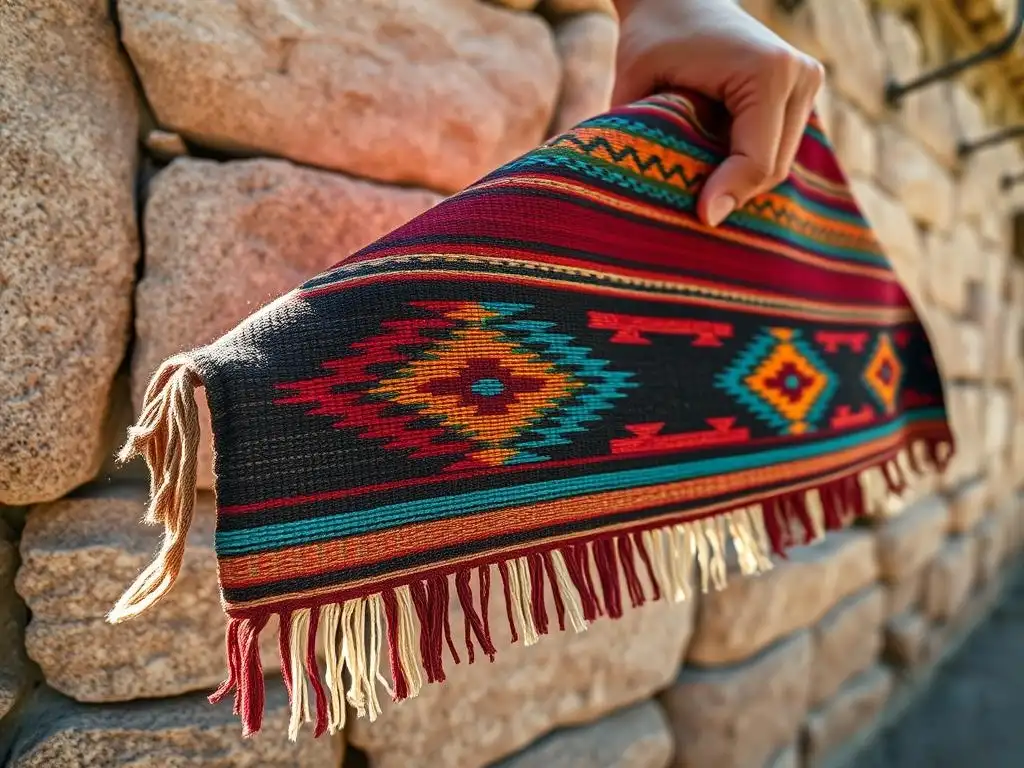
Unravel the mysteries of a lost world, where vibrant threads whispered tales of power and prestige. Step into the captivating realm of Andean Civilizations, and discover the ingenious artistry of ancient cultures. Prepare to be amazed by the intricate Inca textiles weaving techniques, a testament to the unparalleled skill of Inca nobility. Their mastery of color, design, and technique holds secrets waiting to be uncovered... Delve into the world of "Textiles and Weaving: The Art of Inca Nobility" and witness the breathtaking legacy left behind.
- Inca Textiles and Weaving: The Art of Inca Nobility
- Inca Weaving Techniques: Mastering the Art
- Inca Textile Art: Beyond Utility
- The Legacy of Inca Weaving
- Inca Textile Conservation: Challenges and Solutions
- Frequently Asked Questions
- Final Reflection: The Enduring Legacy of Inca Textile Mastery
- Unveil the Riches of Inca Textile Artistry!
Inca Textiles and Weaving: The Art of Inca Nobility
The Inca Empire, renowned for its sophisticated infrastructure and intricate social structure, also possessed a mastery of textile arts that transcended mere practicality. Inca textiles weren't simply clothing; they were powerful symbols of status, religious significance, and intricate storytelling, reflecting the empire's advanced social organization and technological prowess.
This article delves into the world of Inca textiles and weaving, exploring the techniques and the profound role these exquisite fabrics played within Inca society, particularly amongst the nobility. Understanding Inca textile production offers a unique glimpse into the complexities of the empire's expansion and consolidation, revealing how craftsmanship served as a powerful tool for political and social control, reflecting the sophisticated power structures at the heart of the Inca civilization.
We will examine the significance of textiles in Inca society, the highly organized process of their production, and the enduring legacy of these remarkable creations. Prepare to be amazed by the ingenuity and artistry of Inca textile weaving techniques.
The Significance of Textiles in Inca Society
Textiles held immense cultural and social importance within the Inca Empire. Far from being simply functional garments, they served as potent symbols of power, status, and religious belief. The quality of the textiles, the intricacy of the designs, and the materials used all conveyed specific social messages. For example, the vibrant colors and elaborate patterns of the cumbi, a type of ceremonial garment, were reserved for the Inca elite and high-ranking officials. The use of specific dyes, like the deep crimson from cochineal insects, further emphasized the wearer's elevated position within the social hierarchy.
Moreover, textiles played a crucial role in religious ceremonies and rituals. Textiles adorned temples, were used in sacrifices, and formed part of the elaborate costumes worn by priests and shamans. The intricate weaving techniques themselves were often imbued with symbolic meaning, reflecting the Inca worldview and their understanding of the cosmos. Archaeological evidence continually reveals new layers of complexity in the meaning and usage of Inca textiles. We can see this in the detailed iconography woven into the fabrics, depicting deities, mythical creatures, and scenes from Inca mythology.
This intricate symbolism further underscores the deep-seated spiritual and social significance of Inca textiles. Even the everyday clothing of commoners held symbolic weight, reflecting their role within the empire's complex social structure. The variations in style, color, and material subtly conveyed information about the wearer’s community, occupation, and social standing. The intricate system of textile production and distribution was intrinsically linked to the empire's economic and political power.
Inca Textile Production: A Highly Organized Process
The production of Inca textiles was a highly organized and specialized process, overseen by a complex system of state control. Highly skilled artisans, often organized into specialized workshops ( ñawpa pacha), produced textiles for the elite and the state. These workshops were not only centers of production but also repositories of knowledge and expertise. The Inca state controlled the entire process, from the cultivation of the cotton and other fibers to the final stages of weaving and finishing. Access to certain materials, such as vicuña wool, was strictly regulated, ensuring that only the elite could wear garments made from these luxurious fibers. The Inca controlled the distribution of resources and the assignment of labor, guaranteeing a steady supply of high-quality textiles for the empire's needs. The organization of textile production reflects the empire's sophisticated economic and administrative structures. The use of standardized patterns and designs helped streamline production and maintain consistency in quality across different regions of the vast empire. Master weavers, known for their exceptional skills, were highly respected members of society and played a crucial role in maintaining the high standards of Inca textile production. Their expertise was passed down through generations, preserving the unique techniques and knowledge that characterized Inca weaving. The intricate techniques employed, including backstrap loom weaving, and the use of various weaving styles such as tapestry, brocade, and embroidery, showcase the remarkable technical skills of Inca artisans. The complex designs, often incorporating geometric patterns, zoomorphic motifs, and representations of Inca mythology, added a further layer of complexity and artistry to their work. The production process wasn't solely focused on meeting the needs of the elite; it also provided employment and economic opportunities for many within the Inca community.
Inca Weaving Techniques: Mastering the Art
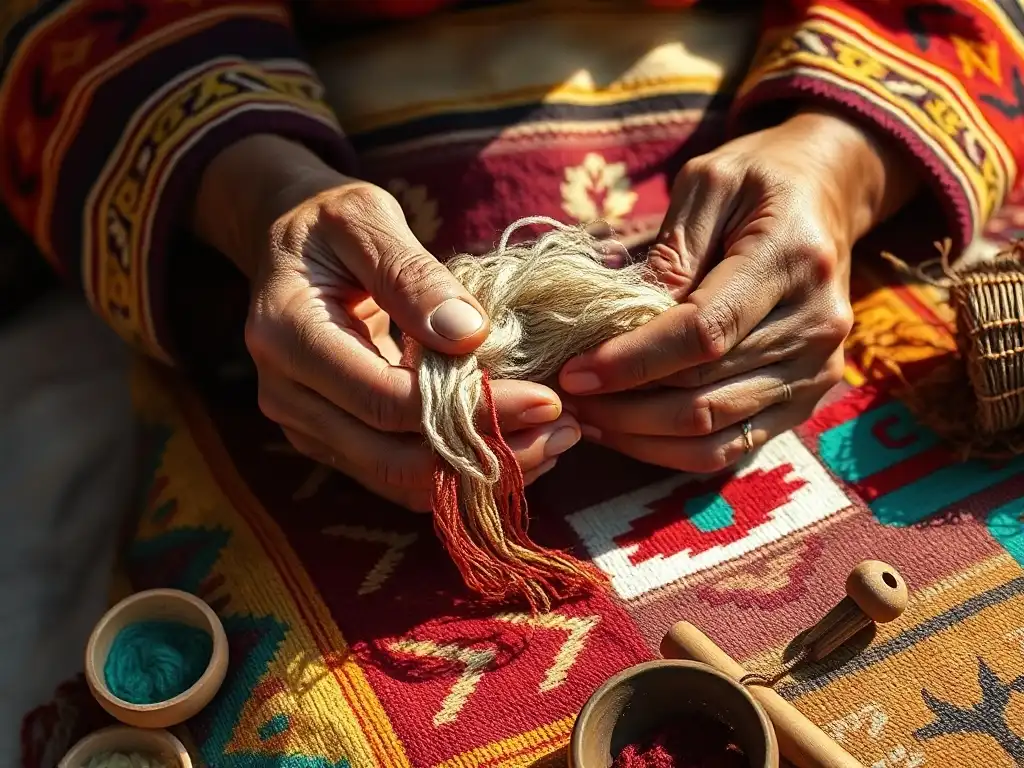
The Inca Empire, renowned for its sophisticated infrastructure and administrative prowess, also boasted an unparalleled mastery of textile production. Inca textiles, far from being mere functional items, served as potent symbols of status, power, and religious significance, particularly within the noble class. The intricate weaving techniques employed, passed down through generations, represent a pinnacle of Andean artistry and ingenuity. Understanding these techniques reveals a deeper appreciation for the complexity and sophistication of Inca society and its cultural values. The phrase "Inca textiles weaving techniques" barely scratches the surface of the artistry involved.
The Role of Women in Inca Weaving
The production of Inca textiles was largely a female domain. While men might have been involved in acquiring raw materials, the actual weaving process, from fiber preparation to the creation of elaborate garments and tapestries, was primarily carried out by women. This division of labor was not simply a matter of practicality; it also reflected the high social standing and specialized skills of female weavers within Inca society.
Elite women, particularly within the royal family, were often highly skilled artisans, producing textiles of exceptional quality and intricacy. Their work was not only valued for its aesthetic beauty but also for its symbolic significance, representing power, lineage, and spiritual connection.
The skill level varied, of course, with some women specializing in specific techniques or materials, while others might have focused on simpler tasks. Archaeological evidence reveals the existence of specialized workshops and training programs for female weavers, indicating a structured and highly respected profession.
Inca Textile Materials: Sourcing and Preparation
The creation of exquisite Inca textiles began with the careful selection and preparation of raw materials. The most commonly used fiber was llama wool, prized for its softness, warmth, and resilience. Alpaca wool, finer and even softer than llama wool, was also employed, often reserved for the most prestigious textiles. Vicuña and guanaco fibers, rarer and more luxurious, were used sparingly, often signifying the highest levels of social status. Cotton, cultivated in warmer regions of the empire, was another important material, used for lighter garments and textiles.
The preparation of these fibers was a laborious process. After shearing or harvesting, the fibers were carefully cleaned, combed, and spun into yarn using hand spindles. The spinning techniques were sophisticated, resulting in yarns of varying thicknesses and textures, which contributed to the rich visual complexity of the finished textiles. Different colors were achieved through natural dyes derived from plants, minerals, and insects.
Cochineal, a scale insect, yielded a vibrant crimson, while various plants provided yellows, browns, and greens. The precise recipes and techniques for creating these dyes remain partially understood, adding to the mystique surrounding Inca textile production. The meticulous preparation of the raw materials was crucial to the creation of durable and aesthetically pleasing textiles.
Types of Inca Weaving Looms
Inca weavers utilized several types of looms, each suited to different weaving techniques and textile types. The most common were the backstrap loom and the vertical loom.
Backstrap Loom Techniques
The backstrap loom, a portable and versatile tool, was widely used throughout the Andes. It consisted of a warp (lengthwise threads) stretched between a backstrap worn by the weaver and a fixed point, such as a tree or post. The weft (crosswise threads) was interlaced with the warp using a simple shed technique, allowing for a relatively straightforward weaving process.
While seemingly simple, the backstrap loom allowed for significant creativity and control, enabling weavers to produce textiles of varying widths and patterns. The portability of the backstrap loom made it ideal for nomadic groups and allowed for weaving to be integrated into various aspects of daily life. Many variations on the basic backstrap loom technique existed, allowing for the production of complex designs and textures.
Vertical Loom Usage
The vertical loom, a larger and more stationary structure, was used for creating broader and more elaborate textiles. This loom allowed for greater control over the warp threads, enabling weavers to produce more intricate patterns and designs. The vertical loom facilitated the creation of large tapestries and other monumental textile works, often associated with elite production and religious contexts.
The use of the vertical loom often involved teams of weavers, highlighting the collaborative nature of some textile projects and the specialized division of labor within Inca society. The scale and complexity of textiles produced on vertical looms underscore the advanced level of Inca weaving technology and organizational capabilities. The meticulous planning and execution required for these large-scale projects is testament to the skilled and organized nature of Inca textile production.
Inca Textile Designs and Patterns: Symbolic Communication
Inca textile designs weren't merely decorative; they were a sophisticated system of symbolic communication, conveying complex social, religious, and political messages. The intricate patterns woven into the textiles served as a visual language, understood by those within the Inca society. These weren't random designs; each motif held specific meaning, often relating to the wearer's status, lineage, or the occasion. For example, a particular type of knot or a specific color combination could indicate a person's role within the imperial hierarchy, or might represent a deity or a significant event in Inca history. The complexity of the designs, the precision of the weaving, and the quality of the materials all contributed to the overall meaning and prestige associated with the garment. Master weavers, highly respected within their communities, held significant influence and often worked for the Inca elite, creating textiles that were truly works of art and potent symbols of power.
The use of color was particularly significant. Certain colors were associated with specific deities or concepts. For example, red might represent blood, sacrifice, or the sun god Inti, while yellow might symbolize gold, royalty, or the earth.
The combination of colors within a design further enhanced its symbolic meaning, creating a layered and nuanced system of visual communication. Scholars continue to decipher the meaning behind these complex color palettes and patterns, uncovering new insights into Inca cosmology and social structure with each new discovery. The intricate interplay of color and design in Inca textiles provides invaluable information about the values, beliefs, and social organization of this remarkable civilization.
The study of Inca textiles offers a unique window into the minds and lives of the Inca people, offering a deeper understanding of their rich cultural heritage. The designs, often geometric but also incorporating zoomorphic and anthropomorphic elements, reveal a sophisticated understanding of symbolism and visual communication that is unparalleled in its artistry and complexity.
Inca Textile Art: Beyond Utility
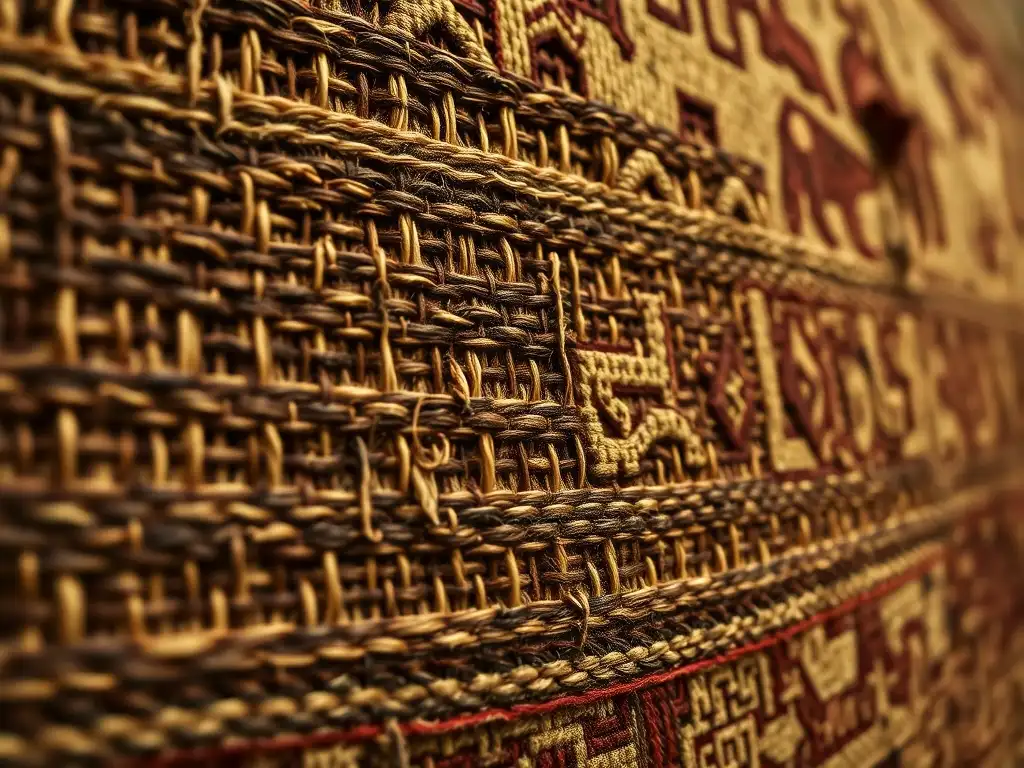
The mastery of Inca textile weaving techniques transcended mere functionality; it was a sophisticated art form deeply intertwined with the social, political, and religious fabric of the empire. Understanding Inca textiles requires appreciating their intricate designs, the symbolism embedded within their patterns, and the sheer technical skill involved in their creation. The production of these textiles wasn't simply a craft; it was a powerful statement of social hierarchy, political power, and spiritual connection.
This section will delve into the multifaceted significance of Inca textiles, exploring their roles beyond their practical uses. The keyword phrase "Inca textiles weaving techniques" is central to understanding the cultural significance and sophisticated artistry of these remarkable artifacts.
Inca society was highly stratified, and textiles played a crucial role in signifying social standing. The quality of the materials – the fineness of the vicuña, alpaca, and llama wool, the rarity of certain dyes derived from plants and insects – directly correlated with the wearer's social status. Elaborate garments, adorned with intricate patterns and sophisticated weaving techniques, were reserved for the Inca elite, the curacas (local leaders), and the priesthood. Commoners wore simpler garments made from coarser materials and less complex designs. This clear visual distinction reinforced the hierarchical structure of Inca society.
The production of textiles itself was often organized and controlled by the state. Specialized workshops, staffed by skilled artisans, produced textiles for the royal court and religious institutions. The distribution of these textiles further solidified Inca control and power, as they were used as gifts, rewards, and tributes, reinforcing loyalty and dependence.
The meticulous record-keeping of the Inca, including the use of quipus (knotted cords), likely extended to the production and distribution of these valuable textiles, though the precise details remain a subject of ongoing research. These records would have helped to manage the vast resources needed for textile production and ensure their distribution throughout the empire.
Inca Textiles as Status Symbols
The use of specific colors, patterns, and weaving techniques served as powerful visual indicators of social rank. For instance, the use of vibrant, richly colored dyes, such as those derived from cochineal insects, indicated high status. Certain intricate patterns, such as the tocapus (headbands) adorned with geometric designs and often featuring representations of mythical beings or deities, were exclusively worn by the Inca royalty and high-ranking officials. These textiles weren't merely clothing; they were powerful symbols of authority and prestige.
The use of specific fibers also contributed to the status signified by the textile. Vicuña wool, prized for its softness and fineness, was reserved for the Inca elite, while alpaca and llama wool were used in garments for lower social classes. The intricate weaving techniques, such as tapestry weaving, brocade, and double-cloth techniques, further enhanced the value and prestige of the textiles, demonstrating the skill and artistry of the weavers.
The more intricate the weaving, the higher the status of the wearer. This system of visual communication through textiles effectively reinforced and maintained the social hierarchy within the Inca Empire.
Inca Textiles in Religious Rituals
Inca religion permeated all aspects of life, and textiles played a vital role in religious rituals and ceremonies. Textiles were used to adorn temples, idols, and sacred objects. Specific designs and colors held significant religious meaning, often representing deities, mythical creatures, or cosmological concepts. The use of specific motifs, such as the khipu knot pattern, indicated a connection to the Inca worldview and the spiritual realm.
Textiles were also integral to important religious ceremonies, such as the capacocha, a ritual sacrifice involving the offering of children and other valuables to the gods. The textiles used in these ceremonies were often exceptionally fine and richly decorated, reflecting the importance of the event and the reverence given to the deities. Furthermore, the production and use of textiles were closely tied to the agricultural cycle, with certain patterns and colors symbolizing fertility, abundance, and the cyclical nature of life and death.
The complex interplay between religious beliefs and textile production highlights the integral role of textiles in the Inca worldview. The skill and artistry involved in creating these sacred textiles further underscored their religious significance.
The Legacy of Inca Weaving
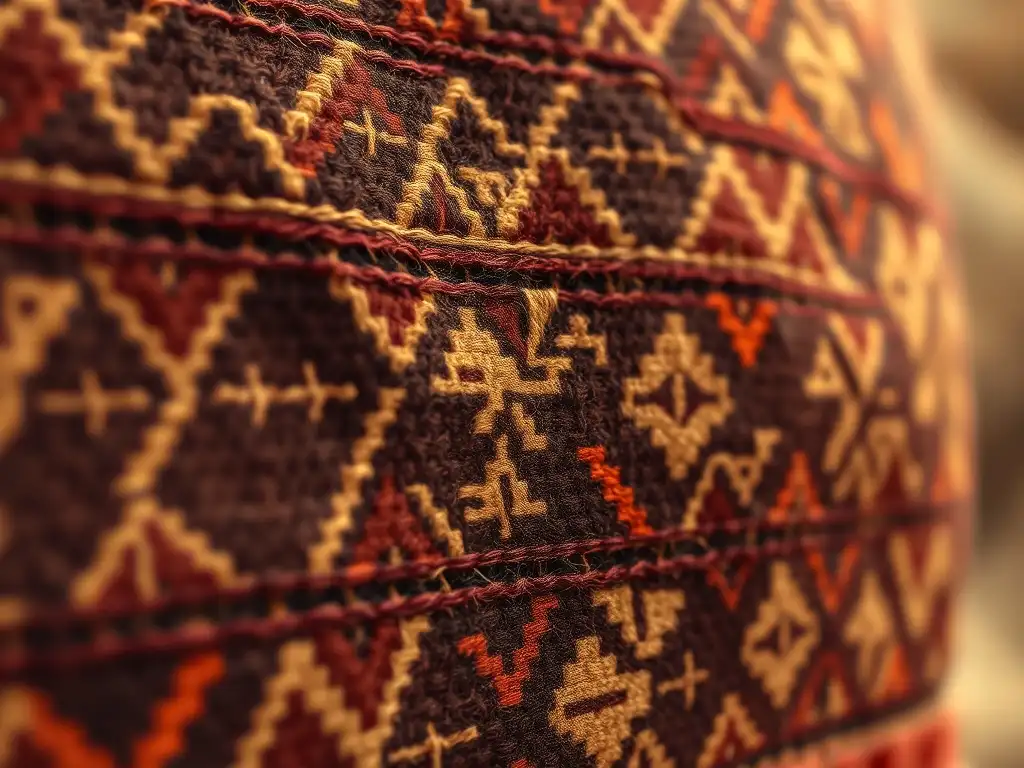
The legacy of Inca textile weaving techniques extends far beyond the empire's demise. The sophisticated artistry and innovative techniques employed by Inca weavers continue to inspire and influence Andean cultures today. Their mastery of complex weaving patterns, vibrant color palettes derived from natural dyes, and the use of diverse materials like alpaca, llama, vicuña, and cotton, remain a source of pride and a powerful symbol of cultural identity.
The intricate designs, often incorporating symbolic motifs representing deities, animals, and agricultural cycles, tell stories of Inca beliefs, societal structures, and daily life. Understanding these techniques provides a deeper appreciation for the Inca civilization's ingenuity and its lasting impact on the Andean world. The enduring power of Inca textile traditions is a testament to the skill and creativity of the artisans who created them, and their legacy continues to shape the cultural landscape of the Andes.
Analysis of surviving textiles reveals a remarkable level of standardization in certain aspects, suggesting a centralized system of production and distribution that was crucial to the empire's economic and political stability. This standardization, however, coexisted with remarkable regional variations in style and technique, showcasing the diverse artistic expression within the empire.
Influence of Inca Textile Art on Contemporary Andean Culture
Inca textile art continues to exert a profound influence on contemporary Andean culture. Many communities across the Andes maintain traditional weaving practices, drawing inspiration from Inca techniques and motifs. The vibrant colors, intricate patterns, and symbolic imagery found in Inca textiles are frequently incorporated into modern garments, tapestries, and other handcrafted items.
This enduring legacy is evident in the continued use of natural dyes, the preservation of ancient weaving techniques, and the perpetuation of symbolic designs that reflect Inca cosmology and worldview. For example, the use of specific knotting techniques, like the khipu (a complex system of knotted strings used for record-keeping), has found renewed interest and is being studied and recreated. Contemporary Andean artisans often blend traditional techniques with modern innovations, creating unique pieces that reflect both their heritage and contemporary artistic sensibilities.
This dynamic interaction between past and present underscores the enduring vitality of Inca textile traditions. The economic impact is also significant; the production and sale of textiles based on Inca designs provides a livelihood for many Andean communities, contributing to the preservation of cultural heritage and economic sustainability.
Preserving Inca Textile Traditions
Preserving Inca textile traditions requires a multi-pronged approach that combines meticulous research, community engagement, and educational initiatives. Efforts to document and analyze existing Inca textiles are crucial in understanding the techniques, materials, and symbolic meanings embedded within these artifacts. Moreover, collaboration with Andean communities is essential to ensure that traditional knowledge and practices are passed down through generations.
This involves supporting artisan workshops, providing access to resources and training, and creating platforms for the exchange of knowledge among weavers. Educational programs that promote the study of Inca textile art can foster a deeper appreciation for this rich cultural heritage among younger generations. Museums and cultural institutions play a vital role in preserving and showcasing Inca textiles, both through exhibitions and research initiatives.
Furthermore, the development of sustainable practices in sourcing raw materials, like alpaca and llama fiber, is crucial to ensure the long-term viability of traditional weaving. These efforts are not merely about preserving artifacts; they are about safeguarding a living cultural tradition and empowering Andean communities to maintain their unique heritage. The protection of intellectual property related to these designs is also a critical aspect of preservation.
Notable Collections of Inca Textiles
Several notable collections around the world house significant examples of Inca textiles, providing invaluable resources for research and public appreciation. These collections often include intricately woven garments, tapestries, and fragments of cloth, each offering insights into Inca weaving techniques, materials, and artistic styles. Many museums curate these collections, meticulously preserving and researching these fragile artifacts.
The study of these textiles helps researchers understand the social and economic organization of the Inca empire, as well as the artistic skills and symbolic language employed by Inca weavers. Cataloging these collections, often with detailed descriptions and high-resolution images, makes this knowledge accessible to researchers and the public alike. The careful conservation and preservation of these textiles are paramount to ensure their longevity and continued contribution to our understanding of Inca culture.
The ongoing research and analysis of these collections constantly reveal new insights into the complexity and sophistication of Inca weaving, enriching our understanding of this remarkable civilization. These collections serve as a testament to the enduring legacy of Inca textile art and its importance in understanding Andean history and culture. The sheer variety of techniques and designs found within these collections underscore the creativity and expertise of Inca artisans.
Inca Textile Conservation: Challenges and Solutions
The preservation of Inca textiles presents significant challenges due to the age and fragility of the materials. These exquisite examples of Inca weaving techniques, often crafted from camelid fibers like alpaca and vicuña, are susceptible to various forms of deterioration. Understanding these challenges is crucial for developing effective conservation strategies to safeguard this invaluable cultural heritage for future generations.
The delicate balance between preserving the original material and making it accessible for study and appreciation requires a multi-faceted approach. The long-term goal is not just to halt deterioration, but to improve the overall condition of these fragile artifacts, allowing for continued research and public engagement with Inca textiles and weaving techniques.
Conservation Methods for Ancient Inca Textiles
A range of sophisticated techniques are employed in the conservation of ancient Inca textiles. These methods often involve a careful balancing act, prioritizing minimal intervention to preserve the integrity of the original artifact while addressing immediate threats to its stability. The process typically begins with a thorough assessment, documenting the textile's current condition, including its physical state, the types of fibers used, and any existing damage. This detailed analysis informs the subsequent conservation plan.
- Cleaning: This crucial step often involves gentle dry cleaning methods to remove surface dirt and pollutants. Wet cleaning is generally avoided due to the risk of fiber damage and color fading. Specialized tools and techniques, such as vacuuming with low suction and the use of soft brushes, are employed to minimize any potential harm. The choice of cleaning method is dictated by the specific textile's composition and condition.
- Repair and Consolidation: Tears, holes, and weakened areas may require careful repair. This often involves the use of compatible materials, such as fine linen or silk threads, to mend damaged sections. The goal is to strengthen the textile without altering its original structure or obscuring its aesthetic qualities. Consolidation techniques may also be used to stabilize fragile areas, preventing further deterioration.
- Pest Control: Insects and other pests can cause significant damage to textile fibers. Regular monitoring and preventative measures, such as controlled environments with appropriate temperature and humidity levels, are essential. In cases of infestation, specialized pest control methods may be necessary. These methods must be carefully chosen to avoid damaging the textile fibers.
- Storage and Display: Proper storage conditions are paramount for long-term preservation. This involves maintaining stable temperature, humidity, and light levels to minimize deterioration. Acid-free storage materials are utilized to prevent further damage. When textiles are displayed, controlled lighting and careful handling procedures are implemented to minimize exposure to environmental factors and physical stress.
Environmental Factors Affecting Inca Textile Preservation
The environment plays a crucial role in the deterioration of Inca textiles. Several factors contribute to the degradation of these delicate artifacts, necessitating careful control of environmental conditions during storage and display. Understanding these factors is key to developing effective preservation strategies.
- Light Exposure: UV radiation from sunlight and artificial light sources can cause significant fading and weakening of textile fibers. Controlled lighting, with UV filters, is crucial to minimize this damage. The prolonged exposure to bright light can lead to significant color loss and fiber degradation in a relatively short time. This is particularly problematic for vibrant, naturally dyed Inca textiles.
- Humidity and Temperature Fluctuations: Extreme variations in humidity and temperature can cause significant damage to textile fibers. High humidity can promote mold and mildew growth, while low humidity can lead to embrittlement and fiber breakage. Maintaining stable environmental conditions is essential to prevent these issues. The ideal conditions vary slightly depending on the specific textile and its composition but maintaining a stable environment is crucial.
- Pollution: Air pollutants, such as acidic gases, can react with textile fibers, causing discoloration and weakening. Controlling air quality in storage and display areas is important to minimize this damage. Air filtration systems can be used to reduce the impact of pollution on vulnerable textiles.
- Pests: Insects and other pests can cause significant damage by feeding on textile fibers. Regular monitoring and preventative measures, such as controlled environments and the use of appropriate insecticides (when absolutely necessary and carefully applied), are crucial to protect Inca textiles from these threats. Early detection and intervention are critical to preventing extensive damage.
The preservation of Inca textiles requires a comprehensive and ongoing commitment to research, development, and implementation of best-practice conservation techniques. Careful consideration of these challenges and the application of appropriate solutions are essential to ensure the survival of this irreplaceable cultural legacy. The continued study of Inca textiles and weaving techniques allows for a deeper understanding of the Inca Empire's sophisticated artistry and technological advancements. Furthermore, the careful preservation of these artifacts ensures that future generations can appreciate the skill and artistry of Inca weavers.
Frequently Asked Questions
What makes Inca textiles so unique?
Inca textiles are renowned for their exceptional quality, intricate designs, and the variety of techniques used, including complex weaving patterns and the use of multiple colors from natural dyes. They reflect a high level of artistic skill and social status.
What materials did the Inca use for their textiles?
The Inca primarily used alpaca, llama, and vicuña fibers, chosen for their softness, strength, and warmth. Cotton was also used, particularly in warmer regions.
How did Inca weaving techniques differ from other Andean cultures?
While sharing some similarities with other Andean cultures, Inca weaving distinguished itself through its scale of production, sophistication of designs, and the use of specialized techniques like double-faced tapestry weaving. They also employed a wider range of colors and patterns.
What was the significance of textiles in Inca society?
Textiles held immense social and religious significance in Inca society. They were used to denote status, mark occasions, and were integral to religious ceremonies. Fine textiles were often given as gifts or used as tribute.
Where can I learn more about Inca textile weaving techniques?
To delve deeper into Inca textile weaving techniques, explore reputable museums with Andean collections, academic journals, and books focusing on Inca art and technology. Many online resources also offer valuable information.
Final Reflection: The Enduring Legacy of Inca Textile Mastery
The intricate artistry of Inca textiles continues to resonate today, a testament to the ingenuity and cultural richness of a civilization lost to time. Their sophisticated weaving techniques, far from being relics of the past, offer invaluable insights into sustainable practices and artistic innovation that remain relevant in our modern world, challenging us to reconsider our relationship with materials and craftsmanship.
The enduring power of Inca textiles lies not only in their technical brilliance but also in their ability to communicate stories, beliefs, and social structures across generations. Their vibrant colors and symbolic designs speak volumes about the Inca worldview, a legacy that continues to inspire contemporary artists and designers. The textiles are not merely cloth; they are living history, vibrant with the spirit of a people.
This quote encapsulates the profound impact of these artifacts, reminding us of the interconnectedness between art, culture, and identity.
Consider the meticulous detail, the innovative use of natural dyes, and the sheer skill involved in creating these masterpieces. You, the reader, are now equipped with a deeper understanding of Inca weaving techniques. Let this knowledge inspire you to appreciate the artistry inherent in all forms of craftsmanship, to value sustainability in your own choices, and to seek out the stories woven into the fabric of our shared human experience. Let the legacy of the Inca weavers continue to inspire your own creativity and respect for the enduring power of art.
Unveil the Riches of Inca Textile Artistry!
Thank you for exploring the captivating world of Inca textiles with us! You've gained insights into the intricate artistry and cultural significance of weaving in ancient Peru. Now, let's deepen your appreciation and immerse you further in the vibrant legacy of Andean civilizations.
Here are some ways to continue your exploration:
- Participate in a hands-on weaving workshop: Experience the magic of textile creation firsthand by working alongside artisans who continue these ancient traditions.
- Explore online museum collections: Discover virtual exhibitions showcasing Inca textiles and delve deeper into their symbolism and craftsmanship.
- Share your passion: Discuss Inca weaving with friends and family, or share your newfound knowledge on social media to inspire others to appreciate this rich heritage.
What aspect of Inca textile artistry most captivates you, and how will you continue to explore it?