
Conquered Peoples: How the Incas Integrated Diverse Societies

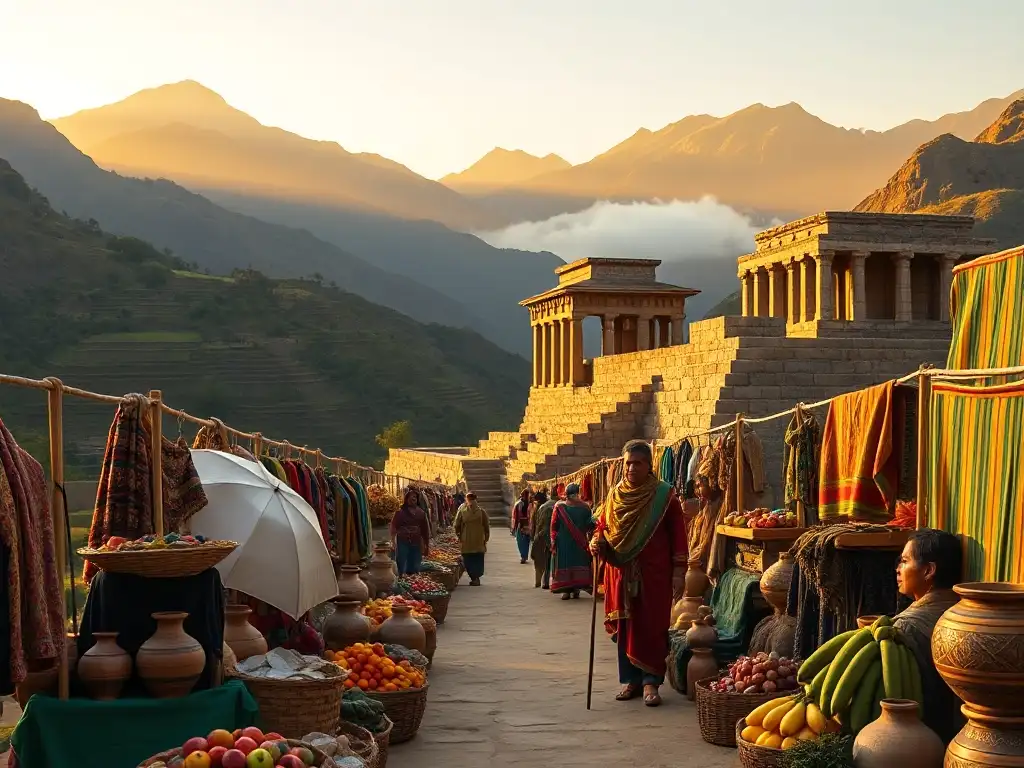
Step into a world lost to time, yet echoing with the whispers of empires past. Andean Civilizations unveils the fascinating tapestry of ancient Andean societies, their breathtaking artistry, and ingenious innovations. But how did the Incas, masters of dominion, manage to unite such a diverse landscape? Discover the secrets behind their Inca integration strategies, a complex system that shaped the fate of a continent. Unravel the mysteries of their power and the enduring legacy they left behind—a legacy you're about to explore.
- Inca Integration Strategies: Unveiling the Methods of Imperial Consolidation
- Methods of Inca Integration: Building a Unified Empire
- Challenges and Resistance to Inca Integration
- The Legacy of Inca Integration Strategies
-
Frequently Asked Questions
- What were the Inca's main strategies for integrating conquered peoples?
- How did the Inca manage diverse languages and cultures within their empire?
- What role did infrastructure play in Inca integration?
- How did the Inca use religion to consolidate their power?
- What were some of the challenges the Inca faced in integrating conquered societies?
- Final Reflection: The Enduring Legacy of Inca Integration
- Unveil the Power of Integration: Take Action Today!
Inca Integration Strategies: Unveiling the Methods of Imperial Consolidation
The Inca Empire, a vast and sophisticated civilization that flourished in the Andes Mountains, stands as a testament to remarkable political and administrative prowess. Its success wasn't solely reliant on military might; rather, the Incas implemented sophisticated strategies for integrating conquered peoples into their empire, ensuring both stability and the extraction of resources.
This article delves into the multifaceted approaches employed by the Incas to consolidate their power and create a cohesive, albeit hierarchical, society. We will explore the diverse pre-Inca landscape, examine the Inca's rise to power, and analyze their key integration strategies – a crucial element in understanding the Inca Empire's longevity and influence.
Understanding these "Inca integration strategies" provides valuable insight into the complexities of imperial control and the lasting impact on Andean societies. The effective management of conquered populations was not simply a matter of brute force, but a complex interplay of political maneuvering, economic incentives, and cultural adaptation.
The Foundation of Inca Expansion: Understanding the Pre-Imperial Landscape
Diverse Andean Societies Before Inca Dominance
Before the Inca Empire's rise, the Andes were a patchwork of diverse and independent societies. These groups, though geographically proximate, varied significantly in their political structures, economies, and cultural practices. Some, like the Chimu on the northern coast, had established powerful kingdoms with sophisticated irrigation systems and urban centers.
Others, in the highlands, were organized into smaller, more localized communities. This complex mosaic of cultures presented both challenges and opportunities for the expanding Inca state. The Incas faced the formidable task of unifying these disparate groups under a single rule, a feat that required more than just military strength.
The pre-existing social structures and power dynamics within each conquered territory played a crucial role in shaping the Incas' integration strategies. Understanding this pre-existing social fabric is essential to comprehending the nuances of Inca imperial control. The diversity itself, while initially a challenge, also provided the empire with a wide range of resources and skills.
The Inca Rise to Power: A Brief Overview
The Inca Empire's expansion wasn't a sudden event. It was a gradual process, beginning in the Cusco region around the 13th century. Through strategic alliances, shrewd diplomacy, and military prowess, the Incas steadily expanded their territory, absorbing neighboring communities.
Early successes fostered a snowball effect, with each conquered territory adding to their resources and manpower. However, simply conquering wasn't enough; the Incas needed to effectively govern and integrate these diverse populations to maintain control and stability across their vast empire. This required a sophisticated understanding of the local cultures and the implementation of strategies that minimized resistance while maximizing resource extraction.
The Incas' ability to adapt their approach to different regions and societies was a key factor in their success. Their strategic use of both force and diplomacy allowed them to build a remarkably stable and extensive empire, a feat that continues to fascinate historians and scholars today. The following sections will delve deeper into the specific strategies employed by the Incas to achieve this impressive feat of imperial integration.
Methods of Inca Integration: Building a Unified Empire
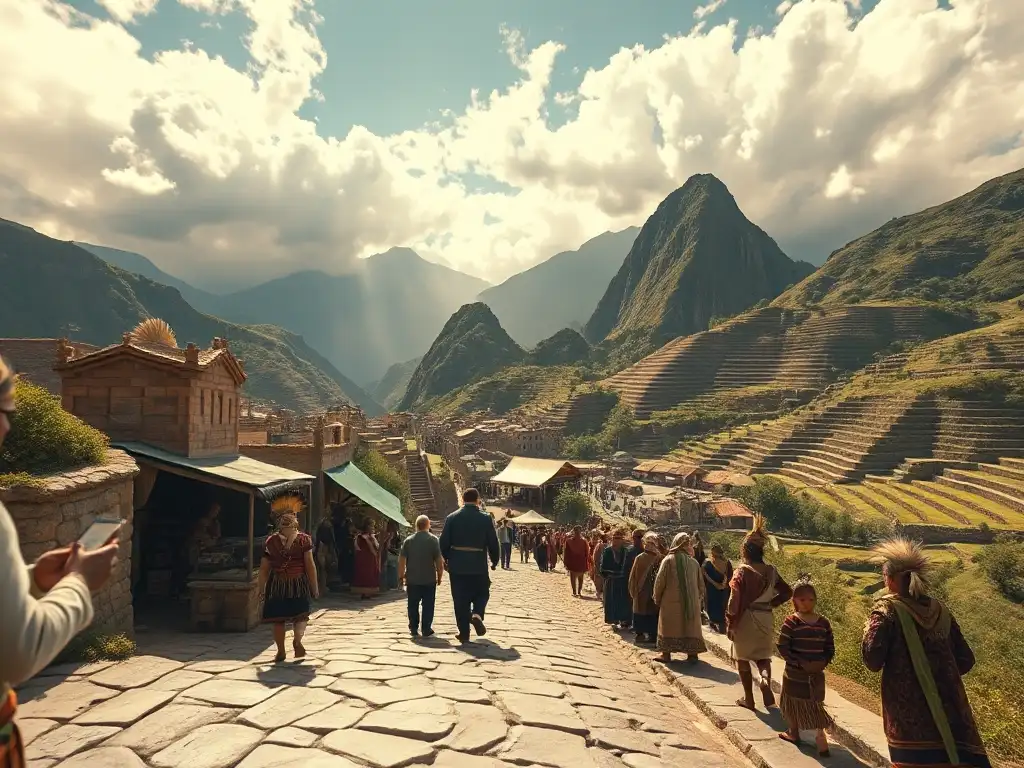
The Inca Empire's remarkable success wasn't solely due to military might. Their ability to integrate diverse and often previously antagonistic societies into a unified political and economic system is a testament to sophisticated strategies of Inca integration. This integration, achieved through a combination of political, economic, and cultural mechanisms, allowed the empire to flourish for over a century. Understanding these strategies reveals a complex and nuanced approach to empire building, far beyond simple conquest.
Political Integration: Establishing Control and Loyalty
The Incas implemented a sophisticated system of political control to manage their vast and diverse empire. This wasn't merely about brute force; it involved carefully balancing central authority with local autonomy to foster loyalty and minimize rebellion. The success of this approach is evident in the empire's longevity and relative stability.
Inca Governance Structures: Delegating Power
The Inca administration was a hierarchical structure, with the Sapa Inca at its apex. However, direct rule was impractical across such a vast territory. Instead, the Incas delegated power through a system of governors ( tukuy rikuq ) and regional administrators. This decentralized approach allowed for more efficient governance and responsiveness to local needs, while simultaneously maintaining central control. The appointment of these officials was carefully considered, balancing the need for loyalty with administrative competence. Records suggest a preference for individuals with proven leadership skills from within the conquered populations.
Appointment of Curacas: Local Leaders Under Inca Rule
To maintain a degree of local control and minimize resistance, the Incas often kept existing local leaders, the curacas, in power. However, these curacas were now subordinate to Inca authority. They were responsible for collecting taxes, organizing labor, and ensuring compliance with Inca laws. This strategy cleverly utilized existing power structures, minimizing disruption and fostering cooperation. The curacas often received privileges and rewards for their loyalty, incentivizing compliance and reducing the likelihood of rebellion. Failure to comply, however, resulted in swift and decisive action.
The Mit'a System: Labor Obligations and Social Cohesion
The mit'a system, a form of mandatory labor service, was a cornerstone of Inca economic and social organization. While it might seem exploitative, it served a crucial purpose in integrating conquered populations. By requiring all able-bodied individuals to contribute to public works projects – from building roads and temples to farming state lands – the mit'a fostered a sense of collective responsibility and shared identity.
This system ensured the construction of monumental infrastructure and also provided a means of social control, binding diverse groups together through shared experiences. The rotation of individuals through various mit'a assignments also minimized the resentment that might result from prolonged servitude in a single location.
Imposition of the Inca Language: Quechua as a Unifying Tool
The spread of the Quechua language significantly contributed to the integration of the empire. While not forcibly imposed in all areas, Quechua became the lingua franca of administration and trade, facilitating communication and interaction between diverse groups. This linguistic unification fostered cultural exchange and a sense of shared identity, further solidifying the empire's cohesion. It's important to note, however, that other languages continued to be spoken, reflecting the empire's policy of incorporating, rather than eradicating, local cultures.
Economic Integration: Resource Management and Distribution
The Inca's economic policies were as crucial to their integration strategies as their political ones. A sophisticated system of resource management and redistribution ensured food security and economic stability across the empire, fostering loyalty and minimizing the potential for conflict.
Agricultural Innovations: Adapting to Diverse Ecologies
The Incas weren't just conquerors; they were skilled agriculturalists. They adapted and improved existing farming techniques, introducing innovations such as terracing, irrigation systems, and the cultivation of new crops to different ecological zones. This led to increased agricultural productivity across the empire, ensuring sufficient food supplies even in challenging environments. This agricultural success was fundamental to the empire's stability and its ability to support a large population.
Redistribution of Resources: Ensuring Food Security
The Inca state controlled the production and distribution of resources. Surplus agricultural products and other goods were stored in state warehouses ( qollqas) and redistributed to areas facing shortages. This system ensured food security across the empire, mitigating the impact of droughts and other natural disasters. This redistribution wasn't merely charitable; it was a strategic tool for maintaining social order and preventing unrest caused by food scarcity.
Road Network (Qhapaq Ñan): Facilitating Trade and Movement
The extensive road network, the Qhapaq Ñan, was a vital component of Inca economic integration. This network facilitated the movement of goods, people, and information across the empire, connecting distant regions and fostering economic exchange. The roads also enabled the rapid deployment of troops and administrative officials, strengthening central control and ensuring the swift response to any potential threats. The Qhapaq Ñan stands as a testament to Inca engineering prowess and its crucial role in empire-wide integration.
Inca Taxation System: Regulating Tribute and Labor
The Inca taxation system wasn't simply about extracting wealth; it was a sophisticated mechanism for regulating the flow of resources and labor across the empire. Tribute was collected in the form of goods, labor, and sometimes even military service. This system ensured a steady supply of resources for the state and also provided a means of controlling the labor force.
The careful management of this system contributed to the empire's economic stability and its ability to fund large-scale public works projects. The system, while demanding, was vital to the smooth functioning of the Inca state and its ability to support its vast population.
The Inca Empire's success wasn't solely based on military might; a sophisticated strategy of cultural integration played a crucial role in solidifying its vast dominion. The Inca leadership understood that a unified empire required more than just conquered territories; it needed a shared sense of identity and purpose. This involved a multifaceted approach, weaving together various aspects of Andean life to create a cohesive, albeit hierarchical, society.
The Inca's approach wasn't simply a forceful imposition of their culture, but a more nuanced strategy involving both adaptation and adaptation, a blend of coercion and cooperation that ensured a degree of cultural exchange alongside the clear dominance of Inca ideology. This complex approach to cultural integration is a key aspect of understanding the Inca's long-term success in maintaining their empire.
The effectiveness of these strategies is reflected in the relatively peaceful integration of many conquered populations, at least for a period of time before later rebellions. The Inca strategy was remarkably effective in creating a sense of shared identity among diverse groups, although the degree of voluntary participation versus enforced conformity remains a subject of ongoing scholarly debate.
Imposition of Inca Religion: The Cult of Inti
Central to the Inca's cultural integration strategy was the propagation of their religious beliefs, primarily the worship of Inti, the sun god. The Inca didn't simply tolerate other religions; they actively promoted the cult of Inti throughout the empire. Temples dedicated to Inti were constructed in conquered cities, and priests were dispatched to oversee religious ceremonies and enforce adherence to Inca religious practices.
This wasn't merely a religious matter; it was a powerful tool for political control. By establishing Inti as the supreme deity, the Inca emperors implicitly linked their own authority to the divine, reinforcing their legitimacy as rulers. The enforcement of Inti's worship served to standardize religious practices across the vast empire, creating a shared religious framework that transcended regional differences.
Resistance to religious conversion was likely met with varying levels of force depending on the context and the perceived threat to Inca power. We know from archaeological and historical accounts that while the Inca imposed their religious practices, they also incorporated elements of local beliefs into the broader Inca religious system, a strategy that helped to facilitate a smoother integration process.
Inca Art and Architecture as Propaganda Tools
Inca art and architecture served as potent tools of cultural integration and propaganda, reinforcing the Inca's power and authority. Monumental structures, such as impressive stonework in cities like Machu Picchu and Ollantaytambo, served not just as practical buildings but as powerful symbols of Inca dominance. The sheer scale and precision of Inca architecture instilled awe and respect among the conquered populations, subtly conveying the might and sophistication of the empire.
Furthermore, Inca art often depicted scenes of imperial power and conquest, further reinforcing the message of Inca supremacy. The standardized styles of Inca architecture and art helped to create a visual unity across the diverse regions of the empire, contributing to the sense of shared cultural identity.
The use of standardized building materials, techniques, and artistic motifs also played a significant role in the Inca's ability to create a sense of cultural unity across their vast empire. This visual uniformity served as a powerful reminder of the Inca's dominance and the empire's overarching cultural framework.
Cultural Exchange and Assimilation: Local deities incorporated into Inca pantheon
While the Inca actively promoted the cult of Inti, they also demonstrated a degree of pragmatism in their religious policies. Rather than completely suppressing local deities, they often incorporated them into the broader Inca pantheon. This strategy, while seemingly contradictory to the imposition of Inti worship, was a shrewd tactic for minimizing resistance and fostering a sense of inclusion.
By acknowledging and integrating aspects of local belief systems, the Inca avoided direct confrontation and potentially violent clashes with religious traditions. This incorporation of local deities into the Inca religious framework helped to create a more inclusive religious landscape, making it easier for conquered peoples to adapt to the Inca's rule.
The process of integration often involved syncretism, where local deities were reinterpreted within the context of Inca cosmology, ultimately enhancing the legitimacy of Inca rule. Archaeological evidence, such as the presence of local shrines within Inca complexes, supports this nuanced approach to religious integration.
The Role of Inca Nobility in Spreading Culture
The Inca nobility played a crucial role in the empire's cultural integration strategy. Members of the Inca aristocracy, often stationed in newly conquered territories, acted as agents of cultural transmission. They introduced Inca customs, language (Quechua), and religious practices, overseeing the construction of Inca-style buildings and promoting the adoption of Inca agricultural techniques.
The Inca nobility's presence served as a constant reminder of imperial power, subtly reinforcing the Inca's dominance. However, the Inca's approach wasn't simply one of forceful imposition. They also fostered relationships with local elites, often integrating them into the Inca administrative structure, thus creating a system of shared power and governance.
This strategy facilitated the transmission of Inca culture and values while mitigating potential resistance. The strategic placement of Inca nobles, alongside the incorporation of local elites, was a key component of the Inca's successful integration of diverse societies. This hierarchical, yet collaborative, approach helped ensure that the cultural integration process was more effective and less prone to widespread uprisings.
Challenges and Resistance to Inca Integration
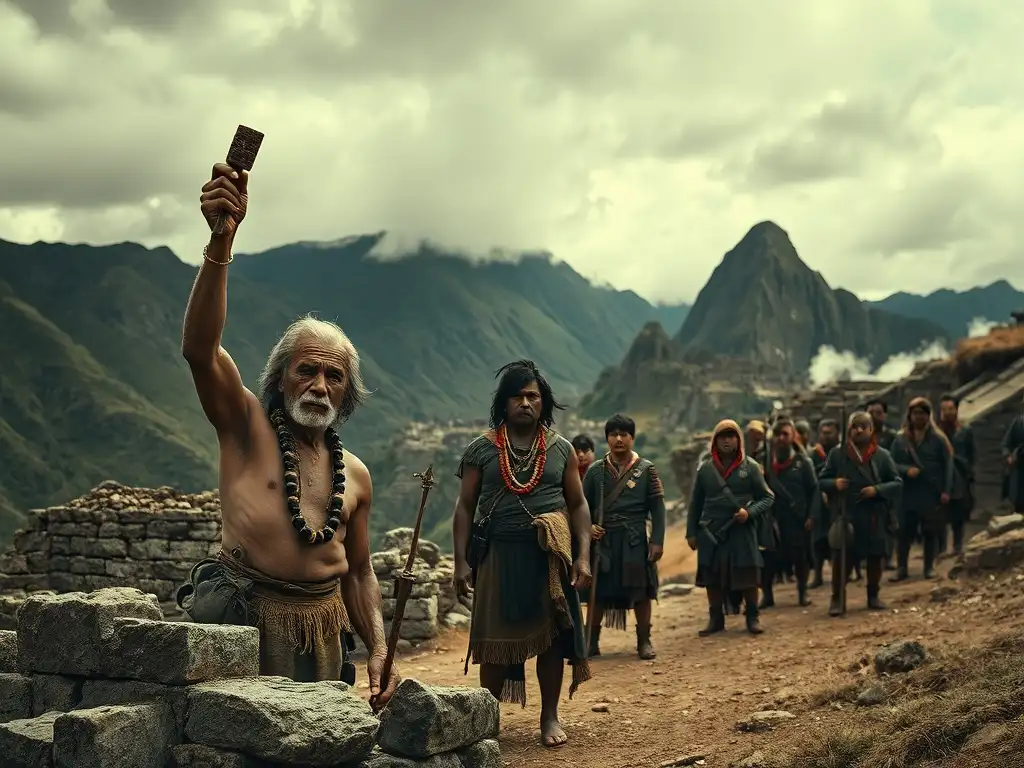
The Inca Empire's remarkable expansion, fueled by sophisticated military tactics and administrative prowess, wasn't achieved without significant challenges. While the Incas implemented effective integration strategies, resistance to their rule was widespread and persistent, manifesting in various forms throughout the vast empire. Understanding these challenges is crucial to appreciating the complexities of Inca imperial control and the diverse responses of conquered peoples.
The success of Inca integration strategies varied considerably depending on factors such as the pre-existing social structures of the conquered populations, the proximity to the imperial center, and the effectiveness of Inca administrative strategies in each specific region. The keyword "Inca integration strategies" is central to understanding both the successes and failures of Inca rule.
Rebellions and Uprisings: The Chanka Rebellion
One of the most significant challenges to Inca expansion and a prime example of resistance against Inca integration strategies was the Chanka Rebellion. The Chankas, a powerful pre-Inca group inhabiting the region south of Cusco, posed a serious threat to the nascent Inca state. Their fierce resistance delayed Inca expansion for decades and tested the limits of Pachacuti's early military and administrative capabilities.
The Chanka rebellion wasn't a singular event but rather a series of conflicts spanning several years. The Chankas employed effective guerrilla warfare tactics, utilizing their knowledge of the terrain to their advantage. The eventual Inca victory, under Pachacuti, was hard-fought and involved significant military and political maneuvering.
This victory, however, was not a complete subjugation; the Chankas maintained a degree of autonomy and cultural identity even after their incorporation into the empire. This highlights the limitations of even the most successful Inca integration strategies. The aftermath of the Chanka rebellion saw the Incas implement more robust control mechanisms in conquered territories, further refining their integration strategies.
Local Adaptations and Resistance: Maintaining local weaving traditions
While the Incas imposed a centralized administrative structure and demanded tribute, they also exhibited a degree of pragmatism in their approach to governance. This is evident in the adaptation and integration of local traditions, particularly in the realm of textiles. Weaving was a highly significant craft throughout the Andes, with each region possessing unique styles, techniques, and symbolic meanings.
The Incas, rather than attempting to suppress these diverse traditions, often incorporated them into the imperial system. For example, elite Inca textiles frequently incorporated elements of conquered peoples' designs and techniques. However, this was not a simple act of cultural appropriation; the use of specific weaving styles often carried symbolic meanings, reflecting the status and power dynamics within the empire.
The continued production of regionally distinct textiles can be viewed as a form of subtle resistance. While outwardly complying with Inca demands, local weavers subtly maintained their cultural identity through the very act of textile production. This illustrates a complex interplay between Inca integration strategies and local adaptations, where conformity and resistance existed simultaneously.
Limits of Inca Control: The Amazonian fringe
The vastness and geographical diversity of the Inca Empire presented considerable challenges to effective governance. The Amazonian rainforest, with its challenging terrain and diverse indigenous populations, represented a particularly difficult area to control. Unlike the more easily accessible highlands, Inca integration strategies in the Amazon were significantly less effective. The dense jungle hindered communication and transportation, limiting the Incas' ability to exert their authority.
Moreover, the diverse Amazonian tribes, often organized into small, relatively independent groups, proved far more resilient to Inca control than the larger, more centralized societies of the Andes highlands. While the Incas attempted to establish settlements and extract resources from the Amazonian fringe, their influence remained largely superficial. Evidence suggests that many Amazonian groups maintained a considerable degree of autonomy, effectively resisting full Inca integration.
This demonstrates the inherent limits of even the most sophisticated Inca integration strategies when confronted with the challenges of a vastly different environment and diverse, resilient populations. Further research is needed to fully understand the nuances of Inca interactions with Amazonian communities and the long-term impact of these encounters. [Specific information pending: Detailed archaeological findings on Inca settlements in the Amazon].
The Legacy of Inca Integration Strategies
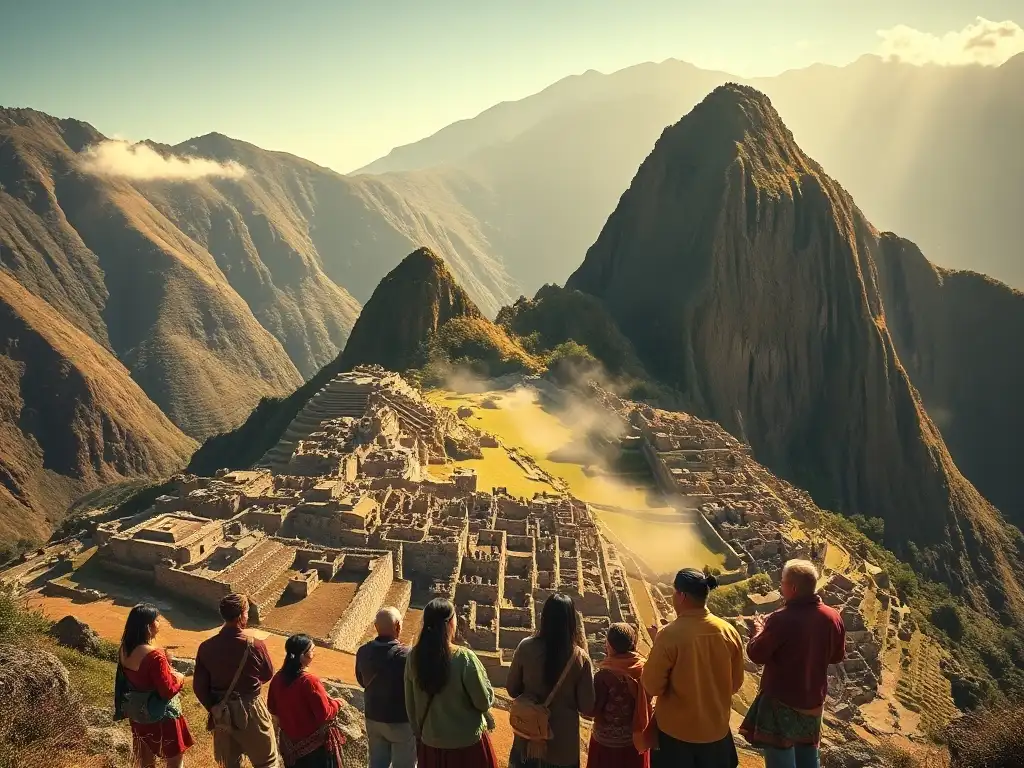
The Inca Empire's success wasn't solely reliant on military might; its sophisticated integration strategies played a crucial role in consolidating power and maintaining control over a vast and diverse territory. Understanding these strategies provides key insights into the empire's longevity and the lasting impact on Andean societies. The effectiveness of Inca integration, however, is a complex issue, with both positive and negative consequences for conquered peoples.
This section explores the enduring legacy of Inca integration policies, examining both their successes and failures. Analyzing these strategies allows us to understand not just the Inca's approach to empire building, but also the broader dynamics of power and cultural exchange in pre-Columbian South America. The keyword "Inca integration strategies" is central to understanding this lasting impact.
Lasting Impact on Andean Societies
The Inca's integration policies left an indelible mark on Andean societies. One of the most significant legacies is the standardization of certain aspects of life across the empire. The Inca implemented a unified system of administration, taxation (through mita), and record-keeping using quipus.
This resulted in a degree of economic and political uniformity never before seen in the region. The construction of extensive road networks, chasquis (relay runners) systems, and strategically placed storehouses ( qollqas) facilitated communication and trade, binding the empire together. These infrastructural achievements not only improved logistics but also fostered cultural exchange and a sense of shared identity, albeit a hierarchical one.
The impact of this integration is still visible in the Andean region today, in the form of linguistic features, agricultural practices, and even certain social structures. The construction of impressive public works projects, like Machu Picchu and Sacsayhuamán, served not only a practical purpose but also as symbols of Inca power and the integration of diverse labor forces. Analyzing the long-term effects of these strategies reveals a complex picture of both coercion and cooperation, highlighting the nuanced nature of Inca rule.
Lessons in Empire Building: A Comparative Perspective
Comparing the Inca's integration strategies with those of other empires provides valuable context. While the Roman Empire relied heavily on military force and the granting of citizenship, the Inca employed a more subtle yet effective approach. They strategically incorporated local elites into the administrative system, co-opting existing power structures rather than completely dismantling them.
This approach, while often involving forced labor and resettlement, minimized widespread rebellion and allowed for a smoother transition of power. Unlike the Roman Empire's assimilationist policies, the Inca maintained a degree of cultural diversity within the empire, though always under strict imperial control. This contrasts with, for example, the strategies employed by the Aztec Empire, which relied more heavily on tribute and less on integration.
Examining these differences highlights the unique challenges and opportunities faced by each empire and the various ways in which they attempted to manage their diverse populations. Further research comparing these different approaches could illuminate the most effective methods for managing large and diverse populations, especially in the context of empire building.
The complex legacy of forced integration
While the Inca integration strategies fostered a degree of unity and facilitated economic development, it's crucial to acknowledge the coercive aspects of the system. The mita system, while providing labor for large-scale public works, was a form of forced labor that often resulted in the exploitation and suffering of conquered peoples. Resettlement programs, designed to consolidate populations and control resources, disrupted traditional social structures and caused significant hardship for many communities.
The suppression of local religious practices and the imposition of Inca beliefs further contributed to a sense of cultural loss and resentment. The legacy of forced integration therefore presents a complex picture, marked by both advancements and oppression. A balanced understanding of Inca integration requires acknowledging both the positive contributions and the negative consequences of these policies, recognizing the human cost of empire building.
Understanding this complex legacy requires a critical examination of the sources and a sensitivity to the diverse experiences of Andean communities under Inca rule. Further research into the lived experiences of individuals within the Inca Empire is crucial to fully appreciate the impact of Inca integration strategies.
Frequently Asked Questions
What were the Inca's main strategies for integrating conquered peoples?
The Inca employed several key strategies, including military control, resettlement programs, and the implementation of their administrative and religious systems. This ensured loyalty and facilitated resource extraction.
How did the Inca manage diverse languages and cultures within their empire?
While Quechua became the official language, the Inca generally tolerated local languages and customs. They appointed local leaders and incorporated elements of conquered cultures into their own, fostering a sense of unity.
What role did infrastructure play in Inca integration?
The extensive road network and efficient communication systems were crucial. They allowed for rapid troop movement, trade, and the transmission of information, strengthening central control and facilitating cultural exchange.
How did the Inca use religion to consolidate their power?
The Inca religion played a vital role. The deification of the Inca ruler and the establishment of state-sponsored religious practices helped unify the empire and promote loyalty, reinforcing their authority.
What were some of the challenges the Inca faced in integrating conquered societies?
Despite their success, the Inca faced challenges like resistance from conquered groups, managing vast distances, and balancing the needs of diverse populations. These issues sometimes led to rebellions and internal conflicts.
Final Reflection: The Enduring Legacy of Inca Integration
The Inca Empire's sophisticated strategies for integrating diverse societies remain a potent example of effective governance and cultural exchange, offering crucial lessons for navigating the complexities of our increasingly interconnected world. The challenges of unifying disparate groups, fostering cooperation, and managing cultural differences are as relevant today as they were centuries ago, demanding innovative solutions that build bridges rather than walls.
The Inca's approach, while undeniably marked by imperial power, also demonstrated a remarkable capacity for adaptation and compromise. Their ability to incorporate local customs and beliefs into a broader imperial framework, while simultaneously promoting a sense of shared identity, is a testament to the power of inclusive governance. The empire was not built on force alone, but on a delicate balance of power, persuasion, and the skillful manipulation of cultural symbols.
This quote highlights the nuanced reality of Inca rule, a reality that challenges simplistic narratives of conquest and oppression. The lasting impact of their integration strategies is visible in the enduring cultural elements present in Andean societies today.
Consider the implications of the Inca's methods. How can we, in our own lives and communities, learn from their successes and failures? You can actively seek to understand diverse perspectives, build bridges across cultural divides, and foster a sense of shared purpose, even amidst differences. Embrace the challenge of creating inclusive environments where collaboration thrives, and remember that the strength of a society lies not in its uniformity, but in its rich tapestry of cultures and experiences. Let the legacy of Inca integration inspire you to build a more just and harmonious world.
Unveil the Power of Integration: Take Action Today!
Thank you for exploring the fascinating world of the Inca and their remarkable ability to unite diverse societies. You've gained insight into how their strategies fostered a rich and unified culture, and now it's time to apply that knowledge!
Here are some ways you can deepen your understanding and make a difference:
- Join a local history group or online community focused on Indigenous cultures to connect with others interested in this important topic.
- Share this article with friends and family and spark a conversation about the importance of cultural understanding in today's world.
- Explore the Aymara or Quechua languages through an app or online course to connect more deeply with the Andean cultures and people.
What aspect of cultural understanding do you believe is most crucial for building stronger communities today?