
The Inca Road System: A Marvel of Ancient Engineering

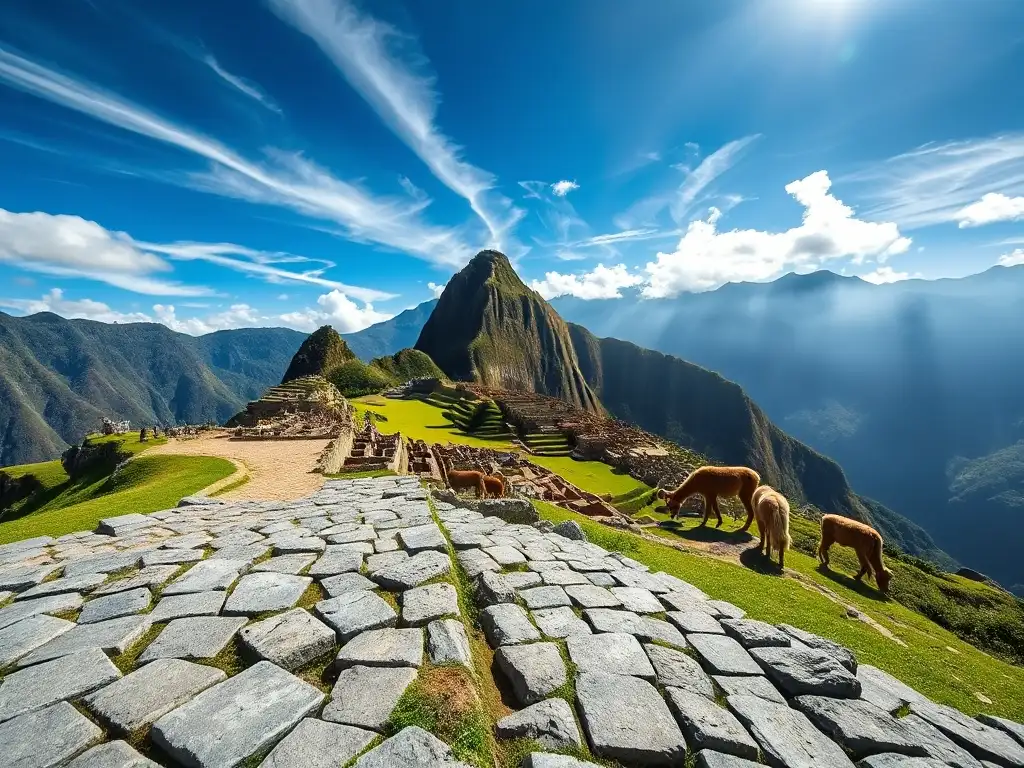
Uncover the secrets of a lost world, where ingenuity knew no bounds. Step into the heart of the Andes and witness the breathtaking legacy of the ancient civilizations, from the artistry of the Nazca lines to the architectural prowess of Tiahuanaco. But prepare to be amazed by the sheer scale and sophistication of Inca road system engineering. This intricate network, a testament to their mastery, is only the beginning of a journey into a fascinating past. Dare to explore further and unravel the mysteries that await...
The Inca Empire, renowned for its sophisticated social structures and impressive architectural feats, relied heavily on a remarkably advanced road network known as the Qhapaq Ñan. This extensive system of roads, spanning thousands of miles across the challenging Andean terrain, served as the vital arteries of the empire, facilitating communication, trade, military movements, and the efficient administration of a vast and diverse population.
Understanding the Inca road system's engineering is key to appreciating the ingenuity and organizational prowess of this remarkable civilization. This article delves into the significance of the Qhapaq Ñan, exploring its purpose, the ingenious engineering principles employed in its construction, and its lasting legacy as a testament to Inca innovation.
We will examine the Inca road system engineering through the lens of its impact on the empire's expansion and consolidation, highlighting its role in unifying diverse populations and facilitating the efficient flow of resources across the vast Andean landscape. This exploration will reveal how the Inca road system engineering contributed significantly to the empire's success and enduring influence.
Understanding the Significance of the Inca Road Network
The Qhapaq Ñan wasn't merely a collection of trails; it was a meticulously planned and executed infrastructure project of unprecedented scale for its time. Its significance extended far beyond simple transportation. The network facilitated the rapid movement of troops, allowing the Inca army to swiftly respond to threats and maintain control over the vast empire.
It also enabled the efficient distribution of goods, ensuring that resources were available where needed, supporting a complex system of tribute and redistribution that underpinned the Inca economy. Furthermore, the roads fostered cultural exchange and communication, connecting diverse ethnic groups and promoting a degree of cultural unity across the empire. The sheer magnitude of the Qhapaq Ñan, its strategic placement, and its adaptability to the challenging Andean geography all speak to the exceptional engineering skills and organizational capabilities of the Inca civilization.
The construction itself involved a significant mobilization of labor and resources, demonstrating the Inca state's ability to organize and manage large-scale projects effectively. This intricate network stands as a powerful symbol of the Inca's mastery of engineering, logistics, and governance.
The Purpose of the Qhapaq Ñan: Unifying the Empire
The primary purpose of the Qhapaq Ñan was to unify the vast Inca Empire. Stretching over approximately 40,000 kilometers, the network connected the far-flung corners of the empire, facilitating communication and the movement of people and goods. This interconnectedness played a crucial role in maintaining political control, allowing the Inca rulers to swiftly respond to rebellions or other challenges to their authority.
The system was not simply a means of transport; it was a powerful tool for political integration and cultural assimilation. The roads connected different regions, fostering cultural exchange and promoting a sense of shared identity among the diverse populations within the empire. The strategic placement of tambos (roadside inns) along the Qhapaq Ñan provided resting places for travelers and served as centers for communication and administration.
These strategically located tambos also played a critical role in collecting and distributing tribute, further strengthening the empire's centralized control. The efficient transport of resources and the rapid communication facilitated by the Qhapaq Ñan were essential to the empire's economic stability and political cohesion.
Engineering Principles Behind the Inca Road System
The Inca road system engineering was a remarkable feat, showcasing the Inca's deep understanding of engineering principles and their ability to adapt to the challenging Andean terrain. The roads were built to withstand the harsh conditions, utilizing techniques such as terracing, retaining walls, and sophisticated drainage systems. The Inca engineers skillfully incorporated the natural landscape into the road design, using existing features such as mountain passes and river valleys to minimize construction time and effort. They employed a variety of materials, including stone, earth, and wood, selecting the most suitable materials for each specific location.
The roads were constructed using advanced techniques such as dry-stone masonry, which involved fitting stones together without the use of mortar. This technique resulted in incredibly strong and durable structures that have withstood the test of time. The Inca's mastery of stonework is evident in the precision and artistry of the road construction.
The Qhapaq Ñan's design also incorporated suspension bridges and other innovative features, demonstrating the Inca's ability to overcome significant geographical obstacles. The ingenuity and skill displayed in the Inca road system engineering remain a testament to their advanced technological capabilities. Detailed studies of surviving sections reveal a sophisticated understanding of gradient and drainage, ensuring the roads remained usable even during heavy rainfall or snow.
- Understanding the Significance of the Inca Road Network
- The Purpose of the Qhapaq Ñan: Unifying the Empire
- Engineering Principles Behind the Inca Road System
- What makes the Inca road system so impressive from an engineering perspective?
- How did the Incas manage to build roads in such challenging mountainous terrain?
- What materials were primarily used in the construction of the Inca roads?
- What was the purpose of the Inca road system beyond simple transportation?
- How did the Inca road system contribute to the Inca Empire's success?
Constructing the Qhapaq Ñan: Techniques and Materials
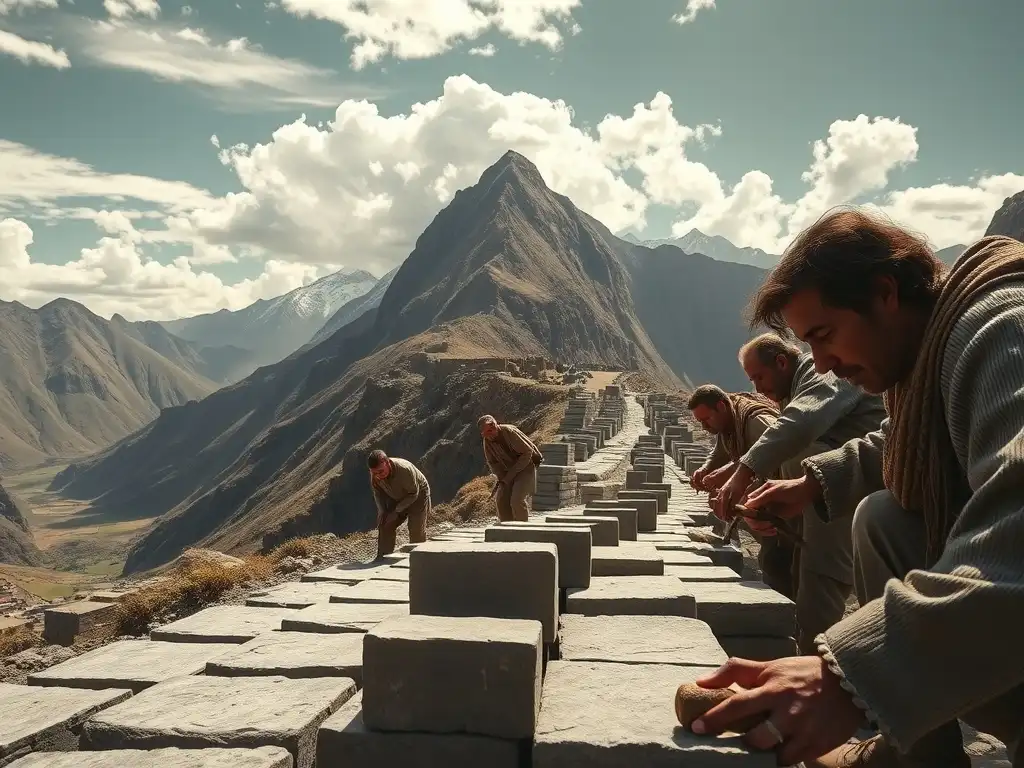
The Inca road system, or Qhapaq Ñan, wasn't just a network of paths; it was a testament to the sophisticated engineering prowess of the Inca civilization. Spanning thousands of miles across diverse and challenging Andean terrains, its construction represents a remarkable feat of ancient engineering, showcasing the Inca's deep understanding of their environment and their ability to adapt construction techniques to overcome formidable obstacles. The Inca road system engineering involved meticulous planning, innovative solutions, and the mobilization of significant human resources. Understanding the techniques and materials employed reveals the ingenuity behind this impressive achievement.
Inca Road Construction Methods: Adapting to Diverse Terrains
Inca road builders weren't limited by standardized methods; instead, they demonstrated remarkable adaptability. Their techniques varied greatly depending on the specific terrain. In mountainous regions, they carved paths directly into the rock face, employing ingenious systems of retaining walls and terraces to stabilize slopes. These walls, often constructed from precisely fitted stones without mortar, are a marvel of dry-stone masonry, showcasing an advanced understanding of structural mechanics. In flatter areas, they utilized a combination of earthworks and stone paving, creating smooth and durable surfaces.
For instance, in the high-altitude passes of the Andes, the roads were often narrow and winding, carefully following the contours of the landscape to minimize the grade. This careful route planning minimized the need for extensive earthworks and reduced the risk of landslides. In contrast, in less challenging terrain, broader pathways were constructed, sometimes incorporating drainage systems to prevent water damage. The roads were not simply paths; they were meticulously engineered to withstand the harsh Andean climate and the heavy traffic they carried. Evidence suggests that the Incans regularly maintained and repaired their roads, ensuring their longevity and functionality.
Material Sourcing and Preparation for Inca Roads
The materials used in the construction of the Qhapaq Ñan were sourced locally, reflecting a sustainable and practical approach to construction. Stone, readily available in the Andes, formed the backbone of many sections of the road. Different types of stone were selected based on their durability and availability. Hard, igneous rocks were preferred for areas subject to high traffic and erosion. The stones were carefully selected, shaped, and fitted together with remarkable precision, demonstrating a high level of craftsmanship.
Beyond stone, other materials played crucial roles. Earth and gravel were used for filling and leveling the roadbed, particularly in areas requiring significant earthworks. In some regions, wood was used for bridges and scaffolding. The preparation of these materials involved considerable labor. Quarrying, shaping, transporting, and assembling the stones required a highly organized workforce and a sophisticated understanding of logistics. The Inca's ability to manage these resources effectively is a testament to their organizational capabilities. [Specific details on the types of stone used in different regions pending].
Inca Bridge Engineering: Suspension and Pontoon Bridges
The Inca road system wasn't just confined to land; it also included impressive bridges that spanned rivers and gorges. Two notable types of bridges were employed: suspension bridges and pontoon bridges. Suspension bridges, often constructed using strong fibers like ichu grass or vines, were remarkably ingenious for their time. These bridges utilized a system of ropes and cables anchored to the sides of the gorge, supporting a walkway made of wood or woven materials. Their construction required a deep understanding of tensile strength and the ability to create incredibly strong and durable ropes.
Pontoon bridges, on the other hand, were constructed using rafts or floating platforms anchored to the riverbanks. These bridges were particularly useful in areas with wider, slower-moving rivers. The construction of these bridges required expertise in watercraft and a knowledge of river currents and dynamics.
The Inca road system engineering extended even to these impressive feats of bridge building, showcasing their mastery of diverse engineering principles and their adaptation to various geographical challenges. These bridges, while often temporary, played a vital role in connecting communities and facilitating trade across the vast Inca empire. The ingenuity and resilience of these structures highlight the advanced engineering capabilities of the Inca civilization.
Routes and Extent of the Inca Road System
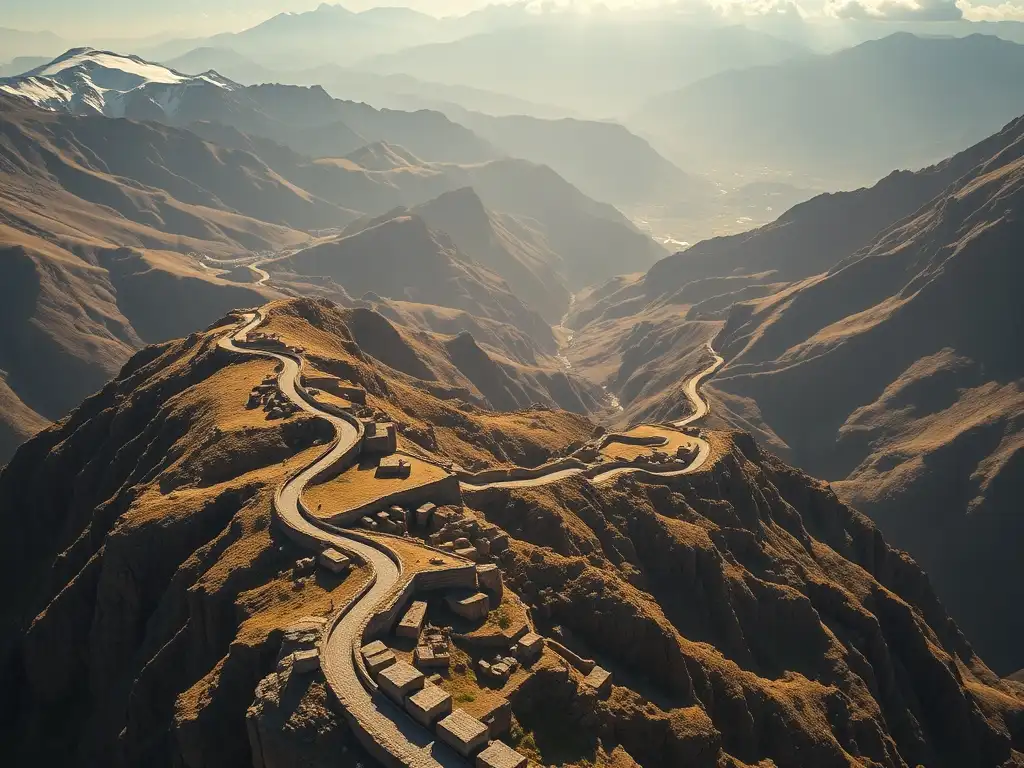
The Inca road system, a testament to the ingenuity of Inca engineering, wasn't merely a collection of paths; it was a meticulously planned network vital to the empire's expansion, consolidation, and administration. Spanning thousands of miles across diverse and challenging terrains, this infrastructure facilitated the movement of armies, messengers, and goods, ultimately binding together the vast Inca Empire. Understanding the scale and strategic placement of these routes is key to grasping the Inca's remarkable organizational prowess and their impact on the development of the Andean region.
The system's impressive engineering feats, including its adaptation to varied landscapes and climates, continue to fascinate and inspire researchers and engineers today. The keyword "Inca road system engineering" aptly describes the focus of this intricate network and its lasting legacy.
Major Inca Road Routes: From Cusco to the Empire's Edges
Cusco, the imperial capital, served as the central hub of the Inca road network. From this strategic location, major roadways radiated outwards, connecting Cusco to the farthest reaches of the empire. These routes weren't simply straight lines; they were carefully planned to optimize accessibility and minimize the impact of challenging terrain.
For example, the route to Quito in modern-day Ecuador, a significant distance traversing diverse landscapes, showcases the Inca's mastery of road construction. They skillfully navigated high-altitude passes, dense forests, and arid coastal plains, employing a variety of construction techniques tailored to the specific challenges of each environment. This meticulous planning ensured efficient communication and transportation across the vast empire.
The strategic placement of tambos (roadside inns) along these routes further highlights the empire's sophisticated logistical planning. These provided rest stops for travelers and relay stations for messengers, ensuring that information and supplies could move swiftly and reliably across the empire.
The construction itself involved a complex understanding of Andean geology and a remarkable ability to adapt to different environments. In mountainous regions, the roads were often carved into cliff faces, using techniques that are still studied by modern engineers. In less challenging terrain, the roads were built using carefully selected materials and techniques optimized for durability and stability.
The Inca road system’s engineering is a testament to their advanced knowledge of construction materials and techniques. Data from archaeological studies continues to reveal new insights into the ingenuity of Inca road building. The precise methods used in different regions, and the materials employed, offer valuable clues to the sophisticated strategies of Inca engineers.
The Coastal Road: Connecting the Pacific Territories
The coastal road presented unique challenges, demanding adaptations to the arid climate and shifting sands. This route, running along the Pacific coast, connected important coastal settlements, providing access to vital resources like fish and salt. Unlike the highland roads that often followed existing trails, the coastal road often required significant earthworks to create a stable and level surface. The construction involved the ingenious use of local materials, such as compacted earth and stones, to withstand the harsh coastal environment.
The coastal route wasn't just about transportation; it facilitated trade and the exchange of goods between coastal communities and the highland empire. This connection was crucial for the Inca economy, bringing in essential resources and supporting the empire's growth. The engineering of this road highlights the Inca’s adaptability and ability to tackle diverse environmental challenges.
The road's construction required a deep understanding of coastal geomorphology and the development of specialized techniques to ensure its longevity. Further research is needed to fully understand the specific techniques used in the construction of this vital route. The challenges of coastal road building in the Inca era and the solutions implemented showcase the impressive engineering skills of the Inca civilization.
The Highland Road: Traversing the Andes Mountains
The highland road, arguably the most impressive feat of Inca road engineering, wound its way through the towering Andes Mountains. This network of paths connected high-altitude settlements and facilitated the movement of goods and people across challenging terrain. The construction of these roads involved impressive feats of engineering, including the creation of suspension bridges, expertly carved terraces, and strategically placed retaining walls. These structures not only facilitated travel but also showcased the Inca's deep understanding of mountain topography and their ability to integrate their infrastructure into the natural landscape.
The Inca's mastery of stonework is particularly evident in the highland roads. They used precisely cut stones to create durable and stable surfaces, even on steep inclines. The precision and artistry of this stonework are remarkable, and the roads themselves serve as a lasting monument to Inca engineering. The engineering solutions applied to the highland roads are worthy of study for modern civil engineers, showcasing the ingenuity and adaptability of Inca builders.
Further analysis of the materials and techniques employed in highland road construction will likely reveal even more about the sophistication of Inca engineering practices. The intricate systems of drainage and retaining walls employed, for example, demonstrate a remarkable understanding of hydrology and structural mechanics. The Inca road system represents a remarkable achievement in ancient engineering, particularly in the challenging Andean highlands.
Secondary Inca Roads: Connecting Local Communities
The Inca road system wasn't solely comprised of the grand, strategically important highways connecting major cities. A vast network of secondary roads, often less well-preserved and less studied than their larger counterparts, played a crucial role in the daily life and economic functioning of the Inca Empire. These smaller routes, meticulously carved into the Andean landscape, linked local communities to the main arteries of the empire, facilitating trade, communication, and the movement of people and resources.
Their construction, while perhaps less ambitious in scale than the Qhapaq Ñan, still demonstrated impressive engineering skills adapted to the challenging terrain. The construction methods varied depending on the specific location and the nature of the terrain. In some areas, relatively straightforward paths were sufficient, while in others, complex terracing and retaining walls were necessary to create stable and traversable routes.
The importance of these secondary roads extended beyond simple connectivity. They allowed for the efficient distribution of goods produced in smaller, more isolated communities. Agricultural products, textiles, and other locally crafted items could reach larger markets, contributing to the overall economic prosperity of the empire.
This intricate network also facilitated the movement of people, enabling individuals to travel between their home communities and regional centers for religious ceremonies, social gatherings, or administrative purposes. The integration fostered by these roads contributed to a sense of shared identity and strengthened the bonds between different parts of the Inca Empire. Archaeological evidence suggests that many of these secondary routes were maintained by the communities they served, reflecting a collaborative approach to infrastructure management and a strong sense of collective responsibility.
The study of these secondary roads provides valuable insights into the social and economic organization of the Inca Empire, moving beyond the grand narratives of imperial expansion to reveal the everyday lives of its people. While the Qhapaq Ñan is rightly celebrated for its impressive scale and ambition, it is the network of secondary roads that truly reveals the intricate web of connections that held the Inca Empire together.
Further research into these lesser-known routes is crucial for a more complete understanding of Inca road system engineering and its impact on the daily lives of the Inca population. The sheer number of these secondary roads and their variations in construction techniques remain a significant area for ongoing research, highlighting the complexity and sophistication of the Inca road system as a whole.
Understanding the engineering challenges overcome in their construction, and the social mechanisms that facilitated their maintenance, provides a richer and more nuanced appreciation of Inca ingenuity and societal organization.
The Impact of the Inca Road System on the Empire
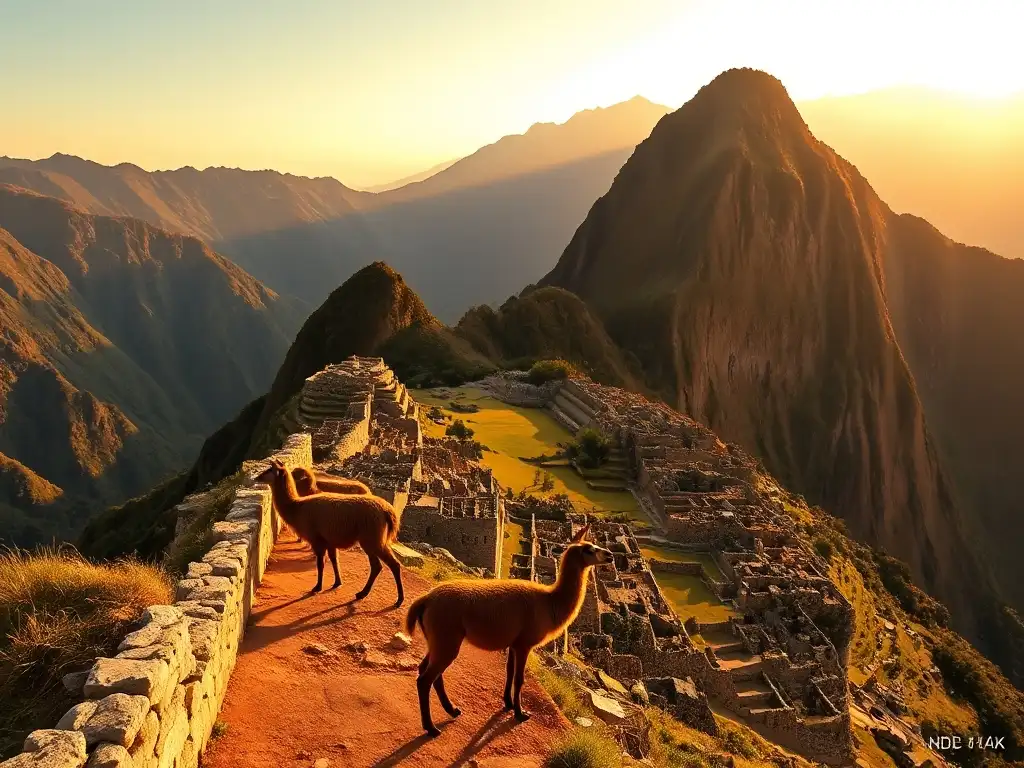
The Inca road system, a feat of ancient engineering, profoundly impacted the Inca Empire's expansion, consolidation, and overall success. Its strategic design and efficient construction facilitated communication, enabled rapid military response, and stimulated economic growth across the vast and diverse Andean landscape. This network of pathways, often carved into mountainsides and spanning treacherous terrain, was more than just a transportation system; it was the very artery of the Inca Empire, vital to its political, military, and economic strength.
Understanding the impact of this engineering marvel is crucial to grasping the scale and longevity of Inca rule. The keyword "Inca road system engineering" is central to appreciating the ingenuity and foresight behind this remarkable achievement.
Facilitating Inca Communication and Administration
Effective communication was paramount to the Inca Empire's governance. The Inca road system played a crucial role in this, enabling rapid transmission of information across vast distances. Royal messengers, known as chasquis, ran along the roads, relaying messages using a sophisticated system of relay stations strategically placed along the routes.
These stations provided resting places and fresh runners, ensuring messages reached their destination with remarkable speed. This efficient communication network allowed the Inca government to maintain control over its far-flung territories, promptly addressing administrative matters, collecting taxes, and suppressing rebellions. The speed and reliability of this communication system were unprecedented for its time and a key factor in the empire's stability and longevity.
Think of it as the ancient equivalent of a high-speed communication network, vital for maintaining order and cohesion across a massive empire. The effectiveness of this system is directly attributable to the clever engineering of the road network itself, allowing for efficient and rapid transit.
The Role of the Inca Roads in Military Campaigns
The Inca road system was not merely a tool for administrative purposes; it also provided a significant military advantage. The well-maintained roads allowed for the rapid deployment of Inca armies to quell rebellions or defend against external threats. Troops could be moved swiftly across the Andes, suppressing uprisings before they could gain momentum.
This rapid response capability was a key factor in maintaining the Empire's control over its diverse and sometimes rebellious provinces. The strategic placement of military garrisons along the road network further enhanced the empire's defensive capabilities. The roads themselves acted as lines of communication and supply, ensuring that Inca armies were well-supplied and could sustain prolonged campaigns.
This strategic advantage, directly linked to the engineering prowess of the Inca road system, played a critical role in the empire's military dominance. The ability to move troops and supplies quickly across challenging terrain was a decisive factor in the Inca's military successes.
Trade and Economic Impact of the Inca Road Network
The Inca road system significantly impacted the empire's economy, facilitating trade and the distribution of goods across vast distances. The roads connected diverse regions, allowing for the exchange of agricultural products, textiles, metals, and other valuable commodities. This interconnectedness fostered economic integration and specialization, contributing to the empire's overall prosperity.
The efficient transportation of goods reduced costs and increased the availability of resources throughout the empire. This system was not simply about moving goods; it was about creating a unified economic sphere, where regions specialized in different products and relied on the road network for access to a wider market. The Inca’s mastery of "Inca road system engineering" directly contributed to the economic prosperity and stability of their vast empire.
The seamless flow of goods helped ensure that even remote communities had access to essential resources, strengthening the social fabric of the empire. This efficient trade network, facilitated by the impressive engineering of the roads, was a cornerstone of the Inca economy.
Cultural Exchange and Diffusion along the Qhapaq Ñan
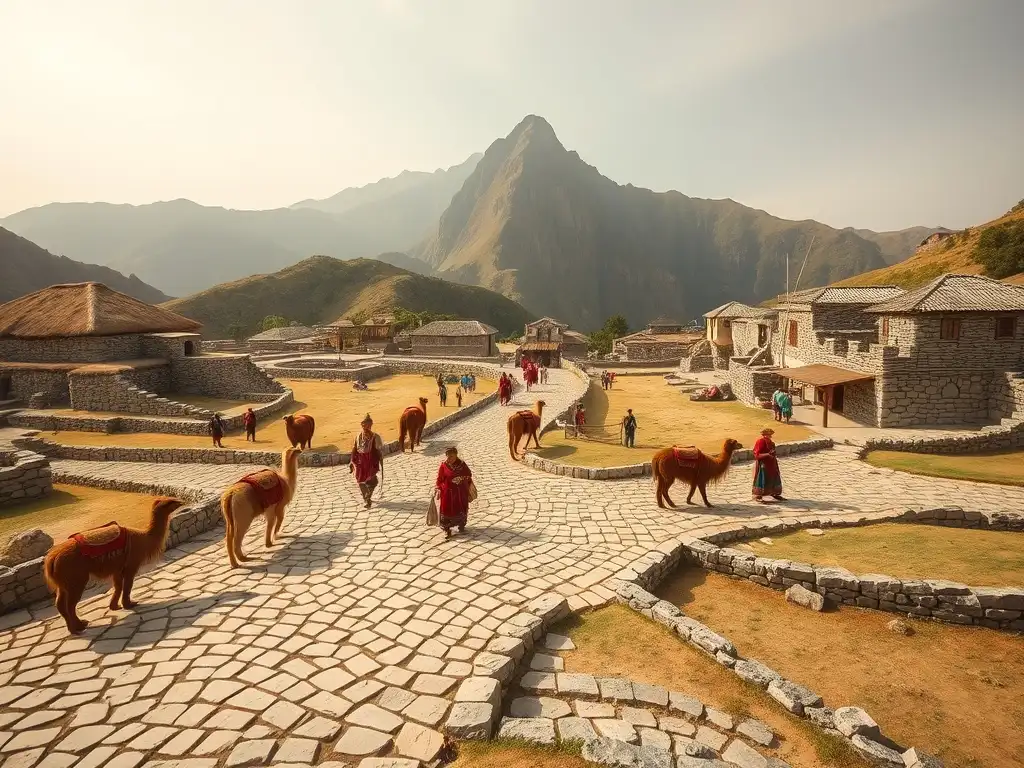
The Inca road system, the Qhapaq Ñan, wasn't merely a logistical network; it was a vital artery for cultural exchange and diffusion throughout the vast Inca Empire. The seamless movement of people facilitated by the roads fostered a remarkable level of cultural homogeneity across diverse regions. This wasn't a forced assimilation, but rather a gradual process of shared traditions, beliefs, and practices. Artisans, musicians, and religious figures traveled extensively, carrying their skills and knowledge along the pathways. This resulted in a fascinating blend of local customs and imperial influences, creating a unique Inca identity that transcended geographical boundaries.
For example, while each region retained aspects of its pre-Inca heritage, the influence of Inca religious practices, such as sun worship, became widespread. This unification, however, wasn't uniform. Local variations persisted, and the Inca cleverly adapted their governance to incorporate these diverse elements, fostering a sense of shared identity without completely erasing regional distinctions. The roads, therefore, acted as conduits, not just for goods and resources, but for the very fabric of Inca culture itself. The Qhapaq Ñan became a powerful symbol of Inca unity, facilitating the spread of language, artistic styles, and religious beliefs, which cemented the empire's power and longevity.
This cultural exchange wasn't a one-way street; rather, it was a dynamic process of reciprocal influence, enriching the empire as a whole. The integration of diverse cultural elements contributed to the vibrant and complex tapestry of Inca civilization, making it unique among other ancient empires. The roads were instrumental in creating a shared cultural identity, strengthening the empire's social fabric, and contributing to its stability. The system's effectiveness in facilitating cultural exchange remains a testament to the sophisticated understanding of social engineering employed by Inca rulers. This cultural unification, carefully managed through the road network, contributed significantly to the empire's political and social stability.
Efficient Resource Mobilization and Distribution
The Inca road system was crucial for the efficient mobilization and distribution of resources throughout the empire. The network allowed for the swift movement of essential goods, such as food, textiles, and building materials, from surplus regions to areas facing shortages. This prevented widespread famine and ensured the stability of the empire. The chasquis, a relay system of runners, used the roads to transmit messages quickly across vast distances, enabling rapid responses to emergencies or rebellions. This effective communication system was vital for maintaining control and order across such a geographically diverse realm.
The roads also facilitated the movement of labor forces for large-scale construction projects, such as the building of temples, irrigation systems, and the expansion of the road network itself. The organization required for this resource management and distribution demonstrates a highly sophisticated level of logistical planning and execution. The Inca’s ability to effectively manage resources through their road system was a key factor in the empire's success and longevity. The system's efficiency in resource management was a crucial element in the empire's ability to sustain itself and maintain its power.
The strategic placement of storehouses ( qollqas) along the roads further enhanced the system's efficiency in resource distribution. The intricate system not only supported the empire’s daily needs but also played a vital role during times of crisis, ensuring the empire's resilience and stability. The Inca road system serves as a remarkable example of ancient logistical prowess and its contribution to imperial power. This effective mobilization and distribution of resources, facilitated by the road network, was instrumental in the empire's remarkable growth and stability.
Military Control and Defense of the Empire
The Inca road system played a critical role in maintaining military control and defending the empire. Its strategic design allowed for the rapid deployment of troops to quell rebellions or repel invasions. The chasquis relay system ensured swift communication, allowing for coordinated military responses across vast distances. This rapid response capability was crucial in maintaining the empire's stability and suppressing any potential threats.
The roads also facilitated the movement of supplies and reinforcements to frontier garrisons, ensuring their ability to defend against external attacks. The strategically placed fortresses and military outposts along the roads served as defensive strongholds, further enhancing the empire's security. The Inca's mastery of military logistics, facilitated by their road network, was a major factor in their ability to control such a large and diverse territory. The roads were not just arteries of trade and communication, but also vital components of the empire's military apparatus.
This efficient military control and defense system ensured the empire's stability and longevity. The roads and their associated infrastructure were essential for the effective mobilization of military resources, which contributed significantly to the Inca empire's military dominance. The strategic placement of military installations along the Qhapaq Ñan further strengthened the empire's defensive capabilities. The combination of rapid communication and efficient troop movement created a formidable defense system, contributing to the empire's extensive territorial control.
Preservation and Legacy of the Inca Road System
The Inca road system, a testament to the ingenuity and organizational prowess of the Inca Empire, continues to fascinate and inspire awe centuries after its construction. Its legacy extends far beyond its physical presence; it represents a sophisticated understanding of engineering, logistics, and societal organization. Understanding its preservation is crucial to appreciating the full impact of this remarkable achievement.
The enduring influence of the Qhapaq Ñan is evident in its continued use in some areas, its integration into modern infrastructure, and the ongoing efforts dedicated to its preservation and study. The very fabric of the Andean landscape is interwoven with the history of this impressive network, a legacy that continues to shape modern life and understanding of Inca engineering.
The sheer scale of the project, encompassing thousands of miles of roads, bridges, and pathways, speaks volumes about the Inca's mastery of resource management and their ability to mobilize vast human resources. This is a vital aspect of understanding Inca road system engineering.
Modern Efforts to Preserve the Inca Roads
Modern efforts to preserve the Inca roads are multifaceted, involving international collaborations, local communities, and governmental initiatives. These range from meticulous archaeological surveys and restoration projects to the implementation of sustainable tourism practices. For example, [Specific details on a particular restoration project pending], which highlights the challenges of balancing preservation with the needs of local communities who may still utilize sections of the road network.
The use of traditional Andean building techniques alongside modern conservation methods is crucial in ensuring the longevity of these historical pathways. Furthermore, research into the original construction materials and techniques is helping to inform more effective preservation strategies. This involves analyzing the types of stone used, the binding agents employed, and the overall construction methods to understand their effectiveness and durability, key aspects of Inca road system engineering.
The goal is not simply to maintain the roads in their current state, but to understand the principles behind their construction to better inform future preservation efforts. This includes detailed mapping of the network, using advanced technologies such as GIS and satellite imagery, to fully understand the extent and complexity of the system.
The Qhapaq Ñan as a UNESCO World Heritage Site
The Qhapaq Ñan, the main artery of the Inca road system, achieved UNESCO World Heritage Site status in 2014. This recognition underscores the global significance of the Inca road system and highlights its exceptional universal value. This designation provides increased international support for preservation efforts, attracting funding and expertise from around the world.
The UNESCO status also promotes sustainable tourism, encouraging responsible exploration and appreciation of this invaluable historical asset. The official recognition brings increased awareness to the importance of preserving not only the physical infrastructure but also the intangible cultural heritage associated with the roads. This includes the stories, traditions, and knowledge passed down through generations of Andean communities who have lived alongside and utilized these pathways for centuries.
The preservation of the Qhapaq Ñan is a collaborative effort, bringing together governments, organizations, and local communities in a shared commitment to protecting this incredible feat of Inca road system engineering. It’s a powerful example of how international cooperation can safeguard cultural heritage for future generations.
Exploring the Inca Road System Today: Hiking and Archaeological Sites
Today, sections of the Inca road system are accessible to hikers and tourists, offering a unique opportunity to experience the engineering marvels firsthand. Many well-marked trails allow visitors to traverse portions of the ancient pathways, offering breathtaking views and a tangible connection to the Inca past. Along these trails, numerous archaeological sites offer further insights into the lives and cultures of the Inca people.
These sites showcase the sophisticated infrastructure, including impressive stonework, well-preserved sections of roads, and strategically positioned resting places (tambos). The integration of hiking and archaeological tourism provides a sustainable approach to preserving the Inca road system, generating revenue for local communities while promoting responsible exploration. However, sustainable tourism practices are crucial to ensure the long-term preservation of these fragile sites.
This includes limiting the number of visitors, employing trained guides, and educating tourists about responsible behavior. Careful planning and management are essential to balance the economic benefits of tourism with the need to protect this irreplaceable heritage of Inca road system engineering. The experience of walking along these ancient routes offers a profound connection to history, highlighting the ingenuity and enduring legacy of the Inca civilization.
The Lasting Legacy of Inca Road System Engineering
The Inca road system's impact extends far beyond its initial function as a vital communication and transportation network. Its ingenious engineering principles continue to inspire awe and inform modern infrastructure projects. The system's adaptability to diverse terrains, its use of locally sourced materials, and its remarkable durability stand as testaments to the Inca's deep understanding of engineering and their profound connection to their environment.
Modern engineers still study Inca road construction techniques to glean insights into sustainable and resilient infrastructure design. For example, the Inca's mastery of drainage systems, which prevented erosion and road damage, remains a relevant and valuable lesson for contemporary road building in challenging environments. The strategic placement of roads, often following natural contours to minimize disruption to the landscape, offers valuable insights into environmentally conscious infrastructure planning.
The Inca's ability to construct roads across treacherous mountain passes and through dense jungles serves as a powerful example of human ingenuity and perseverance. The legacy of the Inca road system isn't just about the physical structures; it's about the enduring principles of sustainable design and innovative problem-solving that continue to resonate today.
The enduring legacy is also evident in the cultural impact. The Inca road system facilitated the exchange of ideas, goods, and cultural practices across the vast empire, fostering a sense of unity and shared identity among diverse Andean communities. This interconnectedness, enabled by the road system, contributed significantly to the empire's political and social stability. Even after the Spanish conquest, remnants of the Inca road network continued to be used, adapting to the needs of the colonial era and beyond.
The roads served as lifelines for communities, connecting them to markets, administrative centers, and other essential resources. This illustrates the road system's remarkable adaptability and its long-term contribution to the social and economic fabric of the Andes region. Even today, some sections of the Inca road network are still in use, albeit often integrated into modern road systems.
This ongoing utilization underscores the enduring strength and practicality of the Inca's engineering prowess. The Inca road system remains a potent symbol of human achievement and a powerful reminder of the ingenuity and resilience of the Andean civilizations. Its legacy continues to inspire researchers, engineers, and travelers alike.
Frequently Asked Questions
What makes the Inca road system so impressive from an engineering perspective?
The Inca road system is impressive due to its extensive network, spanning thousands of miles across diverse and challenging terrain. The innovative construction techniques used, including suspension bridges and sophisticated paving, are also noteworthy. Their adaptability to the Andes' geography is unparalleled.
How did the Incas manage to build roads in such challenging mountainous terrain?
The Incas employed a highly organized workforce and utilized local materials effectively. They developed impressive techniques for cutting and shaping stone, adapting their methods to the specific challenges posed by the Andes mountains, including steep inclines and unpredictable weather.
What materials were primarily used in the construction of the Inca roads?
The Incas primarily used stone, often fitting the pieces together without mortar, showcasing their mastery of stonework. They also employed earth, gravel, and wood where appropriate, demonstrating a practical approach to construction based on available resources.
What was the purpose of the Inca road system beyond simple transportation?
Beyond transportation, the Inca road system served strategic military purposes, facilitating rapid troop movement and communication. It also played a vital role in administrative control, enabling the efficient distribution of resources and the collection of taxes across the vast empire.
How did the Inca road system contribute to the Inca Empire's success?
The Inca road system was essential to the empire's success by facilitating communication, trade, and military control across a vast and geographically diverse territory. This efficient infrastructure allowed for the effective governance and integration of a large and dispersed population.
Final Reflection: Echoes of the Inca Road: Engineering, Legacy, and the Future
The Inca road system, a testament to ingenuity and meticulous planning, remains a powerful symbol of human achievement, its impact resonating far beyond its physical existence. Its sophisticated design, incorporating innovative solutions to challenging terrain, continues to inspire modern engineers and serves as a potent reminder of the power of human collaboration and resourcefulness in the face of adversity. The very stones that paved these ancient pathways whisper tales of a civilization that understood the profound connection between infrastructure and societal progress.
The Inca road system's influence transcends mere engineering; it speaks to the enduring power of cultural exchange and the interconnectedness of communities. Its construction and maintenance fostered a unified empire, facilitating trade, communication, and the movement of people across vast distances. This interconnectedness is a lesson we can still learn from today. The road is a symbol of the Inca's ability to overcome challenges and connect their vast empire. It is a testament to their ingenuity and their vision.
This quote, though simple, encapsulates the profound social and political implications of this remarkable feat of engineering. The legacy of the Inca road continues to shape our understanding of ancient civilizations and their ability to shape their world.
Consider the ingenuity of the Inca engineers, their deep understanding of their environment, and the collaborative spirit that fueled their monumental undertaking. You too possess the capacity for innovation and the power to overcome challenges. Reflect on the lessons learned from the Inca road system – the importance of planning, adaptability, and community – and apply them to your own endeavors. Let the echoes of this ancient marvel inspire you to build your own bridges, both literally and metaphorically, connecting people and ideas, and leaving your own mark on the world.
**Unleash Your Inner Explorer: Discover the Legacy of the Inca! **
Thank you for exploring the fascinating world of the Inca Road System! We hope you were inspired by the remarkable ingenuity of this ancient engineering marvel and its impact on a thriving civilization. Now, let's keep the adventure going!
Here are some ways to continue your exploration:
- **Embark on your own journey:** Plan a hike along a preserved section of the Inca Trail to experience the breathtaking landscapes and historic paths firsthand, just as ancient travelers did. Imagine the challenges and triumphs they faced!
- **Share your newfound knowledge:** Discuss your discoveries with friends, family, or online communities. Spark conversations about the lasting influence of the Inca Road System on modern infrastructure and its innovative design.
- **Dive deeper into Inca culture:** Explore local museums and libraries to uncover more about the Inca civilization through books, exhibitions, and historical accounts. The more you learn, the richer your understanding will become.
What aspects of the Inca Road System captivated you the most, and how do you believe its ingenious design continues to influence today's travel and trade routes?