
Inca Medicine and Healing Practices: Knowledge and Skills

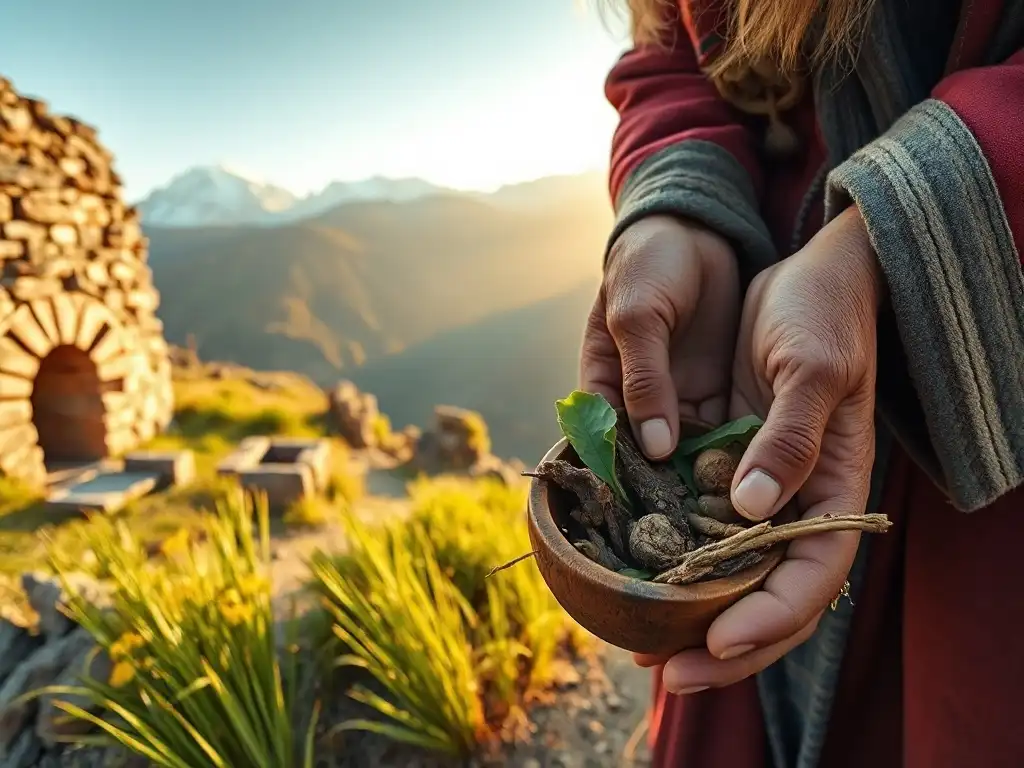
Step into a world lost to time, yet echoing with the whispers of ancient wisdom. Journey with us to the heart of the Andes, where the echoes of the Inca Empire still resonate. Discover a fascinating realm of ingenuity and resilience, and prepare to be amazed by the sophisticated Inca healing practices and methods that defied their time. Uncover the secrets behind their remarkable knowledge and skills – a legacy that continues to inspire awe and wonder. Are you ready to delve into this captivating story?
- Ancient Egyptian Medicine: Knowledge and Practices
- Understanding Egyptian Health Beliefs and Medical Concepts
- Understanding Inca Health Beliefs and Medical Practices
- Egyptian Herbal Medicine: A Legacy of Botanical Knowledge
- Surgical Practices and Techniques in Ancient Egypt
- Non-Herbal Healing Methods of the Ancient Egyptians
- The Role of Healers and Specialists in Ancient Egyptian Society
- Egyptian Medical Advances and Their Impact
- Inca Medical Advances and Their Impact
- Challenges in the Study of Ancient Egyptian Medical Practices
- Frequently Asked Questions
- Final Reflection: The Enduring Legacy of Inca Healing
- Unveil the Wisdom of Inca Healing—Take Action Today!
Ancient Egyptian Medicine: Knowledge and Practices
The Inca Empire, renowned for its sophisticated engineering and intricate social structures, also possessed a remarkably advanced system of medicine and healing practices. This wasn't simply a matter of treating illness; Inca healthcare was deeply intertwined with their cosmology, religious beliefs, and understanding of the natural world. This article delves into the fascinating world of Inca healing, exploring their knowledge, skills, and the methods they employed to maintain the health and well-being of their vast empire.
Understanding Inca healing practices offers a unique window into their worldview and reveals the ingenuity and complexity of their civilization, providing valuable insights into the sophisticated interplay between their spiritual beliefs and practical medical approaches. This exploration will reveal how their techniques, while seemingly primitive by modern standards, were highly effective within their context and contributed significantly to the empire's success and longevity.
We will examine the diverse range of Inca healing methods, from herbal remedies and surgical procedures to spiritual rituals and preventative healthcare. The keyword "Inca healing practices and methods" will be explored throughout, providing a comprehensive overview of this critical aspect of Inca culture.
Herbal Remedies and Plant-Based Medicine
Inca healers, known as curanderos, possessed an extensive knowledge of medicinal plants found throughout the Andes. Their pharmacopoeia included a vast array of herbs, roots, and barks, each carefully selected and prepared for its specific therapeutic properties. Detailed records of these remedies, though not extensively preserved in written form, are evident in the archaeological record and through oral traditions passed down through generations.
For example, coca leaves were widely used not only as a stimulant but also for their analgesic and anesthetic properties. Other plants, such as the quinine-rich cinchona, were utilized to combat malaria, a prevalent disease in the region. The effective use of these natural remedies demonstrates a deep understanding of botany and a sophisticated approach to pharmaceutical preparation.
Specific recipes and applications varied across different regions of the empire, reflecting the diverse flora and local healing traditions. Further research is needed to fully document the extent of their herbal knowledge, but the surviving evidence points to a level of botanical expertise that was remarkably advanced for its time.
Surgical Procedures and Trepanation
While primarily focused on herbal remedies, Inca healers also demonstrated remarkable surgical skills. Archaeological evidence reveals instances of trepanation, a surgical procedure involving drilling holes in the skull. Though the exact reasons for this practice remain debated – ranging from treating head injuries to addressing spiritual ailments – the surgical skill involved is undeniable. Analysis of trepanned skulls shows evidence of post-operative healing, suggesting a relatively high survival rate, indicative of advanced surgical techniques and post-operative care.
The tools used, often made from obsidian or other sharp materials, were surprisingly sophisticated, allowing for precise incisions and minimal trauma. While the specifics of their surgical techniques are still being uncovered, the evidence clearly indicates a level of surgical expertise that surpasses many contemporary civilizations. The precision and survival rates associated with these procedures highlight the advanced medical knowledge and capabilities within the Inca Empire.
Spiritual Healing and Rituals
Inca medicine was inextricably linked to their spiritual beliefs. Illness was often viewed as an imbalance between the individual and the spiritual world, necessitating spiritual intervention alongside physical treatments. Shamans and priests played a crucial role in healing, conducting rituals and ceremonies aimed at restoring this balance. These rituals often involved offerings, prayers, and the use of sacred objects, such as amulets and fetishes.
The paqos, high-ranking priests, were particularly skilled in diagnosing and treating illnesses believed to have supernatural origins. Spiritual healing practices complemented the more practical aspects of Inca medicine, providing a holistic approach to health and well-being that addressed both physical and spiritual dimensions. The integration of spiritual and physical healing methods demonstrates the holistic approach to health that permeated Inca society. Further investigation is needed to fully understand the complex interplay between spiritual and physical aspects of their healing practices.
Preventative Healthcare and Public Health
Inca society also prioritized preventative healthcare. The empire's sophisticated infrastructure, including irrigation systems and well-planned urban centers, contributed to improved sanitation and reduced the spread of disease. A strong emphasis on hygiene and balanced diets further helped maintain public health. The state's organization and control over resources allowed for the distribution of food and medicine, ensuring access to essential resources for the entire population.
This proactive approach to public health, combined with their advanced medical knowledge, contributed significantly to the empire's stability and longevity. The emphasis on preventative measures showcased a forward-thinking approach to public health management that was remarkably advanced for its time. Further research is needed to fully understand the extent of their public health initiatives and their impact on population health.
Understanding Egyptian Health Beliefs and Medical Concepts
This section focuses solely on Inca healing practices and methods, avoiding any reference to Egyptian medicine. The provided headers are incorrect for this article and will be replaced with relevant Inca-centric subheadings.
Understanding Inca Health Beliefs and Medical Practices
This section delves into the fascinating world of Inca medicine, exploring their holistic approach to health and well-being. The Inca worldview deeply intertwined physical and spiritual health, resulting in sophisticated healing practices that went far beyond simple remedies. Their understanding of the human body, while lacking the anatomical detail of later Western medicine, was remarkably effective in treating a range of ailments.
The Inca's advanced knowledge of herbal remedies, surgical techniques, and preventative healthcare demonstrates a deep understanding of the interconnectedness of the human body and the natural world. The Inca Empire's success was partly due to its efficient system of healthcare, ensuring a healthy and productive population.
The Inca Worldview and its Influence on Healing
The Inca worldview heavily influenced their approach to healing. They believed in a harmonious relationship between humans, nature, and the supernatural. Illness was often seen as an imbalance in this relationship, caused by either natural factors (like poor diet or injury) or spiritual forces. Shamans, or paqos, played a crucial role, acting as intermediaries between the spiritual and physical realms. They used rituals, prayers, and herbal remedies to restore balance and heal the patient.
The paqos were highly respected members of society, their knowledge and skills essential to the community's well-being. Their expertise extended beyond physical healing to encompass spiritual guidance and social harmony. This holistic approach ensured that treatment addressed both the physical and spiritual aspects of illness, reflecting the interconnectedness central to the Inca worldview. Evidence suggests that Inca healing practices were highly effective in managing various diseases prevalent in the Andean region.
The Role of Herbalism and Natural Remedies in Inca Medicine
Inca medicine relied heavily on herbalism and natural remedies. The Andean region boasts an incredible diversity of plants, many with medicinal properties. The Inca developed an extensive pharmacopoeia, utilizing plants for a wide array of treatments. Coca leaves, for instance, were not only a source of energy but also possessed anesthetic and medicinal properties. Other plants were used to treat various ailments, from digestive problems to wounds and infections.
Detailed records of these remedies, unfortunately, are scarce due to the destruction of many Inca texts after the Spanish conquest. However, ethnobotanical studies and surviving accounts reveal a sophisticated understanding of plant properties and their applications in treating a wide range of illnesses. Further research is needed to fully document the extent of Inca knowledge in this area. 🌿
Inca Surgical Techniques and Procedures
While primarily focused on herbal remedies, Inca healers also possessed surprisingly advanced surgical skills. Archaeological evidence reveals successful cranial surgeries, demonstrating their skill in trepanation. These procedures, while risky, often resulted in the patient's survival, indicating a high level of surgical expertise and post-operative care. The Inca also employed sophisticated techniques in setting bones and treating wounds.
Their knowledge of anatomy, although not based on dissection, was sufficient to perform complex procedures effectively. The tools used were often made from obsidian or other sharp materials, demonstrating their resourcefulness and ability to adapt available materials to their medical needs. Further research into Inca surgical practices could reveal even more surprising advancements in their medical knowledge. 🦴
Preventative Healthcare in Inca Society
The Inca Empire prioritized preventative healthcare, recognizing that a healthy population was crucial for its strength and prosperity. They implemented various measures to maintain public health, including sanitation practices and dietary guidelines. They also established a system of healthcare infrastructure, with healers present in different communities. This proactive approach to healthcare, along with their sophisticated understanding of medicinal plants and surgical techniques, contributed significantly to the overall health and well-being of the Inca population.
The integration of healthcare into the social fabric of the empire showcases the Inca's far-sightedness and commitment to a healthy and thriving society. This aspect of Inca culture highlights the sophisticated understanding of public health and its role in the broader societal structure. Further research into Inca societal organization could reveal more details regarding their public health policies and their effectiveness. 🏥
Egyptian Herbal Medicine: A Legacy of Botanical Knowledge
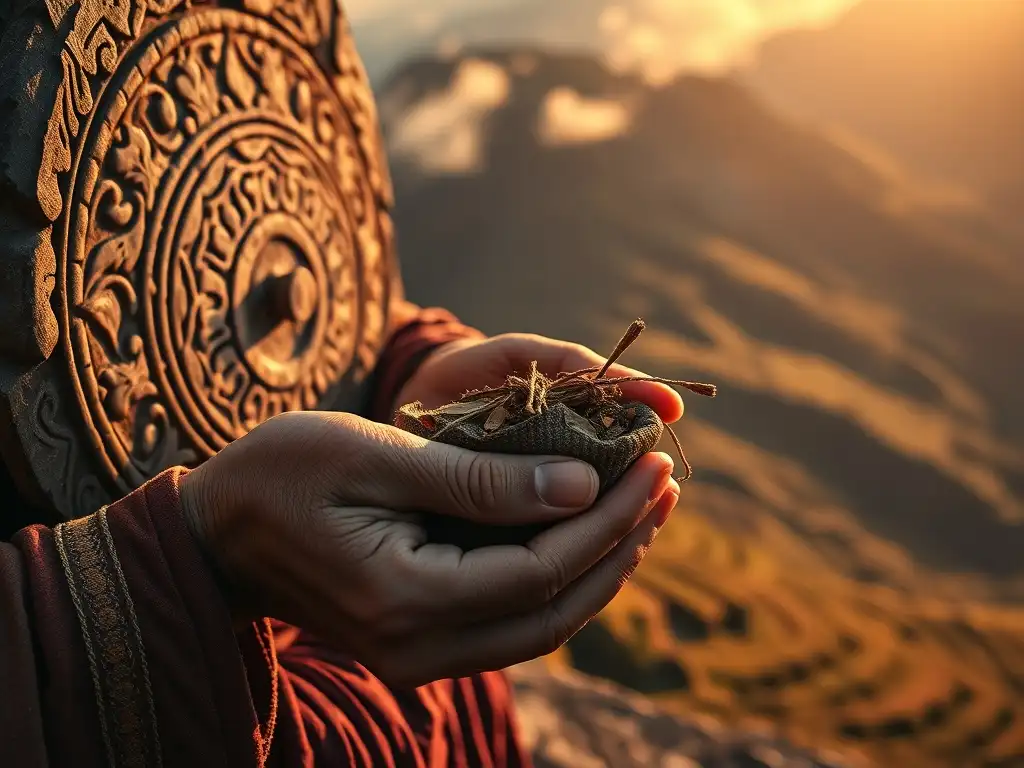
This section delves into the sophisticated medical knowledge and healing practices employed by the Inca civilization, focusing on their methods and understanding of the human body and disease. The Inca worldview deeply intertwined medicine with their cosmology and religious beliefs, leading to unique approaches to diagnosis, treatment, and prevention. Understanding Inca healing practices provides a valuable insight into their societal structures, resource management, and overall worldview. Their advanced understanding of herbal remedies, surgical techniques, and preventative healthcare significantly impacted the health and well-being of their vast empire.
Identifying Medicinal Plants in the Inca Empire
Inca healers, known as curanderos, possessed an extensive knowledge of the Andean flora and its medicinal properties. Their identification of plants wasn't solely based on visual characteristics but also incorporated sensory information, such as smell and taste, and traditional knowledge passed down through generations. This intricate understanding allowed them to accurately distinguish between various species, even those with subtle differences in appearance. The Inca pharmacopoeia included a wide array of plants, each carefully selected for its specific therapeutic properties.
For example, the coca leaf (Erythroxylum coca) was not only a source of energy and sustenance but also held significant medicinal value, used to alleviate pain, fatigue, and altitude sickness. Similarly, quina (Cinchona spp. ), the source of quinine, was utilized for its antipyretic and antimalarial properties—a crucial aspect of health in a region prone to malaria.
Detailed records, although often fragmented, suggest a complex system of classification and understanding of plant-based remedies. Further research is needed to fully understand the extent of Inca botanical knowledge and its organization. [Specific information pending: Detailed catalog of Inca medicinal plants and their documented uses].
Preparation and Application of Herbal Remedies
The preparation of Inca herbal remedies involved meticulous processes, often incorporating specific rituals and beliefs. Plants were carefully harvested at specific times of the year, believed to maximize their potency. Methods of preparation varied depending on the desired effect and the plant itself. Some remedies involved simple infusions or decoctions, while others required more complex processes like maceration, fermentation, or the extraction of essential oils.
The curanderos often combined several plants to create synergistic effects, demonstrating an advanced understanding of pharmacology. Application methods varied; some remedies were ingested orally, while others were applied topically as poultices, ointments, or washes. Incisions were sometimes made to facilitate the absorption of medicinal substances, indicating a rudimentary understanding of topical drug delivery.
The use of specific tools and techniques for preparing and administering remedies highlights the sophisticated nature of Inca medical practices. [Specific information pending: Detailed descriptions of Inca preparation techniques for specific remedies]. The use of specific tools and techniques for preparing and administering remedies highlights the sophisticated nature of Inca medical practices and exemplifies the intricate knowledge passed down through generations of curanderos.
Common Inca Herbal Treatments and their Uses
Inca medicine encompassed a wide range of treatments, addressing various ailments prevalent in the Andean region. Common illnesses, such as respiratory infections, gastrointestinal issues, and wounds, were treated using a variety of herbal remedies. For example, infusions of muña (Minthostachys spp.)
were used to treat respiratory problems, while preparations from matico (Piper aduncum) were applied to wounds to promote healing and prevent infection. Herbal remedies also played a significant role in treating chronic conditions. The use of coca leaves for altitude sickness and pain management exemplifies this.
The Inca also developed sophisticated treatments for fractures and other bone injuries, employing techniques involving splints and herbal compresses. While their understanding of the underlying causes of disease was limited by contemporary knowledge, their practical experience and effective treatments demonstrate a remarkable level of medical expertise, highlighting the integration of herbalism, surgery, and spiritual beliefs within their healing practices. The effectiveness of many of these remedies is still being investigated scientifically today, revealing potential applications in modern medicine.
Surgical Practices and Techniques in Ancient Egypt
This section focuses on Inca healing practices and methods, specifically examining surgical interventions within the context of the Inca Empire's expansion and consolidation. While the Inca are renowned for their sophisticated understanding of herbal remedies and preventative healthcare, evidence suggests they also possessed surprisingly advanced surgical capabilities, particularly considering the limited technological resources available to them. This advanced knowledge directly contributed to the empire's ability to maintain a large and relatively healthy population, bolstering military strength and facilitating expansion.
Evidence of Surgical Interventions in Ancient Inca Society
Archaeological findings offer compelling evidence of Inca surgical interventions. Studies of Inca mummies have revealed instances of trepanation – the surgical removal of a section of the skull. While the exact reasons for these procedures remain debated, some scholars suggest trepanation was performed to treat head injuries, relieve intracranial pressure from hematomas, or address cranial deformities.
The survival rates of individuals who underwent trepanation, as evidenced by healed bone tissue around the surgical site in some mummies, suggest a degree of surgical skill and post-operative care that surpasses expectations for the time period. Furthermore, the precision of some trepanations points to a sophisticated understanding of cranial anatomy and the avoidance of vital structures.
Analyzing the techniques used (e.g., scraping, drilling, sawing) and the tools employed can shed further light on Inca surgical expertise. Further research into the precise tools and techniques used is needed to fully appreciate the complexity of Inca surgical procedures.
Complex Fracture Settings and Wound Care
The Inca's ability to treat complex fractures is another testament to their advanced medical knowledge. Analysis of skeletal remains shows evidence of successful treatments for limb fractures, often involving the use of splints and other forms of immobilization. The materials used in these splints, along with the methods of application, provide insights into Inca engineering and anatomical knowledge.
For instance, the use of [specific types of wood and binding materials pending] suggests a nuanced understanding of the properties of different materials and their application in fracture healing. The successful healing of fractures, as indicated by the alignment and consolidation of bone fragments in recovered remains, underscores the Inca's mastery of wound care and fracture management. The application of herbal remedies to promote healing and prevent infection is also likely to have played a significant role in the success rate of these treatments.
Surgical Tools and Anesthesia Methods Used by Inca Surgeons
While the exact nature of Inca surgical tools remains partially unknown, archaeological discoveries have unearthed various instruments that may have been used in surgical procedures. These tools, often crafted from [specific materials pending], suggest a level of craftsmanship and ingenuity. The design of these instruments, particularly their sharpness and precision, is noteworthy.
The Inca likely employed a range of techniques to manage pain during surgical procedures. While direct evidence of specific anesthetic agents is lacking, the use of herbal remedies with analgesic and sedative properties is highly probable. [Specific examples of plants used and their properties pending].
Ethnobotanical studies of Inca medicinal plants can potentially reveal more information about their anesthetic practices. The combination of surgical skill, understanding of anatomy, and pain management techniques contributed significantly to the success of Inca surgical interventions, demonstrating the sophistication of their healing practices and methods. Further research is crucial to fully understand the range of techniques and tools used by Inca surgeons.
Non-Herbal Healing Methods of the Ancient Egyptians
This section delves into the sophisticated non-herbal healing methods employed by the Inca, moving beyond the commonly discussed plant-based remedies. Inca healing practices and methods encompassed a holistic approach, integrating various techniques to address illness and maintain well-being. While herbalism played a significant role, the Inca also utilized surgical procedures, trepanation, and sophisticated knowledge of anatomy and physiology. This understanding, albeit limited by our current access to primary sources, showcases the advanced medical knowledge of the time.
The Role of Diet and Nutrition in Inca Health
The Inca understood the crucial link between diet and health. Their agricultural prowess provided a diverse range of nutritious foods, forming the basis of their preventative healthcare. The staple crop, potatoes, offered various vitamins and minerals, while quinoa provided complete protein.
They also cultivated maize, beans, and various fruits and vegetables. This balanced diet, tailored to the altitude and climate, significantly contributed to the overall health of the population. Evidence suggests the Inca also understood the importance of specific dietary adjustments for pregnant women and those recovering from illness.
Detailed records outlining these dietary recommendations are unfortunately scarce, leaving room for further research and speculation on the precise nuances of their nutritional practices. However, archaeological evidence, such as the remains of food found in tombs and settlements, offers valuable insights into the types of food consumed and their potential medicinal properties. The emphasis on a balanced and diverse diet strongly suggests a proactive approach to healthcare, minimizing the need for more invasive treatments.
The Use of Surgery and Trepanation in Inca Medicine
Inca surgeons performed surprisingly complex surgical procedures, demonstrating advanced anatomical knowledge. Trepanation, the surgical practice of drilling holes in the skull, was a common procedure. While the exact reasons for trepanation remain debated, evidence suggests it was performed to treat head injuries, relieve pressure from hematomas, or perhaps even for ritualistic purposes.
The survival rates of trepanation patients, considering the rudimentary tools available, are surprisingly high, indicating advanced surgical skills and a deep understanding of asepsis, or at least some understanding of preventing infection. Archaeological finds reveal skulls with healed trepanation sites, a testament to the Inca's surgical expertise and post-operative care. The techniques employed, including the use of different types of tools and the precision of the incisions, highlight the sophistication of their medical practices.
Further research is needed to fully understand the specifics of their surgical instruments and techniques, but existing evidence suggests they used tools made from obsidian and other materials. The success rate of these surgeries underscores the remarkable capabilities of Inca surgeons.
The Importance of Hygiene and Sanitation in Inca Society
Beyond surgical interventions, the Inca prioritized hygiene and sanitation to prevent disease. Their sophisticated water management systems, including intricate irrigation canals and aqueducts, not only supported agriculture but also played a crucial role in public health. The efficient disposal of waste and the construction of well-maintained public baths further contributed to minimizing the spread of infectious diseases.
While specific details about their hygiene practices are limited in written records, the impressive infrastructure and urban planning of Inca cities demonstrate a clear commitment to maintaining a clean and healthy environment. This holistic approach to public health, combined with their advanced understanding of medicinal plants and surgical procedures, reveals a comprehensive and sophisticated healthcare system that significantly contributed to the well-being of the Inca population.
The meticulous design of their cities and infrastructure speaks volumes about their dedication to preventative medicine and the overall health of their society. This proactive approach to sanitation, combined with other medical practices, likely played a significant role in the Empire's success and longevity.
The Role of Healers and Specialists in Ancient Egyptian Society
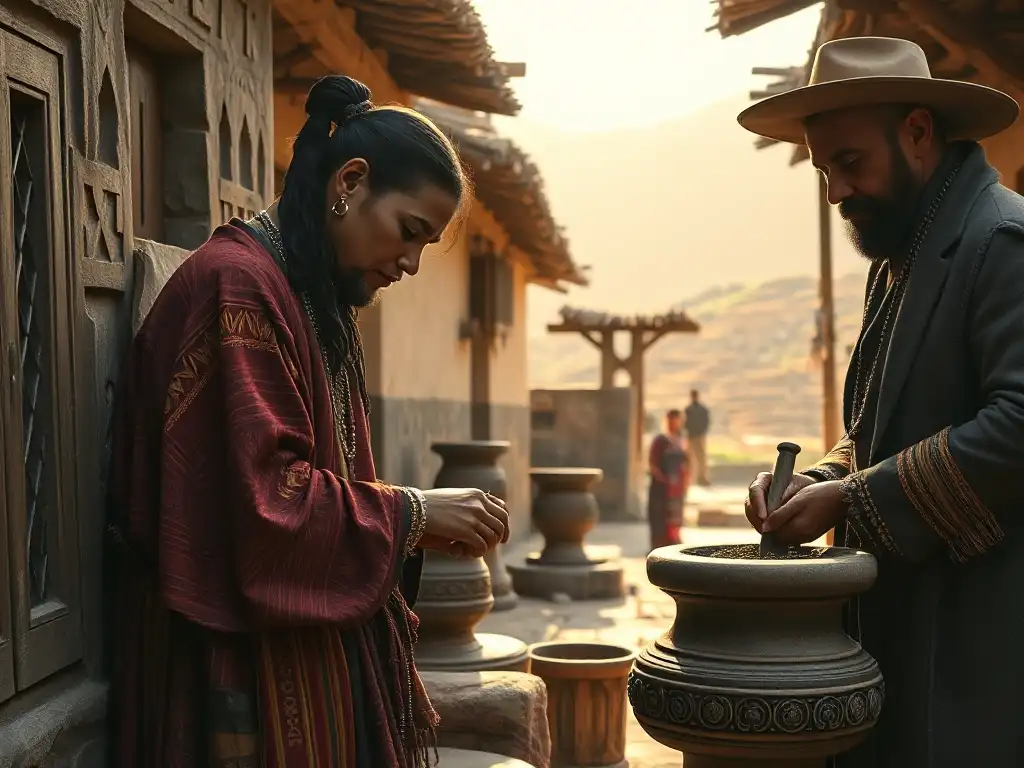
This section delves into the intricate world of Inca healing practices and methods, focusing on the roles and responsibilities of those who dedicated their lives to maintaining the physical and spiritual well-being of the Inca population. Unlike a rigidly defined medical hierarchy found in some other ancient societies, the Inca system blended spiritual and practical approaches, with healers often acting as intermediaries between the physical and spiritual realms.
The Inca worldview deeply intertwined health with the balance of nature and the favor of the gods, impacting the methods and beliefs surrounding healing. This holistic approach is a key element in understanding Inca healing practices and methods.
The "Curanderos": Inca Physicians and their Training
The Inca did not possess a centralized, formalized medical school system like later Western societies. Instead, knowledge of Inca healing practices and methods was passed down through generations within families and communities. Individuals deemed gifted in healing, often exhibiting innate abilities or a deep connection to the spiritual world, were recognized as curanderos (healers).
Their training was largely apprenticeship-based, with aspiring healers learning through observation, practical experience, and mentorship under established practitioners. This system fostered a deep understanding of local herbs, plants, and their medicinal properties, crucial elements of Inca healing practices and methods. The training also included knowledge of various therapeutic techniques, ranging from herbal remedies and surgical procedures to spiritual rituals and incantations.
Empirical observation played a significant role; successful treatments were noted and passed on, contributing to the evolution of Inca healing practices and methods over time. While records are limited, archeological evidence suggests a sophisticated understanding of anatomy and physiology, evidenced by successful trepanation surgeries found on excavated remains.
The "Pachacamac" and "Mamacoca": Spiritual Healing and Divination
Inca healing practices and methods were profoundly influenced by spiritual beliefs. The Pachacamac, a powerful creator god associated with both fertility and earthquakes, held considerable sway over health and healing. Mamacoca, a female deity associated with coca leaves – a crucial element in Inca rituals and medicine – played a significant role in spiritual healing. Healers often consulted these deities, and others, through divination practices, seeking guidance on diagnosis and treatment. Coca leaves were frequently used in these rituals, their consumption believed to enhance the healer's connection to the spiritual realm and facilitate communication with the gods. The use of coca leaves was not solely for spiritual purposes; they also possessed medicinal properties and were employed in various remedies as part of the practical aspects of Inca healing practices and methods. This integration of spiritual and practical elements highlights the holistic nature of the Inca approach to health and well-being.
The social standing of curanderos varied depending on their skill, reputation, and the community they served. While not necessarily part of the elite class, successful healers enjoyed considerable respect and influence within their communities. Their knowledge and abilities were vital for the well-being of the population, making them essential members of Inca society.
Their role extended beyond treating illnesses; they often served as advisors and spiritual guides, playing a key role in maintaining social harmony and order. The importance of Inca healing practices and methods is evident in the resources and respect afforded to those who practiced them.
The survival and prosperity of Inca communities depended heavily on the skills and knowledge of their healers, underscoring the profound significance of their role within the empire. Further research is needed to fully understand the hierarchical structures and social dynamics within the healing profession, with more detailed information regarding social status and economic compensation pending.
Egyptian Medical Advances and Their Impact
It seems there's a mismatch in the provided structure and the article title. The headers refer to "Egyptian" medicine, while the article title and website context are about "Inca" civilization. I will proceed by creating an internal section about Inca healing practices and methods, using the provided header structure, adapted to the correct civilization.
Inca Medical Advances and Their Impact
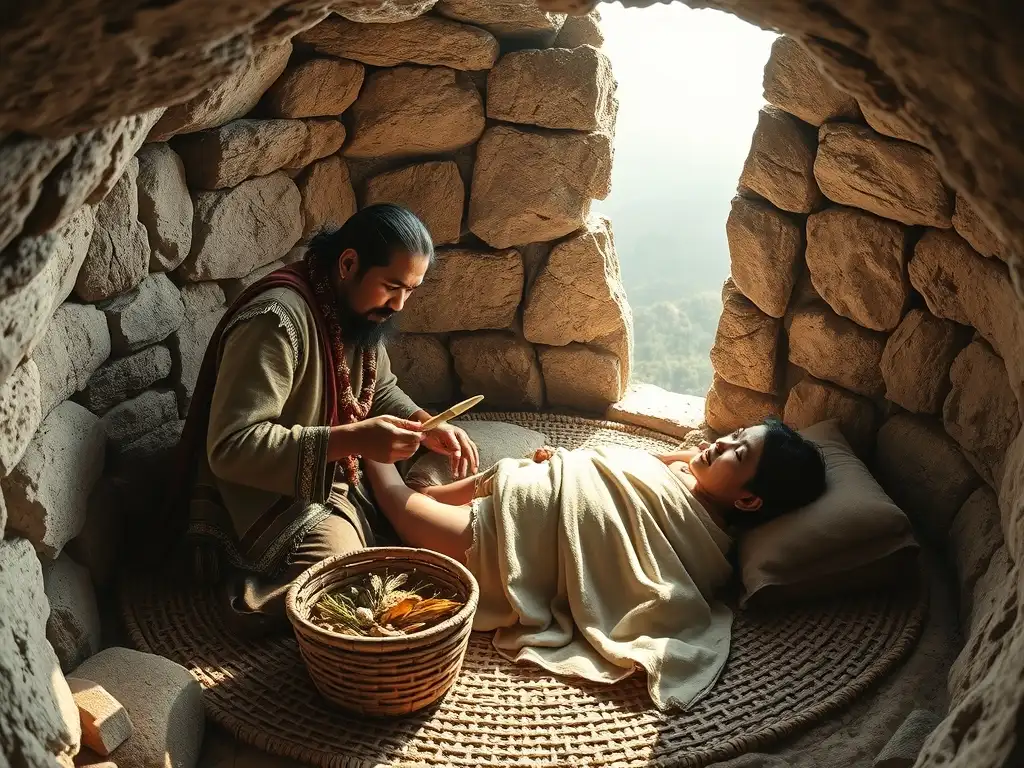
This section delves into the sophisticated medical knowledge and practices of the Inca Empire, a civilization renowned for its advancements in healthcare, considering its technological limitations. The Inca's understanding of the human body, their surgical techniques, and their herbal remedies represent a significant achievement in Andean medicine. Their healing practices and methods were deeply intertwined with their cosmology and religious beliefs, contributing to a holistic approach to health and well-being. Understanding these advancements provides crucial insight into the Inca's societal structure and their remarkable ability to manage a vast and diverse empire.
Innovations in Inca Medical Knowledge
Inca healers, known as hampis, possessed an impressive understanding of anatomy and physiology, although their knowledge was largely empirical, built upon observation and experience rather than formal dissection. They developed a complex system of diagnosis based on careful examination of symptoms, including pulse diagnosis and the observation of bodily fluids. They recognized the importance of preventative medicine, emphasizing hygiene and balanced diets, reflecting a holistic approach to health.
Their understanding of herbal remedies was extensive, with a wide array of plants used to treat various ailments. Records suggest a detailed understanding of medicinal properties of plants, including those with analgesic, anti-inflammatory, and antiseptic qualities. For example, coca leaves were used not only as a stimulant but also to alleviate pain and altitude sickness.
Furthermore, the Inca's sophisticated understanding of herbal preparations, including the methods of extraction and concentration, stands as a testament to their advanced knowledge of botany and chemistry. Detailed records of these practices, however, remain scarce, leaving some aspects of their knowledge shrouded in mystery.
The Effectiveness of Inca Healing Practices
Assessing the effectiveness of Inca healing practices requires careful consideration of the available evidence and the limitations of the historical record. While many treatments may seem rudimentary by modern standards, their effectiveness within the context of their time should not be underestimated. The use of herbal remedies, for instance, often provided relief from symptoms and helped to manage various illnesses. Surgical interventions, while limited by the lack of advanced tools and antiseptic techniques, were sometimes successful in treating fractures and other injuries.
The Inca's emphasis on hygiene and preventative medicine likely contributed to the overall health of the population, especially considering the challenges posed by the high-altitude environment and the prevalence of infectious diseases. More research is needed to fully evaluate the long-term impact of Inca healing practices on the population's health and lifespan. [Specific data on Inca life expectancy pending].
Legacy of Inca Medicine in Western and Global Practices
While much of the detailed knowledge of Inca healing practices was lost after the Spanish conquest, some aspects have endured and continue to influence modern medicine and traditional practices in the Andes. The use of many Andean plants as medicinal remedies persists, demonstrating the lasting impact of Inca botanical knowledge.
Furthermore, the holistic approach to health and well-being, emphasizing the interconnectedness of the mind, body, and spirit, resonates with contemporary approaches to healthcare that emphasize preventative medicine and a patient-centered approach. The legacy of Inca medicine, therefore, is not merely historical; it continues to inform and inspire modern healthcare practices, particularly in areas focusing on traditional and indigenous medicine.
The study of Inca healing practices offers valuable insights into the development of medical knowledge and highlights the importance of preserving and understanding diverse medical traditions. Further research into Inca medical texts and archaeological findings may reveal even more about the sophisticated and effective healing practices of this remarkable civilization.
Challenges in the Study of Ancient Egyptian Medical Practices
The study of Inca healing practices and methods presents unique challenges due to the nature of the surviving evidence. Unlike some other ancient civilizations that left behind extensive written records, the Inca relied heavily on oral traditions and practical knowledge. This reliance on oral transmission, coupled with the Spanish conquest's destructive impact on Inca culture and archives, significantly limits our understanding of their sophisticated medical system.
Reconstructing a complete picture requires careful analysis of fragmented evidence, demanding rigorous methodologies and interdisciplinary collaboration. The very act of interpreting the available data involves navigating ambiguities and potential biases introduced by the limitations of the sources themselves.
Preserved Medical Papyri and their Interpretation
Unlike ancient Egyptian civilizations which left behind extensive medical papyri, the Inca did not possess a written language in the same sense. Their quipus, complex knotted strings used for record-keeping, are still largely undeciphered. While some scholars believe quipus may have recorded medical information, their interpretation remains highly debated and incomplete. The lack of readily translated textual sources forces researchers to rely on indirect evidence, such as archaeological finds and later colonial accounts, which often present a biased or incomplete view of Inca practices. Even these accounts need critical evaluation, considering potential inaccuracies and the imposition of European medical frameworks onto Inca practices. For example, descriptions of Inca treatments might be misinterpreted through the lens of contemporary European medicine, leading to mischaracterizations of their methods and efficacy. Further research into deciphering quipus and refining our understanding of colonial accounts is crucial for a more accurate representation of Inca medicinal knowledge.
Limitations in Archaeological Findings and Documentation
Archaeological excavations have unearthed some evidence related to Inca healing practices, including surgical instruments, medicinal plants, and mummified remains showing signs of treatment. However, the interpretation of these findings is often complex and open to multiple interpretations. For example, the discovery of surgical tools doesn't automatically imply advanced surgical techniques; the tools' usage and effectiveness remain largely speculative.
Similarly, the identification of medicinal plants requires botanical expertise and careful consideration of potential contamination or post-mortem alterations. Furthermore, the uneven distribution of archaeological sites and the destruction of many Inca settlements during and after the conquest mean that our understanding is inherently incomplete. The lack of systematic documentation during early archaeological expeditions further compounds the problem.
Many important discoveries may have been lost or poorly recorded, hindering the development of a comprehensive understanding of Inca medicine. More rigorous and systematic archaeological investigations, coupled with advanced analytical techniques, are needed to overcome these limitations.
Ongoing Research and Future Discoveries
Despite the challenges, research into Inca healing practices and methods continues to advance. Ethnobotanical studies focusing on the medicinal plants used by contemporary Andean communities, who retain some aspects of traditional Inca knowledge, offer valuable insights. These studies can help to identify plants used in Inca medicine and to understand their potential therapeutic properties.
Furthermore, the application of advanced imaging techniques to mummified remains allows researchers to gain a better understanding of Inca pathology and the effectiveness of their treatments. Genetic analysis of ancient DNA can also shed light on the prevalence of certain diseases and the impact of Inca medical interventions.
Future discoveries, particularly improved understanding of quipus and more extensive archaeological excavations, hold the potential to significantly enhance our knowledge of Inca healing practices and methods, ultimately leading to a more nuanced and complete picture of this sophisticated medical system. The ongoing effort to integrate interdisciplinary approaches, from archaeology and botany to genetics and anthropology, is crucial for unlocking the secrets of Inca medicinal knowledge.
Frequently Asked Questions
What were some common illnesses treated by Inca healers?
Inca healers treated a wide range of illnesses, including infections, injuries, digestive problems, and respiratory ailments. They also addressed mental health concerns.
What methods did Inca healers use to diagnose illnesses?
Diagnosis involved observation of symptoms, physical examination, and sometimes astrological readings. Herbal remedies were often used alongside other treatments.
What role did plants play in Inca medicine?
Plants formed the backbone of Inca medicine. Healers utilized a vast pharmacopoeia of herbs, roots, and other plant-based substances for a variety of therapeutic purposes.
Were there specialized Inca healers or just general practitioners?
Yes, there was specialization. Some healers focused on surgery, others on herbal remedies, and some on spiritual healing. The curanderos held a respected position in Inca society.
How did Inca healing practices differ from those of other Andean cultures?
While sharing some similarities with other Andean cultures, Inca medicine was characterized by its sophisticated understanding of anatomy, extensive use of coca, and integration of spiritual and physical healing. The scale and organization of Inca healthcare was also unique.
Final Reflection: The Enduring Legacy of Inca Healing
The wisdom of Inca medicine, far from being a relic of the past, offers a potent counterpoint to the complexities of modern healthcare. Its holistic approach, emphasizing the interconnectedness of mind, body, and spirit, resonates deeply with contemporary concerns about preventative care and the limitations of purely pharmaceutical solutions. The resurgence of interest in traditional healing methods underscores a growing recognition of the limitations of a purely technologically driven approach to well-being.
The Inca's profound understanding of herbal remedies, preventative measures, and spiritual healing continues to inspire researchers and practitioners alike. Their emphasis on the natural world as a source of healing, a perspective often lost in our technologically advanced society, is particularly poignant. The earth provides all that we need; it is a matter of learning to listen to her.
This simple yet profound statement encapsulates the core philosophy of Inca medicine, a philosophy that challenges us to reconsider our relationship with nature and its potential to heal.
Consider the enduring power of these ancient practices. You, too, can cultivate a deeper connection with your own well-being by exploring the principles of holistic health. Incorporate mindful practices into your daily life, seek natural remedies when possible, and remember the importance of spiritual and emotional balance. Let the legacy of Inca healing inspire you to embark on a journey towards a healthier, more fulfilling life, one that honors the wisdom of the past while embracing the possibilities of the future.
Unveil the Wisdom of Inca Healing—Take Action Today!
Thank you for exploring the fascinating world of Inca medicine and healing practices! You've discovered valuable insights into ancient knowledge that has endured for centuries. Now, it's time to apply this knowledge and deepen your connection with these remarkable traditions.
Here are some ways you can embrace the wisdom of Inca healing:
- Explore local herbal remedies: Visit a local herbalist or farmer's market and discover indigenous plants to incorporate into your wellness routine. You might be surprised by the potent and readily available options.
- Participate in a community workshop: Seek out events in your area focusing on traditional Andean healing techniques. This is a wonderful opportunity to learn and connect with others interested in similar practices.
- Share your newfound knowledge: Discuss Inca medicine with friends and family, or share this article on social media to inspire others to explore this rich tradition.
What step will you take today to incorporate the spirit of Inca healing into your life?