
Inca Music and Dance: Expressions of Imperial Culture

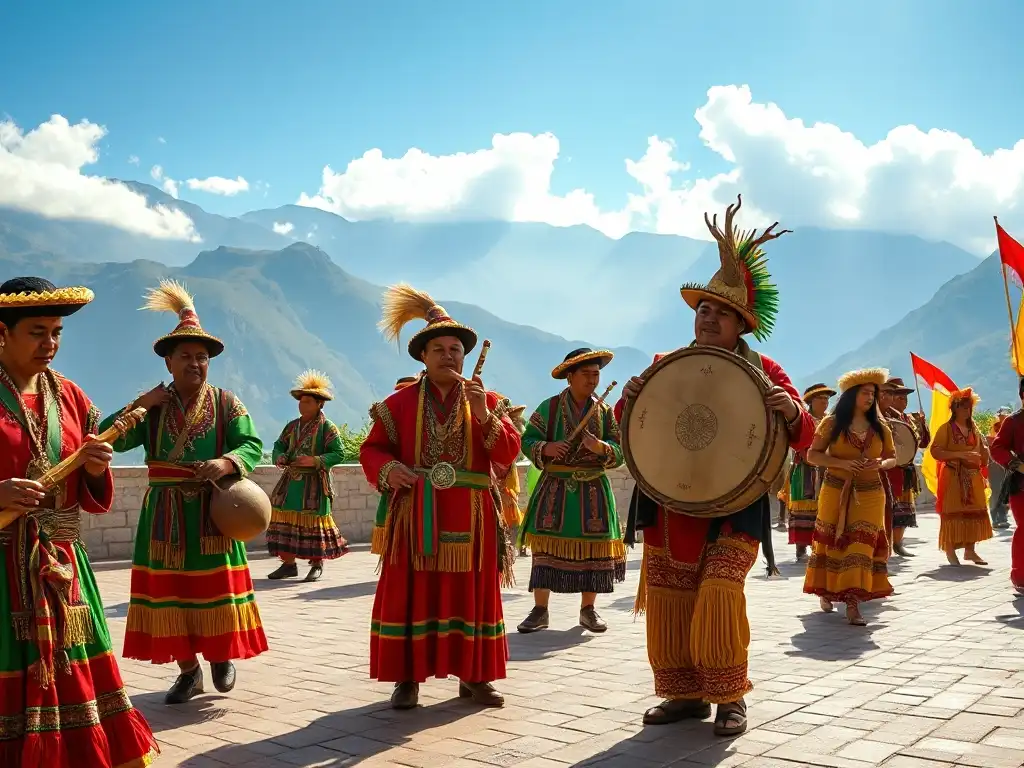
Step into a world lost to time, yet echoing with vibrant rhythms and captivating melodies. Imagine the grandeur of the Inca Empire, not just through its monumental architecture, but through the sounds that shaped its very soul. Prepare to be enthralled by the intricate world of Inca music and dance instruments, a fascinating glimpse into the heart of this extraordinary civilization. Uncover the secrets behind their unique musical traditions and discover how these instruments played a vital role in their daily lives and imperial ceremonies. Are you ready to delve deeper?
The Inca Empire, a civilization that flourished in the Andes Mountains from the 15th to the 16th century, left behind a legacy far richer than its impressive architectural feats. Beyond the breathtaking cities of Machu Picchu and Cusco, the Inca civilization possessed a vibrant and sophisticated cultural life, deeply intertwined with music and dance. These weren't mere forms of entertainment; they were integral components of Inca religious beliefs, social structures, and imperial power, reflecting the profound spiritual and political significance of sound and movement within the empire.
This article delves into the world of Inca music and dance, exploring the instruments used, the rituals they accompanied, and the diverse forms of rhythmic expression that characterized Inca life. We will examine how music and dance served as powerful tools to reinforce imperial control, celebrate religious festivals, and express the unique cultural identity of the Inca people, focusing specifically on the instruments used to create this rich soundscape.
Understanding Inca music and dance offers invaluable insights into the complexities of this remarkable civilization and its enduring cultural impact. The keyword phrase "Inca music and dance instruments" will be explored in detail throughout the article.
The Significance of Music and Dance in the Inca Empire
Music and dance were not simply recreational activities in Inca society; they held profound religious, social, and political significance. Inca cosmology viewed music as a powerful force capable of connecting the human world with the divine. Musical performances were often integral parts of religious ceremonies, intended to appease the gods, ensure successful harvests, or celebrate significant events in the imperial calendar.
The rhythmic movements of Inca dances mirrored the cycles of nature and the cosmos, reinforcing the spiritual connection between the Inca people and their environment. Furthermore, music and dance played a crucial role in reinforcing social order and imperial power. Elaborate performances were used to showcase the might and prestige of the Sapa Inca (emperor) and to solidify his authority over the vast and diverse populations under his rule.
Specialized musicians and dancers held prestigious positions within Inca society, reflecting the high value placed upon their artistic skills and their ability to contribute to the cohesion and stability of the empire. The intricate interplay of music, dance, and religious ritual served to maintain social harmony and bolster the power of the Inca state. Specific examples of these connections, including details of specific ceremonies and their musical components, are detailed in subsequent sections.
Ritual and Ceremonial Use of Inca Music
Inca religious ceremonies were often accompanied by elaborate musical performances. These ceremonies, which involved offerings, prayers, and symbolic acts, aimed to maintain cosmic balance and ensure the well-being of the empire. The music played a crucial role in creating a sacred atmosphere and facilitating communication with the divine. Different instruments were used depending on the specific ritual and its purpose.
For example, the pututu (a long shell trumpet) was often used to announce important events or summon the people for ceremonies, its powerful sound echoing across the landscape. Other instruments, such as the antara (panpipes) and the tarka (vertical flute), created more melodic sounds, possibly used to accompany chants and prayers. The rhythmic beating of drums, such as the tinya, provided a percussive backbone to the musical performances.
The precise combinations of instruments and musical styles varied according to specific rituals and deities, demonstrating the nuanced and sophisticated nature of Inca musical practices. Further research is needed to fully understand the specific musical scores and their variations across different Inca regions and ceremonies. The use of these instruments in conjunction with specific rituals is a key aspect of understanding Inca music and dance instruments.
Inca Dance Forms: An Overview of Rhythmic Expressions
Inca dance was characterized by its rhythmic complexity and its close relationship to music and religious ritual. Different dance forms were associated with specific deities, ceremonies, and social occasions. These dances were not merely aesthetic displays; they were highly structured performances that conveyed specific meanings and messages. The movements often imitated the actions of animals, the forces of nature, or the activities of daily life, providing a visual representation of the Inca worldview.
While detailed descriptions of specific dance forms are scarce due to the limited surviving documentation, archaeological evidence and ethnohistorical accounts suggest a rich diversity of styles. Some dances were performed by large groups of people, creating spectacular visual displays of coordinated movement. Others were performed by individuals or small groups, often involving intricate steps and gestures.
The costumes worn by dancers also played a significant role, often incorporating feathers, textiles, and masks to enhance the visual impact and symbolic meaning of the performance. The detailed reconstruction of Inca dance forms remains a challenge for scholars, but the available evidence suggests a vibrant and dynamic tradition of rhythmic expression that played a vital role in Inca culture and society. Further research into the archaeological record and comparative studies with related Andean cultures can help to shed more light on the intricacies of Inca dance and its relationship to the wider context of Inca music and dance instruments.
- The Significance of Music and Dance in the Inca Empire
- Ritual and Ceremonial Use of Inca Music
- Inca Dance Forms: An Overview of Rhythmic Expressions
Musical Instruments of the Inca: A Detailed Look
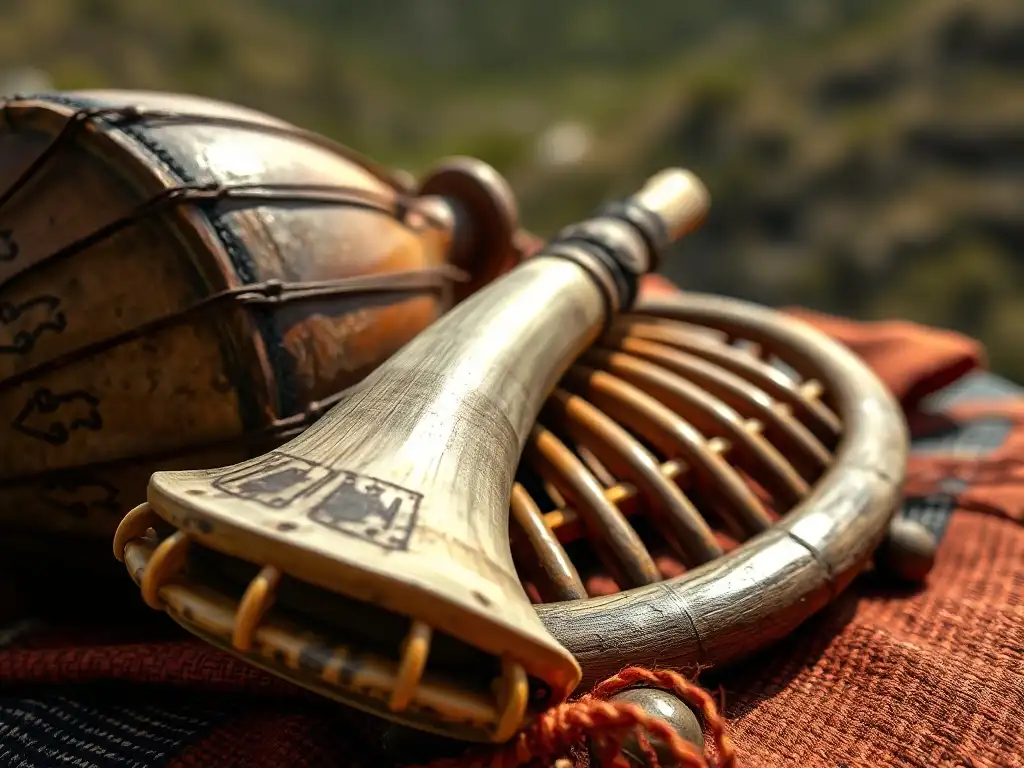
The Inca Empire, renowned for its sophisticated social structures and impressive architectural feats, also possessed a rich musical tradition. Inca music and dance instruments were integral to their religious ceremonies, social gatherings, and daily life, reflecting the empire's complex worldview and artistic ingenuity. Understanding these instruments provides crucial insight into the cultural fabric of this remarkable civilization.
The sounds of the Andes, produced by these instruments, were not merely entertainment; they were a vital part of Inca spiritual and social life. The variety of instruments used highlights the Inca's innovative approach to music-making. Analyzing these instruments helps us paint a more complete picture of Inca culture.
Wind Instruments: Sounds of the Andes
Wind instruments held a significant place in Inca musical practices. Their evocative sounds, capable of both gentle melodies and powerful calls, were used in diverse contexts, from intimate rituals to grand public celebrations. The craftsmanship involved in creating these instruments demonstrates a high level of skill and artistic refinement. The materials used, often readily available natural resources, further underscore the Inca's ingenuity and connection to their environment.
The Quena: A Traditional Andean Flute
The quena, a simple yet expressive end-blown flute, is perhaps the most iconic Andean wind instrument. Made from various materials, including cane, wood, and bone, its haunting melodies are still heard throughout the Andes today. The quena's characteristic sound, often described as melancholic yet beautiful, played an important role in Inca religious ceremonies and daily life.
Archaeological evidence suggests that quenas were commonly used in ensembles, creating rich and layered musical textures. Variations in size and materials produced a range of tones and timbres, adding complexity to the music. The quena's enduring popularity testifies to its timeless appeal and the enduring legacy of Inca musical traditions.
The Antara: Panpipes and their variations
The antara refers to a set of panpipes, each pipe having a different length and producing a different note. These instruments were often played in pairs, with one set providing a drone-like accompaniment to the melody played on the other. The antara’s ability to create complex harmonies and textures made it a versatile instrument used in various musical contexts.
Archaeological finds show intricate variations in the number of pipes and the materials used, suggesting that different types of antaras existed, each with its own unique sonic characteristics. The sophistication of these instruments underscores the level of musical understanding within Inca society.
Pututu: The Conch Shell Trumpet
Unlike the quena and antara, the pututu was not a crafted instrument but a naturally occurring one, a large conch shell used as a trumpet. Its powerful, resonant sound was used for ceremonial purposes, particularly for announcements and signaling during important events. The pututu's deep, booming tone was capable of carrying across vast distances, making it a crucial tool for communication within the Inca Empire.
Its use in religious ceremonies further highlights its significance as a powerful symbol of authority and spiritual connection. The pututu's raw, natural sound contrasts with the more refined sounds of instruments like the quena and antara, illustrating the diversity of Inca musical expression.
Pinkillu: A type of flute used in Inca rituals
The pinkillu, a type of vertical flute, played a significant role in Inca religious ceremonies. Unlike the transverse quena, the pinkillu is played vertically, producing a unique and distinctive sound. Its use in rituals suggests a connection to the spiritual realm and the veneration of Inca deities. While less common than the quena, the pinkillu’s distinctive sound added to the rich tapestry of Inca music. Further research is needed to fully understand the specific roles and variations of the pinkillu within Inca musical practices. [Specific information pending on the materials used and the range of tones produced].
Percussion Instruments: Rhythms of Inca Celebrations
Percussion instruments provided the rhythmic heartbeat of Inca music and dance. Their driving rhythms underpinned ceremonies, celebrations, and dances, adding energy and dynamism to the musical landscape. The diversity of percussion instruments reflects the Inca's understanding of rhythm and its importance in their cultural expression. The use of these instruments often involved intricate rhythmic patterns and complex interplay between different instruments.
The Wankar: A large Inca drum
The wankar, a large cylindrical drum, was a prominent percussion instrument in Inca music. Its deep, resonant sound provided a powerful rhythmic foundation for larger ensembles. The wankar's size and construction suggest its use in outdoor settings, where its sound could resonate across large spaces. Its role in ceremonies and public celebrations emphasizes its importance in creating a communal atmosphere and enhancing the overall impact of performances. The wankar's sound was likely integral to the powerful emotional impact of Inca ceremonies and festivities.
The Tinya: A smaller hand drum
In contrast to the large wankar, the tinya was a smaller, hand-held drum. Its more delicate sound was used to provide rhythmic accents and embellishments. The tinya's portability made it suitable for use in more intimate settings and in smaller ensembles. Its versatility allowed it to be used in a wider range of musical contexts than the larger wankar. The use of both the tinya and the wankar together would have created a rich and varied rhythmic texture.
Chajchas: Rattle instruments used in Inca dances
The chajchas were rattle instruments, typically made from gourds filled with seeds or small stones. Their distinctive, shaking sound added a lively and percussive element to Inca dances. The chajchas were often used in pairs, creating a rhythmic counterpoint to the other instruments. Their use in dances highlights their role in creating a vibrant and energetic atmosphere. The simple design of the chajchas belies their importance in the overall musical and dance experience of Inca culture. The sound of these rattles would have enhanced the visual spectacle of the dances, making them even more captivating.
String Instruments: The Less Common Side of Inca Music
While percussion and wind instruments dominated the Inca musical landscape, string instruments occupied a less prominent, yet intriguing, position. Archaeological evidence for stringed instruments in the Inca Empire is scarce compared to the abundance of findings related to wind and percussion instruments. This scarcity has led to some debate among researchers regarding the extent of their use and importance within Inca society.
However, the limited evidence suggests a possible presence, albeit a less widespread one, of these instruments. The reasons for their relative rarity are multifaceted and warrant further investigation, potentially pointing to cultural preferences or limitations in material availability. Further research into Inca music and dance instruments may reveal a more significant role for string instruments than is currently understood.
Limited use of Stringed Instruments in Inca Culture
The apparent limited use of string instruments in Inca culture contrasts sharply with the prevalence of other musical instruments. This disparity isn't easily explained and requires considering several contributing factors. One possibility is a preference for the energetic and rhythmic sounds produced by panpipes and drums, instruments more readily suited to large-scale ceremonies and celebrations that were central to Inca life.
The social and political functions of music likely played a crucial role in shaping the types of instruments employed. Another factor might relate to the materials required to construct string instruments.
High-quality materials were needed to create durable and resonant strings, and the availability of such materials might have been a limiting factor in the wider adoption of stringed instruments. The relative scarcity of archaeological finds of string instruments might also be attributed to the materials themselves – organic materials used in construction are less likely to survive the passage of time than ceramic or metal objects.
Possible use of simple harps or lyres
Although direct evidence is limited, some researchers propose the possibility that simple harps or lyres might have existed within Inca society. These instruments could have been crafted using readily available materials such as wood and animal gut for strings. The designs would likely have been simpler than those found in other ancient cultures, reflecting both the available technology and the cultural preferences of the Inca.
Depictions in Inca art, while not directly showing stringed instruments, might offer indirect clues. Careful examination of textile designs or pottery fragments could reveal stylized representations of these instruments, although interpretation in such cases requires careful consideration and corroboration with other archaeological evidence.
The study of Inca music and dance instruments is an ongoing process, and further research, including detailed analysis of existing artifacts and interdisciplinary approaches, is needed to fully understand the role of stringed instruments, if any, in Inca musical practices. The possibility of their use, however limited, adds to the richness and complexity of Inca musical culture.
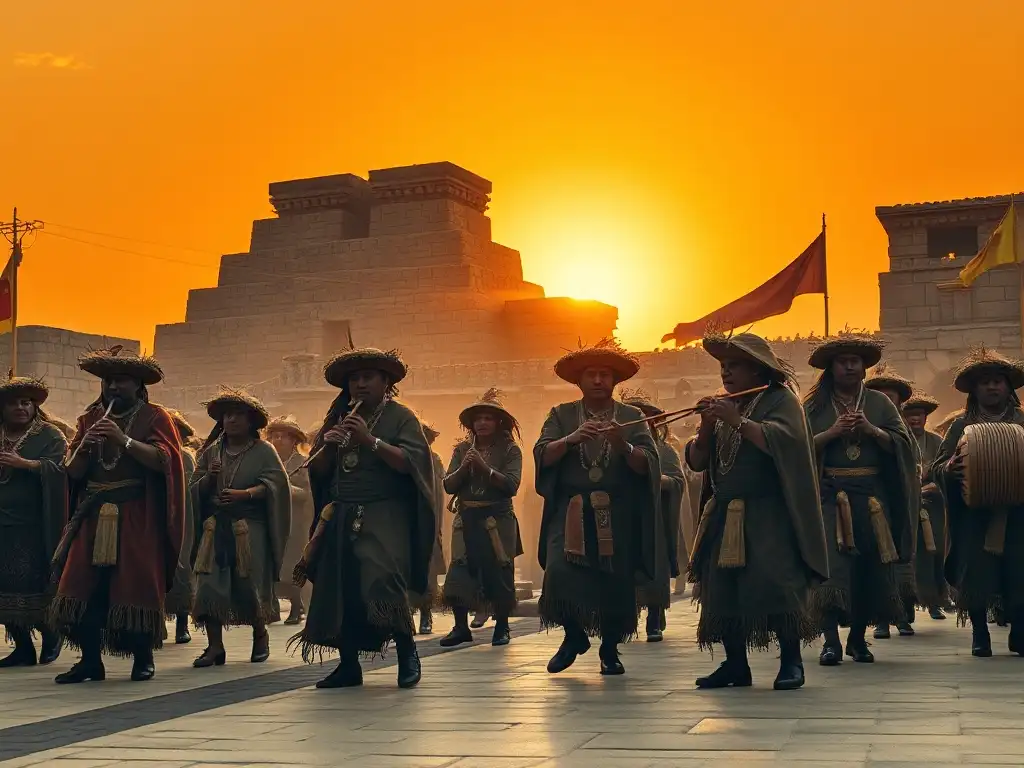
The vibrant tapestry of Inca civilization wasn't woven solely from threads of political power and architectural prowess. Music and dance, deeply intertwined with their spiritual beliefs and social structures, played a pivotal role in shaping Inca society. These art forms served not merely as entertainment, but as powerful tools for reinforcing social order, celebrating agricultural cycles, and honoring their deities.
Understanding Inca music and dance instruments is crucial to comprehending the full richness of their culture. The sounds and movements weren't simply aesthetic; they were integral to the very fabric of Inca life. Their impact resonates even today, offering a glimpse into the complex worldview of this remarkable civilization.
Music and Dance in Inca Festivals and Rituals
Inca festivals, often tied to agricultural cycles and religious observances, provided the most spectacular displays of music and dance. These weren't casual performances; they were meticulously choreographed events involving large numbers of participants, showcasing the empire's power and unity. The instruments used, ranging from simple flutes and panpipes to more complex percussion instruments, created a powerful sonic landscape that amplified the spiritual and social significance of the occasion. The intricate steps and movements of the dances, likewise, were symbolic, often representing agricultural processes, animal movements, or mythological narratives. Let's explore two key examples:
Inti Raymi: The Festival of the Sun
Inti Raymi, the most important festival in the Inca calendar, celebrated the sun god, Inti. This grand event, held at the summer solstice, involved elaborate processions, sacrifices, and performances that lasted for days. The music, a blend of celebratory and reverential tones, featured instruments such as the pututu (a long shell trumpet), the antara (panpipes), and various drums.
The dances were equally impressive, with participants dressed in vibrant costumes representing various aspects of the Inca world. These performances reinforced the sun god's importance and the emperor's role as his earthly representative, solidifying the divine right to rule. The sheer scale of Inti Raymi, involving thousands of participants and elaborate preparations, highlights the centrality of music and dance to Inca religious life.
Detailed accounts of the specific songs and dances performed during Inti Raymi are unfortunately scarce, leaving room for further research and interpretation. However, surviving descriptions paint a picture of a truly magnificent and awe-inspiring spectacle. The sounds of the pututu echoing across the sacred plazas, the rhythmic beats of the drums, and the synchronized movements of the dancers surely created an unforgettable experience.
Capac Raymi: The Festival of the Great Lord
Capac Raymi, another significant festival, celebrated the Inca emperor. While Inti Raymi focused on the sun god, Capac Raymi emphasized the emperor's authority and the empire's power. This festival, held in the month of December, featured similar elements of music and dance, but with a greater emphasis on the emperor's role as the supreme ruler.
The music was likely grander and more majestic, reflecting the emperor's status. The dances, too, might have incorporated elements symbolizing imperial power and might. [Specific details regarding Capac Raymi music and dance are pending further research].
However, it is reasonable to assume that the instruments and dance styles were similar to those used in Inti Raymi, but with a distinctly different narrative focus. The celebration of the emperor, the embodiment of the Inca state, would have been a powerful display of imperial authority and a crucial element in maintaining social control and cohesion within the vast Inca Empire.
Music and dance were not confined to religious festivals; they permeated all aspects of Inca society. Different social groups, from the elite to the commoners, had their own musical traditions and dances. These performances served to reinforce social hierarchies and maintain social order. For example, the nobility likely had access to more sophisticated instruments and participated in more elaborate performances, while commoners might have engaged in simpler forms of music and dance associated with their daily lives and community events.
The use of music and dance in Inca rituals and ceremonies also served to transmit cultural knowledge and values across generations. Songs and dances often told stories of Inca history, mythology, and social customs, providing a powerful means of education and social control. The intricate steps and movements of the dances could have been used to convey complex messages and narratives, ensuring the continuity of Inca traditions and beliefs. Unfortunately, the precise social stratification within Inca music and dance traditions remains an area requiring further scholarly investigation.
More detailed archaeological findings and a deeper analysis of surviving accounts are needed to fully illuminate the nuances of this aspect of Inca culture. However, even the limited evidence available strongly suggests that music and dance played a crucial role in shaping and maintaining Inca social order. The careful orchestration and symbolic significance of these art forms underscore their importance in the Inca worldview.
Inca Music and Dance in Modern Andean Culture
Inca musical and dance traditions, while significantly transformed over centuries, continue to resonate deeply within modern Andean culture. The enduring legacy is not simply a matter of nostalgic preservation; rather, it's a vibrant, evolving tapestry woven into the fabric of contemporary life. Many traditional instruments, melodies, and dance styles have survived, albeit often adapted and reinterpreted. This persistence speaks volumes about the power of cultural memory and the enduring significance of Inca heritage.
The impact is visible in various aspects of modern Andean society. Festivals throughout the Andes frequently feature performances incorporating elements of Inca music and dance. These events are not merely historical reenactments; they are lively celebrations that draw large crowds and reaffirm cultural identity. The costumes, the rhythmic movements, and the melodies themselves serve as powerful symbols of community and shared heritage. Furthermore, many contemporary musicians and dancers draw inspiration from Inca traditions, incorporating elements into their own unique artistic expressions. This fusion of old and new creates a dynamic and ever-evolving artistic landscape.
The influence extends beyond formal performances. Inca-inspired melodies and rhythms can be found woven into the everyday soundscapes of Andean villages and towns. From informal gatherings to religious ceremonies, music plays a vital role, often echoing ancient patterns and forms. This constant engagement with the musical heritage ensures its continued relevance and adaptation to the changing social context.
The preservation and adaptation of Inca musical and dance traditions are not merely academic exercises; they are fundamental to maintaining cultural continuity and identity in the face of globalization and modernization. This active engagement with the past ensures that the spirit of Inca culture continues to thrive in the present. The vibrant continuation of these traditions is a testament to the enduring power of cultural memory and its significance in shaping modern Andean identities. This ongoing cultural exchange demonstrates the profound and lasting impact of the Inca Empire's cultural legacy.
Preserving the Legacy of Inca Music and Dance
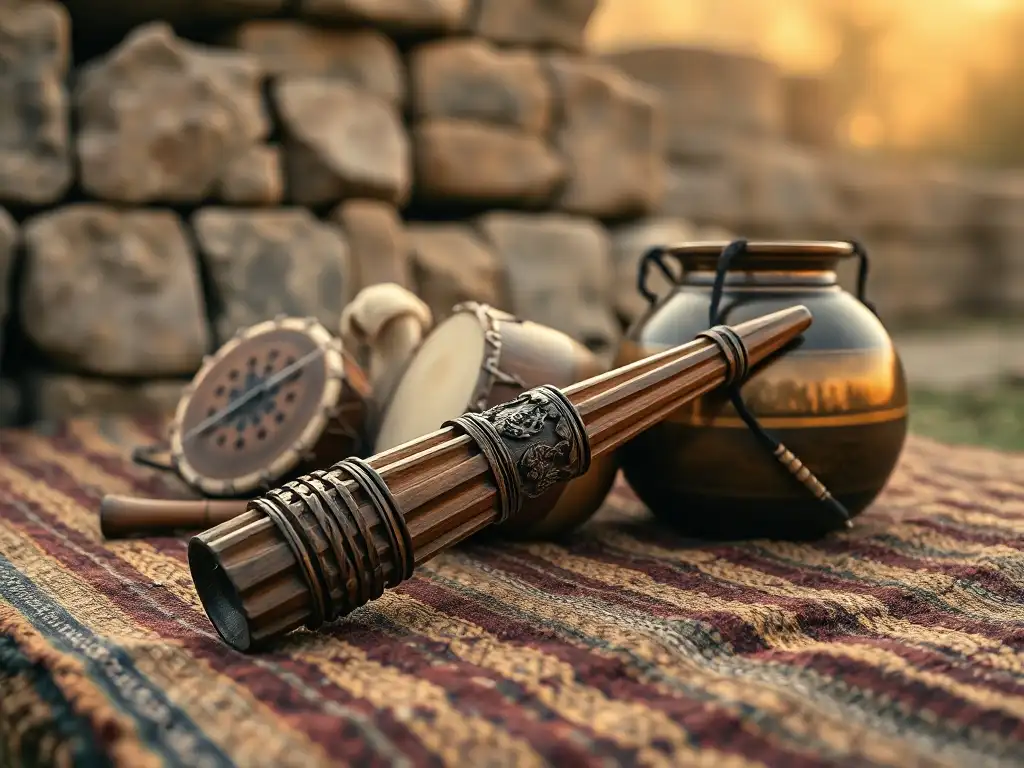
The legacy of Inca music and dance, a vibrant tapestry woven from centuries of tradition, faces the challenge of preservation in the modern world. While much was lost during the Spanish conquest, fragments of this rich cultural heritage remain, offering glimpses into the sophisticated musical and dance practices of the Inca Empire. Archaeological discoveries, albeit limited, continue to unearth clues – fragmented pottery depicting musical instruments, surviving textiles with intricate designs suggestive of dance costumes, and even rudimentary instruments themselves.
These precious artifacts, painstakingly studied by ethnomusicologists and archaeologists, contribute vital pieces to the puzzle. However, the true challenge lies not just in the physical remnants, but in the intangible aspects—the rhythms, melodies, and precise movements that constituted the essence of Inca performance. Understanding the context in which these musical and dance forms existed within Inca society is crucial for accurate reconstruction and respectful preservation.
This requires careful analysis of historical accounts, albeit often biased, alongside the meticulous examination of surviving material culture. The task is complex, demanding interdisciplinary collaboration and a nuanced understanding of the socio-political context of the Inca Empire. The goal isn't mere imitation, but a sensitive and informed reinterpretation that honors the spirit of the original performances.
Efforts to Recreate Inca Music and Dance
Efforts to recreate Inca music and dance are often collaborative projects involving musicians, dancers, anthropologists, and historians. Researchers meticulously study existing evidence, including colonial-era accounts and surviving indigenous traditions in the Andes that may retain echoes of Inca practices. This process often involves painstaking analysis of iconography found on ceramics and textiles, attempting to decipher the representation of musical instruments and dance movements.
For example, the depiction of panpipes on pottery shards provides valuable information about their construction and potential musical scales. Furthermore, the study of surviving Andean musical traditions offers clues to potential rhythmic structures and melodic patterns that might have existed in Inca music. The process is iterative, involving trial and error, informed speculation, and continuous refinement based on new discoveries and interpretations.
There’s no single definitive "recreation," but rather a spectrum of interpretations, each attempting to honor the available evidence while acknowledging the inherent limitations of reconstructing a lost culture. The focus is on understanding the principles underlying Inca musical and dance practices, rather than achieving a perfect replica. These efforts are essential for keeping the memory of Inca music and dance alive and for providing a window into the rich cultural life of the Inca Empire.
The Influence of Inca Musical Traditions on Contemporary Music
The influence of Inca musical traditions, although often subtle and indirect, can be detected in contemporary Andean music. While the direct transmission of specific melodies or rhythmic patterns might be difficult to trace definitively, the underlying principles of Andean musical aesthetics—the emphasis on specific instruments like panpipes ( antara) and drums ( tinku), the use of pentatonic scales, and the integration of music and dance—continue to resonate in modern musical expressions. The use of indigenous instruments, such as the charango and the zampoña, in contemporary Andean folk music reflects a continuous engagement with pre-Columbian musical heritage.
Many contemporary musicians actively draw inspiration from Inca musical aesthetics, incorporating elements of their sound and style into their compositions. The enduring popularity of these instruments and musical styles speaks to the enduring power and appeal of Inca musical traditions.
However, it's important to acknowledge that contemporary Andean music is a complex blend of indigenous, colonial, and modern influences. Tracing the direct lineage of specific elements back to Inca practices often proves challenging, requiring detailed musicological analysis and a nuanced understanding of the historical evolution of Andean music.
The Importance of Understanding Inca Dance and Musical Instruments
Understanding Inca dance and musical instruments is crucial for appreciating the complexity and sophistication of Inca culture. These art forms were not mere entertainment; they held significant social, religious, and political functions within Inca society. Music and dance played vital roles in religious ceremonies, royal processions, and agricultural rituals.
The instruments themselves, from the simple pututu (a shell trumpet) to the more complex panpipes, were not simply tools for producing sound, but objects imbued with symbolic meaning. The intricate choreography of Inca dances, often incorporating elaborate costumes and movements, likely conveyed narratives and expressed social hierarchies. Furthermore, the materials used to craft these instruments – wood, stone, shell, metal – and their craftsmanship reveal insights into Inca technology and artistry.
The study of Inca music and dance instruments provides a valuable lens through which to examine various aspects of Inca society, from their spiritual beliefs to their social structures and technological capabilities. Preserving and studying these elements allows us to gain a deeper understanding of the Inca worldview and their rich cultural heritage. In essence, the study of Inca music and dance instruments is not merely an exercise in historical reconstruction; it's a journey into the heart of a remarkable civilization.
Frequently Asked Questions
What types of musical instruments did the Inca use?
The Inca utilized a variety of instruments, including the pututu (a shell trumpet), the antara (panpipes), and the tarka (a vertical flute). Percussion instruments like drums were also important.
What was the significance of music and dance in Inca culture?
Music and dance were integral to Inca religious ceremonies, celebrations, and daily life. They served to honor deities, mark important events, and express social cohesion.
How did Inca music differ from other Andean cultures?
While sharing some similarities with other Andean traditions, Inca music featured distinct stylistic elements reflecting their imperial power and centralized organization. The use of large ensembles was a key characteristic.
What role did music play in Inca religious practices?
Music played a vital role in Inca religious rituals. It was used to communicate with deities, accompany sacrifices, and create a sacred atmosphere during ceremonies.
Where can I learn more about Inca musical instruments and their construction?
You can find further information in archaeological publications and museum exhibits dedicated to Andean cultures. Many academic papers detail the construction and use of Inca instruments.
Final Reflection: Echoes of the Andes: A Legacy in Sound and Movement
The vibrant tapestry of Inca music and dance, far from being a relic of the past, continues to resonate powerfully in contemporary Andean culture and beyond. Its enduring influence speaks to the profound connection between music, identity, and the human spirit, a connection that transcends time and geography. The intricate instruments, the rhythmic movements, and the deeply spiritual narratives embedded within these art forms offer a window into a civilization that, despite its fall, left an indelible mark on the world.
The enduring power of Inca music and dance lies not just in its historical significance, but in its ability to evoke a sense of shared heritage and cultural pride. It's a testament to the resilience of a people and their traditions. The music, with its haunting melodies and complex rhythms played on instruments like the pututu and antara, continues to inspire contemporary artists and musicians, demonstrating its timeless appeal. As the Peruvian writer Mario Vargas Llosa once wrote, Culture is not just a collection of artifacts; it is the living expression of a people's soul.
This statement perfectly encapsulates the enduring legacy of Inca musical and dance traditions.
Consider, for a moment, the power of rhythm and melody to connect us across time and space. The sounds and movements of Inca music and dance offer a pathway to understanding a rich and complex culture. I encourage you to delve deeper, to explore the sounds and rhythms that echo from the Andes, and to find your own connection to this powerful legacy. Listen to the music, watch the dances, and let the echoes of the Inca Empire resonate within you, inspiring a deeper appreciation for the enduring power of cultural expression.
Embrace the Rhythm: Ignite Your Passion for Inca Culture!
Thank you for exploring the rich, vibrant world of Inca music and dance! Your interest in these powerful expressions of imperial culture reveals the beauty and complexity of ancient Andean traditions. To further deepen your appreciation, consider these suggestions:
Here are some exciting ways to continue your journey:
- Join a local Andean dance class or workshop to experience the energy and joy of Inca-inspired movements firsthand.
- Explore online resources for traditional Inca music playlists and immerse yourself in the sounds that shaped this remarkable civilization.
- Share your newfound knowledge with friends and family by hosting a cultural evening or discussion group focused on the Inca legacy.
What aspect of Inca music or dance has resonated most with you, and how will you integrate it into your life?