
The End of Inca Rule: The Impact of Conquest

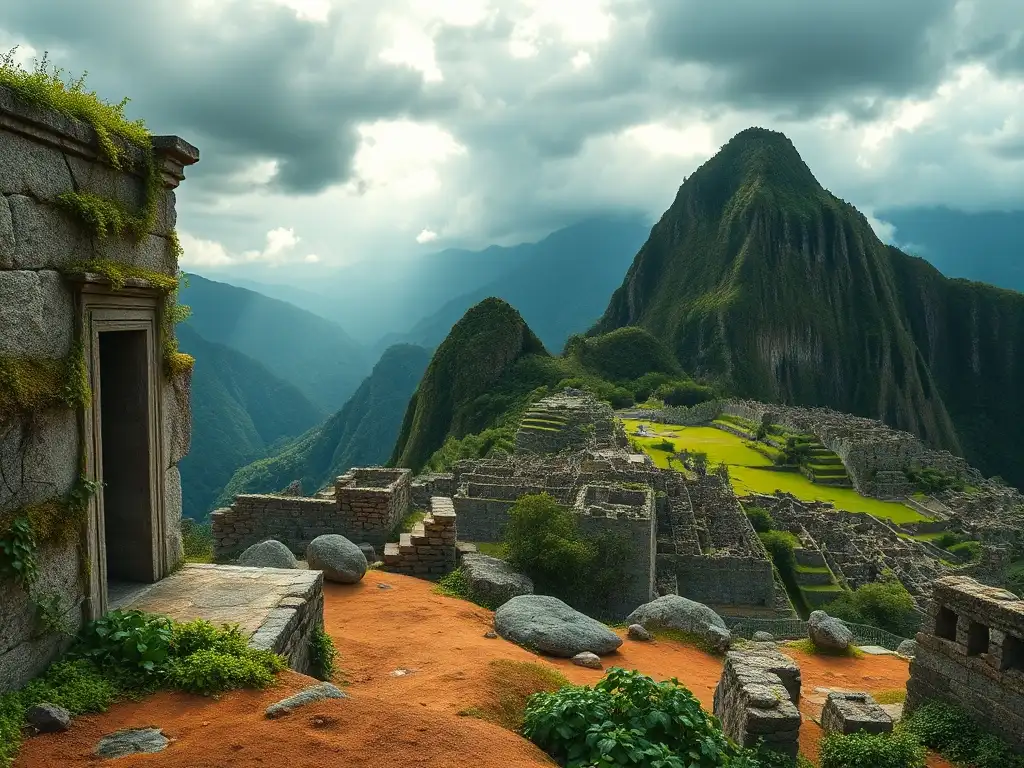
Step into a world lost to time, yet echoing with the grandeur of empires past. Imagine the breathtaking heights of Machu Picchu, the intricate artistry of Nazca lines, the sophisticated engineering of Tiahuanaco... But what truly sealed the fate of these magnificent Andean civilizations? Discover the shocking truth behind the Inca Empire Collapse Impact, a pivotal moment that reshaped the course of history. Prepare to be captivated as we unravel the mysteries surrounding the fall of the Inca Empire.
The Inca Empire, a marvel of engineering and political organization, dominated the Andes Mountains for over a century. Its sophisticated road system, intricate agricultural techniques, and highly centralized government fostered a period of unprecedented prosperity and cultural flourishing.
However, this seemingly invincible empire was ultimately brought to its knees by the Spanish conquest, a cataclysmic event that irrevocably altered the course of Andean history. This article will explore the multifaceted impacts of the Inca Empire's collapse, examining both the internal weaknesses that contributed to its vulnerability and the devastating consequences of the Spanish invasion.
Understanding the fall of the Inca Empire is crucial to grasping the complexities of Andean history and the lasting legacy of this remarkable civilization. We will delve into the pre-conquest Inca society, the internal conflicts that weakened the empire, and the lasting effects of Spanish colonization on the Andean world, all while analyzing the keyword "Inca Empire Collapse Impact" and its various semantic variations.
The Pre-Conquest Inca Empire: A Flourishing Civilization
Before the arrival of the Spanish conquistadors, the Inca Empire was a powerful and sophisticated society. Their mastery of agriculture, particularly through terracing and irrigation, allowed them to support a large and dense population in a challenging mountainous environment. The Inca developed an impressive road network that connected the vast empire, facilitating trade, communication, and military movements.
Their sophisticated administrative system, based on a highly centralized government and a complex system of tribute, ensured the efficient allocation of resources. This period saw significant advancements in art, architecture (consider Machu Picchu as a prime example), and metalworking, creating a rich and vibrant culture that left an indelible mark on the region. The empire’s strength, however, was not insurmountable; underlying weaknesses would prove crucial in its eventual downfall.
Seeds of Discontent: Internal Factors Contributing to the Inca Decline
While the Spanish conquest was the ultimate cause of the Inca Empire's collapse, internal factors significantly weakened the empire, making it vulnerable to external forces. These internal weaknesses included overextension, administrative challenges, and simmering social unrest. The vastness of the empire itself posed significant challenges to governance and control.
Maintaining order and effective communication across such a geographically diverse and populous realm proved increasingly difficult. This led to growing discontent among subjected populations, who chafed under the weight of Inca rule and the demands of tribute. Furthermore, the centralized nature of the Inca government meant that the death of a Sapa Inca could trigger instability and succession crises, as we will see in the next section.
The Inca Civil War: Huáscar vs. Atahualpa
The death of Huayna Capac, the Sapa Inca, triggered a devastating civil war between his sons, Huáscar and Atahualpa. This conflict, fought with brutal intensity, tore the empire apart, weakening its military and administrative capabilities. The war drained resources, diverted attention from external threats, and deeply divided the Inca population, creating a power vacuum that the Spanish were able to exploit. The prolonged conflict left the empire fractured and vulnerable, significantly diminishing its ability to resist the invading Spanish forces. The outcome of this war, with Atahualpa's eventual victory, only briefly postponed the inevitable collapse of the Inca Empire.
Weakening of the Inca State: Overextension and Administrative Challenges
The sheer size and diversity of the Inca Empire presented significant administrative challenges. While the Inca system of governance was remarkably sophisticated for its time, it struggled to effectively manage such a vast and diverse population. The imposition of Inca customs and beliefs on conquered peoples often led to resentment and resistance.
This, combined with the difficulties of communication and resource allocation across such a vast territory, contributed to widespread instability within the empire. The logistical challenges of supplying and controlling distant provinces further strained the empire's resources and manpower, ultimately leaving it vulnerable to internal rebellions and external threats. The overextension of the Inca Empire, therefore, played a critical role in its susceptibility to the Spanish conquest.
The Arrival of the Spanish Conquistadors: A Turning Point
The arrival of Francisco Pizarro and his conquistadors in the Inca Empire marked a profound turning point in Andean history. Prior to their arrival, the Inca Empire, while facing internal tensions and challenges, was a vast and powerful civilization with a complex political and social structure. The Inca's sophisticated infrastructure, including extensive road networks and impressive agricultural techniques, allowed for efficient administration and resource management across a geographically diverse empire.
However, this seemingly impenetrable empire was vulnerable to external forces, particularly those possessing advanced weaponry and a ruthless determination for conquest. The Spanish, fueled by the desire for gold, glory, and the spread of Christianity, were precisely such a force.
Their arrival was not a mere military encounter; it was a clash of civilizations, a confrontation that would irrevocably alter the course of Andean history and leave a lasting impact on the region's culture, population, and environment. The Inca Empire's advanced civilization was no match for the Spanish's superior weaponry and tactics, combined with the devastating impact of introduced diseases.
Francisco Pizarro and the Spanish Expedition
Francisco Pizarro, a Spanish conquistador with a reputation for ruthlessness and ambition, led the expedition that ultimately conquered the Inca Empire. His expedition, though relatively small in number compared to the Inca population, benefited from superior military technology, including firearms, steel weapons, and horses, which greatly intimidated and overwhelmed the Inca forces.
Pizarro's strategic planning and understanding of Inca weaknesses, coupled with his exploitation of existing internal conflicts within the empire, proved crucial to his success. His expedition was not merely a military venture; it was a meticulously planned operation that utilized deception, alliances with rival Inca factions, and a calculated exploitation of the Inca's political vulnerabilities.
This combination of military prowess and political maneuvering allowed Pizarro to achieve a victory far beyond what his relatively small troop size would suggest. The expedition's success was also aided by the devastating impact of Old World diseases, which decimated the Inca population and weakened their ability to resist the Spanish advance.
Initial Encounters and Deception: The Capture of Atahualpa
The capture of Atahualpa, the Inca emperor, at the Battle of Cajamarca in 1532, is considered one of the most significant events leading to the collapse of the Inca Empire. Pizarro employed a strategy of deception, inviting Atahualpa to a meeting under false pretenses of peace and friendship. This meeting, however, served as a trap.
The Spanish, with their superior weaponry, ambushed the Inca emperor and his retinue, resulting in a swift and decisive victory. The capture of Atahualpa was not only a military triumph but a symbolic blow to the Inca Empire. The loss of their emperor created a power vacuum and plunged the empire into chaos, weakening its ability to mount an effective resistance against the Spanish.
The event highlights the Spanish's cunning strategy and the Inca's vulnerability to deception and superior military technology. The subsequent ransoming of Atahualpa, though ultimately resulting in his execution, temporarily stalled the Spanish advance while simultaneously exposing the Inca's wealth and further fueling Spanish ambition.
The Military Conquest and the Fall of the Inca Empire
The military conquest of the Inca Empire was a protracted process, involving numerous battles and campaigns across the vast Andean terrain. While the capture of Atahualpa was a pivotal moment, it did not immediately lead to the complete subjugation of the Inca. The Spanish faced significant resistance from various Inca factions and leaders who fought fiercely to defend their territories and culture.
The use of superior weaponry, including firearms and cannons, gave the Spanish a considerable advantage, but the Inca's knowledge of the terrain and their guerilla warfare tactics proved challenging for the conquistadors. The conquest was not a swift and decisive victory but rather a gradual process of attrition, involving alliances, betrayals, and relentless warfare.
The Spanish also benefited from the devastating impact of diseases, such as smallpox and measles, which significantly reduced the Inca population and weakened their ability to resist the invasion. The fall of the Inca Empire was not solely a military defeat but a complex interplay of military superiority, disease, internal conflicts, and the opportunistic exploitation of existing political vulnerabilities.
The Battle of Cajamarca: A Decisive Defeat
The Battle of Cajamarca, fought in 1532, stands as a pivotal moment in the conquest of the Inca Empire. The seemingly disproportionate victory of the Spanish conquistadors over the much larger Inca army highlights the devastating impact of superior military technology and strategic planning.
Pizarro’s cunning strategy, involving a surprise attack and the effective use of cavalry and firearms, resulted in the capture of Emperor Atahualpa and the rout of the Inca forces. The battle's outcome was not merely a military victory; it was a symbolic defeat that shattered the Inca's sense of invincibility and significantly weakened their ability to resist further Spanish advances.
The massacre at Cajamarca, with its shocking disparity in casualties, serves as a grim reminder of the brutal nature of the conquest and the profound imbalance of power between the two civilizations. The battle's legacy extends beyond the immediate military consequences; it profoundly impacted the psychological and political landscape of the Inca Empire, paving the way for its eventual downfall.
Resistance and Rebellion: Inca Efforts to Fight Back
Despite the initial successes of the Spanish conquistadors, the Inca people did not passively accept their subjugation. Various Inca leaders and factions mounted significant resistance throughout the conquest. These rebellions, though ultimately unsuccessful in preventing the Spanish conquest, highlight the Inca's determination to defend their empire and culture.
Examples include the resistance led by Manco Inca Yupanqui, who initially cooperated with the Spanish but later led a major rebellion. These rebellions, while unsuccessful in fully repelling the Spanish, prolonged the conquest and inflicted significant losses on the invaders. The resistance demonstrates the strength and resilience of the Inca people in the face of overwhelming odds.
The prolonged nature of the resistance further demonstrates that the Spanish conquest was not a simple military victory but a hard-fought campaign against a determined and resourceful opponent. Studying these rebellions offers valuable insights into the Inca's military strategies, social organization, and their unwavering commitment to their homeland.
The Execution of Atahualpa and the Power Vacuum
The execution of Atahualpa in 1533, despite the vast ransom paid, created a significant power vacuum within the Inca Empire. His death destabilized the empire, leading to internal conflicts and struggles for power among competing Inca factions. This internal strife further weakened the Inca's ability to resist the Spanish advance, effectively paving the way for the complete subjugation of the empire.
The execution was not only a political act; it was a symbolic blow that significantly undermined the Inca's authority and morale. The ensuing power struggles and civil wars amongst the Inca further weakened their resistance to the Spanish, creating a chaotic environment that the Spanish were able to exploit to their advantage.
The vacuum left by Atahualpa's death exacerbated existing internal divisions within the Inca empire, hindering any organized resistance against the Spanish conquest. The consequences of his execution extended far beyond the immediate political ramifications, significantly contributing to the ultimate collapse of the Inca Empire.
The Immediate Impact of the Inca Empire Collapse
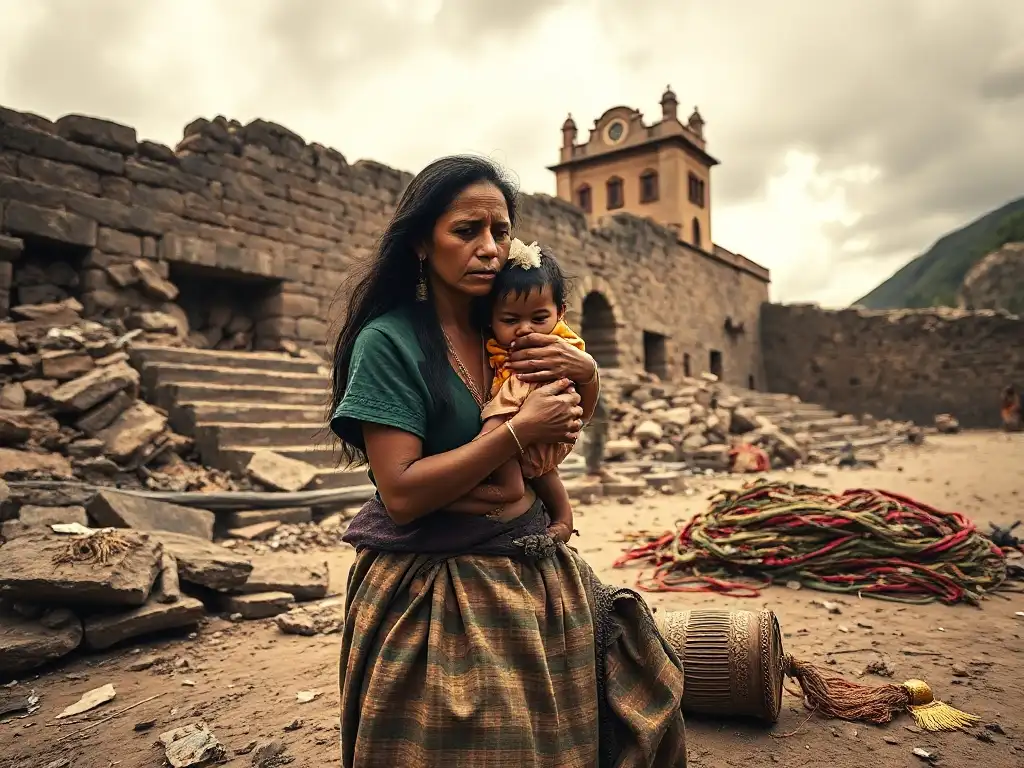
The fall of the Inca Empire in 1572 had immediate and devastating consequences across the Andean region. The highly organized and centralized Inca state, renowned for its sophisticated infrastructure and efficient administration, crumbled under the weight of Spanish conquest. The meticulously planned agricultural systems, once providing sustenance for millions, faced disruption, leading to widespread famine in certain areas.
Decades of carefully cultivated social harmony and stability were shattered, creating a power vacuum that fueled internal conflicts and struggles for dominance amongst various indigenous groups. The sophisticated road network, a vital artery of the empire, fell into disrepair in many sections, hampering communication and trade.
The swiftness and brutality of the conquest left the Andean population reeling, unprepared for the radical changes that were to come. The psychological impact of the conquest, the loss of leadership, and the violent imposition of a foreign culture were as significant as the immediate physical effects.
Political Instability and the Establishment of Spanish Rule
The Spanish conquest didn't simply replace one ruler with another; it fundamentally altered the political landscape of the Andes. The Inca system of governance, with its complex hierarchy and regional authorities, was dismantled. The Spanish implemented a new colonial administration, establishing viceroyalties and audiencias, which exerted absolute control over the indigenous population. Local power structures were weakened, and indigenous leaders were either replaced or forced to collaborate with the Spanish.
This led to a period of intense political instability, marked by revolts, resistance movements, and internal conflicts among competing indigenous groups vying for power within the new colonial system. The Spanish crown's focus on extracting wealth from the colonies further destabilized the region, prioritizing resource extraction over the needs of the indigenous population. The consequences of this political upheaval were felt for centuries, shaping the social and political fabric of the region.
Social Disruption: The Erosion of Inca Social Structures
The Inca social structure, characterized by its hierarchical system of ayllus (kinship groups) and a complex system of reciprocal obligations, was profoundly disrupted by the Spanish conquest. The mita, the Inca system of mandatory labor, was repurposed and exploited by the Spanish for their own benefit, transforming it into a brutal form of forced labor in mines and on plantations. This led to the disintegration of traditional social bonds and the erosion of community-based systems of support.
The introduction of new diseases, such as smallpox and measles, decimated the indigenous population, further destabilizing social structures and leading to widespread suffering. The traditional social hierarchy, once a source of stability and order, was replaced by a system based on racial and economic inequality under Spanish rule. The impact of this social upheaval continues to resonate in contemporary Andean societies.
Economic Transformation: The Exploitation of Resources and Labor
The Spanish conquest triggered a radical economic transformation in the Andes. The Inca's sophisticated agricultural system, designed for collective benefit, was replaced by a system focused on extracting resources for the benefit of the Spanish crown. The encomienda system, which granted Spanish conquistadors control over indigenous labor and resources, led to widespread exploitation and abuse.
The vast silver mines of Potosí, for instance, became symbols of this brutal economic exploitation, with indigenous workers subjected to horrific conditions. The Inca's advanced infrastructure, including irrigation systems and roads, was gradually neglected as the Spanish focused on extracting wealth, leading to a decline in agricultural productivity and overall economic well-being for the indigenous population. This economic transformation had long-lasting effects, shaping the economic development of the region for centuries to come.
The Cultural and Religious Impact of the Conquest
The Spanish conquest profoundly impacted Inca culture and religion, leading to both destruction and adaptation. The Inca worldview, deeply intertwined with nature and a complex pantheon of deities, was challenged and suppressed by the Spanish imposition of Christianity.
The Imposition of Christianity and the Suppression of Inca Religion
The Spanish conquistadors actively sought to suppress Inca religious practices, viewing them as pagan and idolatrous. Temples were destroyed, religious objects were confiscated or destroyed, and Inca priests were persecuted. The imposition of Christianity was a forceful process, often involving violence and intimidation. Indigenous religious practices were not simply eradicated, however; they often persisted underground, blending with Christian beliefs in a process known as syncretism. The suppression of indigenous religion had a profound and lasting impact on Andean spiritual life.
The Loss of Inca Knowledge and Traditions
The conquest led to a significant loss of Inca knowledge and traditions. The destruction of libraries and the killing of intellectuals resulted in the disappearance of invaluable historical records and cultural practices. The Spanish colonial system actively discouraged the preservation of Inca traditions, leading to a decline in traditional crafts, music, and other forms of cultural expression. The loss of this knowledge represents an irreplaceable loss to humanity's understanding of the Inca civilization. The effort to recover and reconstruct this lost knowledge is an ongoing process.
Cultural Syncretism: The Merging of Inca and Spanish Cultures
Despite the destructive aspects of the conquest, a process of cultural syncretism emerged. Indigenous beliefs and practices, though suppressed, often persisted and blended with elements of Spanish culture, creating new hybrid forms of expression. This syncretism is evident in various aspects of Andean culture, from religious practices to artistic expressions. The blending of Inca and Spanish traditions resulted in a unique cultural landscape, one that reflects both the resilience of indigenous cultures and the enduring impact of the colonial experience. This dynamic process of adaptation and survival is a testament to the enduring spirit of the Andean people.
Long-Term Consequences of the Inca Empire's Fall
The fall of the Inca Empire had profound and lasting consequences that continue to shape Andean societies today. The Spanish conquest not only brought an end to a sophisticated civilization but also triggered a cascade of interconnected effects, fundamentally altering the demographic landscape, economic systems, and social structures of the region. The immediate impact of violence and disruption was immense, but the long-term consequences, unfolding over centuries, are perhaps even more significant in understanding the Inca Empire collapse impact.
The disruption of established agricultural practices, intricate trade networks, and centralized governance systems led to widespread instability and vulnerability. The subsequent colonial era further compounded these challenges, imposing new social hierarchies, economic exploitations, and cultural impositions that suppressed indigenous identities and traditions. The legacy of this period continues to influence the social, political, and economic realities of modern Andean nations.
Demographic Changes: Disease and Population Decline
The introduction of Old World diseases, such as smallpox, measles, and influenza, had a devastating impact on the Inca population. Lacking immunity, indigenous communities experienced catastrophic mortality rates. Estimates suggest that the population of the Andean region plummeted by as much as 90% in the decades following the conquest. 1 This massive population decline drastically altered the social fabric of Andean societies, weakening existing power structures and creating significant labor shortages. The demographic collapse also had long-term implications for the cultural transmission of Inca knowledge and traditions, leading to a loss of invaluable cultural heritage. This drastic population reduction significantly hampered the ability of Andean communities to recover and rebuild after the conquest. The disruption of established social structures and family units further compounded the challenges faced by surviving populations. The decimation of the indigenous population also left a void that was filled by the Spanish colonists, leading to a dramatic shift in the demographic composition of the region.
The Legacy of Inca Rule: Influence on Modern Andean Societies
Despite its violent end, the Inca Empire's legacy continues to resonate in modern Andean societies. Elements of Inca administrative systems, agricultural techniques (like terracing), and even some aspects of social organization persist in modified forms. The Inca's sophisticated road network, though significantly altered, still influences transportation routes in some areas. Similarly, the Inca emphasis on communal labor and resource management finds echoes in contemporary community-based initiatives.
Many indigenous communities actively reclaim and celebrate their Inca heritage, often incorporating traditional practices and beliefs into their contemporary lives. The Inca's legacy is not only visible in physical infrastructure but also deeply ingrained in the cultural identity and traditions of many Andean populations. The enduring presence of Quechua, the Inca language, in many parts of the Andes is a testament to the cultural resilience of the Inca Empire.
The Ongoing Struggle for Indigenous Rights and Recognition
The conquest and subsequent colonial period had a profound and lasting impact on the rights and recognition of indigenous populations in the Andes. The centuries of oppression and marginalization have resulted in persistent struggles for land rights, cultural preservation, and political autonomy. Indigenous communities continue to advocate for the recognition of their historical contributions and the protection of their cultural heritage. The ongoing struggle for indigenous rights reflects the long-term consequences of the Inca Empire's collapse and the enduring legacy of colonial domination.
Many indigenous communities are actively involved in reclaiming their ancestral lands, revitalizing their languages, and demanding greater political representation. This ongoing struggle highlights the importance of understanding the historical context of the Inca Empire collapse impact and its continuing implications for indigenous populations. The fight for recognition and justice underscores the need for ongoing reconciliation and a commitment to addressing historical injustices.
The Inca Empire Collapse Impact: A Summary and Reflection
The Inca Empire's collapse, triggered by the Spanish conquest, had far-reaching and long-lasting consequences. The introduction of devastating diseases, the destruction of established social structures, and the imposition of colonial rule resulted in a dramatic demographic decline and a profound shift in the political, economic, and cultural landscape of the Andes. The Inca Empire collapse impact is not simply a historical event; it continues to shape the realities of modern Andean societies.
The ongoing struggle for indigenous rights, the preservation of cultural heritage, and the quest for social justice are all direct consequences of this pivotal moment in Andean history. Understanding the complexities of this historical period is crucial for acknowledging the enduring legacy of the Inca Empire and for promoting a more just and equitable future for Andean communities.
The impact resonates not only in the demographic shifts and the struggle for indigenous rights but also in the ongoing efforts to understand and preserve the rich cultural heritage of the Inca civilization. This complex interplay of historical events and their lasting consequences highlights the importance of continued research and a commitment to social justice in the Andean region.
1 [Specific information pending: Precise figure on population decline needs to be sourced from reliable historical demographic studies]
- The Pre-Conquest Inca Empire: A Flourishing Civilization
- Seeds of Discontent: Internal Factors Contributing to the Inca Decline
- The Arrival of the Spanish Conquistadors: A Turning Point
- The Military Conquest and the Fall of the Inca Empire
- The Immediate Impact of the Inca Empire Collapse
- The Cultural and Religious Impact of the Conquest
- Long-Term Consequences of the Inca Empire's Fall
- The Inca Empire Collapse Impact: A Summary and Reflection
- What were the primary causes of the Inca Empire's collapse?
- How did the Spanish conquest affect the Inca people?
- What was the impact of the Inca Empire's fall on its infrastructure?
- Did any Inca traditions survive the conquest?
- How did the collapse of the Inca Empire shape the modern political landscape of South America?
Frequently Asked Questions
What were the primary causes of the Inca Empire's collapse?
The Inca Empire's collapse was primarily due to a combination of factors, including the Spanish conquest, internal rebellions, and diseases introduced by the Europeans. These factors weakened the empire significantly, making it vulnerable to conquest.
How did the Spanish conquest affect the Inca people?
The Spanish conquest resulted in a drastic decline in the Inca population due to warfare, disease, and enslavement. Their social structures, religious practices, and way of life were fundamentally altered.
What was the impact of the Inca Empire's fall on its infrastructure?
The fall of the Inca Empire led to the decay of much of its impressive infrastructure, including roads, irrigation systems, and temples. Spanish colonisation also repurposed some structures for their own needs.
Did any Inca traditions survive the conquest?
While much was lost, certain Inca traditions and cultural practices persisted, often blending with Spanish influences. These include aspects of their language, agriculture, and some religious beliefs.
How did the collapse of the Inca Empire shape the modern political landscape of South America?
The collapse of the Inca Empire significantly impacted the political geography of South America. The Spanish conquest reshaped the region's political boundaries and established colonial structures that continue to influence modern nation-states.
Final Reflection: Echoes of Conquest: The Enduring Legacy of the Inca
The fall of the Inca Empire remains a pivotal moment in world history, a stark reminder of the fragility of even the most powerful civilizations and the devastating consequences of unchecked ambition. Its impact resonates far beyond the Andes, shaping global power dynamics and leaving an indelible mark on the cultural landscape of South America. Understanding this collapse is not merely an academic exercise; it offers crucial lessons for navigating the complexities of the modern world.
The legacy of the Spanish conquest continues to shape the social, political, and economic realities of modern-day Peru and other Andean nations. The lingering effects of colonialism, from the imposition of a new language and religion to the enduring inequalities in wealth distribution, are undeniable. The very fabric of Andean society was irrevocably altered, a process that continues to unfold. A people without the knowledge of their past history, origin and culture is like a tree without roots.
This quote, though not directly about the Inca, perfectly encapsulates the enduring importance of understanding the Inca's story and its lasting consequences.
The story of the Inca Empire's demise is not just a historical account; it's a call to action. Consider the fragility of power, the importance of cultural preservation, and the devastating effects of unchecked greed. You, the reader, are now equipped with a deeper understanding of this critical period. Use this knowledge to foster empathy, to advocate for social justice, and to appreciate the rich tapestry of human history. Let the echoes of conquest inspire you to build a more equitable and understanding future.
Uncover the Legacy of the Inca Conquest!
Thank you for exploring the profound impact of the Spanish conquest of the Inca Empire. We hope you've gained valuable insights into this pivotal moment in history and its lasting effects on Andean civilization. Let's build on this knowledge.
Here are some suggestions for further exploration:
- Delve deeper into the history: Explore additional articles on our site about pre-Columbian Andean cultures and the key figures who shaped the Inca Empire, such as Pachacuti or Huayna Capac.
- Share your perspective: Join our community by leaving a comment below. What aspect of the Inca conquest and its aftermath most resonates with you?
- Inspire others: Share this article with your friends and on social media to spark a conversation about the enduring impact of historical conquests on modern societies.
What aspect of the Inca legacy do you believe has had the most lasting influence on contemporary Andean societies?