
Terrace Farming: The Key to Inca Agricultural Success

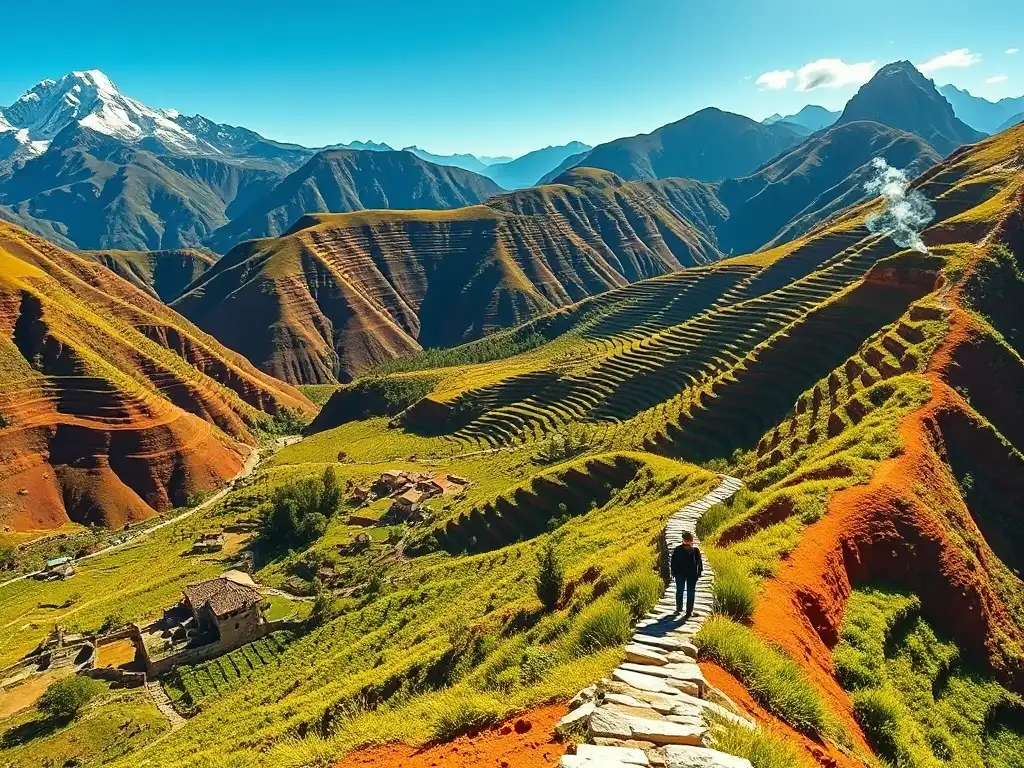
Step into a world lost to time, yet echoing with the ingenuity of empires past. Andean Civilizations unveils the secrets of a remarkable heritage, from the breathtaking artistry of the Nazca lines to the sophisticated engineering feats of the Incas. But what truly unlocked the power of the Andes? Prepare to be amazed by the Inca terrace farming techniques, a testament to their mastery of agriculture and a key to their enduring success. Discover how this innovative system shaped an entire civilization – explore the story now!
- Inca Terrace Farming: The Key to Andean Agricultural Success
- What is Terrace Farming?
- Inca Terrace Farming Techniques: Ingenious Methods
- Types of Inca Agricultural Terraces
- The Impact of Inca Terrace Farming on Food Production
- The Legacy of Inca Terrace Farming
- Comparing Inca Terrace Farming with Other Ancient Methods
- Frequently Asked Questions
- Final Reflection: Echoes of the Andes: The Enduring Legacy of Inca Terrace Farming
- **Nurture Your Own Agricultural Success Today! **
Inca Terrace Farming: The Key to Andean Agricultural Success
The Inca Empire, a civilization renowned for its sophisticated engineering and societal structures, thrived in the challenging Andean highlands. Their success wasn't solely based on military might or political organization; it was fundamentally rooted in their mastery of agriculture, particularly their innovative and ingenious terrace farming techniques.
This article delves into the intricacies of Inca terrace farming, exploring how these remarkable agricultural practices enabled the empire's expansion and consolidation, showcasing their profound understanding of both their environment and the principles of sustainable agriculture. We will examine the challenges posed by the Andean terrain, the ingenious solutions implemented by the Inca, and the lasting legacy of their agricultural innovations.
Understanding Inca terrace farming techniques is crucial to grasping the full scope of the Inca Empire's achievements and its enduring impact on the region. This exploration will highlight the ingenuity and resilience of the Inca people, demonstrating how their agricultural prowess underpinned their remarkable societal and political achievements.
Understanding the Importance of Agriculture in the Inca Empire
Agriculture was the backbone of the Inca Empire's economy and social structure. The Inca, unlike many other ancient civilizations, lacked large domesticated animals for plowing or transportation. Their success, therefore, depended heavily on their ability to effectively cultivate the land, providing sustenance for a vast population spread across diverse and challenging terrains.
The Inca state controlled agricultural production, organizing labor and distributing resources to ensure food security for the entire empire. This centralized system, coupled with advanced farming techniques, allowed for surplus production, supporting not only the population but also the empire's expansive military and administrative apparatus. The Inca's agricultural prowess was a key factor in their ability to conquer and control such a large and diverse territory.
They understood that a strong agricultural base was the foundation of a powerful and stable empire. This emphasis on agriculture is evident in the meticulous planning and engineering that went into their agricultural projects, most notably their extensive system of terrace farming.
The Challenge of Andean Terrain for Farming
The Andes Mountains present significant obstacles to agriculture. Steep slopes, rocky terrain, and unpredictable weather patterns, including intense rainfall and periods of drought, made farming a significant challenge. The altitude also presented unique difficulties; the thin air and short growing seasons limited the types of crops that could be successfully cultivated.
Furthermore, the uneven distribution of water resources across the mountainous landscape necessitated innovative solutions for irrigation and water management. The Inca faced these challenges head-on, developing sophisticated techniques to overcome the limitations of the environment and maximize agricultural output. Their solutions were not merely pragmatic; they demonstrated a deep understanding of the Andean ecosystem and a remarkable ability to adapt and innovate.
The development of terrace farming was a prime example of their ingenuity in overcoming these obstacles. The success of Inca agriculture is a testament to their ability to harness the environment rather than be constrained by it. This is particularly evident in their mastery of water management and soil conservation techniques employed in their terrace farming systems.
What is Terrace Farming?
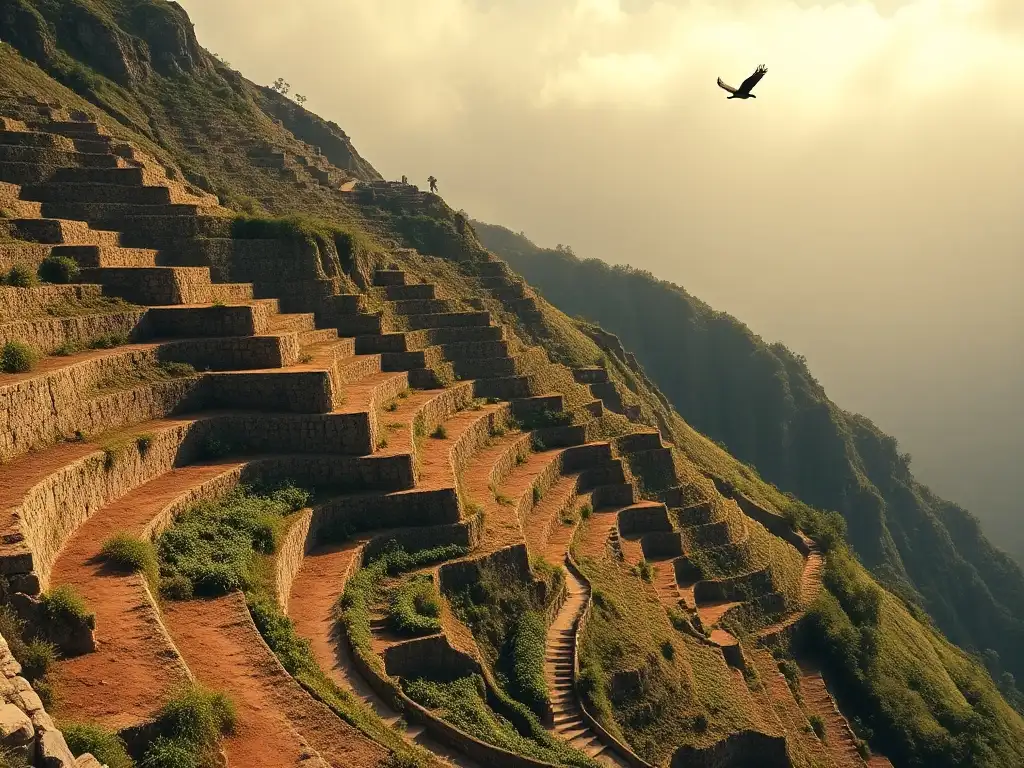
This section delves into the ingenious agricultural techniques employed by the Inca, focusing specifically on terrace farming and its crucial role in the empire's expansion and consolidation. We'll examine not only the definition of terrace farming but also the practical methods used to transform challenging Andean slopes into productive farmland. Understanding Inca terrace farming techniques is key to appreciating the logistical and engineering prowess of this remarkable civilization.
The strategic implementation of these techniques allowed the Inca to maximize agricultural output, supporting a large and growing population across diverse and often challenging terrains. This sophisticated approach to agriculture was a cornerstone of their societal structure and political power.
Definition of Agricultural Terraces
Agricultural terraces are essentially a series of steps or platforms carved into a hillside, creating level surfaces for cultivation. This seemingly simple design has profound implications. Instead of having steep slopes where topsoil is easily eroded and water runs off quickly, terraces create a series of flat areas where soil can be retained, water can be managed more effectively, and crops can thrive.
The Inca perfected this technique, adapting it to the challenging topography of the Andes Mountains. Their terraces weren't just haphazardly carved; they were meticulously planned and executed, showcasing an advanced understanding of both agriculture and engineering. The precise orientation of the terraces, often aligned with the sun's path, further optimized sunlight exposure for optimal crop growth.
This level of precision is a testament to the Inca's deep knowledge of their environment and their ability to harness its resources efficiently. The construction involved significant labor, but the long-term benefits in terms of increased food production far outweighed the initial investment. This efficient use of land was crucial for supporting the Inca Empire's substantial population.
How Terraces Transform Slopes into Arable Land
The transformation of steep Andean slopes into productive farmland via terrace farming involved several key steps. First, the Inca carefully selected suitable locations, prioritizing areas with sufficient sunlight and access to water sources. Then, using stone tools and human labor, they meticulously carved the slopes into a series of level platforms, often retaining walls of varying heights and widths depending on the terrain's steepness and the soil's stability. These retaining walls, often constructed from locally sourced stone, served a dual purpose: preventing soil erosion and supporting the weight of the soil on each terrace.
The terraces weren't simply flat; they often incorporated subtle slopes to facilitate drainage and prevent waterlogging, a common problem in mountainous regions. Furthermore, sophisticated irrigation systems were implemented. Canals and ditches were carefully constructed to divert water from streams and rivers to the terraces, ensuring a reliable water supply for crops even during dry periods. The Inca's mastery of water management, coupled with their terrace farming techniques, allowed them to cultivate a wide variety of crops, including potatoes, maize, quinoa, and beans, ensuring food security for their vast empire.
The ingenuity of these techniques allowed them to cultivate land that would otherwise have been unusable, significantly increasing the agricultural capacity of their territory. The precision and scale of their terrace farming projects are still visible today, standing as impressive testaments to their engineering skills and agricultural expertise. Analysis of surviving terraces reveals intricate details about their construction and the materials used, highlighting the advanced techniques employed by Inca engineers and farmers.
Inca Terrace Farming Techniques: Ingenious Methods
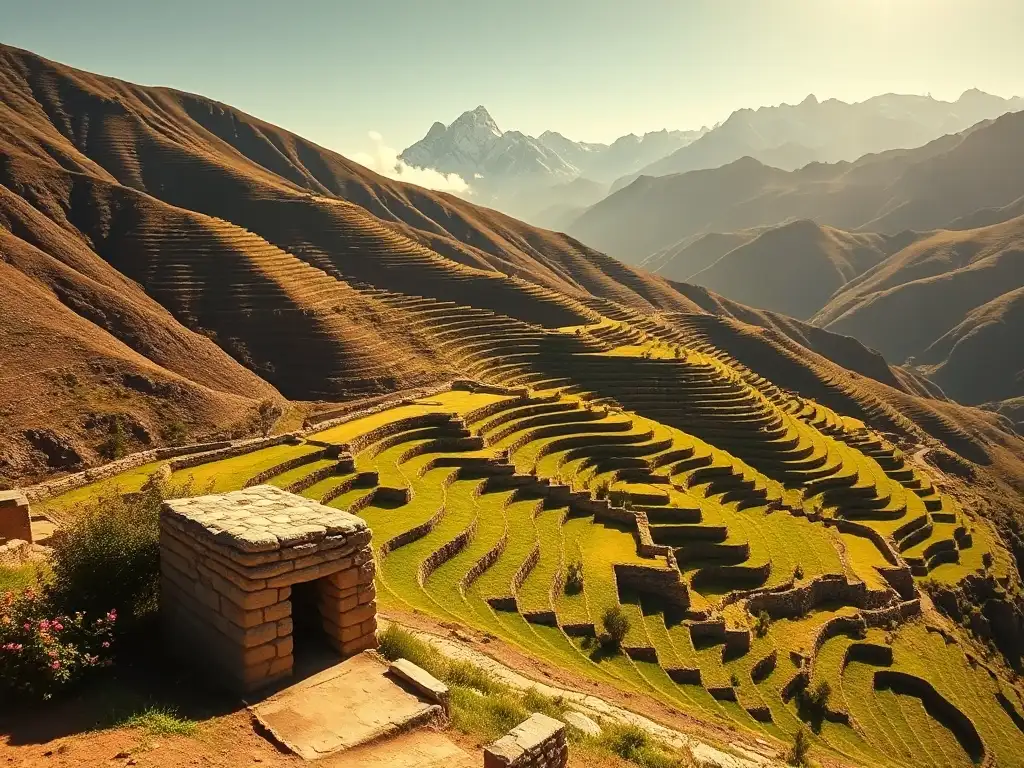
The Inca Empire's remarkable agricultural achievements were largely due to their mastery of terrace farming. This ingenious system, optimized for the challenging Andean terrain, allowed the Inca to cultivate food in steep, mountainous regions where traditional agriculture would have been impossible. Understanding the Inca terrace farming techniques reveals a sophisticated understanding of engineering, environmental adaptation, and resource management. This section delves into the specifics of their methods, highlighting the ingenuity and efficiency behind their success. The keyword "Inca terrace farming techniques" is central to understanding this remarkable feat of ancient engineering.
Construction of Inca Terraces: Step-by-Step Process
The construction of Inca terraces was a meticulous and labor-intensive process. It began with careful site selection, prioritizing areas with suitable soil and sufficient water access. The process can be summarized in these steps:
- Terracing the Slopes: Workers first carved level platforms into the steep hillsides, creating a series of interconnected terraces. This involved removing significant amounts of earth from higher levels and carefully placing it on lower ones to create level surfaces. This process required immense physical effort and sophisticated understanding of slope stability.
- Building Retaining Walls: Stone retaining walls were then constructed to support the terraces and prevent soil erosion. These walls, often built from locally sourced stone, were incredibly strong and durable, capable of withstanding the pressures of the soil and the forces of nature. The precise fitting of stones without mortar is a testament to the Inca's exceptional masonry skills. Different types of stone were selected based on their properties, sometimes utilizing more resistant stones for particularly critical sections of the wall.
- Creating Drainage Channels: An intricate network of drainage channels was integrated into the terrace system. These channels were carefully designed to divert excess water away from the crops, preventing waterlogging and soil erosion. The channels also helped to control the flow of water, ensuring that crops received sufficient irrigation. This sophisticated irrigation system was crucial for maximizing crop yields in a region characterized by unpredictable rainfall.
- Soil Preparation and Planting: Once the terraces were constructed, the soil was carefully prepared for planting. This involved enriching the soil with organic matter and carefully leveling the surfaces to ensure even water distribution. Different crops were strategically planted based on their water requirements and altitude, demonstrating a deep understanding of agro-ecology.
The Use of Retaining Walls and Drainage Systems
The retaining walls and drainage systems were not merely separate components; they were integral parts of a unified system designed for optimal agricultural productivity. The walls, built with incredibly precise stonework, were designed to withstand the immense pressure exerted by the soil on the terraces. The stones themselves were carefully selected for durability and resistance to weathering. The size and shape of the stones were also crucial, ensuring the stability of the structure. Examples of exceptionally well-preserved retaining walls can still be seen today, a testament to the Inca's engineering prowess.
The drainage system was equally crucial. Excess water, especially during the rainy season, could easily erode the soil and damage the crops. The Inca's solution was a sophisticated network of channels that carried excess water away from the terraces, preventing waterlogging and ensuring that crops received the optimal amount of moisture.
These channels were often lined with stones or other materials to enhance their durability and prevent erosion. The design of the channels took into account the slope of the land and the water flow, demonstrating a sophisticated understanding of hydraulic engineering. The effectiveness of this system is shown by the longevity of the terraces, many of which remain functional even today.
Soil Management and Enrichment in Inca Agriculture
Soil management was paramount to the success of Inca terrace farming. The Incas employed various techniques to enhance soil fertility and maintain its productivity over extended periods. They understood the importance of organic matter and regularly added compost, manure, and other organic materials to the soil to improve its structure and nutrient content. This practice not only increased crop yields but also helped to prevent soil erosion.
Furthermore, the Inca practiced crop rotation, alternating different crops on the same terrace over time. This method helped to prevent the depletion of specific nutrients and maintain soil health. They also used a variety of crops, creating a diverse agricultural system that was more resilient to pests, diseases, and environmental variations.
This sophisticated approach to soil management and crop selection ensured the sustainability of their agricultural practices over many generations. The success of the Inca agricultural system serves as a model for sustainable agriculture even today, showcasing the importance of integrated approaches to soil health and crop production. The ingenuity of their methods, especially considering the limited technology available, is truly remarkable.
Water Management and Irrigation Techniques in Terraces
Inca terrace farming wasn't simply about creating level plots on steep slopes; it was a sophisticated system of water management crucial to their agricultural success. The ingenuity of their irrigation techniques is a testament to their understanding of hydrology and engineering. They developed a complex network of canals, ditches, and aqueducts to channel water from rivers and springs to their terraced fields, even across significant distances and varying elevations. This wasn't a haphazard process; careful surveying and planning were essential to ensure an even distribution of water across the terraces.
The Incas understood the importance of gravity, using it to their advantage in moving water efficiently downhill. They constructed channels with carefully graded slopes to prevent erosion and ensure a consistent flow. Furthermore, they incorporated various structures like check dams and spillways within the irrigation system to control water flow and prevent flooding or waterlogging, which could damage crops.
These structures allowed for the precise regulation of water delivery, ensuring that each terrace received the optimal amount of water at the appropriate time. The effectiveness of this system allowed the Incas to cultivate a wide variety of crops, even in areas with limited rainfall, significantly increasing their agricultural productivity and food security. The remarkable precision and scale of their water management systems are still visible in many surviving Inca terraces today, a lasting tribute to their advanced agricultural knowledge.
The implementation of these techniques varied depending on the specific geographical location and the type of crop being cultivated. In some regions, where water sources were abundant, the Incas might employ a more extensive network of canals. In other drier areas, they may have relied more heavily on techniques like water harvesting, collecting rainwater in reservoirs and then distributing it to the terraces through a system of smaller channels.
This adaptability showcases their deep understanding of local environmental conditions and their ability to tailor their agricultural practices accordingly. The effectiveness of their irrigation systems contributed significantly to the Inca Empire's stability and prosperity, allowing them to support a large and densely populated empire. Their mastery of water management remains a significant achievement in the history of agricultural engineering.
The sophisticated nature of Inca irrigation systems is evident in archaeological findings, revealing the meticulous planning and execution involved in their construction and maintenance. These systems served not only to irrigate the terraces but also to prevent soil erosion, further enhancing the long-term sustainability of their agricultural practices.
Types of Inca Agricultural Terraces
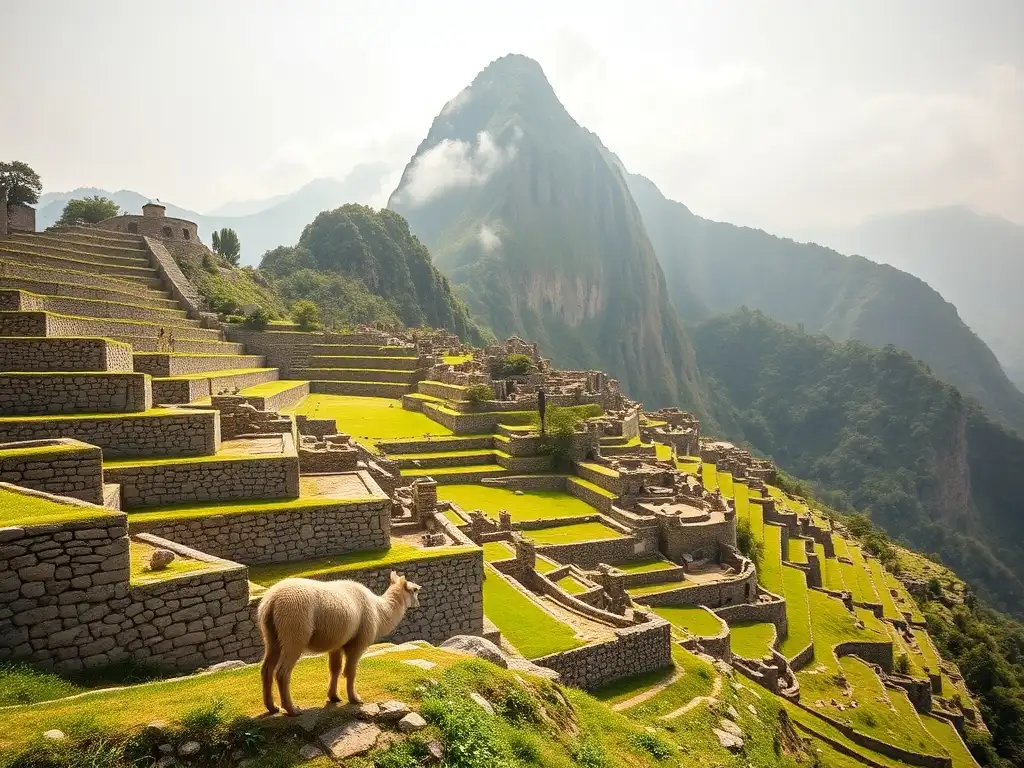
The Inca Empire's remarkable agricultural achievements were largely due to their sophisticated terrace farming techniques. These weren't simply carved into hillsides; they represented a nuanced understanding of topography, water management, and soil conservation, varying significantly based on the specific geographic location and environmental conditions. Mastering these techniques allowed the Inca to cultivate diverse crops at different altitudes and maximize agricultural yields, supporting a large and expanding population.
The ingenuity of these Inca terrace farming techniques is a testament to their advanced engineering skills and deep knowledge of their environment. Understanding the different types of terraces employed provides a clearer picture of the complexity and sophistication of their agricultural system.
Hillside Terraces: Adapting to Steep Slopes
Hillside terraces, perhaps the most iconic image associated with Inca agriculture, were meticulously constructed to transform steep, unusable slopes into productive farmland. These terraces weren't just haphazardly carved; their design incorporated several key features crucial for their success. The terraces themselves were constructed with retaining walls made of stone, carefully fitted together without mortar – a testament to Inca stonemasonry skills. The walls weren't just for support; their orientation was crucial for optimizing sunlight exposure and minimizing erosion.
The angle of the slope dictated the terrace's width and depth, ensuring stability and maximizing arable land. Furthermore, the Inca cleverly integrated drainage systems within the terraces, channeling excess water away to prevent waterlogging and soil erosion. This intricate network of channels facilitated irrigation, ensuring a consistent water supply even during dry seasons.
The effective implementation of these techniques allowed the Inca to cultivate a wide range of crops, even on the steepest slopes, dramatically increasing their agricultural potential. Evidence suggests that different types of stones were selected depending on their water retention capabilities, further refining the process. The precision and scale of these hillside terraces are truly breathtaking, showcasing the Inca's remarkable engineering prowess and their deep understanding of the Andean landscape.
Valley Terraces: Maximizing Flat Land
While hillside terraces are visually striking, the Inca also utilized valley terraces to maximize the productivity of flatter lands. These terraces, though less visually dramatic, were equally important in supporting the empire's food supply. In valleys, the focus shifted from overcoming steep slopes to optimizing water management and soil fertility. Valley terraces often incorporated sophisticated irrigation systems, channeling water from rivers and streams to irrigate the fields evenly.
The construction of these terraces involved leveling the land and creating a series of raised platforms, often using less substantial retaining walls than those found in hillside terraces. The soil composition in valley areas was often different from that on hillsides, requiring the Inca to adapt their agricultural techniques to optimize yields. This might have involved different soil preparation techniques, crop rotation strategies, or the use of fertilizers.
The scale of valley terrace farming was often vast, covering large swathes of arable land and contributing significantly to the food production capacity of the Inca Empire. Studies suggest that the Inca employed different crop combinations within the valley terraces, enhancing biodiversity and resilience against crop failure. The careful planning and execution of valley terrace farming demonstrate the Inca's versatility and adaptability in their agricultural practices.
Colca Valley Terraces: Unique Adaptations to High Altitude
The Colca Valley, located in southern Peru, provides a compelling example of the Inca's ability to adapt their terrace farming techniques to extreme environments. This valley boasts some of the highest and most extensive terrace systems in the Andes. The unique challenges presented by the high altitude – including thin air, intense sunlight, and unpredictable weather patterns – necessitated specialized adaptations in the design and construction of the terraces.
The terraces in the Colca Valley are characterized by their remarkable height and intricate network of irrigation canals. The Inca engineers had to account for the reduced atmospheric pressure and lower temperatures when designing the irrigation systems, ensuring sufficient water delivery to the crops despite the challenging conditions. The construction of retaining walls also required careful consideration of the unique geological conditions of the high-altitude environment.
Moreover, the choice of crops cultivated in the Colca Valley terraces differed significantly from those grown at lower altitudes, reflecting the Inca's understanding of the limitations and opportunities presented by the extreme environment. The resilience and effectiveness of the Colca Valley terrace system are a powerful testament to the ingenuity and adaptability of Inca agricultural practices, proving their capacity to thrive even in the most challenging environments. Further research into the specific crop varieties and agricultural practices employed in the Colca Valley could reveal further insights into Inca agricultural expertise and resilience.
The Impact of Inca Terrace Farming on Food Production
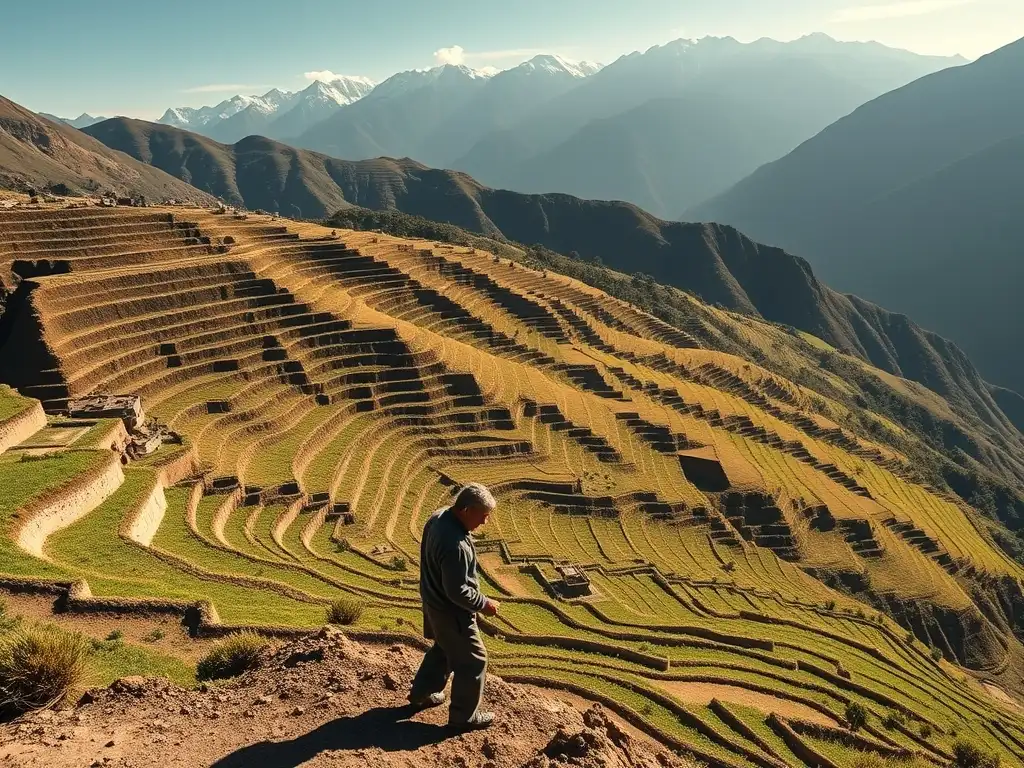
The Inca Empire's remarkable expansion and consolidation were inextricably linked to its sophisticated agricultural practices, particularly its mastery of terrace farming. This innovative technique allowed the Incas to cultivate steep, mountainous terrain, maximizing arable land and ensuring food security for a burgeoning population. Understanding the impact of Inca terrace farming on food production requires examining its multifaceted effects on yield, crop diversity, and overall food supply. The ingenuity of Inca terrace farming techniques is a testament to their understanding of their environment and their ability to adapt and innovate.
Increased Agricultural Yields through Terracing
Inca terrace farming techniques dramatically increased agricultural yields compared to traditional farming methods practiced in the Andes. The terraced fields, meticulously constructed with stone retaining walls, served several crucial functions. First, they created level platforms, optimizing sunlight exposure for crops. This ensured even growth and ripening, leading to higher yields per unit area.
Second, the terraces effectively managed water resources. Water channels diverted meltwater from higher elevations, irrigating the terraces efficiently and minimizing water loss through runoff. This controlled irrigation was especially vital in the arid and semi-arid regions where the Inca Empire flourished. Third, the stone retaining walls provided protection from erosion, preserving precious topsoil and preventing landslides—a significant threat on steep slopes.
Studies have shown that terraced fields consistently outperformed non-terraced land in terms of crop production, contributing significantly to the Inca Empire's food surplus. For example, [Specific data on yield comparison between terraced and non-terraced fields pending]. This surplus not only fed the population but also supported the empire's extensive infrastructure projects and military campaigns.
Crop Diversity and Adaptation in Inca Agriculture
Inca terrace farming wasn't solely about maximizing yields of a single crop. The Incas demonstrated a remarkable understanding of crop diversity and adaptation, cultivating a wide range of crops suited to different microclimates within their terraced fields. They skillfully utilized the varying altitudes and sunlight exposure within the terraced system to grow diverse crops.
Higher elevations, often colder and less sunny, were ideal for crops like potatoes, quinoa, and various tubers. Lower, warmer slopes were suited for maize, beans, squash, and other warm-weather crops. This intricate system of crop diversification minimized the risk of widespread crop failure due to disease, pests, or adverse weather conditions.
The Incas' deep knowledge of their environment, coupled with their innovative agricultural techniques, allowed them to create a resilient and productive food system capable of sustaining a vast empire. The impressive variety of crops grown within the Inca empire, as evidenced by archaeological findings, highlights their sophisticated approach to agricultural planning and management. Examples include [Specific examples of crop diversity within Inca terrace farming pending].
Feeding a Growing Population with Advanced Farming
The success of Inca terrace farming techniques was crucial in supporting the growth and expansion of the Inca Empire. The ability to cultivate vast areas of previously unusable land provided the food necessary to sustain a large and increasingly complex society. The increased food production facilitated population growth and urbanization, as surplus food reduced the need for extensive agricultural labor and allowed for specialization in other areas, such as craftsmanship, administration, and military service.
Furthermore, the efficient management of water resources through the terrace system ensured food security even during periods of drought, contributing to the stability and longevity of the Inca Empire. The controlled environment created by the terraces also supported the development of sophisticated storage techniques, including granaries, which allowed the Incas to stockpile surplus food for lean times and ensure a consistent food supply throughout the year.
This sophisticated system, involving innovative farming methods, resource management, and storage infrastructure, is a prime example of how advanced agricultural practices underpinned the success of a major ancient civilization. The scalability of Inca terrace farming techniques is a testament to their effective design and its ability to support a large population.
The Legacy of Inca Terrace Farming
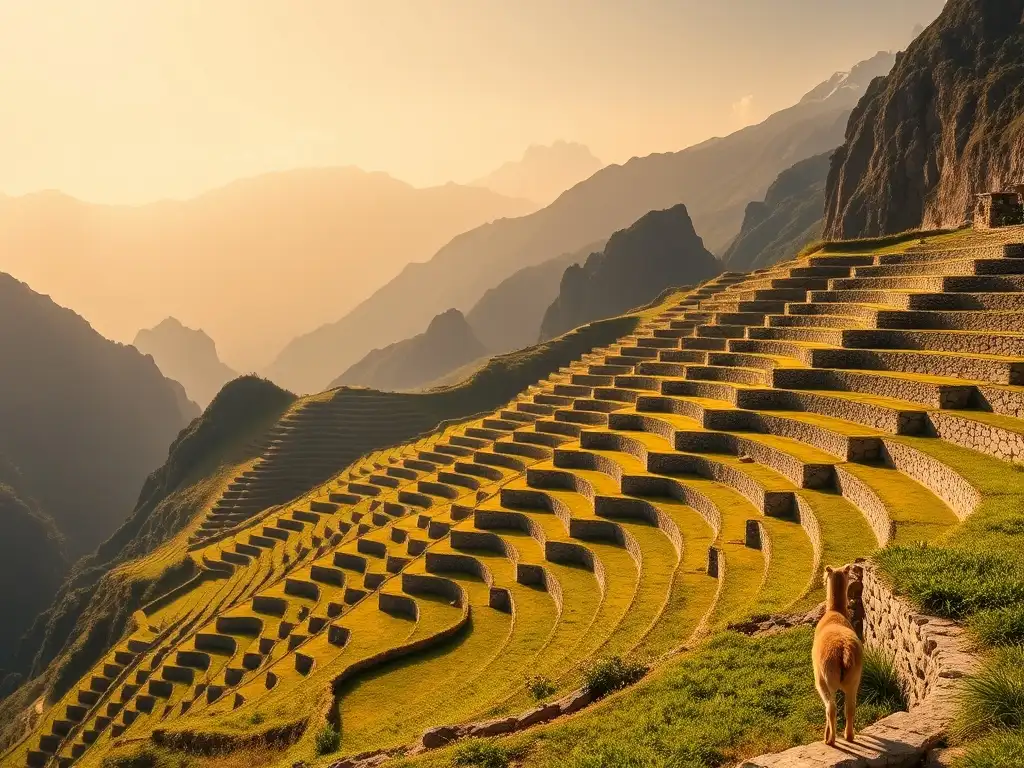
The ingenuity of Inca terrace farming techniques continues to resonate centuries after the fall of the empire. Their mastery of agricultural engineering allowed them to cultivate the steep Andean slopes, transforming seemingly inhospitable terrain into productive farmland. This achievement wasn't merely about food production; it was a cornerstone of their social, economic, and political stability.
The intricate network of terraces, meticulously carved into the mountainsides, represents a sophisticated understanding of hydrology, soil conservation, and agricultural planning. Their success stemmed from a deep understanding of their environment and a commitment to sustainable practices – lessons that remain highly relevant today. The impact of Inca terrace farming extends beyond the immediate benefits of food production, influencing landscape aesthetics, cultural identity, and even modern agricultural practices.
The enduring legacy of these techniques underscores their importance in understanding the Inca's remarkable ability to thrive in a challenging environment. The scale and precision of their work are truly awe-inspiring, a testament to their advanced civilization and their profound connection to the land. Understanding the intricacies of Inca terrace farming provides invaluable insights into their societal structure and their remarkable capacity for innovation.
Modern Applications of Ancient Inca Farming Techniques
Modern agricultural practices can learn much from the Inca's innovative approach. Their techniques, honed over centuries, offer valuable solutions to contemporary challenges in sustainable agriculture. For instance, the Inca's understanding of water management, incorporating sophisticated irrigation systems within their terrace designs, is directly applicable to modern water-scarce regions. The precise channeling of water, minimizing erosion and maximizing water use efficiency, is a model of sustainable irrigation.
Further, the Inca's use of diverse crops within their terraces, practicing crop rotation and intercropping, provides a blueprint for biodiversity in modern farming. This approach not only enhances soil health but also increases resilience against pests and diseases. Modern agricultural scientists are actively researching and adapting Inca terrace farming principles to address issues like soil erosion, water scarcity, and the need for sustainable food production in challenging terrains. The application of these ancient techniques in contemporary contexts is proving to be increasingly relevant in a world grappling with climate change and growing population pressures.
Moreover, the integration of traditional knowledge with modern technology holds immense potential for enhancing agricultural productivity while minimizing environmental impact. The adoption of these techniques could significantly contribute to food security and environmental sustainability globally. Specific examples include projects in the Andes and elsewhere that are using Inca-inspired terracing to combat desertification and improve crop yields in arid and semi-arid regions.
The Importance of Terrace Farming for Sustainable Agriculture
Inca terrace farming techniques offer crucial insights into sustainable agriculture practices. Their methods, characterized by meticulous planning and resource management, represent a paradigm of environmentally conscious farming. The terraces themselves acted as natural barriers against soil erosion, preventing valuable topsoil from being washed away by rainfall. This is particularly important in mountainous regions where erosion can be a significant problem.
The layered structure of the terraces also allowed for efficient water management, ensuring that crops received adequate hydration without leading to waterlogging or runoff. The Inca's use of organic fertilizers and crop rotation contributed to soil fertility and biodiversity, minimizing the need for chemical inputs. This approach contrasts sharply with many modern intensive farming methods that often deplete soil nutrients and harm the environment. By studying and adapting Inca farming techniques, we can develop more sustainable and resilient agricultural systems that are less reliant on environmentally damaging practices.
The integration of Inca principles into modern farming could significantly reduce the environmental footprint of agriculture while enhancing food security. The emphasis on biodiversity, soil conservation, and water management in Inca farming offers a valuable lesson for building a more sustainable future. The long-term sustainability of Inca farming practices demonstrates their effectiveness in maintaining healthy ecosystems and ensuring food production for generations.
Preserving the Inca Agricultural Heritage
Preserving the Inca agricultural heritage is crucial for both cultural and practical reasons. These ancient farming techniques represent a significant part of Andean cultural identity and should be protected for future generations. Many communities in the Andes continue to utilize these traditional methods, highlighting their ongoing relevance and practicality. However, modernization and changing agricultural practices threaten the preservation of these valuable techniques.
Efforts are needed to document and safeguard traditional knowledge, ensuring that the wisdom of Inca farming practices is not lost. This involves supporting local communities that continue to practice traditional terrace farming, providing them with the resources and training they need to maintain their heritage. Additionally, research and educational initiatives are necessary to promote the understanding and appreciation of Inca agricultural ingenuity. This would involve integrating Inca farming techniques into educational curricula and promoting their value in contemporary agricultural contexts.
The preservation of Inca agricultural heritage is not merely about preserving the past; it is also about leveraging ancient wisdom to address the challenges of the present and future. The continued use and study of Inca terrace farming techniques offer valuable lessons in sustainable agriculture and contribute to the rich tapestry of Andean cultural heritage. Protecting this legacy is essential for both cultural preservation and the development of sustainable agricultural practices.
Comparing Inca Terrace Farming with Other Ancient Methods
This section delves into a comparative analysis of Inca terrace farming techniques with other sophisticated agricultural practices from antiquity, focusing primarily on Mesopotamia and Egypt. Understanding these comparisons highlights the ingenuity and effectiveness of the Inca system in its unique environmental context. The Inca's mastery of Inca terrace farming techniques stands out not only for its scale but also for its adaptation to the challenging Andean terrain.
Comparative Analysis with Mesopotamian and Egyptian Farming
Mesopotamian and Egyptian civilizations, famed for their agricultural advancements, relied heavily on floodplain agriculture. The annual flooding of the Tigris-Euphrates and Nile rivers, respectively, deposited fertile silt, creating ideal conditions for crop cultivation. This method, while productive, was entirely dependent on the predictable flooding patterns of these rivers. Failure of the floods could lead to widespread famine. Furthermore, these civilizations primarily cultivated flat, low-lying lands, unlike the steep slopes conquered by the Inca.
In contrast, Inca terrace farming techniques employed a radically different approach. Instead of relying on natural flooding, the Inca meticulously engineered their agricultural landscapes, carving terraces into the steep Andean mountainsides. This involved significant labor and sophisticated engineering knowledge, including precise water management systems, such as canals and aqueducts, to irrigate the terraces. This system provided a degree of control over water resources unavailable to the floodplain farmers of Mesopotamia and Egypt. The Inca's system was less susceptible to the vagaries of nature, offering a more reliable food supply even in times of drought.
| Feature | Inca Terrace Farming | Mesopotamian/Egyptian Floodplain Farming |
|---|---|---|
| Terrain | Steep mountainsides | Flat floodplains |
| Water Source | Canals, aqueducts, irrigation | River flooding |
| Water Control | High degree of control | Limited control, dependent on floods |
| Environmental Impact | Relatively low environmental impact | Potentially high environmental impact due to siltation and flooding |
| Sustainability | Highly sustainable | Susceptible to flood failures |
The table above illustrates the key differences between these agricultural systems. While Mesopotamian and Egyptian agriculture relied on the bounty of the rivers, the Inca’s Inca terrace farming techniques demonstrated a mastery of adapting to and even shaping their environment to maximize agricultural output. The resilience and sustainability of the Inca system are particularly noteworthy when compared to the vulnerability of floodplain agriculture to natural disasters.
Advantages of Inca Terraces over Floodplain Agriculture
The advantages of Inca terrace farming over floodplain agriculture are multifaceted. The most significant benefit was the increased arable land. By transforming steep slopes into cultivatable terraces, the Inca dramatically expanded their agricultural capacity. This was crucial for sustaining a large population in a challenging environment. Furthermore, the terraced system offered several other advantages:
- Reduced Soil Erosion: The terraces slowed the flow of water, preventing significant soil erosion, a major problem in steep terrain. This ensured the long-term fertility of the land.
- Improved Water Management: The intricate network of canals and aqueducts allowed the Inca to efficiently distribute water to all terraces, even during periods of drought. This ensured consistent crop yields.
- Microclimates: The terraces created microclimates, allowing the Inca to cultivate a variety of crops at different altitudes. This diversified their food supply and reduced their vulnerability to crop failures.
- Increased Yields: The combination of improved water management, reduced soil erosion, and diversified crops resulted in significantly higher yields per unit area compared to floodplain agriculture. This allowed the Inca to support a larger and more densely populated empire.
The Inca's success in adapting to the harsh Andean environment through their innovative Inca terrace farming techniques underscores their advanced understanding of agriculture and engineering. This remarkable system not only ensured food security but also played a crucial role in the expansion and consolidation of their empire. The ingenuity and sustainability of their methods continue to inspire and inform modern agricultural practices.
Frequently Asked Questions
What is terrace farming?
Terrace farming is an ancient agricultural technique where slopes are carved into a series of level platforms or terraces. This creates flat areas for farming, allowing for efficient use of land on steep hillsides.
Why did the Inca use terrace farming?
The Inca utilized terrace farming to maximize arable land in the Andes Mountains' challenging terrain. It also helped to control water erosion and improve irrigation.
What were the benefits of Inca terrace farming techniques?
The benefits included increased crop yields, reduced soil erosion, and improved water management. These techniques ensured food security for the vast Inca Empire.
What materials were used to build Inca terraces?
Inca terraces were typically constructed using stone walls and filled with soil and fertilizer. The precise stonework is a testament to their advanced engineering skills.
How did Inca terrace farming impact their civilization?
Successful terrace farming was crucial to the Inca Empire's prosperity and growth. It supported a large population and contributed to their economic and political stability.
Final Reflection: Echoes of the Andes: The Enduring Legacy of Inca Terrace Farming
The ingenuity of Inca terrace farming techniques remains a potent symbol of human adaptation and sustainable agriculture, a testament to the power of understanding and working with nature, not against it. In a world grappling with climate change and food security challenges, their methods offer invaluable lessons for modern agricultural practices and inspire innovative solutions for a more sustainable future. The precision and foresight demonstrated by the Inca are a stark reminder of what is possible when human ingenuity is applied to the challenges of resource management.
The impact of Inca terrace farming extends far beyond the Andes; its principles of soil conservation, water management, and biodiversity continue to resonate in contemporary discussions of sustainable agriculture. The land was our mother, and we treated her with respect.
This ancient wisdom, passed down through generations, speaks to a profound connection between people and their environment, a connection we must strive to rekindle in our own time. The enduring beauty of the terraced landscapes themselves serves as a constant reminder of the harmonious relationship between human endeavor and the natural world, a relationship we must actively cultivate.
Consider the ingenuity of the Inca, their deep understanding of their environment, and the lasting impact of their agricultural practices. You, too, can contribute to a more sustainable future. Examine your own relationship with the environment, explore ways to reduce your impact, and champion sustainable practices in your community. Let the legacy of Inca terrace farming inspire you to cultivate a more responsible and harmonious relationship with the Earth, ensuring that future generations can also benefit from the bounty of our planet.
**Nurture Your Own Agricultural Success Today! **
Thank you for exploring the fascinating world of terrace farming and its crucial role in the agricultural achievements of the Inca civilization. You've gained valuable insights into sustainable farming techniques and the ingenuity of ancient cultures. Now, let's put that knowledge to work!
- Start your own terrace garden: Even a small balcony or backyard can accommodate a series of mini-terraces for growing herbs and vegetables. Choose varieties that flourish in your local climate.
- Connect with your community: Join or establish a local gardening group dedicated to sustainable practices. Sharing ideas and learning from fellow enthusiasts is invaluable.
- Learn from the past: Delve deeper into the history of terrace farming and its enduring influence on modern agriculture. Consider visiting local farms or historical sites that demonstrate these techniques.
What aspect of terrace farming most motivates you to embark on your own gardening adventure?