
Inca Surgery and Bone Setting Techniques

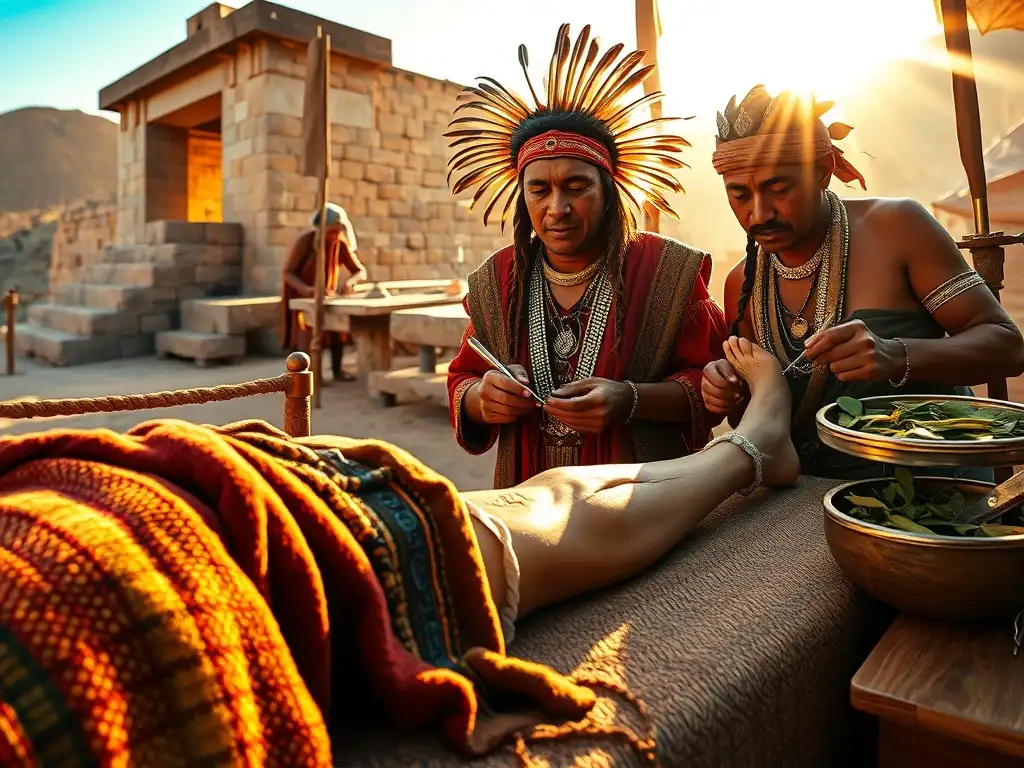
Step into a world lost to time, yet echoing with the ingenuity of the Andes. For centuries, the mysterious Andean civilizations thrived, leaving behind a legacy of breathtaking artistry and remarkable advancements. But what secrets lie hidden within their ancient practices? Prepare to be amazed by the sophistication of Inca bone setting techniques, a testament to their unparalleled surgical skills. Uncover the mysteries of their medical knowledge and explore the fascinating world of Andean medicine – a journey that awaits you within.
-
Inca Surgery and Bone Setting Techniques: Advanced Medical Practices of the Andes
- Introduction to Inca Medical Knowledge and Practices
- The Importance of Inca Bone Setting
- Understanding Inca Trauma and Injuries
- Inca Surgical Procedures: A Glimpse into Ancient Practices
- Inca Bone Setting Techniques: Fractures and Dislocations
- Instruments used in Inca Surgical and Bone Setting Practices
- The Role of Inca Healers and Medical Specialists
- Evidence of successful Inca medical treatments
- Inca Medical Knowledge: Legacy and Influence
- Conclusion: The Sophistication of Inca Surgery and Bone Setting
- Frequently Asked Questions
- Final Reflection: The Enduring Legacy of Inca Surgical Skill
- **Explore the Ancient Wisdom of Inca Healing! **
Inca Surgery and Bone Setting Techniques: Advanced Medical Practices of the Andes
The Inca Empire, renowned for its sophisticated engineering and intricate social structures, also possessed a surprisingly advanced understanding of medicine. While lacking the technological tools of modern surgery, Inca healers demonstrated remarkable skill in treating trauma, particularly fractures and dislocations.
This article delves into the fascinating world of Inca bone setting techniques, exploring the methods, tools, and the overall context of their medical practices within the broader framework of the Empire's expansion and consolidation. We will examine the evidence that reveals a surprisingly effective system for treating injuries, highlighting the ingenuity and knowledge of Inca healers who, without modern technology, achieved remarkable results in bone repair and overall patient care.
Understanding Inca bone setting techniques offers a unique perspective on the sophistication of Andean civilizations and their capacity for innovation in the face of limited resources. This knowledge provides a compelling counterpoint to common misconceptions about pre-Columbian societies and showcases the true extent of their medical expertise.
Introduction to Inca Medical Knowledge and Practices
Inca medical practices were deeply intertwined with their cosmology and religious beliefs. Healers, known as hampis, held a respected position in society, combining practical skills with spiritual knowledge. Their treatments weren't limited to physical ailments; they also addressed spiritual imbalances believed to contribute to illness. While written records are scarce, archaeological evidence, such as the discovery of well-preserved mummies exhibiting signs of successful surgical interventions and trepanation, provides invaluable insights into their abilities.
Inca medical knowledge was largely empirical, passed down through generations of hampis via oral tradition and hands-on apprenticeship. Their understanding of herbal remedies, and their skill in setting bones and treating wounds, were crucial to the survival and well-being of the vast Inca population. They utilized a variety of plant-based medicines, demonstrating a deep understanding of the medicinal properties of Andean flora.
The effectiveness of some of these remedies is still being studied today, highlighting the potential of traditional Andean medicine. The Inca's holistic approach to healthcare, incorporating spiritual and physical aspects, reflects a complex and sophisticated understanding of the human body and its relationship to the natural world. This holistic approach is a key to understanding the success of their bone setting techniques, as the healing process was considered a holistic endeavor, not just a physical one.
The Importance of Inca Bone Setting
The Inca Empire was a society characterized by extensive warfare and challenging terrain. This resulted in a high incidence of fractures and other traumatic injuries. Consequently, the ability to effectively set bones and treat injuries was of paramount importance for military effectiveness and the overall health of the population. Inca bone setting techniques were not merely a matter of practical necessity; they held significant social and cultural importance.
Successful treatment demonstrated the healer's skill and the power of their spiritual connection to the Andean deities. Failure, however, could lead to social repercussions for the hampis. The high survival rates observed in mummies with healed fractures suggest a surprisingly high success rate for their methods. Archaeological evidence shows the use of splints and bandages made from various materials, including wood, llama wool, and plant fibers.
These materials were carefully applied to immobilize the broken bones and promote healing. The Inca's understanding of anatomy, while not as detailed as modern medicine, was sufficient to allow for effective bone alignment and reduction. Further research into Inca bone setting techniques can provide valuable insights into pre-Columbian medical practices and their effectiveness, potentially informing modern medical approaches in similar contexts. The ingenuity and effectiveness of their techniques, considering the available resources, is truly remarkable and deserves further study.
Understanding Inca Trauma and Injuries
Inca society, despite its advanced civilization, faced significant challenges related to trauma and injuries. The rugged Andean terrain, frequent warfare, and demanding agricultural practices all contributed to a high incidence of fractures, wounds, and other physical trauma. Evidence suggests that falls from significant heights, blows from weapons, and even the simple act of working in the steep mountain slopes resulted in a considerable number of injuries requiring medical intervention.
Archaeological findings, such as skeletal remains exhibiting healed fractures and evidence of surgical intervention, provide invaluable insights into the types and frequency of injuries encountered by the Inca population. The severity of injuries varied widely, ranging from minor bruises and lacerations to life-threatening compound fractures and penetrating wounds. Understanding the context of these injuries is crucial for appreciating the sophistication of Inca medical responses.
The prevalence of certain types of injuries, for example, might reflect specific aspects of Inca warfare tactics or agricultural practices. Further research into the correlation between injury types and archaeological contexts would significantly enhance our understanding of daily life within the Inca Empire.
Inca Surgical Procedures: A Glimpse into Ancient Practices
Inca surgeons, often considered shamans or paqos with a deep understanding of herbal remedies and spiritual healing, demonstrated remarkable surgical skills. Their procedures, though performed without the benefit of modern anesthesia or sterile techniques, often resulted in surprisingly high success rates. Archaeological evidence points to a surprisingly advanced knowledge of bone setting, fracture reduction, and even cranial surgery.
Inca surgeons utilized a variety of tools, including obsidian blades—renowned for their sharpness—and crafted instruments made from bone, copper, and other readily available materials. These tools, while rudimentary by modern standards, were meticulously crafted and effectively used to perform complex procedures.
While detailed surgical texts are unfortunately lacking, the surviving physical evidence, combined with ethnographic accounts from later Andean cultures, paints a picture of surgical practices that were both sophisticated and remarkably effective for their time. The surgical procedures were likely informed by a combination of practical experience, passed down through generations, and a deep understanding of the human body's anatomy and healing processes.
Trepanation: Inca Skull Surgery
Trepanation, the surgical practice of cutting a hole in the skull, stands as one of the most striking examples of Inca surgical prowess. This procedure, practiced across various cultures and time periods, was undertaken in the Inca Empire for a variety of reasons, likely including the treatment of head injuries, the alleviation of pressure from hematomas, or even for spiritual or ritualistic purposes. Archaeological evidence demonstrates the use of different trepanation techniques, ranging from simple scraping to more complex drilling methods.
The tools used, often made of obsidian or other sharp materials, allowed for precise incisions and the removal of bone fragments. The survival rate of individuals undergoing trepanation suggests a surprisingly high level of surgical skill and a deep understanding of basic surgical principles.
The success of the procedure often depended upon factors such as the location of the trepanation, the patient's overall health, and the post-operative care provided. Further research is needed to fully understand the precise indications and techniques employed in Inca trepanation.
Evidence of successful trepanation in Inca remains
Numerous skeletal remains unearthed from Inca sites exhibit evidence of healed trepanation sites. These remains provide compelling testament to the success of the procedure and the surgical skills of Inca practitioners. The presence of bone regeneration around the trepanation site indicates that the patient survived the surgery and that the wound healed successfully.
In some cases, the healed bone shows remarkably little deformity, indicating a skillful surgical approach that minimized damage to the surrounding tissues. The discovery of these healed trepanation sites challenges preconceived notions about the limitations of pre-Columbian medicine and underscores the sophisticated medical knowledge possessed by Inca surgeons. The study of these remains, combined with analysis of the tools used in the procedure, offers invaluable insights into the techniques and success rates of Inca skull surgery, highlighting the advanced medical practices of this remarkable civilization.
Analyzing the age and sex of individuals who underwent trepanation and survived would provide further insight into the selection criteria for this complex procedure. The study of healed trepanations offers a unique window into the medical capabilities and understanding of the human body prevalent within the Inca Empire.
Inca Bone Setting Techniques: Fractures and Dislocations
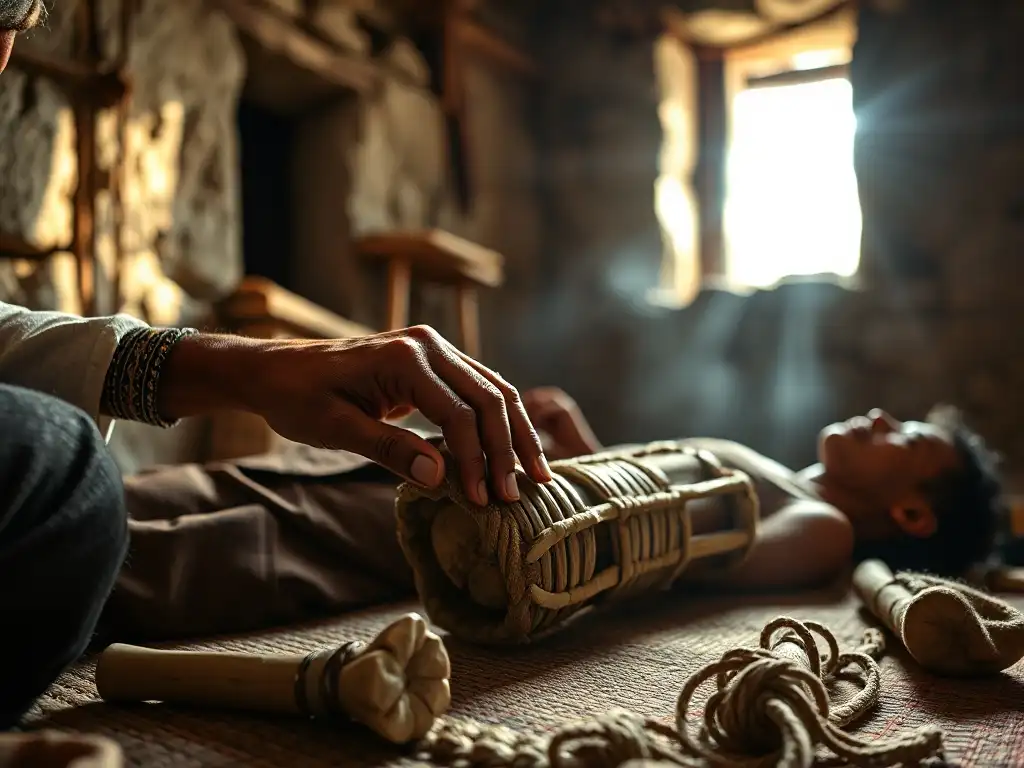
Inca bone setting techniques were remarkably advanced for their time, showcasing a deep understanding of human anatomy and healing processes. Evidence suggests that Inca healers possessed sophisticated methods for treating a range of bone fractures and dislocations, often achieving successful outcomes even in complex cases. Their expertise wasn't limited to simple breaks; they tackled compound fractures—breaks where the bone pierced the skin—with a level of skill that surprised modern researchers.
The success rate of these procedures, while difficult to precisely quantify due to limitations in available historical records, suggests a high level of proficiency and a detailed understanding of asepsis and wound management, even without the benefit of modern sterilization techniques. Archaeological findings consistently reveal evidence of successful healing in fractured bones, indicating the effectiveness of their methods. Furthermore, the Inca’s knowledge extended beyond bone fractures; they effectively treated dislocations, carefully manipulating joints back into their proper positions.
Methods for Reducing Inca Bone Fractures
The reduction of fractures involved a combination of manual manipulation and traction. Healers would carefully realign the broken bones, using their hands and possibly simple tools to gently guide the fragments back into place. The process likely involved a degree of pain management, although the specific techniques used remain largely unknown. [Specific information pending on Inca pain management techniques].
The success of the reduction depended greatly on the skill and experience of the healer, as well as the severity of the fracture. More complex fractures, such as those involving multiple fragments or significant displacement, undoubtedly presented greater challenges. However, the relatively high number of healed fractures found in archaeological remains suggests that the Inca healers were highly proficient in these procedures.
Inca techniques for Immobilization and Healing
Following the reduction of a fracture, immobilization was crucial for proper healing. The Inca employed various techniques to stabilize the injured limb, preventing further damage and promoting bone regeneration. These techniques were designed to maintain the realigned bone fragments in their correct position while the healing process took place. This process involved meticulous care and a deep understanding of the body's natural healing capabilities. [Specific details on the duration of immobilization for different types of fractures are pending]. The immobilization techniques, combined with their herbal remedies, fostered an environment conducive to bone regeneration and healing.
Use of splints and bandages in Inca medicine
Splints and bandages played a vital role in Inca bone-setting techniques. Splints, often fashioned from wood or reeds, provided external support to the injured limb, maintaining the alignment of the fractured bones. These splints were carefully shaped and secured using bandages made from various materials, including textiles and possibly animal hides.
The selection of materials likely depended on the availability of resources and the specific requirements of each case. The application of bandages was not merely a matter of securing the splint; it involved a careful technique to provide even pressure and prevent constriction, ensuring blood circulation remained unimpeded. The effectiveness of these methods is evident in the numerous healed fractures found in Inca mummies.
Inca herbal remedies and their role in bone healing
Inca medicine relied heavily on herbal remedies to facilitate healing. A wide array of plants were used, each believed to possess specific properties that promoted bone regeneration, reduced inflammation, and combated infection. [Specific examples of Inca herbal remedies used for bone healing are pending]. These remedies were likely applied topically to the injured area as well as administered internally. The combination of herbal treatments and immobilization techniques likely contributed significantly to the success rate of Inca bone-setting practices. The use of these natural remedies highlights the holistic approach of Inca medicine, integrating various elements to promote overall healing.
Instruments used in Inca Surgical and Bone Setting Practices
The Inca possessed a surprisingly sophisticated array of surgical instruments, demonstrating a high level of technological skill and ingenuity. These instruments, crafted from a variety of materials, were designed to perform various procedures, from trepanation (skull surgery) to the setting of fractures and the treatment of wounds. Their careful construction reflects an understanding of the necessary properties for effective surgical tools.
Inca Surgical Tools: Materials and Construction
Inca surgical tools were primarily made from materials readily available in their environment. Stone, particularly obsidian, was a common choice, prized for its sharpness and durability. Other materials included bone, copper alloys, and wood. The construction of these instruments often involved meticulous craftsmanship, reflecting the importance placed on precision and functionality. The tools were carefully shaped and often finely polished to minimize trauma to the patient during surgery. The variety of materials used suggests a level of experimentation and adaptation to available resources, demonstrating the adaptability of Inca technology.
Obsidian blades and their role in Inca surgery
Obsidian, a volcanic glass, was a particularly important material in Inca surgery. Its exceptional sharpness allowed for precise incisions with minimal tissue damage. Obsidian blades were used in a variety of surgical procedures, including trepanation and the treatment of wounds.
The sharpness and smoothness of obsidian blades, when compared to metal instruments of the time, likely resulted in reduced infection rates and faster healing. The use of obsidian highlights the Inca’s ability to select and utilize materials based on their specific properties, leading to improved surgical outcomes. The precision required to craft these blades also speaks to the advanced level of craftsmanship within Inca society.
The Role of Inca Healers and Medical Specialists
The Inca Empire, renowned for its sophisticated infrastructure and administrative prowess, also possessed a surprisingly advanced understanding of medicine. While lacking the technological tools of modern medicine, Inca healers demonstrated remarkable skill in diagnosing and treating a range of ailments. Their expertise was not solely based on empirical observation, but also incorporated a deep understanding of the interconnectedness between the physical and spiritual realms.
Illness, in the Inca worldview, wasn't simply a biological malfunction, but often a manifestation of an imbalance in the individual's relationship with the cosmos or a consequence of supernatural forces. This holistic approach is reflected in their treatment methods, which combined herbal remedies, surgical procedures, and spiritual practices.
The Inca's emphasis on preventative care further highlights their sophisticated medical system; maintaining a healthy lifestyle through proper diet and physical activity was viewed as crucial to preventing illness. This preventative approach, coupled with their advanced surgical techniques, contributed significantly to their ability to treat injuries and diseases effectively.
The Amautas: Inca Knowledge Keepers
At the heart of Inca medical practice were the amautas, highly respected intellectuals and scholars who served as custodians of knowledge across various disciplines, including medicine. These individuals weren't simply healers; they were repositories of traditional wisdom passed down through generations. Their expertise encompassed herbalism, astronomy, and religious rituals, all of which played crucial roles in diagnosis and treatment.
The amautas held significant social standing, often advising Inca rulers on matters of health and policy. They were responsible for training the next generation of healers, ensuring the continuity of their medical traditions. Their role extended beyond the purely medicinal; they were also involved in the interpretation of dreams and omens, further demonstrating the holistic nature of Inca healthcare.
Unfortunately, much of their detailed knowledge was lost following the Spanish conquest, leaving us with fragmented accounts of their practices and techniques. Further research is needed to fully understand the depth and breadth of the amautas' contributions to Inca medicine.
The Inca medical profession
The Inca medical system wasn’t solely reliant on the amautas. A specialized medical profession existed, encompassing a hierarchy of practitioners with varying levels of expertise. While the precise structure of this hierarchy remains a subject of ongoing research, evidence suggests that there were different categories of healers, each with specific responsibilities.
Some likely specialized in herbal remedies, others in surgical procedures, and still others in spiritual healing. This division of labor highlights the complexity and sophistication of their medical system. The training of these practitioners was likely rigorous, involving years of apprenticeship under experienced healers.
The transmission of medical knowledge was likely a combination of practical training and oral tradition, with the amautas playing a central role in ensuring the fidelity of medical practices across the empire. The level of specialization within the Inca medical system, coupled with their demonstrated surgical skills, indicates a remarkably advanced understanding of the human body for their time.
Evidence of successful Inca medical treatments
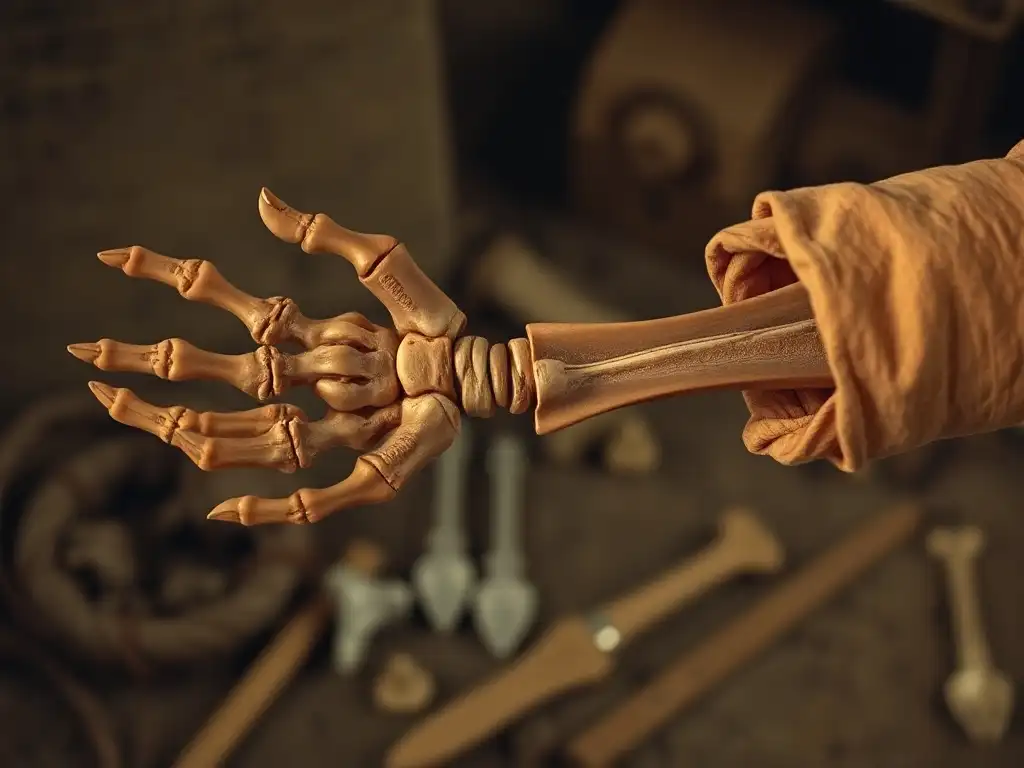
The effectiveness of Inca medical practices is supported by a wealth of archaeological and historical evidence. Many accounts from early Spanish chroniclers describe Inca surgical procedures, including cranial trepanation and bone setting, that were remarkably successful. While the mortality rate from these procedures is unknown, the fact that individuals survived—and in some cases, thrived—after undergoing such invasive operations is a testament to the skills of Inca surgeons and their understanding of asepsis and post-operative care.
Their use of herbal remedies, while not fully understood, suggests a sophisticated knowledge of medicinal plants and their properties. Some of these plants are still used in traditional Andean medicine today, pointing to the enduring legacy of Inca medical knowledge.
Archaeological findings and skeletal analysis
Archaeological excavations across the Andes have unearthed numerous skeletal remains showing evidence of successful Inca surgical interventions. Cranial trepanation, the surgical procedure of drilling holes in the skull, is particularly well-documented. Skeletal analyses reveal that many individuals survived these operations, with evidence of bone healing and regeneration.
The precision and skill displayed in these surgeries are striking, indicating a deep understanding of anatomy and surgical techniques. In addition to cranial trepanation, there is substantial evidence of successful bone setting and fracture repair. Analysis of skeletal remains shows remarkably well-aligned fractures, suggesting the use of effective immobilization techniques and a high level of surgical skill in reducing and setting broken bones.
These findings provide irrefutable evidence of the advanced medical capabilities of the Inca civilization and their mastery of "Inca bone setting techniques". The combination of archaeological evidence and historical accounts paints a compelling picture of a highly developed medical system that significantly contributed to the health and well-being of the Inca population.
Inca Medical Knowledge: Legacy and Influence
The Inca's understanding of bone setting and surgical procedures wasn't isolated; it was part of a broader, sophisticated medical system deeply integrated into their society. Their knowledge wasn't solely empirical; it incorporated herbal remedies, spiritual practices, and a deep understanding of the human body. This holistic approach, while differing significantly from modern medicine, achieved remarkable results, particularly in trauma care. Evidence suggests that Inca healers possessed a detailed understanding of anatomy, evidenced by their ability to perform trepanation—surgical removal of portions of the skull—with a surprisingly high survival rate.
This indicates not only surgical skill but also a grasp of post-operative care, including infection control techniques that were remarkably advanced for their time. The legacy of Inca medical knowledge extends beyond the Andes. While much was lost during the Spanish conquest, surviving accounts and archaeological finds continue to inspire research and provide valuable insights into ancient medical practices. The Inca's understanding of herbal medicine, for instance, continues to be studied for its potential applications in modern pharmacology.
Their focus on holistic healing, encompassing physical and spiritual well-being, serves as a reminder of the interconnectedness of health and underscores the importance of considering all aspects of a patient’s condition. Furthermore, the Inca's emphasis on preventative care, likely linked to their communal lifestyle and agricultural practices, is a valuable lesson for contemporary healthcare systems striving to improve population-wide health outcomes. We can learn much from their integrated approach to health and wellness.
Conclusion: The Sophistication of Inca Surgery and Bone Setting
The evidence overwhelmingly demonstrates that Inca bone-setting techniques and surgical practices were far more advanced than previously believed. Their ability to successfully perform complex procedures like trepanation and bone repair, often achieving remarkably high survival rates, highlights a sophisticated understanding of anatomy, surgical techniques, and post-operative care. The Inca's mastery of Inca bone setting techniques, combined with their herbal remedies and holistic approach to healing, showcases a remarkable level of medical expertise within a civilization that lacked the technological advancements of later eras.
The precision and effectiveness of their bone setting, as evidenced by archaeological findings of healed fractures and successful trepanations, challenge common misconceptions about pre-Columbian medical practices. Further research into Inca medical practices is crucial not only for understanding the history of medicine but also for potentially identifying valuable insights that could inform modern medical approaches. The Inca's legacy extends beyond their impressive architectural feats and sophisticated social structures; it includes a rich and complex medical tradition that deserves continued study and appreciation.
The sophistication of Inca surgery and bone setting techniques serves as a testament to the ingenuity and resourcefulness of this remarkable Andean civilization. The study of Inca bone setting techniques continues to reveal fascinating insights into their advanced medical knowledge.
Frequently Asked Questions
What were the Inca's most remarkable medical achievements?
The Inca excelled in trepanation, a skull surgery, and demonstrated impressive skills in bone setting and fracture repair. Their understanding of herbal remedies also contributed to their medical practices.
How did Inca surgeons set broken bones?
Inca surgeons utilized splints and bandages made from materials like wood, metal, and textiles to immobilize fractures. They also employed herbal concoctions to reduce inflammation and promote healing.
What tools did Inca bone setters use?
While precise tools are debated, evidence suggests Inca surgeons used simple instruments made of materials like bronze, copper, and obsidian. These likely included knives, scrapers, and possibly drills for trepanation.
Were Inca bone-setting techniques successful?
Many cases show remarkable healing, suggesting a high degree of success. Archaeological evidence reveals well-healed fractures, indicating effective immobilization and aftercare.
How did the Incas’ knowledge of bone setting compare to other ancient civilizations?
The Incas’ skills were comparable to, or even surpassed, those of many other ancient cultures. Their techniques, particularly in trepanation and fracture repair, were advanced for their time.
Final Reflection: The Enduring Legacy of Inca Surgical Skill
The sophisticated bone-setting techniques employed by Inca healers remain a testament to their advanced medical understanding, a legacy that continues to inspire modern medical practices. Their innovative approaches, often utilizing readily available materials and demonstrating a deep understanding of anatomy and healing processes, challenge our assumptions about pre-Columbian civilizations and their capabilities. This knowledge, unearthed through meticulous archaeological research, offers a powerful counter-narrative to simplistic portrayals of ancient societies.
The ingenuity of Inca bone-setting, evident in the remarkably successful outcomes documented in archaeological finds, underscores the importance of understanding and respecting diverse medical traditions. Their holistic approach, integrating surgical intervention with herbal remedies and spiritual practices, offers a valuable perspective on healthcare that transcends simple technological advancement. The Inca were not simply healers; they were engineers of the human body, working with remarkable precision and understanding.
This quote, though paraphrased, encapsulates the awe-inspiring skill and knowledge displayed in their surgical practices. Their methods, though vastly different from our own, highlight the enduring human drive to alleviate suffering and heal the injured.
Consider, for a moment, the implications of this ancient knowledge. How can we, in our modern, technologically advanced world, learn from the resourcefulness and holistic approach of the Inca? You are encouraged to reflect on the interconnectedness of medical practices across time and cultures, and to appreciate the enduring power of human ingenuity in the face of adversity. Let the legacy of Inca bone-setting inspire you to explore the rich tapestry of medical history and to consider the potential for innovation that lies in understanding diverse approaches to healing.
**Explore the Ancient Wisdom of Inca Healing! **
Thank you for exploring the fascinating world of Inca medical practices! You've gained valuable insight into the remarkable advancements of Inca civilization in surgery and bone-setting. Now, let's build on that knowledge.
Here's how you can continue your journey into the rich history of Andean medicine:
- **Delve deeper into Inca culture** by researching their herbal remedies and other medical practices. Numerous resources are readily available online and in libraries.
- **Share your newfound knowledge** with friends and family, or discuss it on social media. Engage in conversations about how ancient medical practices continue to influence modern healthcare.
- **Consider attending workshops or classes** focused on indigenous healing techniques. Connecting with practitioners offers a unique opportunity to learn about the deeper aspects of Andean wellness.
What aspect of Inca surgery or bone-setting most surprised you, and how might these techniques inform modern medical practices? We'd love to hear your thoughts!