
The Inca Agricultural System: Sustaining a Growing Empire

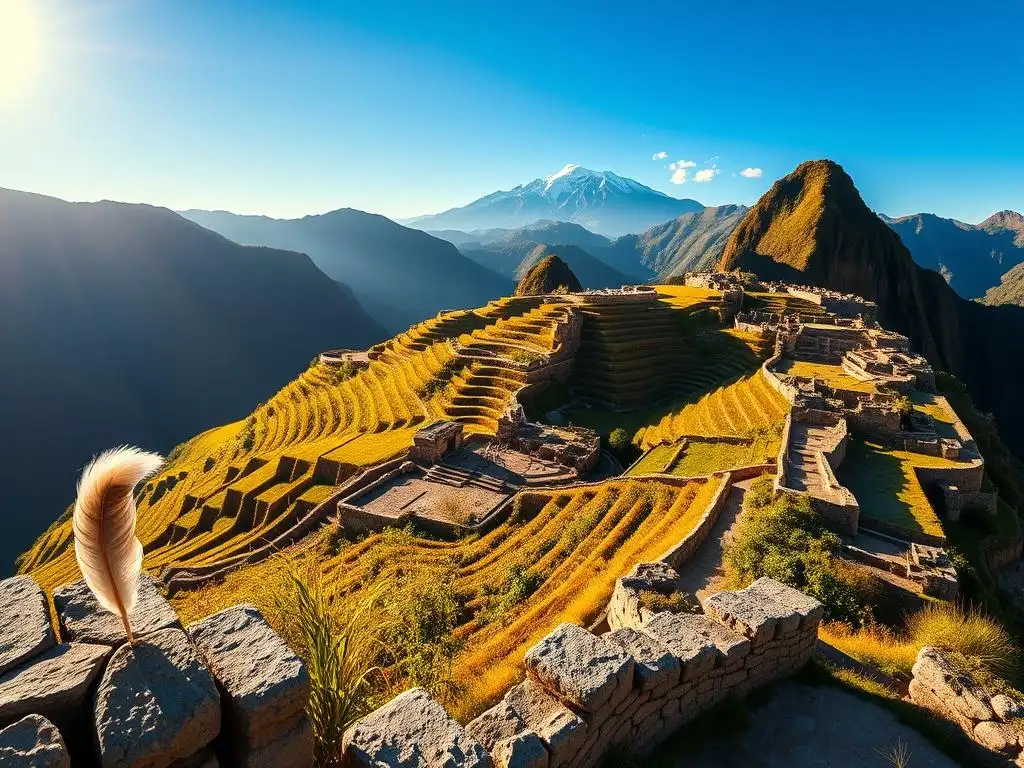
Step into a world lost to time, yet echoing with the ingenuity of a vanished empire. Discover the secrets behind the thriving Andean civilizations, from the intricate artistry of the Nazca lines to the awe-inspiring architectural feats of the Incas. But what truly fueled their rise? Unravel the mystery of Inca farming techniques, the innovative agricultural system that sustained a sprawling empire and continues to fascinate researchers today. Prepare to be amazed as we delve into the heart of this remarkable civilization.
The Inca Empire, a civilization that flourished in the Andes Mountains from the 15th to the 16th centuries, achieved remarkable feats of engineering and social organization. Its success was intrinsically linked to its sophisticated agricultural system, which enabled the empire to sustain a rapidly growing population and support its vast military and administrative structures.
This article delves into the ingenious Inca farming techniques that allowed them to thrive in a challenging, high-altitude environment, showcasing the ingenuity and resilience that characterized this remarkable civilization. We will explore their innovative methods, including terracing, irrigation, and crop diversification, highlighting how these practices contributed to the expansion and consolidation of the Inca Empire.
Understanding the Inca agricultural system is crucial to comprehending the empire's overall power and longevity; it was not just a matter of food production, but a cornerstone of Inca social and political organization. The keyword "Inca farming techniques" will be explored throughout this detailed examination.
Terracing: Transforming Steep Slopes into Cultivable Land
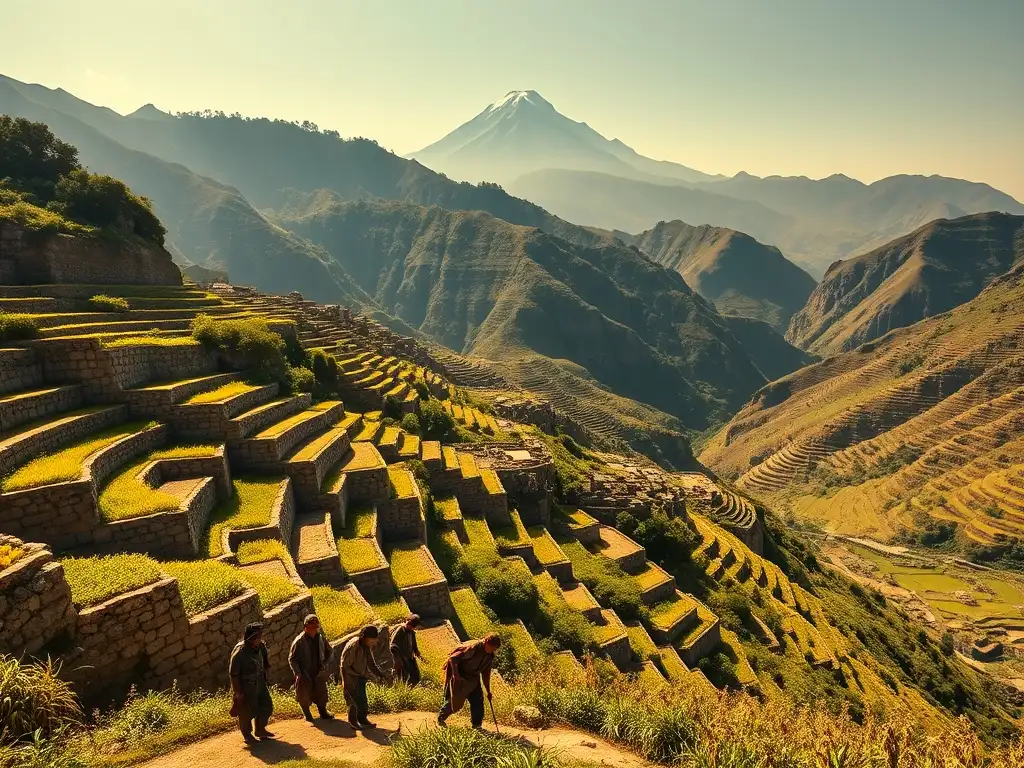
The Andes Mountains are characterized by steep slopes and challenging terrain. To overcome this obstacle, the Inca developed an incredibly sophisticated system of terracing. These weren't simply haphazardly carved steps; they were meticulously planned and executed agricultural platforms, often stretching for kilometers along mountain sides.
Each terrace was carefully leveled and reinforced with retaining walls made of stone, expertly fitted together without mortar. This precise engineering prevented soil erosion and created level surfaces ideal for cultivation. The terraces also helped to retain water, crucial in the often-arid Andean climate.
The scale of this undertaking is truly breathtaking, a testament to the Inca's organizational capabilities and their deep understanding of both agriculture and engineering. The construction of these terraces, a testament to the Inca's mastery of "Inca farming techniques," required immense labor, often involving the mita system, a form of mandatory public service. The precise dimensions and orientation of the terraces often optimized sunlight exposure, further enhancing crop yields.
Irrigation: Managing Water Resources in a Diverse Climate
The Inca Empire spanned a wide range of altitudes and climates, each presenting unique challenges in terms of water availability. To address this, they developed an intricate network of canals, aqueducts, and reservoirs, expertly diverting water from rivers and streams to irrigate their fields. These irrigation systems were not only functional but also aesthetically pleasing, often integrated seamlessly into the landscape.
The Inca's understanding of water flow and management was advanced, allowing them to efficiently distribute water to even the most remote terraces. Some of these systems remain remarkably well-preserved today, a striking demonstration of their engineering prowess.
The effective use of water, a crucial element within the spectrum of "Inca farming techniques," was fundamental to the sustainability of their agricultural practices and the overall success of the empire. They understood the importance of water conservation, employing techniques such as diverting water from snowmelt to supplement river flows during dry seasons.
Crop Diversification: Ensuring Food Security and Nutritional Variety
The Inca were far from reliant on a single crop. They practiced crop diversification, cultivating a wide array of crops adapted to different altitudes and microclimates. This strategy ensured food security and provided a diverse range of nutrients for the population. Some major crops included potatoes (with hundreds of varieties!
), maize, quinoa, beans, and various fruits. They also understood the principles of crop rotation, further enhancing soil fertility and minimizing the risk of crop failure. This diversification, a key aspect of Inca farming techniques, was not merely a matter of survival; it contributed to the stability and resilience of the empire, allowing it to withstand climatic variations and environmental challenges. The varied diet, sustained by their agricultural expertise, fueled the physical strength and overall health of the Inca population.
The Waru Waru System: A Sustainable Approach to Agriculture
The waru waru system, a unique form of raised-field agriculture, further showcases the ingenuity of Inca farming techniques. This involved creating raised beds separated by canals, which were then filled with water. This system offered several advantages, including improved drainage, enhanced soil fertility (due to the decomposition of organic matter in the canals), and protection against frost.
The canals also provided a source of irrigation and a habitat for fish, adding another dimension to the Inca's food security. The waru waru system, a prime example of sustainable agricultural practices, demonstrates the Inca's deep understanding of ecological principles and their commitment to long-term sustainability. The effectiveness of this system, a testament to the sophistication of Inca farming techniques, contributed significantly to the food production capabilities of the empire.
- Terracing: Transforming Steep Slopes into Cultivable Land
- Irrigation: Managing Water Resources in a Diverse Climate
- Crop Diversification: Ensuring Food Security and Nutritional Variety
- The Waru Waru System: A Sustainable Approach to Agriculture
- What innovative farming techniques did the Incas use?
- How did terrace farming benefit the Inca Empire?
- What role did irrigation play in Inca agriculture?
- What other agricultural practices did the Incas utilize besides terracing and irrigation?
- How did Inca farming techniques contribute to the empire's success?
Understanding Inca Agriculture: Foundations of a Powerful Civilization

The Inca Empire, renowned for its sophisticated societal structures and impressive feats of engineering, owed much of its success to its remarkably efficient agricultural system. Inca farming techniques weren't merely about producing food; they were integral to the empire's political, economic, and social stability. This intricate system, adapted to the diverse and challenging Andean terrain, allowed for the sustenance of a vast and growing population, facilitating the empire's expansion and consolidation.
Understanding Inca agricultural practices provides crucial insights into the ingenuity and resilience of this remarkable civilization. The empire's ability to successfully cultivate food in such a varied and often unforgiving environment is a testament to their advanced knowledge of agriculture and their innovative approaches to land management.
This success is a key factor in explaining the Inca's ability to build and maintain such a large empire. The sophisticated techniques employed by the Inca allowed them to maximize yields and efficiently distribute food throughout their vast territories.
The Importance of Agriculture in the Inca Empire
Agriculture formed the bedrock of the Inca economy. It wasn't just a means of subsistence; it was a vital component of the empire's political and social organization. The Inca state controlled much of the agricultural production, using a system of collective labor known as mita.
This system ensured that agricultural lands were properly cultivated and that food was distributed equitably throughout the empire, minimizing the risk of famine and unrest. The surplus generated through efficient farming practices allowed for the support of a large bureaucratic class, the construction of monumental projects, and the maintenance of a powerful army. The Inca's success in managing agricultural resources, therefore, directly contributed to their ability to expand their empire and consolidate their power.
The mita system, while demanding, ensured that every available resource was used to maximize agricultural output and support the growing population. Furthermore, the religious significance attributed to agriculture further cemented its importance within Inca society. The harvest festivals and ceremonies dedicated to agricultural deities underscored the deep connection between the people, their land, and their sustenance.
Diverse Geographical Challenges and Adaptations
The Andes Mountains presented significant geographical challenges to agriculture. Steep slopes, varying altitudes, and unpredictable weather patterns made cultivating crops a formidable task. However, the Inca demonstrated remarkable ingenuity in adapting their farming techniques to these diverse conditions. They developed sophisticated terracing systems on mountain slopes, creating level platforms for cultivation and preventing soil erosion.
These terraces, often supported by intricate stone walls, allowed for efficient irrigation and maximized arable land. The Inca also employed various irrigation techniques, including canals, aqueducts, and sophisticated drainage systems, to manage water resources effectively, particularly in arid regions. They strategically chose crops suited to different altitudes and microclimates, demonstrating a deep understanding of agricultural ecology. Their mastery of water management was crucial, allowing them to cultivate crops even in areas with limited rainfall.
Examples include the impressive agricultural terraces at Moray, which showcased their expertise in microclimate manipulation and experimentation with different crops. The ingenuity of Inca agricultural practices is evident in their ability to overcome significant geographical obstacles and create sustainable agricultural systems across a vast and varied landscape. The development of these techniques demonstrates a deep understanding of both the environment and the needs of a large and growing population. Their success in adapting to these challenges was essential to the empire's expansion and long-term stability.
Key Inca Farming Techniques and Innovations
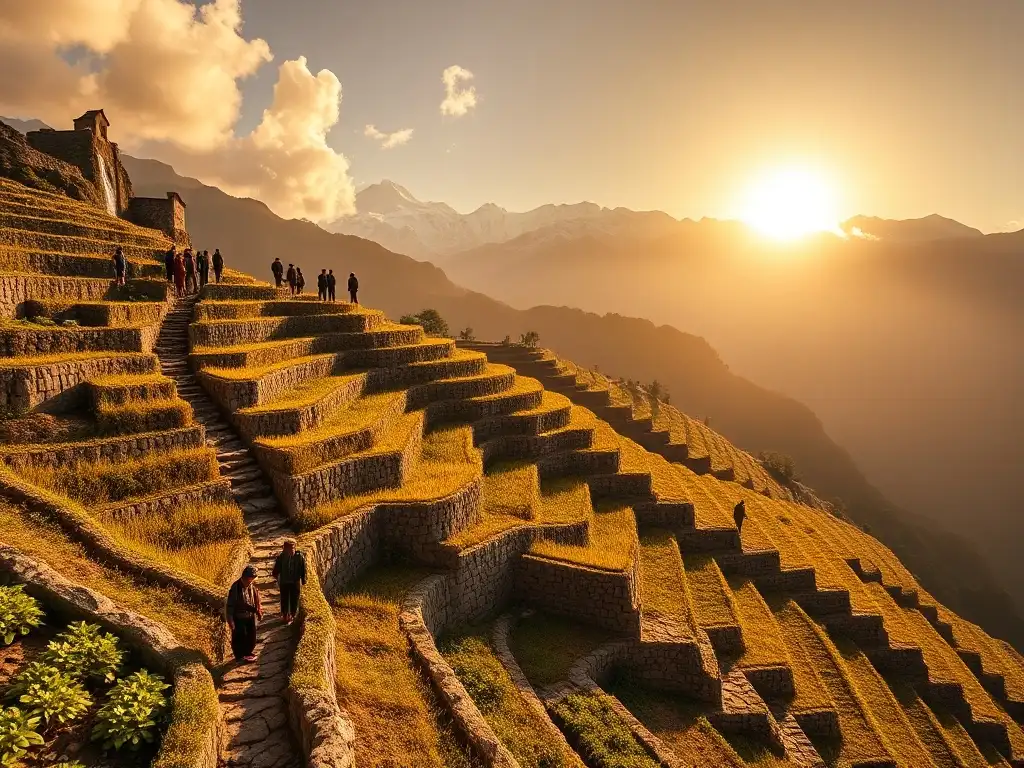
The Inca Empire's remarkable expansion and consolidation were inextricably linked to its sophisticated agricultural practices. Mastering diverse and challenging Andean terrains, Inca farmers developed ingenious techniques that ensured food security for a burgeoning population and fueled imperial growth. Their innovations in farming weren't merely about sustenance; they represented a complex interplay of knowledge, labor organization, and environmental adaptation, solidifying the Inca's position as a powerful and enduring civilization. Understanding these Inca farming techniques is crucial to appreciating the empire's success.
Terraced Farming: Maximizing Arable Land
Inca agriculture was profoundly shaped by the Andes' steep slopes and varied altitudes. To overcome the limitations of this challenging landscape, they perfected terraced farming, a technique that involved carving the mountainsides into a series of flat, step-like platforms. This wasn't just about creating more arable land; it was about optimizing sunlight exposure, water retention, and soil stability. Terraces dramatically increased the amount of cultivatable land available, allowing the Incas to support a larger population and surplus production, crucial elements in the expansion of the empire.
The construction of these terraces was a monumental undertaking, requiring immense human labor and sophisticated engineering skills. Stone walls, meticulously fitted together without mortar, reinforced the terraces, preventing soil erosion and creating stable platforms for planting. The careful orientation of the terraces also maximized sunlight exposure, crucial for optimal crop growth at different altitudes.
This meticulous approach to land management exemplifies the Inca's deep understanding of their environment and their capacity for large-scale, organized projects. The enduring legacy of these terraces is visible even today, a testament to the Inca's impressive agricultural prowess and their ability to modify their environment to meet their needs. For example, the impressive terraces of Moray, near Cusco, are a prime example of this technology, demonstrating different microclimates created within the terrace system, allowing for a diverse range of crops.
Advanced Irrigation Systems: Water Management Strategies
Water scarcity was a constant challenge in the Andes. To overcome this, the Inca developed sophisticated irrigation systems, diverting water from rivers and streams to irrigate their terraced fields. These weren't simple canals; they involved intricate networks of channels, aqueducts, and reservoirs, often carved into rock faces or constructed from stone. The systems were designed to efficiently distribute water across vast areas, ensuring a consistent water supply even during dry seasons. This meticulous water management was essential for crop production, particularly in arid regions, and played a vital role in sustaining the Inca Empire’s expansion.
The ingenuity of Inca irrigation is evident in their ability to manage water flow across varied terrains. They used techniques such as siphons and tunnels to carry water across valleys and over hills, demonstrating a sophisticated understanding of hydraulics. Furthermore, the construction of reservoirs allowed for the storage of water during periods of abundance, ensuring a reliable supply during droughts.
This advanced water management not only secured food production but also contributed to the overall stability and prosperity of Inca communities, allowing for population growth and the support of larger-scale projects vital for imperial expansion. The precision and scale of these systems highlight the sophisticated engineering and organizational capabilities of the Inca civilization.
Crop Rotation and Soil Conservation Methods
Beyond terracing and irrigation, the Inca also employed sophisticated crop rotation and soil conservation methods to maintain soil fertility and prevent degradation. They understood the importance of diversifying crops to prevent nutrient depletion and minimize the impact of pests and diseases. Crop rotation involved planting different crops in the same field in successive years, allowing the soil to replenish its nutrients. This practice, combined with the use of fertilizers (such as guano), ensured consistent yields and sustained agricultural productivity.
Furthermore, the Inca implemented effective soil conservation techniques to prevent erosion and maintain soil health. They employed techniques such as contour plowing, which involved plowing along the contours of slopes to minimize water runoff and erosion. They also used techniques like crop residues and organic matter to improve soil structure and fertility.
These practices not only ensured the long-term sustainability of their agricultural systems but also contributed to the environmental stability of the region. The Inca's holistic approach to agriculture, incorporating crop rotation, soil conservation, and advanced irrigation, ensured the long-term productivity of their lands, a key factor in supporting the expanding empire and its population. The integration of these techniques demonstrates a deep understanding of ecological principles and a commitment to sustainable agriculture.
Inca Agricultural Tools: Technology of the Andes
The Inca's mastery of agriculture wasn't solely reliant on ingenious techniques; it was also deeply intertwined with the development of specialized tools perfectly adapted to the challenging Andean terrain. These tools, crafted from readily available materials, were remarkably efficient and contributed significantly to the empire's agricultural success. Their effectiveness stemmed not only from their design but also from the Inca's profound understanding of their environment and the specific needs of different crops.
One of the most crucial tools was the chaquitaclla, a foot-operated plow. Unlike animal-drawn plows used in other parts of the world, the chaquitaclla was uniquely suited to the steep slopes of the Andes. Its design, featuring a flat, T-shaped digging blade, allowed farmers to efficiently till the soil with minimal effort, even on uneven ground. The use of the chaquitaclla reduced the labor intensity of land preparation, allowing for larger-scale cultivation and increased yields.
Archaeological evidence suggests widespread use of the chaquitaclla across the Inca empire, highlighting its importance in their agricultural practices. Different variations of the chaquitaclla existed, adapted to varying soil types and crop requirements. The size and shape of the blade, for instance, could be modified to suit the specific needs of the terrain and the crop being planted.
Beyond the chaquitaclla, the Incas employed a range of other tools. Stone hoes, for example, were used for weeding and other soil preparation tasks. These hoes, often crafted from volcanic rock, were durable and effective for breaking up clods of earth. Their relatively simple design allowed for easy repair and replacement, ensuring consistent tool availability across the vast empire. The Inca's skill in stonework extended to their agricultural tools, showcasing their advanced technological capabilities. The precision and quality of these tools speak to the high level of craftsmanship prevalent in Inca society.
Irrigation systems, while not tools in the strictest sense, relied heavily on sophisticated engineering and the creation of tools to manage water flow. Canals, ditches, and aqueducts required specialized tools for excavation, shaping, and maintenance. While the precise tools used for these large-scale projects are not always clearly documented, evidence suggests the use of stone picks, shovels, and other hand tools, demonstrating the considerable labor invested in maintaining the intricate irrigation networks that sustained Inca agriculture.
The scale and sophistication of these irrigation systems underscore the Incas' commitment to agricultural innovation and technological advancement. The integration of these tools and techniques showcases a remarkable understanding of hydrology and engineering, enabling the Incas to cultivate even the most challenging terrains. The Inca's agricultural tools were not simply utilitarian objects; they were integral components of a sophisticated and sustainable agricultural system that underpinned the empire's growth and prosperity.
Specific Crops and Their Significance
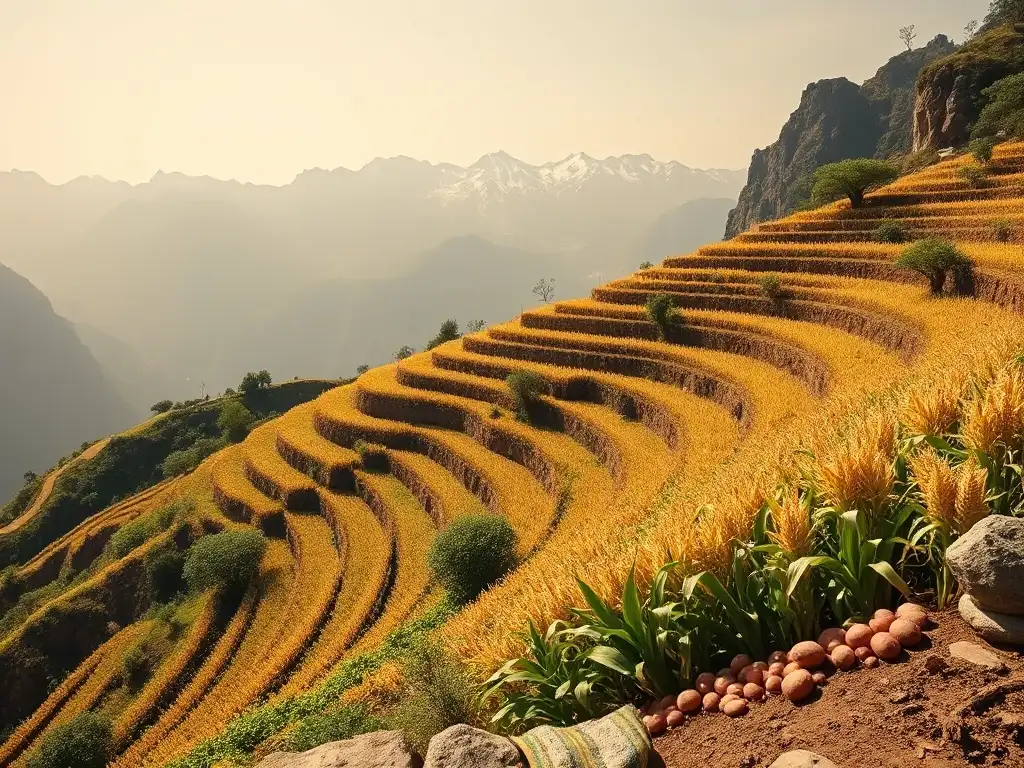
The Inca Empire's remarkable expansion and consolidation were inextricably linked to its sophisticated agricultural system. Mastering diverse farming techniques allowed the Inca to support a growing population and maintain control over vast territories. The success of Inca farming techniques hinged on their ability to cultivate a variety of crops, each playing a crucial role in the empire's sustenance and cultural practices.
This section delves into the significance of three key crops: potatoes, quinoa, and maize, highlighting their importance within the Inca agricultural landscape and the empire's overall success. Understanding these techniques reveals the ingenuity and adaptability of Inca farmers in harnessing the Andean environment.
Potatoes: The Staple of the Inca Diet
Potatoes ( Solanum tuberosum) formed the bedrock of the Inca diet, providing essential carbohydrates and nutrients to sustain millions. Inca farming techniques for potatoes were remarkably diverse, showcasing their deep understanding of the plant's adaptability to various altitudes and climates. They developed a sophisticated system of terracing, creating level platforms on steep slopes to maximize arable land and improve water management. This impressive feat of engineering allowed them to cultivate potatoes at elevations ranging from sea level to over 4,000 meters above sea level.
Furthermore, the Incas cultivated a vast array of potato varieties, each adapted to specific ecological niches. This biodiversity was crucial for ensuring food security; if one variety failed due to disease or climate change, others could compensate. Evidence suggests they employed various planting and harvesting methods, including different planting densities and crop rotation techniques, to optimize yields and maintain soil fertility.
The Inca's mastery of potato cultivation is a testament to their agricultural prowess and its crucial role in the empire's longevity. The potato's caloric density and nutritional value made it a cornerstone of their food security strategy, enabling population growth and societal stability.
Quinoa: A Highly Nutritious Grain
Quinoa ( Chenopodium quinoa), a pseudo-cereal, was another cornerstone of the Inca diet, valued for its exceptional nutritional profile. Unlike many grains, quinoa is a complete protein, containing all nine essential amino acids. This made it a vital component of the Inca diet, especially crucial for children and pregnant women. Inca farming techniques for quinoa involved similar strategies of terracing and irrigation as with potatoes, adapting to the diverse Andean environments. They likely employed crop rotation and other soil management practices to maintain soil health and maximize quinoa yields.
The cultivation of quinoa wasn't solely for sustenance; it also held significant ceremonial importance. The grain's high nutritional value and its ability to thrive in harsh conditions likely contributed to its symbolic significance, representing resilience and abundance. While precise details on quinoa's ceremonial use remain scarce, its prominence in the Inca diet and its cultivation across various altitudes suggest a multifaceted role beyond mere sustenance. Further research is needed to fully understand the extent of its cultural and religious significance within Inca society.
Maize: Ceremonial and Economic Importance
Maize ( Zea mays) played a crucial role in the Inca economy and religious practices. While not as central to daily sustenance as potatoes and quinoa, maize held considerable symbolic value and was used in various rituals and ceremonies. Inca farming techniques for maize included the use of sophisticated irrigation systems, particularly in drier regions. They constructed canals and channels to divert water from rivers and streams, ensuring a reliable water supply for their crops. This efficient irrigation system was integral to their ability to cultivate maize, particularly in areas with limited rainfall.
Beyond its ceremonial significance, maize played a vital economic role. It was used to produce chicha, a fermented beverage that was an important part of Inca social life and religious ceremonies. The production and distribution of chicha likely played a significant role in the Inca economy, contributing to the empire's power and stability.
The versatility of maize, its use in both ceremonial and economic contexts, and the technological sophistication of its cultivation demonstrate the multifaceted contributions of this crop to the Inca Empire's success. Further investigation into specific Inca maize varieties and their distribution across the empire would offer a clearer picture of its overall importance.
Other Important Crops Cultivated by the Incas
Beyond potatoes, the Inca agricultural system relied on a diverse range of crops to sustain its burgeoning population. These crops weren't merely supplementary; they played crucial roles in the Inca diet, economy, and religious practices. Their cultivation demonstrated the Inca's sophisticated understanding of Andean agro-ecology and their ability to adapt farming techniques to varied altitudes and microclimates. This diversification was key to their empire's resilience, ensuring food security even in the face of crop failures in one specific area. The success of this multifaceted approach is a testament to the Inca’s ingenuity and their profound connection to the land.
One significant example is maize (corn). While not as ubiquitous as the potato, maize was a staple crop, particularly in the warmer, lower-altitude regions of the empire. It was used not only as a food source but also in the production of chicha, a fermented beverage of significant social and religious importance.
The Inca developed sophisticated techniques for maize cultivation, including terracing and irrigation, to maximize yields in diverse environments. Archaeological evidence reveals extensive maize fields, showcasing the scale of its production and its integral role within the Inca food system. The nutritional value of maize, providing essential carbohydrates, further solidified its importance in the Inca diet.
Another vital crop was quinoa. This highly nutritious grain, rich in protein and essential amino acids, was a critical component of the Inca diet, especially in higher-altitude regions where potatoes might struggle to thrive. Quinoa's adaptability to harsh conditions made it a valuable asset, ensuring food security in challenging environments.
Inca farming techniques for quinoa involved careful soil preparation and water management, reflecting their deep understanding of this resilient crop's needs. Its cultivation helped to diversify the food supply and contributed to the nutritional well-being of the population. The cultivation of quinoa also highlights the Inca's mastery in selecting and adapting crops to different ecological zones within their vast empire.
Furthermore, beans formed a substantial part of the Inca diet. Various bean varieties were cultivated, each adapted to specific altitudes and climates. Beans provided essential protein and complemented other staples like potatoes and maize.
The Inca's understanding of crop rotation and intercropping techniques maximized the yield and nutritional value of their bean crops. The symbiotic relationship between beans and other crops, such as maize, is a clear example of the Inca’s advanced agricultural practices. Their cultivation of beans, therefore, wasn't simply about food production; it was a demonstration of their sophisticated knowledge of agricultural ecology and their ability to optimize resource utilization.
Finally, the Inca also cultivated a variety of fruits and vegetables, such as tomatoes, squash, and various types of peppers. These crops, while not as central as potatoes, maize, quinoa, and beans, contributed significantly to the diversity and nutritional richness of the Inca diet. Their cultivation further showcased the ingenuity of the Inca's agricultural system and its capacity to support a complex society.
The inclusion of these diverse crops provided not only a wider range of nutrients but also enhanced food security by reducing reliance on a limited number of staples. Their presence within the Inca agricultural landscape underlines the holistic and sustainable approach to farming employed by this remarkable civilization.
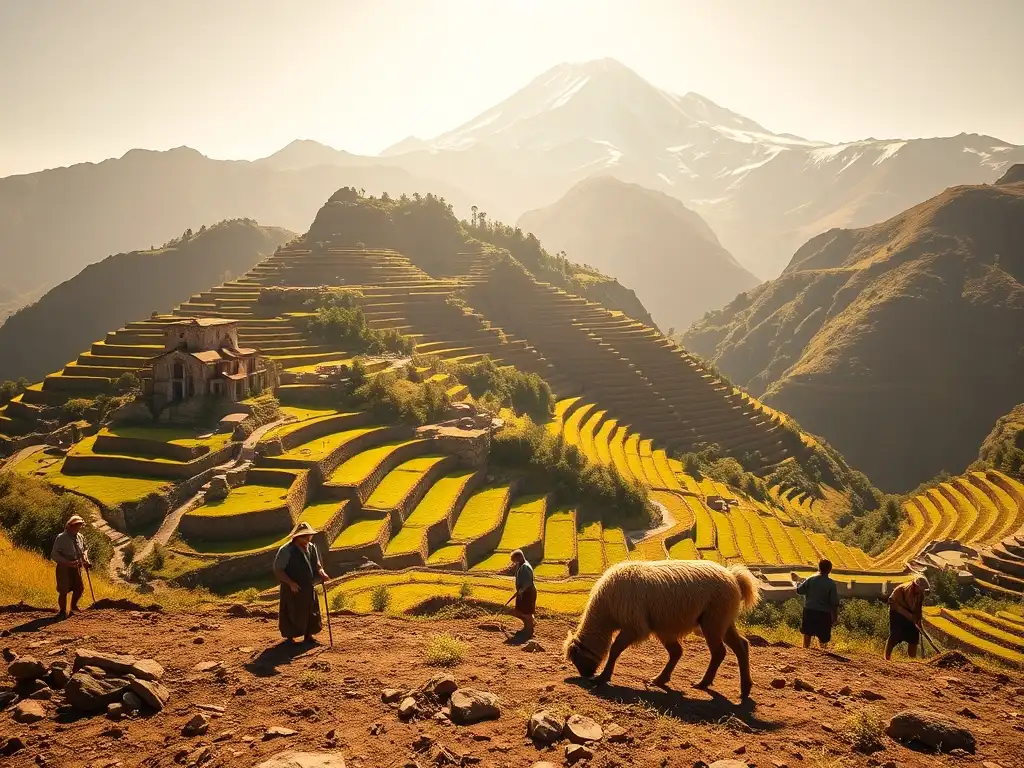
The success of the Inca agricultural system wasn't solely dependent on innovative techniques; it was fundamentally intertwined with a sophisticated system of labor organization and social control. The Inca Empire, renowned for its impressive feats of engineering and its vast, well-organized state, implemented strategies that ensured efficient food production and distribution across its diverse territories. This intricate system, built upon a foundation of collective labor and meticulous planning, played a crucial role in sustaining the burgeoning Inca population and the empire's expansion.
The effectiveness of Inca farming techniques was directly linked to the social structure and the mobilization of human resources. Understanding this connection is key to appreciating the true ingenuity of their agricultural achievements. The empire's ability to efficiently manage and allocate its workforce was paramount to its agricultural success and overall prosperity.
The Mita System: Collective Labor for Agricultural Production
The mita system formed the backbone of Inca agricultural labor. This system wasn't simply forced labor; it was a complex societal obligation, a reciprocal agreement between the state and its subjects. While citizens were required to dedicate a portion of their time to public works, including agricultural projects, they received benefits in return, such as access to land, irrigation infrastructure, and protection from the state.
The mita ensured that large-scale projects, like terracing mountainsides or building irrigation canals, could be undertaken efficiently. These projects, crucial for expanding arable land and optimizing water usage, were beyond the capabilities of individual farmers.
The implementation of the mita varied depending on the season and the specific needs of the region. During planting and harvesting seasons, significant portions of the population would participate in agricultural tasks, working collectively on state-owned lands ( ayllus) or assisting with the cultivation of lands belonging to the elite. This collective approach maximized efficiency and ensured that even in challenging terrains, the Inca could achieve impressive agricultural yields.
Records, though fragmented, suggest that the mita system was carefully managed, with quotas set and supervisors appointed to ensure productivity and fair distribution of the workload. The success of Inca farming techniques was intrinsically linked to the disciplined and organized application of this labor system.
Agricultural Calendar and Religious Festivals
Inca agricultural practices weren't merely dictated by practicality; they were deeply interwoven with religious beliefs and a precise agricultural calendar. The Inca calendar, a sophisticated system of tracking the sun's movements and seasonal changes, guided the timing of planting, harvesting, and other crucial agricultural activities. Religious festivals, many of which coincided with key agricultural phases, played a vital role in reinforcing social cohesion and ensuring the successful completion of agricultural tasks.
These festivals weren't simply celebrations; they were communal events that strengthened social bonds and reinforced the importance of agricultural productivity. Rituals were performed to ensure a bountiful harvest, appease the gods, and request their favor. The calendar meticulously tracked the movements of celestial bodies, allowing Inca farmers to accurately predict the best times for planting and harvesting, maximizing yields and minimizing risks.
This close relationship between religion, agriculture, and the calendar highlights the holistic approach the Inca took to food production, underscoring how Inca farming techniques were deeply embedded in their cultural and spiritual life. The integration of religious practices into the agricultural cycle demonstrates the significance of agriculture in Inca society.
Storage and Distribution of Agricultural Products
The Inca's ability to successfully cultivate vast quantities of food was matched by their equally impressive capacity for storage and distribution. Granaries, strategically located throughout the empire, served as vital repositories for surplus agricultural produce. These storage facilities, often built with sophisticated architectural techniques, protected harvests from spoilage and ensured food security during lean times or in the event of natural disasters. The effective management of these granaries was crucial for maintaining social stability and preventing widespread famine.
The distribution of stored agricultural products was overseen by the state, ensuring equitable access for the population. This system of redistribution played a pivotal role in supporting the empire's vast population, particularly during times of hardship. The scale and organization of the Inca's storage and distribution network is a testament to their sophisticated understanding of logistics and their commitment to providing for their citizens.
Their capacity for efficient storage and distribution was as vital to the success of Inca farming techniques as the cultivation methods themselves. The granaries acted as buffers against crop failure, ensuring the empire's resilience and contributing significantly to its longevity. This system of meticulous storage and just distribution was a key element that enabled the Inca Empire to flourish and maintain stability across its extensive territory.
Impact of Inca Farming on Empire Expansion and Consolidation
The Inca Empire's remarkable expansion and enduring power were inextricably linked to its sophisticated agricultural system. Masterful Inca farming techniques, honed over centuries, allowed them to not only feed their burgeoning population but also to support a vast army, a complex administrative structure, and a relatively stable society. This section will explore the crucial role of agriculture in the Inca Empire's success, examining how innovative farming practices directly contributed to its expansion and long-term stability. Understanding Inca agricultural practices provides crucial insight into the empire's remarkable achievements and its lasting legacy.
Agricultural Surplus: Fueling Population Growth
The Inca's ingenuity in developing and implementing advanced farming techniques resulted in significant agricultural surpluses. This surplus was not merely a matter of fortunate weather; it was a direct consequence of carefully planned and meticulously executed agricultural strategies. Techniques like terracing, irrigation systems (including sophisticated canal networks), and the use of fertilizer (guano from coastal birds was a key component) dramatically increased yields.
This increased food production directly fueled population growth within the Inca Empire. Larger populations meant a larger workforce for expanding infrastructure projects, such as road networks and monumental buildings, and a larger pool of soldiers for military campaigns. The ability to consistently produce food beyond immediate needs was a fundamental factor in the empire's ability to expand its territories and consolidate its control.
Evidence suggests that population centers grew significantly during the Inca's reign, a direct reflection of agricultural success. For example, [Specific population data for key Inca cities pending]. The surplus also allowed for the development of specialized labor, as not everyone needed to be directly involved in food production.
Supporting the Inca Army and Administration
The agricultural surplus wasn't just about feeding the population; it was crucial in supporting the Inca army and administrative apparatus. The Inca army, a powerful force that facilitated the empire's expansion, required substantial resources. Feeding thousands of soldiers on campaign was a logistical challenge, but the agricultural system provided the necessary provisions.
The mit'a system, a form of labor tribute, also played a crucial role. While not exclusively agricultural, it ensured that a significant portion of the population contributed to agricultural production and other aspects of empire building. Furthermore, the administrative class, responsible for governing the vast empire, depended on the agricultural surplus for their sustenance.
The ability to consistently provide for the army and the administration ensured political stability and facilitated further expansion. The efficient distribution of agricultural products, managed through a sophisticated system of storage and redistribution, was paramount to the empire's success. This system ensured that resources reached even the most remote regions, bolstering loyalty and minimizing the risk of rebellion.
The Inca agricultural system fostered economic stability and social harmony within the empire. The consistent production of food reduced the risk of famine and widespread unrest. This stability was crucial for maintaining social order and preventing internal conflict, allowing the Inca to focus their resources on expansion and consolidation. The ayllu, the communal organization of Inca society, played a vital role in agricultural production and distribution.
This system fostered cooperation and mutual support, strengthening social bonds and promoting a sense of shared prosperity. The equitable distribution of resources, though not always perfectly achieved, helped to prevent social stratification based on access to food. The success of the Inca agricultural system contributed significantly to the relative social harmony that characterized the empire, at least compared to other contemporary empires.
This social stability, in turn, facilitated further expansion and consolidation of power, making agriculture a cornerstone of Inca imperial success. The stability provided by a reliable food supply allowed the Inca to focus resources on construction projects and military campaigns, strengthening their empire. The effectiveness of their agricultural practices is a testament to their understanding of both ecological principles and social organization.
Legacy of Inca Agricultural Practices
The Inca Empire, renowned for its sophisticated infrastructure and administrative prowess, also possessed remarkably advanced agricultural techniques that allowed it to sustain a vast and growing population across diverse and challenging Andean terrains. Understanding Inca farming techniques is crucial to comprehending the empire's enduring success and its lasting impact on Andean agriculture. Their methods weren't simply about food production; they were integral to the empire's political, social, and economic structures.
The Inca's ingenious solutions to agricultural challenges continue to inspire modern sustainable farming practices. This section delves into the specific techniques employed by the Inca, highlighting their ingenuity and long-term consequences. The legacy of Inca agriculture is not merely historical; it's a vital resource for addressing contemporary food security concerns.
Sustainable Farming Techniques for Modern Application
Inca farming techniques stand as a testament to sustainable agriculture. Their methods, developed over centuries, prioritized resource conservation and environmental stewardship. One key technique was terracing, which transformed steep slopes into cultivatable land. These terraces, often meticulously constructed with stone retaining walls, prevented soil erosion and maximized water retention.
The precise angle of the terraces and the careful placement of drainage channels ensured optimal water management, even in arid regions. This approach minimized water waste and ensured consistent crop yields, even during periods of drought. Furthermore, the Inca employed sophisticated irrigation systems, diverting water from rivers and streams to irrigate their fields. These canals, some of considerable length and complexity, demonstrated a deep understanding of hydrology and engineering.
Modern agricultural practices can learn immensely from this emphasis on water conservation, especially in areas facing water scarcity. The Inca's commitment to sustainable resource management is a valuable lesson for today’s farmers facing climate change and increasing environmental pressures. The integration of Inca-inspired terracing and irrigation techniques can significantly improve yields and reduce environmental impact in many regions globally. For example, modern studies have shown that replicating Inca terrace systems can increase crop yields by up to 30% in some areas, while simultaneously reducing erosion and water consumption.
The Importance of Traditional Knowledge in Andean Agriculture
The Inca agricultural system wasn’t merely a set of techniques; it was deeply intertwined with traditional knowledge and practices passed down through generations. This indigenous knowledge, accumulated over millennia, encompassed not only practical skills but also spiritual beliefs and customary practices related to farming. The Inca recognized the importance of biodiversity, cultivating a wide range of crops adapted to different altitudes and microclimates.
Their understanding of soil types and their ability to match crops to specific environments were crucial to their success. They also employed crop rotation and intercropping techniques, further enhancing soil fertility and pest control. This holistic approach, combining practical skills with deep ecological knowledge, is a stark contrast to many modern, industrialized farming practices that often prioritize monoculture and intensive chemical inputs.
Preserving and integrating this traditional knowledge into modern agricultural practices is essential for developing resilient and sustainable food systems. The Andean communities that continue to practice traditional Inca farming techniques hold a wealth of invaluable knowledge that can benefit the global agricultural community. Their expertise in managing diverse ecosystems and adapting to changing environmental conditions offers crucial insights for tackling the challenges of climate change and food security.
Lessons from the Inca: Food Security and Adaptation
The Inca Empire's success in feeding its large population across diverse and challenging environments offers valuable lessons for ensuring global food security in the 21st century. Their ingenious farming techniques, combined with efficient storage and distribution systems, created a relatively resilient food system capable of withstanding fluctuations in weather patterns and other environmental challenges. The Inca's emphasis on crop diversification and adaptation to different ecological zones ensured that even in the event of crop failure in one area, other regions could provide sufficient food supplies.
This built-in redundancy is a crucial principle for contemporary food systems, which are increasingly vulnerable to climate change and extreme weather events. The Inca's approach to food security demonstrates the importance of integrating traditional ecological knowledge with modern technologies to create robust and adaptable agricultural systems. By studying and implementing their strategies, we can learn how to develop more resilient food systems that are better equipped to address the challenges of a changing world.
The Inca's legacy serves as a powerful reminder that sustainable agriculture is not just about maximizing yields, but also about building resilient systems that can withstand environmental pressures and ensure food security for future generations. The principles of diversification, adaptation, and resource management, central to Inca farming techniques, remain highly relevant today.
Frequently Asked Questions
What innovative farming techniques did the Incas use?
The Incas employed several innovative techniques, including terracing to create level farming plots on steep slopes, irrigation systems to channel water to crops, and the use of fertilizers like guano to enrich the soil. These methods maximized land use and crop yields.
How did terrace farming benefit the Inca Empire?
Terracing allowed the Incas to cultivate crops on hilly and mountainous terrain, significantly increasing the amount of arable land available for farming. This was crucial for feeding their large population.
What role did irrigation play in Inca agriculture?
Irrigation canals and aqueducts were essential for transporting water to crops, particularly in dry regions. This reliable water supply ensured consistent crop production, even during periods of drought.
What other agricultural practices did the Incas utilize besides terracing and irrigation?
In addition to terracing and irrigation, the Incas used crop rotation, selective breeding, and freeze-drying techniques (like chuño) to preserve food and enhance food security.
How did Inca farming techniques contribute to the empire's success?
The efficient and sustainable agricultural practices of the Inca were crucial to the empire's growth and stability. A reliable food supply supported a large population and a powerful army.
Final Reflection: Echoes of the Andes: The Enduring Legacy of Inca Agriculture
The ingenuity of the Inca agricultural system remains a potent example of sustainable practices, a stark contrast to the environmentally damaging methods prevalent in modern intensive farming. Its relevance today is undeniable, as we grapple with climate change, food security issues, and the urgent need for environmentally responsible food production. The lessons learned from the Inca's mastery of their environment offer a pathway towards a more sustainable future for all.
The Inca's profound understanding of their environment, their meticulous terracing, and their innovative irrigation systems continue to inspire awe and serve as a powerful reminder of the interconnectedness between human society and the natural world. Their success wasn't merely about feeding a growing empire; it was about creating a harmonious relationship with the land. The earth provides enough to satisfy every man's needs but not every man's greed.
– Mahatma Gandhi. This quote, while not directly related to the Inca, perfectly encapsulates the wisdom behind their sustainable approach, a wisdom we would do well to heed.
Consider the intricate details of Inca farming: the terraced fields clinging to steep slopes, the sophisticated irrigation canals channeling precious water, the diverse crops cultivated to ensure resilience against environmental fluctuations. These weren't simply agricultural techniques; they were expressions of a deep cultural understanding and a commitment to long-term sustainability. You, the reader, are now equipped with this knowledge. Will you use it to advocate for more sustainable agricultural practices in your own community? Will you seek out and support farmers who prioritize environmental stewardship? The future of our food systems, and indeed our planet, depends on it.
**Cultivate Your Knowledge and Connect with the Inca Legacy! **
Thank you for exploring the incredible world of Inca agriculture with us! You've discovered valuable insights into the agricultural techniques that sustained a thriving empire. Let's delve deeper into this fascinating topic.
Here's how you can expand your understanding and share the Inca legacy:
- **Learn More:** Explore our collection of articles on Andean agricultural innovations and related civilizations to enrich your knowledge.
- **Join the Discussion:** Share your thoughts on the relevance of ancient agricultural systems to modern agriculture by commenting below. We welcome your insights!
- **Share Your Knowledge:** Use social media to share your newfound understanding and inspire others to learn about the wonders of Incan agriculture.
What aspect of the Inca agricultural system intrigues you most, and how do you believe these ancient practices could inform our modern farming techniques?