
Inca Religious Practices: Rituals of Conquest and Dominion

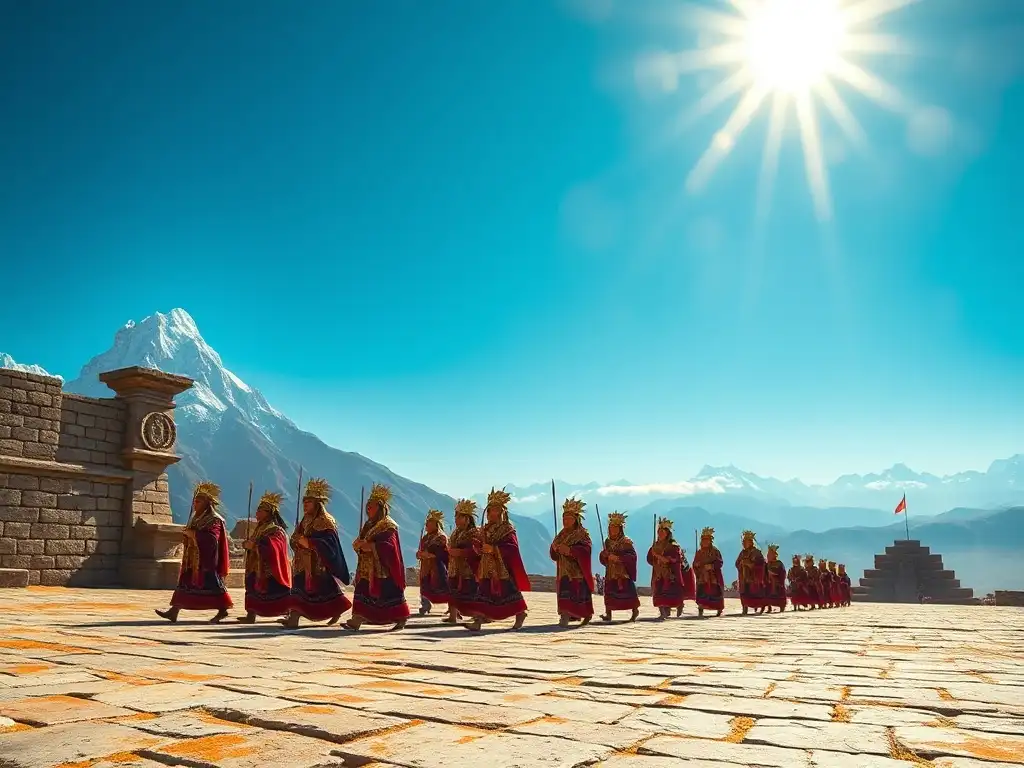
Step into a world lost to time, yet echoing with the power of the Andes. Discover the secrets of a civilization that built empires on breathtaking ingenuity and profound spiritual beliefs. Prepare to be captivated by the intricacies of Inca religious rituals and practices, a world of celestial worship, human sacrifice, and elaborate ceremonies that shaped the destiny of an entire empire. Unravel the mysteries behind their dominion – the quest for understanding begins now.
The Inca Empire, a vast and powerful civilization that dominated the Andes Mountains for centuries, achieved its impressive expansion and consolidation not only through military might but also through a sophisticated and deeply ingrained religious system. Inca religious practices were intricately woven into the fabric of their society, influencing every aspect of life, from agriculture and governance to warfare and conquest.
This article delves into the fascinating world of Inca religious rituals and practices, exploring how these beliefs fueled their imperial ambitions and cemented their dominion over a diverse and expansive territory. We will examine specific rituals employed during campaigns, the role of religion in maintaining control over conquered populations, and the ways in which religious ideology justified Inca expansionism.
Understanding these religious practices provides crucial context for comprehending the empire's remarkable success and enduring legacy. The intricate relationship between religion and power in the Inca world offers a compelling case study in the dynamics of imperial control and the shaping of cultural identity.
The Role of Religion in Inca Warfare and Conquest
Inca warfare was not merely a military endeavor; it was deeply imbued with religious significance. Before embarking on any military campaign, elaborate rituals were performed to appease the gods and ensure victory. Priests, hamacas, played a crucial role, conducting ceremonies involving offerings of coca leaves, llama sacrifices, and prayers to various deities, including the sun god, Inti, and the creator god, Viracocha. These rituals served several purposes: to seek divine favor, to instill courage and unity among the soldiers, and to intimidate the enemy.
The Inca army was not simply a fighting force; it was a religiously sanctioned instrument of imperial expansion, divinely ordained to conquer and subdue. Detailed accounts [specific information pending] of these pre-battle rituals would shed further light on the specific practices and their significance. The meticulous preparations underscore the profound importance the Inca placed on the divine sanction for their military actions.
Religious Practices for Maintaining Control Over Conquered Territories
The Inca's religious practices extended beyond military campaigns; they were also instrumental in maintaining control over their vast empire. The Inca implemented a system of religious administration, appointing priests to oversee temples and religious ceremonies in conquered regions. These priests not only served religious functions but also acted as agents of imperial control, reinforcing Inca authority and suppressing dissent.
The integration of local deities into the Inca pantheon helped to pacify conquered populations and foster a sense of shared religious identity, albeit one dominated by Inca beliefs. For example, [specific example of a local deity integrated into the Inca pantheon pending]. This strategy effectively minimized resistance and facilitated the smooth integration of new territories into the empire.
Religious Justification for Inca Expansionism
Inca ideology provided a powerful justification for their imperial expansion. The Inca rulers presented themselves as divinely appointed representatives of the gods, tasked with spreading their authority and civilizing the conquered peoples. This ideology fueled their ambition and legitimized their conquests in the eyes of both their subjects and themselves.
The concept of Tawantinsuyu, the "Four Regions," symbolized the Inca's belief in their divinely ordained right to rule over a vast empire. The construction of elaborate temples and the implementation of standardized religious practices throughout the empire further reinforced this sense of unified religious identity under Inca dominance. [Specific details about Inca propaganda and religious justification for expansion pending] would provide further insights into this aspect of Inca religious practice.
The Significance of Huacas and Pachamama in Inca Religious Practices
The Inca revered various sacred sites, known as huacas, which included mountains, springs, and rocks. These huacas were believed to be inhabited by spirits and played a vital role in Inca religious practices, especially in relation to agriculture and fertility. The worship of Pachamama, the Earth Mother, was central to Inca agricultural practices, with offerings and ceremonies performed to ensure bountiful harvests.
The interconnectedness of religious beliefs and agricultural practices emphasizes the holistic nature of Inca religion and its crucial role in sustaining the empire. Detailed studies of specific huacas and their significance [specific information pending] would further illuminate the importance of these sites in Inca religious life and their contribution to the empire's stability. The reverence for Pachamama highlights the Inca's deep connection to the land and their understanding of the natural world.
This exploration of Inca religious rituals and practices, focusing on their role in conquest and dominion, reveals a complex interplay of religious belief, military strategy, and political control. The Inca skillfully utilized religious ideology to consolidate their power and create a cohesive, albeit hierarchical, empire. Further research into specific rituals, religious texts, and archaeological evidence will undoubtedly enhance our understanding of this fascinating aspect of Inca civilization.
- The Role of Religion in Inca Warfare and Conquest
- Religious Practices for Maintaining Control Over Conquered Territories
- Religious Justification for Inca Expansionism
- The Significance of Huacas and Pachamama in Inca Religious Practices
The Role of Religion in Inca Imperial Expansion
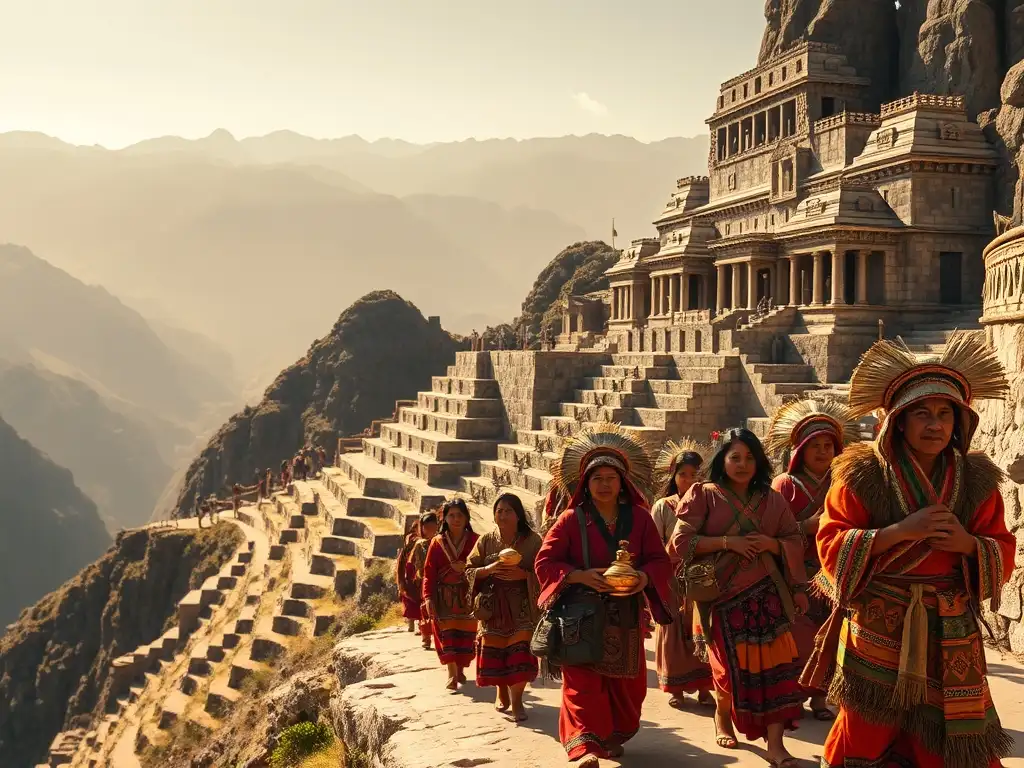
The Inca Empire's remarkable expansion across the Andes wasn't solely a military achievement; it was deeply intertwined with religious beliefs and practices. The Inca worldview, emphasizing a hierarchical cosmos and the emperor's divine connection, provided a powerful ideological framework for conquest and the consolidation of power. This religious ideology wasn't merely a backdrop; it actively fueled the empire's growth, shaping its political strategies and legitimizing its dominion over conquered peoples.
The Inca cleverly integrated religious rituals and beliefs into their administrative and military systems, ensuring the empire's stability and its pervasive influence on the lives of its subjects. Understanding this intricate relationship between religion and expansion is crucial to grasping the true nature of Inca imperial power. The Inca religious rituals and practices were not simply ceremonial; they were instruments of control and a cornerstone of their political dominance.
Inca cosmology viewed the emperor, the Sapa Inca, as a direct descendant of the sun god, Inti. This divine lineage imbued the emperor with unparalleled authority, both temporal and spiritual. The Sapa Inca wasn't just a political leader; he was considered a divine intermediary, responsible for maintaining the cosmic order and ensuring the prosperity of the empire.
This belief system was meticulously cultivated and reinforced through elaborate rituals and ceremonies. The sun, moon, and stars played central roles in Inca religious life, with festivals and sacrifices carefully timed to align with celestial events. The Capac Raymi, the most important festival dedicated to the sun god, highlighted the emperor's crucial role in maintaining the cosmic balance.
The Inca's sophisticated astronomical knowledge, reflected in their impressive calendar system and monumental architecture, further strengthened this divine connection. This wasn't simply a matter of belief; it was a carefully constructed system of power, where religious authority underpinned political legitimacy. The Sapa Inca's divine status was not merely a claim; it was a reality actively performed and reinforced through a complex web of religious practices.
The Inca state actively promoted this worldview through state-sponsored religious institutions and a highly trained priesthood. This ensured that the emperor's divine authority permeated every level of society, from the imperial court to the most remote villages. The religious hierarchy mirrored the political hierarchy, reinforcing the emperor's absolute power and the legitimacy of his rule. The Inca cleverly used their religious beliefs to create a unified and cohesive empire, ensuring loyalty and obedience among diverse populations. Specific data on the size and organization of the Inca priesthood is [specific information pending], but its influence was undeniable.
Religious Justification for Inca Conquest
The Inca expansion was not merely a matter of territorial acquisition; it was presented as a divinely ordained mission to bring order and prosperity to the Andean world. The Sapa Inca was seen as divinely mandated to unite the disparate Andean groups under his rule, bringing them into the fold of the Inca's divinely sanctioned civilization. Conquest was thus framed as a religious act, a necessary step in establishing a harmonious cosmic order.
This religious justification played a crucial role in legitimizing the Inca's aggressive expansion and minimizing resistance. The subjugated populations were often told that their incorporation into the Inca Empire was a blessing, bringing them under the protection of the sun god and the Sapa Inca's benevolent rule.
The Inca employed various religious strategies to facilitate their conquests. Prior to military engagements, Inca armies would perform rituals to appease the gods and secure their favor. After victories, elaborate ceremonies were held to celebrate the divine mandate and consolidate the Inca's control over the newly acquired territories.
These rituals were not merely symbolic; they played a practical role in maintaining order and suppressing dissent. The integration of conquered peoples into the Inca religious system, through the introduction of Inca deities and the suppression of local cults, was a key element of the empire's assimilation policies. The Inca cleverly used religion to bind their diverse subjects to the imperial project, creating a sense of shared identity and purpose, even amidst cultural differences.
This skillful manipulation of religious beliefs was a crucial element in the Inca's ability to maintain a vast and diverse empire. Further research into specific rituals performed before and after military campaigns would provide a more detailed picture of the religious aspects of Inca warfare and expansion. [Specific information pending on details of pre- and post-battle rituals].
Key Inca Religious Rituals and Their Imperial Significance
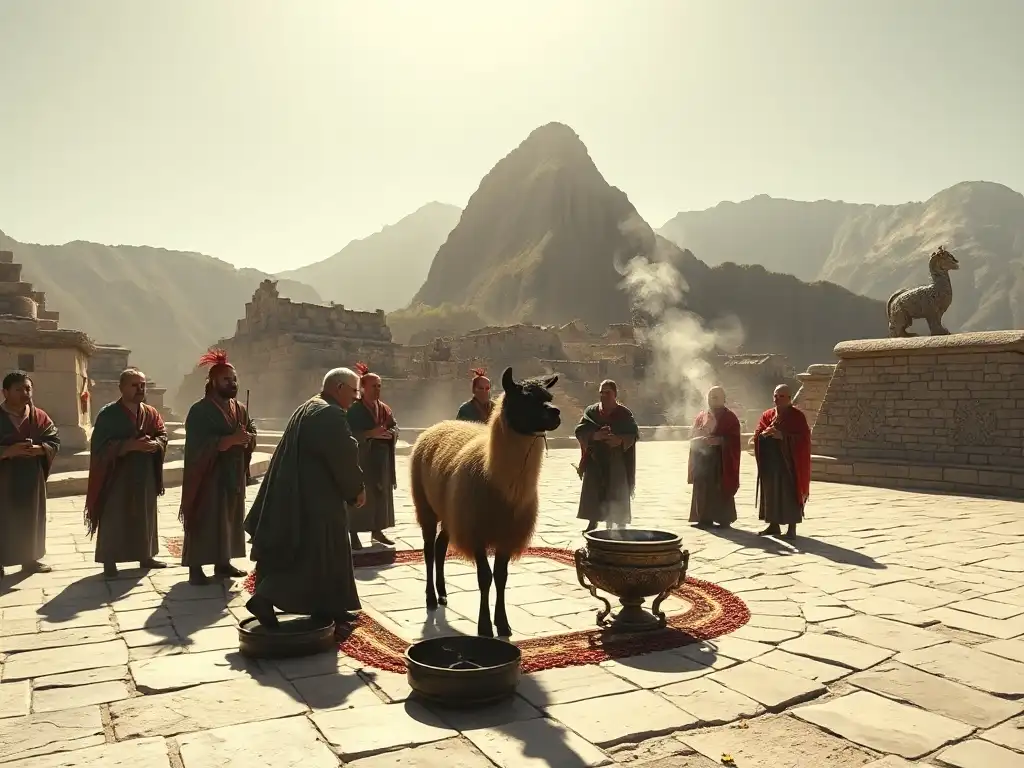
The Inca Empire, renowned for its sophisticated infrastructure and administrative prowess, also possessed a complex religious system intricately woven into its political fabric. Inca religious rituals and practices weren't merely spiritual exercises; they served as powerful tools for maintaining imperial control, legitimizing the Sapa Inca's authority, and consolidating power across the vast Andean territories. These rituals, often elaborate and visually stunning, instilled awe and reinforced the Inca worldview, solidifying the empire's dominance. Understanding these practices offers crucial insight into the Inca's strategic use of religion to govern their empire.
The Inti Raymi: Festival of the Sun and Imperial Power
The Inti Raymi, or Festival of the Sun, was arguably the most important Inca religious ritual, a spectacular event celebrating the sun god, Inti, the supreme deity in the Inca pantheon. Held annually on June 21st, the winter solstice in the southern hemisphere, this grand ceremony served multiple crucial functions for the Inca state. It was a powerful display of imperial might, showcasing the Sapa Inca's divine connection and reinforcing his absolute authority.
Thousands of people, including nobles, priests, and commoners from across the empire, converged on Cusco, the imperial capital, for the festivities. The celebrations involved elaborate processions, sacrifices (often llamas, but sometimes other animals), and theatrical performances depicting mythological narratives. The Sapa Inca, acting as the intermediary between the divine and the human realm, presided over the rituals, solidifying his role as the divinely appointed ruler.
The Inti Raymi's significance extended beyond mere spectacle. It was a crucial moment for reinforcing the Inca's ideology of ayni, reciprocal exchange. The abundance of offerings and the massive gathering symbolized the empire's prosperity and the Sapa Inca's ability to maintain cosmic order. Furthermore, the participation of representatives from conquered territories served as a potent reminder of Inca dominance and the subjugated peoples' obligation to the imperial system. The sheer scale and magnificence of the Inti Raymi cemented the Inca's religious and political authority, effectively using religious fervor to strengthen their imperial control.
Capac Raymi: Initiation and Political Allegiance
The Capac Raymi, a less widely known but equally significant ritual, focused on the initiation of the Sapa Inca and the reaffirmation of political allegiance throughout the empire. Unlike the public spectacle of the Inti Raymi, the Capac Raymi held a more private and symbolic character, primarily involving the Inca nobility and high-ranking officials. This ceremony, usually held in conjunction with other important events, marked the transition of power and the strengthening of ties between the ruler and his elite.
The rituals involved various symbolic acts, including the presentation of sacred objects, the reaffirmation of oaths of loyalty, and the distribution of privileges and responsibilities among the Inca elite. These acts reinforced the hierarchical structure of Inca society and the absolute authority of the Sapa Inca. The Capac Raymi served as a crucial mechanism for maintaining the loyalty of the nobility and securing their continued support for the imperial regime.
By emphasizing the sacred nature of the Inca lineage and the divine right to rule, the Capac Raymi ensured the stability of the imperial power structure. The participation of regional governors and nobles in these ceremonies cemented their allegiance to the Sapa Inca and the imperial system.
Human Sacrifice (Capacocha) as a Tool of Control
Capacocha, the practice of human sacrifice within the Inca Empire, remains a controversial and complex topic. While often viewed through a modern lens of horror, within the Inca worldview, it held a profound religious and political significance. The selection of individuals for sacrifice, primarily children from elite families or those considered exceptionally beautiful, was not arbitrary. It was a carefully orchestrated ritual aimed at appeasing the gods, ensuring the fertility of the land, and reinforcing the Inca's imperial authority.
The chosen individuals, considered to be divinely chosen offerings, were transported from far-flung regions of the empire to Cusco, where they participated in elaborate ceremonies before their sacrifice. This process served as a powerful symbol of the empire's reach and the Sapa Inca's control over even the most distant territories. The ritual itself, often involving mummification and the placement of the remains in sacred sites, further reinforced the Inca's control over the landscape and their claim to divine favor.
The strategic placement of sacrifice sites across the empire served as a constant reminder of the Inca's power and the consequences of rebellion. While gruesome by modern standards, Capacocha played a significant role in maintaining the Inca's religious and political dominance, functioning as a powerful instrument of imperial control. The ritual's symbolic weight, combined with its geographical spread, solidified the Inca's authority and the empire's ideological unity.
Animal Sacrifices and Offerings to Deities
Animal sacrifice formed a cornerstone of Inca religious practices, deeply intertwined with their beliefs about the cosmos and the appeasement of powerful deities. The scale and type of animal offered varied significantly, reflecting the importance of the occasion and the specific deity being honored. Llamas, the most significant camelid in the Andean region, were frequently sacrificed, their fleece, meat, and even their bones holding symbolic value.
The choice of llama was not arbitrary; the animal’s age, color, and physical condition all carried specific meanings, often reflecting the desired outcome of the ritual. For instance, a young, healthy llama might be offered for a bountiful harvest, while an older animal might be sacrificed to appease an angry mountain spirit.
Beyond llamas, other animals like alpacas, vicuñas, and guanacos also featured in sacrificial rites, their value often determined by their rarity and perceived connection to the spiritual realm. Birds, particularly condors, were also considered sacred and frequently sacrificed, symbolizing their connection to the upper world and the sun god, Inti.
The act of sacrifice wasn't merely a brutal act; it was a carefully orchestrated ritual, often involving elaborate preparations and specific procedures designed to ensure the deity's acceptance of the offering. The location of the sacrifice was also significant, with high-altitude mountaintops or sacred springs often chosen for their perceived proximity to the spiritual world.
The precise methods employed in Inca animal sacrifices are still debated among scholars, with varying interpretations of archaeological findings. However, evidence suggests that the sacrifices were often accompanied by elaborate ceremonies involving prayers, songs, and the consumption of chicha (a fermented corn beverage). The priests, known as hamacs, played a central role in these rituals, guiding the proceedings and interpreting the deity's response, often through the examination of the animal's entrails.
The remains of the sacrificed animals were typically treated with reverence, often buried in specific locations or incorporated into other religious structures, signifying their continued spiritual significance even after death. The ritual of animal sacrifice served not just as a means of appeasing the gods but also as a powerful symbol of imperial control, demonstrating the Inca's ability to command even the natural world through their religious authority. The vast scale of these sacrifices, especially during major events like coronations or military victories, further underscored the Inca empire's power and dominion.
Understanding these practices provides crucial insight into the complex religious beliefs that underpinned the Inca empire's expansion and consolidation of power. The meticulous nature of these rituals underlines the deeply ingrained religious beliefs which permeated all aspects of Inca life, from daily routines to grand imperial ceremonies.
Inca Religious Practices and the Management of Conquered Peoples
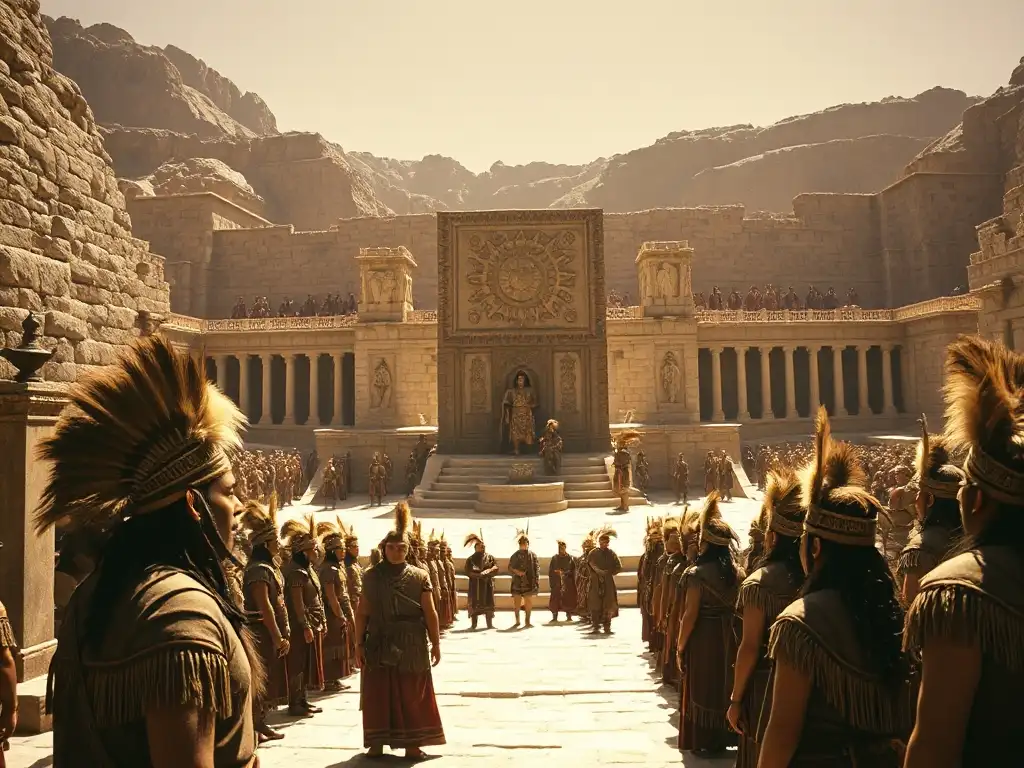
The Inca Empire's expansion wasn't solely a military endeavor; it was a meticulously orchestrated campaign to integrate conquered populations and solidify imperial control. A crucial element of this strategy was the manipulation and adaptation of religious practices, skillfully weaving together Inca beliefs with those of subjugated groups. This sophisticated approach ensured both political stability and the legitimization of Inca rule. The Inca religious rituals and practices weren't merely spiritual observances; they were powerful tools of governance.
Imposition of the Inca Sun God (Inti)
The Inca sun god, Inti, was at the heart of the Inca worldview and played a central role in the empire's religious and political structure. The Inca believed Inti was the creator god and the ancestor of the Sapa Inca, the emperor. Consequently, the emperor's authority was divinely sanctioned, strengthening his position as the supreme ruler. The imposition of Inti's worship wasn't a forceful eradication of pre-existing beliefs; rather, it was a strategic maneuver to establish Inca dominance.
Conquered peoples were often required to participate in Inti's festivals and rituals, reinforcing their submission to the Inca state. This was often achieved through the construction of new temples dedicated to Inti in conquered territories, replacing or incorporating existing structures. These temples served as potent symbols of Inca power and control, constantly reminding conquered communities of their subjugation.
The building of these temples also provided employment and offered a visual testament to the Inca's might, a clever strategy that combined religious control with economic management. The sheer scale of these projects further impressed the conquered populace with the power of the Inca. For example, the massive Intihuatana stones found at various sites throughout the empire stand as testament to the Inca's ability to organize resources and manpower on an unprecedented scale, all in the name of religious and imperial consolidation.
Integration of Local Deities into the Inca Pantheon
While Inti held paramount importance, the Inca weren't solely focused on imposing their own deities. They demonstrated a remarkable ability to incorporate local deities into their own pantheon, a form of religious syncretism that deftly managed potential resistance. This pragmatic approach avoided direct confrontation with deeply ingrained religious beliefs and facilitated smoother integration.
Local deities weren't simply dismissed; instead, they were often reinterpreted within the framework of the Inca worldview, becoming subordinate to Inti but retaining their local significance. This subtle yet powerful strategy minimized the risk of rebellion fueled by religious resentment. For instance, a local mountain god might be acknowledged as a powerful huaca (sacred object) but ultimately positioned as a lesser entity within the broader Inca cosmological system.
This incorporation of local deities is well documented in surviving archaeological records and accounts from Spanish chroniclers, revealing a complex and nuanced approach to religious control. These accounts frequently mention the Inca's careful consideration of the local religious landscape and their strategic adjustments to ensure smooth integration and minimize resistance. The Inca's adept management of religious beliefs highlights their sophisticated understanding of power dynamics and their ability to leverage religious practices for political gain.
Religious Syncretism and Control of Belief Systems
The Inca's masterful use of religious syncretism was not merely a matter of integrating local deities. It was a calculated strategy for controlling belief systems and consolidating power. The Inca state actively monitored religious practices, appointing priests to oversee rituals and ensure conformity to the imperial religious framework. This control extended beyond the integration of deities; it encompassed all aspects of religious life, from the calendar and agricultural rituals to divination and funerary practices.
This comprehensive approach ensured that religious beliefs served to reinforce Inca authority and suppress any potential challenges to their rule. The Inca utilized religious festivals and ceremonies as opportunities to demonstrate their power and legitimacy. These events, often involving large-scale participation from across the empire, served as powerful displays of imperial unity and control. The intricate system of acllas (chosen women) dedicated to the service of the sun god also played a vital role in reinforcing Inca religious authority.
These women were responsible for the production of textiles, and their specialized roles further solidified the Inca's control over religious and economic spheres. This sophisticated blend of religious and political control demonstrates the far-reaching influence of Inca religious practices on the empire's stability and longevity. The Inca's religious policies were not simply a matter of tolerance but rather a complex mechanism for maintaining order and ensuring the continued success of the empire. The subtle interplay between religious beliefs and political control reveals a fascinating aspect of Inca governance and its impact on the conquered populations.
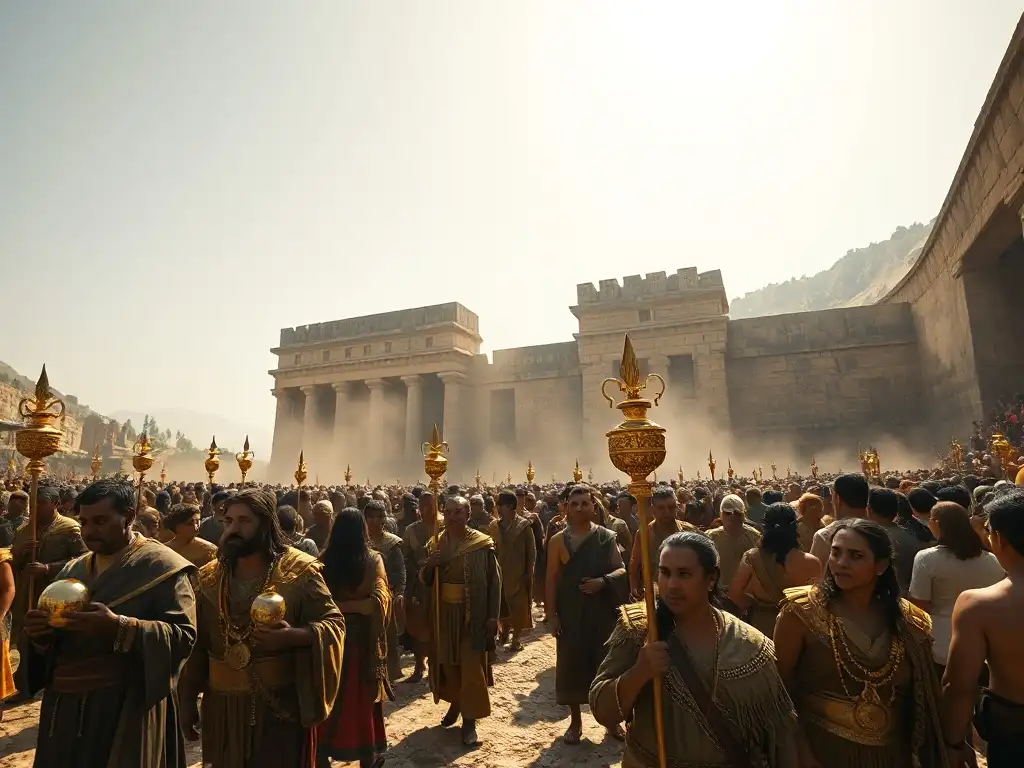
The Inca Empire's remarkable expansion and enduring power were significantly underpinned by its sophisticated religious system. Far from being a purely spiritual pursuit, Inca religious practices served as a powerful tool for social control, reinforcing the authority of the Sapa Inca and maintaining order throughout the vast empire. This wasn't achieved through brute force alone, but through a carefully constructed system that intertwined religious belief with everyday life, subtly shaping the behavior and loyalties of the population.
The intricate web of rituals, beliefs, and institutions ensured the emperor's divine legitimacy and fostered a sense of collective identity, solidifying Inca dominion. The effectiveness of this system is evident in the empire's longevity and the relatively peaceful integration of many conquered peoples. Understanding the impact of these practices is crucial to comprehending the empire's success.
The Role of Priests and Religious Hierarchy
The Inca religious system was highly structured, with a complex hierarchy of priests playing a crucial role in maintaining social control. At the apex stood the Willaq Umu, the high priest, who advised the Sapa Inca on religious matters and held immense political influence. Below him were various levels of priests, each with specific responsibilities and authority.
These priests weren't merely spiritual leaders; they were also key figures in the administration of the empire. They oversaw religious festivals, managed temple complexes, and interpreted omens, often influencing the Sapa Inca's decisions. This gave them considerable power, allowing them to subtly shape public opinion and enforce conformity to Inca ideology.
The priests' control extended even to the interpretation of dreams and natural phenomena, which were often used to justify imperial actions and maintain the legitimacy of the ruling class. Their influence permeated all aspects of society, from agriculture to warfare, ensuring that religious beliefs reinforced the existing power structures. The intricate system of religious authority ensured that the Inca worldview, which placed the Sapa Inca at its center, was deeply ingrained in the minds of the populace.
Temples and Sacred Sites as Centers of Power
Inca temples and sacred sites served not only as places of worship but also as powerful symbols of imperial authority and centers of political and economic control. These magnificent structures, often located in strategically important locations, were meticulously planned and built, reflecting the power and wealth of the empire. The construction itself was a massive undertaking, requiring the mobilization of vast human resources, further demonstrating the emperor's control over the population.
The temples also functioned as administrative centers, where taxes were collected, goods were stored, and important decisions were made. By controlling access to these sacred places, the Inca elite maintained their dominance and reinforced their divine right to rule. The annual pilgrimage to significant sites, such as Machu Picchu, further strengthened the sense of unity and loyalty to the emperor.
The sheer scale and grandeur of these sites served as a constant reminder of the empire's power and the importance of obedience. This physical manifestation of religious power was a crucial element in maintaining social control. For example, the Coricancha in Cusco, the main temple dedicated to the sun god Inti, was a dazzling display of wealth and power, clearly demonstrating the emperor’s divine connection.
Religious Calendar and the Organization of Labor
The Inca religious calendar dictated the rhythm of life for the entire empire, profoundly influencing the organization of labor and the distribution of resources. The calendar was not merely a system for tracking time; it was a tool for controlling the workforce and ensuring the efficient functioning of the empire. Major religious festivals, often tied to the agricultural cycle, provided opportunities for collective labor, with vast numbers of people participating in activities such as irrigation projects or construction works.
This structured system ensured that labor was utilized efficiently and that the empire's infrastructure was maintained. The religious significance of these events fostered a sense of community and collective purpose, further strengthening the bonds of loyalty to the Inca state. The ayllu system, the traditional Inca social structure, was also deeply intertwined with the religious calendar, with communal work obligations often linked to religious festivals and rituals.
This close connection between religion, labor, and social organization was a crucial component of Inca social control, ensuring the seamless functioning of the empire. The precise timing of agricultural activities, dictated by the religious calendar, maximized productivity and minimized waste, further benefiting the empire's economic stability and political control. This carefully orchestrated system ensured that religious obligations reinforced the existing power structures.
Legacy of Inca Religious Rituals and Practices
This section delves into the enduring impact of Inca religious rituals and practices, exploring their survival through time and their continued relevance in contemporary Andean societies. We will examine how these ancient beliefs and ceremonies have adapted and transformed, shaping the cultural landscape of the region even today. Understanding this legacy is crucial to appreciating the profound influence of the Inca Empire on its descendants.
Surviving Traditions and Modern Interpretations
Many Inca religious practices, though altered, persist in modern Andean communities. For instance, the veneration of apus (mountain spirits) remains a significant aspect of Andean spirituality. While the elaborate state rituals performed by Inca priests are largely gone, local communities continue to offer pagos (offerings) to the apus, often involving coca leaves, alcohol, and other items deemed sacred. These offerings are not mere vestiges of the past; they are living traditions, adapted and reinterpreted to fit contemporary contexts.
The intricate system of Inca cosmology, which saw the universe interconnected through various deities and sacred sites, finds echoes in contemporary Andean worldview. While the specific names and narratives may have evolved, the fundamental belief in a spiritual world deeply intertwined with the natural world persists. The celebration of Inti Raymi, the Inca festival honoring the sun god Inti, is a prime example. While originally a grand imperial ceremony, it is now celebrated throughout the Andes with varying levels of formality, demonstrating the enduring appeal and adaptability of Inca religious traditions.
The continuity of these practices speaks to the deep-rooted nature of Inca religious beliefs and their resilience in the face of centuries of change. Further research is needed to fully document the diversity of these surviving traditions across different Andean communities. [Specific data on regional variations in surviving Inca rituals pending]
The Influence of Inca Religion on Andean Culture Today
The influence of Inca religious practices extends beyond the survival of specific rituals. Inca religious concepts have profoundly shaped Andean art, music, and social structures. For example, the iconography of Inca deities and symbols continues to be used in contemporary Andean art, often integrated with Christian imagery to reflect the syncretic nature of Andean religious beliefs. The intricate textile designs and pottery styles often incorporate motifs drawn from Inca mythology, reflecting the enduring power of these ancient symbols.
Music, too, carries echoes of Inca religious traditions. Many Andean musical instruments and melodies are believed to have origins in Inca religious ceremonies, reflecting the importance of music in Inca religious life. The concept of ayni, reciprocal exchange and mutual obligation, a core principle of Inca society, is still a potent force in Andean communities, reflecting the social implications of Inca religious beliefs which emphasized community harmony and cooperation.
The enduring impact of Inca religious beliefs on social norms and cultural expressions underscores the profound and lasting influence of the Inca Empire on the Andean region. The intertwining of ancient beliefs and contemporary practices highlights the dynamic and evolving nature of Andean culture. [Further research is needed to detail the influence of Inca religious practices on specific aspects of contemporary Andean culture, such as music genres and specific artistic styles.]
Inca Religious Practices: A Summary of Imperial Control
Inca religious practices were not simply matters of individual faith; they were powerful tools of imperial control. The Inca state held a monopoly on the most significant religious ceremonies, using them to reinforce its authority and legitimacy. The emperor, considered a descendant of the sun god Inti, held supreme religious authority, effectively fusing religious and political power. The elaborate rituals performed at major huacas (sacred places) served to solidify the emperor's divine right to rule, showcasing his connection to the cosmos and his ability to maintain cosmic order.
The state-sponsored priesthood played a crucial role in maintaining this system, controlling access to religious knowledge and performing rituals that reinforced the emperor's power. The construction of monumental architecture, such as temples and ceremonial centers, further served to project imperial power and reinforce the religious ideology of the state. The Inca's sophisticated knowledge of astronomy and their ability to predict celestial events were exploited to enhance their authority. This carefully orchestrated system of religious control ensured the stability and dominance of the Inca Empire, intertwining religious beliefs with political power in a way that few other empires achieved.
The careful manipulation of religious practices served as a powerful instrument of empire building and maintenance. The empire’s sophisticated organization of religious life showcases the power of religion as a tool for state consolidation. [Further analysis is required to explore the specific mechanisms through which Inca religious practices were used to suppress dissent and consolidate power].
Frequently Asked Questions
What were some key Inca religious rituals?
Inca religious practices revolved around ancestor veneration, agricultural cycles, and appeasing powerful deities. Important rituals included capac hucha, a royal sacrifice, and offerings to mountains and other sacred sites.
How did the Inca religion influence their daily life?
Religion permeated daily Inca life. Agricultural practices were deeply intertwined with religious beliefs, and religious festivals marked important events in the agricultural calendar. Even seemingly mundane activities were connected to spiritual concepts.
What role did the Inca emperor play in religious matters?
The Sapa Inca, or emperor, held a supreme religious authority. He was considered a descendant of the sun god Inti and was responsible for maintaining cosmic order through rituals and sacrifices. His actions directly impacted the spiritual well-being of the empire.
What were some common offerings made during Inca rituals?
Inca offerings varied but often included lama sacrifices, gold and silver, food, drink, and textiles. The specific offerings depended on the deity or purpose of the ritual, reflecting the importance placed on reciprocity with the gods.
Inca religion reinforced the power structure, with the emperor as the intermediary between the people and the gods. Their cosmology shaped their understanding of the world and their place within it, influencing social hierarchy and daily practices.
Final Reflection: Echoes of the Andes: Legacy of Inca Religious Practices
The intricate tapestry of Inca religious rituals, woven from threads of ancestor veneration, celestial observation, and imperial power, continues to resonate in the modern world. Their sophisticated understanding of the cosmos and their deeply ingrained connection to the land offer a powerful counterpoint to our increasingly disconnected, technologically driven society. The enduring legacy of their beliefs challenges us to reconsider our own relationship with nature and the spiritual realm.
The impact of Inca religious practices extends far beyond the crumbling ruins of Machu Picchu; their influence permeates the cultural landscape of the Andes to this day. Indigenous communities still maintain many ancient traditions, blending them with Catholicism and other influences. This vibrant syncretism is a testament to the enduring power of these beliefs. The past is never dead. It's not even past.
– William Faulkner. This quote perfectly encapsulates the persistent presence of Inca religious practices in contemporary Andean life, reminding us that history is not merely a collection of facts, but a living force shaping the present.
Consider the profound implications of the Inca's reverence for the natural world. Their intricate system of agricultural terraces, their careful observation of the stars, and their deep respect for the mountains – all speak to a holistic worldview that we would do well to emulate.
You, the reader, are invited to reflect on your own connection to the natural world and to consider how we might integrate a deeper appreciation for the environment into our daily lives. Let the echoes of the Andes inspire you to seek a more harmonious relationship with the planet and to find meaning in the interconnectedness of all things.
**Embark on Your Journey of Discovery! **
Thank you for exploring the fascinating world of Inca religious practices and how these rituals shaped their society and monumental achievements. Let's delve deeper into these ancient traditions.
Here's how you can continue your exploration:
- **Dive Deeper:** Explore our comprehensive guide on Inca mythology to uncover the captivating stories and their enduring cultural significance.
- **Join the Conversation:** Share this article with friends interested in history and discuss your perspectives on Inca culture.
- **Experience It:** Visit a local museum featuring exhibits on Andean civilizations to see artifacts and gain a firsthand understanding of their rich heritage.
What aspect of Inca religious practices most intrigues you, and how do you believe these rituals shaped their identity?