
Metalworking in the Inca Empire: Gold, Silver, and Bronze

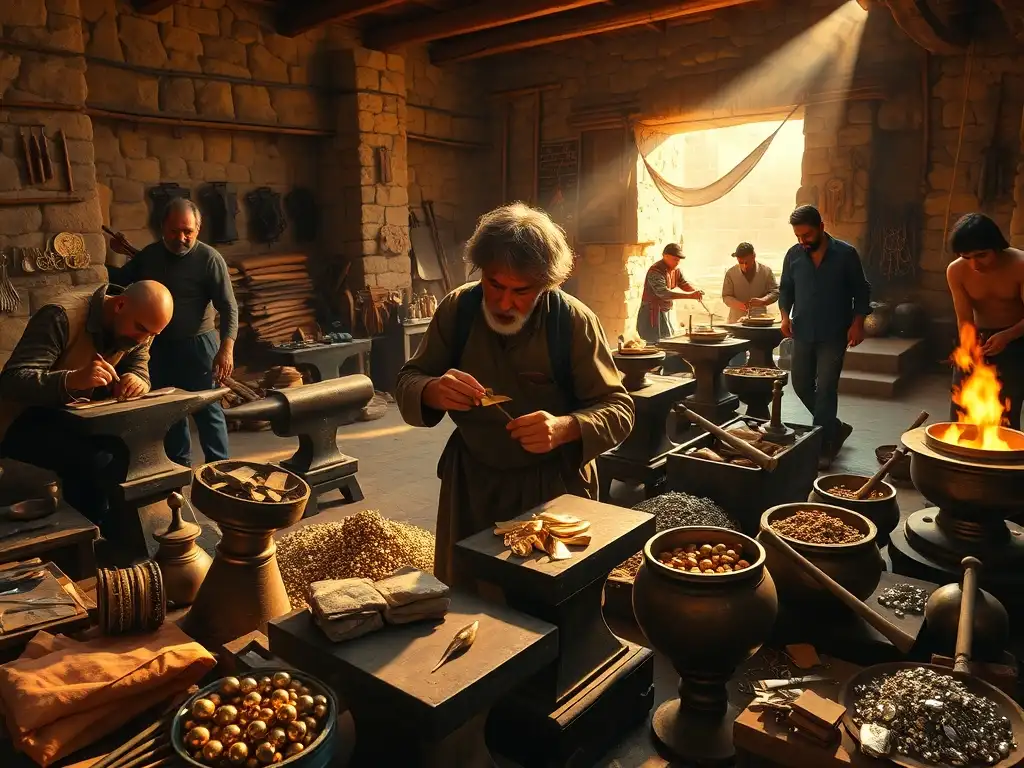
Step into a world lost to time, yet echoing with the skill and artistry of a vanished empire. Imagine the gleam of gold, the sheen of silver, the subtle depth of bronze… Andean Civilizations unveils the secrets of a fascinating past, and this journey begins with a deep dive into the intricate Inca metalworking techniques that shaped an era. Discover the ingenuity behind their breathtaking creations and unlock the mysteries of their unparalleled craftsmanship. Prepare to be amazed.
- Inca Metalworking: A Legacy of Gold, Silver, and Bronze
- The Significance of Metal in the Inca Empire
- Inca Metalworking Techniques: An Overview
- Working with Gold: Inca Craftsmanship and Symbolism
- Inca Silverwork: Artistry and Utility
- The Importance of Bronze in the Inca Economy and Military
- Inca Metalworking's Impact and Legacy
- Frequently Asked Questions
- Final Reflection: The Enduring Legacy of Inca Metalworking
- Unveil the Secrets of Inca Metalwork Today!
Inca Metalworking: A Legacy of Gold, Silver, and Bronze
The Inca Empire, a civilization that flourished in the Andes Mountains from the 15th to the 16th century, left behind a remarkable legacy of artistry and engineering. This legacy is perhaps most vividly represented in their sophisticated metalworking techniques. Mastering the intricate processes of shaping gold, silver, and bronze, Inca artisans created stunning objects—from ornate jewelry and ceremonial vessels to finely crafted tools and weapons—that reflect their advanced technological skills and deep-seated spiritual beliefs.
This article delves into the fascinating world of Inca metalworking, exploring the techniques employed, the materials utilized, and the significance of these artifacts within the context of the Empire's expansion and consolidation. We will examine how these techniques contributed to the Inca's power and prestige, solidifying their control over vast territories and influencing the lives of millions.
Understanding Inca metalworking provides crucial insight into their social structure, religious practices, and the overall sophistication of their civilization. This exploration will reveal how "Inca metalworking techniques" were not merely a craft, but a powerful symbol of imperial authority and cultural identity.
Sourcing and Refining of Metals
The Inca Empire possessed abundant resources of gold, silver, and copper (the primary source for bronze). These metals were extracted from various mines throughout their territory, often located in high-altitude regions. The extraction process, while labor-intensive, involved sophisticated techniques for locating veins, mining the ore, and transporting it to workshops. The refining process involved separating the desired metal from impurities through a combination of heating, hammering, and washing.
The precise techniques used remain partially undocumented, but archaeological evidence suggests the use of sophisticated furnaces and crucibles made of clay and other heat-resistant materials. The scale of Inca mining operations, as evidenced by the remains of numerous mines and smelting sites, underscores the crucial role of metalworking in the Inca economy and its contribution to the Empire's wealth and power. The distribution of these resources also played a key role in the Empire's administration and control, with the control of mines and metalworks becoming a critical aspect of Inca political power.
Techniques of Shaping and Decoration
Once refined, the metals were shaped using a variety of techniques, including hammering, casting, and repoussé. Hammering, a fundamental technique, allowed artisans to flatten, shape, and refine the metal. Casting involved melting the metal and pouring it into molds, a process that allowed for the creation of complex shapes and intricate designs. Repoussé, a particularly impressive technique, involved hammering the metal from the back to create three-dimensional designs on the surface.
Inca artisans were masters of these techniques, producing incredibly delicate and intricate work. They also developed sophisticated methods for decorating their metalwork, including inlaying with other metals, applying surface textures, and using pigments to enhance the visual appeal of their creations. The combination of these techniques resulted in objects of exceptional beauty and craftsmanship, reflecting the high level of skill and artistry achieved by Inca metalworkers. The precision and detail found in these artifacts are truly remarkable, showcasing the dedication and expertise of these skilled artisans.
The Role of Metalwork in Inca Society
Metalworking in the Inca Empire was not merely a craft; it held significant social and religious importance. Gold, in particular, was associated with the sun god Inti and was often used to create objects for religious ceremonies and adorn the Inca elite. Silver, while also valuable, was frequently used for utilitarian objects and everyday items. Bronze, a less precious alloy, was utilized for tools, weapons, and other practical applications.
The distribution of metalwork among different social classes reflects the hierarchical structure of Inca society. Elaborate gold ornaments and vessels were reserved for the Inca royalty and the religious elite, while simpler objects made of silver or bronze were used by the common people. This careful distribution of metalwork helped reinforce the social hierarchy and the Inca's control over their vast empire. The control over metalworking resources and the production of prestigious metal artifacts served as key instruments of power within the Inca Empire. The symbolic meaning of metal, its association with divinity, and its role in reinforcing social order highlights the profound significance of Inca metalworking beyond its aesthetic value. The intricate designs often incorporated symbolic motifs related to Inca mythology and beliefs, further solidifying the connection between metalwork and the spiritual realm.
Examples of Inca Metalworking Masterpieces
Numerous examples of Inca metalworking survive to this day, showcasing the remarkable skill and artistry of Inca artisans. These include intricate gold and silver jewelry, such as elaborate headdresses, necklaces, and earrings, often depicting animal and human figures. Ceremonial vessels, frequently crafted from gold and silver, were used in religious rituals and displayed the Inca's mastery of casting and repoussé techniques. The precision and detail of these artifacts are truly astounding, showcasing the Inca's understanding of metallurgy and their ability to manipulate metals to create objects of exceptional beauty and sophistication.
Many examples of Inca metalwork are preserved in museums around the world, allowing us to marvel at the achievements of this ancient civilization. These artifacts serve not only as beautiful objects but also as valuable sources of information about Inca society, religion, and technology. The study of these masterpieces allows us to gain a deeper understanding of the Inca Empire and its lasting impact on history. Further research is needed to fully understand the techniques and processes employed in creating these extraordinary works of art. The surviving examples only represent a fraction of the metalwork produced during the Inca Empire, offering a glimpse into the vast scale and significance of this craft.
The Significance of Metal in the Inca Empire
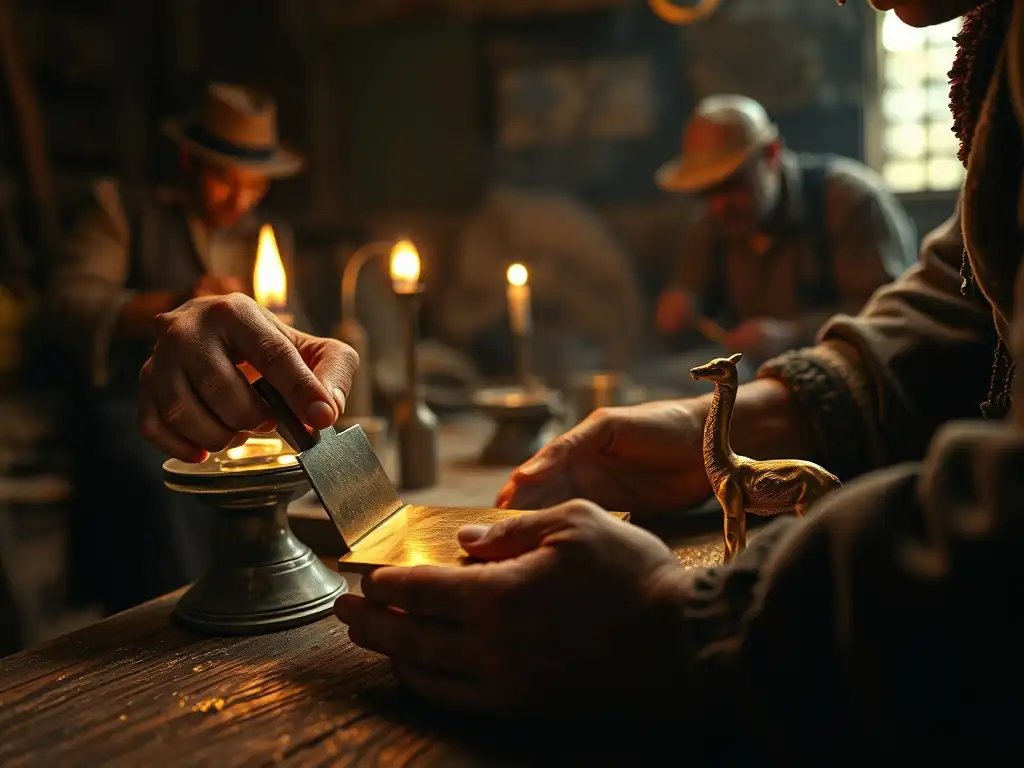
The Inca Empire's mastery of metalworking wasn't merely a technological achievement; it was intrinsically linked to the empire's social structure, religious beliefs, and political power. Understanding Inca metalworking techniques reveals crucial insights into the sophisticated organization and cultural values of this remarkable civilization. The Inca's ability to extract, refine, and craft metals into intricate objects solidified their authority and reinforced their control over vast territories.
The sheer artistry displayed in their metalwork, combined with the precious nature of the materials used, elevated the Inca elite and distinguished them from other Andean groups. This section explores the profound role metal played in shaping the Inca world.
Metal's Role in Inca Society and Power
Metal, particularly gold and silver, held immense symbolic significance within Inca society. These precious metals were not just valued for their inherent beauty and rarity; they also represented the Inca's connection to the divine and their control over the natural world. Gold, associated with the sun god Inti, was often used to create religious artifacts, such as masks, figurines, and ceremonial objects.
These items were used in rituals, reinforcing the Inca ruler's divine authority and legitimacy. Silver, linked to the moon, was also highly valued and used in similar contexts, albeit often in a complementary or secondary role to gold.
The Inca's control over metal production and distribution was a key element of their political power. Access to precious metals was carefully managed, with skilled artisans working under strict royal supervision. The production of metal objects was not evenly distributed; rather, it was concentrated in specific workshops and regions under the direct control of the Inca state. This centralized control ensured that the emperor and elite maintained a monopoly on the most prestigious and valuable items, further solidifying their social hierarchy.
The distribution of metal objects as gifts or rewards served to maintain loyalty among conquered groups and consolidate Inca power. The use of metal in weaponry, though less prominent than its ceremonial function, also played a role in military dominance, enhancing the effectiveness of Inca armies. The scarcity and prestige associated with metalwork strengthened the Inca's position as rulers and divine intermediaries.
Sources of Metals in the Inca Territory
The Inca Empire possessed a diverse range of metal resources within its extensive territories. The primary sources of gold were located in the regions of southern Colombia, Ecuador, and northern Peru. These regions provided the Inca with significant quantities of gold, which were then transported to Cuzco and other major centers for processing and crafting.
Significant silver deposits were found in the Andes mountains, notably in Bolivia and Peru. These deposits, often associated with lead and copper, provided the raw materials for a variety of silver objects. The Inca also utilized copper, which was more abundant than gold and silver, for tools, weapons, and everyday objects.
Bronze, an alloy of copper and tin, was also produced, though less extensively than other metals. The location of tin sources remains an area of ongoing research, but it’s understood that tin deposits were less widely distributed than copper, contributing to the relative scarcity of bronze objects compared to copper artifacts.
The Inca's sophisticated mining and metallurgical techniques allowed them to extract and refine these metals efficiently. While the details of their precise techniques are still being uncovered through archaeological discoveries, evidence suggests a complex system involving open-pit mining, shaft mining, and advanced smelting processes. The organization and logistics involved in extracting, transporting, and processing these metals across the vast Andean landscape highlight the impressive scale of Inca engineering and resource management.
The control over these essential resources was crucial to the empire's economic and political stability, underpinning the power and prestige of the Inca elite. Further research into Inca mining practices and metallurgical techniques promises to unveil even more about the empire's impressive achievements in metalworking.
Inca Metalworking Techniques: An Overview
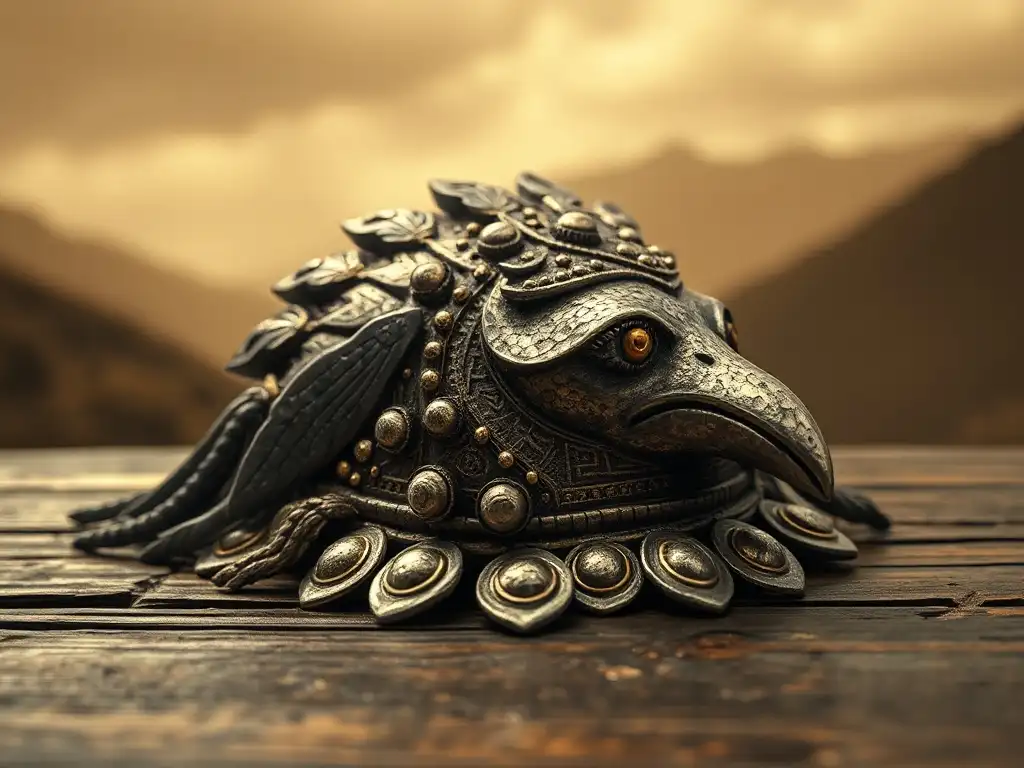
The Inca Empire, renowned for its sophisticated engineering and architectural prowess, also possessed remarkably advanced metalworking techniques. This expertise, passed down through generations, allowed Inca artisans to create intricate gold, silver, and bronze objects – from dazzling ceremonial ornaments to practical tools. Understanding Inca metalworking techniques provides critical insight into the empire's economic power, religious beliefs, and social structure.
The mastery of these techniques wasn't solely about artistic expression; it was deeply intertwined with the Inca worldview, reinforcing their imperial authority and cosmological beliefs. The sheer scale of production, the variety of techniques employed, and the level of artistry achieved all point to a highly organized and skilled workforce operating within a centralized system. This section will delve into the specifics of these techniques, examining the tools, processes, and the cultural significance of Inca metalwork.
The level of sophistication in Inca metalworking, particularly the use of alloys and intricate designs, surpasses that of many contemporary cultures, highlighting the empire's technological advancement. The analysis of surviving artifacts reveals a fascinating story of innovation and artistry, reflecting the ingenuity of Inca metalworkers.
Advanced Inca Metallurgy Practices
Inca metalworkers demonstrated a profound understanding of metallurgy, going beyond simple hammering and casting. They developed sophisticated techniques including:
- Lost-wax casting: This complex method allowed for the creation of intricate three-dimensional objects. Evidence suggests the Inca refined this ancient technique, producing incredibly detailed figurines and jewelry. The precision involved in creating the wax models and the subsequent casting process speaks volumes about the skill and patience of the artisans. The use of crucibles, likely made of ceramic materials, is evident in archaeological findings.
- Repoussé and chasing: These techniques involved hammering metal from the back (repoussé) to create raised designs, followed by smoothing and refining the surface (chasing). This allowed for the creation of incredibly detailed and delicate designs on thin sheets of metal, often seen in intricate gold and silver sheets used for ornamentation. This process required significant skill and a keen eye for detail.
- Alloying: Inca artisans expertly combined different metals to create alloys with specific properties. For instance, they blended copper and tin to produce bronze, a harder and more durable metal suitable for tools and weapons. The precise ratios used in these alloys suggest a sophisticated understanding of material science. Further research is needed to fully understand the extent of their experimentation with different alloys and their resulting properties.
- Inlay and overlay: These techniques involved embedding or applying pieces of one metal onto another, creating striking visual effects. This meticulous process required exceptional skill and precision, resulting in richly ornamented objects. Gold, silver, and other precious metals were often inlaid into bronze or other base metals, showcasing both technical ability and the symbolic value of the materials.
The combination of these techniques, along with advanced knowledge of heat treatment and finishing processes, allowed Inca metalworkers to create objects of unparalleled beauty and complexity. The surviving examples demonstrate not only technical mastery but also a deep understanding of design and aesthetics. This mastery contributed significantly to the empire's prestige and power.
Key Tools and Workshops of Inca Metalworkers
Archaeological evidence points to specialized workshops where Inca metalworkers plied their trade. These workshops were likely organized and overseen by skilled masters, and involved a division of labor, with specialists focusing on particular aspects of the metalworking process. The tools used included:
- Mallets and hammers: Various sizes and shapes of mallets and hammers were used for shaping and smoothing the metal. Some were made of stone, while others were likely made from wood or bone. [Specific material analysis pending]
- Anvils: Anvils, possibly made of stone or other hard materials, provided a stable surface for hammering and shaping the metal. The size and shape of these anvils would have varied depending on the size and type of metal being worked. [Specific anvil examples pending]
- Crucibles: These heat-resistant containers were crucial for melting and casting metals. Archaeological discoveries suggest the use of ceramic crucibles, although other materials may have also been employed. [Specific crucible analysis pending]
- Pliers and tongs: These tools were essential for manipulating and holding hot metal during the casting and shaping processes. The design and construction of these tools would have been crucial for the safety and efficiency of the metalworkers. [Specific tool examples pending]
- Files and abrasives: After casting or shaping, metal objects were likely finished using files and abrasives to create a smooth, polished surface. Sandstone and other natural materials would have been used as abrasives. [Specific abrasive types pending]
The organization of these workshops, the specialization of labor, and the sophisticated tools employed all point to a highly developed and efficient metalworking industry within the Inca Empire. The surviving artifacts are a testament to the skill, artistry, and technological advancement of Inca metalworkers, and serve as a valuable window into the cultural and economic landscape of the Inca world. The precise organization of these workshops remains a subject of ongoing research, with new discoveries continually adding to our understanding. 👑
Working with Gold: Inca Craftsmanship and Symbolism
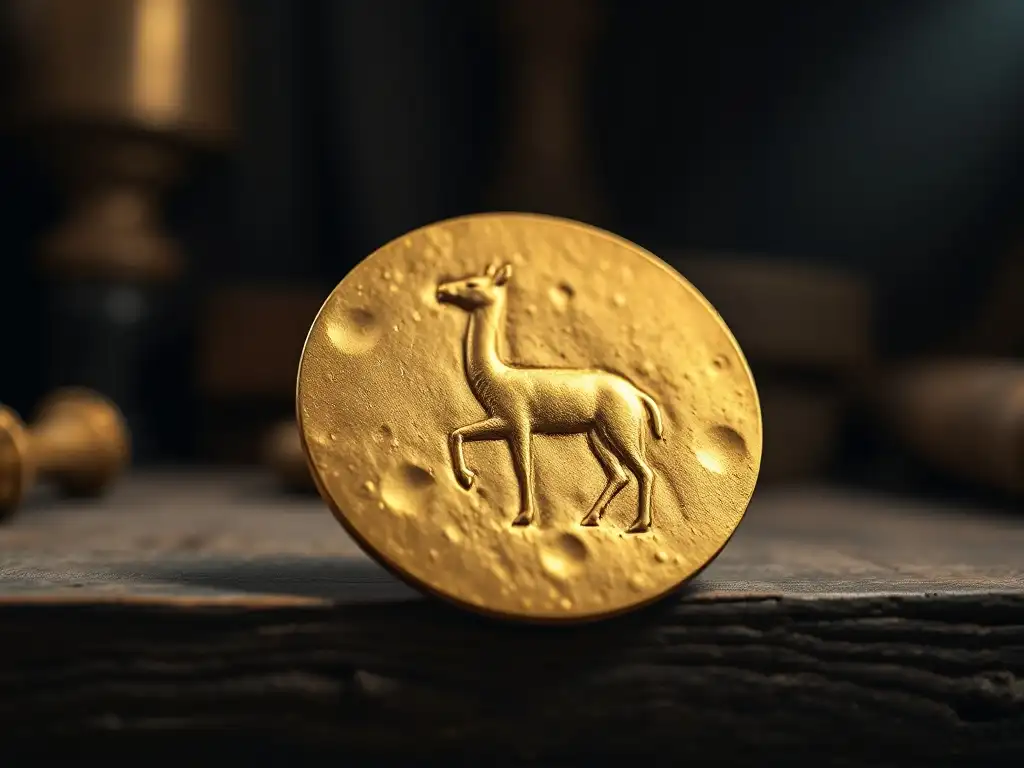
The Inca Empire's mastery of goldsmithing is legendary, resulting in breathtaking artifacts that continue to fascinate and inspire awe. Gold, for the Inca, was far more than just a precious metal; it held profound religious and symbolic significance, deeply intertwined with their worldview and imperial power. Their sophisticated techniques, passed down through generations, allowed them to transform this malleable metal into intricate objects reflecting their cosmology, beliefs, and social structure.
Understanding Inca goldworking requires examining not only the technical aspects but also the rich cultural context in which it flourished. This section delves into the intricacies of Inca goldsmithing, exploring the processes, symbolism, and the enduring legacy of these remarkable creations. The sheer artistry displayed in Inca metalworking, particularly with gold, showcases their advanced understanding of metallurgy and their deep connection to the spiritual realm.
Inca Gold Extraction and Refinement Methods
Inca gold extraction relied primarily on alluvial mining, taking advantage of naturally occurring gold deposits found in riverbeds and streams. These deposits, often in the form of nuggets or flakes, were collected using simple tools such as wooden shovels and pans. While they lacked sophisticated machinery like hydraulic mining employed in later periods, their methods were remarkably effective in accessing readily available gold resources. The Inca's meticulous approach extended beyond extraction to the refinement process.
They employed a combination of techniques to purify the gold, removing impurities like quartz and other minerals. This likely involved heating the gold to high temperatures, potentially using charcoal fires, to melt and separate the precious metal from the unwanted elements. Evidence suggests they also used processes akin to cupellation, a method of refining metals by oxidation, to achieve a high level of purity.
The precise details of their refinement techniques remain partially undocumented, but archaeological evidence and analyses of surviving artifacts point to a sophisticated understanding of metallurgical processes. The impressive quality of Inca gold objects testifies to their mastery of these essential steps in goldsmithing. Further research into Inca mining practices could uncover more specific details on their extraction and refinement methodologies.
Golden Artifacts: Religious and Royal Significance
Inca gold artifacts weren't merely decorative; they served critical religious and royal functions. The sun god, Inti, held paramount importance in Inca cosmology, and gold, with its radiant glow, was considered a fitting representation of the sun's power. Many artifacts, such as the intricately crafted sun discs and golden masks, directly symbolized Inti, reinforcing the emperor's divine authority.
These objects weren't just displayed; they played active roles in rituals and ceremonies, strengthening the connection between the ruler and the divine realm. Furthermore, gold was often used in the adornment of mummies, particularly those of high-ranking individuals, reflecting their elevated status and connection to the afterlife. The use of gold in these contexts emphasizes the metal's association with immortality and spiritual power within Inca beliefs.
The distribution and type of golden artifacts found in archaeological sites also provide insights into social stratification within the empire, with the quality and quantity of gold objects varying according to the status of their owners. The sheer volume of gold artifacts discovered underscores the importance of this metal in Inca society.
Inca Goldworking Techniques: Hammering, Gilding, and Casting
Inca goldsmiths displayed remarkable skill in diverse techniques. Hammering was a fundamental method, used to shape thin sheets of gold into intricate forms. This required considerable skill and precision, as evidenced by the delicate details found in many surviving pieces. Gilding, the application of a thin layer of gold to another material, was another prevalent technique, frequently used to enhance the appearance of wooden or ceramic objects.
This process involved carefully applying gold leaf or finely ground gold to a surface, often using adhesives derived from natural resins. Casting, the process of pouring molten gold into molds, allowed the creation of more complex three-dimensional forms. The Inca utilized sophisticated lost-wax casting techniques, creating intricate molds that allowed for highly detailed and realistic representations.
These techniques, combined with their skill in hammering, repoussé (hammering from the reverse side to create relief), and soldering, demonstrate a comprehensive understanding of metalworking that was unparalleled in the region. The Inca's mastery of these techniques, passed down through generations of skilled artisans, resulted in the creation of some of the most exquisite gold objects ever produced. The precision and artistry displayed in these artifacts stand as a testament to their ingenuity and craftsmanship.
Inca Silverwork: Artistry and Utility
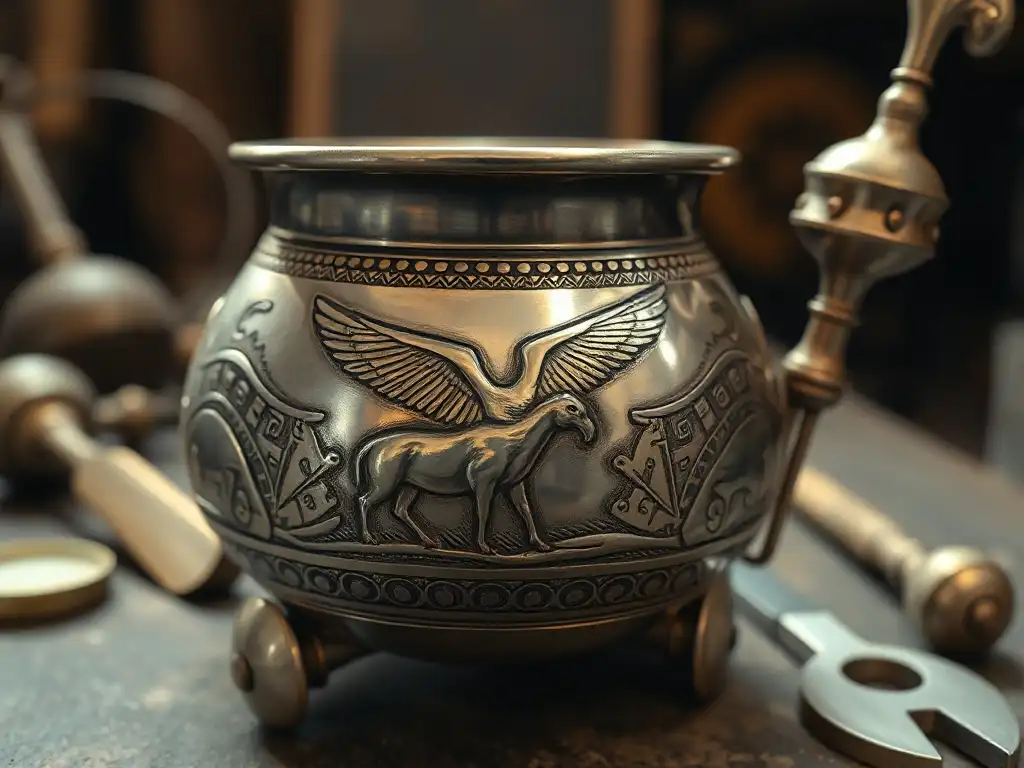
The Inca Empire's mastery of metalworking extended beyond the iconic gold artifacts. Silver, while perhaps less visually striking than gold, played a crucial role in Inca society, reflecting both artistic skill and practical application. Inca silverwork demonstrates a sophisticated understanding of metallurgy, reflecting the empire's advanced technological capabilities and its influence on the daily lives of its people.
The techniques employed, the sources of the raw material, and the diverse range of objects produced all contribute to a fascinating picture of Inca ingenuity and cultural values. Understanding Inca silverwork provides a deeper appreciation for the complexity and sophistication of the Inca Empire's technological and artistic achievements, enriching our understanding of "Inca metalworking techniques".
Silver Mining and Processing in the Inca Empire
Silver mining in the Inca Empire wasn't haphazard; it was a highly organized operation, reflecting the empire's centralized control over resources. The primary silver mines were located in the high Andes, in regions like Potosí (although the full extent of Inca exploitation there is still debated by scholars). These mines were likely worked by mit'a labor, a system of mandatory public service.
While the exact details of Inca mining practices remain partially shrouded in mystery due to limited surviving documentation, archaeological evidence suggests a sophisticated understanding of extraction and processing. The Incas likely employed techniques like fire-setting to break up rock formations, followed by hand-crushing and washing to separate the silver ore from the surrounding rock. Further refinement may have involved techniques like cupellation, a process to separate silver from lead.
The organization and scale of these operations highlight the empire's ability to mobilize significant manpower and resources for large-scale projects, reflecting their impressive logistical capabilities. The control of silver production, like other key resources, consolidated Inca power and fueled their economic strength. Detailed accounts of the specific tools used in the Inca silver mining process are still being researched, but evidence suggests the use of stone and bronze tools alongside more rudimentary methods.
Silver Objects: From Jewelry to Ritual Items
Inca silver objects were remarkably diverse, ranging from intricate jewelry to functional items and ritual artifacts. Silver's malleability allowed for intricate designs, and its value made it suitable for prestigious objects. Common silver items included:
- Jewelry: Ear ornaments, pendants, and nose rings, often incorporating other materials like turquoise or shell.
- Ritual objects: Silver vessels, plates, and figurines, likely used in ceremonies and religious practices. Some of these objects bear intricate designs, suggesting a strong link between religious beliefs and metalworking practices.
- Functional items: Silver tools, such as knives or chisels, though less common than bronze or copper equivalents. These items showcase the versatility of silver, expanding its utility beyond decorative or ceremonial roles.
The distribution and context of discovered silver objects provide insights into Inca social structures and beliefs. For example, the presence of elaborate silver jewelry in elite tombs indicates its significance as a marker of status and power. The discovery of silver items in religious contexts underscores their importance in Inca religious practices. The careful craftsmanship visible in many objects speaks to the high level of skill possessed by Inca artisans, who were able to manipulate silver into intricate and delicate forms.
Decorative Techniques in Inca Silver Production
Inca silversmiths employed a variety of techniques to decorate their creations, reflecting a high level of artistic skill and innovation. These techniques, often combined, resulted in visually stunning objects:
- Repoussé: This technique involved hammering from the back of a sheet of silver to create raised designs on the surface.
- Chasing: The reverse of repoussé, chasing involved smoothing and refining the details of a raised design from the front.
- Inlay: Other materials, like turquoise, shell, or gold, were sometimes inlaid into silver objects to create contrasting colors and textures. This technique required precision and skill.
- Casting: While less common for silver than for bronze, casting allowed for the creation of complex three-dimensional forms.
The combination of these techniques, along with the careful selection of materials, resulted in silver objects of exceptional beauty and craftsmanship. Many examples showcase a deep understanding of metal properties and a remarkable ability to manipulate the material to achieve specific aesthetic effects. The artistry displayed in Inca silverwork stands as a testament to the sophisticated skills of Inca artisans and their significant contributions to the development of "Inca metalworking techniques". Further research into specific examples of Inca silverwork could reveal even more nuanced details about their production techniques and artistic approaches.
The Importance of Bronze in the Inca Economy and Military
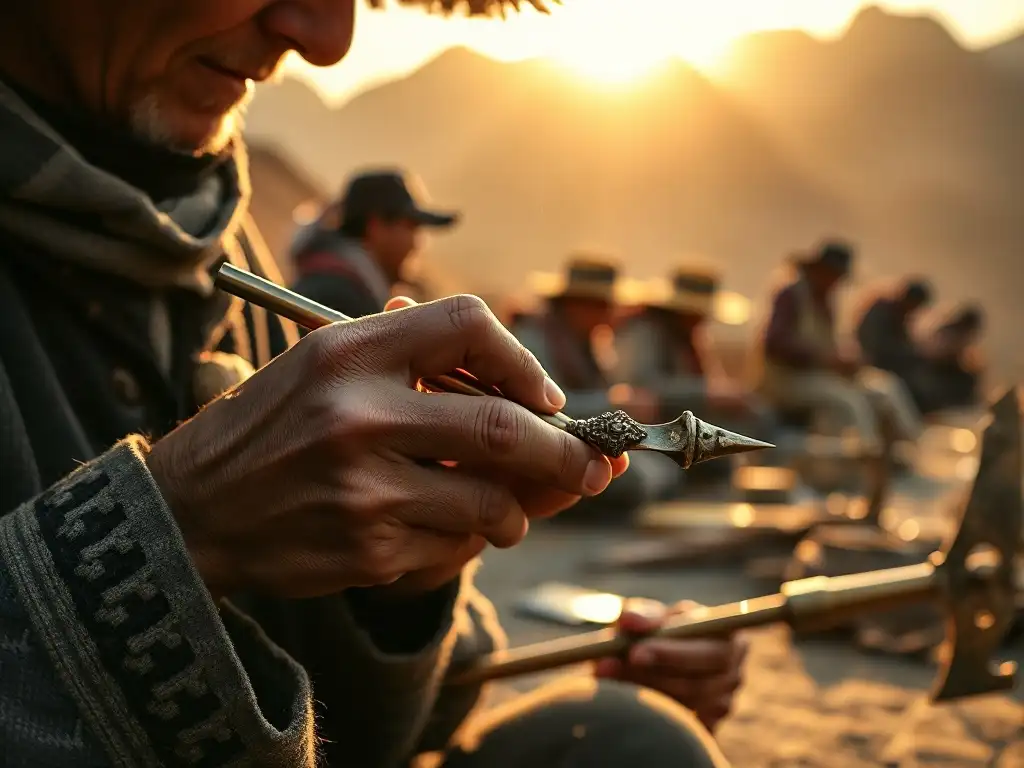
The Inca Empire, renowned for its mastery of gold and silver, also possessed significant expertise in bronze metallurgy. While gold and silver held primarily ceremonial and symbolic value, bronze played a crucial, albeit less glamorous, role in the Inca economy and military. Its durability and versatility made it indispensable for a wide range of tools and weapons, directly impacting the empire's agricultural productivity, infrastructure development, and military strength.
The widespread use of bronze underscores the Inca's advanced technological capabilities and their sophisticated understanding of material science, a key factor in their successful expansion and consolidation of power. Analyzing Inca bronze artifacts provides valuable insights into their economic strategies, social organization, and military capabilities, contributing significantly to our understanding of "Inca metalworking techniques".
Inca Bronze Alloys: Composition and Properties
Inca bronze wasn't a uniform material; rather, it consisted of a range of alloys with varying copper and tin ratios. Archaeological analyses reveal that the Inca skillfully adjusted the composition to achieve specific properties. For instance, higher tin content resulted in harder, more durable bronze, ideal for tools like chisels and axes used in stonework.
Lower tin content yielded a more malleable bronze, suitable for casting intricate decorative elements or creating thinner sheets for applications like sheathing. The Inca's precise control over alloy composition demonstrates a high level of metallurgical knowledge and expertise.
They likely experimented extensively to optimize the properties of their bronze for different purposes, showcasing a deep understanding of the relationship between alloy composition and the resulting material properties. Further research on the precise elemental composition of different Inca bronze artifacts is needed to fully unravel the complexities of their metallurgical practices and the extent of their experimentation with "Inca metalworking techniques".
The presence of trace elements, beyond copper and tin, in some bronze samples suggests the possible addition of other metals to further refine the properties of the alloy. This intentional addition of elements, even in small quantities, points to a sophisticated understanding of material science that surpasses the simple mixing of copper and tin. For example, the addition of arsenic could have enhanced hardness, while zinc might have improved castability. Uncovering the precise nature and effects of these trace elements will offer a more complete picture of Inca metallurgical techniques.
Bronze Tools and Weapons of the Inca
Bronze tools were fundamental to Inca infrastructure projects and agricultural practices. Axes, chisels, and adzes, crafted from bronze, were essential for quarrying stone, shaping building blocks, and carving intricate designs in stone monuments. The durability of bronze made it superior to stone tools for many tasks, significantly increasing efficiency and productivity.
Similarly, bronze was used to create agricultural tools such as hoes and sickles, enhancing food production. In the military sphere, bronze played a crucial role in weaponry. Bronze weapons, while not as common as those made from other materials (like obsidian), were likely valued for their durability and sharpness.
Bronze-tipped spears, daggers, and possibly even some forms of armor, showcase the versatility of this metal in both civilian and military contexts. The use of bronze in Inca weaponry reflects not only their technological prowess but also their strategic approach to warfare, leveraging materials to enhance both agricultural output and military effectiveness. The distribution and typology of these bronze tools and weapons across the empire can reveal insights into Inca trade networks and regional variations in metalworking practices within the broader context of "Inca metalworking techniques".
A notable example is the discovery of [specific example of bronze weapon or tool pending], which highlights [specific characteristic pending] of Inca bronze craftsmanship.
The Role of Bronze in Inca Agriculture and Construction
Bronze tools significantly impacted Inca agriculture, leading to increased efficiency and higher crop yields. Bronze hoes and sickles, unlike their stone counterparts, allowed for more precise and efficient cultivation, facilitating the expansion of agricultural land and the intensification of farming practices. This increased food production was vital for supporting the growing population of the empire and its extensive military campaigns.
In construction, bronze tools were indispensable for quarrying, shaping, and fitting massive stone blocks used in the construction of Inca structures like Machu Picchu. The precision and efficiency achieved through the use of bronze tools are evident in the remarkable stonework of Inca architecture. The combination of bronze tools and the Inca's mastery of stonework represents a synergistic relationship between technology and craftsmanship, a key element in the construction of monumental structures and the expansion of the Inca Empire.
Further research into the specific applications of bronze tools in Inca agriculture and construction can reveal more about the efficiency gains and the overall impact of this metal on the empire's development, furthering our understanding of "Inca metalworking techniques" and their societal impact. Detailed analysis of the wear patterns on preserved bronze tools could provide valuable insights into their usage and the techniques employed by Inca artisans.
Inca Metalworking's Impact and Legacy
The Inca Empire's mastery of metalworking wasn't merely a technological achievement; it profoundly impacted the social, political, and artistic landscape of the Andes. Their sophisticated techniques and the sheer artistry displayed in their creations left an indelible mark on subsequent Andean cultures and continue to fascinate researchers today. The prestige associated with Inca metalwork solidified the empire's power and influence, shaping the identities and aspirations of conquered populations.
The sheer volume of gold and silver objects produced, particularly during the reign of Pachacuti and his successors, speaks to the empire's vast resources and organizational capacity. This wasn't simply about creating beautiful objects; it was a powerful statement of imperial authority and control.
The distribution of metalwork, both as tribute and royal gifts, served to reinforce the Inca's dominance and legitimacy across their expansive territory. The legacy of Inca metalworking extends far beyond the empire's collapse, influencing the styles and techniques of later Andean artisans for centuries.
Inca Metalworking Influence on Later Andean Cultures
The impact of Inca metalworking techniques rippled through Andean societies long after the Spanish conquest. While the scale and sophistication of Inca production were unmatched, subsequent cultures, such as the colonial-era artisans, adapted and transformed Inca techniques to their own ends. For instance, the use of repoussé and hammering, key Inca techniques, continued to be employed, albeit often with different aesthetic preferences and materials.
The intricate designs and motifs, though adapted, are still recognizable as having their roots in Inca artistry. The availability of certain metals, however, changed post-conquest. The Spanish introduced new materials and technologies, inevitably influencing the development of Andean metalworking.
Nevertheless, the fundamental skills and knowledge passed down from the Inca period formed the foundation of later Andean metalwork traditions, ensuring a continuity of skills and cultural expression. The legacy can be seen in both the stylistic elements and the technical expertise that persisted through generations. Analyzing these later works provides valuable insights into the enduring influence of Inca craftsmanship.
Preservation of Inca Metalworking Knowledge
The survival of information about Inca metalworking techniques is a testament to the ingenuity and resilience of Andean cultures. Although much knowledge was undoubtedly lost with the demise of the empire and the subsequent disruptions caused by the Spanish conquest, fragments of information have survived through various channels. Archaeological finds, including tools, unfinished pieces, and the metalwork itself, offer invaluable clues.
Furthermore, some aspects of Inca metalworking techniques might have been indirectly preserved through oral traditions and apprenticeship systems, though this is difficult to definitively prove. Ethnohistorical accounts, though often written from a colonial perspective, sometimes contain snippets of information that shed light on Inca practices. Unfortunately, much of the knowledge was deliberately suppressed or destroyed during the colonial period, as the Spanish sought to undermine indigenous traditions and control the flow of precious metals.
The limited surviving information requires careful interpretation and cross-referencing to reconstruct a comprehensive understanding of Inca metalworking. Further research, combining archaeological analysis with ethnohistorical studies, is crucial to uncover more details about this fascinating aspect of Inca technology.
Contributions of Archaeological Analysis to Understanding Inca Metalwork
Archaeological analysis plays a pivotal role in unraveling the secrets of Inca metalworking. Excavations at sites across the former Inca Empire have yielded an abundance of artifacts, including tools, molds, crucibles, and finished metal objects, providing direct evidence of their techniques. The analysis of these materials allows researchers to reconstruct the processes involved, from the initial mining and smelting of ores to the final stages of shaping, decorating, and finishing.
For example, the discovery of sophisticated molds indicates a high level of organization and planning in Inca production. The examination of metallographic structures reveals the alloys used and the techniques employed in their creation. Moreover, the study of the chemical composition of Inca metalwork provides insights into the sources of the raw materials and the trade networks that sustained the empire's metalworking industry.
Careful analysis of iconography and stylistic elements on metal objects, combined with contextual information from archaeological sites, allows researchers to understand the social and symbolic meanings associated with various types of metalwork. The ongoing application of advanced scientific techniques, such as X-ray fluorescence and microscopy, continues to enhance our understanding of Inca metalworking and its importance within the broader context of Andean culture. This ongoing research promises to reveal even more about the ingenuity and artistry of the Inca master metalworkers.
Frequently Asked Questions
What materials did Inca metalworkers primarily use?
Inca metalworkers primarily used gold, silver, and bronze, though copper and other alloys were also employed. Their mastery of these materials is evident in their exquisite artifacts.
What were some of the most common Inca metalworking techniques?
Common techniques included hammering, casting, soldering, and repoussé. They achieved incredibly fine detail using these methods.
How did Inca metalworkers achieve such intricate designs?
The Incas combined several techniques to create intricate designs. Their advanced knowledge of metallurgy allowed for incredibly detailed and refined work.
Were Inca metalworking techniques unique to the Inca Empire?
While the Incas excelled at metalworking, they built upon existing techniques from earlier Andean cultures. They refined and developed these pre-existing methods.
Where can I see examples of Inca metalworking today?
Examples of Inca metalworking are found in many museums worldwide, including the Museo Larco in Lima, Peru, and major museums in the United States and Europe. Many pieces are also housed in South American museums.
Final Reflection: The Enduring Legacy of Inca Metalworking
The intricate artistry of Inca metalworking remains a testament to the ingenuity and cultural sophistication of a civilization that thrived centuries ago, yet its techniques continue to inspire awe and wonder today. The precision, the innovative use of alloys, and the sheer beauty of surviving artifacts offer a compelling window into a lost world, reminding us of the power of human creativity and the enduring legacy of skilled craftsmanship.
The impact of Inca metalworking extends far beyond the realm of archaeology; it resonates deeply within contemporary art, design, and even our understanding of ancient societies. The mastery displayed in techniques like hammering, casting, and repoussé continues to influence modern metalworkers, inspiring new interpretations and pushing the boundaries of artistic expression. The Inca's skill in metalworking was not merely technical; it was a powerful expression of their worldview, their cosmology, and their social hierarchy.
This quote encapsulates the profound cultural significance embedded within each meticulously crafted piece.
Consider the intricate detail, the symbolic power, and the sheer artistry involved in each Inca artifact. You too can appreciate the enduring legacy of this ancient craft by seeking out opportunities to engage with metalwork, whether through visiting museums, supporting contemporary artisans, or simply taking a moment to appreciate the beauty and skill embedded in the objects that surround you. Let the legacy of Inca metalworking inspire you to explore your own creative potential and to recognize the enduring power of human ingenuity across time and cultures.
Unveil the Secrets of Inca Metalwork Today!
Thank you for exploring the fascinating world of Inca metalworking! You've discovered the Inca's masterful use of gold, silver, and copper alloys, showcasing their incredible skill and the cultural importance of their work. Now, let's bring that inspiration into your life!
**Here's how you can delve deeper:**
- **Join a local metalworking class:** Learn firsthand the techniques used to create stunning metalwork inspired by Inca artistry.
- **Visit a museum exhibit:** Immerse yourself in the artistry of ancient Andean artifacts and witness the exquisite craftsmanship up close.
- **Share your knowledge:** Discuss the rich history of Inca metalworking with friends, family, or online communities to spark interest and conversation.
What aspect of Inca metalwork captivates you most, and how will you explore it further in your own creative endeavors?