
Pachacuti's Vision: The Architect of Inca Expansion

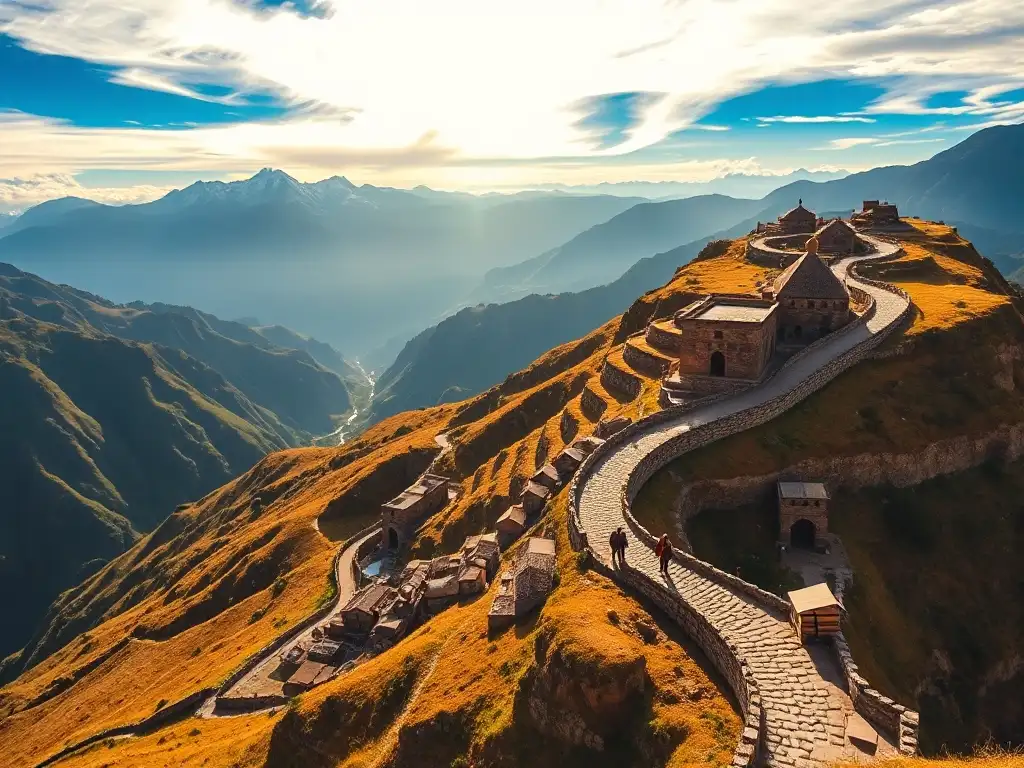
Unravel the mysteries of the Andes! Journey with us through a captivating tapestry of ancient empires, breathtaking artistry, and groundbreaking innovations. But first, consider this: how did a single ruler transform a small kingdom into the mighty Inca Empire? Discover the ingenious Pachacuti Inca expansion strategies that reshaped the Andean world, and unlock the secrets behind his extraordinary vision in our in-depth exploration of the Inca Empire. Prepare to be amazed.
The Inca Empire, a civilization renowned for its sophisticated engineering, intricate social structures, and vast territorial reach, did not rise to prominence overnight. Its meteoric expansion during the fifteenth century was largely due to the strategic brilliance and unwavering vision of one man: Pachacuti Inca Yupanqui. This article delves into Pachacuti's leadership, examining his key strategies and innovations that propelled the Inca from a relatively small kingdom to a dominant force across the Andes.
We will explore how his military reforms, diplomatic acumen, and administrative prowess shaped the Inca Empire's expansion, leaving an indelible mark on Andean history. Understanding Pachacuti's methods offers crucial insight into the dynamics of power, conquest, and imperial consolidation in the pre-Columbian world, enriching our comprehension of "Pachacuti Inca expansion strategies". The sheer scale of his achievements underscores his legacy as the architect of the Inca Empire's remarkable growth and enduring influence.
The Rise of Pachacuti: Transforming the Inca State
Pachacuti's ascension to power wasn't a simple succession. He inherited a Cuzco beset by internal conflicts and external threats. His reign, however, marked a turning point. He consolidated power through shrewd political maneuvering, skillfully neutralizing rivals and forging alliances.
This internal stabilization provided the necessary foundation for his ambitious expansionist policies. Beyond the political realm, Pachacuti oversaw crucial administrative reforms. He implemented a highly organized system of governance, dividing the empire into provinces ( suyus) administered by loyal officials. This efficient bureaucracy ensured effective control over conquered territories and facilitated the smooth flow of resources to the capital.
His reforms were not merely about control; they were designed to integrate conquered populations into the Inca system, minimizing resistance and fostering a sense of shared identity. This careful blend of political acumen and administrative efficiency laid the groundwork for the unprecedented expansion that followed. The transformation of the Inca state under Pachacuti was not merely a military achievement; it was a fundamental restructuring of society, paving the way for an empire that would span thousands of miles.
Pachacuti's Military Innovations and Conquests
Pachacuti's military prowess was integral to the Inca expansion. He didn't simply rely on brute force; he implemented significant military innovations that proved decisive in his campaigns. These innovations included improvements in weaponry, logistics, and military organization, enhancing the Inca army's effectiveness on the battlefield.
His reforms transformed a relatively small and regionally focused fighting force into a highly disciplined and well-equipped army capable of conquering vast territories and diverse populations. This section details the key elements of his military strategies, highlighting their impact on the Inca's success in conquering neighboring kingdoms and expanding their empire. The strategic genius of Pachacuti lies not only in his victories but also in his ability to maintain control over newly acquired territories, demonstrating a deep understanding of both military tactics and imperial administration.
Early Military Campaigns Under Pachacuti
Pachacuti's early military campaigns focused on consolidating power in the immediate vicinity of Cuzco. These initial victories, though seemingly small-scale, were crucial in building momentum and demonstrating his military capabilities. These early successes provided the necessary experience and confidence for larger-scale expeditions further afield. [Specific details of early campaigns and their outcomes pending] The strategic value of these early campaigns lay in their role in honing the Inca army's skills and establishing a strong foundation for future conquests. Winning over these smaller kingdoms first allowed Pachacuti to build a strong base from which to launch his larger ambitions.
Key Battles and Territorial Gains of Pachacuti’s Reign
Pachacuti's reign witnessed a series of decisive battles that significantly expanded Inca territory. These victories were not solely attributable to superior military might; they also reflected Pachacuti's shrewd understanding of diplomacy and his ability to exploit divisions among his enemies. [Data on key battles, locations, and dates pending]. The expansion under Pachacuti was not a chaotic scramble for land; it followed a carefully planned and strategically executed pattern, resulting in the incorporation of diverse regions and cultures into the Inca Empire.
Pachacuti Inca military strategies and tactics
Pachacuti's military strategies were characterized by a combination of force and diplomacy. He skillfully used both to subdue resistant populations and to incorporate them peacefully into his empire. His tactics included swift and decisive attacks, siege warfare, and the effective use of terrain. The Inca army's organization, with its system of specialized units and efficient logistics, provided a significant advantage.
[Specific details on Inca military tactics and organization pending]. Furthermore, Pachacuti's understanding of psychological warfare played a crucial role in achieving victories with minimal bloodshed, contributing to a more stable and less rebellious empire. This strategic blend of military might and diplomatic finesse was a key factor in the unprecedented expansion of the Inca Empire under Pachacuti's leadership.
Administrative Reforms and Consolidation of Power
Pachacuti's reign marked a significant turning point in Inca history, transitioning from a relatively small kingdom to a vast empire. His administrative reforms were crucial to this expansion and the subsequent consolidation of power. He implemented a highly organized and centralized system, replacing the more fragmented structures of previous Inca rulers. This involved establishing a clear hierarchy, assigning specific responsibilities to officials at various levels, and ensuring effective communication throughout the empire.
The standardization of laws, taxes, and administrative procedures facilitated the smooth functioning of the vast territory under Inca rule. This systemic approach allowed for efficient resource management, effective governance, and the suppression of potential rebellions, all essential for maintaining control over newly conquered lands. The creation of a robust administrative system was key to Pachacuti's success in managing the logistics of a large and growing empire. Without this, the expansion would have likely been unsustainable.
Implementing the Mit'a System
The mit'a system, a form of mandatory labor service, was a cornerstone of Pachacuti's administrative reforms and a crucial element in his expansion strategies. This system, while existing in a less organized form prior to his reign, was refined and formalized under Pachacuti to efficiently manage the construction of infrastructure, agricultural projects, and military campaigns. The mit'a obligated citizens to contribute a certain amount of labor to the state, typically for a set period.
This labor force was essential for building the extensive road network, temples, and other monumental structures that characterized the Inca Empire. Crucially, the mit'a was not just about extraction; it provided a system for distributing resources and ensuring the participation of all segments of society in the empire's growth. The system's effectiveness lay in its ability to mobilize a large workforce for specific projects while simultaneously integrating conquered populations into the Inca system.
Careful management of the mit'a prevented widespread resentment and ensured its long-term sustainability. Records suggest that the system was generally well-managed, minimizing disruption to the lives of those involved.
The Role of the Quipu in Inca Administration
The quipu, a complex system of knotted strings used for record-keeping, played a vital role in the Inca administrative system under Pachacuti. These sophisticated devices were not merely simple counting tools; they represented a sophisticated method of data storage and retrieval. Inca administrators used quipus to meticulously track population censuses, tax obligations, agricultural yields, and military deployments. This allowed for accurate assessments of resources and manpower, facilitating efficient planning and allocation.
The information stored on quipus was essential for managing the mit'a system, distributing resources fairly, and ensuring the smooth functioning of the empire's vast bureaucracy. While the precise methods of interpreting quipus remain a subject of ongoing research, it is clear that they were an integral part of the Inca administrative infrastructure that facilitated Pachacuti's ambitious expansion and consolidation efforts. The level of detail recorded on the quipus suggests a remarkable level of administrative sophistication for its time.
Pachacuti’s strategies for unifying conquered territories
Pachacuti's success in expanding the Inca Empire wasn't solely based on military might; he employed shrewd strategies to effectively unify newly conquered territories. His approach focused on a combination of political maneuvering, economic integration, and cultural assimilation. He strategically placed loyal Inca officials in key administrative positions within conquered regions, ensuring the implementation of Inca laws and policies.
Simultaneously, he allowed local leaders to retain a degree of autonomy, fostering a sense of collaboration rather than outright subjugation. This pragmatic approach minimized resistance and facilitated a smoother transition to Inca rule. Furthermore, Pachacuti encouraged intermarriage between Inca nobles and the elites of conquered populations, strengthening political alliances and creating a shared sense of identity.
He also implemented infrastructure projects, such as road networks and irrigation systems, that benefited both Inca and conquered populations, promoting economic interdependence and fostering a sense of shared prosperity. This combination of political pragmatism, economic integration, and cultural diplomacy was essential to Pachacuti's success in consolidating his empire and maintaining long-term stability.
Urban Planning and Architectural Legacy
Pachacuti’s reign witnessed a remarkable flourishing of urban planning and architecture, reflecting both his administrative prowess and his ambition to create a visually stunning and symbolically powerful empire. The construction of new cities and the expansion of existing ones were integral to his strategies for consolidating power and integrating conquered populations. The architectural styles and urban layouts of these cities reflected a deliberate attempt to impose Inca culture and authority, but also to adapt to the existing landscapes and pre-existing settlements.
The Construction of Machu Picchu
While the precise date of Machu Picchu's construction is debated, it’s widely believed that Pachacuti either initiated or oversaw its construction, likely as a royal estate or sacred site. Its strategic location in the Andes mountains, coupled with its impressive architecture and sophisticated engineering, showcases the advanced technological capabilities of the Inca Empire. The precision of the stonework, the intricate water management systems, and the overall design reflect not only impressive technical skills but also a deep understanding of the surrounding environment.
Machu Picchu's construction highlights Pachacuti's commitment to both grandeur and practicality, demonstrating his ability to harness resources and mobilize labor for ambitious projects. The site's enduring legacy reflects Pachacuti's lasting impact on Inca architecture and urban planning.
Cusco: The Imperial Capital under Pachacuti
Cusco, already an important settlement before Pachacuti's reign, underwent a dramatic transformation under his leadership, becoming the grand imperial capital of the Inca Empire. He oversaw the expansion and beautification of the city, constructing magnificent palaces, temples, and public squares. The urban layout of Cusco, with its carefully planned streets and strategically positioned buildings, reflects a sophisticated understanding of urban planning and a desire to create a visually impressive and symbolically significant center of power.
The expansion of Cusco served not only as a display of Inca power but also as a means of integrating conquered populations into the empire's political and social fabric. The city's growth mirrored the expansion of the empire itself, symbolizing Inca dominance and prosperity.
Pachacuti’s influence on Inca architecture and infrastructure
Pachacuti’s influence on Inca architecture and infrastructure is profound and far-reaching. He oversaw the construction of an extensive network of roads, bridges, and irrigation systems that connected the diverse regions of the empire, facilitating trade, communication, and the movement of troops. These infrastructure projects were not just functional; they also served as powerful symbols of Inca power and authority, demonstrating the empire's capacity for large-scale engineering feats.
Furthermore, Pachacuti standardized architectural styles and building techniques, creating a unified visual identity for the empire. The use of precisely cut stones, intricate carvings, and standardized architectural features became characteristic of Inca constructions throughout the empire, reflecting the centralization and standardization of administrative practices under Pachacuti’s rule. His legacy in architecture and infrastructure is a testament to his vision of a unified and powerful Inca Empire.
Pachacuti's Political Vision and Legacy
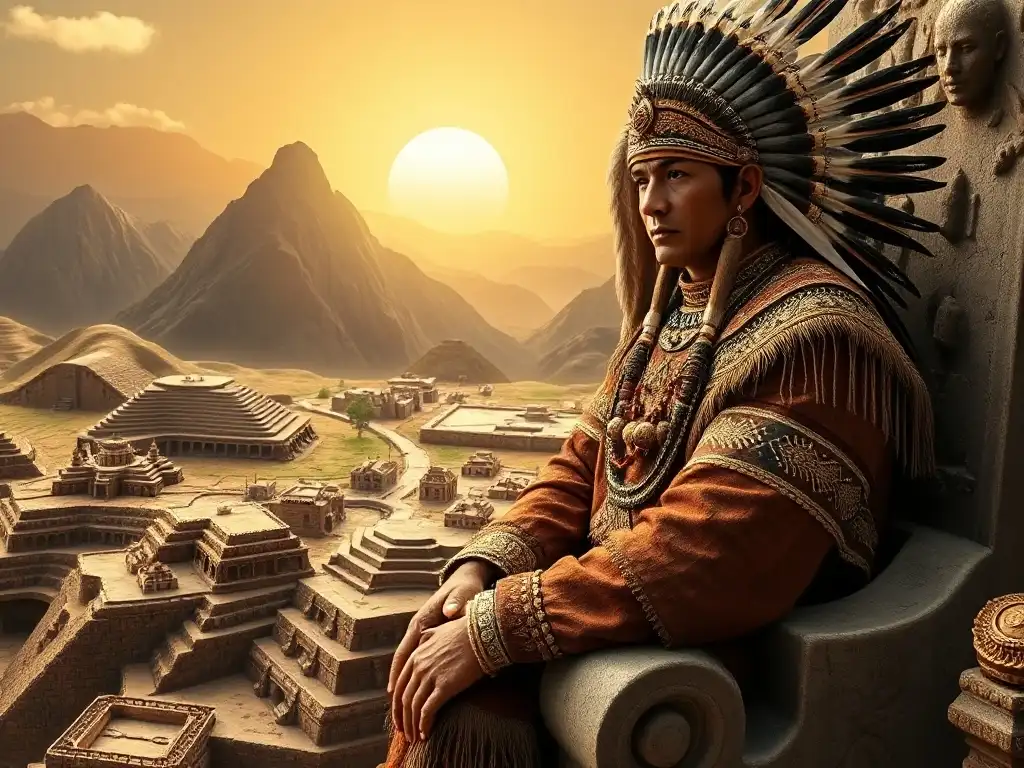
Pachacuti's political vision transcended mere territorial expansion. He aimed to create a unified and stable empire, a cohesive Tawantinsuyu, based on a strong central government and a sophisticated administrative system. His reforms went far beyond military conquest; they encompassed social restructuring, economic policies, and the standardization of cultural practices across the vast empire.
This holistic approach ensured the longevity and stability of the Inca state, far exceeding the lifespan of many other Andean empires. He understood that a successful empire required not only military might but also a strong sense of shared identity and purpose among its diverse populations. This understanding is reflected in the careful integration of conquered peoples into the Inca system, a process that involved both coercion and accommodation.
The careful balance between these two approaches was key to Pachacuti's success in consolidating power and building a lasting empire. He established a system of tribute and labor (mita) that, while demanding, provided both economic resources and a means of integrating conquered populations into the Inca economy and social structure.
The Concept of Tawantinsuyu
The concept of Tawantinsuyu, meaning "the four regions," was central to Pachacuti's vision. This wasn't simply a geographical division; it represented a deliberate strategy for political and administrative control. By dividing the empire into four quarters, each with its own governor ( suyu ), Pachacuti fostered a sense of order and efficiency.
This administrative structure facilitated the collection of taxes, the mobilization of labor, and the dissemination of imperial decrees. The division also allowed for a degree of regional autonomy while maintaining firm central control. The suyu system was a crucial element in the effective governance of such a vast and diverse empire, preventing the kind of centrifugal forces that often plagued large empires.
This innovative structure allowed for greater efficiency in resource management and provided a mechanism for conflict resolution within the empire. The system was not static; it evolved and adapted to the changing needs of the empire over time, demonstrating the ingenuity of Pachacuti's initial design.
Pachacuti’s impact on Inca social structure
Pachacuti's expansion significantly impacted the Inca social structure. While the traditional hierarchy of ayllu communities remained, the emperor's power was substantially enhanced. He established a system of centralized authority, with himself at the apex. This involved the creation of a powerful bureaucracy staffed by loyal officials, many drawn from conquered elites who were integrated into the Inca system.
This intricate system of governance, coupled with the mita system, allowed for the effective management of resources and labor across the vast empire. The introduction of standardized weights and measures further cemented the emperor's authority and facilitated trade and economic activity. The impact on social structure also included the resettlement of populations, the construction of new infrastructure, and the imposition of Inca religious beliefs and practices. This process of integration, while sometimes forceful, fundamentally reshaped Andean society.
Long-term effects of Pachacuti's expansion policies
Pachacuti's expansionist policies had profound and lasting consequences. The Inca Empire, at its zenith under his successors, controlled a vast territory and population. This expansion brought unprecedented economic prosperity, facilitated by the efficient organization of agriculture, mining, and other industries. However, the expansion also created vulnerabilities. The vastness of the empire made it difficult to control and govern effectively, particularly in remote regions.
The mita system, while effective in generating resources, also led to resentment and rebellion in some areas. The long-term effects of Pachacuti's policies are complex and multifaceted, shaping the course of Andean history for centuries. The legacy of his expansion is still visible today in the archaeological remains of Inca cities, roads, and agricultural terraces. These monuments testify to the scale and ambition of his project.
Pachacuti's Influence on Subsequent Inca Rulers
Pachacuti's influence extended far beyond his lifetime. His administrative and military innovations served as a model for subsequent Inca rulers. His successors built upon the foundations he laid, continuing the expansion and consolidation of the empire. However, they also faced new challenges, adapting Pachacuti's strategies to address the evolving circumstances of a larger and more complex empire. The effective functioning of the Inca imperial bureaucracy, the mita system, and the integration of conquered peoples all reflected the enduring legacy of Pachacuti's vision. His emphasis on centralized control and efficient administration became a hallmark of Inca governance.
Inca expansion after Pachacuti’s death
Following Pachacuti's death, Inca expansion continued, albeit with varying degrees of success. His successors, notably Topa Inca Yupanqui and Huayna Capac, expanded the empire further, incorporating new territories and populations. They employed similar strategies to Pachacuti, including military conquest, diplomatic alliances, and the integration of conquered peoples into the Inca system.
However, the challenges of governing such a vast empire became increasingly apparent, leading to internal tensions and rebellions in some areas. The later years of Inca expansion saw a shift in focus from territorial gains to the consolidation and administration of existing territories. The success of later expansion efforts was significantly influenced by the foundations laid by Pachacuti.
Pachacuti’s legacy within the Inca Empire
Pachacuti's legacy within the Inca Empire is undeniable. He is remembered as the architect of the empire's expansion and its most effective organizer. His innovations in administration, military strategy, and social organization shaped the Inca state for generations. His reforms are evident in the impressive infrastructure, the centralized administration, and the integrated social structure of the Inca Empire.
He is considered a pivotal figure, not just for the Inca Empire’s territorial expansion, but also for its enduring impact on the Andean region. His vision of a unified and prosperous Tawantinsuyu continues to inspire awe and fascination, and his impact on Andean history remains profound. He is a key figure in understanding "Pachacuti Inca expansion strategies".
Understanding Pachacuti's Impact on Inca Expansion
Pachacuti Inca Yupanqui's reign (circa 1438-1471 CE) marks a pivotal moment in Inca history, transforming a relatively small regional power into the vast empire that would eventually stretch along the Andes. His impact on Inca expansion wasn't merely about military conquest; it was a multifaceted strategy encompassing military prowess, shrewd diplomacy, and sophisticated administrative reforms. Understanding Pachacuti's success requires analyzing these interconnected elements.
His military campaigns weren't random acts of aggression but carefully planned operations aimed at strategically weakening rivals and consolidating newly acquired territories. This involved not just conquering armies, but also integrating conquered populations into the Inca system. He understood that a successful expansion required more than brute force; it necessitated the implementation of effective governance and infrastructure to maintain control over such a vast and diverse territory.
Pachacuti's military innovations were crucial. While the Inca army had always been formidable, Pachacuti refined its organization, tactics, and logistics. He implemented a system of standardized weaponry and training, improving the army's effectiveness significantly. He also improved the Inca's logistical capabilities, ensuring that his armies were well-supplied during extended campaigns.
This allowed for longer campaigns and more decisive victories against opponents who were often poorly organized and less well-supplied. Evidence from archaeological sites shows improvements in infrastructure such as roads and storage facilities, directly supporting his military advancements. The construction of the Qhapaq Ñan, the vast Inca road network, is a testament to his understanding of the importance of logistics in military operations. This road system not only facilitated troop movement but also enabled the swift transmission of information and the efficient distribution of resources.
Beyond military might, Pachacuti employed sophisticated diplomatic strategies. He understood the importance of alliances and negotiated favorable terms with neighboring groups, sometimes through marriage alliances or strategic partnerships. This prevented unnecessary conflicts and allowed for a more peaceful expansion in some regions. By integrating conquered populations into the Inca system, rather than simply subjugating them, he reduced resistance and encouraged cooperation. This strategy minimized the risk of rebellions and ensured a more stable empire.
The incorporation of local elites into the Inca administrative structure played a key role in this process of integration. These elites were often given positions of power within the Inca system, incentivizing their loyalty and cooperation. This nuanced approach to diplomacy and integration significantly contributed to the pace and success of Inca expansion under his leadership. It demonstrates a sophisticated understanding of political strategy that went beyond simple military domination.
In short, Pachacuti's impact on Inca expansion was profound and multifaceted. His military innovations, combined with his astute diplomatic skills and administrative reforms, created a potent formula for success. He wasn't just a conqueror; he was a visionary leader who built a lasting empire through a combination of force and strategic integration.
His legacy continues to inspire awe and wonder, shaping our understanding of the Inca's remarkable achievements and their enduring impact on the Andes region. The study of Pachacuti's strategies offers valuable insights into the complexities of empire building and the importance of integrating diverse populations into a unified political system. His reign serves as a compelling case study for understanding the dynamics of power, diplomacy, and the construction of a vast and enduring empire.
- The Rise of Pachacuti: Transforming the Inca State
- Pachacuti's Military Innovations and Conquests
- Administrative Reforms and Consolidation of Power
- Urban Planning and Architectural Legacy
- Pachacuti's Political Vision and Legacy
- Pachacuti's Influence on Subsequent Inca Rulers
- Understanding Pachacuti's Impact on Inca Expansion
Frequently Asked Questions
What were Pachacuti's main expansion strategies?
Pachacuti employed a multi-pronged approach. This included military conquest, diplomatic alliances, and the strategic integration of conquered peoples into the Inca empire through a system of tribute and resettlement.
How did Pachacuti's military tactics contribute to Inca expansion?
His armies were highly organized and effective, utilizing superior weaponry and innovative strategies like the use of terrain to their advantage. Efficient logistics also ensured their campaigns were sustainable.
What role did diplomacy play in Pachacuti's expansion?
Pachacuti skillfully used diplomacy to forge alliances and incorporate smaller groups into the empire peacefully, minimizing conflict and resistance. This reduced the need for large-scale military campaigns.
What was the impact of Pachacuti's expansion on Inca society?
His conquests dramatically increased the size and power of the Inca Empire, leading to significant changes in administration, infrastructure, and cultural exchange. This also led to a vast increase in resources and manpower.
How did Pachacuti's reforms facilitate his expansionist policies?
Pachacuti implemented crucial administrative and military reforms. These included standardized systems of governance, taxation, and infrastructure development, which strengthened the empire's capacity for expansion.
Final Reflection: Pachacuti's Legacy: A Blueprint for Success and Societal Harmony
Pachacuti's innovative strategies for Inca expansion weren't merely military maneuvers; they represent a sophisticated model of governance and societal integration that remains remarkably relevant today. His ability to unify disparate groups, build robust infrastructure, and foster a sense of shared identity offers valuable lessons for leaders and societies grappling with challenges of integration and sustainable growth in our interconnected world.
The enduring impact of Pachacuti's vision extends far beyond the geographical boundaries of the Inca Empire. His emphasis on infrastructure development, efficient administration, and the integration of conquered peoples into a unified system continues to resonate in discussions of nation-building and sustainable development. A great empire is not built on conquest alone, but on the ability to integrate and uplift those who are conquered.
– This unspoken principle guided Pachacuti's actions and continues to offer a powerful counterpoint to purely exploitative models of expansion.
Consider Pachacuti's legacy. His achievements weren't solely about military might; they were about creating a society that thrived through collaboration and shared purpose. You too can apply these principles in your own life. Think about how you can build bridges instead of walls, foster collaboration instead of competition, and create systems that uplift and empower those around you. Embrace the challenge of building something lasting and meaningful, inspired by the enduring vision of Pachacuti, the architect of an empire built not just on power, but on a foundation of shared identity and prosperity.
Unveil Your Inca Inspiration Today!
Thank you for exploring the fascinating world of Pachacuti and his transformative vision for the Inca Empire! We hope you enjoyed learning about this remarkable leader and his profound impact on the development of a vast and sophisticated civilization. Now, let's continue this exciting journey!
Here are some ways to delve deeper:
- Join our community: Share your thoughts on Pachacuti's legacy and connect with other history enthusiasts. Sign up for our newsletter to receive regular updates and participate in stimulating discussions.
- Explore further: Discover the expansive Inca territories through our interactive map, and visualize the incredible scale of the empire that flourished under Pachacuti's rule.
- Share your insights: Post your reflections on social media, sharing what you've learned about Pachacuti and the Inca civilization. Use our hashtag to connect with others and inspire a wider appreciation for this remarkable historical period.
What aspect of Pachacuti's leadership most inspires you, and how does it compare to your own understanding of effective leadership today?